Kaohsiung can be a good city for older travelers because its MRT, taxis, waterfront areas, hotels, food, and major sights can support a comfortable short stay. The challenge is not whether the city is welcoming. It is heat, distance, uneven surfaces, station transfers, long outdoor stretches, and the temptation to add more than the body wants in one day. A good Kaohsiung plan for an older traveler uses the city in measured pieces. It chooses the right hotel, protects rest, solves transfers, and treats shade, seating, bathrooms, and medical needs as core itinerary details.
Choose the hotel for comfort logistics
Older travelers should choose lodging by elevators, quiet rooms, breakfast, taxi access, nearby meals, bathroom reliability, air conditioning, and the ease of reaching HSR Zuoying or the airport. A scenic waterfront hotel may be pleasant, but it still needs to work for the first transfer, the last transfer, and midday rest.
The best base reduces unnecessary walking and makes it easy to pause. That matters more than being closest to every attraction.
- Check elevators, quiet rooms, breakfast, air conditioning, nearby meals, taxi access, and bathrooms.
- Compare hotel bases by HSR, airport, MRT, waterfront, and medical-access needs.
- Choose a base that supports rest and simple transfers.
Use MRT and taxis without over-walking
Kaohsiung's MRT and light rail can be helpful, but station-to-platform routes, exits, stairs, escalators, heat, crowds, and the final walk still need checking. Taxis may be the better choice for midday heat, luggage, medical fatigue, or a longer transfer after dinner. The traveler should not treat public transport as automatically easier.
A practical plan may use MRT for simple corridors and taxis for exposed or tiring links. Comfort is part of the value.
- Check station exits, escalators, elevators, final walking distance, and heat exposure.
- Use taxis for luggage, midday heat, medical fatigue, dinner returns, or distant sights.
- Choose transport by effort, not only by cost.
Plan heat, hydration, and rest windows
Heat and humidity can define a Kaohsiung day. Older travelers should plan water, shade, sun protection, umbrellas, indoor breaks, medication timing, and a midday rest window if needed. The itinerary should avoid chaining long outdoor stops without air-conditioned relief.
A slower schedule is not a lesser trip. It often produces better meals, clearer memories, and fewer avoidable problems.
- Plan water, shade, sun protection, umbrellas, indoor breaks, and medication timing.
- Avoid long outdoor chains during the hottest part of the day.
- Keep a rest window available even on a short visit.
Select sights by surfaces and seating
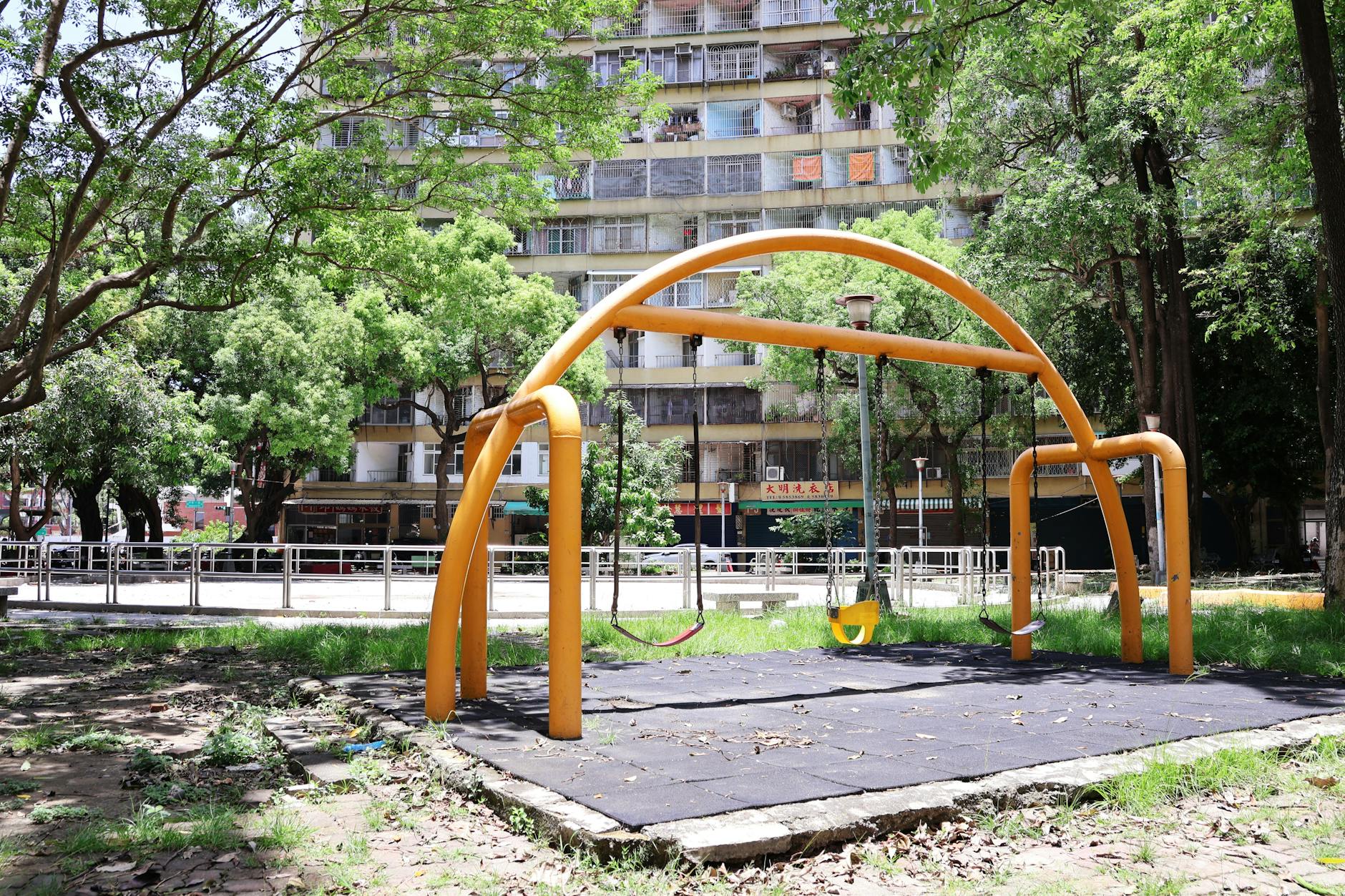
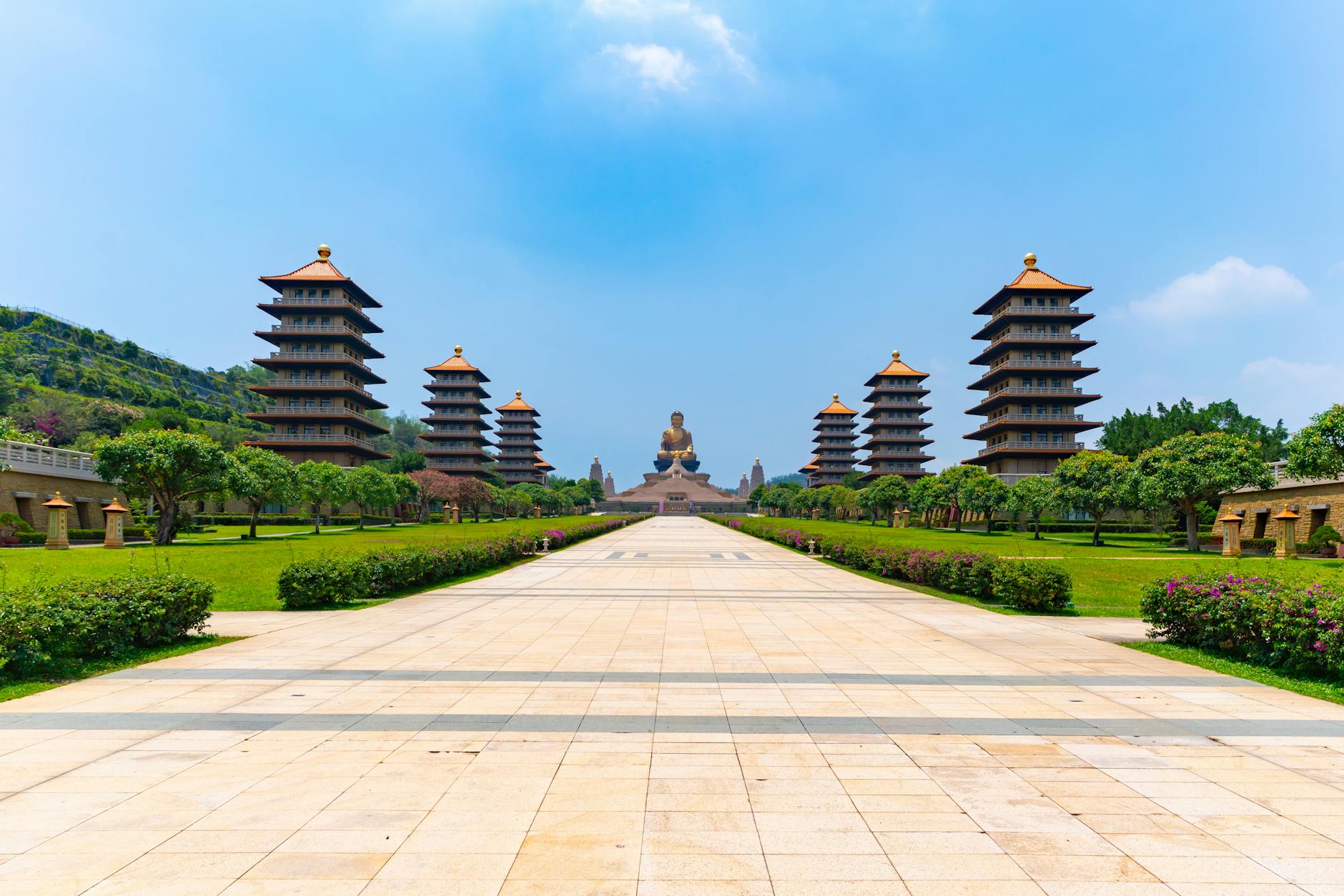
Love River, Pier-2, harbor viewpoints, Lotus Pond, Cijin, temples, and Fo Guang Shan can all appeal to older travelers, but each has different walking surfaces, shade, bathrooms, steps, crowds, and seating. The traveler should check how close vehicles can get and whether the site is comfortable in the expected weather.
The right Kaohsiung route may choose fewer stops and spend more time at each. That is often better than racing through famous names.
- Check walking surfaces, shade, bathrooms, steps, vehicle access, crowds, and seating.
- Compare Love River, Pier-2, Lotus Pond, Cijin, temples, and Fo Guang Shan by effort.
- Choose fewer sights with better pacing rather than a crowded checklist.
Keep medical details visible
Older travelers should keep medication, prescriptions, allergies, emergency contacts, insurance, mobility aids, and clinic or hospital awareness easy to access. Heat, changed meal timing, dehydration, and long walks can affect blood pressure, diabetes, sleep, pain, and stamina. The plan should include pharmacies, hotel support, and a clear taxi return option.
Medical planning does not need to dominate the trip, but it should be visible enough that a small issue does not become a large one.
- Keep medication, prescriptions, allergies, emergency contacts, insurance, and mobility aids accessible.
- Account for heat, hydration, meal timing, sleep, pain, and stamina.
- Know nearby pharmacy, clinic, hotel support, and taxi-return options.
Use meals for recovery, not strain
Kaohsiung food can be a highlight, but older travelers should plan seating, bathrooms, spice level, portion size, dietary restrictions, medication timing, alcohol, and the return to the hotel. Night markets may be enjoyable for some travelers and too crowded or hot for others. Restaurants, seafood areas, cafes, and hotel-adjacent meals may fit better on certain days.
The strongest plan treats food as enjoyment and recovery, not another endurance test.
- Plan seating, bathrooms, spice, portion size, dietary limits, medication timing, alcohol, and return transport.
- Choose night markets only when crowds, heat, and walking fit the traveler.
- Use cafes, restaurants, and hotel-adjacent meals when recovery matters.
When to order a short-term travel report
An older traveler with a fully hosted visit may not need a custom Kaohsiung report. A report becomes useful when hotel comfort, heat, walking distance, accessible transport, medical needs, food constraints, Cijin or Lotus Pond choices, Fo Guang Shan feasibility, or a short timetable needs closer testing.
The report should test hotel base, HSR and airport transfers, MRT and taxi use, attraction surfaces, shade, bathrooms, rest windows, meals, medical logistics, weather, budget, and what to cut. The value is a Kaohsiung trip that stays comfortable without becoming timid.
- Order when hotel comfort, walking, heat, medical needs, transport, meals, or attraction choice need testing.
- Provide dates, arrival mode, hotel options, mobility needs, medical constraints, interests, and budget.
- Use the report to keep the trip paced, practical, and still rewarding.