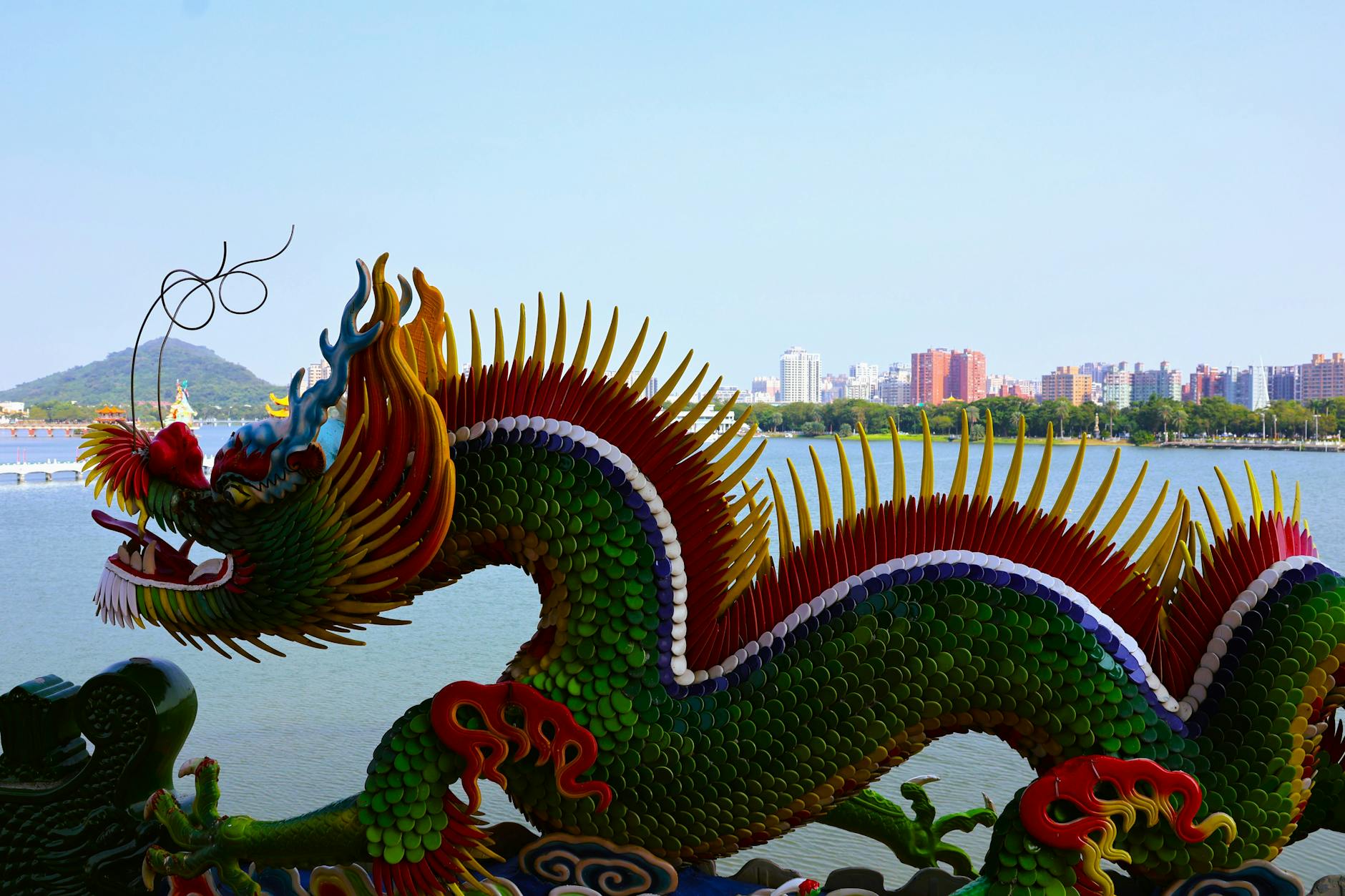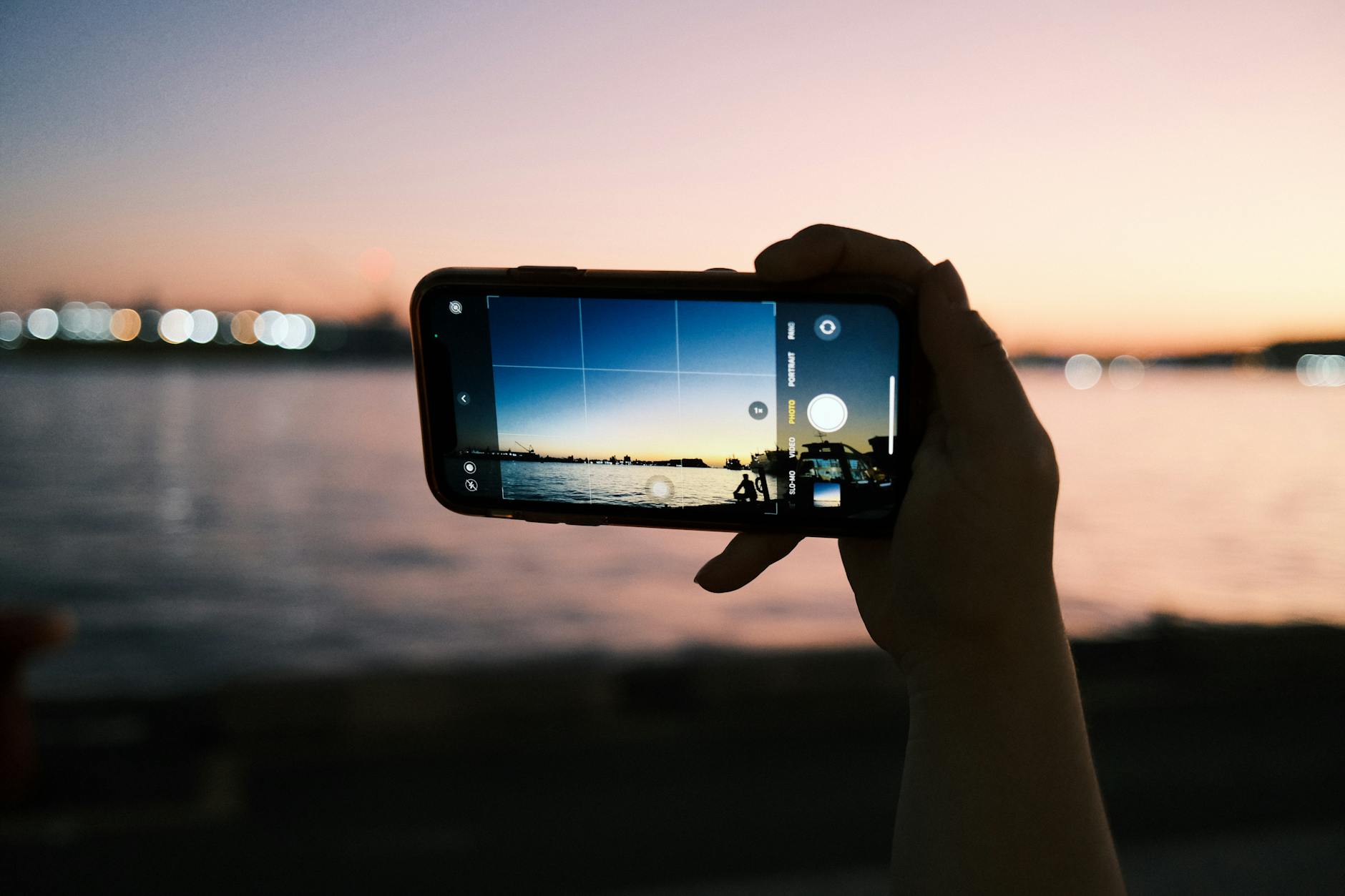
Kaohsiung can suit a luxury traveler who wants a polished southern Taiwan stay with harbor views, strong hotels, private transfers, waterfront dining, design districts, cultural sites, and enough space to move at a calmer pace than Taipei. The key is not to treat luxury as simply booking the most expensive room. The city is spread out, hot, and shaped by harbor geography, so comfort depends on routing as much as amenities. A strong luxury Kaohsiung plan chooses the right base, keeps transfers clean, protects privacy and recovery, and uses the city selectively rather than turning a short stay into a rushed checklist.
Choose the hotel by view and movement
Luxury lodging in Kaohsiung should be judged by more than room category. The traveler should compare harbor views, suite layout, quiet floors, breakfast, pool or spa access, concierge quality, car pickup, luggage handling, late checkout, and the distance to HSR Zuoying, the airport, waterfront districts, and dinner plans.
A beautiful hotel becomes less luxurious if every outing begins with an awkward transfer. The right base lets the traveler move cleanly and rest easily.
- Compare harbor views, suite layout, quiet rooms, breakfast, pool, spa, concierge, and late checkout.
- Check HSR, airport, waterfront, restaurant, and cultural-site transfer times before booking.
- Choose the hotel that reduces friction around the highest-value parts of the stay.
Use private transfers where comfort matters
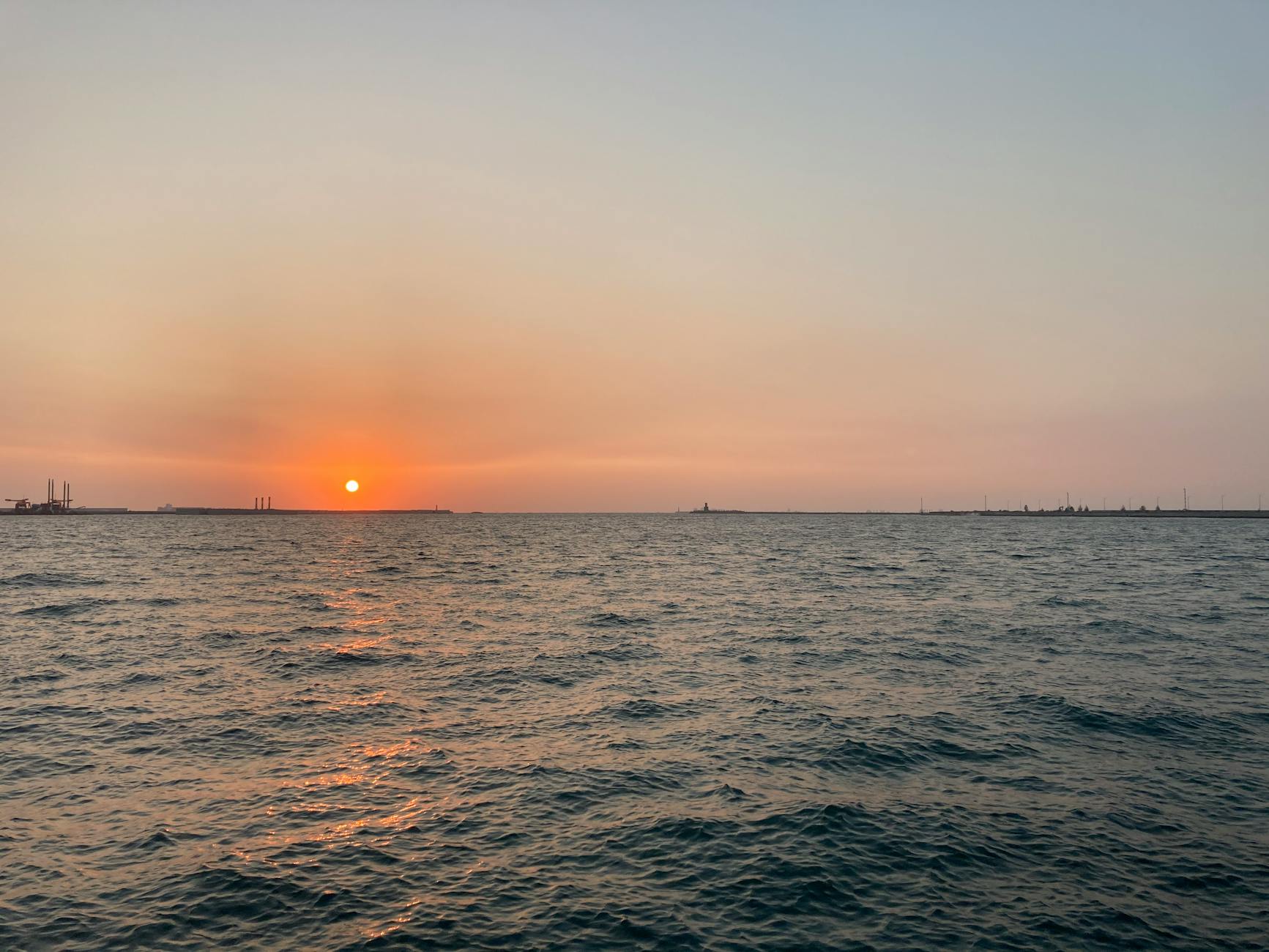
HSR Zuoying, Kaohsiung International Airport, harbor districts, Cijin ferries, temples, restaurants, and outlying cultural sites can all involve different movement styles. A luxury traveler should decide where private cars, hotel cars, taxis, MRT, light rail, ferries, or guided transport make the trip smoother. Private transfers are most useful when luggage, heat, formal clothing, privacy, or tight timing matters.
The traveler should still know pickup points, driver contact, payment, and backup routes. Luxury service works best when the ground plan is explicit.
- Use private cars or hotel cars for luggage, heat, formal clothing, privacy, and tight timing.
- Keep MRT, light rail, taxi, and ferry options available when they are genuinely efficient.
- Confirm pickup points, driver contact, payment, and backup routes before arrival.
Make the waterfront the anchor
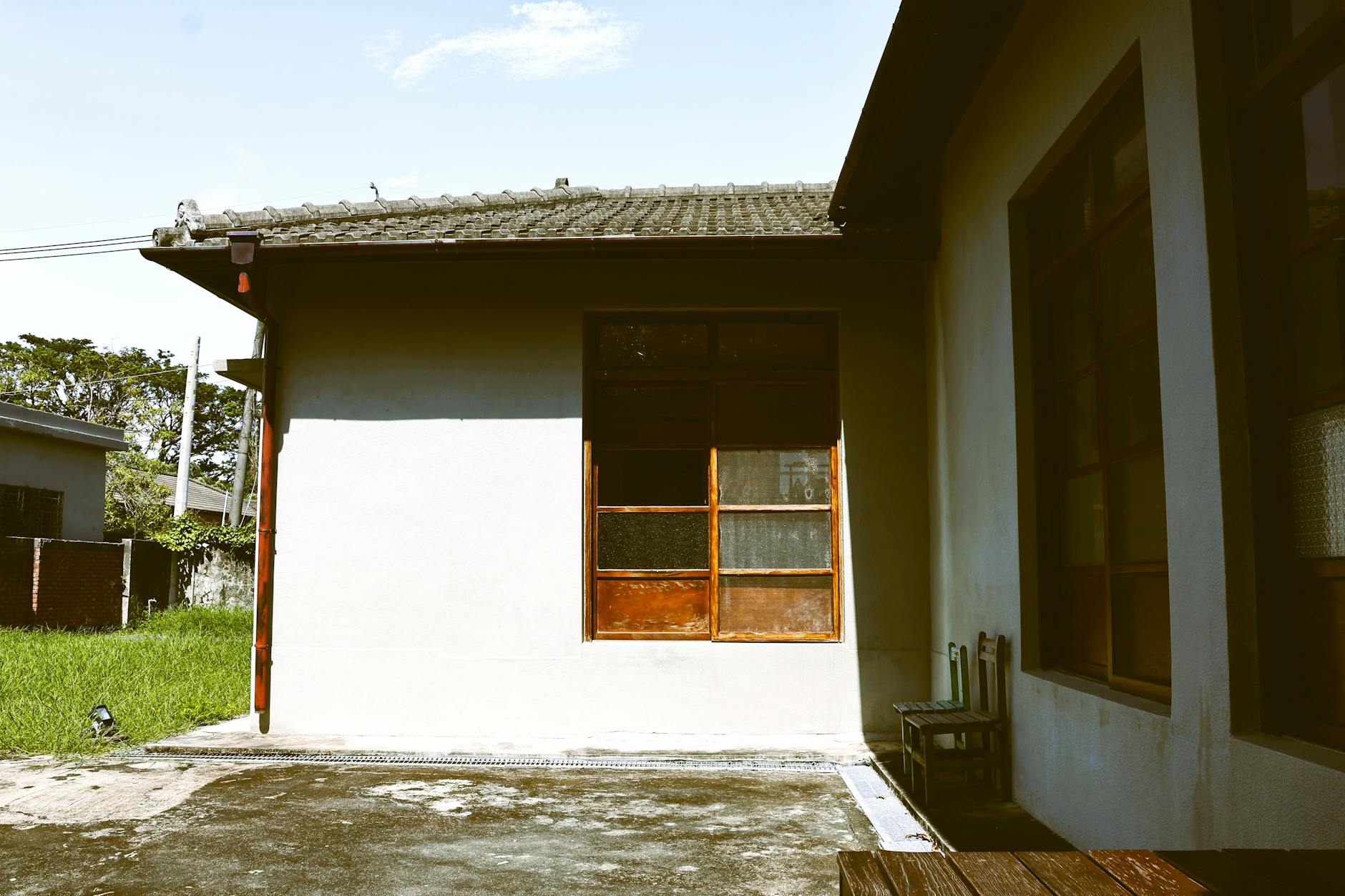
Kaohsiung's harbor, Love River, Pier-2, light rail corridor, Cijin crossing, and sunset views can provide a strong luxury rhythm when sequenced well. The traveler can build a day around a late morning start, a design or cultural stop, a harbor-side pause, a good dinner, and an easy return rather than scattering energy across the city.
The waterfront should feel paced, not performed. Heat, crowds, and ferry timing still deserve attention.
- Use the harbor, Love River, Pier-2, Cijin, and sunset points as a connected waterfront thread.
- Plan ferry timing, car pickup, crowd levels, and weather before committing.
- Leave room for unhurried pauses instead of over-scheduling the view.
Plan dining with reservation realism
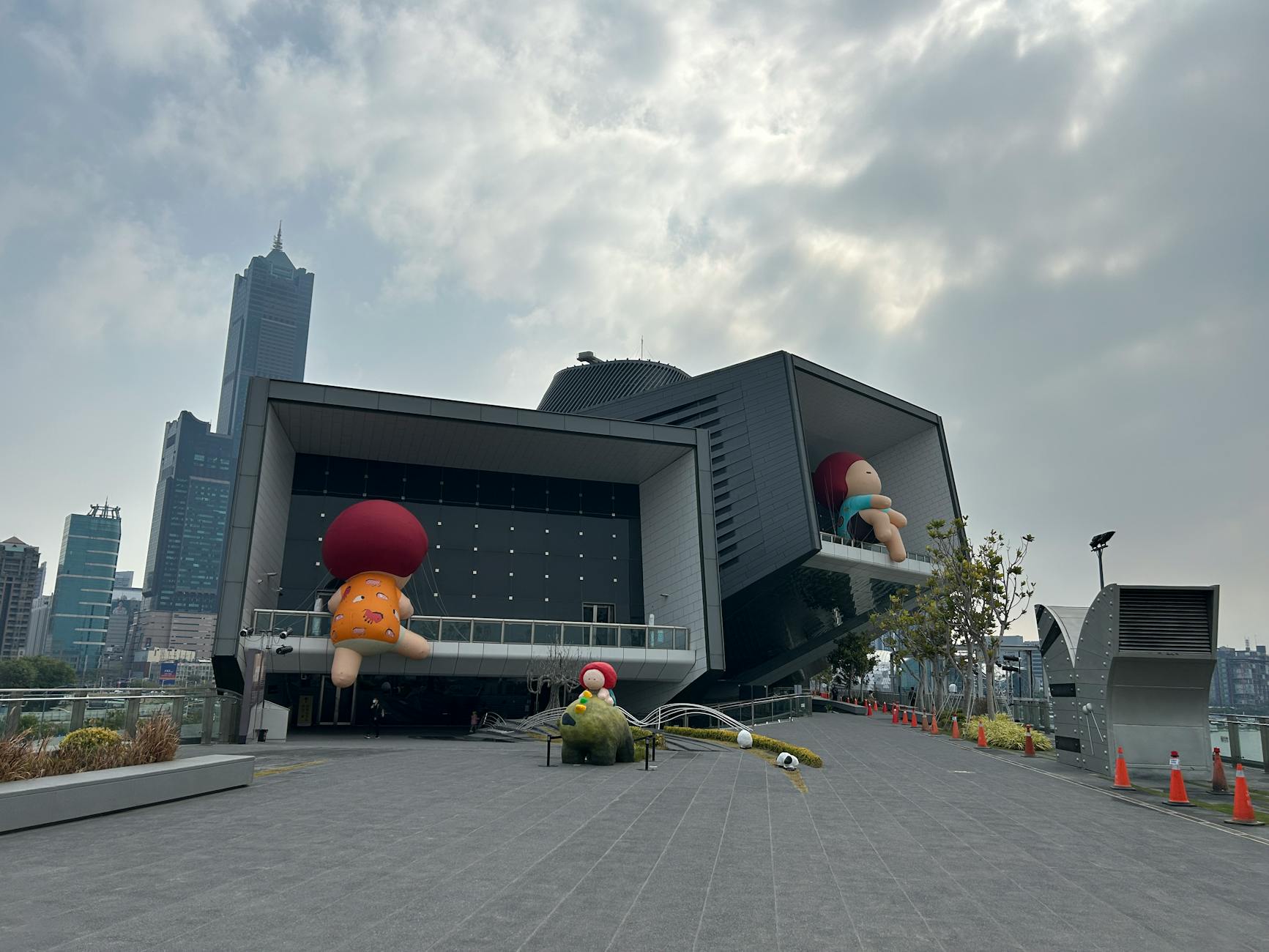
Luxury travelers should plan Kaohsiung dining by reservation difficulty, seafood expectations, harbor or hotel views, dietary needs, alcohol, private rooms, taxi return, and how meals fit with heat and sightseeing. A high-end dinner after a long exposed day may not feel high-end if the traveler arrives tired and overheated.
The best plan often pairs one destination meal with one flexible local or hotel-adjacent meal. That preserves appetite and mood.
- Check reservations, seafood, views, private rooms, dietary needs, alcohol, and taxi return.
- Avoid placing the main dinner after an overlong hot-weather day.
- Pair one destination meal with one flexible low-friction meal.
Select culture by depth, not status
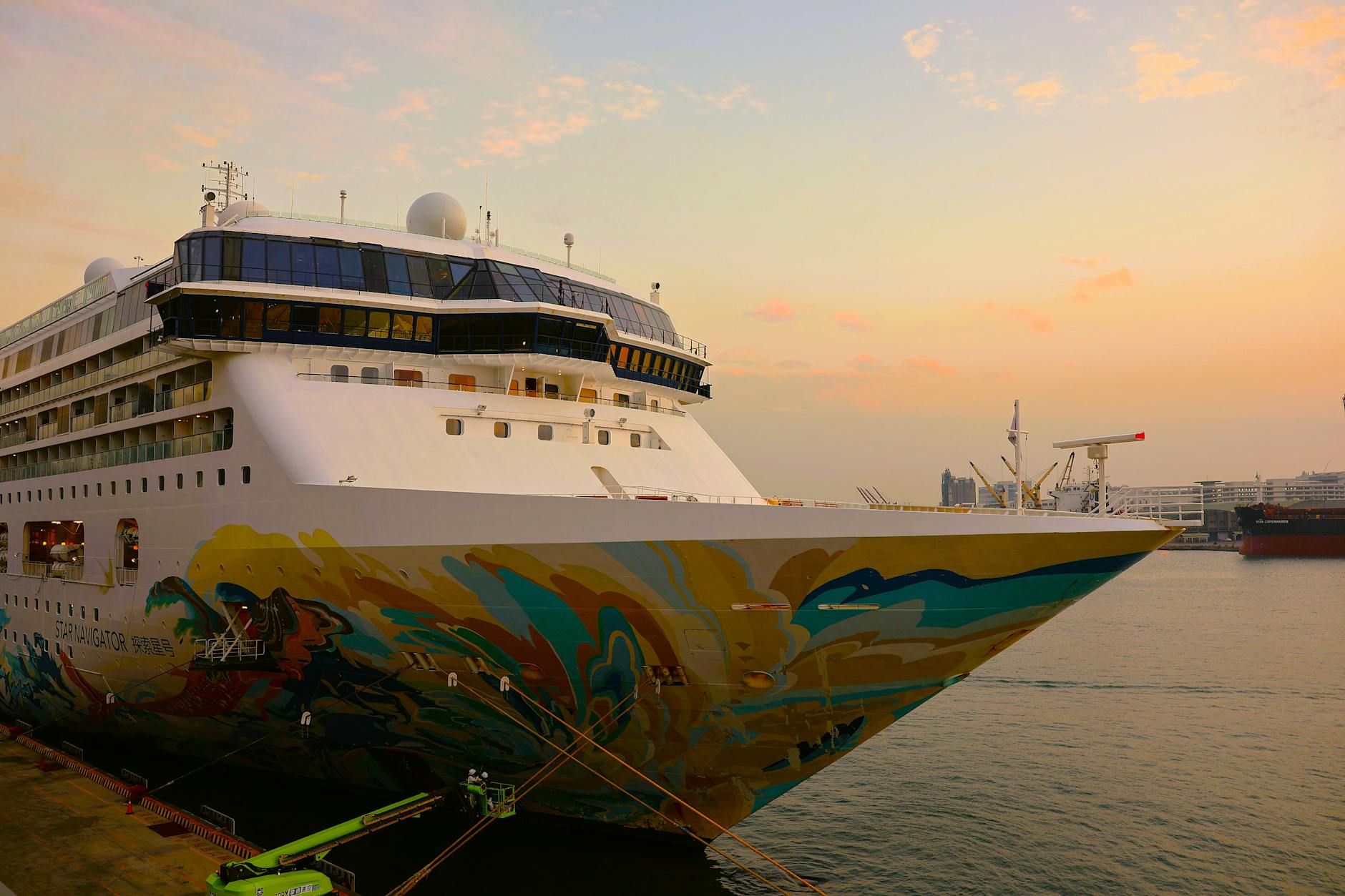
A luxury Kaohsiung stay can include Lotus Pond, Fo Guang Shan, Cijin, temples, design spaces, galleries, or private guiding, but the traveler should choose by interest and transfer fit rather than recognition alone. Fo Guang Shan may require a more deliberate outing. Pier-2 or waterfront districts can be easier for a shorter stay. Temples and markets require respect, modest behavior, and practical shoes.
The richer version of the trip usually comes from fewer places with better context.
- Choose cultural stops by interest, transfer time, weather, and guide quality.
- Use private guiding when context, pacing, privacy, or language support matter.
- Do fewer places well instead of treating culture as a prestige checklist.
Protect privacy, recovery, and weather comfort
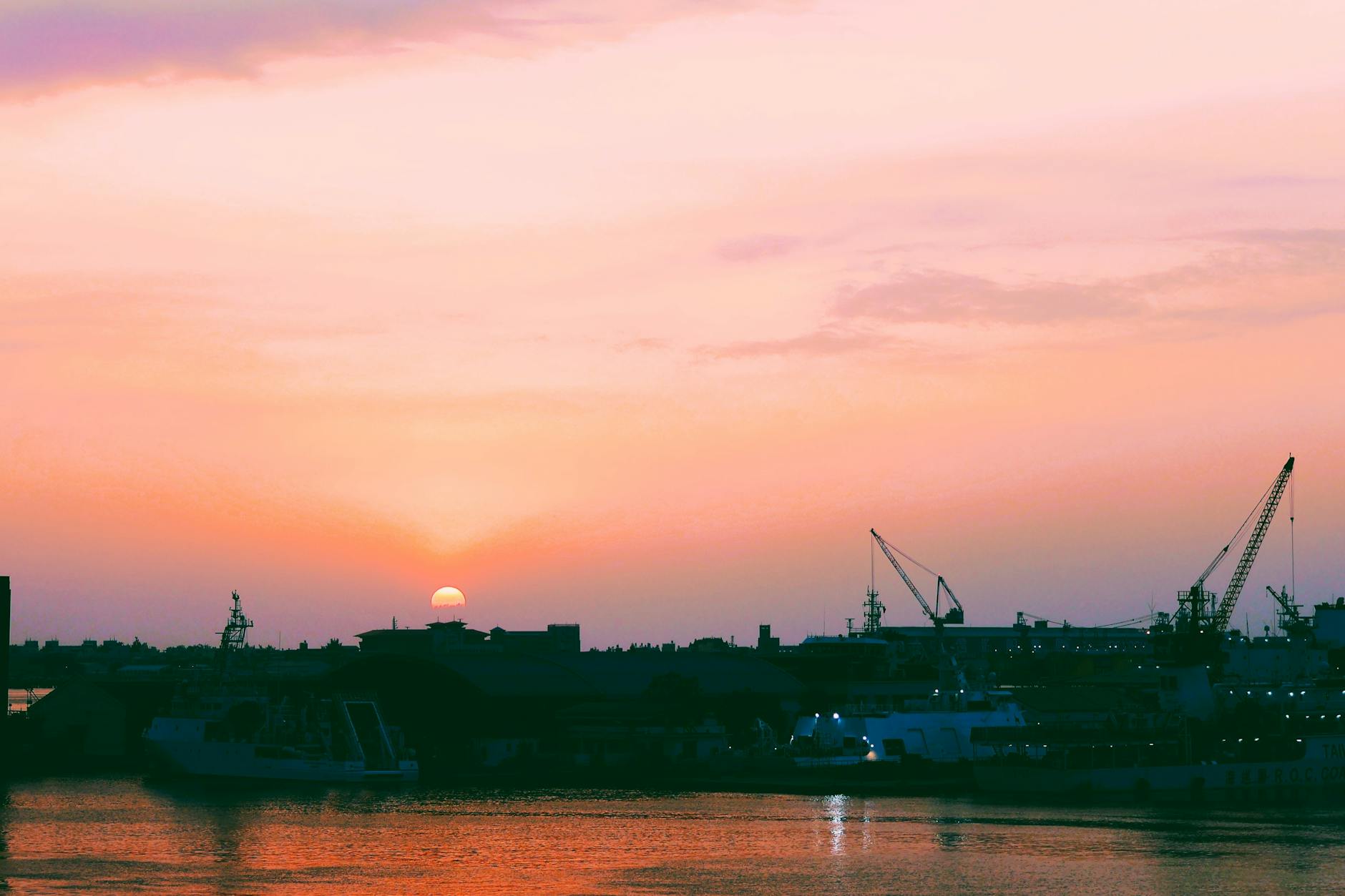
Luxury travel in Kaohsiung should account for heat, sun, rain, crowds, privacy, and recovery time. The traveler may want shaded transfers, indoor breaks, low-crowd timing, private rooms, quiet hotel afternoons, massage or spa windows, and a driver who can adjust if weather changes. Comfort is not passive; it needs to be scheduled.
The trip should leave room to enjoy the suite, pool, view, and service. Otherwise the expensive parts of the stay become storage between outings.
- Plan shaded transfers, indoor breaks, low-crowd timing, privacy, spa windows, and weather backups.
- Keep recovery time in the schedule instead of filling every hour.
- Use hotel amenities intentionally, not only at the margins.
When to order a short-term travel report
A luxury traveler with a hotel-led itinerary may not need a custom Kaohsiung report. A report becomes useful when the traveler is comparing harbor-view hotels, private transfers, Cijin or Fo Guang Shan timing, dining priorities, guide options, privacy needs, weather comfort, or whether Kaohsiung should be paired with Tainan or another southern Taiwan stop.
The report should test hotel base, arrival and departure routes, private transport, waterfront sequence, dining, cultural choices, heat, privacy, recovery time, budget, and what to cut. The value is a high-comfort Kaohsiung stay that feels intentional rather than merely expensive.
- Order when hotel choice, private transfers, dining, culture, privacy, weather, or pacing need testing.
- Provide dates, arrival mode, hotel options, service expectations, constraints, interests, and budget.
- Use the report to align comfort, logistics, and the best parts of Kaohsiung.