Kaohsiung is often easier for first-time visitors than its size suggests, but it still rewards a deliberate plan. The city has a working harbor, waterfront paths, MRT and light rail links, temples, design districts, night markets, ferries, beaches, and major side trips that can pull a short visit in too many directions. A good first Kaohsiung trip chooses a clear base and a few strong anchors. It does not try to turn a short stay into every southern Taiwan highlight at once.
Start with arrival geography
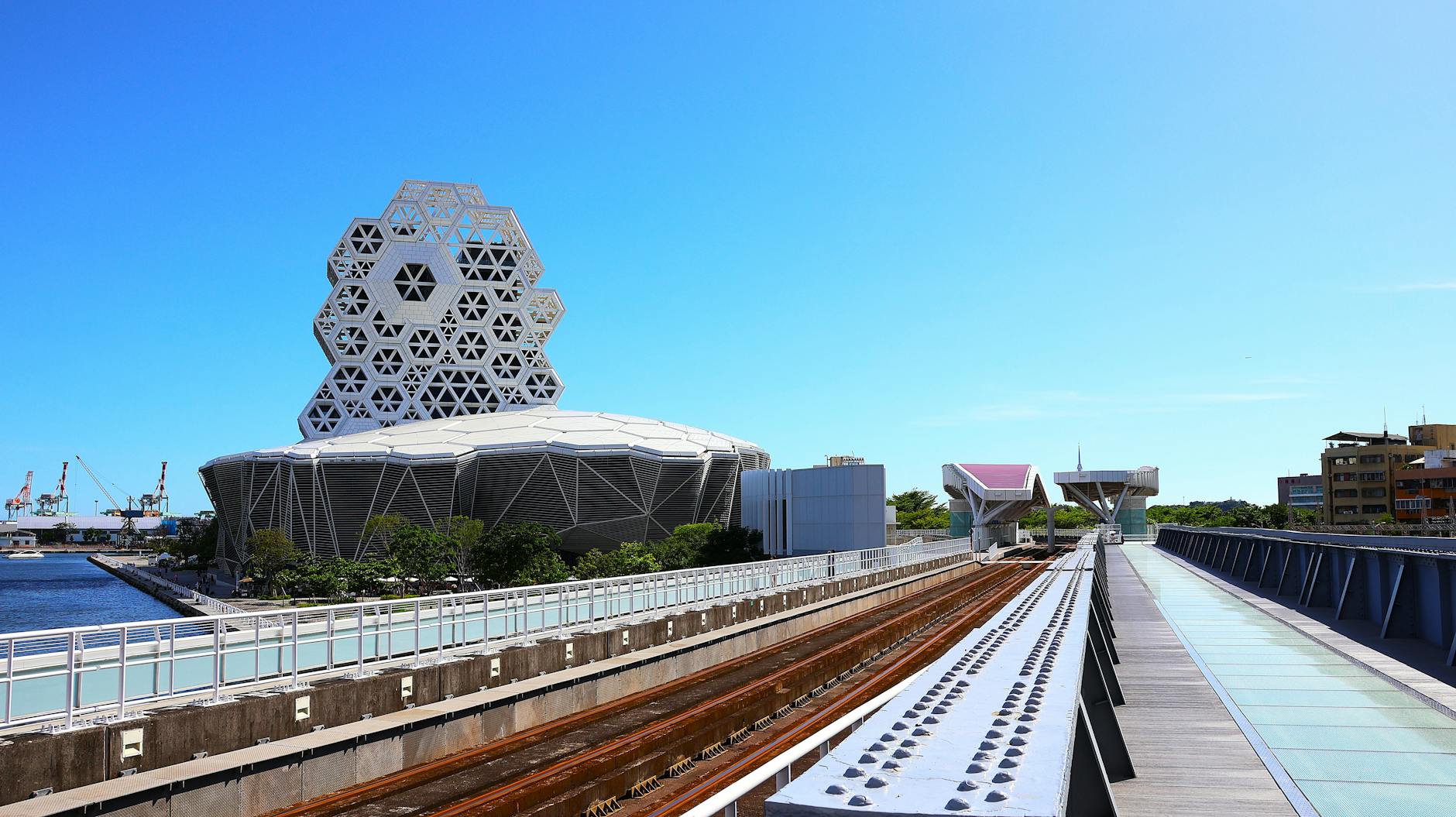
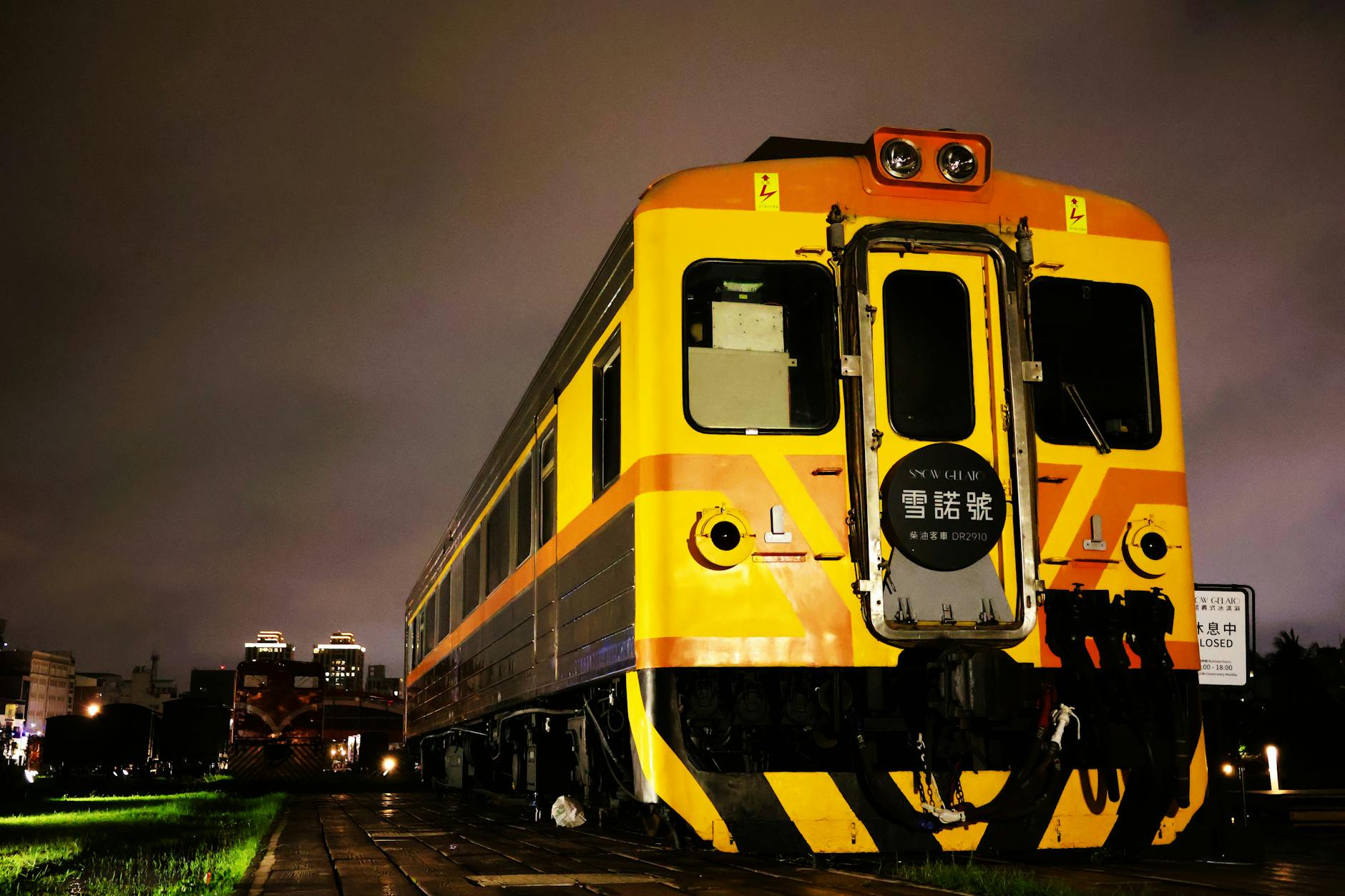
First-time visitors should separate HSR Zuoying, Kaohsiung International Airport, the main city districts, waterfront areas, and harbor routes before booking lodging. The MRT and light rail are helpful, but not every attraction or hotel sits directly on the easiest line. Taxis and short walks may still matter.
The arrival plan should include station exits, luggage, payment, data, heat, and the first transfer to the hotel. A smooth first hour makes the city feel much easier.
- Distinguish HSR Zuoying, the airport, MRT corridors, light rail, waterfront districts, and hotel areas.
- Check station exits, luggage, payment, data, taxi pickup, and walking distance.
- Choose a first transfer that is simple in heat or rain.
Pick one main waterfront thread
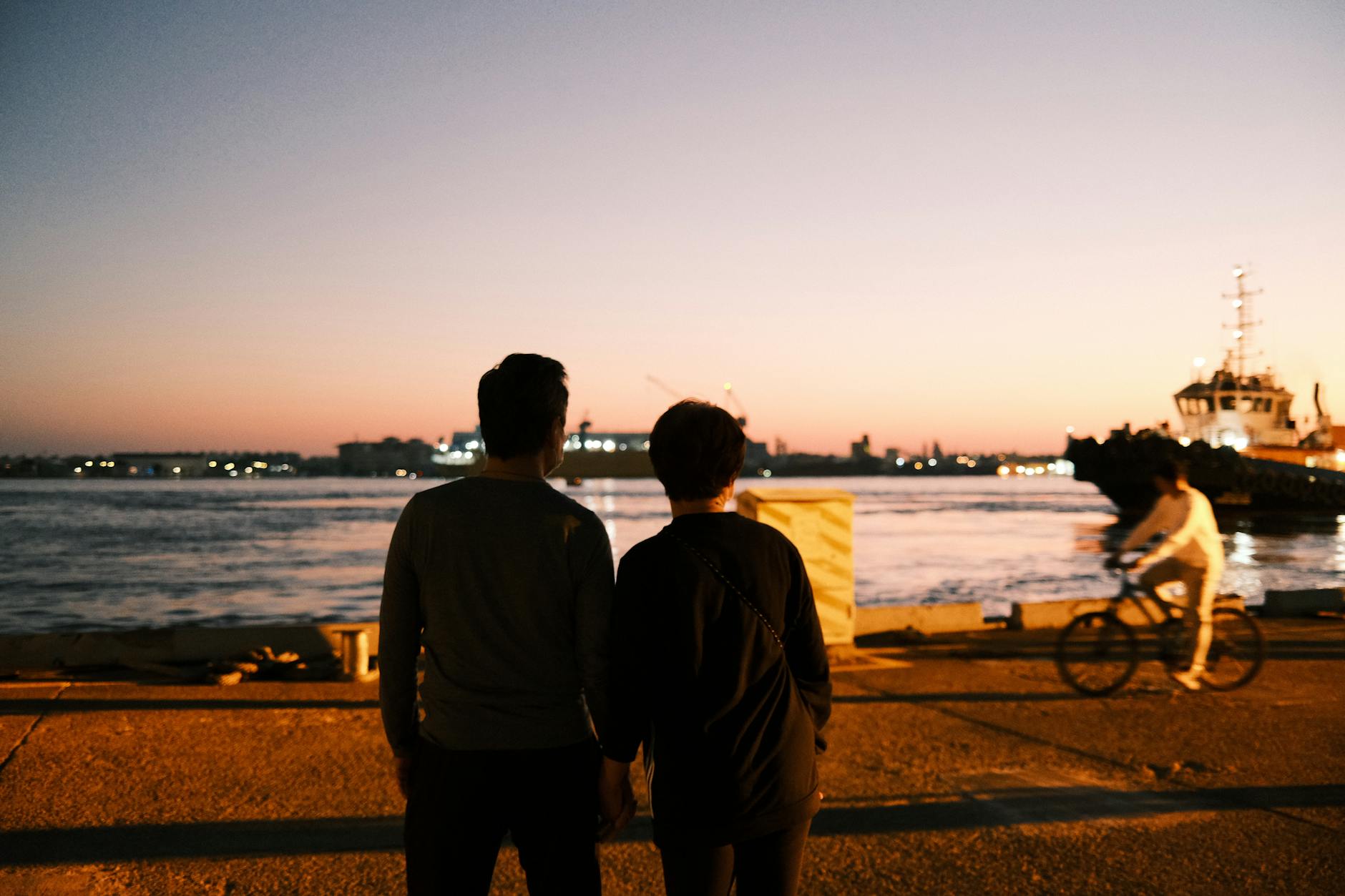
Kaohsiung's waterfront identity is one of the best first-visit anchors. Pier-2, Love River, the harbor, light rail corridors, Cijin ferry routes, and sunset viewpoints can combine well if the traveler chooses a sequence. They become less enjoyable when the day turns into disconnected hops in humid weather.
A strong short route might connect a design district, a harbor view, a ferry or river moment, and one meal. That is often enough for a first impression.
- Use Pier-2, Love River, harbor views, Cijin, and light rail as connected pieces, not random stops.
- Build one waterfront thread with a meal and a clear return plan.
- Avoid crossing the city repeatedly during a short first visit.
Use temples and major sights selectively
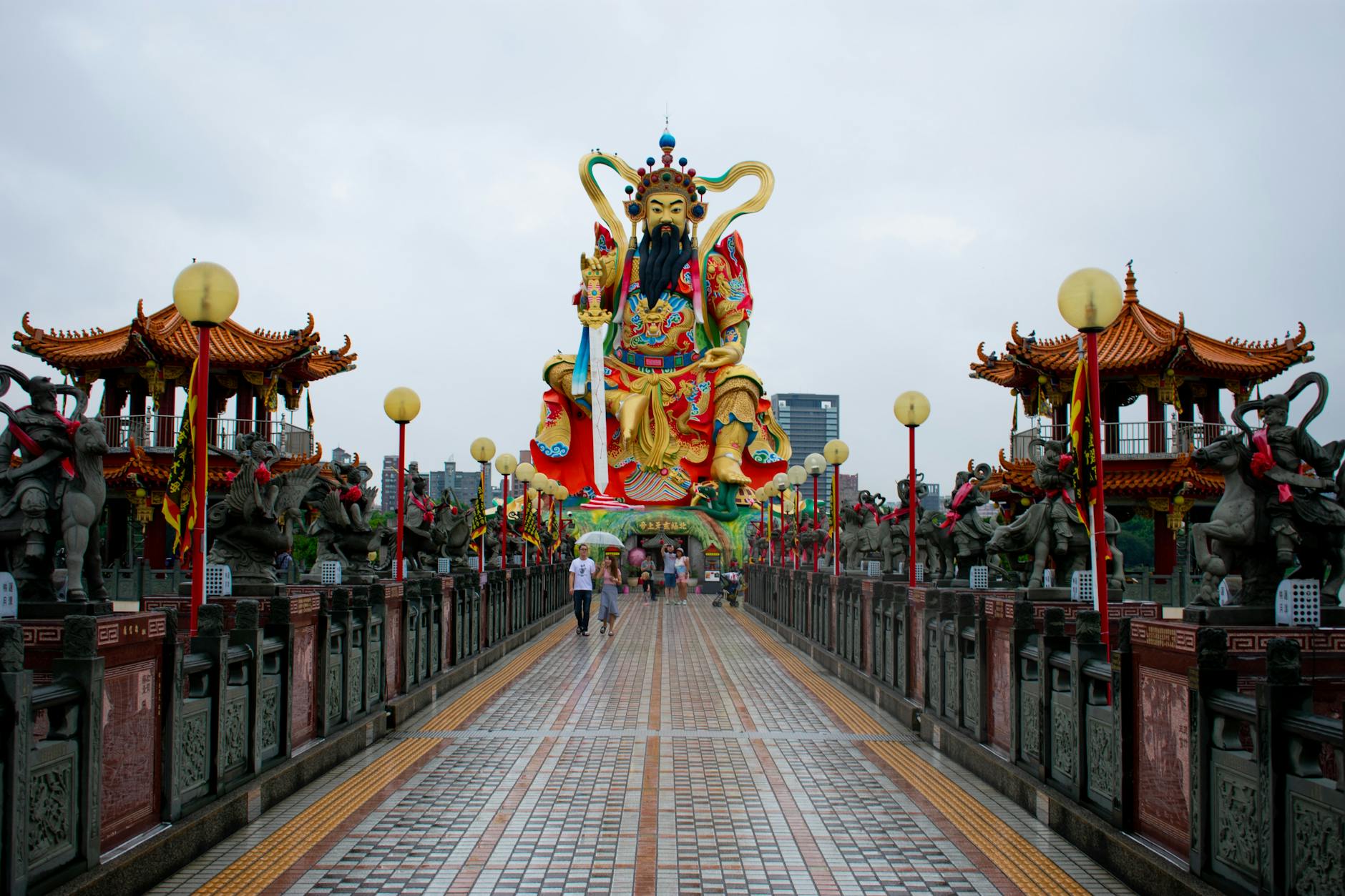
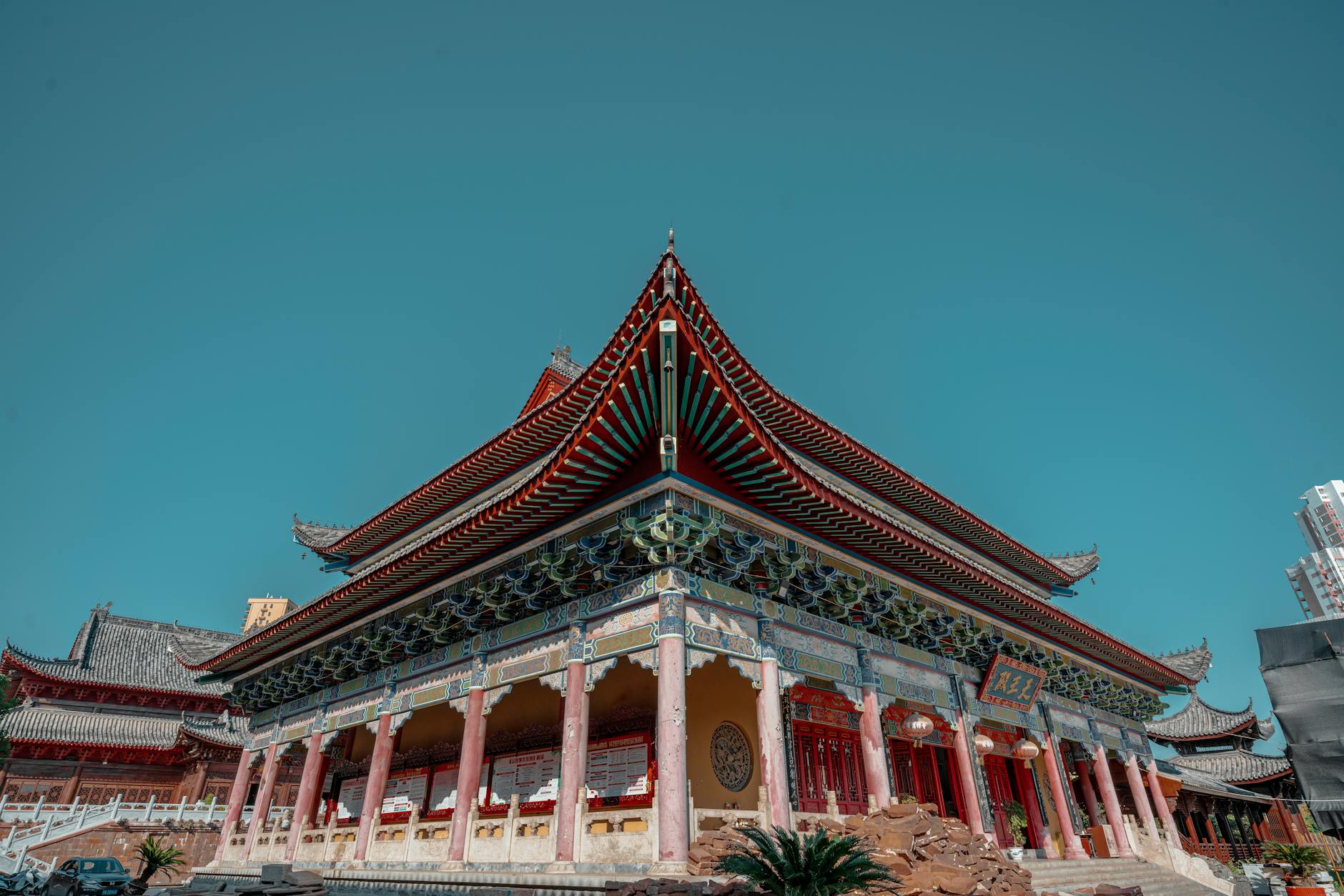
Lotus Pond, Dragon and Tiger Pagodas, Cijin Tianhou Temple, Fo Guang Shan, and other religious or cultural sites can all interest a first-time visitor, but they do not all fit neatly into a short stay. Lotus Pond and Cijin may pair with city movement; Fo Guang Shan usually deserves a more deliberate half-day or longer.
The traveler should decide whether the trip is a city sampler, a temple-focused visit, or a wider southern Taiwan day. Mixing all three can dilute the experience.
- Compare Lotus Pond, Cijin, Fo Guang Shan, and city temples by transfer time and heat exposure.
- Use Fo Guang Shan only when the schedule supports a larger outing.
- Choose a theme instead of collecting distant sights.
Plan around heat, sun, and storms
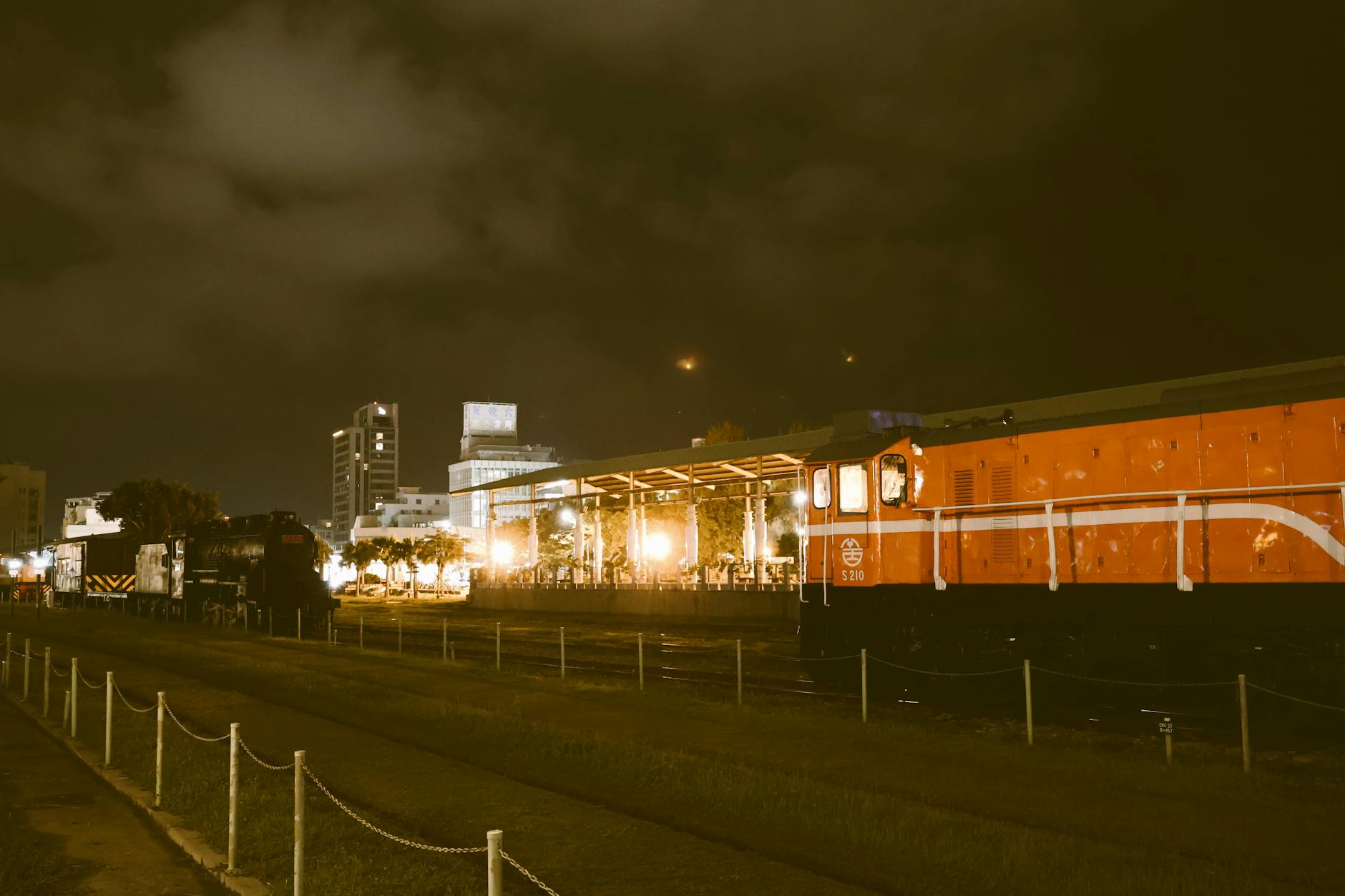
Kaohsiung can be hot, humid, bright, rainy, or stormy, and first-time visitors often underestimate how that changes the pace. Midday outdoor routes should include shade, water, air-conditioned breaks, taxis where useful, and a realistic walking limit. Umbrellas and sun protection can be as important as attraction tickets.
The best first visit has an outdoor version and a more sheltered version. That keeps the day strong even when weather shifts.
- Plan shade, water, sun protection, rain protection, taxis, and air-conditioned breaks.
- Avoid making the most exposed walk the middle of the day by default.
- Keep a sheltered fallback for heavy rain or heat.
Treat food as a route choice
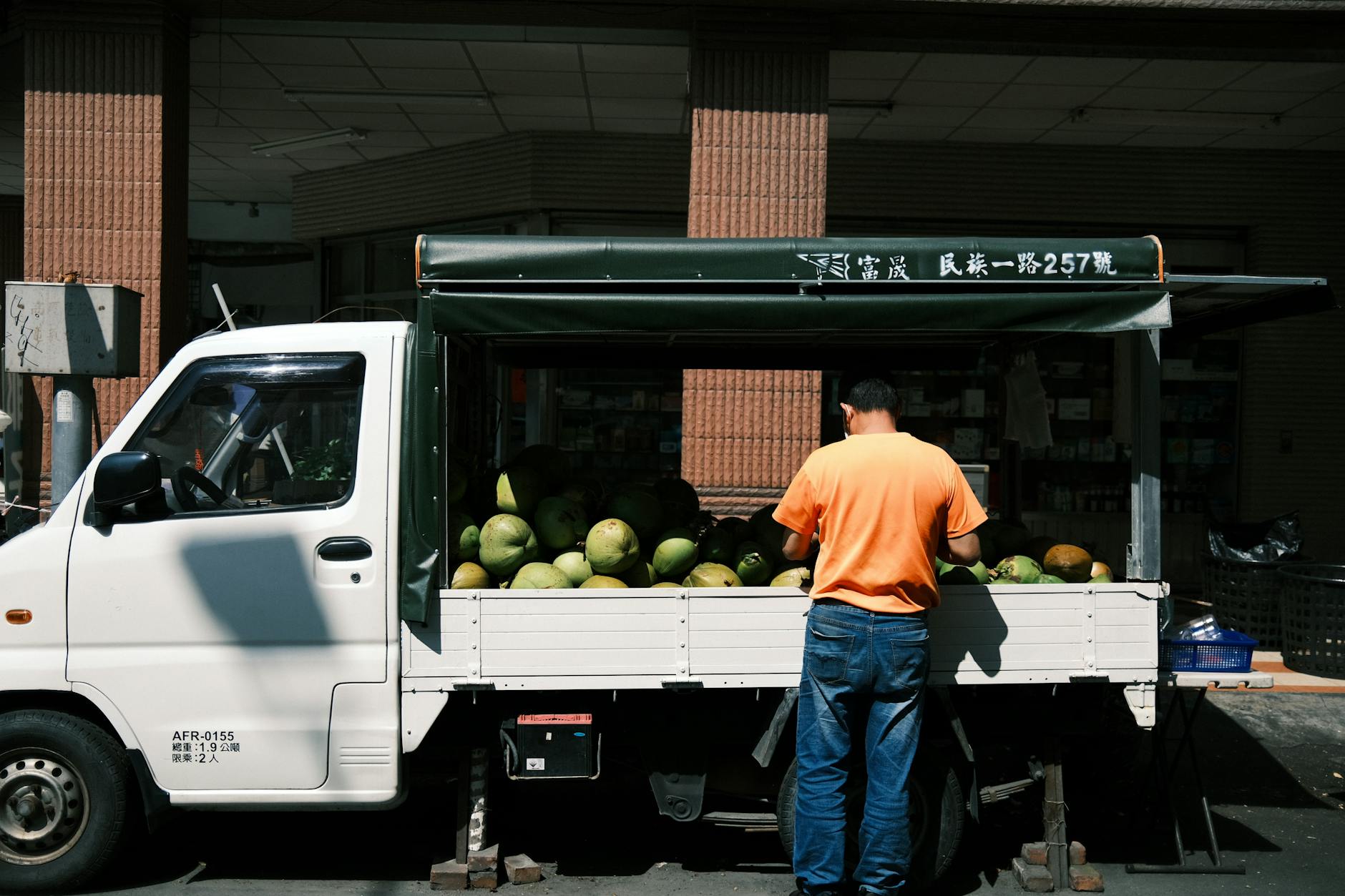
Kaohsiung food can shape the trip: night markets, seafood, harbor-area meals, breakfast shops, cafes, and local snacks each point to different districts and times of day. The traveler should check opening hours, crowd levels, cash, dietary needs, seating, bathrooms, and transport home after dinner.
A first-time visitor should avoid saving all food decisions for the end of a tiring day. One planned meal and one flexible snack window usually work better.
- Plan night markets, seafood, cafes, breakfast, and snack areas by district and timing.
- Check opening hours, cash, dietary needs, seating, bathrooms, and return transport.
- Use one planned meal and one flexible snack window instead of overloading the route.
Choose lodging for both arrival and evenings
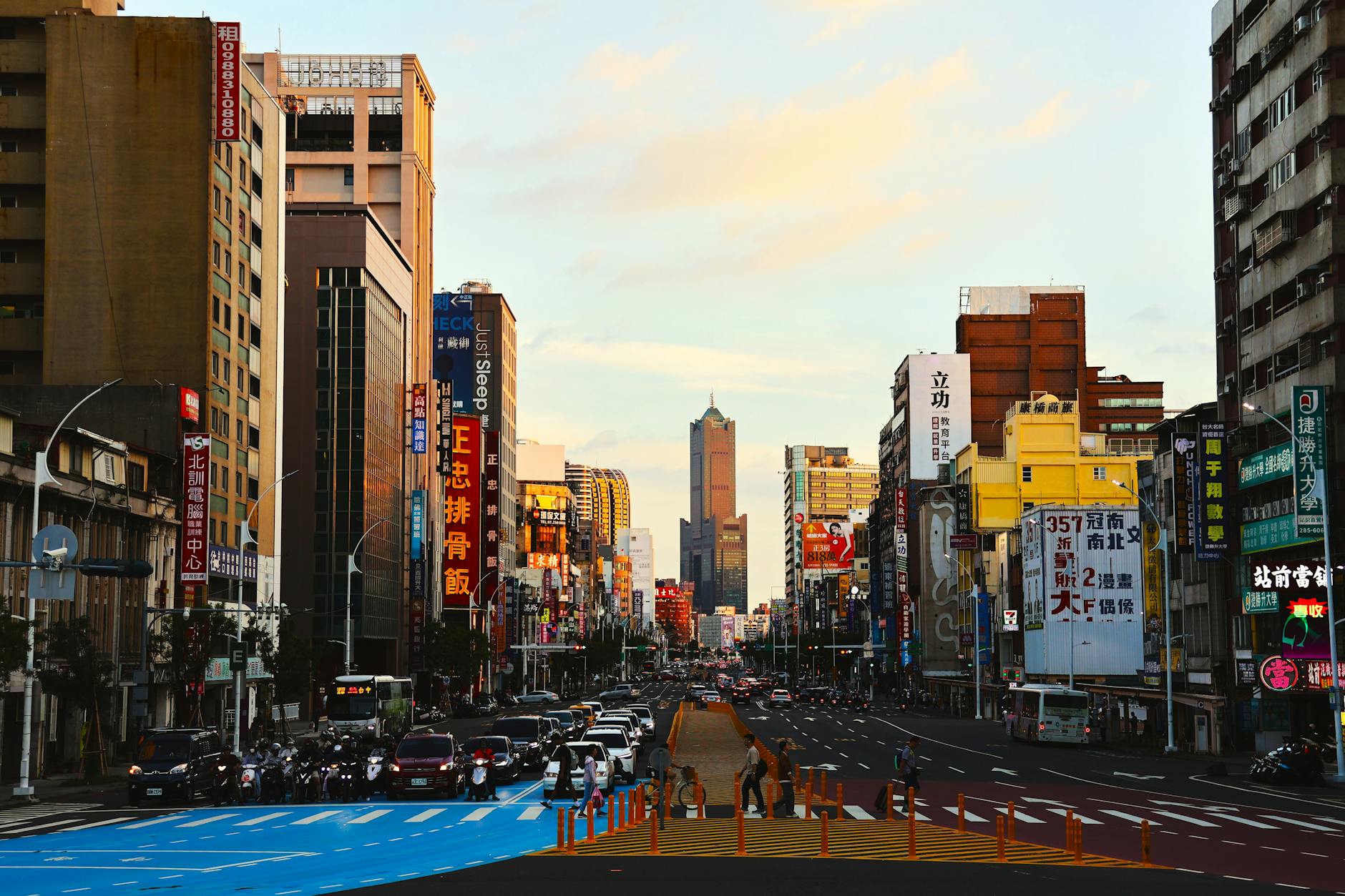
The best first-time hotel depends on arrival mode, evening plans, and the next departure. MRT-connected central areas can work well for short stays. Waterfront or design-district locations may feel more atmospheric but should be checked against station access, luggage, late return, breakfast, elevators, and taxi availability.
A hotel should reduce friction, not simply look close to a landmark. First-time visitors benefit from a base that makes the first and last transfers easy.
- Compare MRT-connected, waterfront, central, Zuoying, and airport-side bases by actual movement.
- Check luggage, elevators, late return, breakfast, taxi access, and station walking distance.
- Choose a base that simplifies both arrival and the final departure.
When to order a short-term travel report
A first-time visitor with several open days may not need a custom Kaohsiung report. A report becomes useful when the stay is short, the traveler is choosing between Cijin, Lotus Pond, Fo Guang Shan, waterfront districts, night markets, and day trips, or when arrival and departure logistics create pressure.
The report should test hotel base, HSR and airport links, MRT and light rail routes, weather, food timing, temple and waterfront priorities, evening return, accessibility, budget, and what to cut. The value is a first Kaohsiung visit that feels clear rather than scattered.
- Order when timing, hotel base, waterfront routing, temple choices, food, weather, or transport need testing.
- Provide dates, arrival mode, departure mode, hotel options, interests, constraints, and budget.
- Use the report to make the first visit coherent, paced, and less exposed to avoidable transit mistakes.