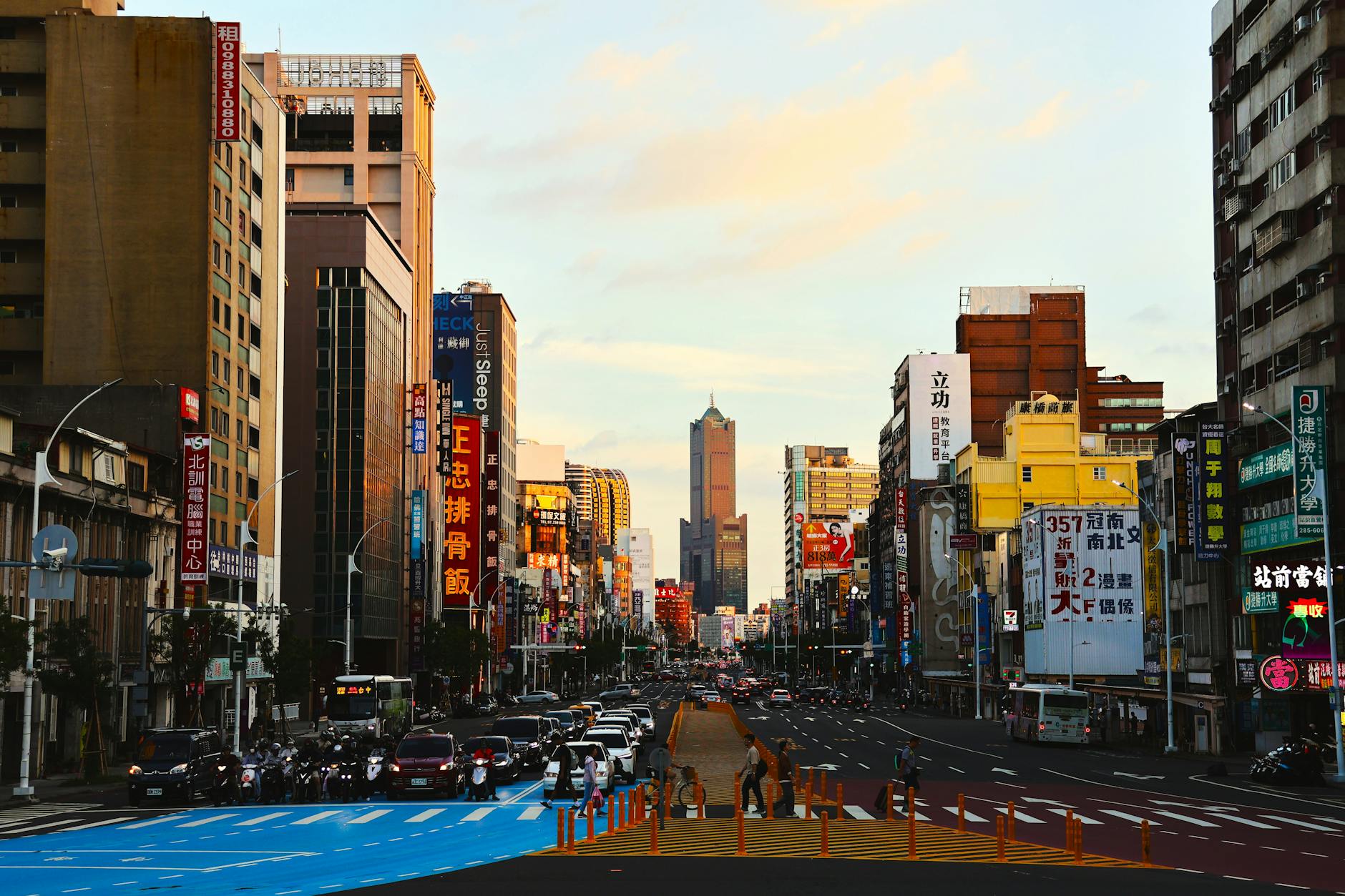
Kaohsiung conference travel is shaped by venue geography. The event may be in a hotel, exhibition space, university, medical center, arts venue, harbor district, or partner facility, and each location changes the right hotel, transfer plan, and evening rhythm. The city is manageable, but it should not be treated as one compact conference zone. A good Kaohsiung conference plan gets the attendee to registration, sessions, meals, receptions, side meetings, and the airport or HSR station without wasting energy. City time comes after the event logistics are stable.
Confirm the venue and event footprint
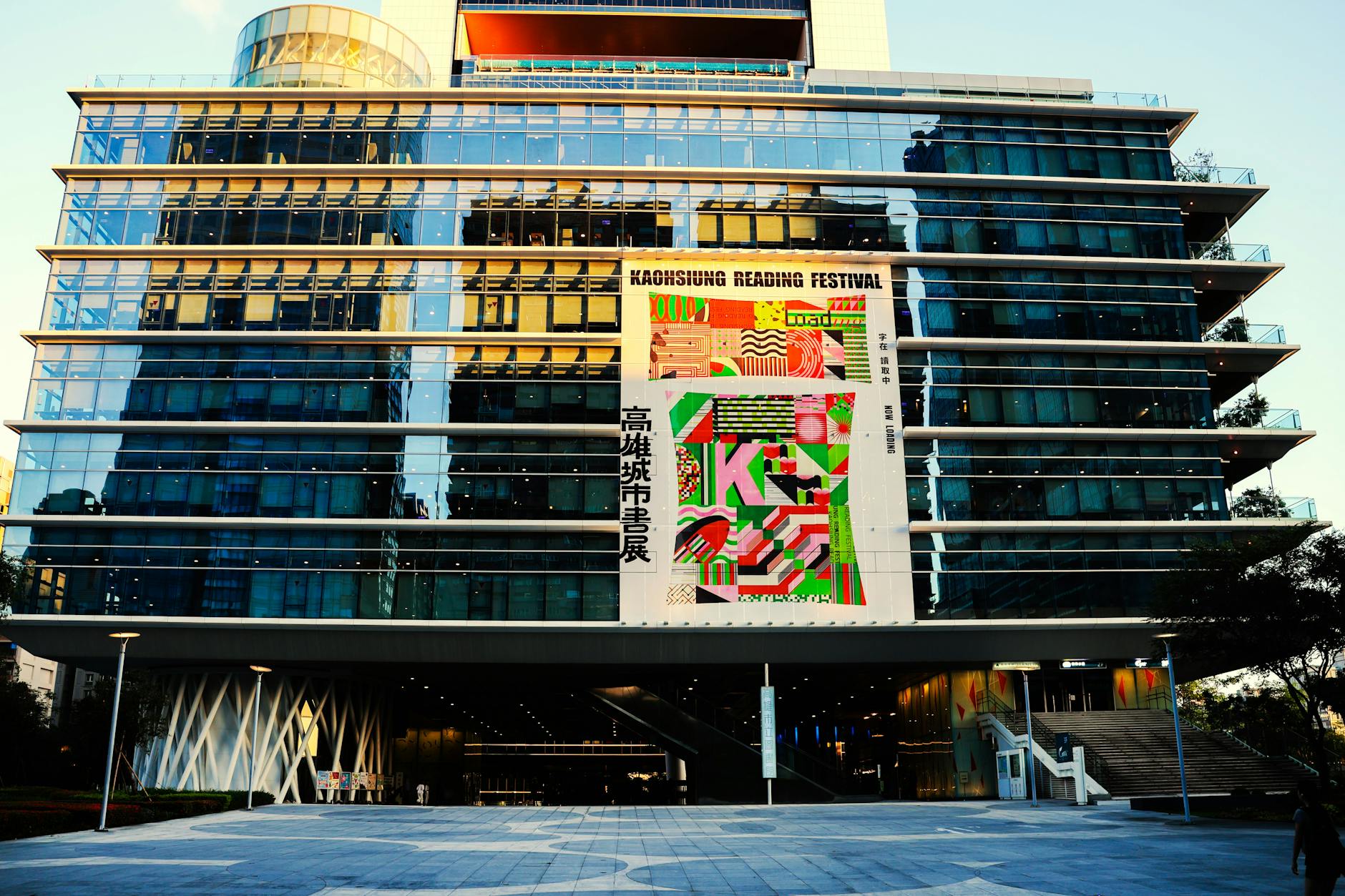
The attendee should confirm the exact venue address, building entrance, registration desk, session rooms, reception location, and whether workshops, sponsor events, or side meetings happen off-site. Kaohsiung conferences can involve hotels, exhibition centers, universities, harbor venues, and partner offices that are not all close together.
The practical event footprint should be mapped before choosing a hotel or adding sightseeing.
- Confirm venue address, entrance, registration, session rooms, reception location, and off-site events.
- Check whether workshops, dinners, sponsors, or side meetings use different districts.
- Map the event footprint before committing to a hotel base.
Plan HSR and airport timing carefully
HSR Zuoying and Kaohsiung International Airport can both work well, but arrival timing matters. The attendee should calculate transfer time, station exits, taxi pickup, MRT options, luggage, check-in, badge pickup, and whether there is enough time to change clothes before the first session. A late arrival may require a hotel near the venue or a taxi plan rather than an optimistic transit connection.
The first conference obligation should not depend on perfect transport conditions.
- Calculate HSR, airport, MRT, taxi, luggage, check-in, and badge-pickup timing.
- Leave time to change, cool down, and prepare before the first event.
- Use taxis or venue-adjacent lodging when arrival timing is tight.
Choose lodging for the conference rhythm
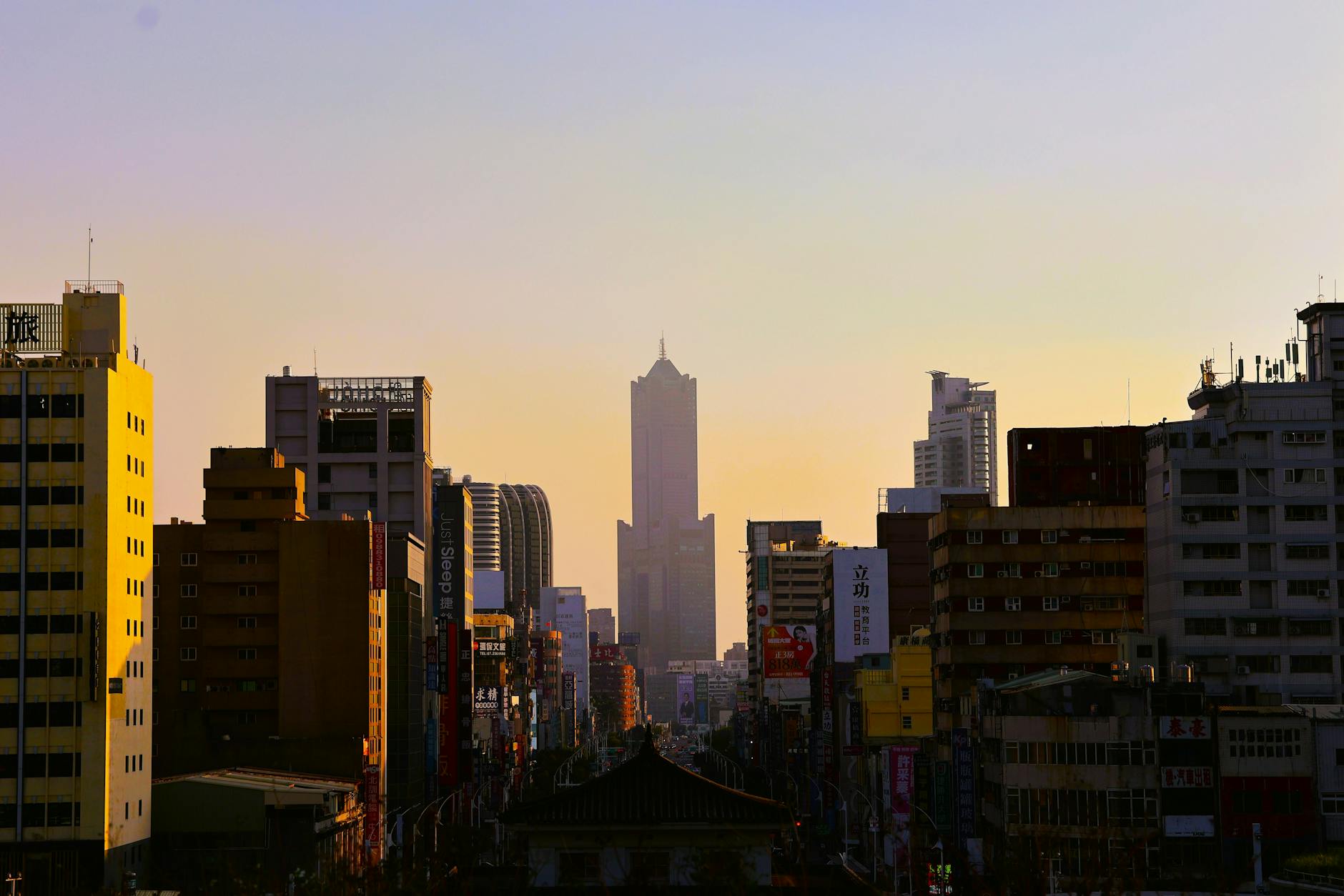
Conference lodging should fit the daily rhythm: early sessions, late receptions, breakfast meetings, exhibit-hall access, side meetings, and quiet recovery. A venue hotel can be worth the cost for a short event. An MRT-connected hotel may work better if events are split across districts. Waterfront lodging may be attractive, but the morning transfer must still be reliable.
The hotel should also support work: desk, Wi-Fi, laundry, quiet room, elevators, breakfast timing, late return, and luggage hold.
- Compare venue hotel, MRT-connected hotel, waterfront hotel, and airport or HSR-side bases by event schedule.
- Check desk, Wi-Fi, laundry, quiet room, elevators, breakfast, late return, and luggage hold.
- Choose lodging that protects both morning sessions and late networking.
Protect presentation condition
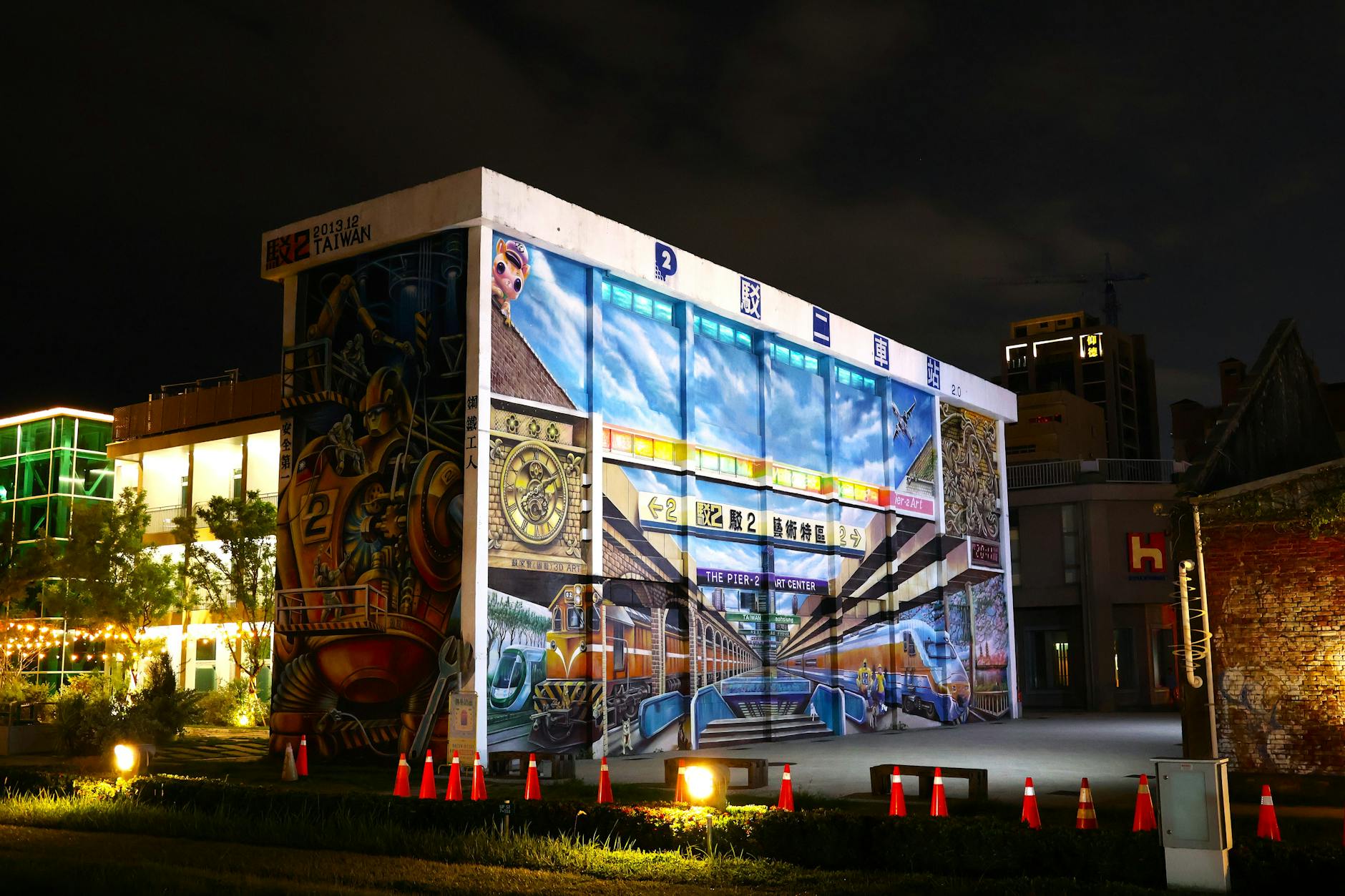
Heat, humidity, rain, luggage, formal clothing, and station walks can affect how the attendee arrives at a panel, pitch, workshop, or networking meeting. The plan should include water, rain protection, spare shirt options, taxi use, venue arrival buffer, and a quiet place to review notes. Poster tubes, samples, laptops, and booth materials need their own movement plan.
Presentation condition is part of conference logistics, not a small personal preference.
- Plan water, rain protection, spare clothing, taxi use, and venue arrival buffers.
- Account for posters, samples, laptops, booth materials, and formal clothing.
- Arrive early enough to cool down, find the room, and review notes.
Treat networking meals as fixed events
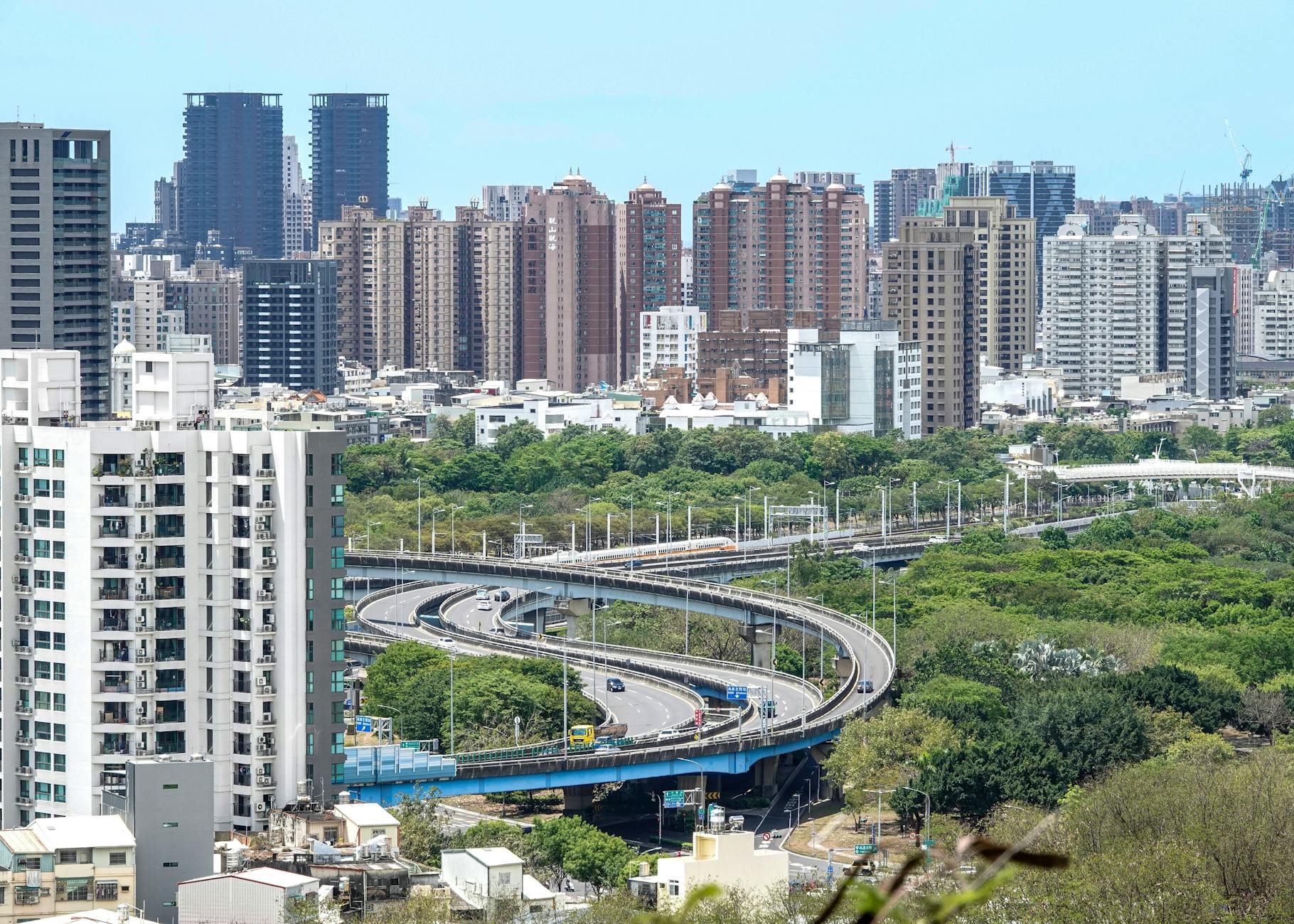
Conference value often comes from dinners, receptions, coffees, sponsor events, and informal conversations. In Kaohsiung, those may happen near the venue, in a hotel, along the waterfront, or across town. The attendee should plan dietary needs, alcohol, payment, business cards or QR codes, taxi return, and the next morning's first session.
Leaving every meal open can make the event less effective. The itinerary should hold flexible windows without losing the return plan.
- Plan receptions, dinners, coffee meetings, sponsor events, dietary needs, alcohol, and payment.
- Keep business cards or QR codes ready and know the taxi return.
- Leave flexible windows for networking without sacrificing the next morning.
Add Kaohsiung without crowding the event
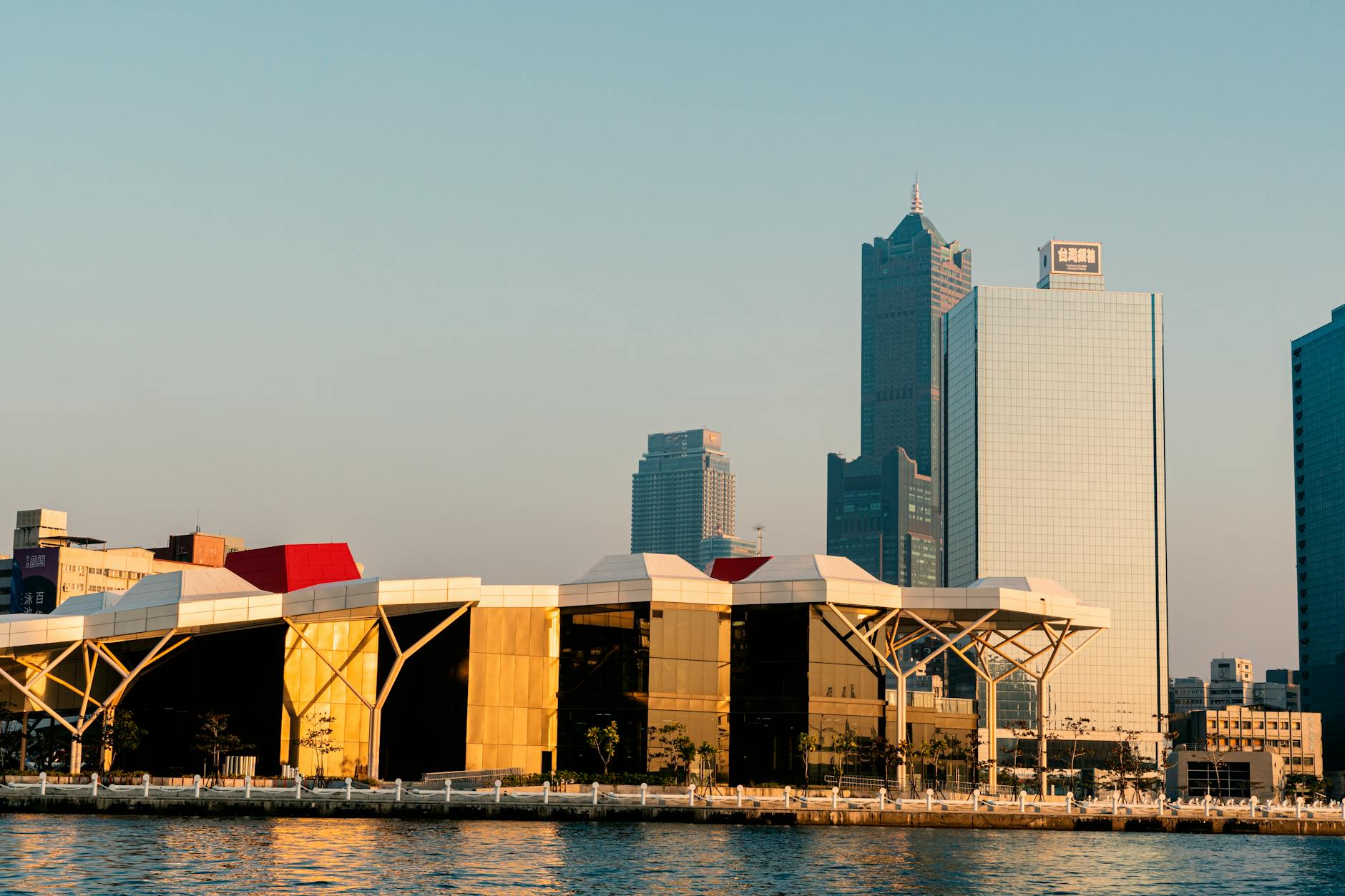
A short conference trip can still include Kaohsiung, but the city portion should be selective. Pier-2, Love River, a harbor view, Lotus Pond, Cijin, or a night-market meal may fit around different venues. Fo Guang Shan or larger excursions usually require more deliberate time and should not be wedged between sessions.
A good conference itinerary uses one city experience as a reset, not as another obligation.
- Choose one city experience that fits the venue, hotel, and energy level.
- Use waterfront, food, or light-rail routes when time is limited.
- Avoid distant excursions unless the schedule clearly supports them.
When to order a short-term travel report
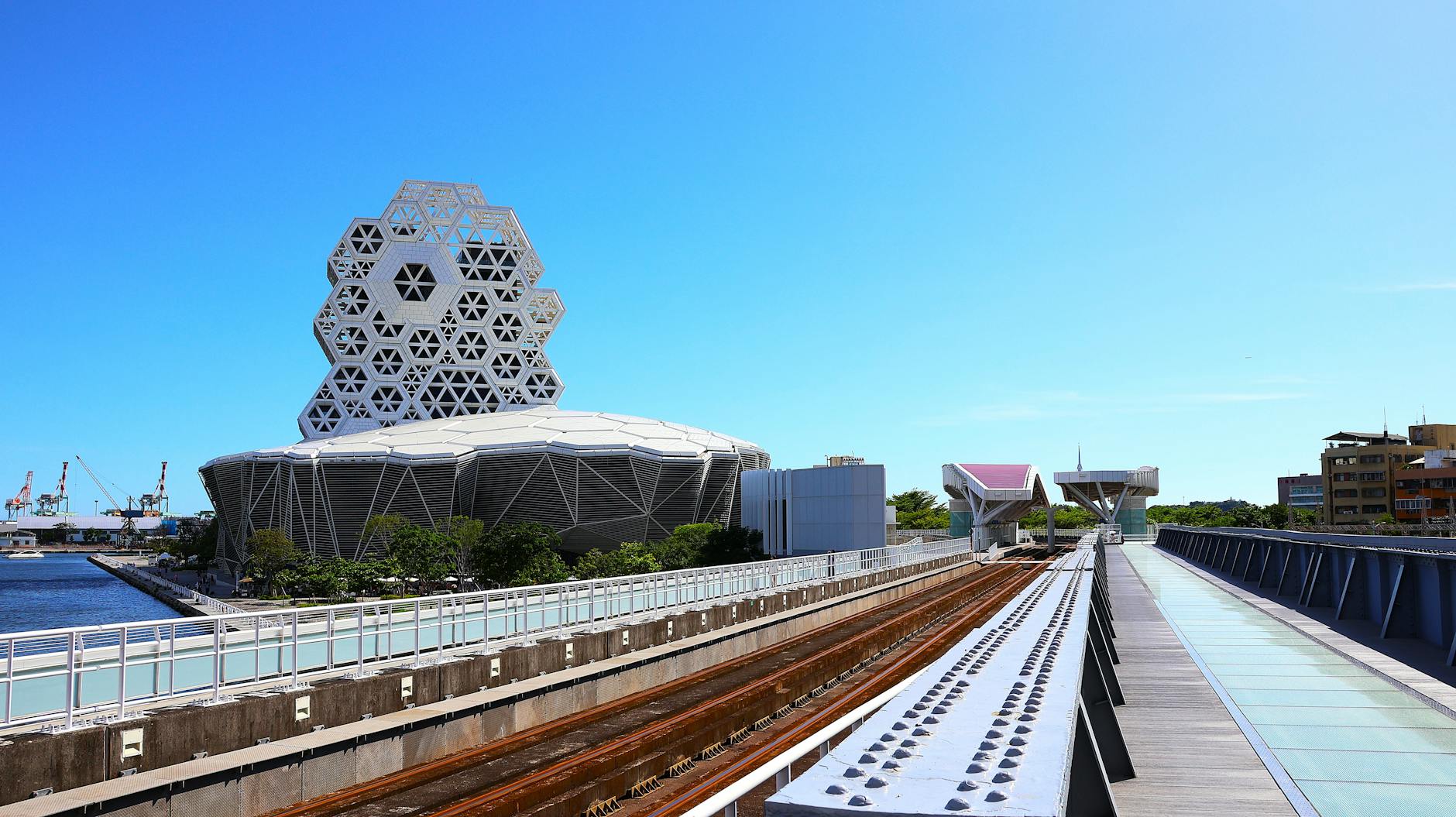
A conference attendee staying in the event hotel may not need a custom Kaohsiung report. A report becomes useful when the venue is separate from lodging, the schedule includes receptions and side meetings, arrival timing is tight, heat affects presentation condition, or the attendee wants one efficient city experience without damaging the event.
The report should test venue access, hotel base, HSR and airport routes, MRT and taxi options, registration timing, networking logistics, food, weather, evening returns, budget, and what to cut. The value is a conference trip that uses Kaohsiung well without losing the purpose of the event.
- Order when venue access, hotel choice, registration timing, networking, heat, or city add-ons need testing.
- Provide dates, venue address, event schedule, arrival mode, hotel options, constraints, and budget.
- Use the report to make the event trip practical, punctual, and less tiring.