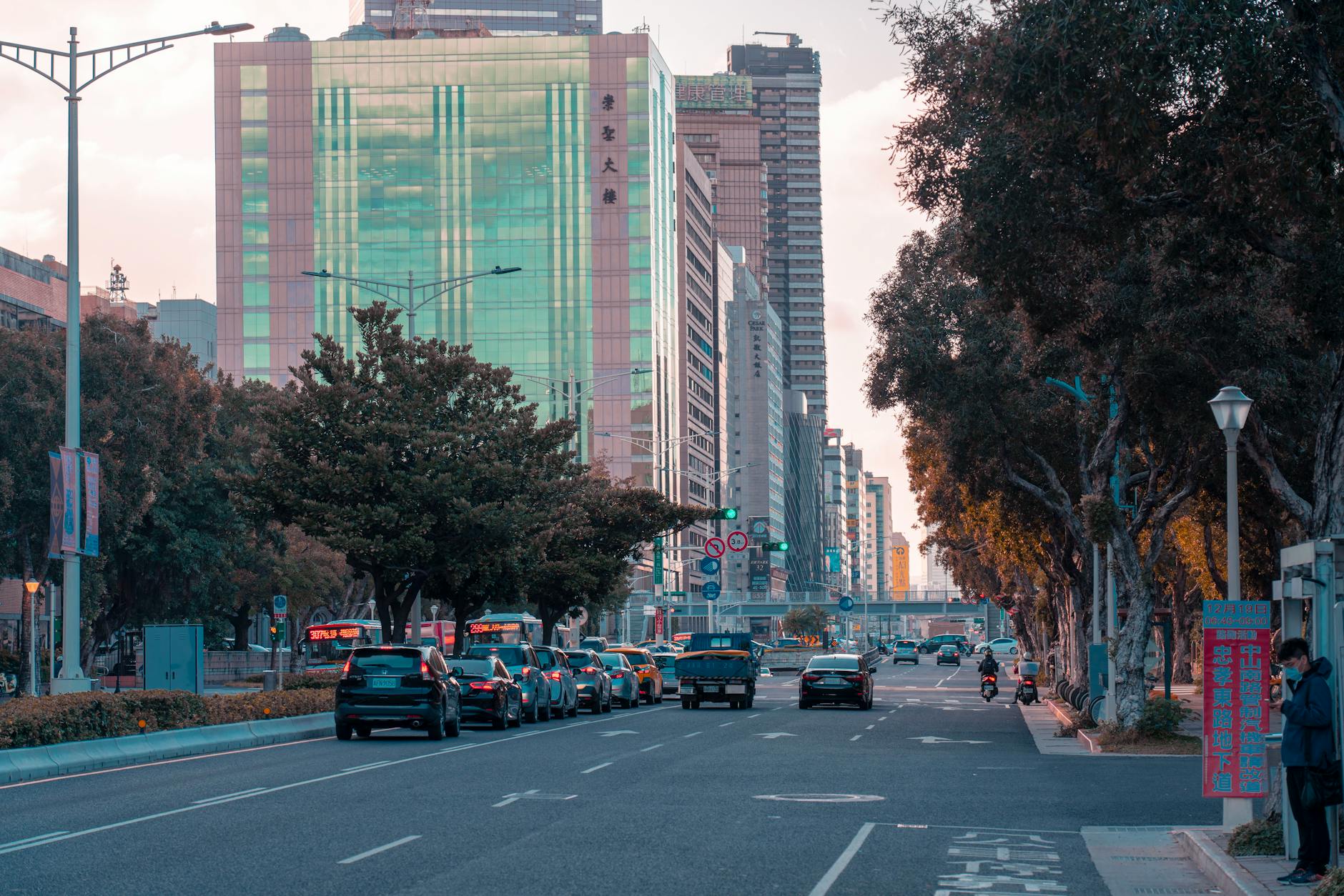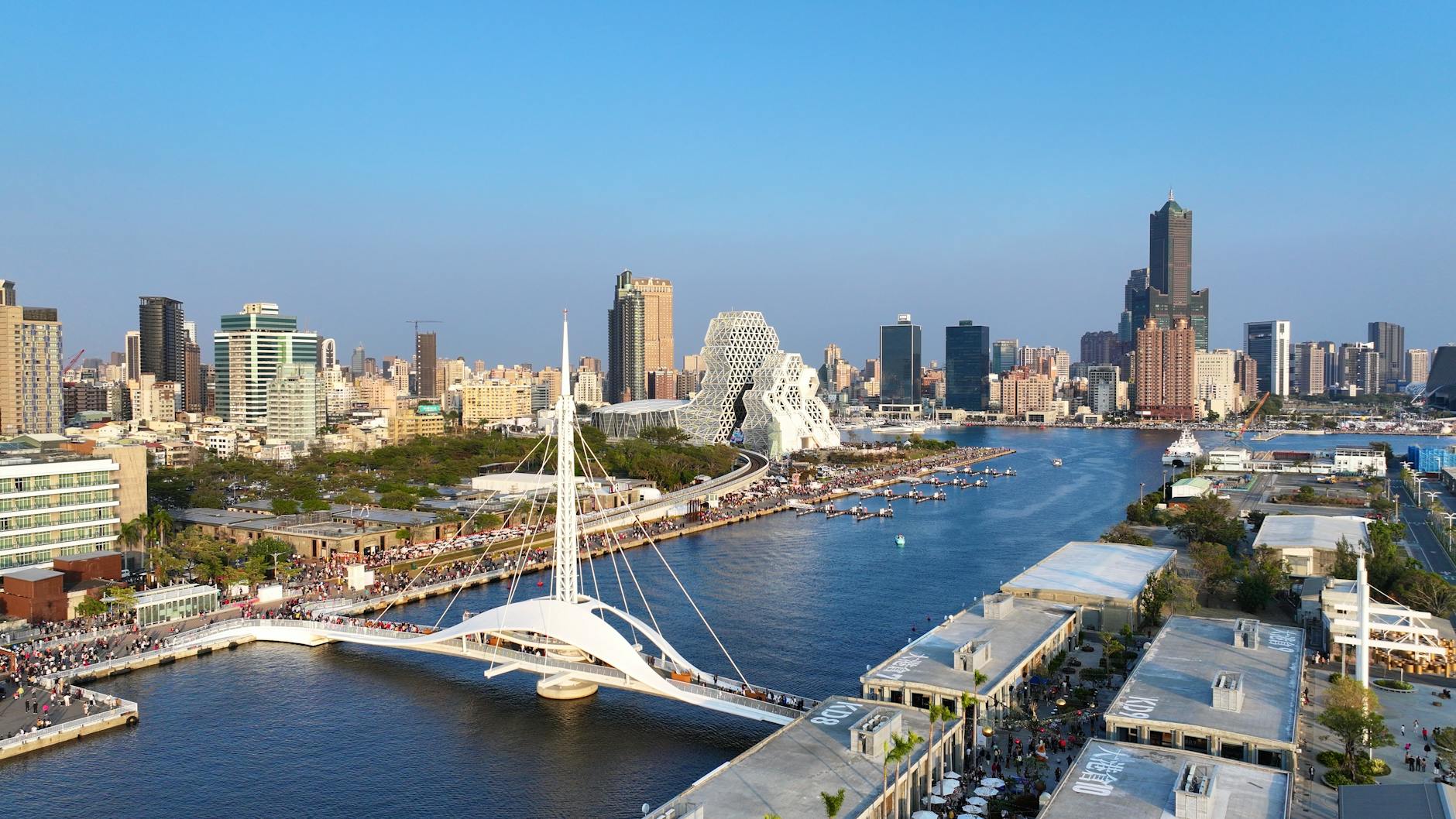
Kaohsiung is a serious southern Taiwan business city, with port, logistics, manufacturing, energy, technology, education, medical, trade, and public-sector activity spread across a large urban area. It is easier to move through than it looks if the traveler plans around the right anchors, and harder than expected if every meeting is treated as downtown. A good short Kaohsiung business trip maps HSR Zuoying, the airport, MRT lines, harbor districts, industrial sites, hotels, and meeting locations before the calendar fills. The goal is to protect appointments while leaving room for meals, recovery, and one clear sense of the city.
Map the business geography first
Kaohsiung business travel can involve central offices, harbor areas, logistics facilities, industrial zones, campuses, hospitals, hotels, exhibition sites, and government or partner offices. These are not all in one compact district. The traveler should map each appointment before choosing lodging or assuming MRT access will solve every transfer.
The right itinerary starts with the most important meeting location and builds outward from there.
- Map offices, harbor sites, logistics facilities, factories, campuses, hospitals, and exhibition venues first.
- Check whether each appointment is MRT-friendly, taxi-dependent, or host-driven.
- Choose the hotel and sequence around the highest-risk meeting.
Separate HSR, airport, MRT, and final transfer
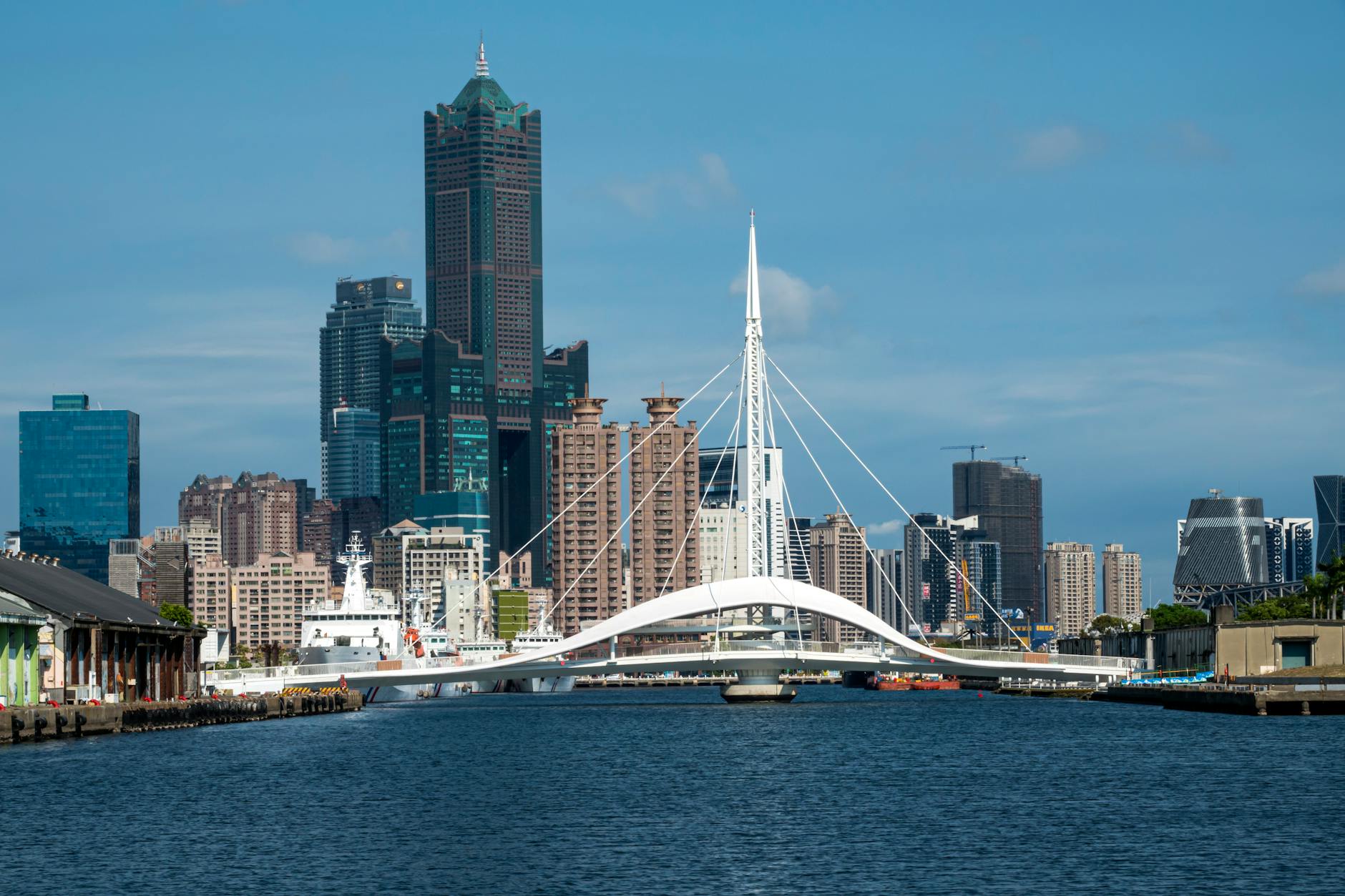
HSR travelers usually arrive at Zuoying, while Kaohsiung International Airport sits south of the center and the MRT links several useful corridors. Those facts help, but the final transfer still matters. The traveler should confirm train arrival, airport timing, MRT station choice, taxi pickup, traffic, payment, address text, and host directions.
A business trip can lose time when the long-distance leg is efficient but the last kilometer is vague.
- Plan HSR Zuoying, airport, MRT, taxi, host pickup, and final walking distance separately.
- Confirm station exits, pickup points, payment, address text, and traffic risk.
- Do not assume MRT access means the meeting site is easy with bags or presentation materials.
Treat port and industrial visits as fixed anchors
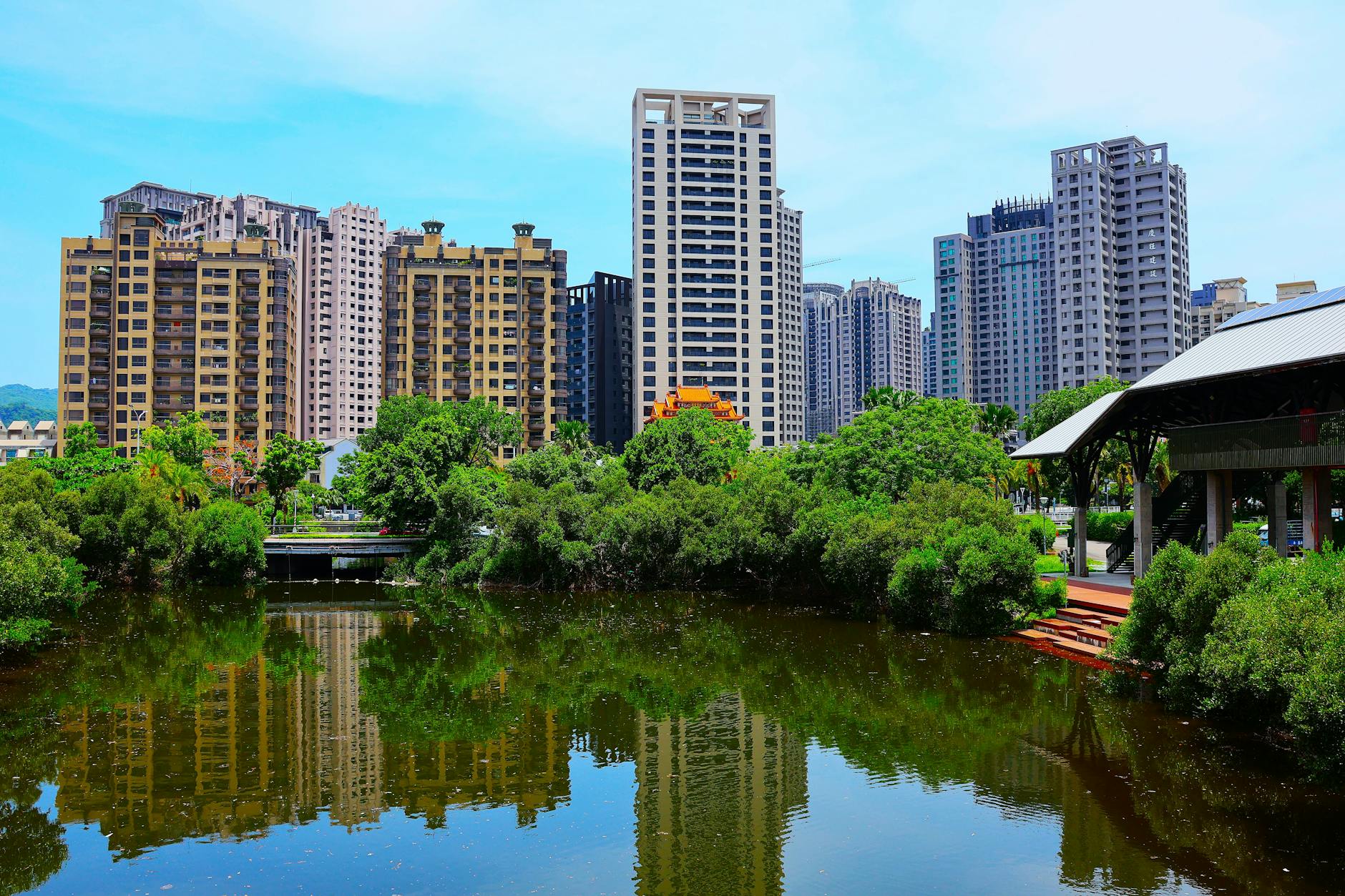
Kaohsiung's port, manufacturing, logistics, and industrial sites can require more preparation than ordinary office calls. Visitors may need identification, safety clothing, host escort, security clearance, equipment restrictions, longer vehicle transfers, or schedule limits tied to operations. These visits should anchor the day rather than sit between casual meetings.
The traveler should leave time for gates, badges, safety briefings, facility movement, debriefs, and the ride back to a hotel, station, or airport.
- Ask about identification, security, safety clothing, host escort, and equipment restrictions.
- Anchor the schedule around port, factory, logistics, or industrial visits.
- Leave time for gates, badges, facility movement, debriefs, and return transport.
Choose lodging by meeting sequence
Kaohsiung hotel choice should follow the meeting sequence. A central hotel may be convenient for dinners and MRT movement. A Zuoying-area base may work for HSR-heavy schedules. A harbor or airport-side choice may make sense for specific site visits or early departures. The traveler should also check desk space, breakfast timing, laundry, late check-in, quiet rooms, and taxi availability.
The best hotel is not always the most scenic one. It is the one that reduces uncertainty before the important appointment.
- Compare central, Zuoying, harbor, airport, and venue-adjacent hotel bases by schedule.
- Check desk space, breakfast, laundry, late arrival, quiet rooms, elevators, and taxi access.
- Choose lodging that protects the first and most important transfers.
Plan for heat and presentation condition
Kaohsiung can be hot, bright, humid, and rainy, and those conditions matter on a business trip. The traveler should plan clothing, spare shirts, water, rain protection, taxi use, walking distance, and time to cool down before meetings. Site visits can add hard hats, safety gear, outdoor movement, or industrial heat.
Presentation condition is part of the logistics. A schedule that leaves no recovery time after a transfer may look efficient but feel unprofessional on arrival.
- Plan clothing, spare shirts, water, sun protection, rain protection, and cool-down time.
- Account for outdoor site visits, safety gear, industrial heat, and long walks from stations.
- Protect presentation condition before high-stakes meetings.
Use meals and evenings with restraint
Kaohsiung has strong food, harbor, night-market, and waterfront options, but a business visitor should decide how much evening energy is available. Hosted meals, seafood, night markets, bars, hotel work, and early departures can compete. The traveler should check location, payment, dietary limits, alcohol expectations, taxi return, and the next morning's first appointment.
One well-placed dinner or waterfront walk can make the trip feel grounded. A late scattered evening can damage the next workday.
- Plan hosted meals, food areas, alcohol, dietary needs, payment, and taxi return in advance.
- Choose one practical evening experience rather than overloading the work trip.
- Protect the next morning's transfer and meeting condition.
When to order a short-term travel report
A business visitor with one hosted downtown meeting may not need a custom Kaohsiung report. A report becomes useful when the traveler has port or industrial visits, multiple districts, HSR and airport decisions, hotel uncertainty, hosted meals, heat-sensitive presentation needs, or a short trip that must include one efficient local experience.
The report should test meeting geography, HSR Zuoying, airport links, MRT and taxi routes, hotel base, site-visit requirements, buffers, meals, weather, evening movement, budget, and what to cut. The value is a Kaohsiung work trip that operates cleanly across a spread-out city.
- Order when port visits, industrial sites, HSR, airport, hotels, meals, or district sequencing need testing.
- Provide dates, meeting addresses, site rules, arrival mode, hotel options, constraints, and budget.
- Use the report to make the business trip punctual, practical, and less exposed to transfer surprises.