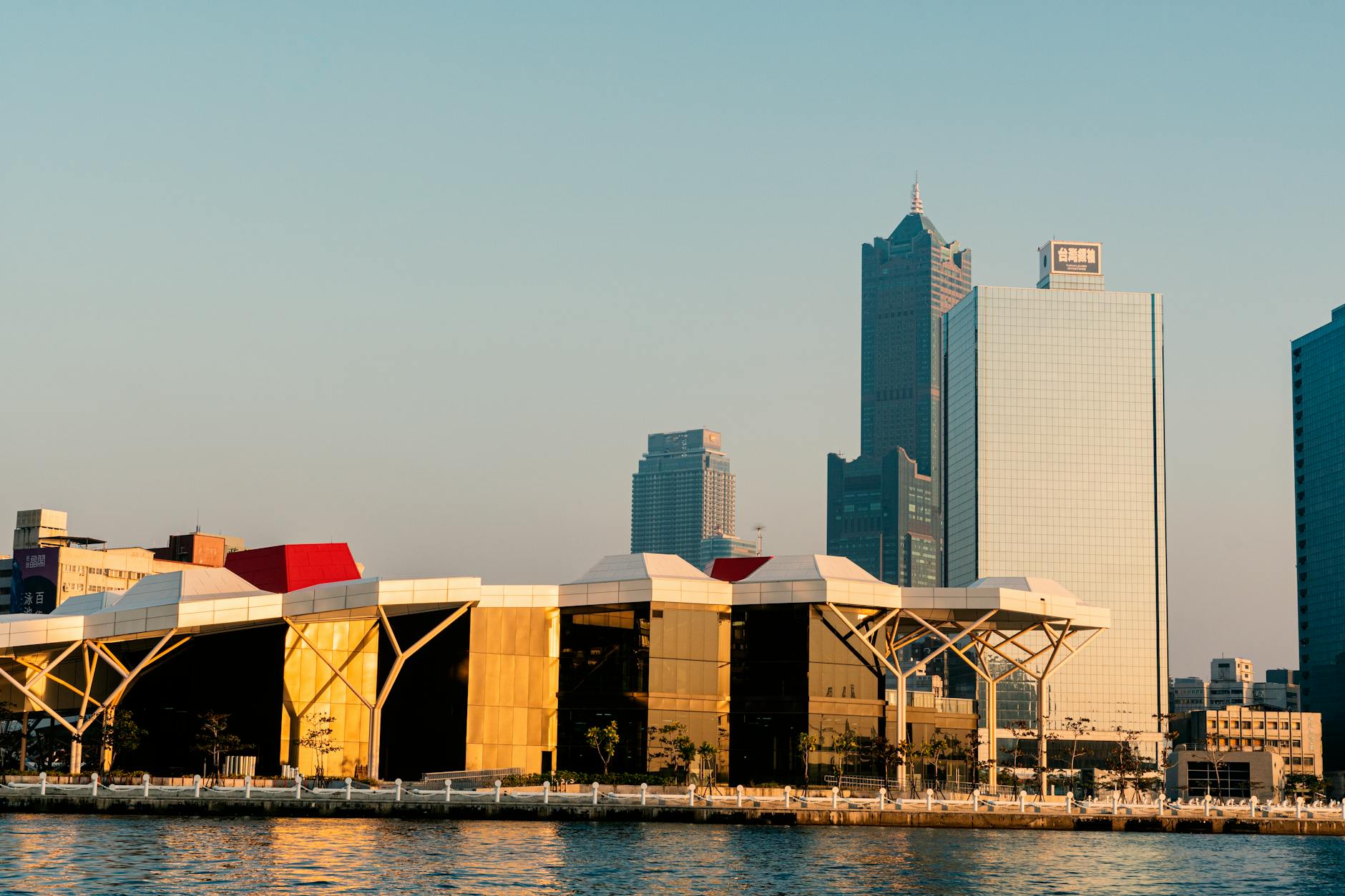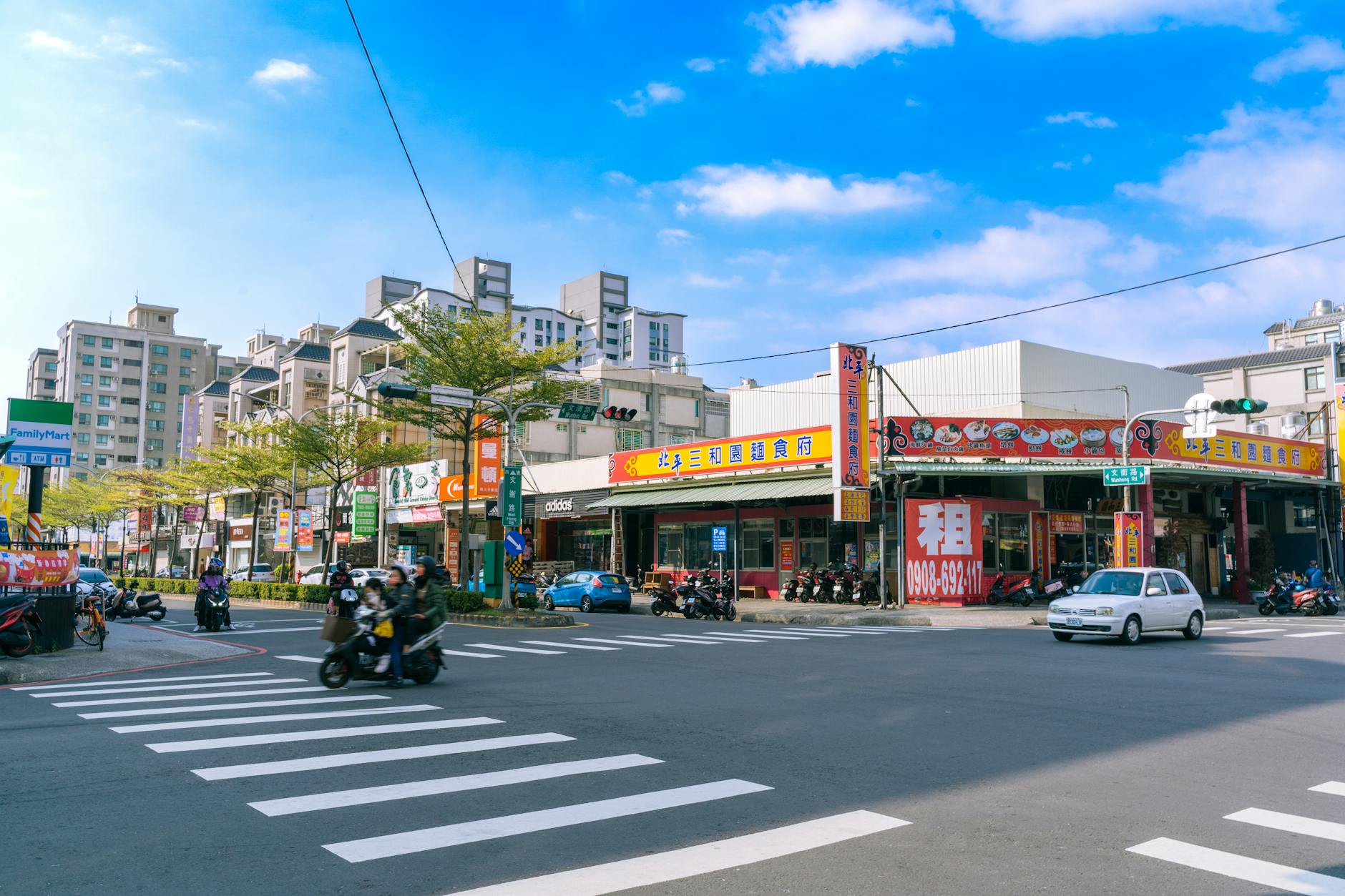
Kaohsiung can work well for budget travelers because MRT, light rail, ferries, markets, waterfront walks, temples, and casual food can keep a short visit affordable. The risk is not that the city is too expensive. The risk is saving money in the wrong places and paying later through extra transfers, heat exhaustion, poor hotel location, missed food plans, or rushed side trips. A good Kaohsiung budget trip treats money, time, and energy as one budget. The cheapest itinerary is not always the one that uses the city best.
Do not separate hotel price from transport cost
A cheap room can become expensive if it adds taxi rides, long walks in heat, awkward night returns, or wasted time before HSR, airport, ferry, or waterfront routes. Budget travelers should compare lodging by total trip cost, not nightly rate alone. MRT and light rail access can be worth paying slightly more for if it reduces friction.
The best budget base is one that makes ordinary movements simple.
- Compare hotel price with MRT, light rail, taxi, airport, HSR, ferry, and evening return costs.
- Check air conditioning, elevators, laundry, late entry, nearby food, and luggage storage.
- Avoid saving on lodging if the location forces repeated paid transfers.
Use transit where it actually saves value
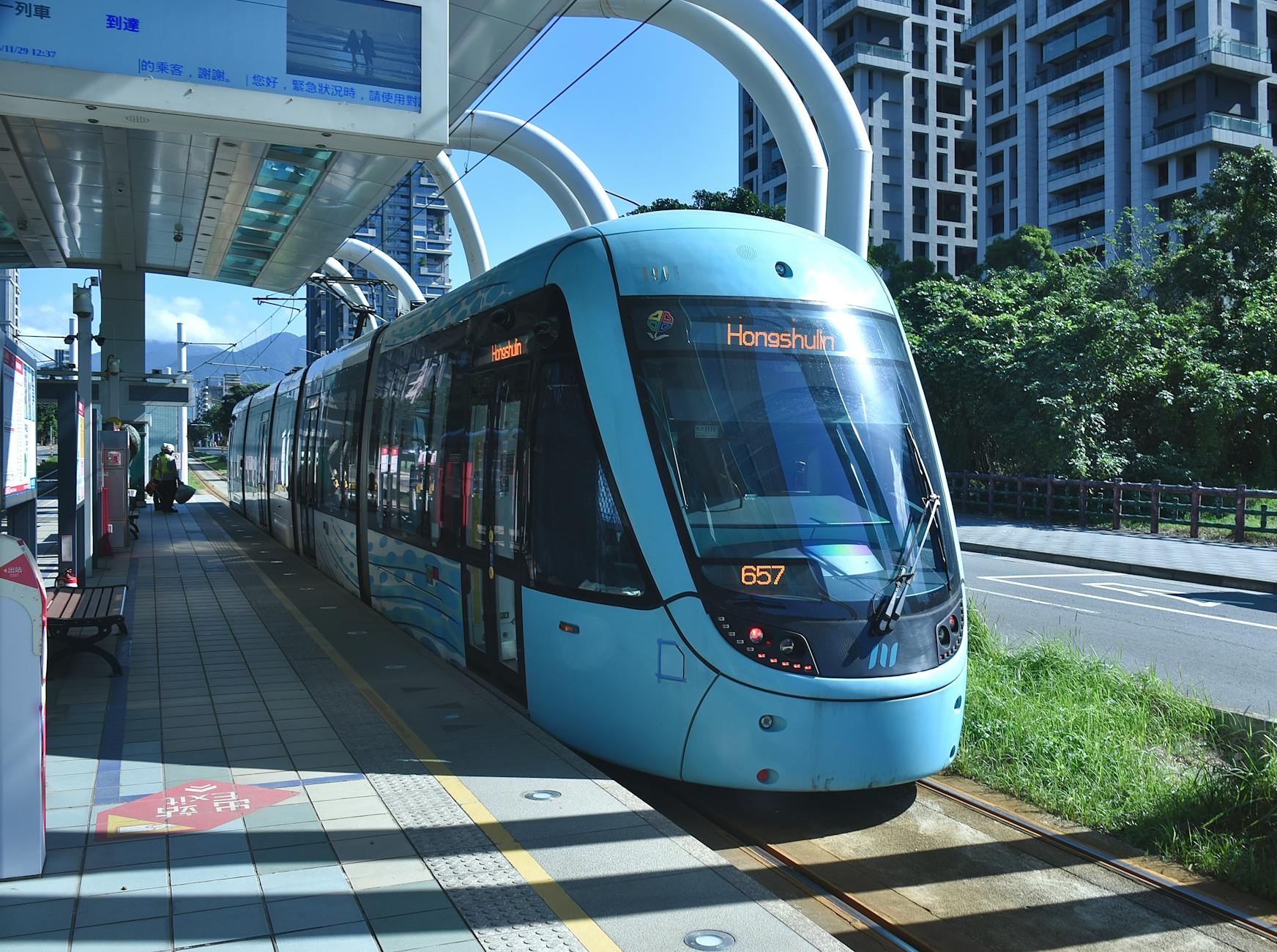
Kaohsiung's MRT, light rail, and ferries can make a budget visit much easier, but travelers should still calculate the final walk, heat exposure, luggage, and return timing. Public transport is not automatically the best value if a short taxi prevents fatigue, missed food plans, or an unsafe late walk.
The budget traveler should use transit confidently while knowing when a paid ride protects the rest of the trip.
- Use MRT, light rail, and ferries for clear routes with manageable walking and heat exposure.
- Budget for taxis during late returns, heavy luggage, rain, or midday heat.
- Compare total time and effort, not only fare price.
Make food savings intentional
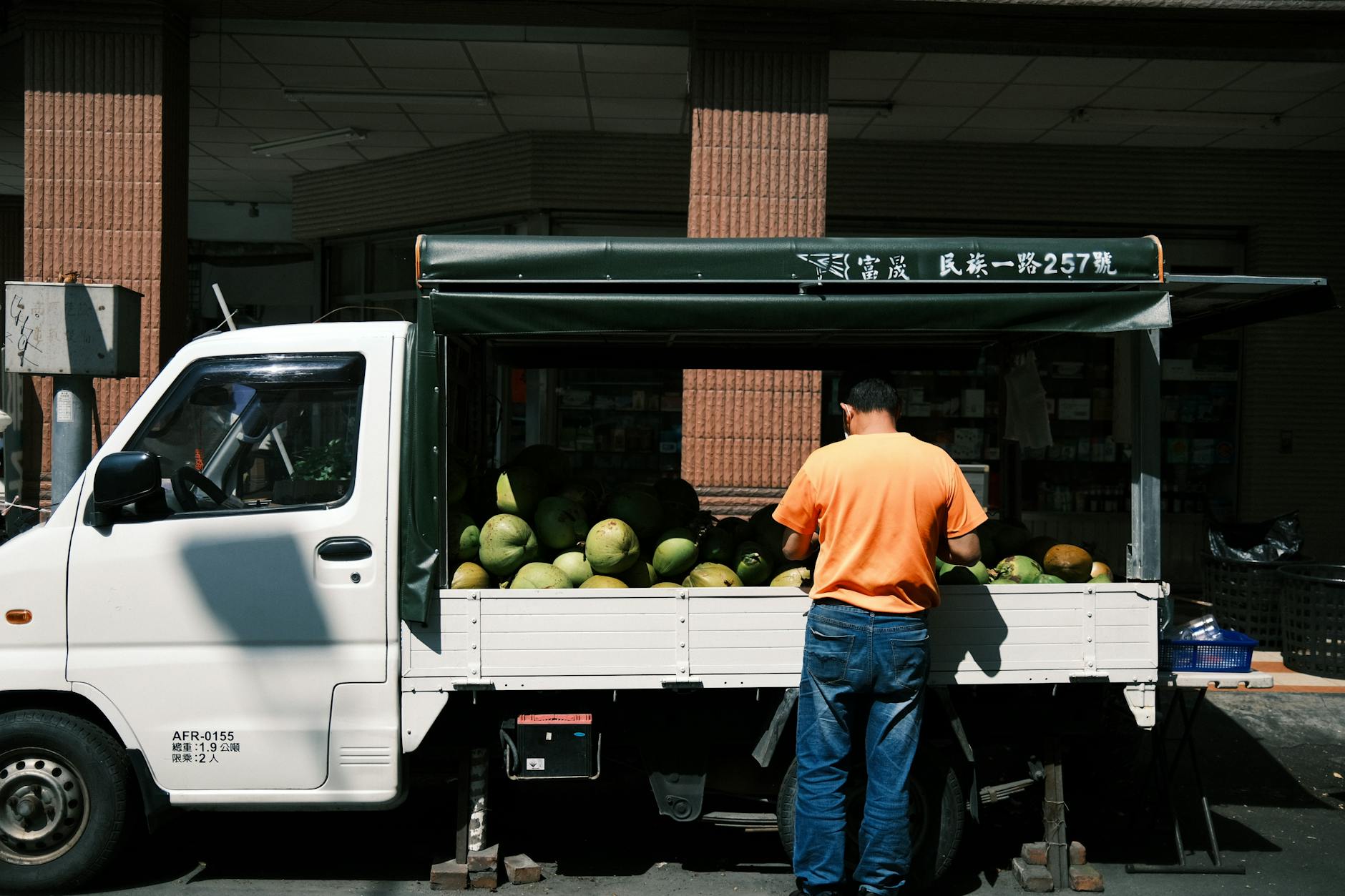
Food can be one of the easiest places to keep a Kaohsiung trip affordable, but market wandering still needs a plan. The traveler should set a daily food budget, carry cash where needed, check opening days, and decide when to choose a simple sit-down meal over another crowded snack route. Dietary limits, allergies, spice, hydration, and bathrooms also matter.
A low-cost food day should still feel like a good food day, not a sequence of random purchases.
- Set a daily food budget and plan cash, markets, simple restaurants, cafes, and hydration.
- Check opening days, crowd levels, dietary limits, spice, bathrooms, and seating.
- Choose fewer better snacks instead of spending small amounts all evening without satisfaction.
Favor free and low-cost routes with strong identity
A budget traveler does not need to strip Kaohsiung down to bare logistics. Waterfront walks, Pier-2 surroundings, Love River, public plazas, temple exteriors, harbor views, and carefully chosen ferry movement can give the trip a strong sense of place with limited spending. The key is sequencing them well.
Free sights still cost time and energy. The route should connect them instead of scattering them across the city.
- Use waterfront walks, Pier-2, Love River, temple areas, harbor views, and public spaces deliberately.
- Check whether low-cost routes are shaded, walkable, and easy to return from.
- Do not spend extra transfers chasing free sights that are too far apart.
Budget for heat and weather
Heat, humidity, rain, and laundry can create real costs. A traveler may need more drinks, indoor breaks, taxis, sunscreen, umbrellas, spare clothes, or a cafe stop to reset. Refusing those small expenses can make the day less enjoyable and sometimes more expensive later.
The Kaohsiung budget should include comfort costs that keep the trip functional.
- Reserve money for water, air-conditioned breaks, taxis, sunscreen, umbrellas, and laundry.
- Place outdoor routes in cooler windows and keep indoor alternatives ready.
- Treat comfort spending as part of the trip budget, not as failure.
Be careful with distant savings
Some lower-priced hotels, farther food areas, temple trips, or side excursions look attractive until the traveler adds transfers, time, heat, and return risk. Fo Guang Shan, farther coastal routes, or extra city-to-city movement can still be worthwhile, but they should be judged by total cost and what they replace.
A budget trip improves when it cuts weak movements, not when it says yes to every low-price idea.
- Compare distant hotels, temples, side trips, and food areas by full transfer cost and time.
- Avoid adding a low-cost excursion if it consumes the best part of the short stay.
- Spend selectively where it reduces fatigue or protects the main experience.
When to order a short-term travel report
A budget traveler with a simple hotel and relaxed schedule may not need a custom Kaohsiung report. A report becomes useful when the traveler is choosing between cheap hotels, HSR and airport routes, ferry and market plans, Lotus Pond or Fo Guang Shan, food priorities, heat-sensitive pacing, or a strict total budget.
The report should test lodging location, transfer costs, transit passes or fare choices, ferry timing, low-cost food areas, free sights, weather costs, attraction sequence, safety, budget, and what to cut. The value is avoiding false savings while keeping the trip affordable.
- Order when hotel location, transport cost, food plans, ferry timing, or heat could break the budget.
- Provide dates, arrival mode, hotel options, food priorities, constraints, and total budget.
- Use the report to save money without making the trip harder than it needs to be.