Kaohsiung can work well for an academic conference because it combines universities, medical institutions, cultural venues, harbor districts, exhibition spaces, MRT corridors, and strong food options in a city that is more spread out than many visitors expect. The conference may be near a campus, a hotel, a convention space, a hospital, or a waterfront district, and each version changes the practical trip. A good Kaohsiung conference plan protects the academic purpose first. It gets the traveler to panels, presentations, poster sessions, receptions, and side meetings cleanly, then uses the city selectively around heat, distance, and recovery time.
Confirm the exact venue, not just the city
A Kaohsiung conference may sit near a university, an exhibition venue, a waterfront district, a hotel ballroom, a hospital campus, or a government or industry partner site. These locations can have very different transfer patterns. The attendee should confirm the venue address, building entrance, registration desk, session rooms, reception site, and whether side meetings happen elsewhere.
The first useful itinerary is a venue map, not a list of attractions. Once the conference geography is clear, the rest of the trip becomes easier to judge.
- Confirm the venue address, entrance, registration desk, session rooms, and reception location.
- Check whether panels, posters, meals, and side meetings happen in different buildings or districts.
- Build the trip around conference geography before adding city time.
Plan HSR, airport, MRT, and final access separately
Many attendees arrive through HSR Zuoying or Kaohsiung International Airport, then rely on MRT, taxi, or a conference shuttle for the final leg. Those links are useful, but they should be checked in detail. Station exits, luggage, escalators, weather, taxi pickup, payment, and walking distance can all affect presentation condition.
The attendee should know the route to the venue before arrival day, especially if the first session starts soon after travel.
- Separate HSR Zuoying, airport, MRT, taxi, shuttle, and final walking-distance planning.
- Check station exits, luggage, payment, pickup points, and weather exposure.
- Protect the first session from avoidable arrival-day confusion.
Choose a hotel by sessions and receptions
Hotel choice should follow the conference rhythm. A venue-adjacent hotel reduces morning risk. An MRT-connected hotel may work better if receptions, dinners, and side meetings are spread across the city. A waterfront or central hotel can make evenings easier, but only if the morning transfer remains reliable.
The attendee should also check desk space, quiet rooms, laundry, breakfast timing, late check-in, elevators, and whether the hotel can hold luggage after checkout.
- Compare venue-adjacent, MRT-connected, central, waterfront, and airport-side hotels by conference schedule.
- Check desk space, quiet rooms, laundry, breakfast, elevators, late arrival, and luggage hold.
- Choose lodging that protects mornings and still supports networking logistics.
Protect presentation condition in the heat
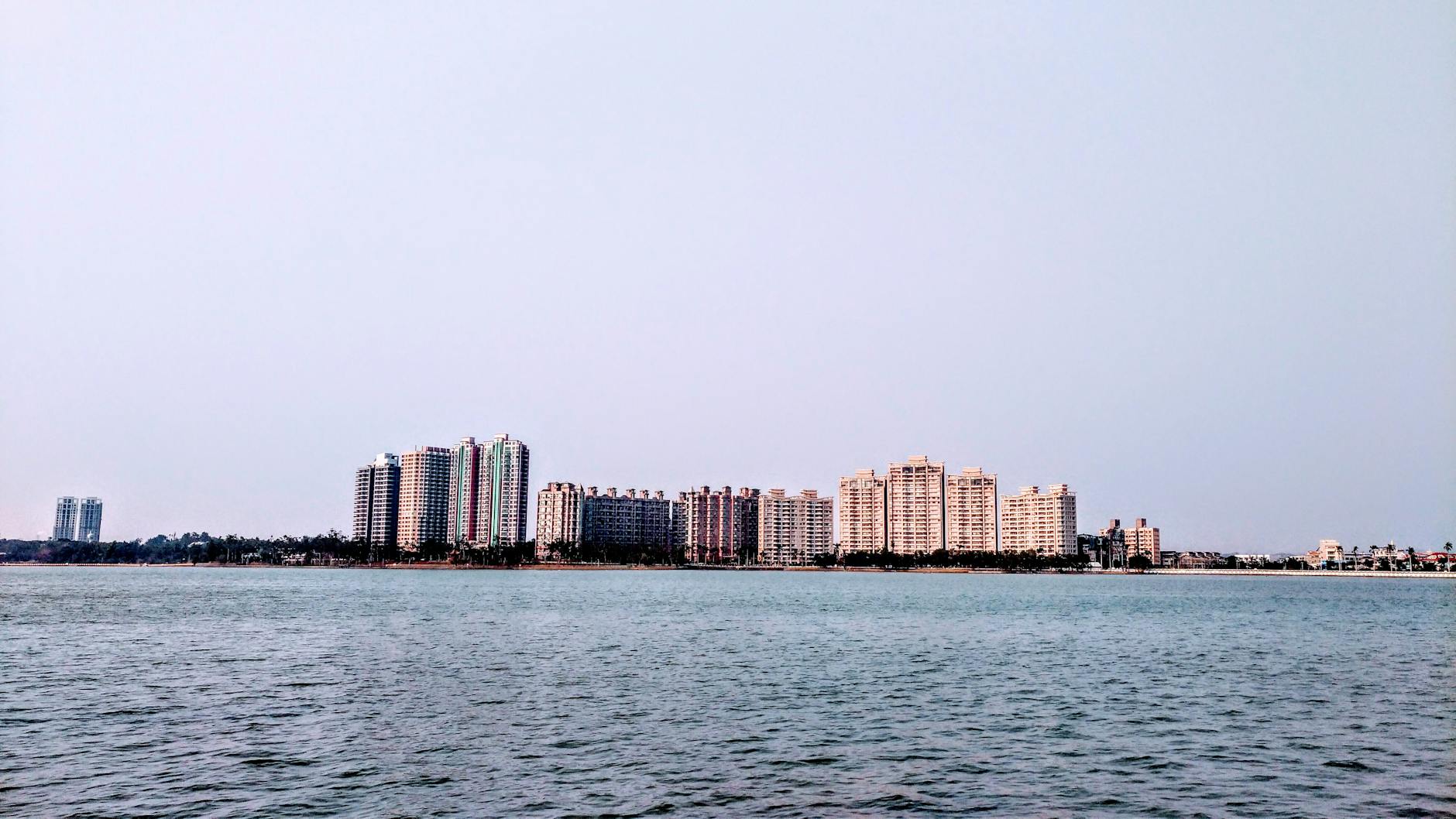
Kaohsiung heat, humidity, rain, and bright sun can matter before a paper, poster, interview, or faculty meeting. The attendee should plan clothing, spare shirts, water, umbrella, taxi use, indoor waiting points, and time to cool down before speaking. A short walk from an MRT station can feel longer with a laptop, poster tube, or formal clothing.
Presentation readiness is a travel problem as much as an academic problem. The schedule should leave room to arrive composed.
- Plan clothing, spare shirt options, water, rain protection, sun protection, and cool-down time.
- Account for laptop bags, poster tubes, formal clothing, and station-to-venue walking distance.
- Leave arrival buffers before presentations, interviews, and high-value meetings.
Treat networking as part of the itinerary
Academic trips often turn on conversations that happen outside formal sessions. Kaohsiung dinners, coffee meetings, waterfront walks, hosted meals, campus visits, and post-panel drinks should be planned with transport and recovery in mind. The attendee should keep one or two flexible windows rather than filling every free hour with sightseeing.
Networking also needs practical details: business cards, QR codes, dietary needs, alcohol expectations, payment, taxi return, and the next morning's first session.
- Keep flexible windows for dinners, coffee meetings, campus visits, and reception spillovers.
- Plan business cards, QR codes, dietary needs, alcohol, payment, and return transport.
- Do not let sightseeing crowd out the informal academic work.
Add the city selectively
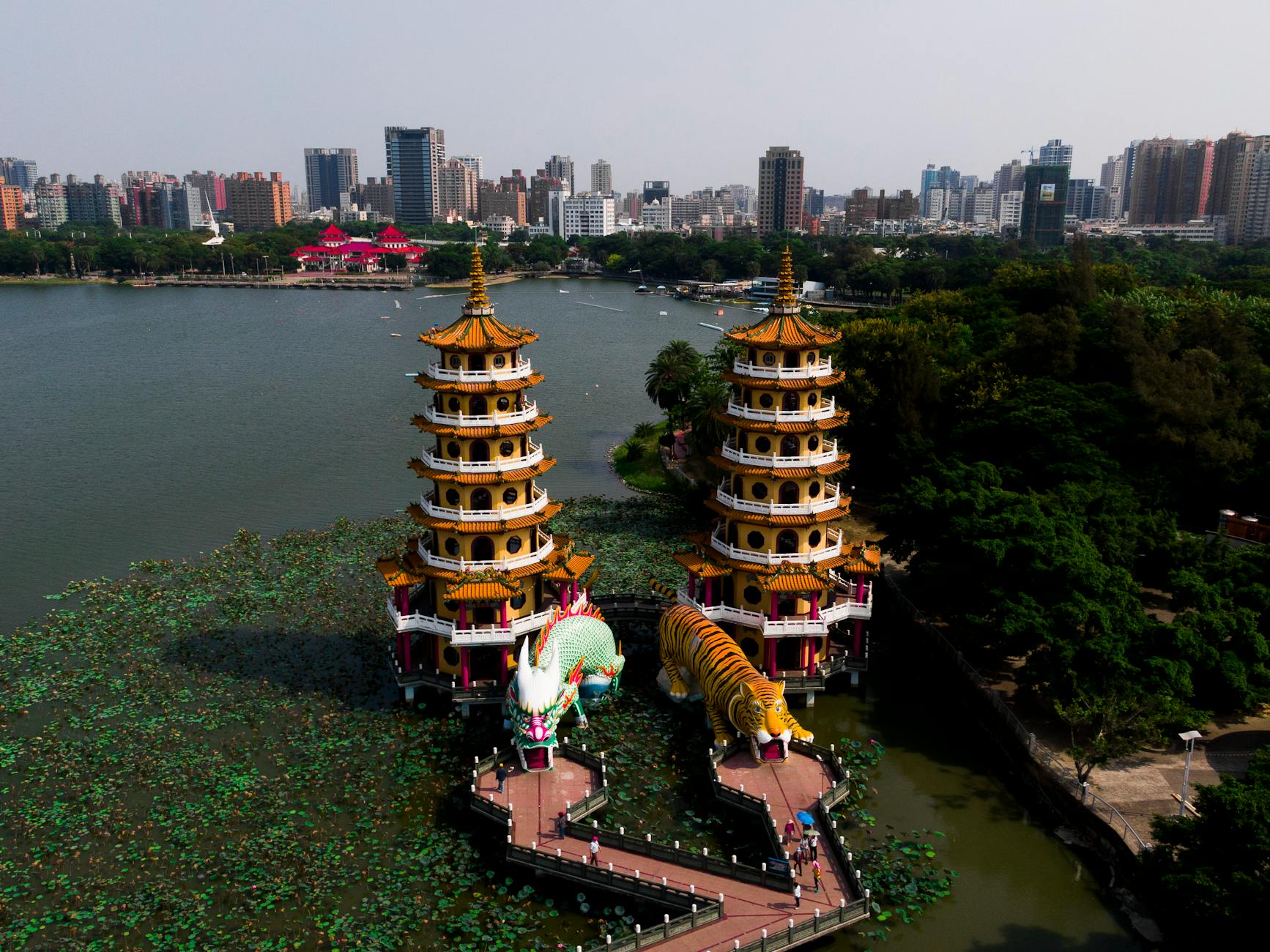
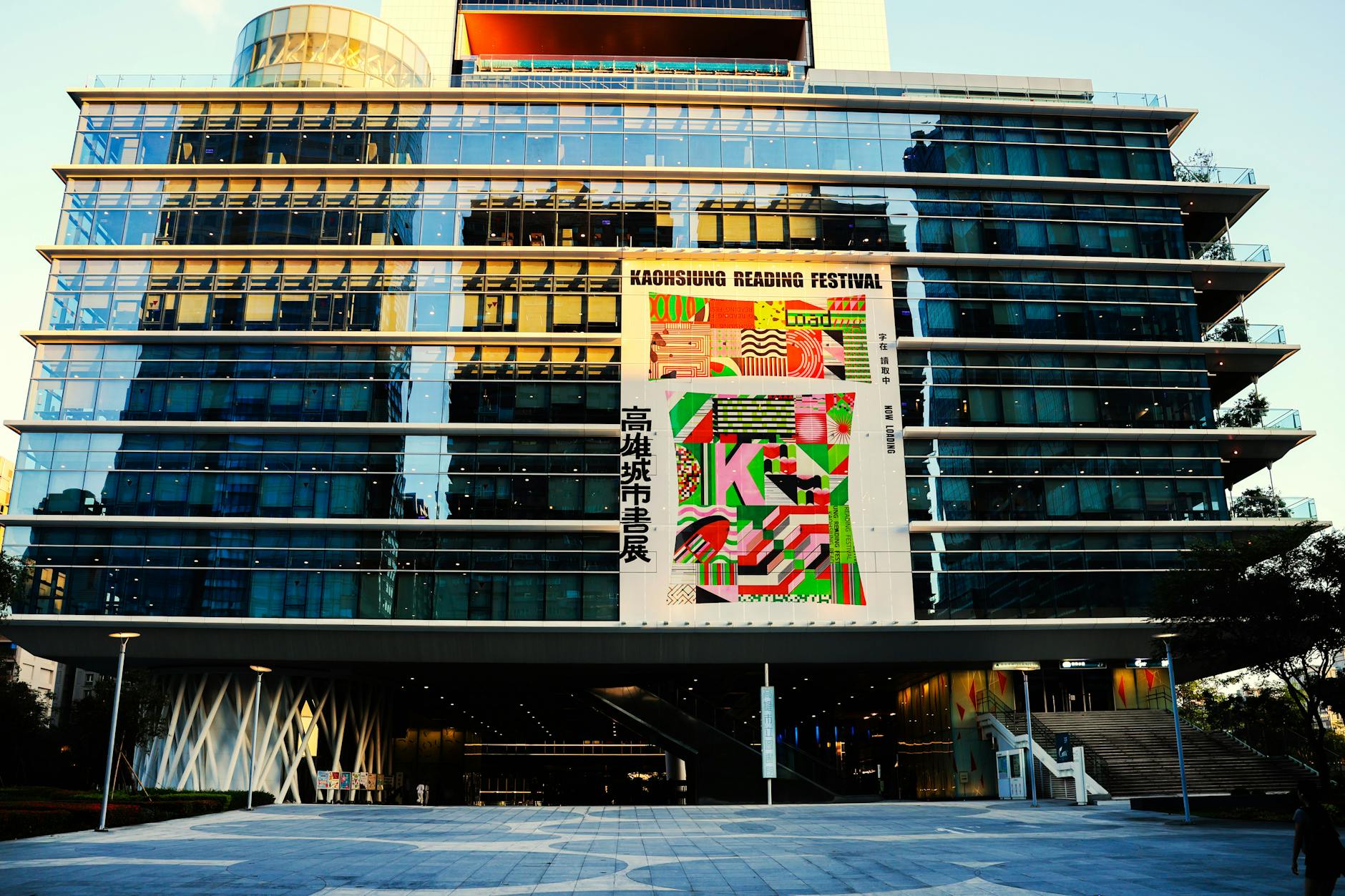
A conference attendee can get a meaningful sense of Kaohsiung without overloading the program. Pier-2, Love River, Lotus Pond, Cijin, a harbor view, a night market, or a simple MRT-linked food route may fit different schedules. Fo Guang Shan can be powerful but usually needs more time and should not be squeezed between sessions.
The city portion should have a cut point. If a panel runs long or a dinner invitation appears, the plan should shrink without stress.
- Choose one or two city experiences that fit the conference location and energy level.
- Use MRT-linked waterfront, food, or cultural routes when time is short.
- Do not add distant excursions unless the schedule clearly supports them.
When to order a short-term travel report
An attendee staying at the conference hotel for a single day may not need a custom Kaohsiung report. A report becomes useful when the venue is outside the hotel, the trip uses HSR or airport transfers, side meetings are spread out, heat affects presentation condition, accessibility matters, networking meals need planning, or the attendee wants one efficient city experience.
The report should test venue geography, hotel fit, HSR and airport routes, MRT and taxi options, session timing, networking logistics, weather, accessibility, meals, budget, and what to cut. The value is a conference trip that keeps the scholarship central while making Kaohsiung manageable.
- Order when venue access, hotel choice, transfer timing, networking, weather, or accessibility need testing.
- Provide dates, venue address, session schedule, arrival mode, hotel options, constraints, and budget.
- Use the report to make the academic trip punctual, focused, and less tiring.