Measure the usable window, not the layover
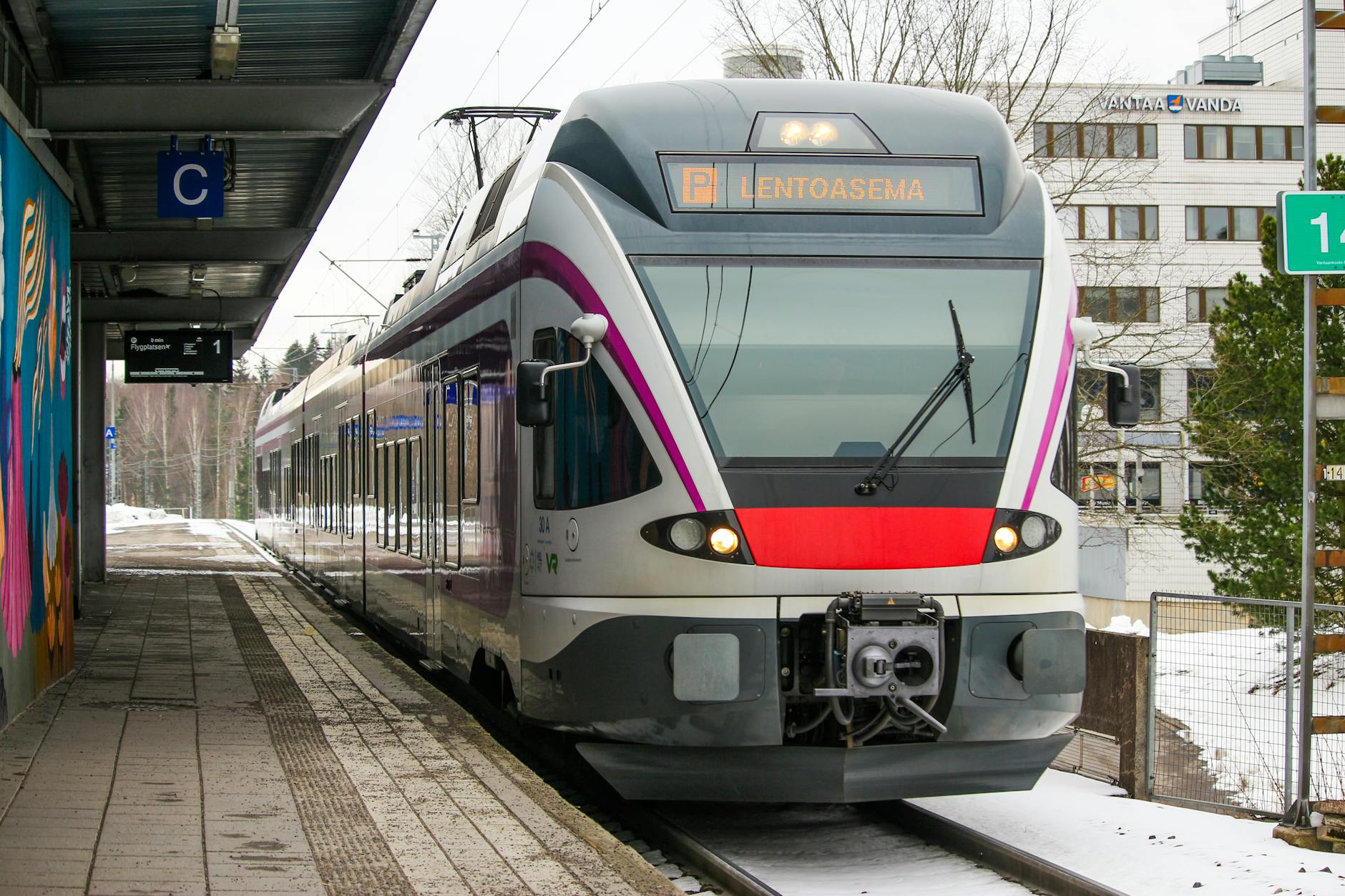
A six-hour stopover is not six hours in Helsinki. Immigration, baggage, luggage storage, rail time, walking, weather, security, boarding, and fatigue all reduce the real window. The traveler should calculate usable city time before choosing a route.
The next departure controls the plan.
- Subtract arrival processing, bag handling, airport rail time, security, boarding, and a delay buffer from the schedule.
- Stay airside when the usable window is too small or the onward ticket is operationally complicated.
- Choose one clear city anchor when the stopover has enough honest time.

Decide what to do with luggage first
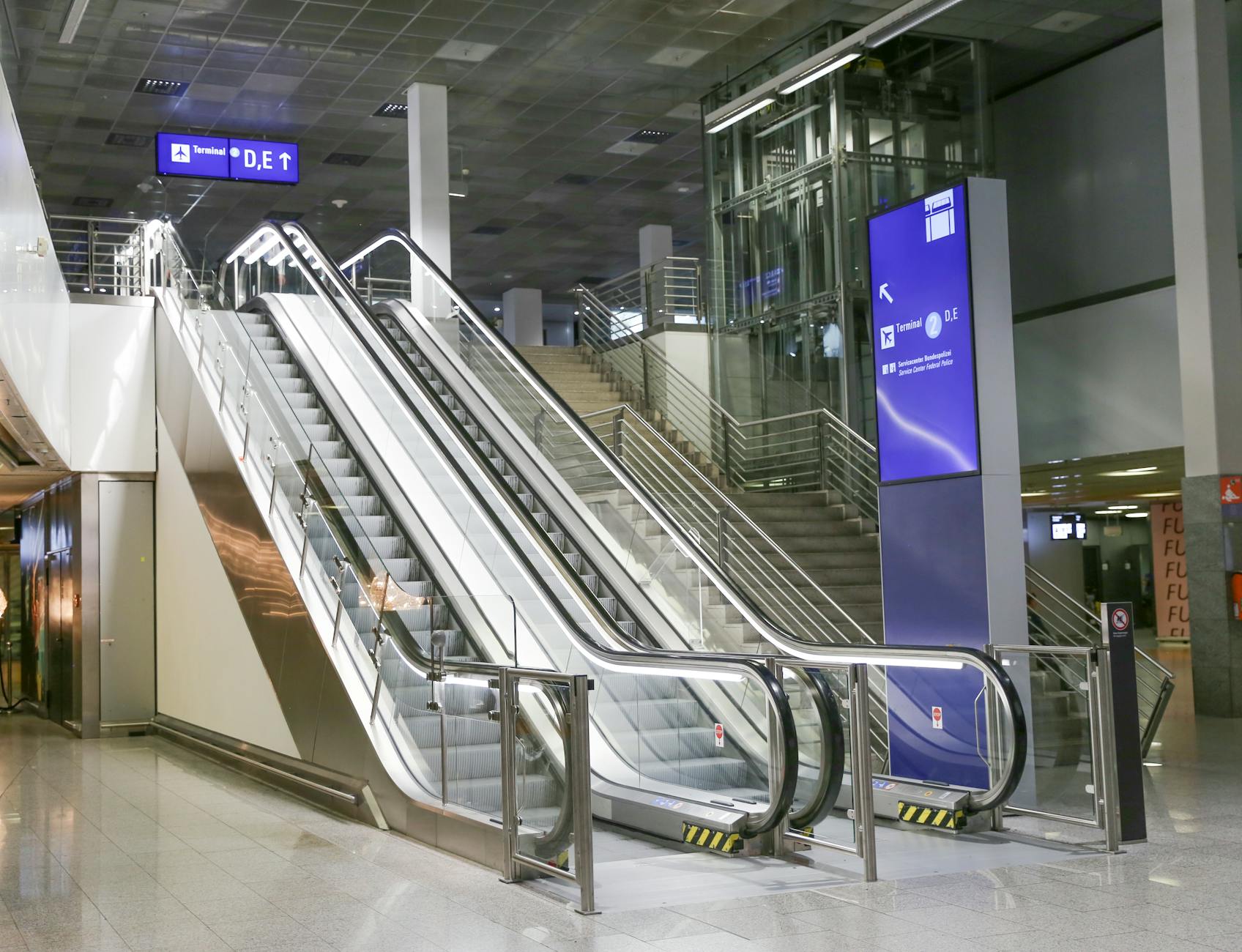
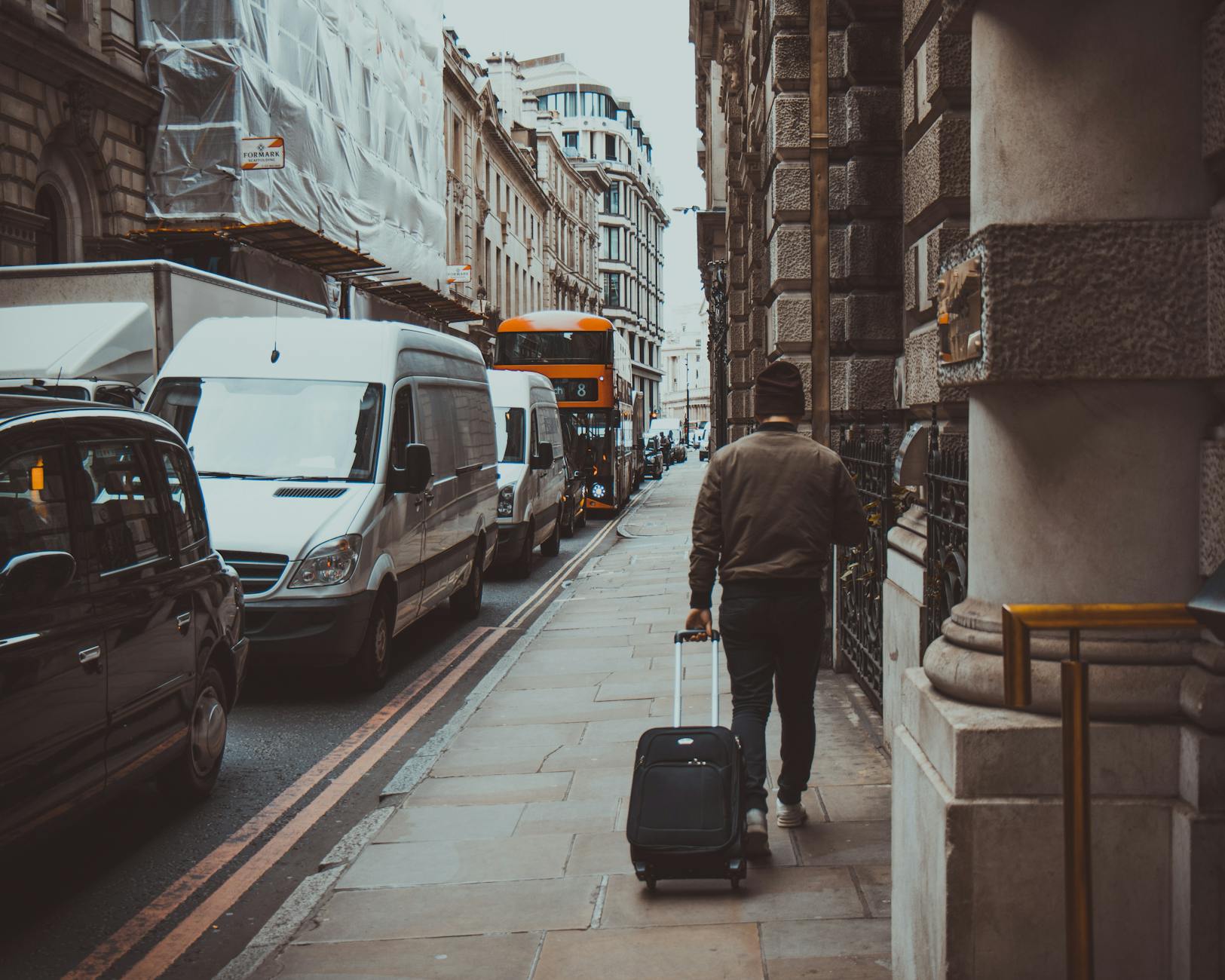
Luggage can decide whether the stopover works. Bags affect rail movement, stairs, snow, cafe choice, museum entry, and whether the traveler can move comfortably through the center. Storage and baggage rules should be solved before leaving the airport or station.
Hands-free time is usually better time.
- Check through-check rules, luggage storage, locker hours, payment methods, and pickup buffer.
- Avoid city routes that depend on carrying large bags over winter surfaces or long walks.
- Keep medication, documents, electronics, and onward essentials with the traveler.
Choose a city-center route that can be abandoned
The safest stopover route is one that can be shortened without ruining the day. Helsinki Central Station, Senate Square, Market Square, Esplanadi, Oodi, cafes, and a quick harbor walk can work when the route stays close to rail and tram options.
A stopover route needs easy exits.
- Keep the first city stop near the central station or a direct return route.
- Use a compact walking loop rather than a route that depends on several transfers.
- Set a firm turn-back time before starting the city portion.

Keep tickets, platforms, and return timing simple
Transit travelers should not spend the stopover decoding ticket zones, platform changes, service disruptions, or airport return options at the last minute. The return route should be known before the traveler leaves the first terminal or station.
The return trip is part of the outing.
- Confirm rail or bus tickets, platform direction, service frequency, payment method, and last sensible return time.
- Build a backup taxi or ride option into the plan when weather or delays matter.
- Keep screenshots or offline notes for the return route in case mobile data is weak.
Treat weather as a go or no-go factor
Helsinki weather can make a short stopover feel either crisp and easy or slow and draining. Snow, ice, rain, wind, darkness, and cold platforms should affect whether the traveler leaves the airport, how far the city route goes, and what clothing stays accessible.
Weather can erase marginal stopover plans.
- Check weather before committing to a city loop, especially in winter or heavy rain.
- Keep warm layers, gloves, waterproof footwear, and phone power accessible outside checked luggage.
- Use indoor anchors such as cafes, Oodi, shops, or museums when the forecast is poor.

Balance food, rest, and sightseeing
A stopover can be weakened by trying to sightsee when the traveler really needs food, a shower, or sleep. Helsinki can still be worthwhile as a meal, sauna, library pause, or short walk rather than a full sightseeing attempt.
Sometimes the best stopover is restorative.
- Choose between sightseeing, a proper meal, rest, sauna, or work time instead of pretending all can fit.
- Keep meals near the station, airport, hotel, or return route.
- Avoid late city returns when fatigue could affect security, boarding, or onward plans.
When to order a short-term travel report
A traveler staying airside may not need a custom report. A report becomes useful when the stopover is long enough for Helsinki but short enough that timing, luggage, weather, meals, and return transport need careful coordination.
The report should test airport processing, baggage rules, rail timing, city route, weather, luggage storage, meal options, rest needs, backup transport, and onward buffers. The value is a Helsinki stopover that uses the available time without risking the next leg.
- Order when airport timing, luggage, rail routes, weather, meals, rest, or onward departure buffers need coordination.
- Provide flight or train details, ticket structure, passport constraints, luggage status, arrival time, onward time, and interests.
- Use the report to decide whether to leave the airport, stay near the station, or keep the stopover simple.