Start with venue geography
The venue should control the first decisions. Trade shows can involve early entry, long floor time, meetings in nearby hotels, evening events, and returns with materials, so the attendee should map the venue and surrounding logistics before booking anything else.
The event footprint is the real itinerary.
- Map the venue, entrances, registration area, meeting rooms, taxi points, transit stops, and nearby hotels.
- Check setup access, badge rules, cloakrooms, bag policies, and opening hours before arrival.
- Choose city plans only after the event geography is clear.
Choose lodging for event rhythm
A hotel that looks convenient for sightseeing may be wrong for a trade show. The attendee should compare commute time, breakfast hours, room workspace, luggage storage, late check-in, taxi access, and the ability to reset between floor time and evening events.
The hotel should reduce repeated friction.
- Compare hotels by venue transfer, airport route, breakfast timing, desk setup, quiet, and storage.
- Stay closer to the venue when early access, materials, or long floor days matter.
- Stay more central only when dinners and client meetings justify the extra commute.
Plan materials and badge timing
Trade-show days can fail on small logistics: badges, samples, shipping, chargers, scanners, printed materials, coat check, storage, or meeting notes. The attendee should decide what moves by hand, what ships ahead, and what must be available on the first morning.
Materials need their own plan.
- Confirm badge pickup, exhibitor rules, delivery windows, storage options, and contact numbers.
- Keep chargers, adapters, business cards, QR codes, documents, medication, and key notes in carry-on luggage.
- Build time for setup, booth checks, and finding meeting points before the floor gets busy.
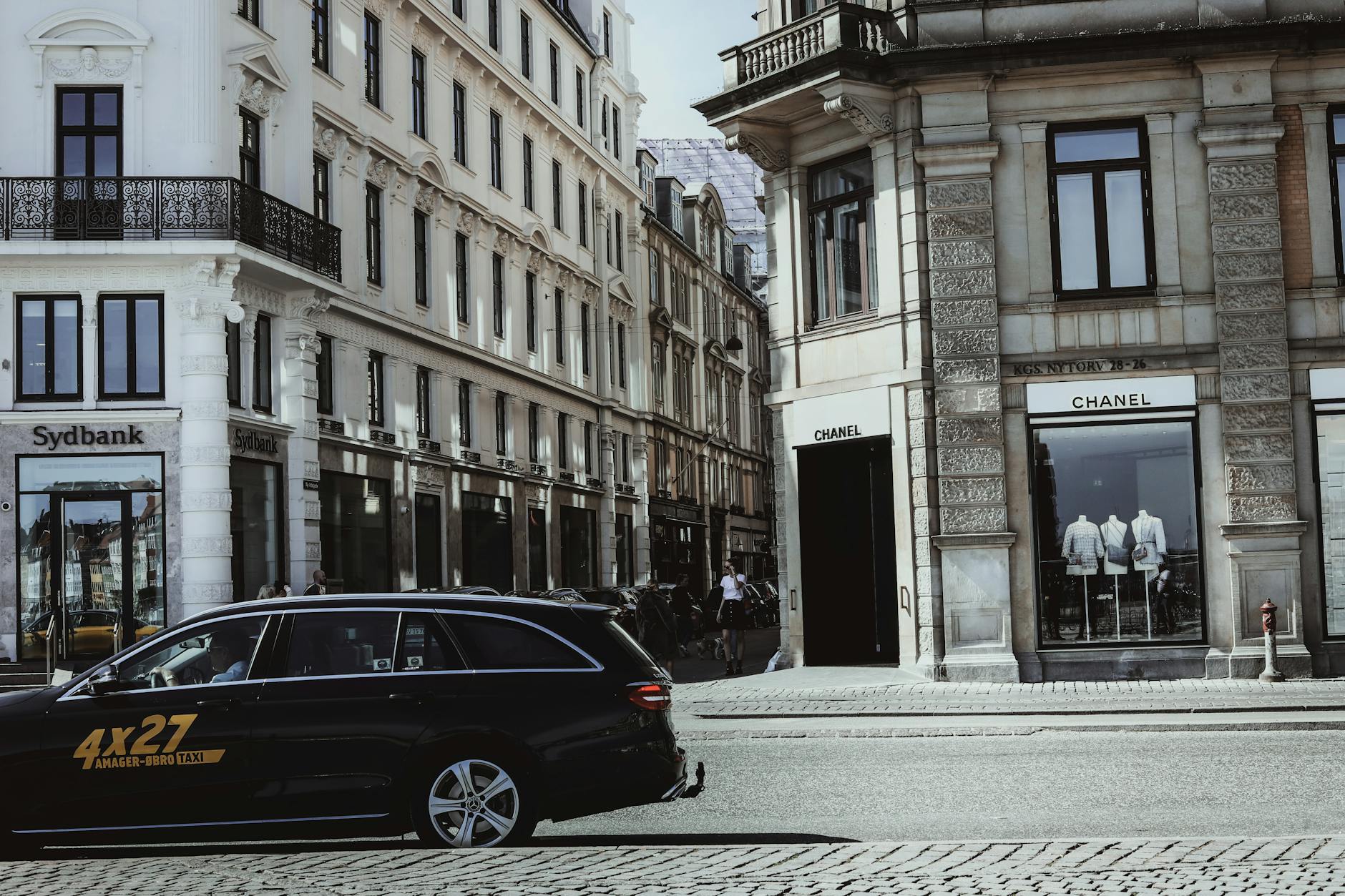
Make dinners and meetings intentional
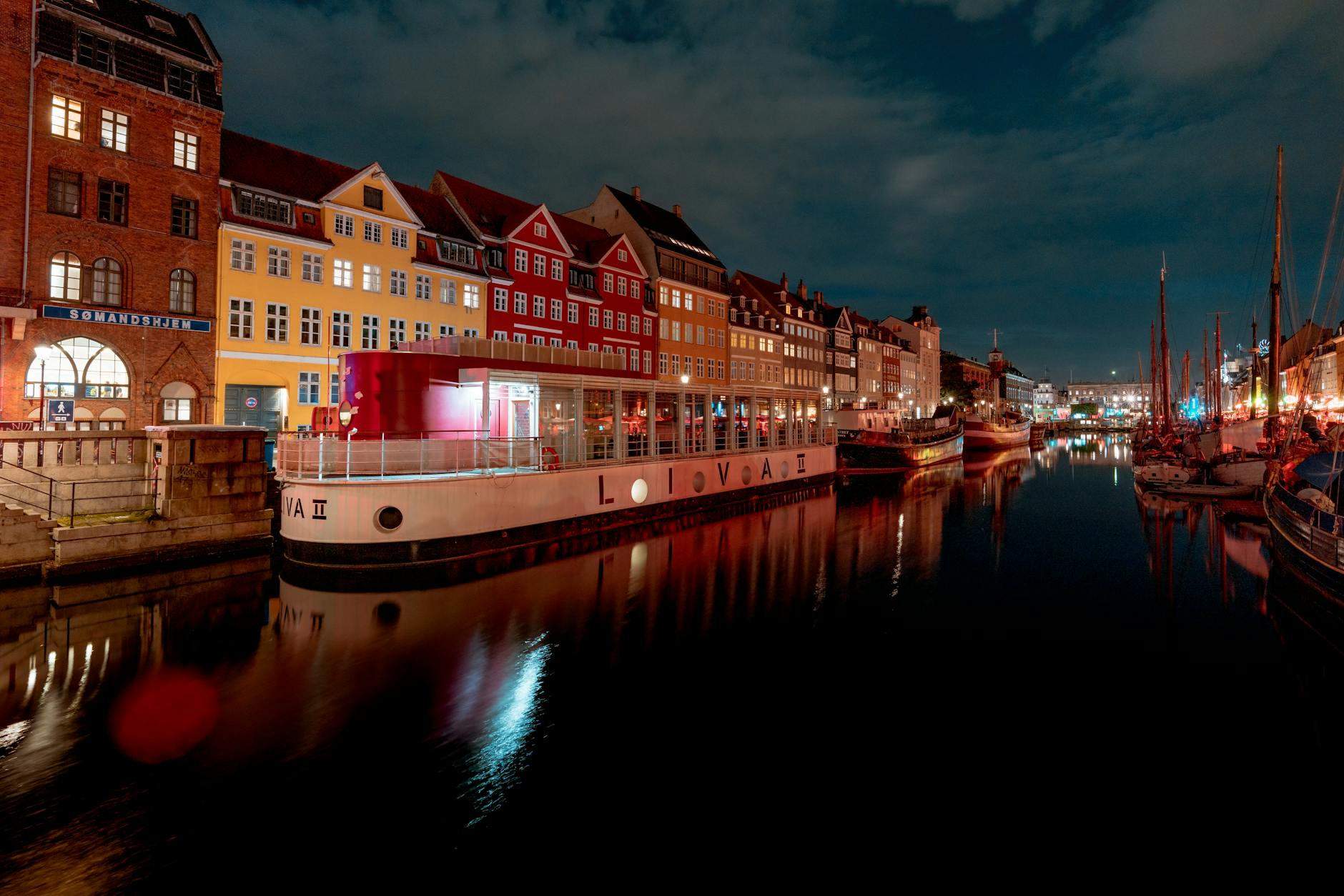
The most useful conversations may happen away from the show floor. Copenhagen dinners, cafes, hotel lounges, waterfront restaurants, and reception spaces should be chosen for timing, noise, privacy, and ease of return.
Networking needs logistics, not just reservations.
- Reserve important dinners early and choose locations that work for attendees coming from different hotels.
- Check travel time from the venue, seating style, noise level, payment, and weather exposure.
- Keep one casual backup near the venue or hotel for last-minute meetings.
Protect work and follow-up blocks
Long days on a trade-show floor can push email, notes, pricing, lead scoring, and internal updates too late. The attendee should reserve small work blocks before and after floor time so follow-up does not wait until the flight home.
The commercial value is captured after the conversation.
- Schedule blocks for notes, lead sorting, proposal updates, team calls, and next-step emails.
- Choose a hotel or workspace with reliable Wi-Fi, quiet, power, and room to review materials.
- Leave recovery time before important meetings instead of filling every gap with sightseeing.

Use transfers to control risk
The right transfer can change by day. Metro and rail may work for light movement, while taxis can be better with samples, formal clothing, late receptions, rain, or tight airport timing. The attendee should avoid proving efficiency at the expense of reliability.
Predictable movement protects the event.
- Compare transit, taxi, and walking routes for venue mornings, dinner returns, and departure day.
- Use cars when luggage, materials, weather, or meeting timing makes public transport risky.
- Keep airport departure buffers large enough for checkout, materials, and final conversations.

When to order a short-term travel report
A trade-show attendee with a venue hotel and simple meetings may not need a custom report. A report becomes useful when venue access, hotel choice, badge timing, materials, meetings, dinners, transport, and departure timing need to fit into a compressed stay.
The report should test venue geography, hotel fit, setup logistics, material movement, meeting locations, dinner districts, work blocks, transfer options, weather, and departure buffers. The value is a Copenhagen trade-show trip that stays commercially focused.
- Order when venue logistics, lodging, setup, materials, meetings, dinners, transfers, or departure timing need coordination.
- Provide dates, venue, exhibitor or attendee status, arrival details, hotel options, meeting schedule, material needs, budget, and work requirements.
- Use the report to keep the trade-show schedule clear and the city logistics manageable.