Choose lodging around real access
Hotel location matters, but the entrance, elevator, room layout, bathroom setup, nearby food, and taxi access matter just as much. A traveler with mobility limitations should confirm these details before assuming a central address will be easy.
The room is the recovery base.
- Confirm step-free entry, elevator access, bathroom layout, room distance from the lift, and door widths when relevant.
- Choose lodging near simple meals, transit, taxi pickup, and the first day's main area.
- Avoid charm-driven choices if the return route includes stairs, steep bridges, long cobblestone stretches, or unclear check-in access.
Map pavement, crossings, and transit effort
Copenhagen can be accessible in many places, but short trips still require route-level judgment. The traveler should look beyond distance and check crossings, curb cuts, construction, station access, platform changes, and how much walking sits on each side of a ride.
The easiest route may not be the shortest.
- Check walking surfaces, bridge approaches, crossings, station lifts, transfer distance, and weather exposure.
- Use metro, rail, taxis, or shorter walks based on energy and access rather than habit.
- Keep a backup route for rain, crowds, closed lifts, or sudden fatigue.
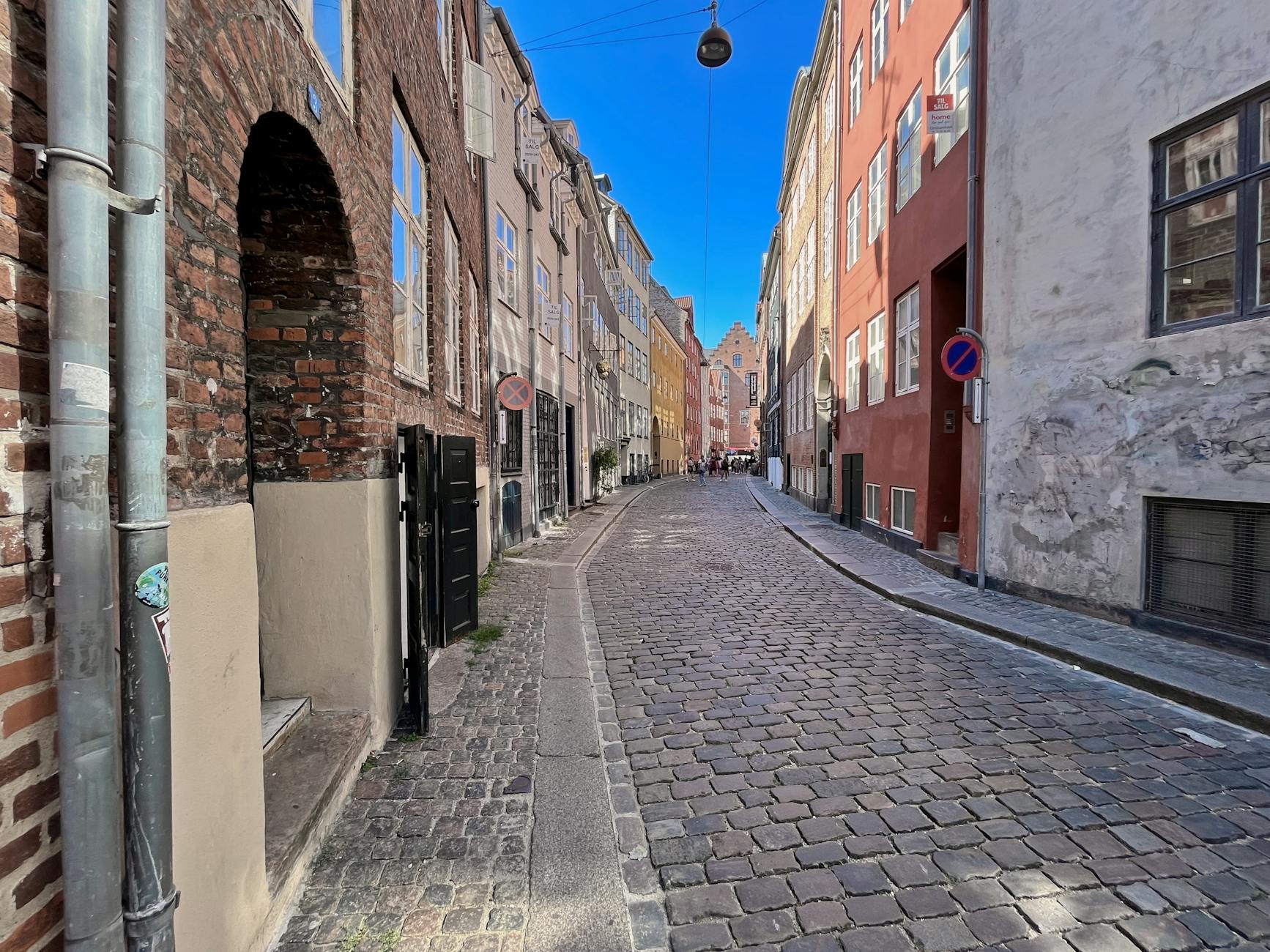
Treat old streets as planning variables
Historic streets, cobblestones, narrow sidewalks, bridge approaches, and crowded areas can be beautiful and tiring at the same time. A mobility-aware Copenhagen plan should decide which old-city routes are worth the effort and where smoother alternatives are better.
Surface quality changes the day.
- Preview routes around old streets, canal edges, squares, and major sights before committing.
- Use shorter sections of historic areas rather than long uninterrupted walks when surfaces are difficult.
- Build in taxis or transit when old streets make the return harder than the outbound walk.
Choose canal and harbor plans carefully
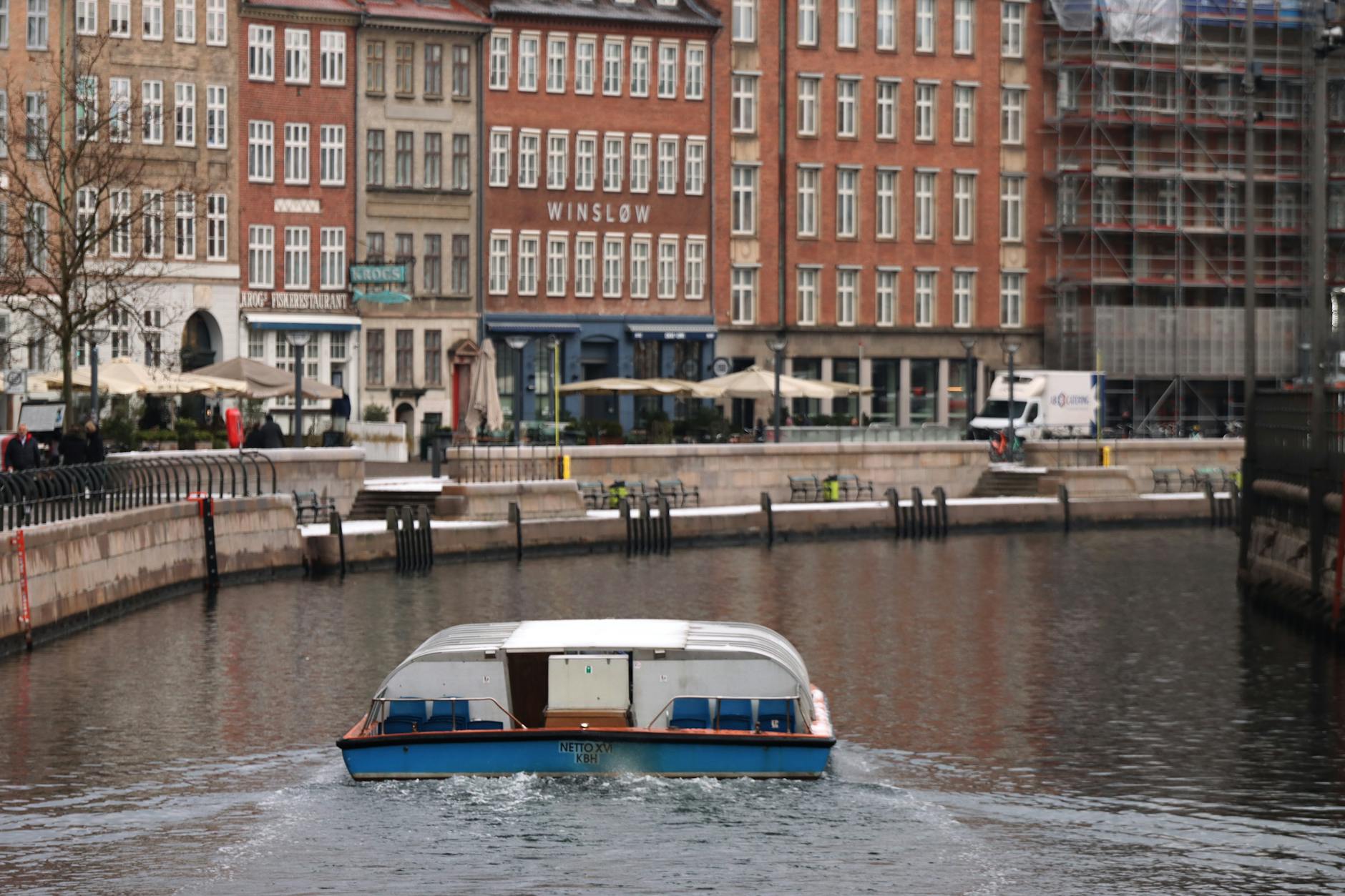
Waterfront time can be a Copenhagen highlight, but boarding points, gangways, seating, railings, restrooms, wind, and return routes should be checked first. A short canal ride may work better than a long exposed walk, or the reverse may be true depending on the traveler.
Water plans need access details.
- Check boat boarding access, seating, restroom availability, weather exposure, and the nearest taxi or transit point.
- Pair canal time with a nearby meal or rest stop so the route stays manageable.
- Choose harbor viewpoints when boat access or weather would make a ride uncomfortable.
Use museums and indoor stops for pacing
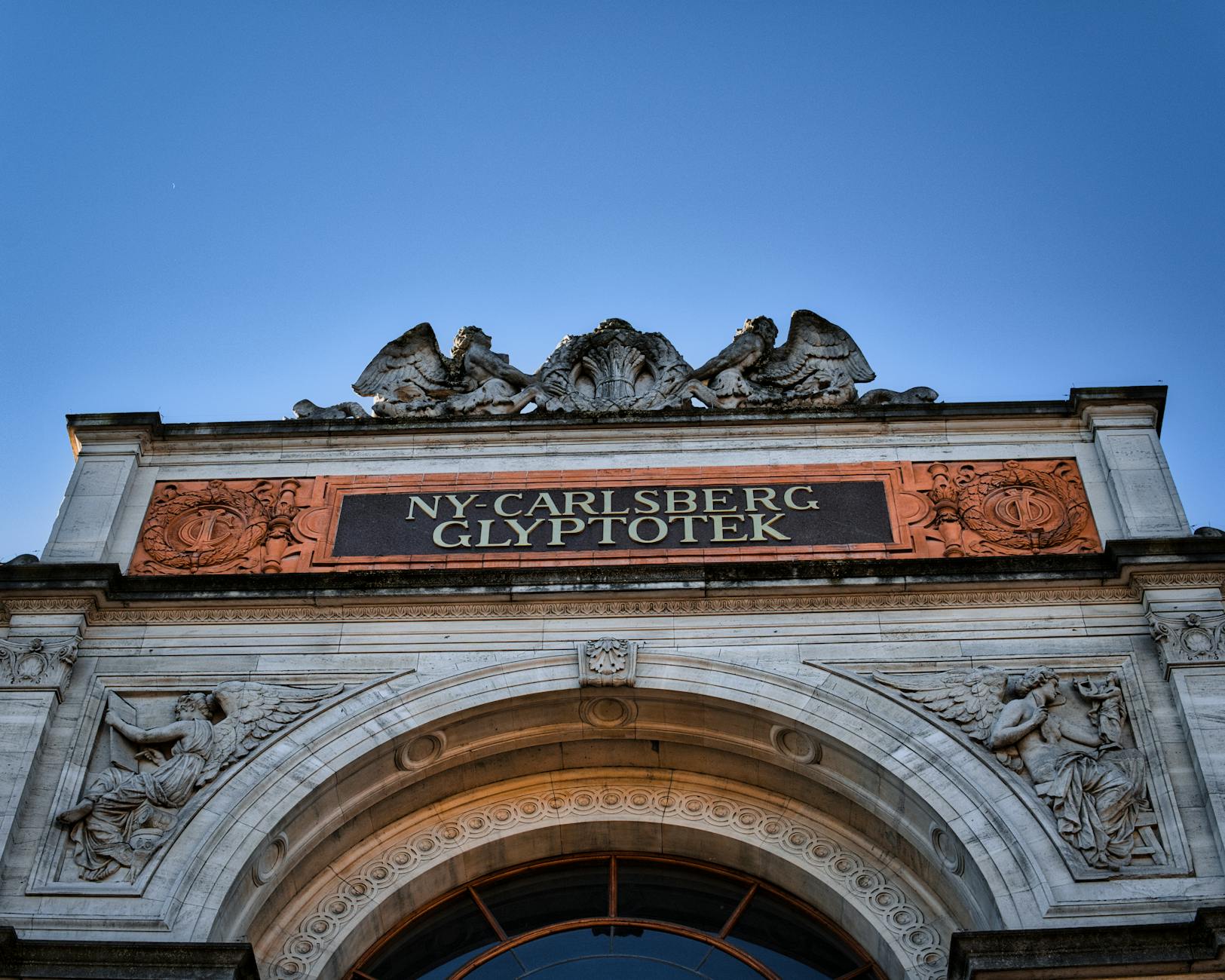
Museums, galleries, churches, markets, and cafes can provide structure and rest, but access varies by building and exhibit. The traveler should check entrances, lifts, seating, restrooms, coat check, and how much standing each stop requires.
Indoor time should reduce effort, not add uncertainty.
- Confirm accessibility details, lifts, seating, restroom access, and ticket timing before arrival.
- Place indoor stops near outdoor routes so they can become recovery points.
- Avoid stacking several standing-heavy interiors on the same day.
Build rest stops into each route
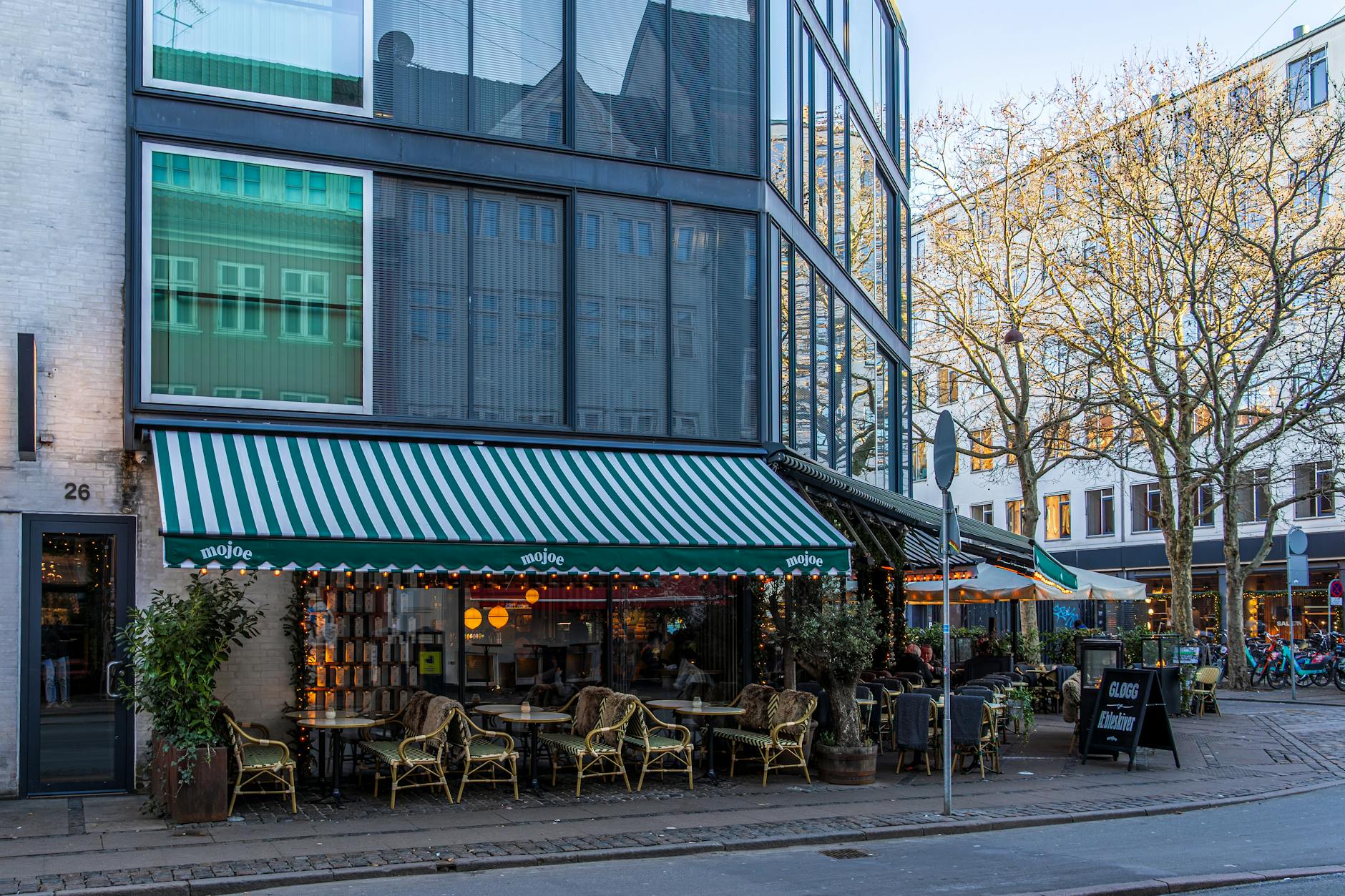
A mobility-aware route should show where the traveler can pause before fatigue becomes the main event. Copenhagen cafes, benches, hotel returns, markets, libraries, and sheltered public spaces can make short outings more comfortable.
Rest should be scheduled before it is urgent.
- Mark cafes, benches, indoor lobbies, restrooms, and taxi pickup points along each route.
- Keep outdoor plans shorter when wind, rain, cold, or crowds increase effort.
- Leave one flexible block each day for recovery rather than adding another sight.
When to order a short-term travel report
A traveler with familiar mobility needs and a simple hotel may not need a custom report. A report becomes useful when access details, pavement, transit effort, taxis, museums, canal plans, weather, and departure timing need to be compared before the trip.
The report should test hotel access, room setup, route surfaces, station lifts, taxi options, canal boarding, museum access, rest stops, weather backups, and departure buffers. The value is a Copenhagen stay that keeps movement realistic.
- Order when lodging access, surfaces, transit, taxis, canals, museums, rest stops, weather, or departure timing need coordination.
- Provide dates, arrival details, hotel options, equipment needs, walking tolerance, step limits, bathroom needs, budget, and must-see priorities.
- Use the report to make Copenhagen easier to enjoy without relying on guesswork.