Anchor the trip around client locations
A consultant's Copenhagen plan should start with client offices, meeting rooms, workshops, and dinner locations. A hotel that works for tourism may be inconvenient when the day begins with prep calls and client arrival windows.
The client map should drive the base.
- Map client sites, meeting venues, office entrances, security procedures, and nearby backup work spots.
- Choose lodging by commute reliability, airport route, workspace, quiet, and late return comfort.
- Avoid adding city plans until the client schedule and transfer needs are clear.
Choose a hotel that supports work
The hotel is often a temporary office. The consultant should confirm desk quality, Wi-Fi, quiet, breakfast timing, early check-in, luggage storage, ironing, and whether there is a lobby or lounge suitable for calls.
Work setup is not a minor detail.
- Check desk space, chair comfort, outlets, Wi-Fi, noise, breakfast hours, laundry, and late checkout options.
- Confirm luggage storage if meetings happen before check-in or after checkout.
- Pick a base that supports both client access and focused evening work.
Control commute and timing risk
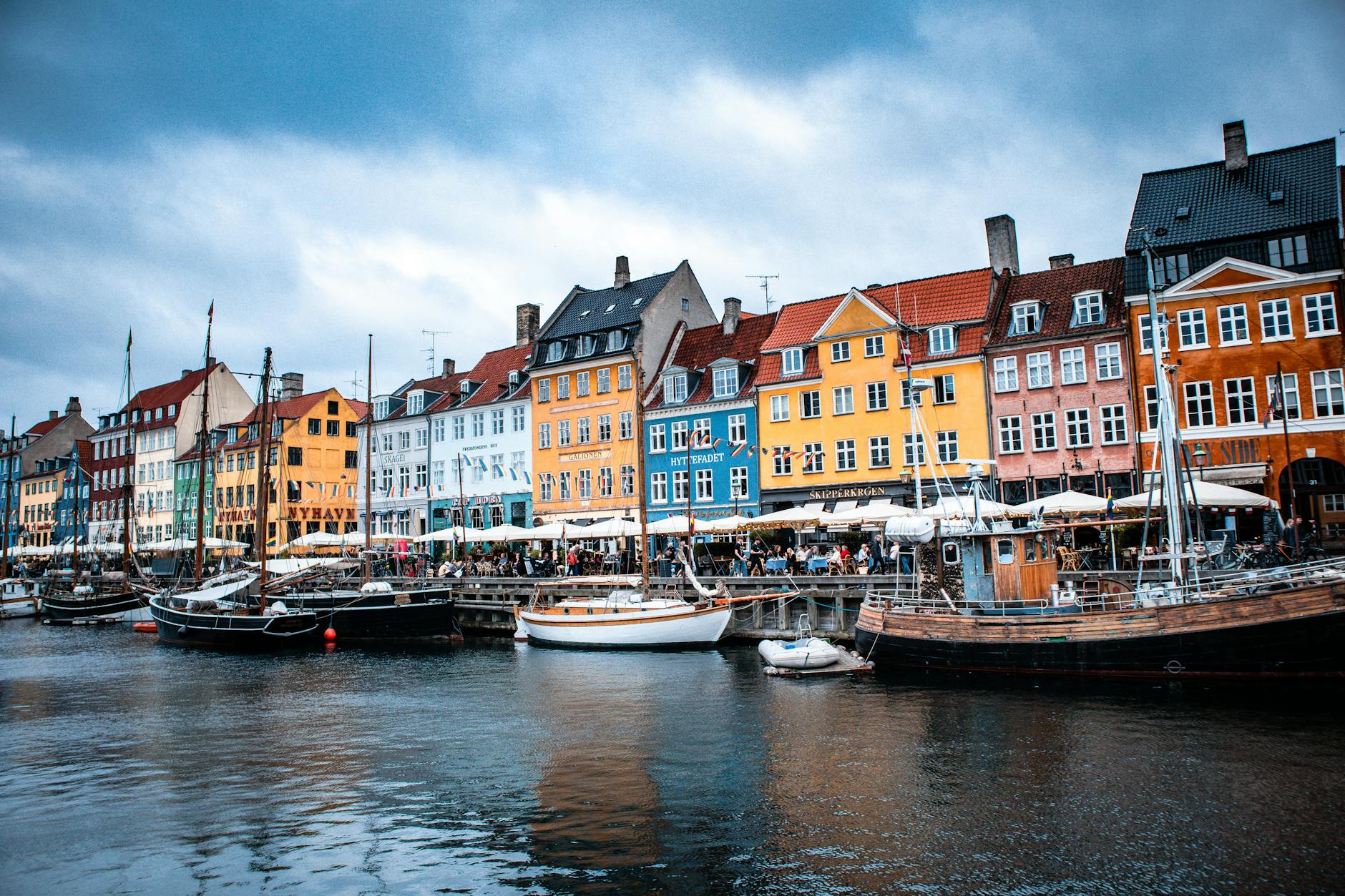
Copenhagen transit can be efficient, but consulting schedules punish small delays. The consultant should compare metro, rail, walking, taxis, and buffer time by actual meeting windows, weather, formal clothing, and laptop bag weight.
Reliable arrival matters more than a clever route.
- Test morning and evening travel times between hotel, client site, dinners, and the airport.
- Keep a taxi route available for rain, late changes, client materials, or tight meeting windows.
- Arrive early enough for building security, coffee, setup, and last-minute document checks.
Build focused work blocks
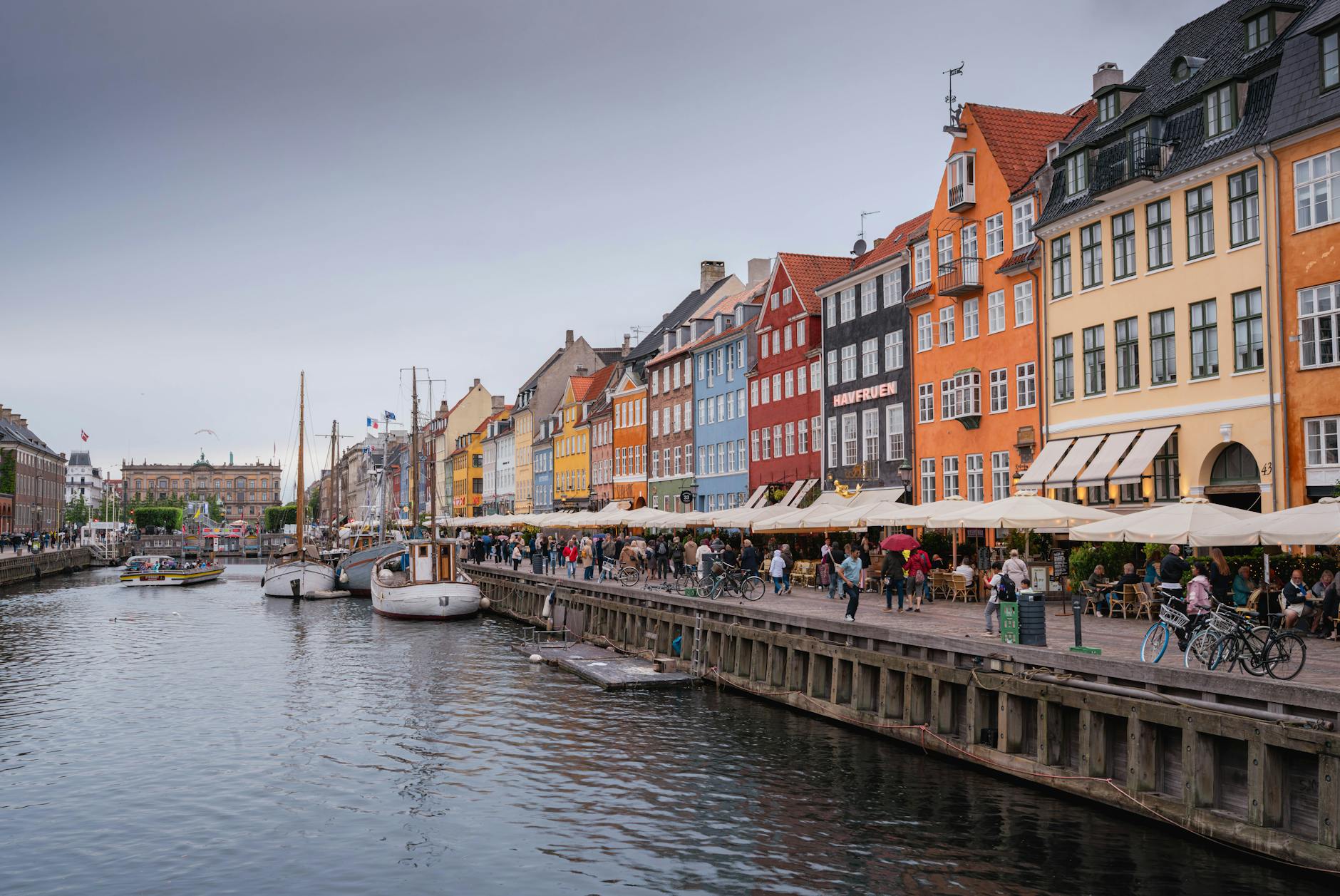
Consulting trips often require preparation, follow-up, calls with the home team, and document revisions around the client day. These blocks should be visible in the itinerary rather than squeezed into late-night leftovers.
The workday includes the spaces between meetings.
- Reserve time for prep, notes, slide edits, follow-up emails, expenses, and internal calls.
- Identify quiet cafes, hotel workspaces, or meeting rooms near the client area.
- Protect one recovery block when travel, workshops, or late dinners make the day long.
Plan client meals with purpose
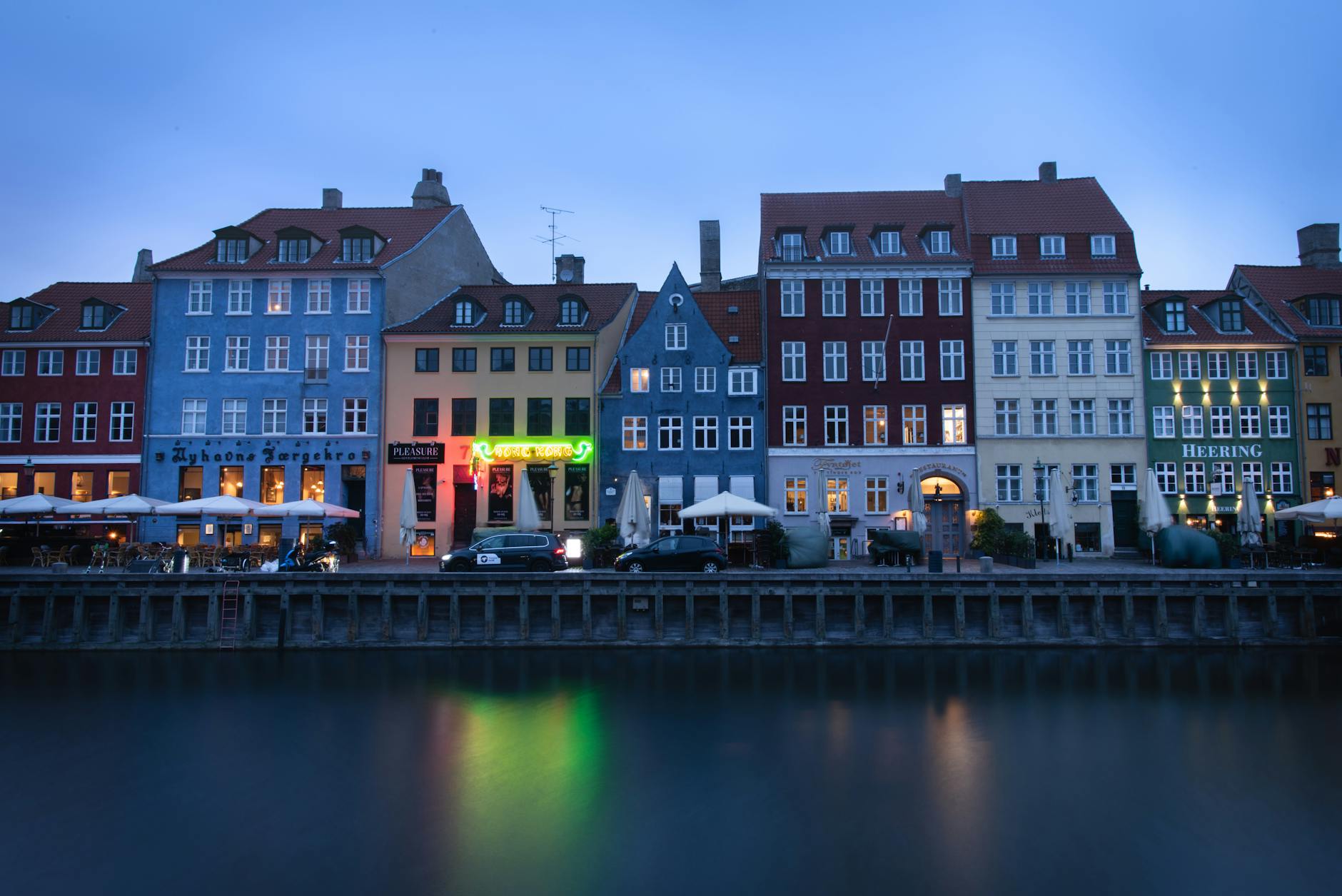
Client dinners and coffees can be valuable, but they should fit the relationship, timing, privacy, and location. Copenhagen offers strong restaurants and cafes, yet the consultant should avoid choices that create long transfers or noisy conversations.
A meal should support the engagement.
- Choose restaurants or cafes by proximity, noise level, seating, dietary needs, and ease of return.
- Reserve important meals early and keep a simpler backup near the client site or hotel.
- Leave enough time for payment, weather, taxis, and next-day preparation after dinner.
Add city time only where it protects energy
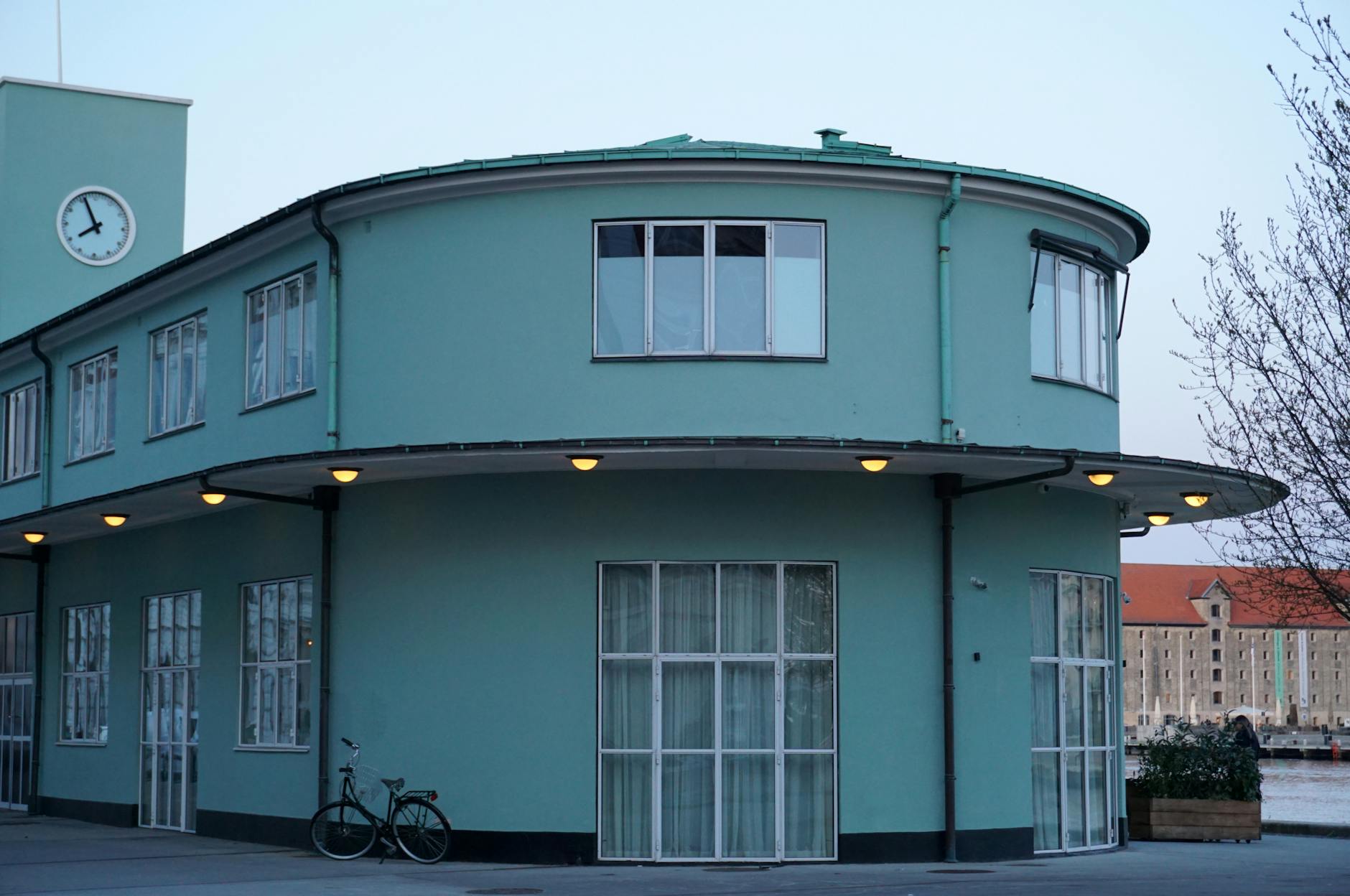
A consultant may want a canal walk, design shop, museum, sauna, or good meal, but city time should not crowd delivery. A short Copenhagen stay works best when leisure is placed where it restores energy or fits naturally between work commitments.
A small city block can be enough.
- Choose one compact city experience near the hotel, client site, or dinner area.
- Use waterfront walks, cafes, or a single cultural stop when the schedule is tight.
- Skip optional plans when weather, fatigue, or client changes require more margin.
When to order a short-term travel report
A consultant with one client site and a familiar hotel may not need a custom report. A report becomes useful when client locations, hotel workspace, commute risk, meals, work blocks, weather, and departure timing need to fit around a high-value engagement.
The report should test client geography, hotel fit, commute options, meeting buffers, workspaces, client meals, recovery blocks, weather backups, and airport timing. The value is a Copenhagen consulting trip that lets the consultant focus on the work.
- Order when client sites, hotels, commute timing, workspaces, meals, weather, recovery, or departure timing need coordination.
- Provide dates, arrival details, client locations, meeting schedule, hotel options, work needs, meal plans, budget, and pace limits.
- Use the report to keep Copenhagen logistics quiet and the engagement easy to deliver.