Choose the outdoor priority before adding more
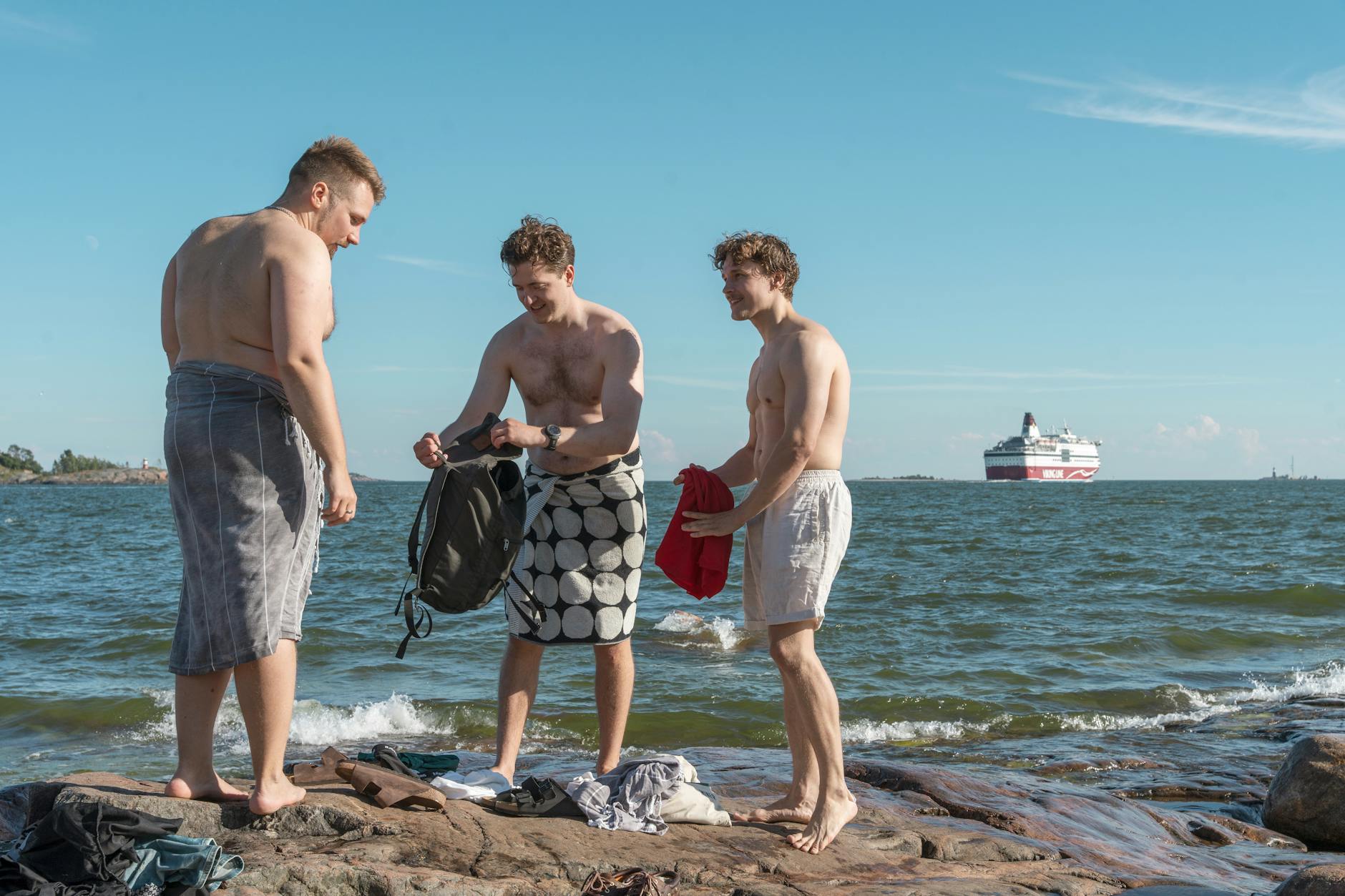
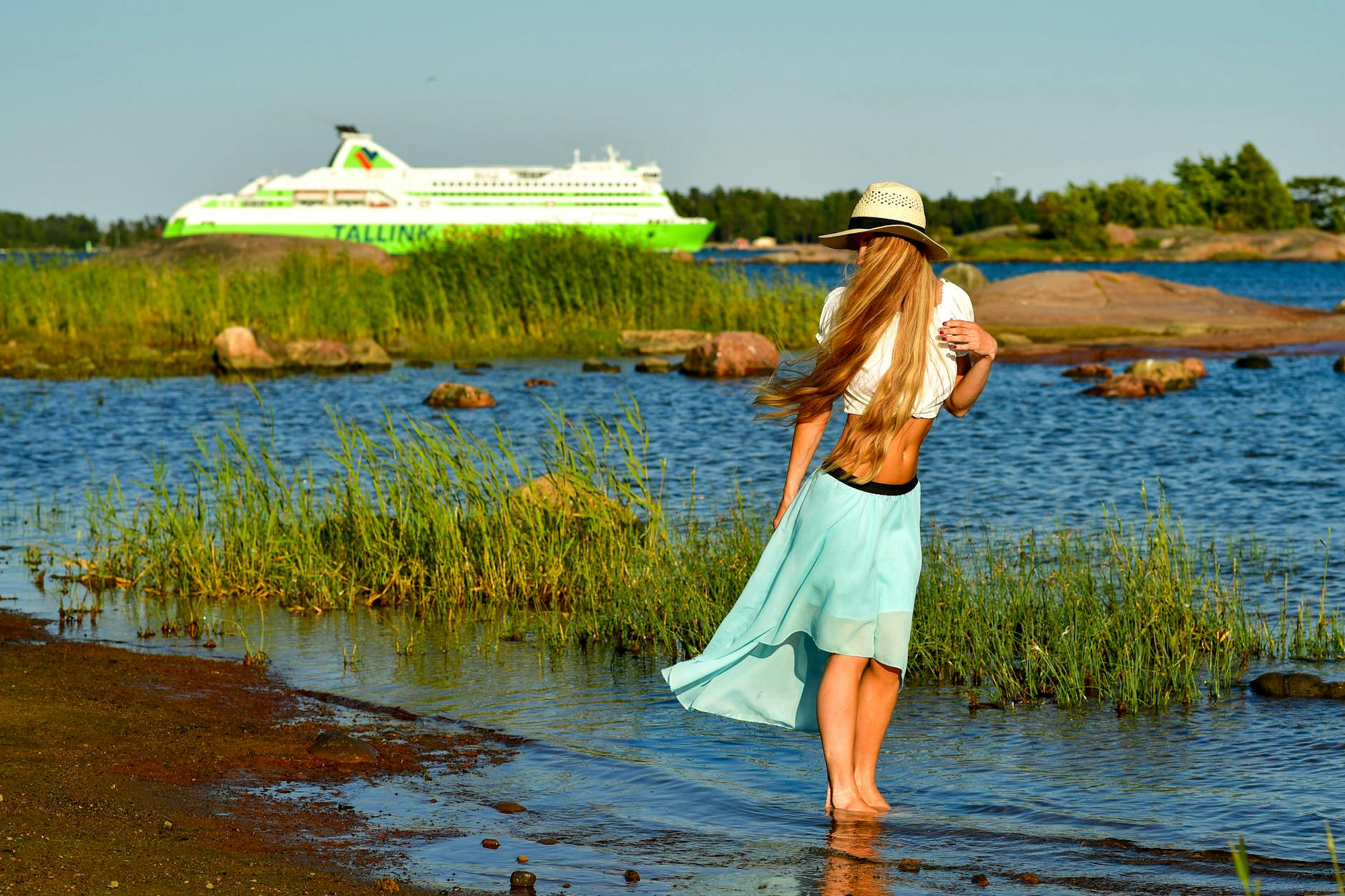
A short Helsinki trip cannot do every coast, island, forest, sauna, ferry, and water activity well. The traveler should decide whether the main goal is Suomenlinna, sea kayaking, winter walking, island scenery, city biking, or a waterfront recovery day.
The outdoor priority should control the route.
- Choose one main outdoor anchor for each day and one backup that fits the same area.
- Check ferry schedules, rental windows, daylight, weather, and walking distance before booking.
- Avoid stacking several exposed waterfront activities when wind, cold, or fatigue could build quickly.
Choose lodging for early starts and gear
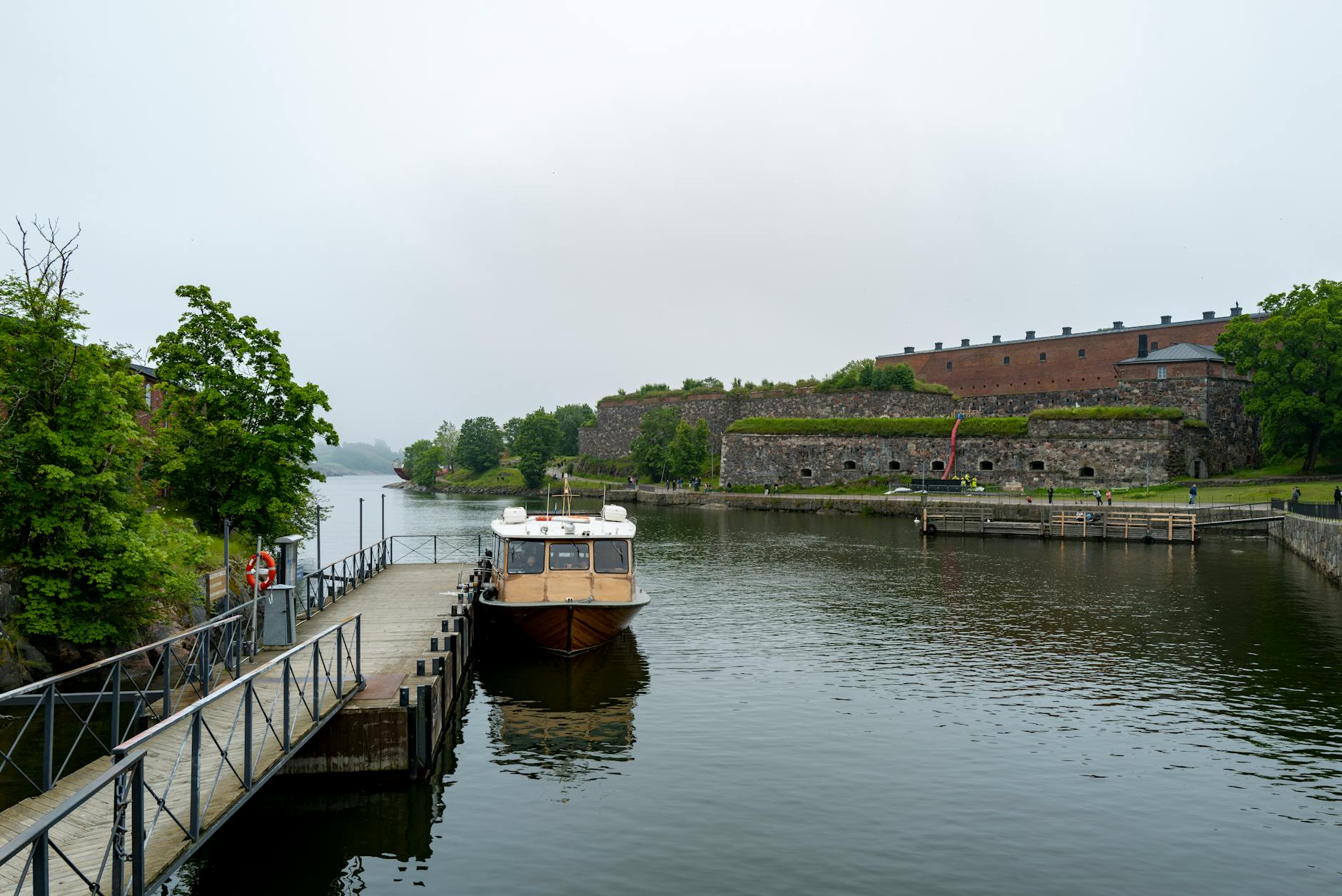
Outdoor travelers need a base that handles wet layers, early breakfast, gear storage, laundry, transit, and easy returns after long coastal blocks. A central room near harbor routes or trams can be more useful than a far-flung scenic address.
The hotel should help the day start cleanly.
- Check breakfast timing, gear storage, drying space, laundry, elevator access, and transport links.
- Choose lodging near the harbor, a tram route, or the main outdoor departure point.
- Keep the hotel address and dry backup plan available offline.
Treat ferries and islands as fixed commitments
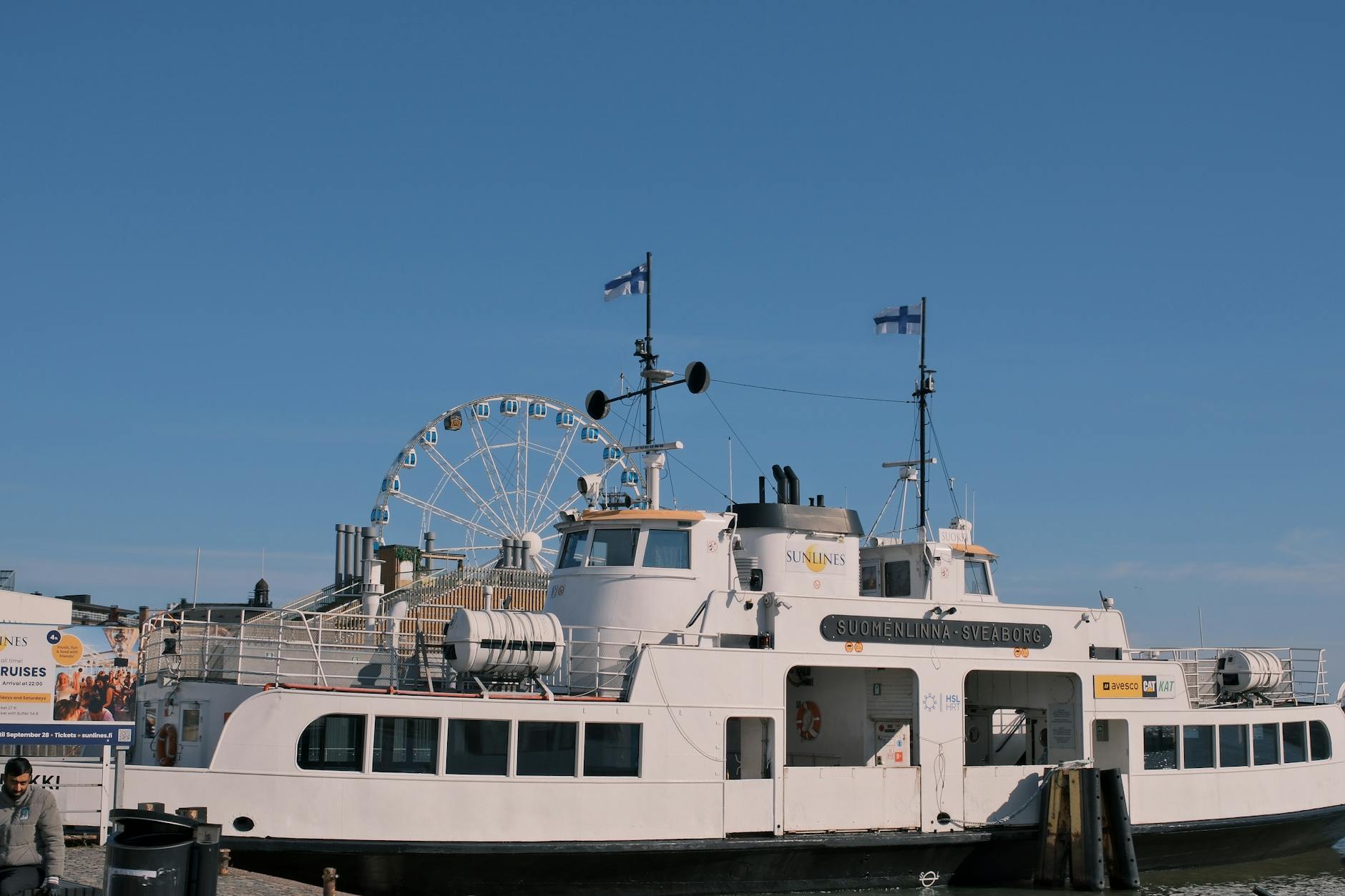
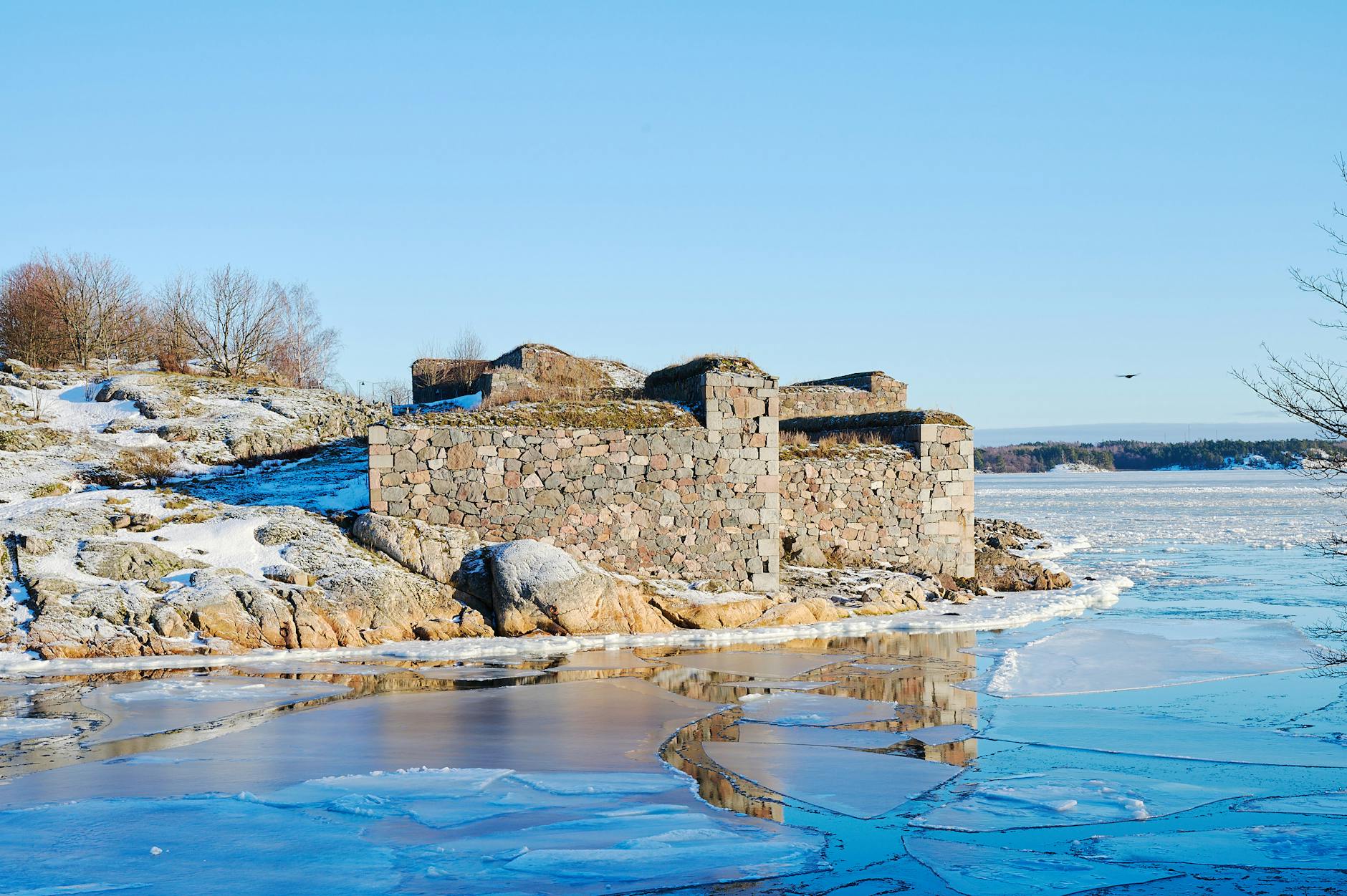
Island trips are rewarding but less flexible than a city walk. Ferry timing, boarding points, wind, return frequency, food, restrooms, and walking surfaces should be checked before committing a short stay to Suomenlinna or another island outing.
The ferry schedule is part of the itinerary.
- Confirm departure pier, ticket rules, last return, weather exposure, and walking distance on the island.
- Carry layers, water, snacks, phone power, and footwear that works on uneven surfaces.
- Leave a city-side backup if wind, ice, or ferry timing makes the island plan weaker.
Match activities to season and skill
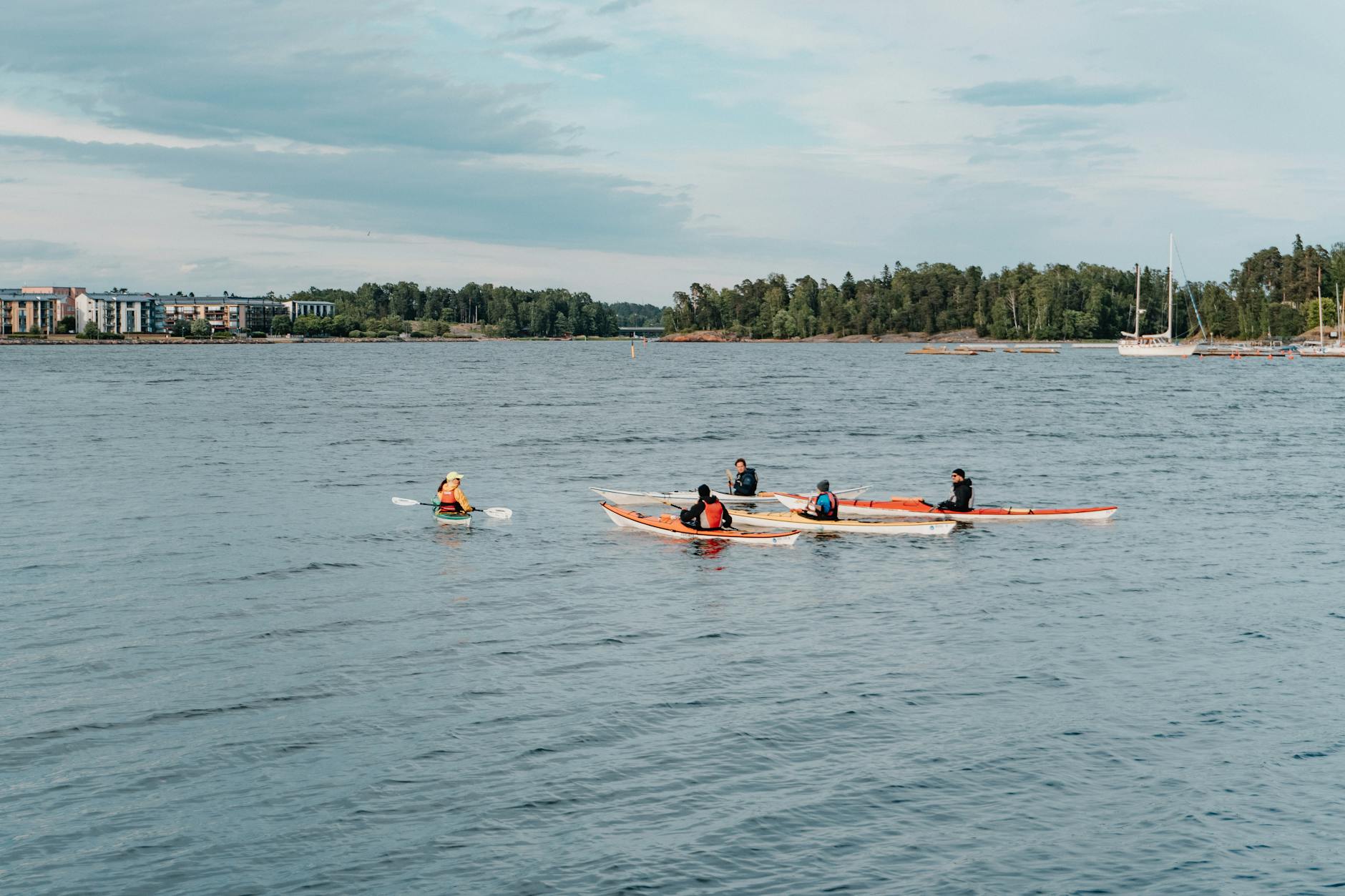
Kayaking, swimming, sauna, skating, biking, forest walks, winter sea walks, and rocky shoreline routes all ask different things from the traveler. The plan should account for skill, water temperature, ice conditions, rental rules, and daylight.
Outdoor confidence should come from preparation, not improvisation.
- Use reputable rental or guide providers when water, winter, or equipment risks matter.
- Do not rely on frozen surfaces, swimming spots, or exposed routes unless local conditions support them.
- Keep an easier activity ready when weather or stamina changes the day.
Build weather protection into the plan
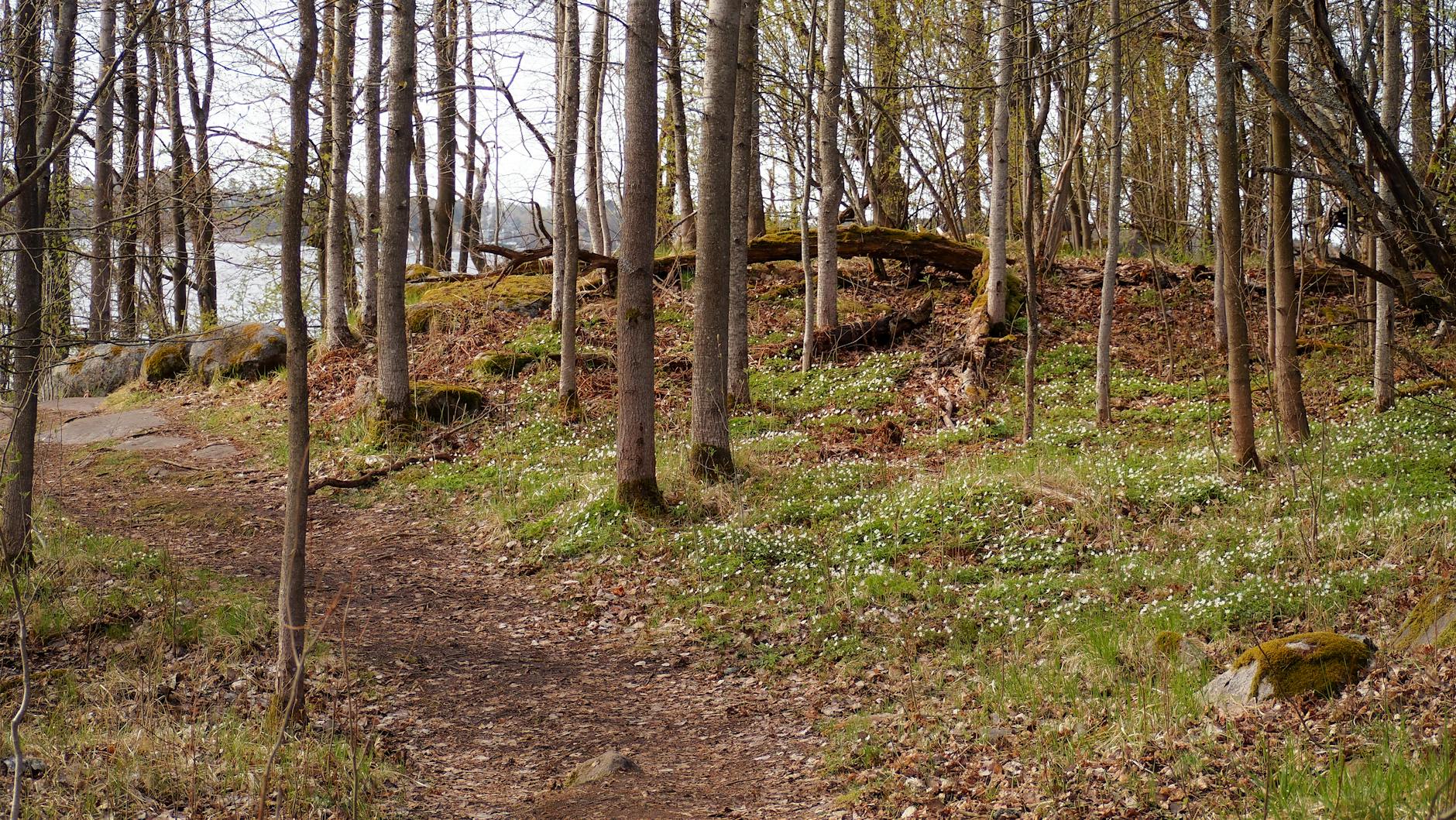
Helsinki weather can change the quality of an outdoor route quickly. Waterfront wind, rain, snow, ice, bright summer sun, and cold ferry waits should influence clothing, timing, transport, and whether the day should move indoors.
Weather is a design constraint, not a surprise.
- Pack layers, rain protection, gloves, sun protection, secure footwear, and a dry bag when needed.
- Shorten exposed routes when wind, precipitation, or low temperatures begin to dominate the experience.
- Use museums, cafes, markets, libraries, or hotel breaks as planned indoor resets.
Plan meals, sauna, and recovery
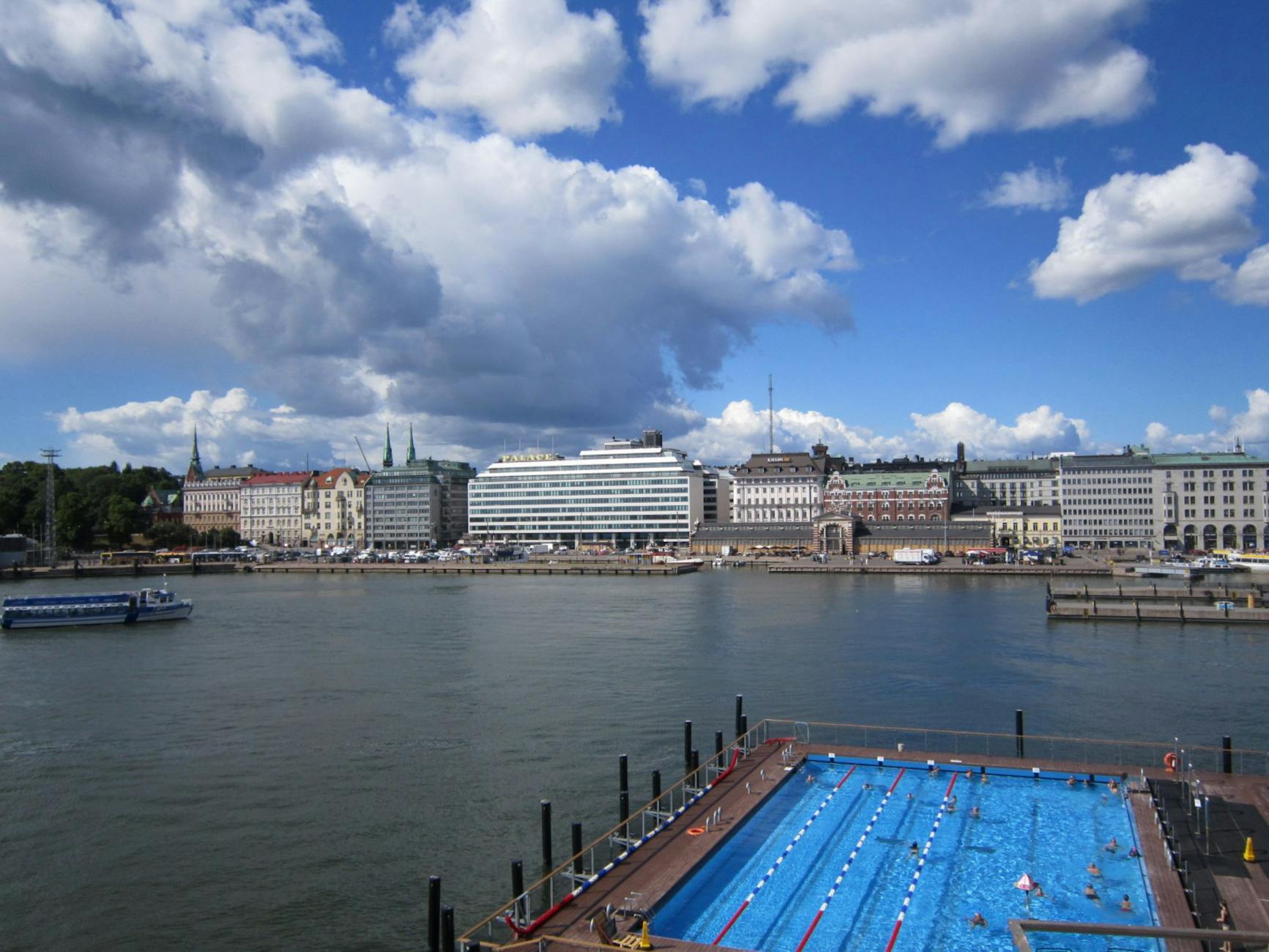
Outdoor days need fuel and recovery. The traveler should know where meals, warm drinks, restrooms, sauna, showers, and return transport fit before the day becomes a long search after cold wind or water activity.
Recovery belongs in the plan.
- Identify meals near the harbor, island route, rental point, sauna, or hotel before leaving.
- Schedule sauna or a warm indoor break after the most exposed activity, not before a tight transfer.
- Avoid ending an outdoor day far from lodging with wet gear and no simple meal plan.
When to order a short-term travel report
An outdoor traveler with flexible plans and mild weather may not need a custom report. A report becomes useful when ferries, rentals, winter conditions, gear, sauna, meals, or departure timing need to be coordinated in a short window.
The report should test lodging fit, ferry timing, island routes, weather, rental options, activity skill requirements, meals, sauna, indoor backups, transport, and departure buffers. The value is a Helsinki outdoor trip that stays active without becoming brittle.
- Order when ferries, islands, lodging, rentals, weather, gear, meals, sauna, or departure timing need coordination.
- Provide dates, arrival details, lodging options, outdoor priorities, skill level, gear needs, budget, and weather tolerance.
- Use the report to make the Helsinki outdoor stay energetic, practical, and easy to adjust.