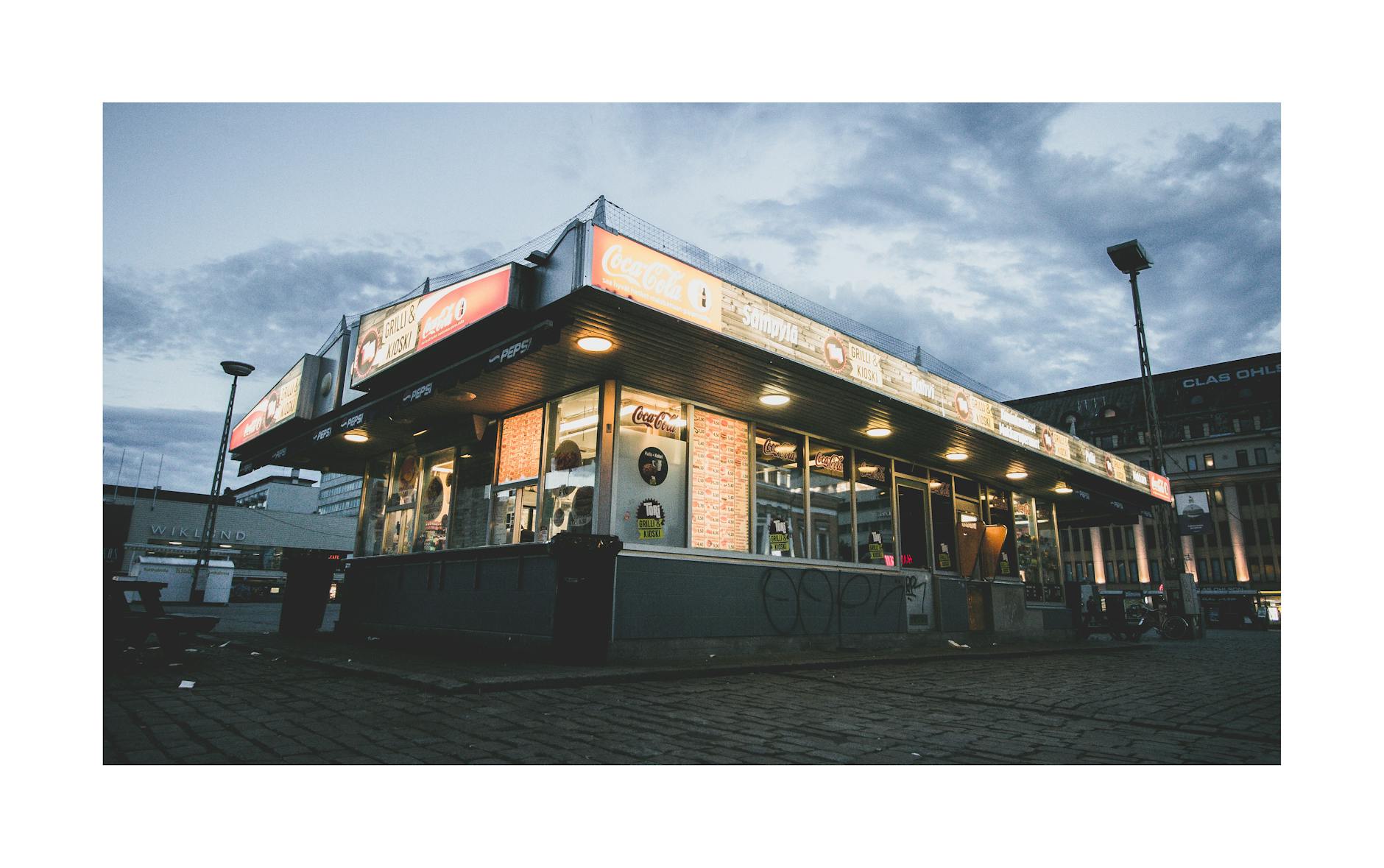
Choose the evening area before choosing venues
The traveler should decide whether the night is about cocktails, beer, live music, clubs, restaurants, sauna, design-district bars, or a low-key late meal. Choosing an area first prevents the evening from becoming a sequence of cold transfers.
A good night has a compact geography.
- Group bars, restaurants, music venues, and late food by neighborhood or tram corridor.
- Check opening hours, event times, reservation needs, age rules, cover charges, and dress expectations.
- Keep one backup venue nearby in case the first choice is full, closed, or not the right mood.
Choose lodging for the late return
Nightlife lodging should make the return simple. A central hotel near the evening area, late tram routes, or a reliable taxi corridor can matter more than a daytime sightseeing location when the traveler expects late nights.
The return route should be solved before the first drink.
- Compare lodging by night transport, walking route, taxi access, reception hours, and neighborhood comfort.
- Check whether late entry, luggage storage, breakfast timing, and quiet recovery are practical.
- Avoid lodging that makes every night end with a long exposed walk or uncertain transfer.
Plan dinner and drinks as one route
A short nightlife trip works better when dinner, drinks, and any late snack sit on the same route. The traveler should not discover after dinner that the next venue is across town, closed, or awkward to reach in bad weather.
Food and drink timing should support the whole night.
- Reserve dinner when timing, budget, dietary needs, or a popular area matters.
- Place late food options near the final venue or return route.
- Set a spending range for cover charges, drinks, taxis, and late meals before the night starts.
Check live music and club timing carefully
Live music, DJs, club nights, and special events can make a Helsinki evening memorable, but they need more planning than a casual drink. Ticket windows, door time, set time, coat check, queues, and late transport should all be checked.
The event clock is different from the dinner clock.
- Confirm ticket rules, door time, set time, venue address, entry policy, and expected end time.
- Build buffer for queues, coat check, weather, and moving between dinner and the venue.
- Do not schedule the latest event before an early airport transfer unless the next day can absorb it.

Treat weather and winter darkness as nightlife variables
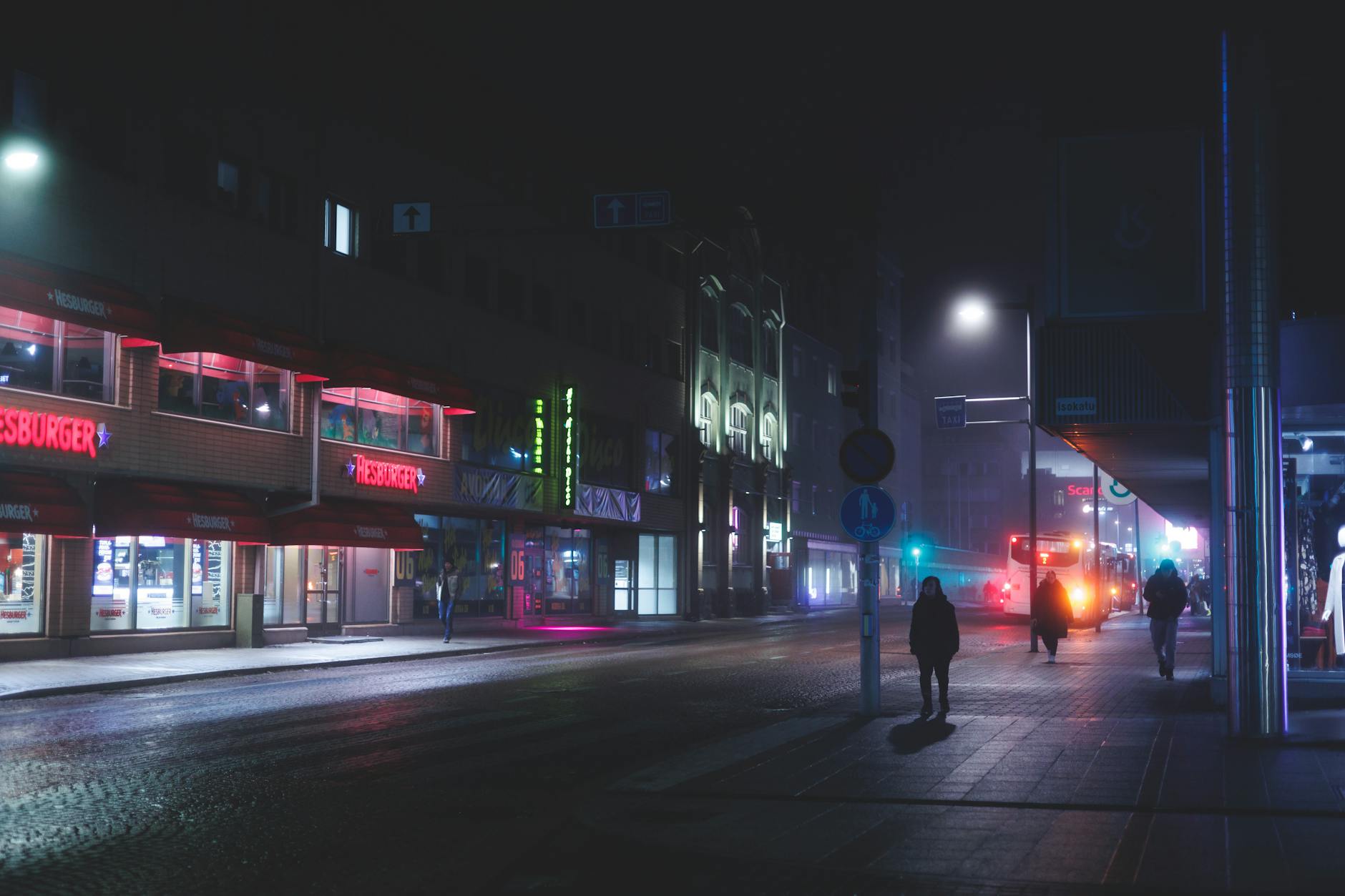
Helsinki nightlife can be shaped by cold, ice, rain, wind, darkness, and the distance between warm interiors. Clothing, footwear, coat check, taxi use, and route length should be chosen for the forecast, not just for the outfit.
Weather changes how late-night movement feels.
- Choose layers, footwear, and outerwear that work for queues, walks, and late transport.
- Shorten bar-hopping routes when winter surfaces, rain, or wind would make movement unpleasant.
- Use taxis when weather, timing, or the group condition makes transit less dependable.
Keep safety and pacing explicit
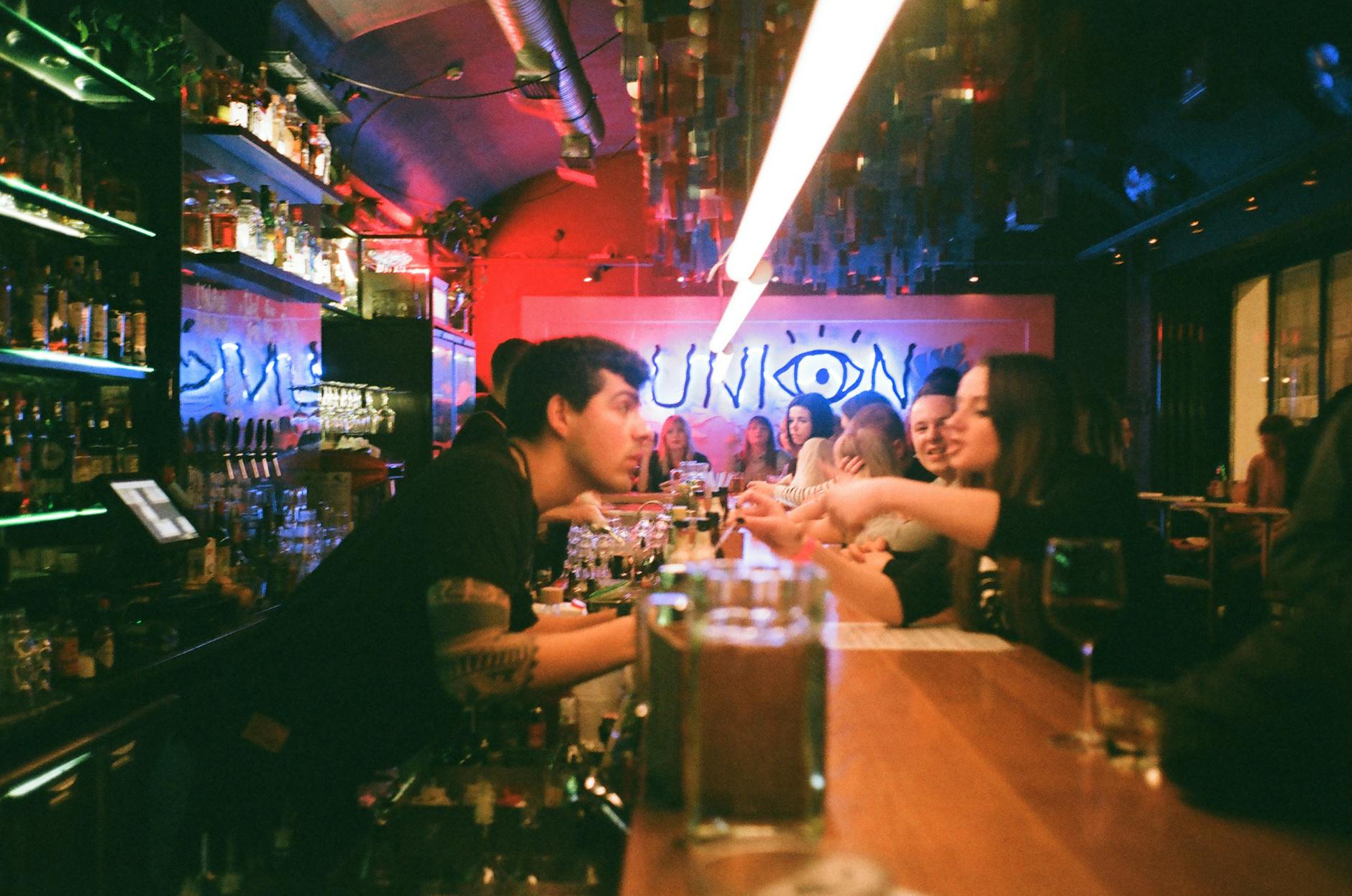
The traveler should decide how the night ends before the group is tired, separated, or over budget. Meeting points, phone power, payment methods, taxi options, water, food, and a clear final venue help keep the evening enjoyable.
Pacing is part of nightlife planning.
- Set a final venue, return option, and latest sensible departure time before going out.
- Keep phone power, hotel address, payment backup, and emergency contacts available.
- Use water, food, and rest breaks to avoid turning a short trip into a recovery problem.
When to order a short-term travel report
A nightlife-focused traveler with one flexible dinner may not need a custom report. A report becomes useful when the trip depends on specific venues, live music, late transport, winter weather, group logistics, budget control, or an early departure after a late night.
The report should test lodging fit, venue geography, dinner timing, reservations, event schedules, dress and coat needs, late transport, taxi options, weather, safety routines, recovery time, and departure buffers. The value is a Helsinki nightlife trip that stays fun without making the next day collapse.
- Order when lodging, venues, dinner, live music, transport, weather, budget, safety, or departure timing need coordination.
- Provide dates, lodging options, arrival details, nightlife preferences, must-visit venues, budget, group size, and morning obligations.
- Use the report to make the Helsinki evenings lively, realistic, and easier to end well.