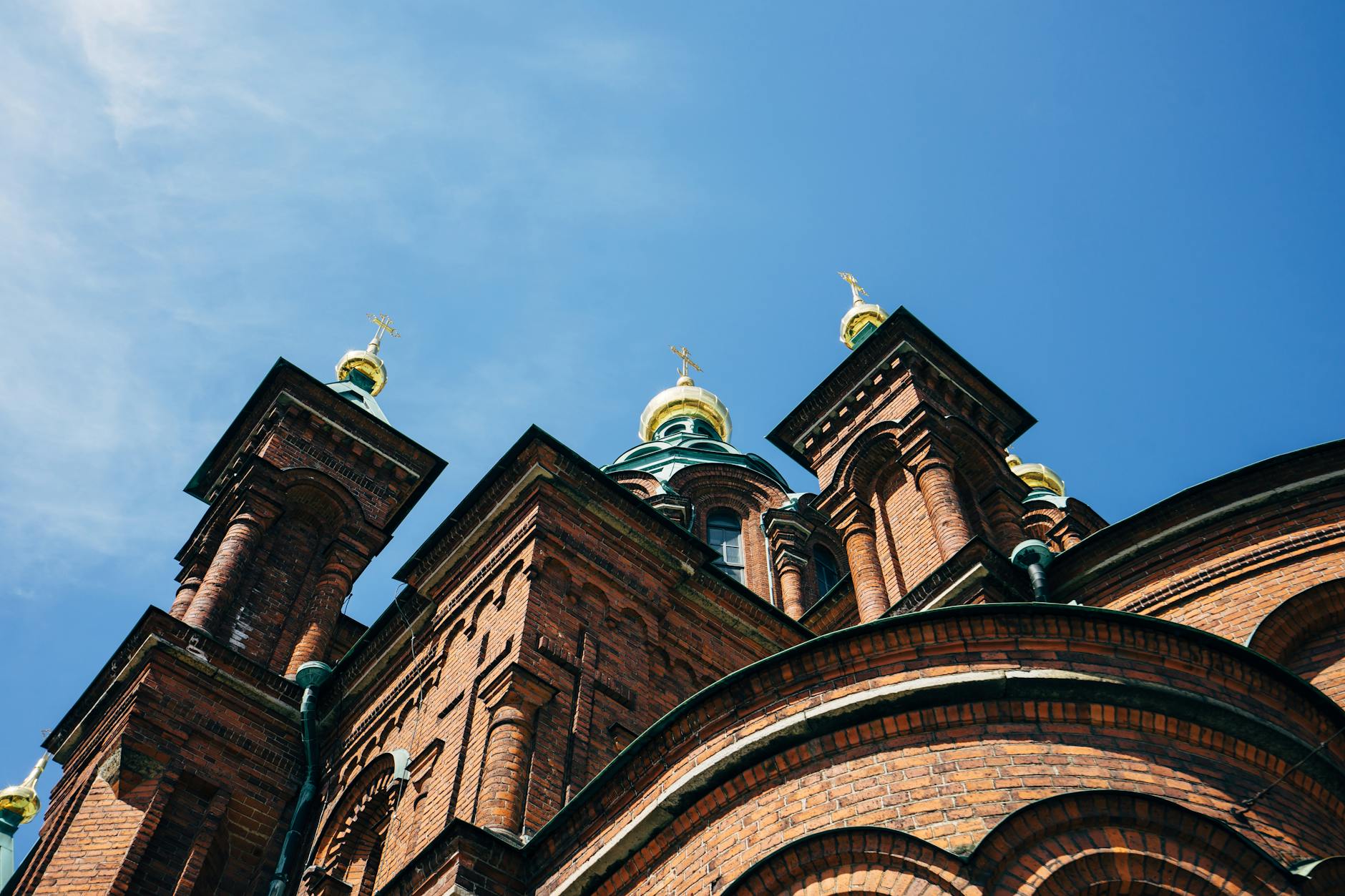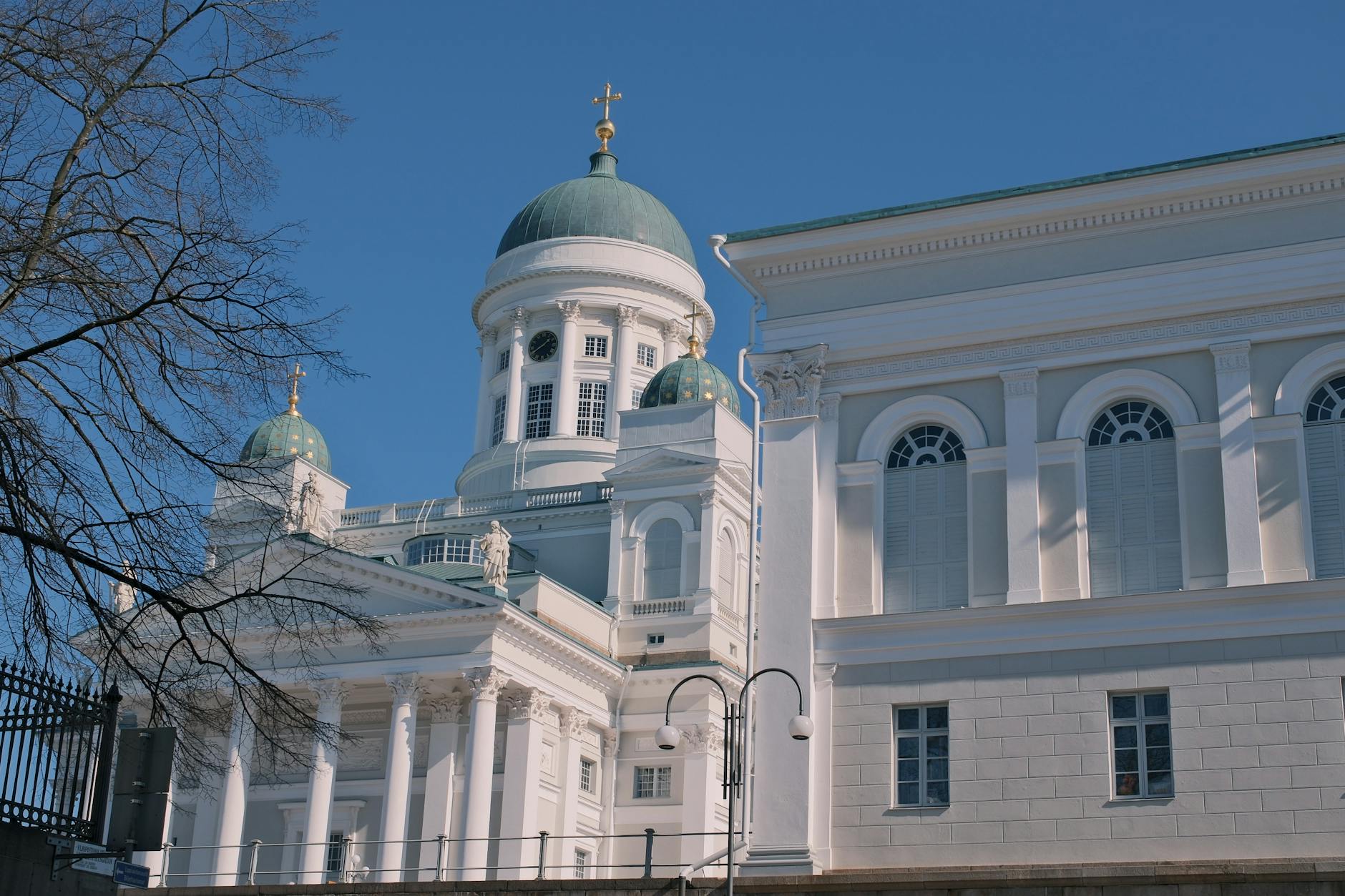
Clarify the purpose of the visit
The traveler should decide whether the trip is centered on worship, architecture, family heritage, Orthodox or Lutheran sites, quiet prayer, music, or a broader spiritual pause. That purpose determines how many churches fit into a short Helsinki stay.
A sacred itinerary needs a reason for each stop.
- List the religious sites, services, concerts, chapels, or quiet spaces that matter most.
- Confirm opening hours, service times, photography rules, dress expectations, and any admission or event details.
- Avoid turning every church into a checklist item when one or two sites deserve slower attention.
Choose lodging near the spiritual center of the trip
The best lodging depends on the trip's focus. A traveler attending a service may want a short morning route to the church, while a traveler combining several sites may prefer central lodging near trams, the harbor, and quiet evening returns.
The room should support reflection as well as movement.
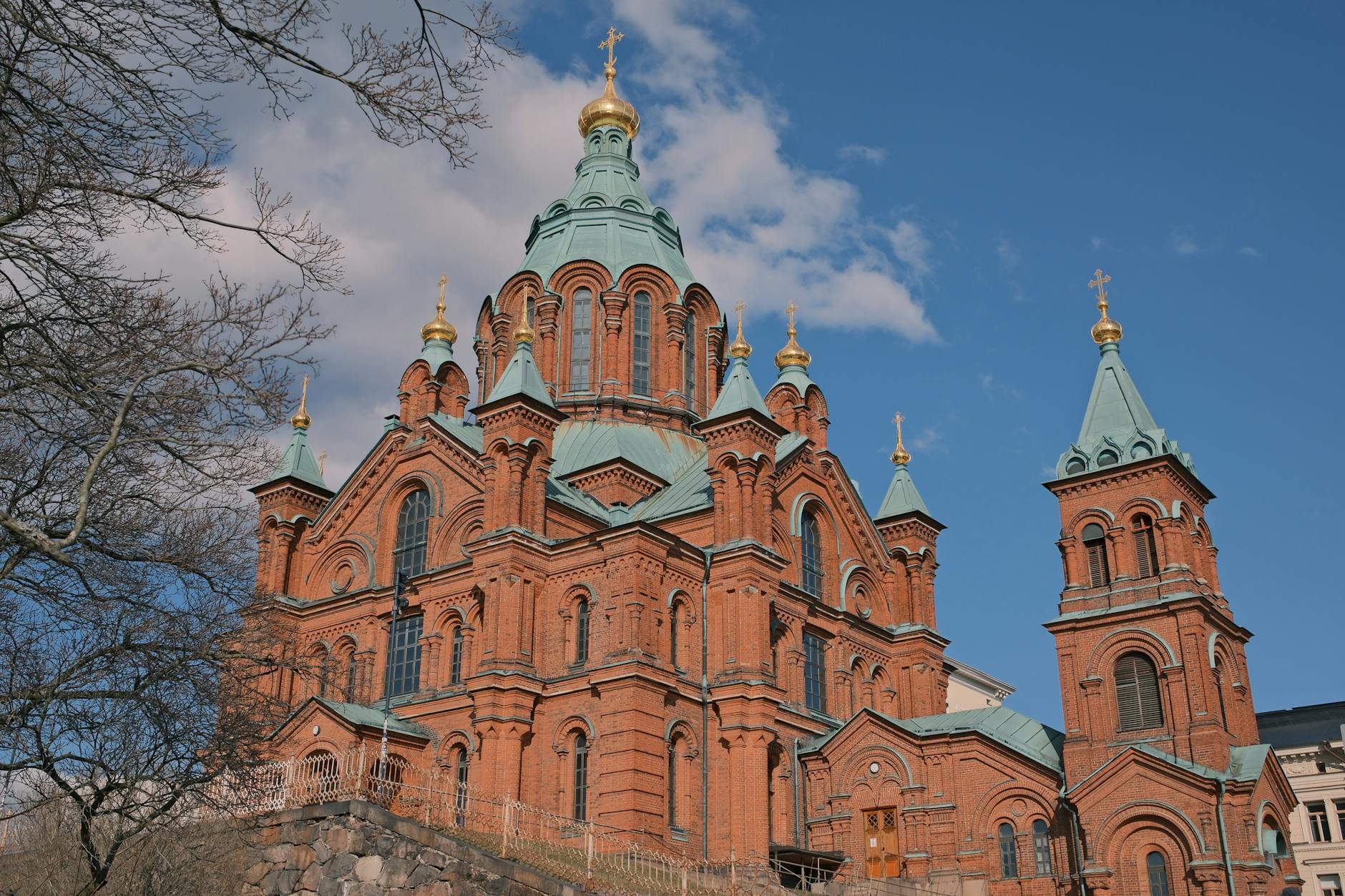
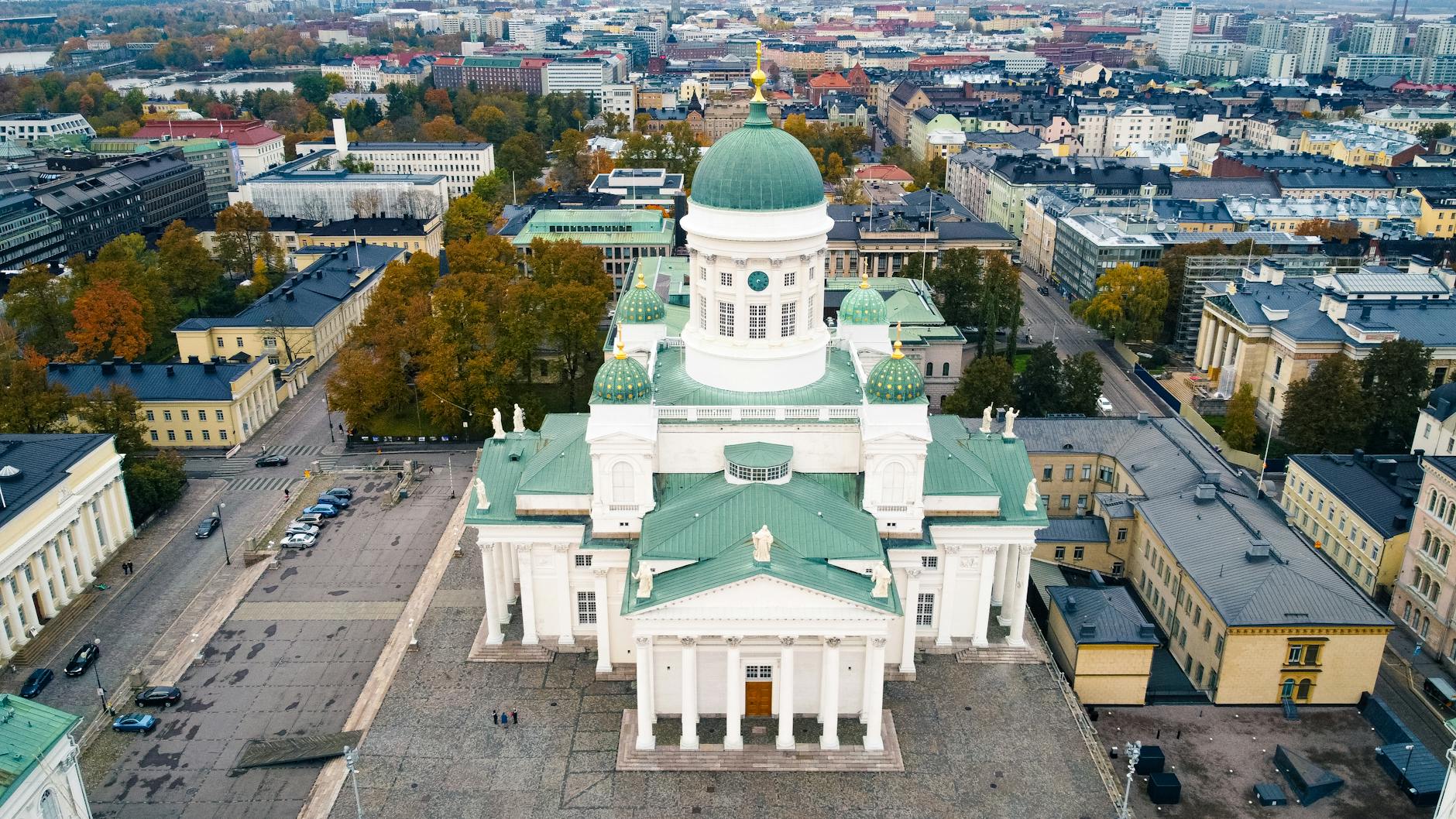
- Compare lodging by access to Helsinki Cathedral, Uspenski Cathedral, Rock Church, ferry routes, and simple meals.
- Check quiet, breakfast hours, elevator access, late arrival, and easy return after evening services or concerts.
- Keep church addresses, hotel address, and Sunday or holiday transit changes available offline.
Respect worship, services, and silence
Some Helsinki churches are major landmarks and active worship spaces at the same time. The traveler should plan around services, private prayer, concerts, staff instructions, and other visitors rather than assuming every interior works like a museum.
Respect is part of the itinerary.
- Check whether services, rehearsals, weddings, funerals, or concerts limit access.
- Follow posted rules for photography, phones, hats, voices, seating, and movement inside sacred spaces.
- Leave time after a service or visit rather than immediately rushing to the next tram.
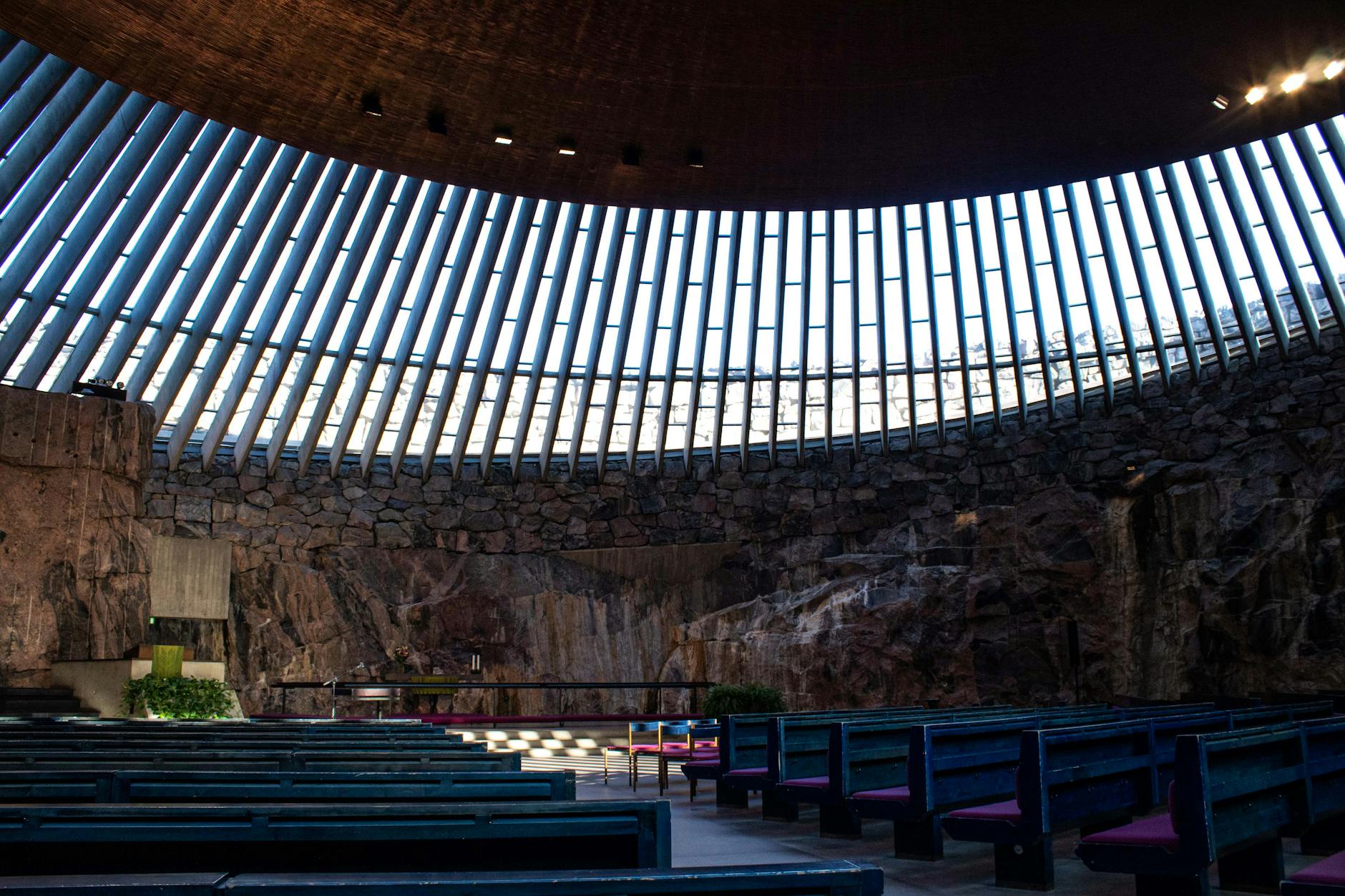
Include Orthodox, Lutheran, and island context carefully
Helsinki's religious geography can include Lutheran landmarks, Orthodox architecture, island churches, cemeteries, chapels, and wartime or maritime history. The traveler should decide how much context to include without making the route too fragmented.
Meaning comes from sequence, not just quantity.
- Pair nearby sites when the route is natural, such as Senate Square, harbor, Uspenski Cathedral, and waterfront pauses.
- Use Suomenlinna Church only when ferry timing, weather, and walking distance fit the day.
- Read basic context before arrival so the visit is not limited to exterior impressions.
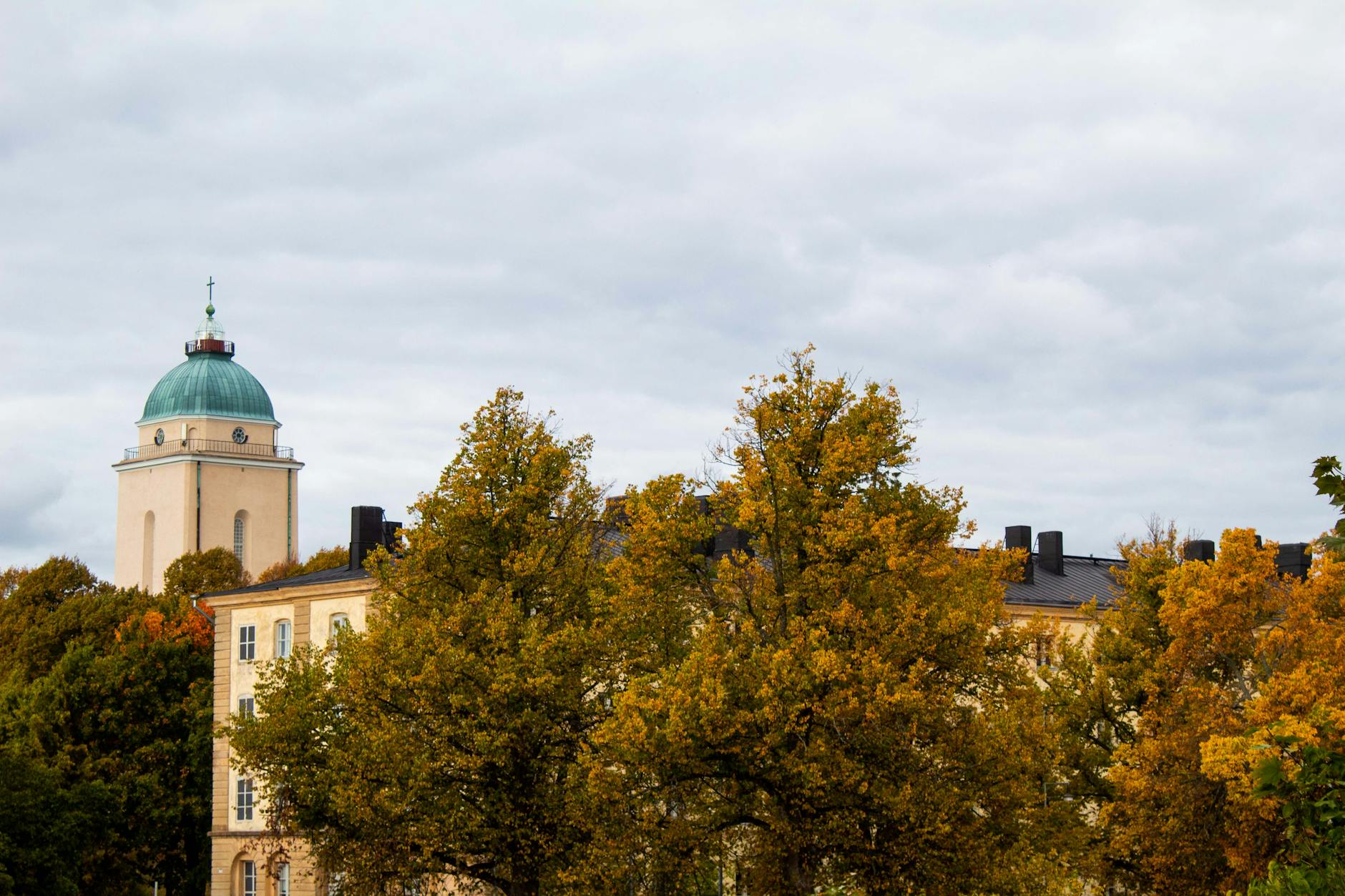
Plan dress, weather, and walking distance
Helsinki weather can turn a short religious route into a tiring one. Cathedral steps, harbor wind, winter ice, rain, and indoor temperature changes should affect footwear, layers, route length, and whether taxis or trams are better.
Comfort helps preserve attention.
- Pack modest, comfortable clothing that works for worship spaces and outdoor weather.
- Use sturdy footwear for steps, stone surfaces, snow, rain, and island paths.
- Shorten exposed walks when wind, cold, heat, or fatigue would make the visit less reflective.
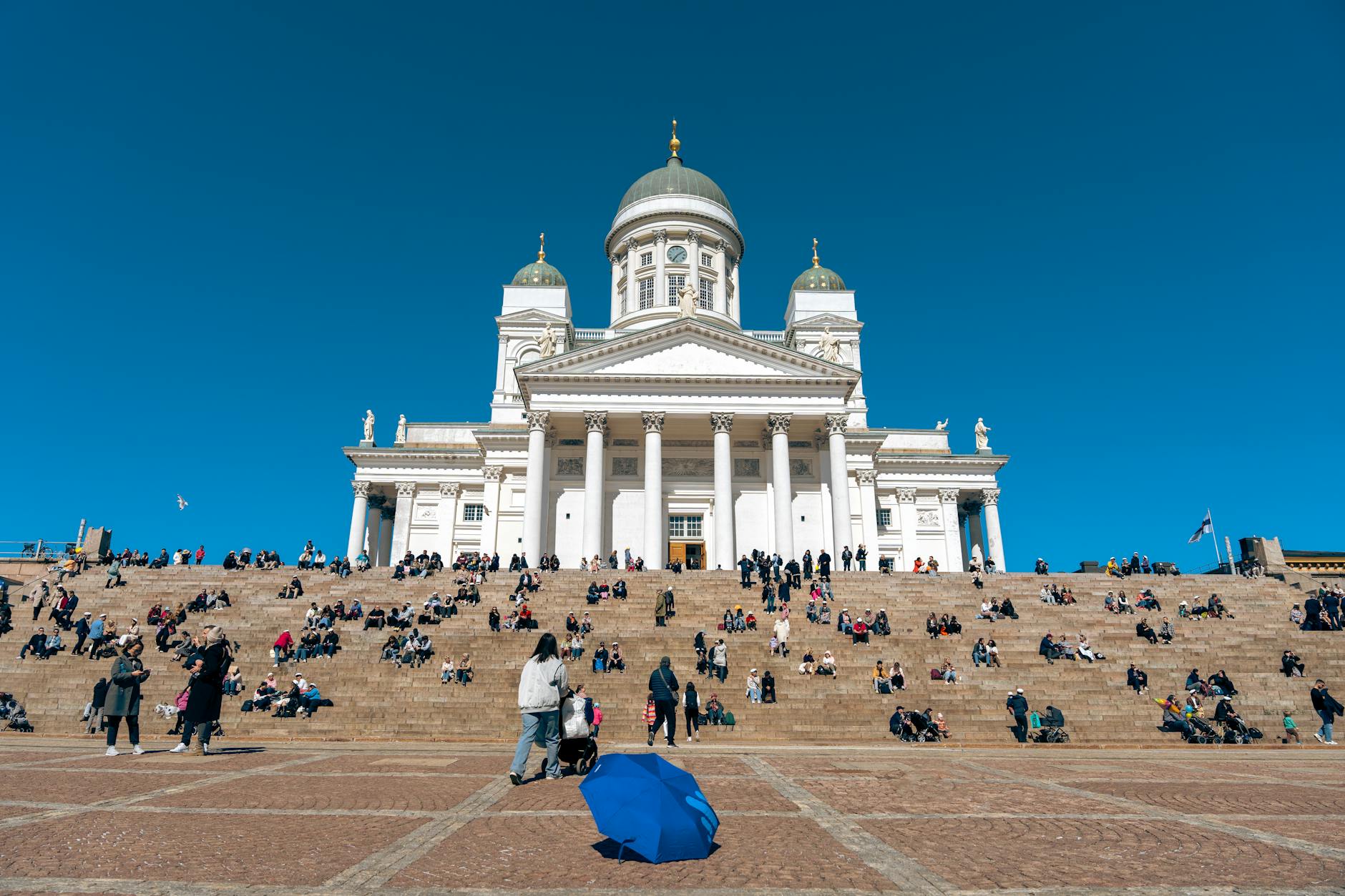
Keep meals and quiet time in the route
A religious trip can become less meaningful when meals, restrooms, and rest are improvised too late. Cafes, simple restaurants, hotel pauses, and waterfront benches should be placed between sacred sites rather than after exhaustion arrives.
The day should leave room for stillness.
- Plan meals near the church route, harbor, hotel, or tram stops before the day begins.
- Leave one quiet block for prayer, journaling, music, or simply sitting after a significant site.
- Avoid scheduling the final sacred stop when the traveler is already focused on luggage or departure.
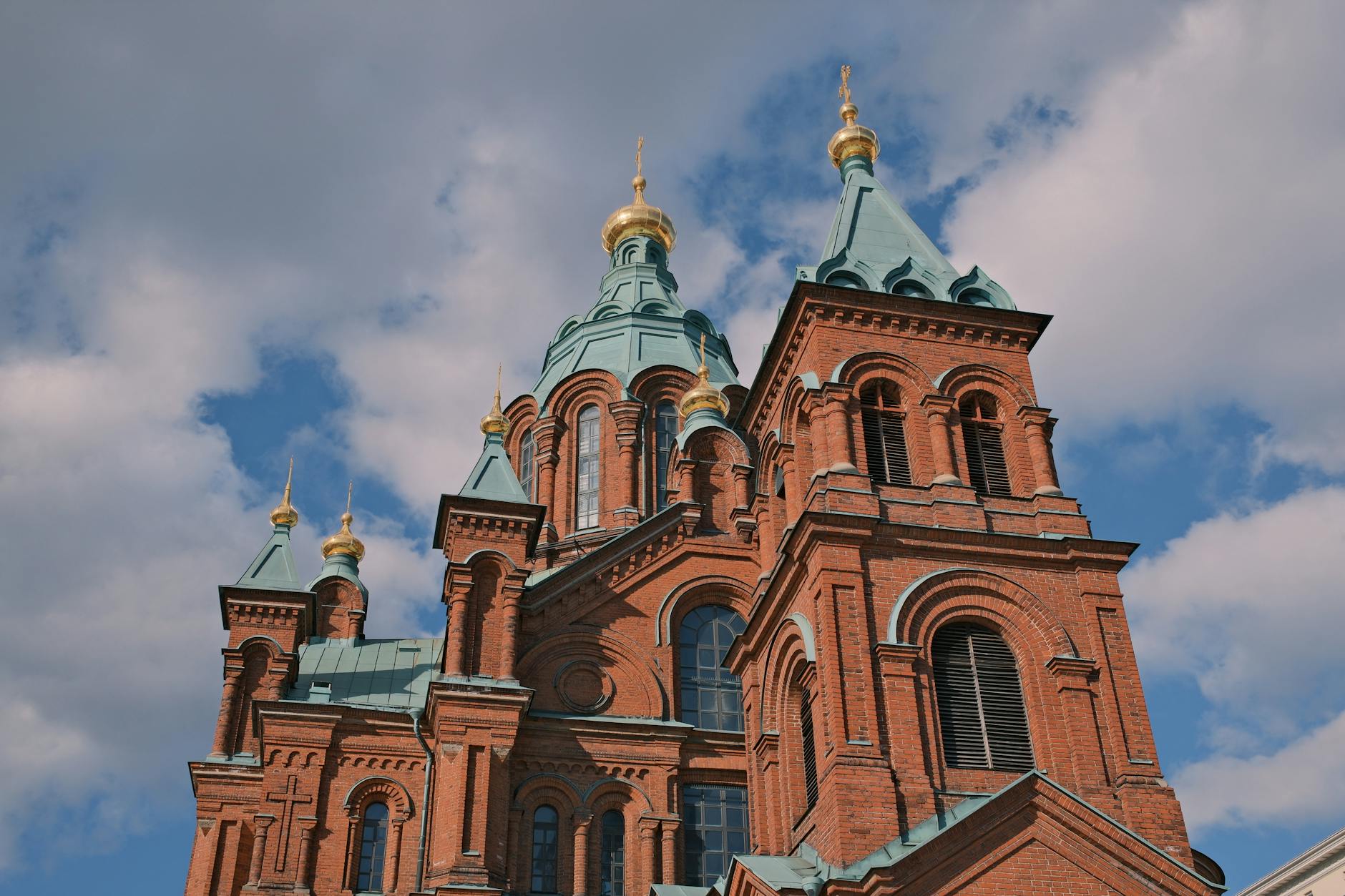
When to order a short-term travel report
A religious traveler with one familiar church visit may not need a custom report. A report becomes useful when services, ferries, opening hours, mobility needs, dress, meals, weather, or quiet time need to be coordinated before arrival.
The report should test church geography, lodging fit, service times, opening hours, dress expectations, walking routes, ferry timing, meals, weather, quiet pauses, and departure buffers. The value is a Helsinki pilgrimage that feels intentional rather than hurried.
- Order when sacred sites, services, lodging, ferries, meals, weather, mobility, or departure timing need coordination.
- Provide dates, lodging options, arrival details, religious priorities, service preferences, mobility needs, meal needs, and budget.
- Use the report to keep the Helsinki religious trip calm, respectful, and realistic.