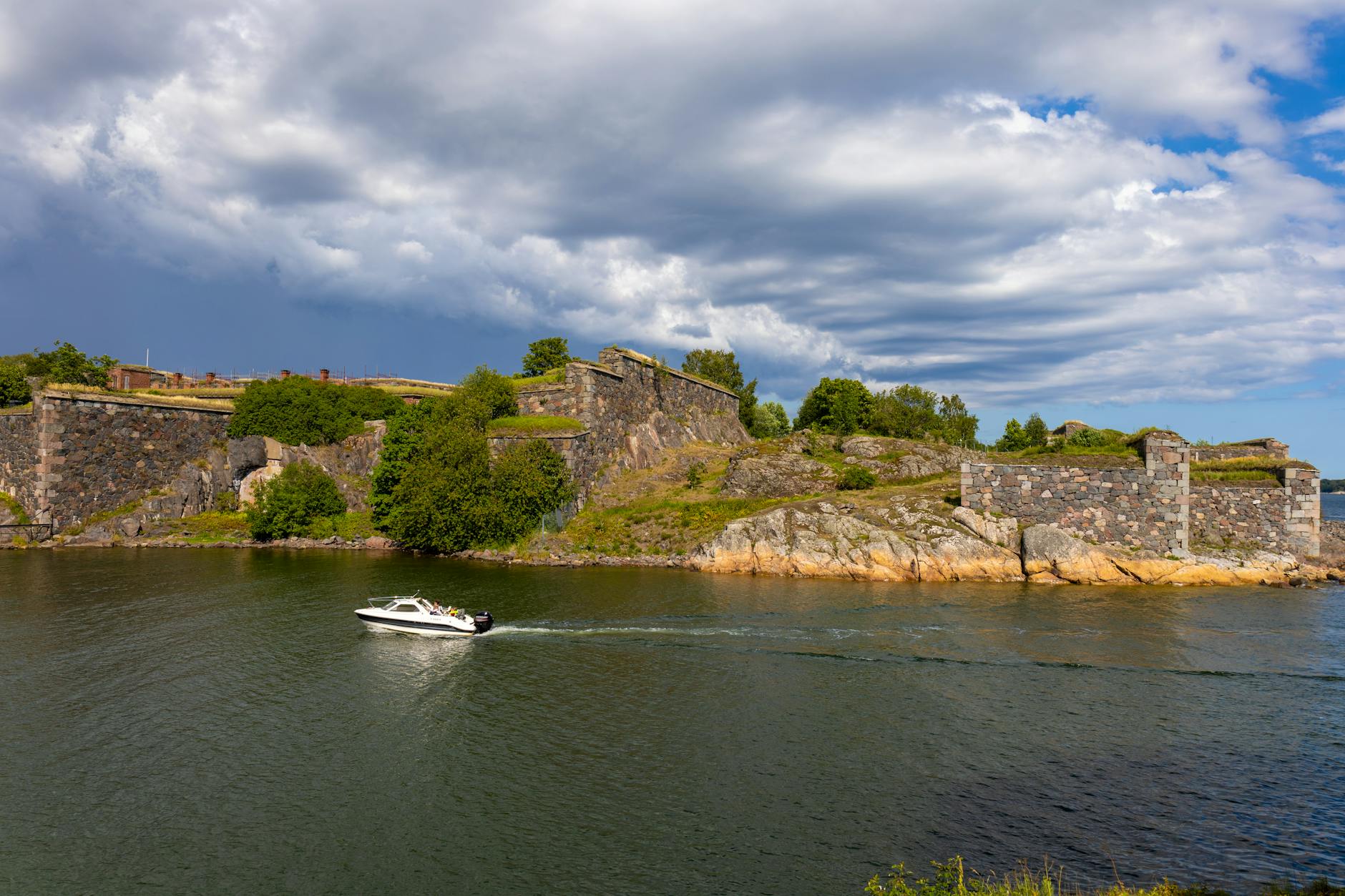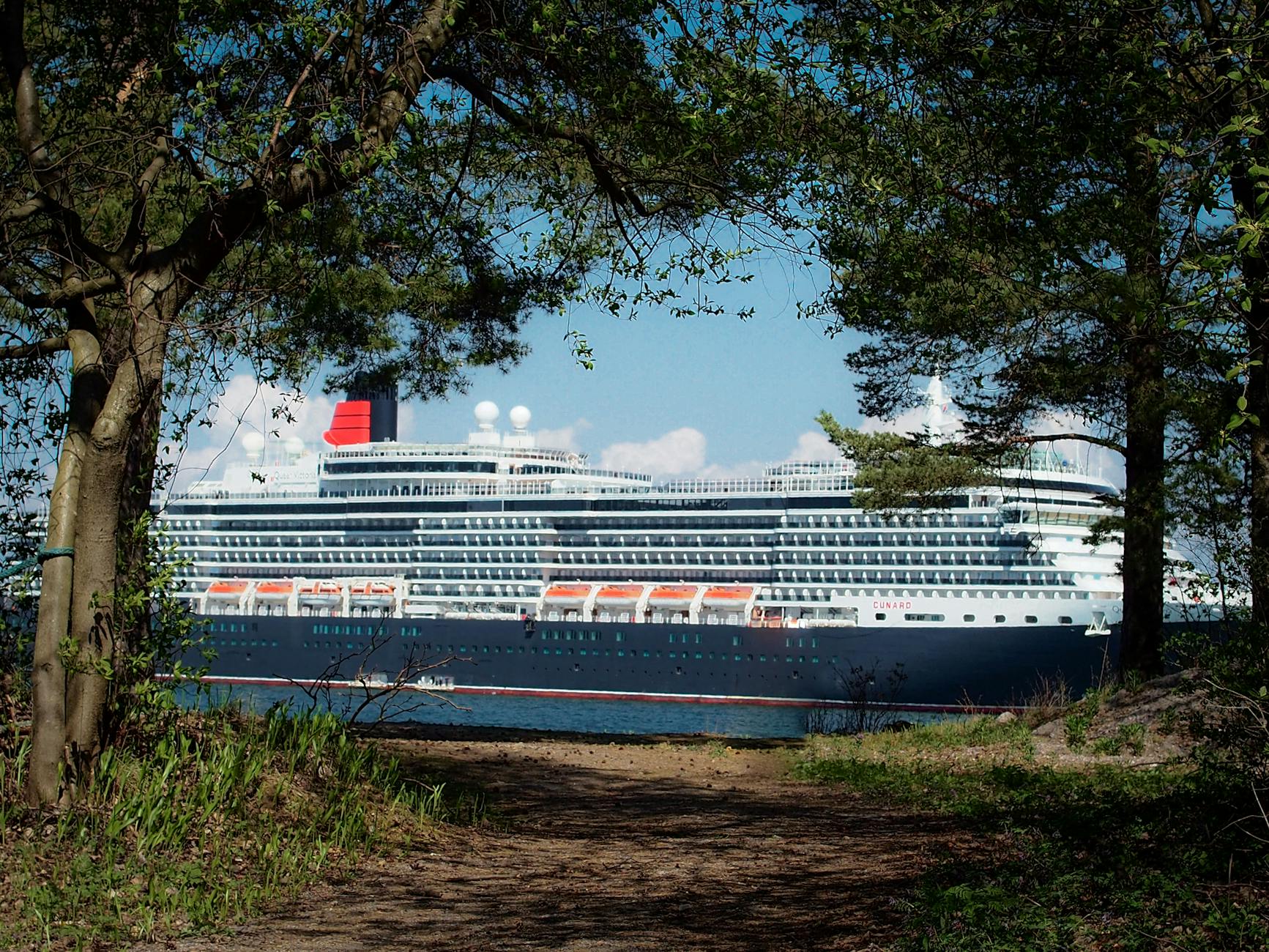
Identify the exact port and all-aboard time
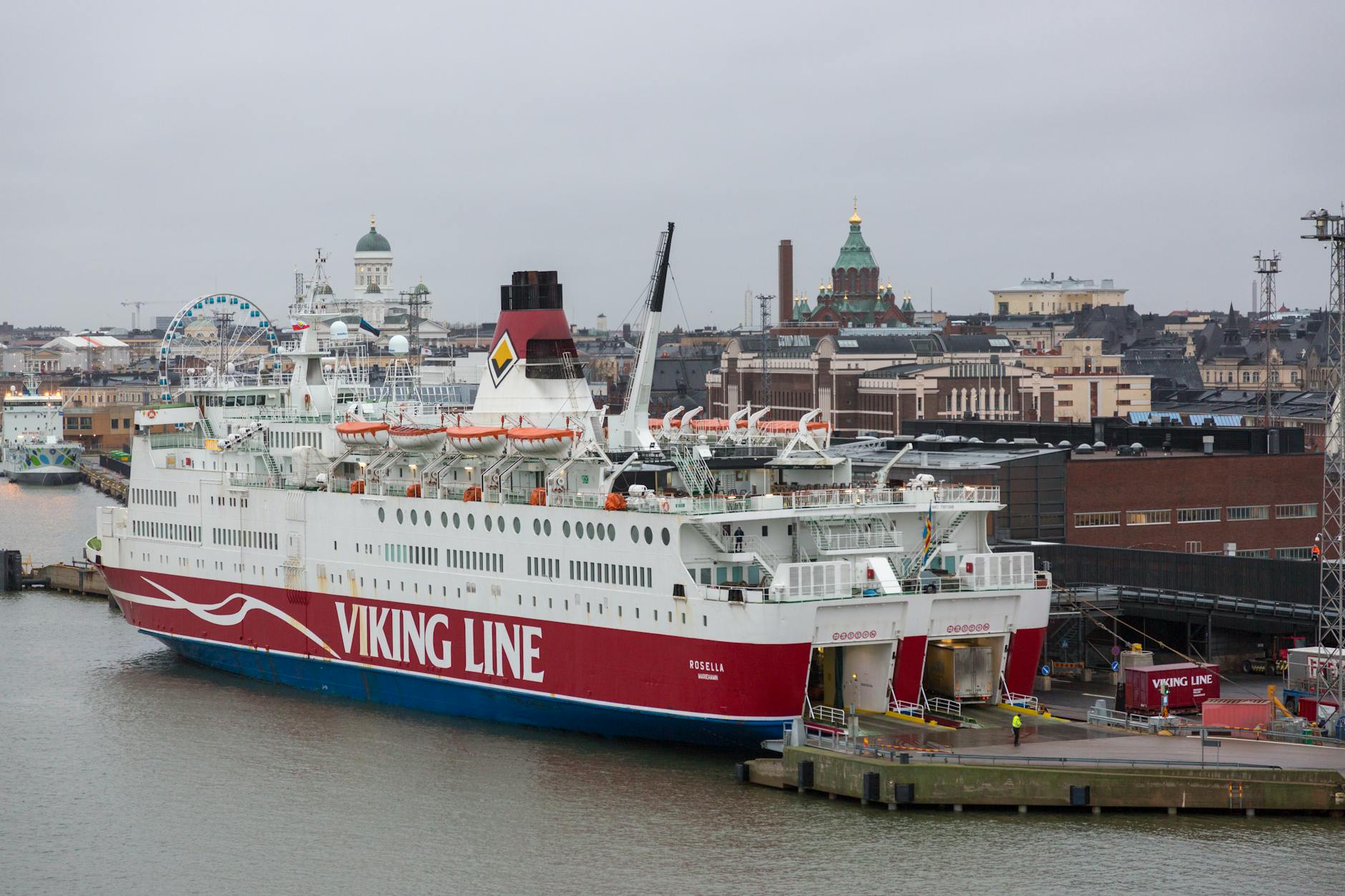
Helsinki cruise calls can use different terminals, and the difference matters. The traveler should know the terminal, shuttle policy, tram or taxi options, walking distance, security rules, and the final all-aboard time before choosing any city route.
The ship schedule is the hard boundary.
- Confirm terminal name, berth, shuttle details, taxi access, tram options, and walking time to the first stop.
- Treat all-aboard time as earlier than posted by adding a return buffer for traffic, weather, queues, and wrong turns.
- Keep the ship contact details, terminal address, and offline map available before leaving the pier.
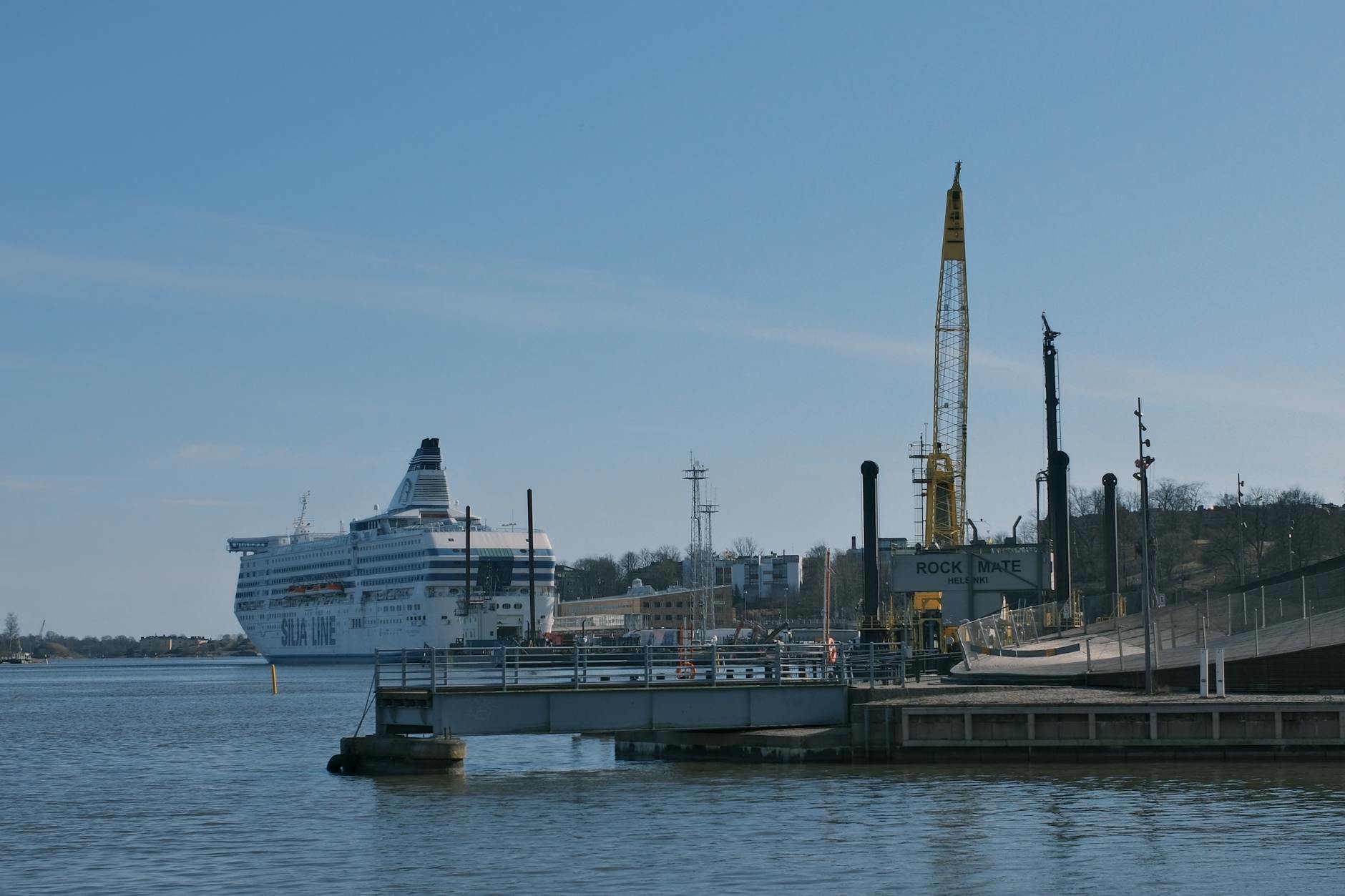
Keep the city route compact
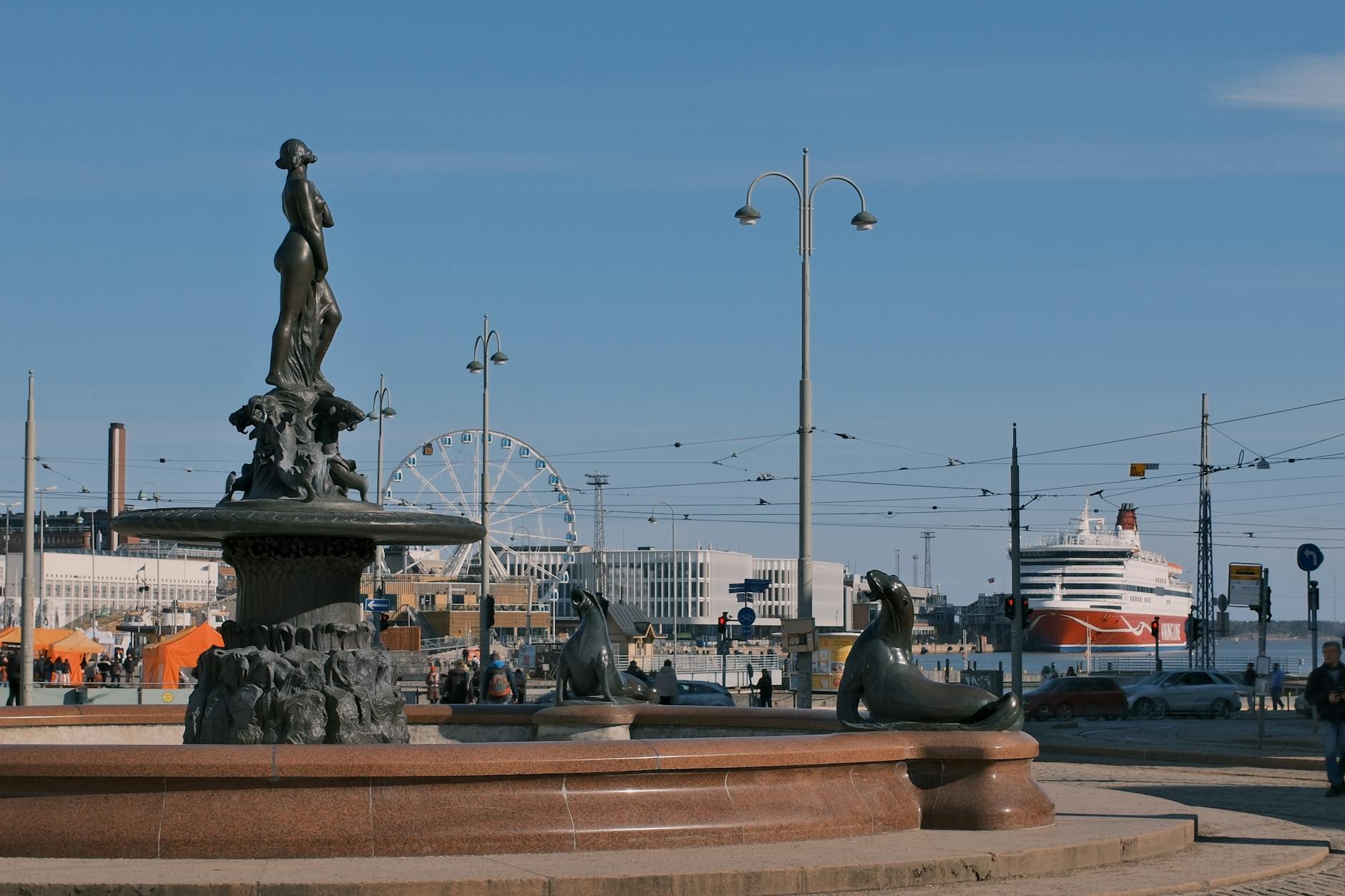
A short port call works best when the route stays around the harbor, Market Square, Senate Square, Esplanadi, Uspenski Cathedral, design streets, and nearby cafes. Helsinki is easy to underestimate because the center feels manageable, but time disappears quickly with shuttles, photos, shopping, and weather.
Compact sightseeing protects the return.
- Build one harbor-and-center loop before adding optional stops.
- Use trams or taxis only when they clearly save time compared with walking.
- Avoid crossing the city for a single attraction unless the port call is long and the return route is simple.
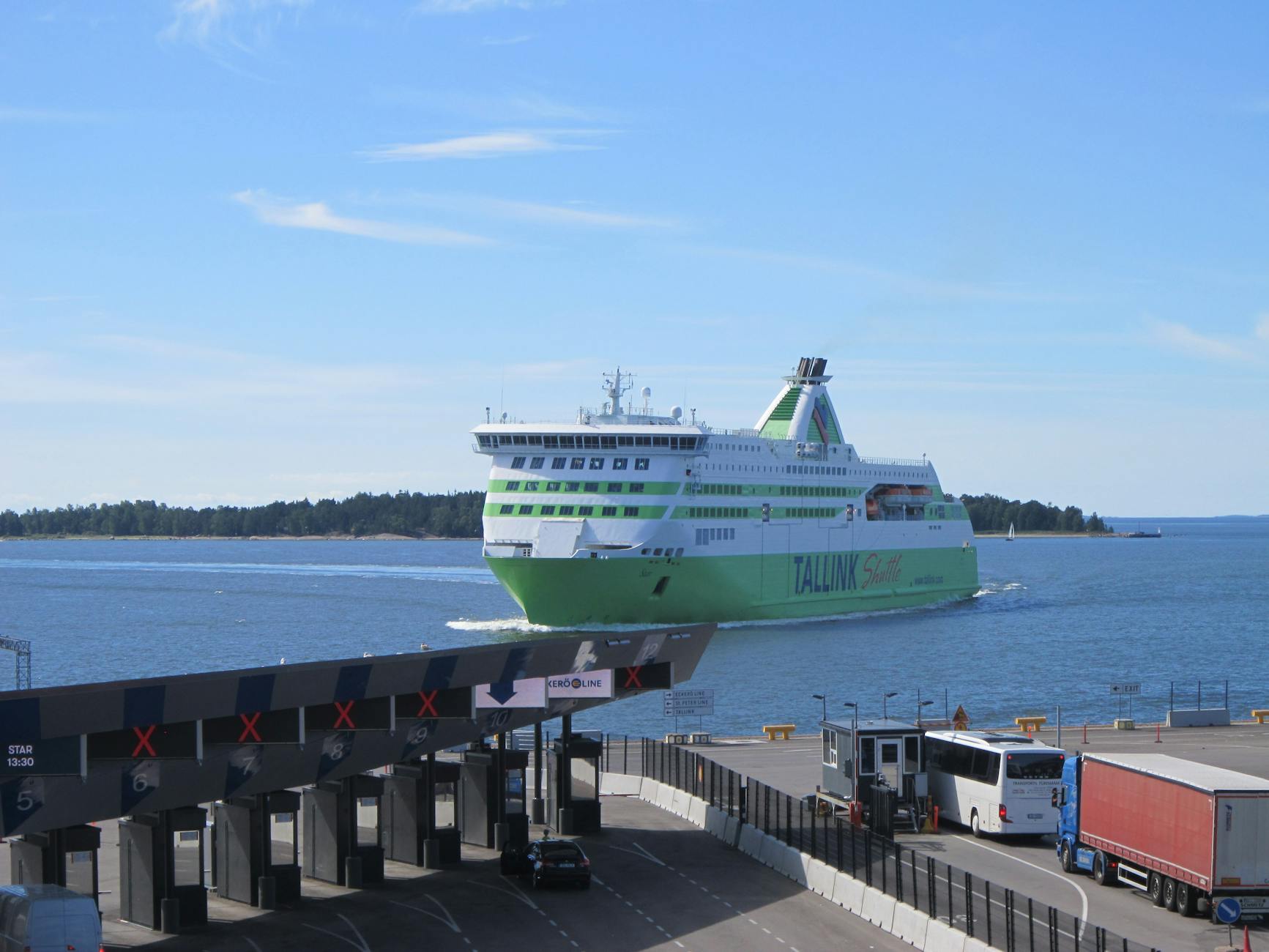
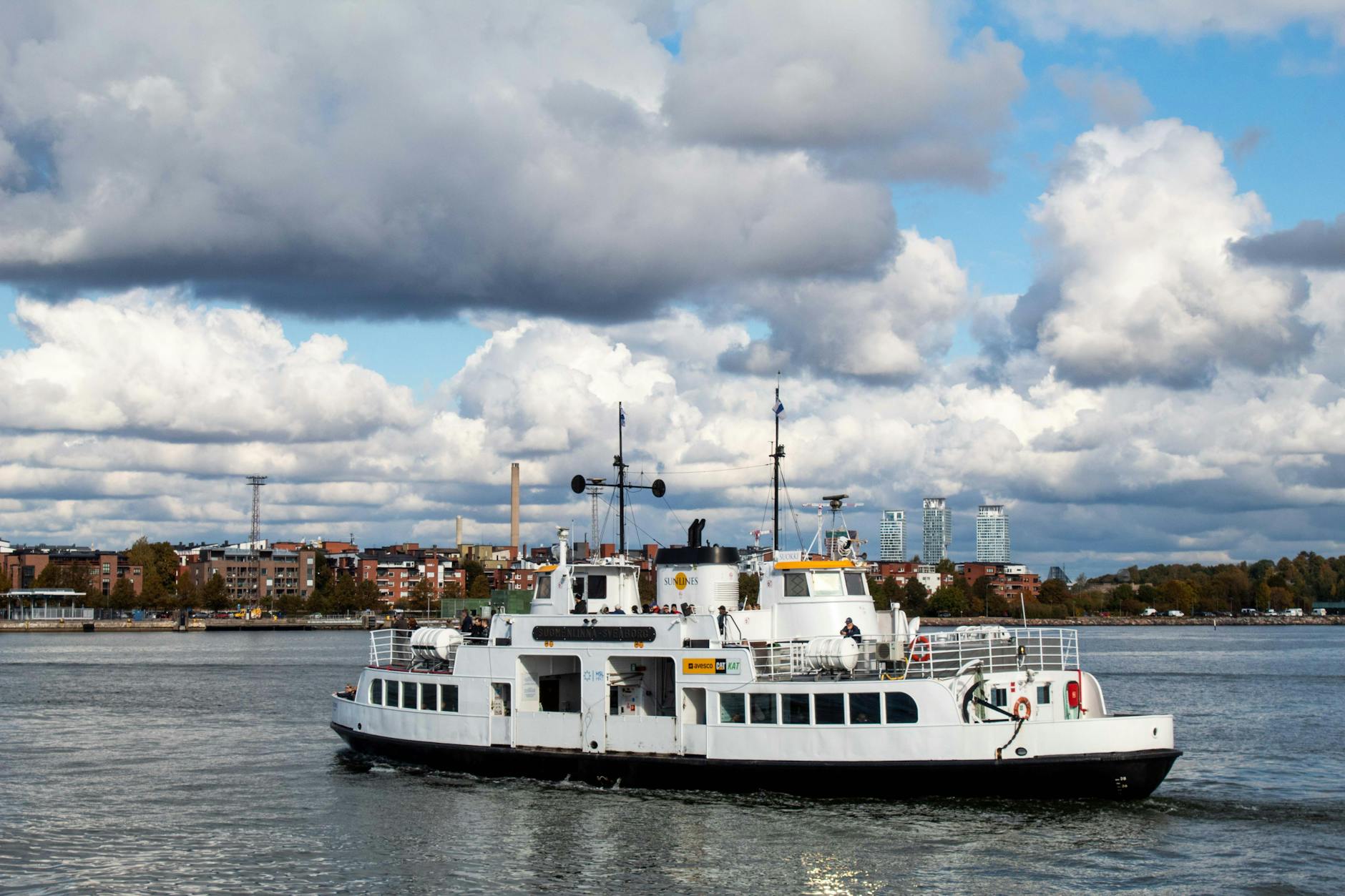
Decide if Suomenlinna fits the port call
Suomenlinna can be a strong Helsinki experience, but it adds ferry timing, walking surfaces, weather exposure, and a return dependency. It should be chosen deliberately, not added because it looks close on a map.
The island needs enough time to be worth the ferry.
- Check ferry departure point, frequency, ticket rules, last practical return, and walking distance on the island.
- Use Suomenlinna only when the port call has enough hours after accounting for terminal movement.
- Keep a city-center backup if wind, rain, ice, or ferry timing weakens the island plan.
Handle mobility, bags, and ship-day fatigue
Port days often include stairs, cobblestones, wind, queues, and travelers carrying more than they need. The route should account for mobility, restroom access, benches, cafe stops, and the difference between a fresh morning and a tired return.
The easiest day is usually the best day.
- Bring only the bag needed for weather, medication, payment, identification, water, and phone power.
- Choose routes with realistic walking distance, restroom stops, and seated pauses.
- Use taxis or ship shuttles sooner when mobility, weather, or fatigue would make the return stressful.
Compare ship excursions with independent plans honestly
Ship excursions can be useful when the port is unfamiliar, the schedule is tight, or mobility and timing risk matter. Independent plans can be better when the traveler wants a calmer city loop, better meals, or more control, but the return responsibility stays with the traveler.
Convenience and freedom have different costs.
- Use a ship excursion when return assurance, accessibility, guide context, or simple logistics matter most.
- Use an independent plan when the route is compact, timing is generous, and the traveler can navigate confidently.
- Do not mix an ambitious independent plan with a late-return excursion mindset.
Plan meals, markets, and weather together
Helsinki's harbor and center make it tempting to graze through markets and cafes, but weather and cruise crowds can change the feel quickly. The traveler should know where a quick meal, warm drink, indoor reset, or simple restroom stop fits before the day is half gone.
Food should support the route, not hijack it.
- Place Market Square, cafes, or restaurants near the sightseeing loop rather than at the far end of the day.
- Keep an indoor lunch or coffee option ready for rain, cold, wind, or crowd pressure.
- Leave shopping and market browsing early enough that the return to the terminal stays calm.
When to order a short-term travel report
A cruise traveler with a ship excursion may not need a custom report. A report becomes useful when the traveler wants an independent port day, has mobility limits, wants Suomenlinna, needs meal planning, or has a tight all-aboard time.
The report should test terminal location, shuttle rules, transport, walking routes, ferry timing, weather, meal options, accessibility, sightseeing priorities, shopping time, and return buffers. The value is a Helsinki port call that feels personal without becoming risky.
- Order when terminal logistics, independent sightseeing, ferries, mobility, meals, weather, or all-aboard timing need coordination.
- Provide ship name, port date, scheduled arrival and departure, terminal details if known, mobility needs, interests, and budget.
- Use the report to keep the Helsinki port day compact, memorable, and return-safe.