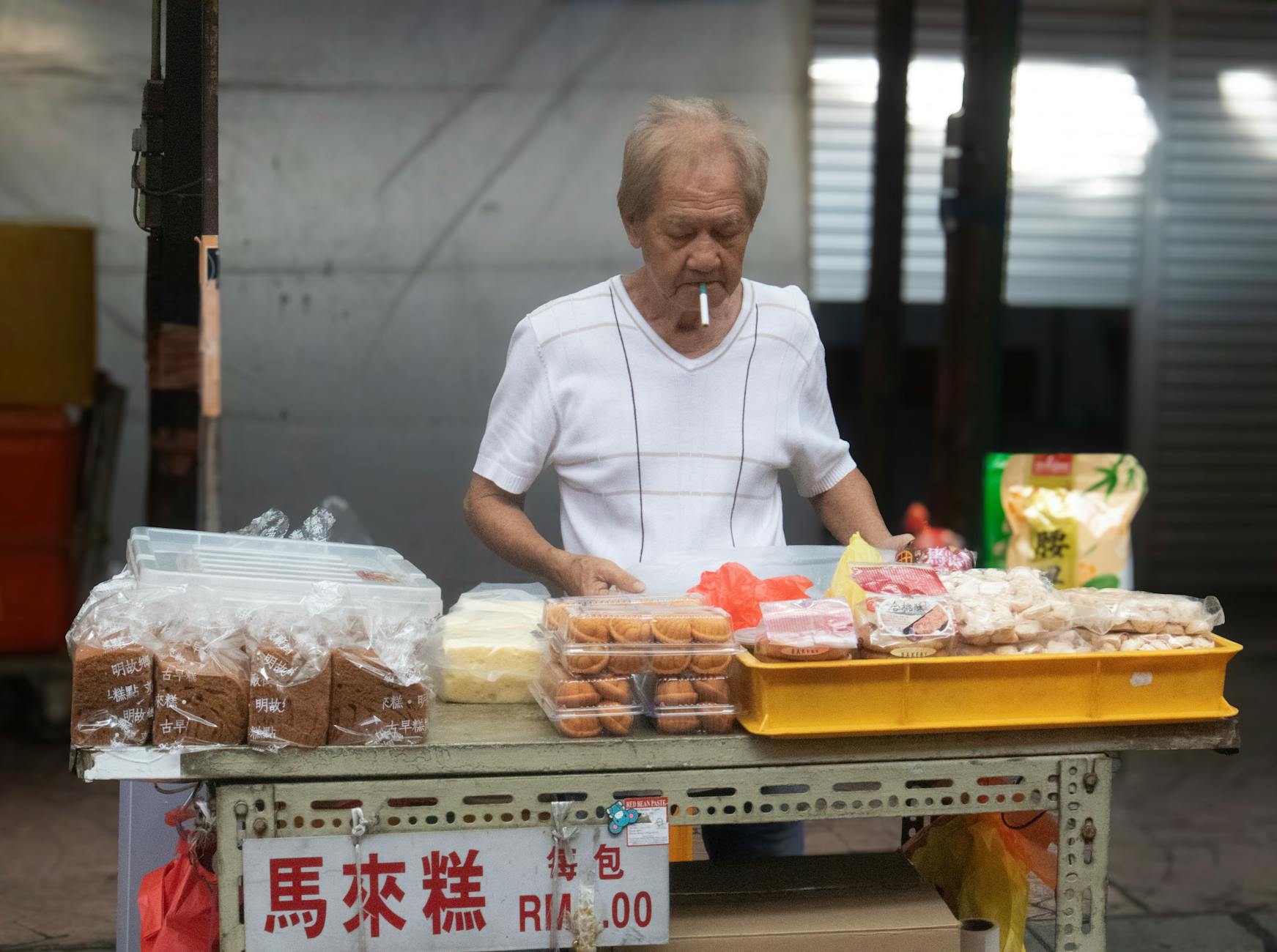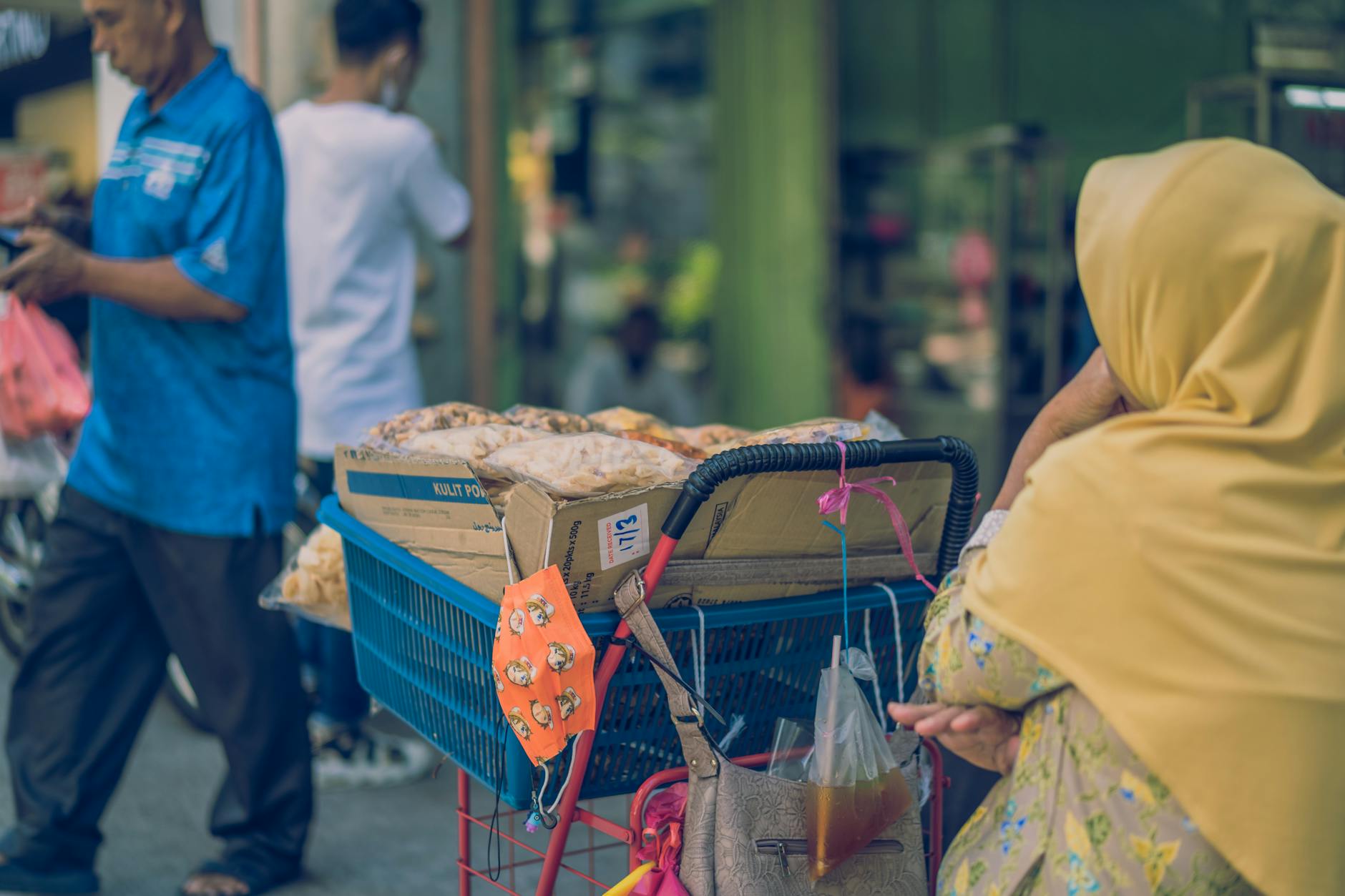
A short volunteer or NGO trip to George Town should be planned around the host organization and the community setting, not around the traveler's wish to help in the abstract. The city can involve heritage projects, community organizations, education work, food programs, conservation conversations, clinics, faith-linked charities, universities, and neighborhood groups, each with different expectations. The traveler needs to arrive useful, modest, and logistically prepared. That means checking the assignment, respecting local authority, choosing housing that supports the workday, understanding heat and rain, protecting health, and avoiding behavior that turns service into content or tourism.
Start with the host, not the itinerary
The traveler should understand who is hosting them, what the organization actually does, who supervises the work, what skills are needed, and whether the trip length is appropriate for the assignment. A short visit can be useful when it supports a local plan; it can become disruptive when the traveler arrives with vague expectations and little structure.
Before booking, the traveler should ask about daily schedule, language needs, dress expectations, safeguarding rules, insurance, emergency contacts, and what not to do. George Town is welcoming in many settings, but a volunteer is still entering someone else's workplace or community space.
- Confirm host credibility, supervisor, assignment scope, skills needed, and daily schedule.
- Ask about safeguarding, insurance, emergency contacts, language, and dress expectations.
- Do not treat a short volunteer placement as self-directed tourism.
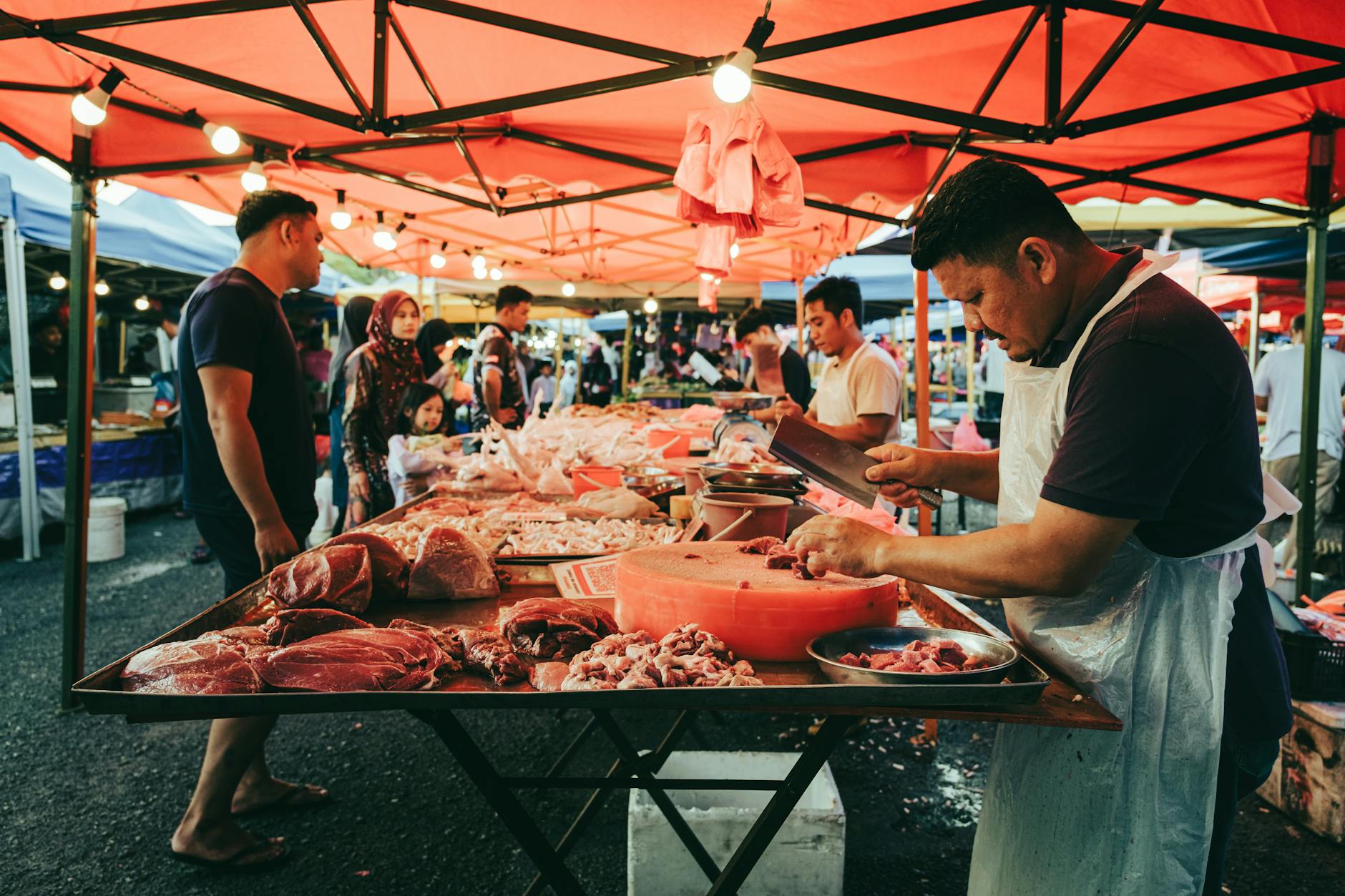
Map the project geography before choosing lodging
Volunteer work may not happen where the traveler expects. A project could be in the heritage core, a school or community room, a market area, a religious site, a clinic-adjacent setting, a university partner location, or another part of Penang. Housing should be chosen around the workday, not only around food streets or murals.
The right base should make morning arrival reliable and evening return simple after a tiring day. Cooling, laundry, quiet rest, Wi-Fi, modest storage, and easy ride pickup may matter more than design or nightlife.
- Map project sites, meeting points, training locations, and any wider Penang movement.
- Choose lodging by commute, cooling, laundry, rest, Wi-Fi, storage, and return comfort.
- Avoid a lively base that weakens punctuality or recovery.
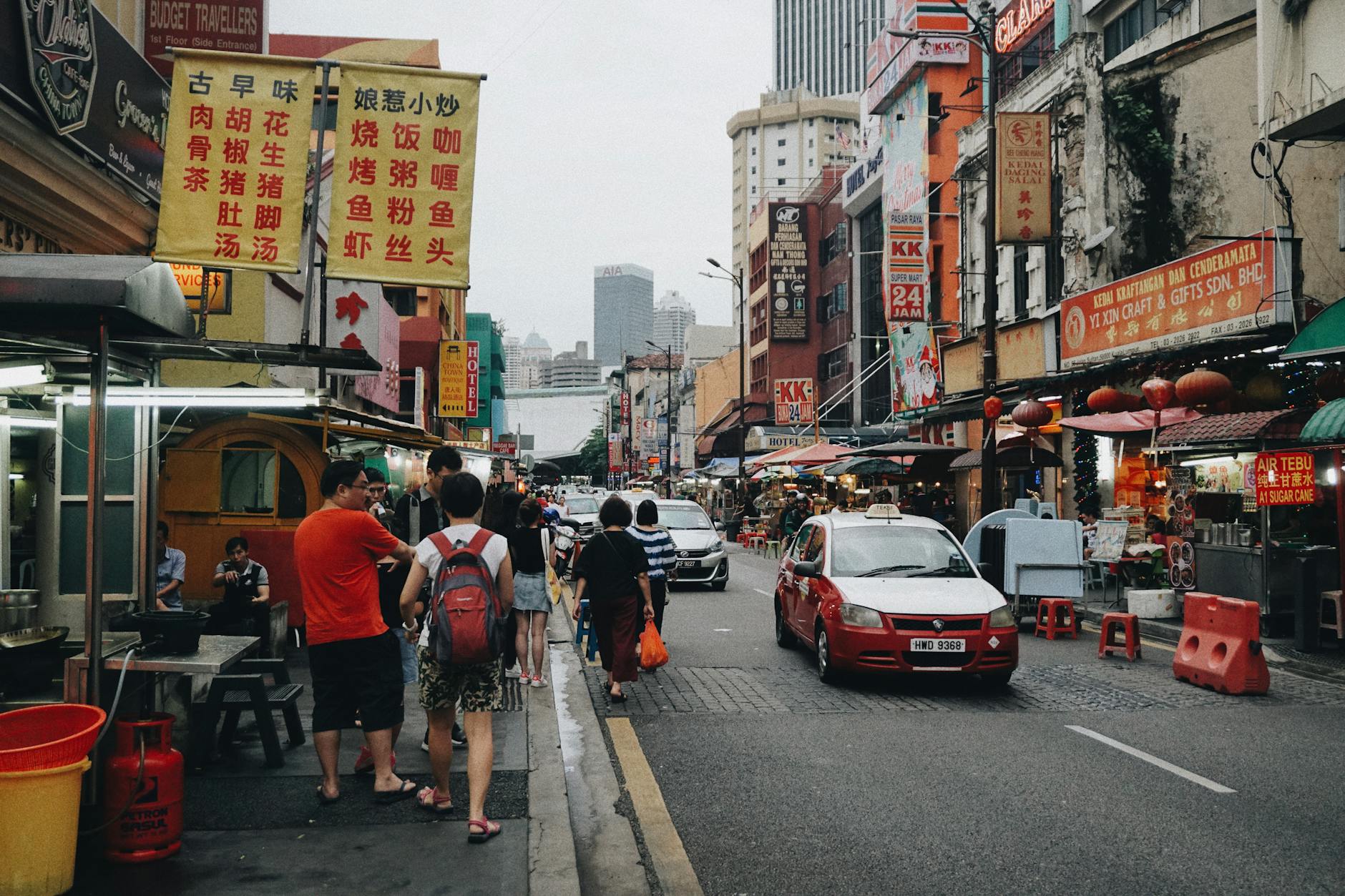
Plan transport like part of the assignment
Transport should be planned around punctuality, weather, group rules, modest dress, supplies, and the need to arrive composed. Walking may be pleasant in parts of George Town, but heat, rain, road crossings, bags, and early starts can make casual movement unreliable.
The traveler should know approved ride-hailing practices, pickup points, reimbursement rules, and what to do if the assignment ends late. If supplies are involved, the plan should include who carries them and how they stay dry.
- Plan movement around punctuality, heat, rain, bags, supplies, and approved transport rules.
- Confirm pickup points, reimbursement expectations, and late-finish procedures.
- Protect supplies from rain, humidity, and improvised transfers.
Respect community, religious, and residential boundaries
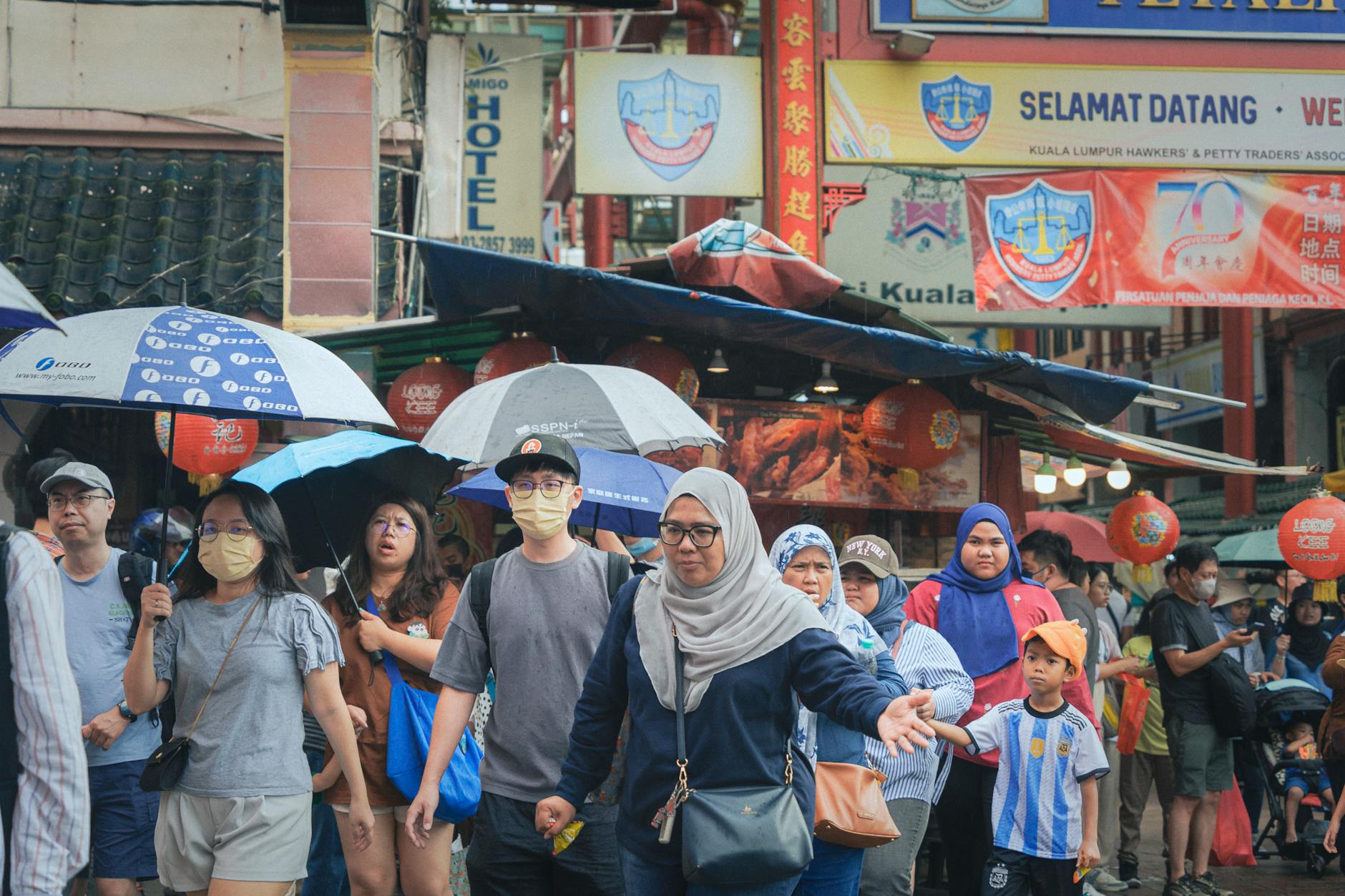
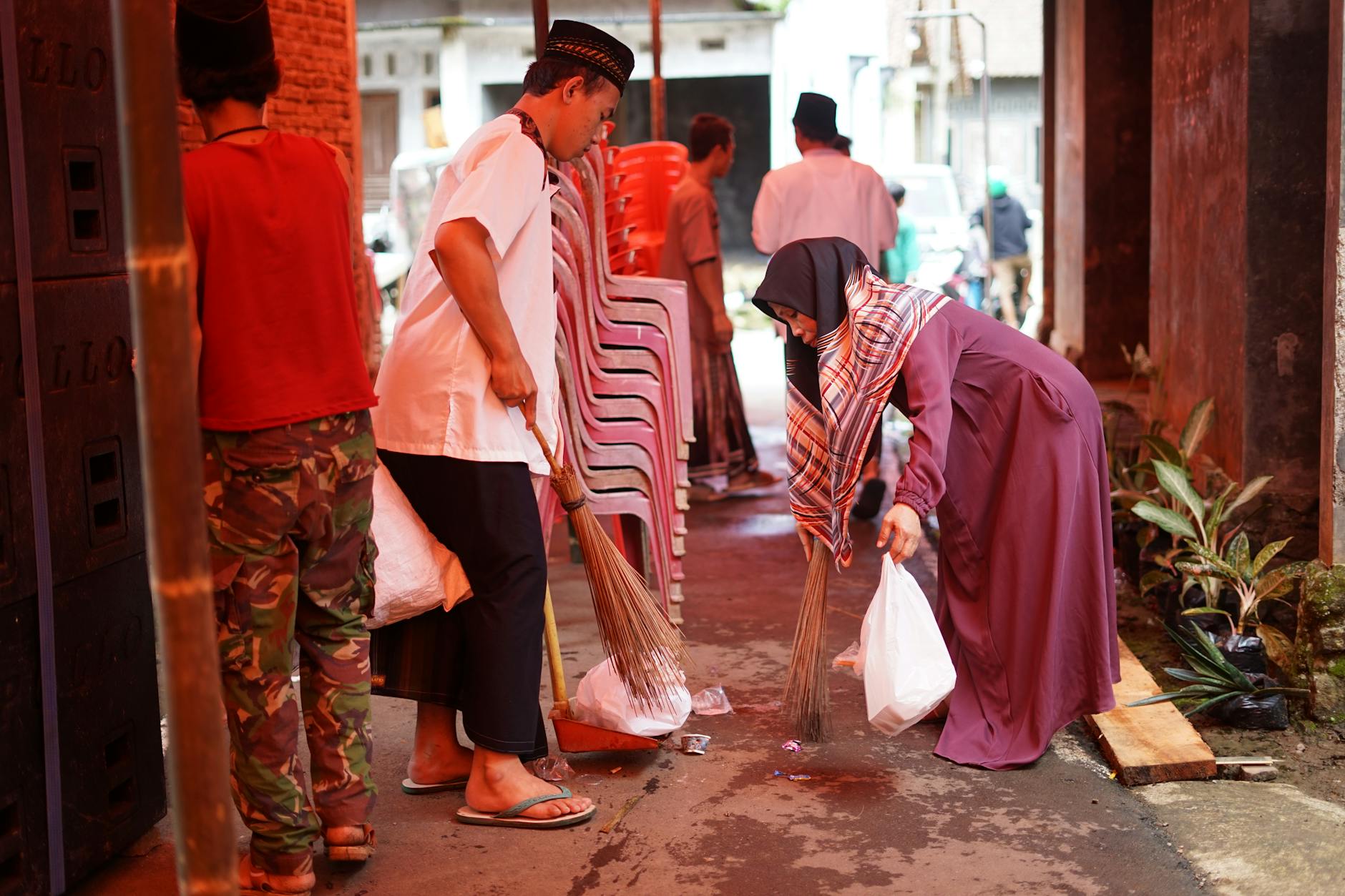
George Town's community settings can include temples, mosques, churches, clan houses, jetties, markets, schools, family homes, and neighborhood organizations. These places are not a backdrop for a visitor's experience. Dress, shoes, gender norms, food customs, photography, and deference to local staff should be understood before the first day.
The traveler should let the host define introductions, seating, gift-giving, donations, interviews, and social media boundaries. A helpful short-term visitor is careful about taking up space.
- Clarify dress, shoes, photos, gifts, donations, interviews, and posting rules.
- Treat religious, residential, school, and community spaces as active local spaces.
- Let host staff lead introductions and boundaries.
Handle photos and stories with discipline
Volunteer travel can easily slide into inappropriate documentation. A traveler should not photograph children, clients, patients, homes, religious practice, sensitive facilities, or private conversations without clear permission from the host and the people involved.
Even when photos are allowed, captions and posts should avoid savior framing, private details, and claims the traveler cannot support. The organization may have its own communications rules, and those rules should govern the trip.
- Get clear permission before photographing people, homes, schools, clinics, or private work.
- Avoid savior framing, private details, and unsupported impact claims.
- Follow the host organization's communications and consent rules.
Protect health, food tolerance, and rest
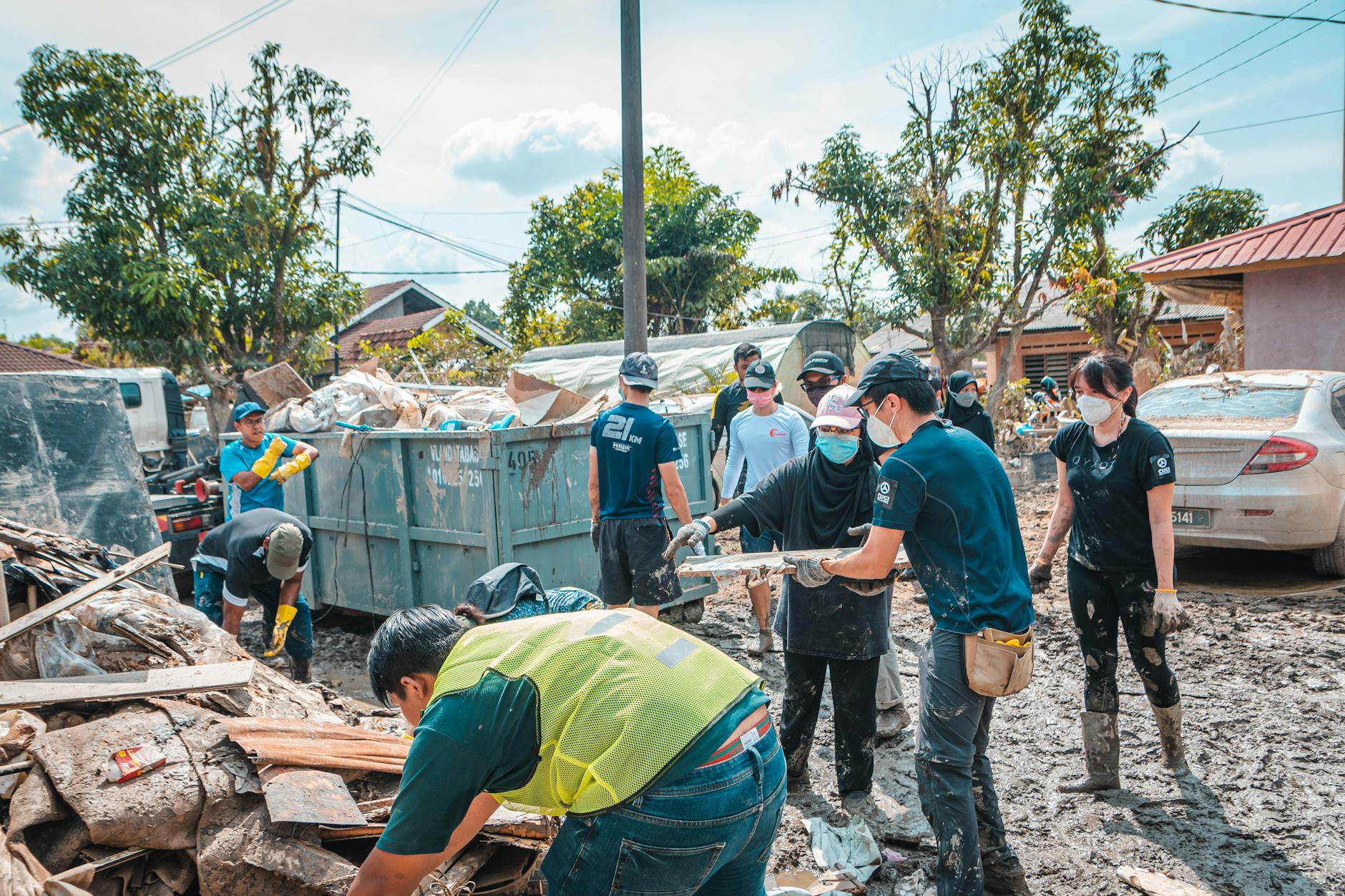
A short NGO trip can be physically demanding even when the work itself is modest. Heat, humidity, rain, unfamiliar food, early starts, long standing, emotional exposure, and extra group meals can wear down a traveler quickly.
The traveler should plan medication, hydration, sun protection, practical shoes, stomach-safe food options, medical access, and enough sleep to remain useful. If the role involves vulnerable people, arriving sick or exhausted is not responsible.
- Plan medication, hydration, sun protection, practical shoes, and food tolerance.
- Know medical access and host procedures before a problem appears.
- Protect rest so the traveler remains useful to the assignment.
When to order a short-term travel report
A volunteer joining a fully managed program with housing, transfers, supervision, and clear rules may not need a custom George Town report. A report becomes useful when the traveler is choosing housing, arriving independently, carrying supplies, coordinating with more than one organization, managing medical or dietary needs, or adding personal travel around the assignment.
The report should test host geography, lodging, airport transfer, daily transport, food, health access, community etiquette, documentation rules, budget, weather, side trips, and what to cut. The value is a short volunteer trip that supports local work instead of creating avoidable friction.
- Order when independent arrival, housing, supplies, health needs, multiple sites, or side travel require testing.
- Provide dates, host details, site locations, housing options, role scope, medical or dietary needs, budget, and priorities.
- Use the report to make the assignment practical, respectful, and easier for the host.