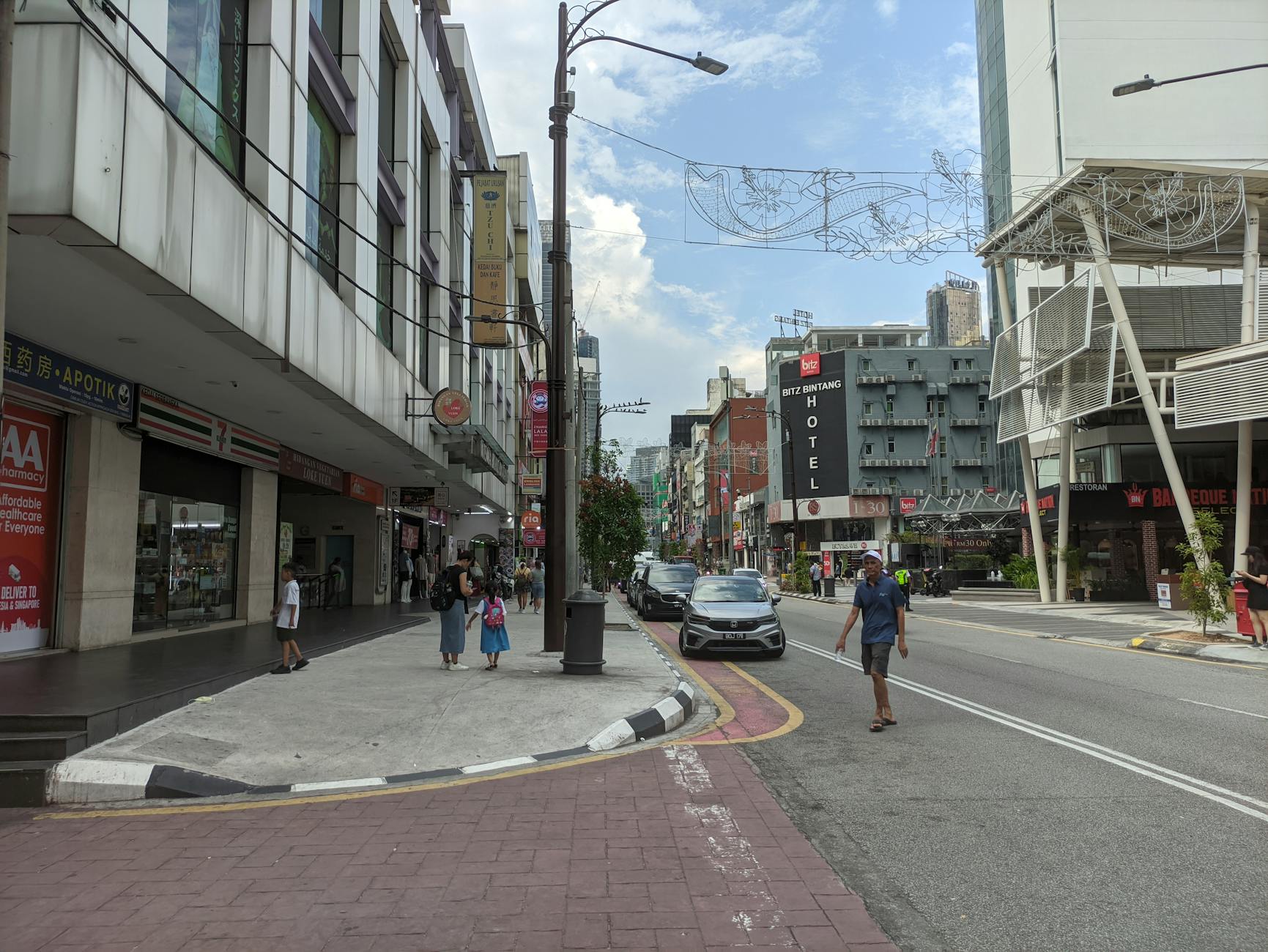
George Town can be rewarding for travelers with mobility limitations, but it should not be planned from map distance alone. The heritage core is compact, yet uneven pavements, shophouse steps, narrow sidewalks, traffic crossings, heat, sudden rain, and older buildings can make a short route harder than it looks. The right plan does not remove George Town's character. It makes the city usable: a suitable hotel, shorter walking loops, reliable rides, realistic temple and museum choices, bathroom planning, and enough recovery time to keep the trip from becoming a physical test.
Choose lodging by access, not charm alone
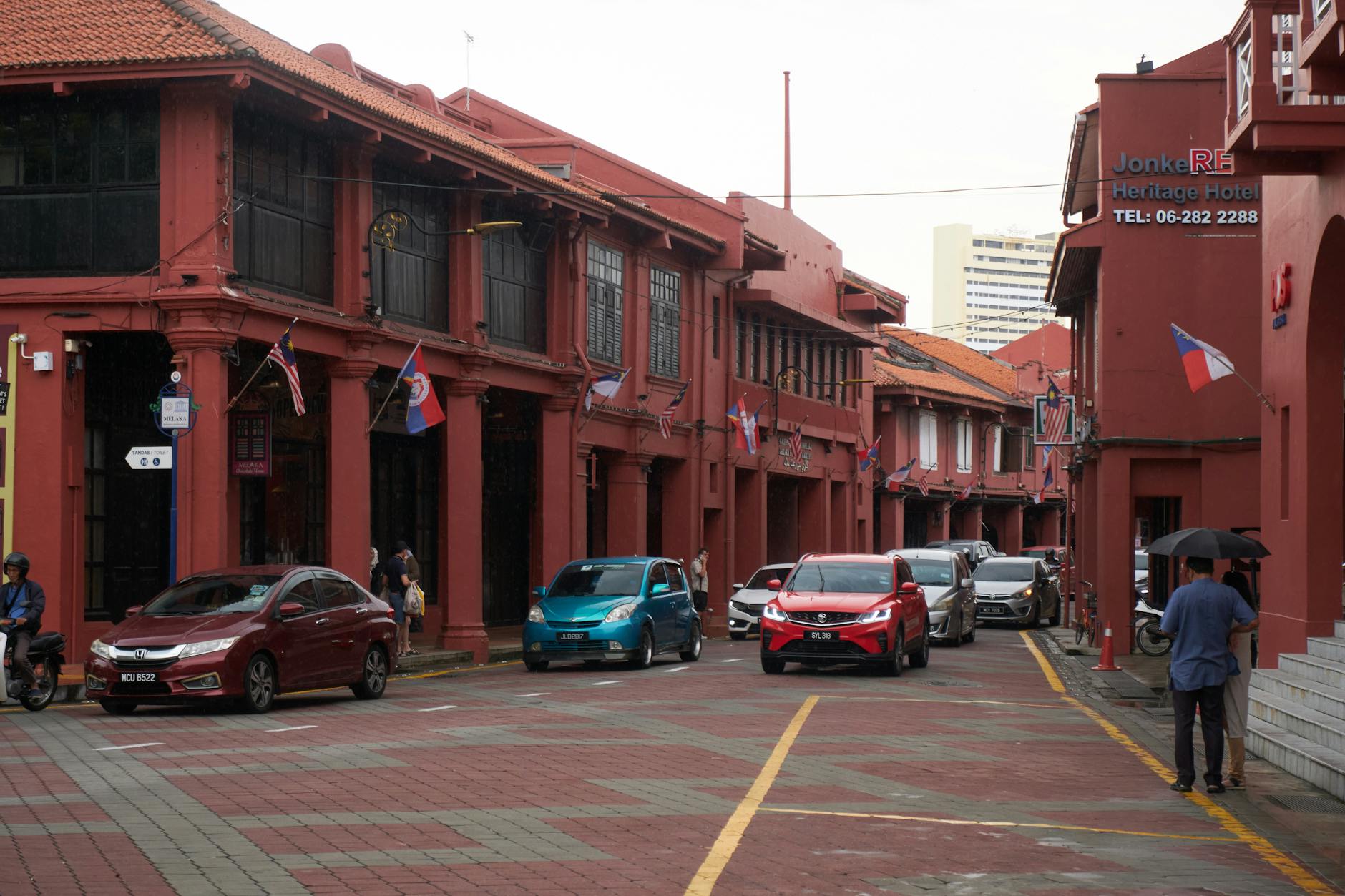
George Town has appealing heritage hotels and guesthouses, but older buildings can involve stairs, narrow corridors, uneven thresholds, small bathrooms, and limited vehicle access. A traveler with mobility limitations should ask specific questions before booking: lift access, step-free room route, shower setup, bed height, room location, pickup point, and distance to simple meals.
A less atmospheric full-service hotel may produce a better trip if it protects rest and movement. The lodging should make it easy to return during heat, rain, or fatigue without turning every break into another obstacle.
- Confirm lift access, step-free routes, bathroom setup, bed height, and room location.
- Check vehicle pickup, lobby access, and nearby simple meals.
- Prioritize a base that makes rest breaks easy to use.
Treat sidewalks and crossings as real itinerary factors
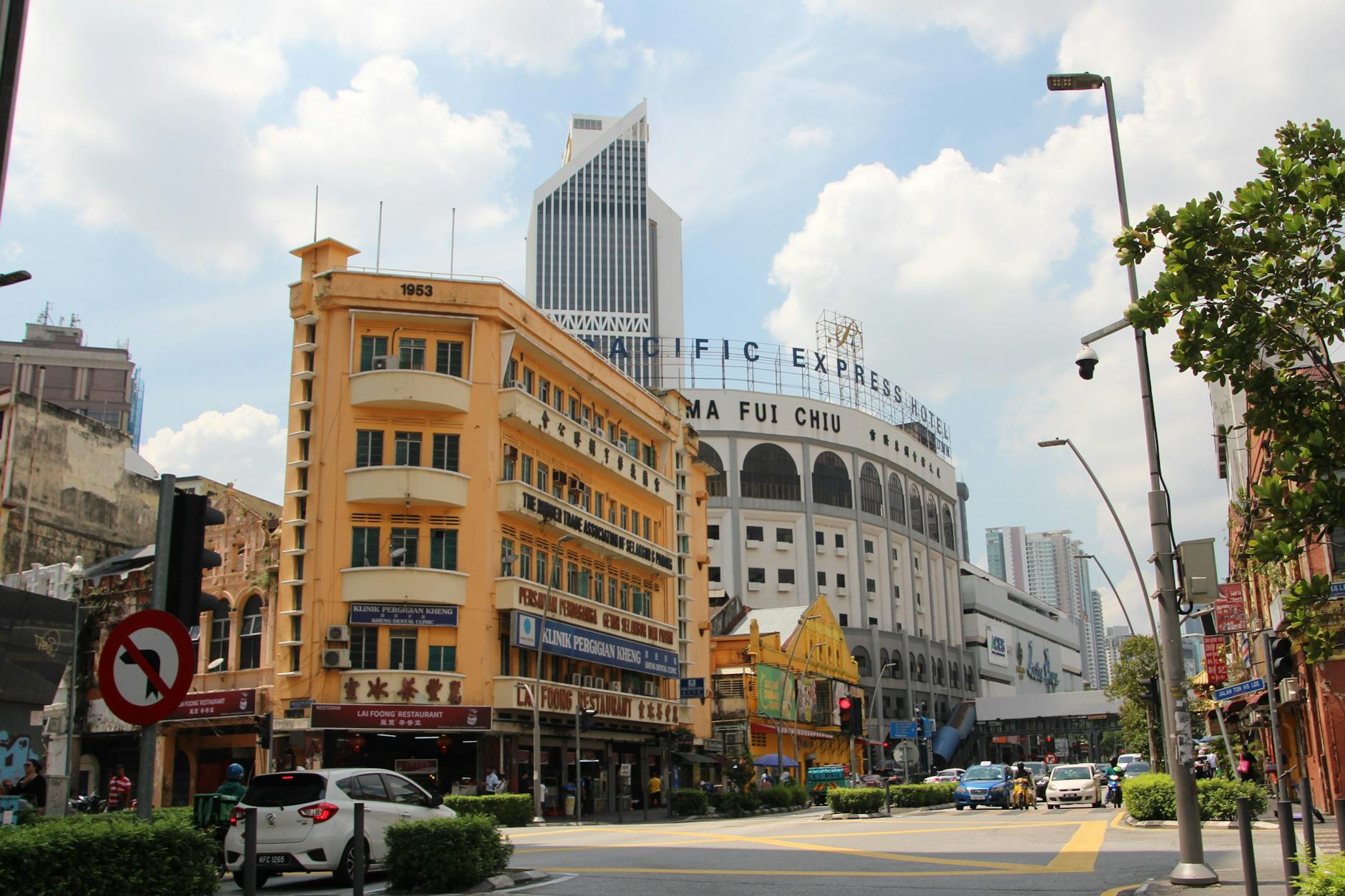
The heritage core may look walkable, but walking comfort depends on pavement quality, curbs, parked vehicles, construction, drainage, crowds, and road crossings. A route that is easy for one traveler may be exhausting or unsafe for another.
The traveler should build short loops with known rest points and should not assume that one continuous walking route is the best way to see the old town. A mix of walking, rides, and seated breaks can preserve the experience without forcing the body to absorb every street condition.
- Assess pavements, curbs, crowds, crossings, and rest points before committing to a loop.
- Use short walking sections rather than one long heritage route.
- Switch to rides before fatigue makes the route harder to reverse.
Plan for heat, rain, and cold interiors
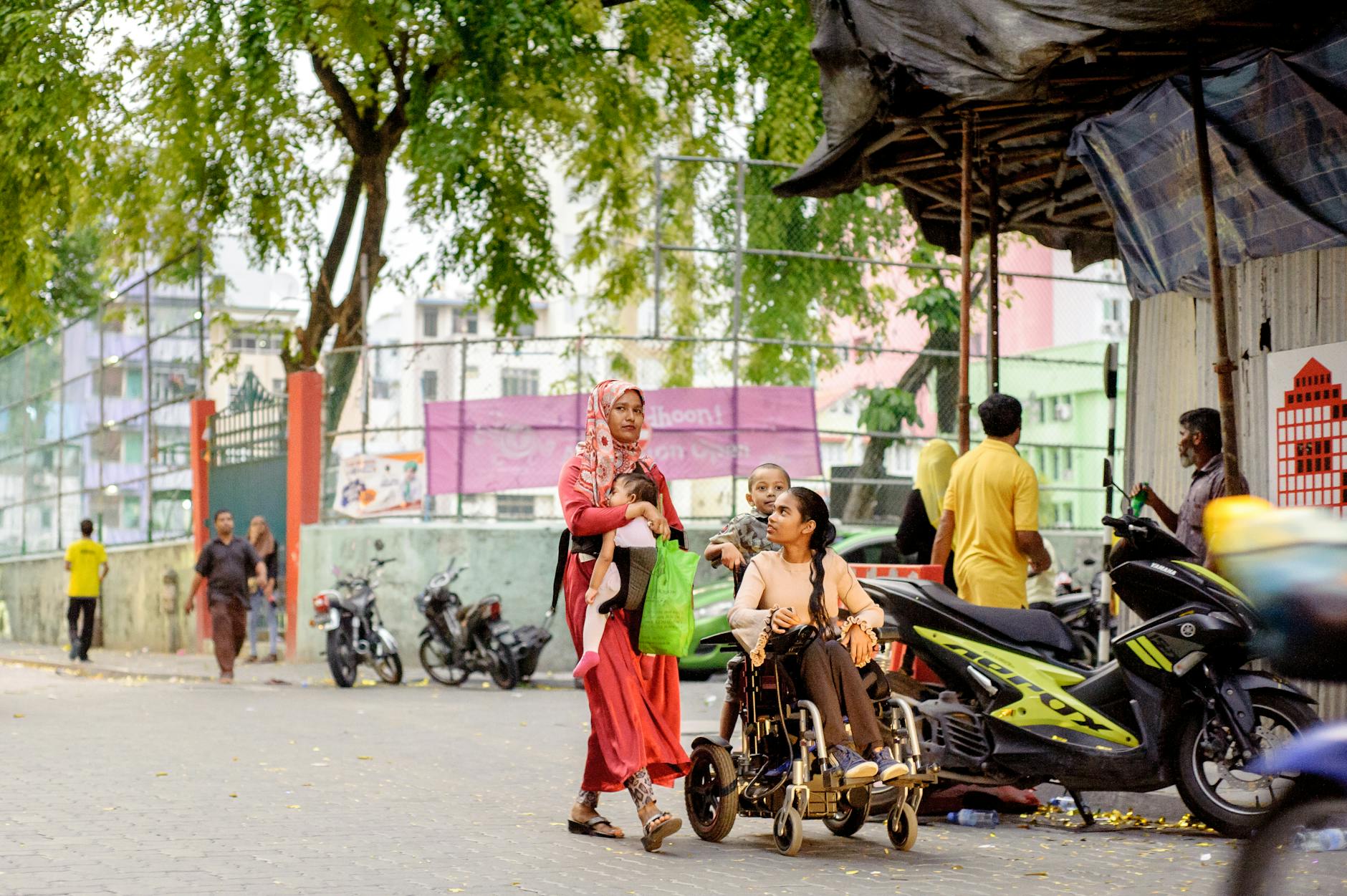
Mobility limitations can become more difficult in George Town's climate. Heat, humidity, rain, slippery surfaces, and sudden moves between hot streets and cold interiors can affect stamina, balance, pain levels, respiratory comfort, and medication timing.
A practical plan uses early starts, shaded pauses, air-conditioned breaks, water, rain protection, and a willingness to cut the route. The strongest itinerary is the one that remains usable when the weather changes, not the one that looks most complete.
- Use early starts, shaded pauses, air conditioning, water, and rain protection.
- Watch slippery surfaces, fatigue, balance, pain, and medication timing.
- Cut the route when weather changes the physical cost.
Use transport as access infrastructure
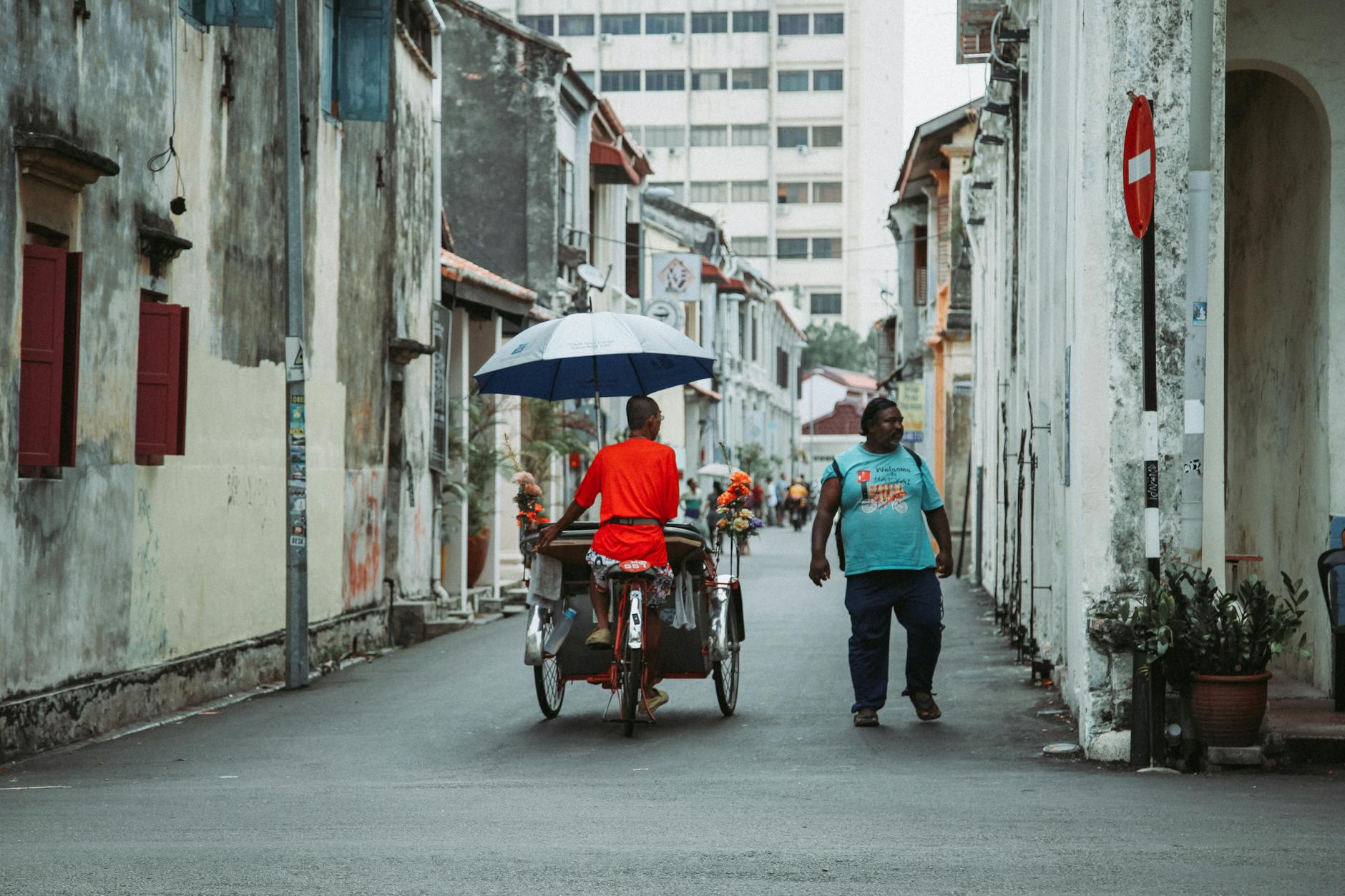
Ride-hailing, taxis, hotel cars, and private drivers can be part of the access plan, not a luxury add-on. The traveler should know pickup points, curb conditions, vehicle height, luggage handling, walker or folding wheelchair space, and whether the driver can wait during shorter stops.
This matters most for airport transfers, evening meals, side trips, and routes between hotel, food areas, malls, temples, and waterfront points. A well-timed ride can keep the traveler engaged with George Town instead of spending all available energy getting there.
- Plan pickup points, curb conditions, vehicle height, luggage, and mobility-device space.
- Use drivers or rides for airport transfers, evenings, side trips, and heat-heavy routes.
- Save physical energy for the places that matter most.
Choose food areas with seating and bathrooms in mind
George Town food is a major reason to visit, but some hawker and street-food environments involve crowds, heat, shared tables, uneven ground, waits, and limited bathroom comfort. A traveler with mobility limitations should choose food areas by seating, access, shade, bathrooms, and return transport as well as by reputation.
Cafes, hotel restaurants, mall-linked options, and quieter kopitiams can support the day without replacing local food entirely. The goal is not to avoid the food scene. It is to make the meal physically workable.
- Assess seating, shade, bathrooms, crowding, waits, and return transport.
- Mix hawker stops with cafes, hotel meals, malls, or quieter local options.
- Do not let a famous dish create an inaccessible evening.
Screen temples, museums, and side trips before arrival
Temples, clan houses, museums, jetties, Penang Hill, Kek Lok Si, beaches, and gardens can all vary in accessibility. Steps, slopes, uneven surfaces, shoes-off rules, queues, limited seating, and long transfer times should be checked before the traveler commits energy to the stop.
A shorter list of accessible, meaningful sites is usually better than a full list that forces repeated compromises at the doorway. The traveler should decide which places are essential and which can be replaced by a lower-friction alternative.
- Check steps, slopes, uneven surfaces, seating, queues, and shoes-off rules.
- Choose fewer sites that match the traveler's actual access needs.
- Replace high-friction stops before they consume the day.
When to order a short-term travel report
A traveler with mild limitations, a known hotel, and a relaxed plan may not need a custom George Town report. A report becomes useful when step-free access, mobility devices, bathroom needs, heat tolerance, medical conditions, airport transfer, side trips, or temple and museum access could determine whether the trip works.
The report should test lodging access, arrival transfer, sidewalk burden, food areas, bathrooms, transport, cultural sites, side trips, weather, medical support, budget, and what to cut. The value is a George Town plan that respects both the destination and the traveler's physical limits.
- Order when access, mobility devices, bathrooms, heat, medical needs, or side trips need testing.
- Provide dates, hotel options, mobility details, assistive devices, walking limits, bathroom needs, budget, and priorities.
- Use the report to make the trip physically realistic instead of merely possible.