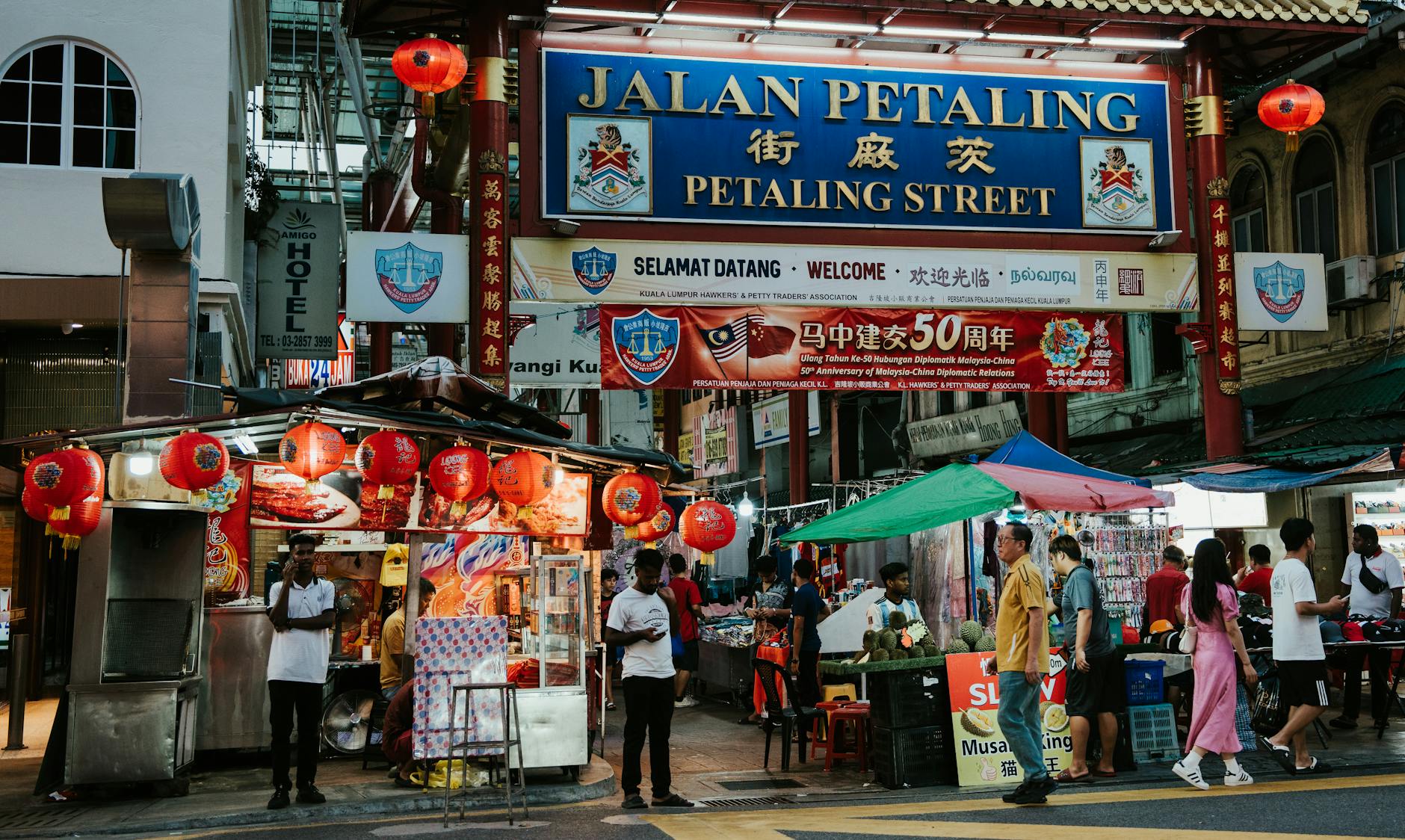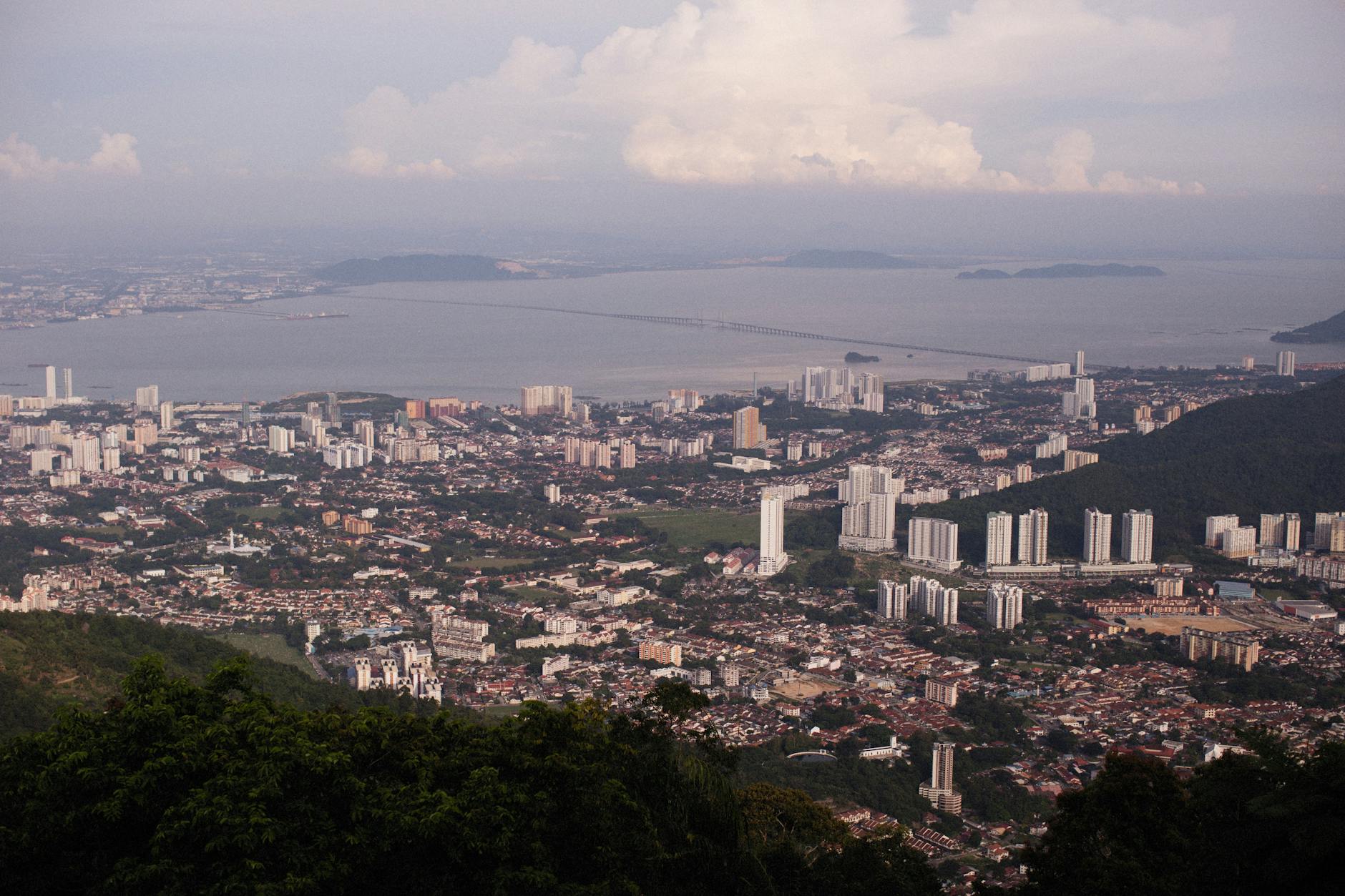
George Town can be manageable for travelers with medical constraints, but it should not be treated as a frictionless short trip. Heat, humidity, rain, food variety, uneven sidewalks, air-conditioned interiors, airport transfer time, and side trips across Penang can all affect a traveler whose health needs are not flexible. The right question is not whether a traveler can visit. Many can. The question is whether the trip has enough margin, medical access, medication control, food discipline, and transport reliability to stay comfortable if symptoms, fatigue, weather, or delays change the day.
Start with heat, humidity, and recovery windows
George Town's climate can be the central medical planning issue. Heat, humidity, rain, strong sun, and cold interiors can affect hydration, fatigue, respiratory conditions, cardiovascular tolerance, skin conditions, migraines, and medication handling. The traveler should not build a day that assumes constant outdoor stamina.
A realistic plan uses early starts, indoor recovery, short walking loops, air-conditioned breaks, and a clear threshold for stopping. The itinerary should include the body's pace, not only the city's attractions.
- Plan for humidity, rain, strong sun, cold interiors, hydration, and fatigue.
- Use early starts, indoor breaks, and short walking loops.
- Set a clear stop point before symptoms or heat strain become hard to reverse.
Choose lodging as part of the care plan
The hotel should support the medical reality: lift access, quiet room, reliable cooling, refrigerator availability if needed, room service or nearby simple food, easy vehicle pickup, pharmacy access, and staff who can help with taxis or directions. A charming heritage property may not be ideal if stairs, noise, or bathroom setup create daily strain.
Location matters because returning to rest may be the difference between a good trip and a shortened trip. The traveler should choose a base that makes recovery normal, not embarrassing or difficult.
- Check lift access, cooling, room quiet, refrigerator needs, bathrooms, and pickup points.
- Prioritize easy returns and nearby simple food over decorative hotel appeal.
- Ask direct questions about access and room setup before booking.
Control medication and documentation
Medication planning should be finished before departure. The traveler should carry enough supply, original packaging where appropriate, prescriptions or doctor letters when needed, temperature guidance, a split carry method, and a plan for time-zone or meal-linked dosing. Anything essential should stay in hand luggage.
The traveler should also know the nearest suitable pharmacy, clinic, and hospital option relative to the hotel. This is not alarmism. It is basic operating knowledge for a short trip where losing a day to confusion can matter.
- Carry essential medication in hand luggage with relevant prescriptions or letters.
- Plan storage, dosing timing, backup supply, and temperature needs.
- Identify suitable pharmacy, clinic, and hospital options near the hotel.
Treat food as a medical exposure, not only a highlight
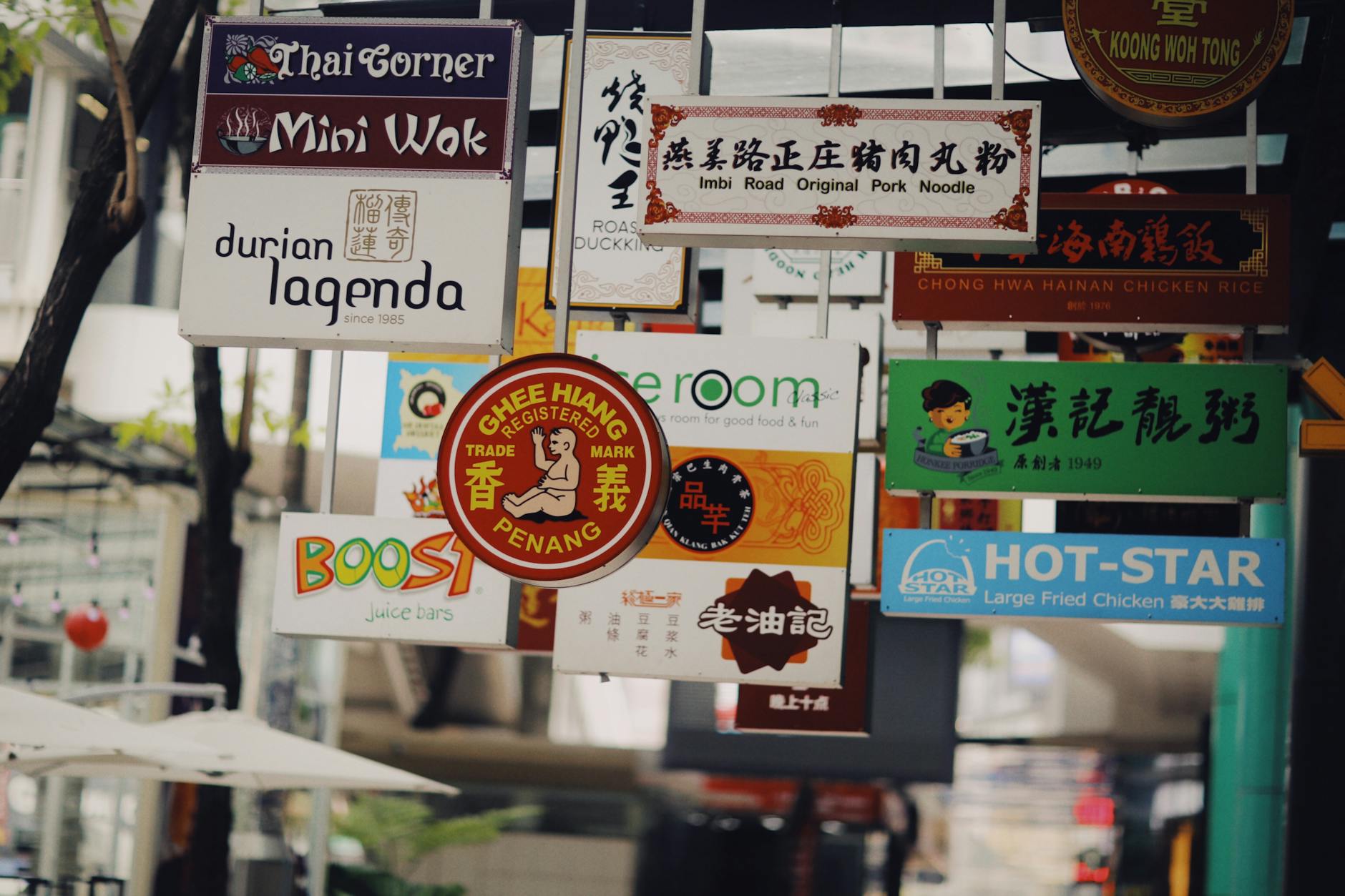
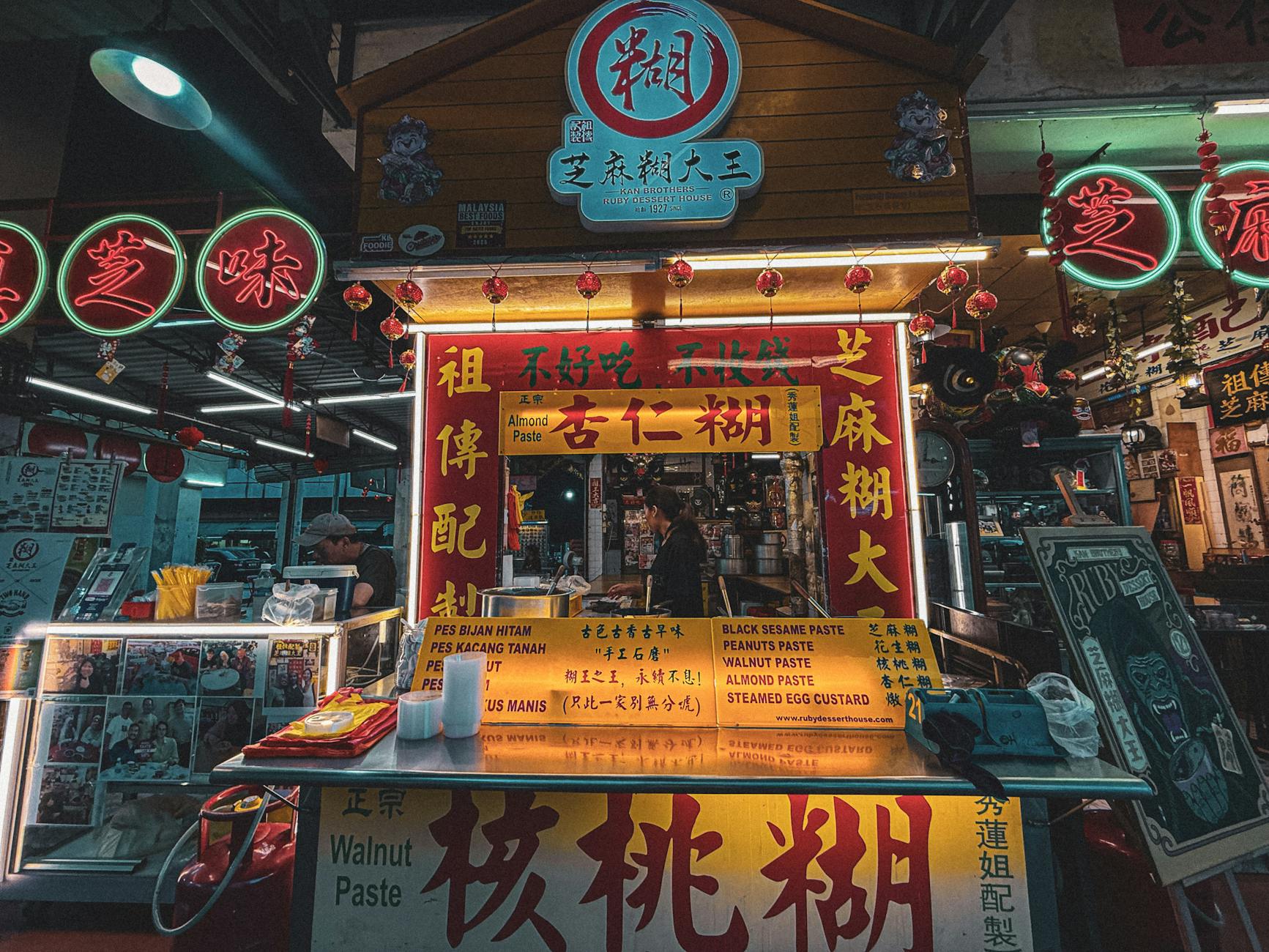
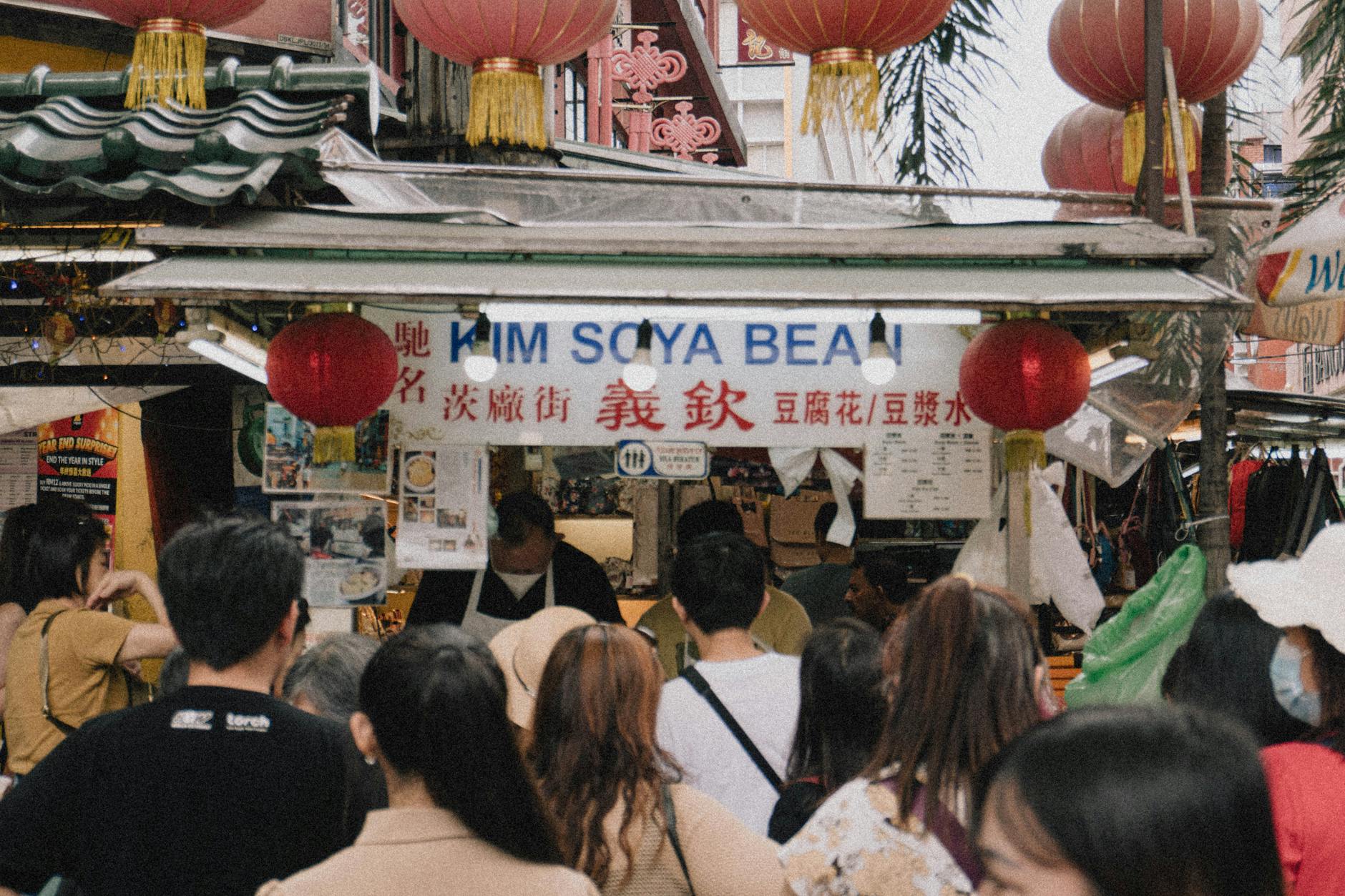
Food is central to George Town, but travelers with medical constraints should define their limits before arriving hungry. Spice, shellfish, peanuts, gluten, oil, sugar, alcohol, hydration, food hygiene comfort, and medication-food interactions may all matter. The traveler should plan safe defaults as well as adventurous meals.
This does not mean avoiding local food. It means choosing hawker centers, cafes, hotel restaurants, and simple meals in an order that respects the condition. A cautious first night can protect the rest of the stay.
- Plan around spice, shellfish, peanuts, sugar, alcohol, hydration, and medication-food interactions.
- Keep safe default meals available near the hotel.
- Use the first night to test tolerance rather than prove adventurousness.
Use transport before fatigue forces it
A traveler with medical constraints should not wait until they are exhausted to stop walking. Ride-hailing, hotel cars, taxis, or a private driver can protect energy and reduce exposure to heat, rain, traffic crossings, and uneven sidewalks. The airport transfer should be chosen with luggage, medication, and arrival fatigue in mind.
The traveler should also plan pickup points that do not require long standing periods or hard-to-describe corners. Transport is part of the health plan, not an optional convenience.
- Use rides or drivers early when heat, rain, luggage, or fatigue matter.
- Choose pickup points that are easy to find and do not require long standing.
- Plan the airport transfer around arrival fatigue and medication access.
Limit side trips by medical margin
Penang Hill, Kek Lok Si, beaches, gardens, shopping areas, and food routes may be worthwhile, but each one should be tested against heat, bathroom access, walking load, queues, return timing, food needs, and the ability to abandon the plan. Medical constraints can turn a normal delay into a serious disruption.
The traveler should choose fewer excursions and build cleaner exits. A private driver, early timing, or a simpler route may be the difference between a good day and a recovery day.
- Test side trips against heat, bathrooms, queues, food needs, and return timing.
- Choose routes that can be shortened without confusion.
- Use fewer excursions and cleaner exits to protect the full stay.
When to order a short-term travel report
A traveler with stable, low-impact needs and a simple hotel stay may not need a custom George Town report. A report becomes useful when medication timing, heat sensitivity, dietary constraints, mobility limits, hospital access, insurance questions, late arrival, or side trips could affect whether the trip works.
The report should test lodging, airport transfer, clinic and hospital proximity, pharmacy access, walking burden, food options, transport, weather, side trips, insurance assumptions, emergency contacts, budget, and what to cut. The value is making the itinerary honest about the traveler's body and the city's conditions.
- Order when medication, diet, heat, mobility, medical access, insurance, or side trips need testing.
- Provide dates, hotel options, diagnosis-relevant constraints, medication needs, dietary rules, insurance limits, budget, and priorities.
- Use the report to convert health constraints into a workable George Town plan.