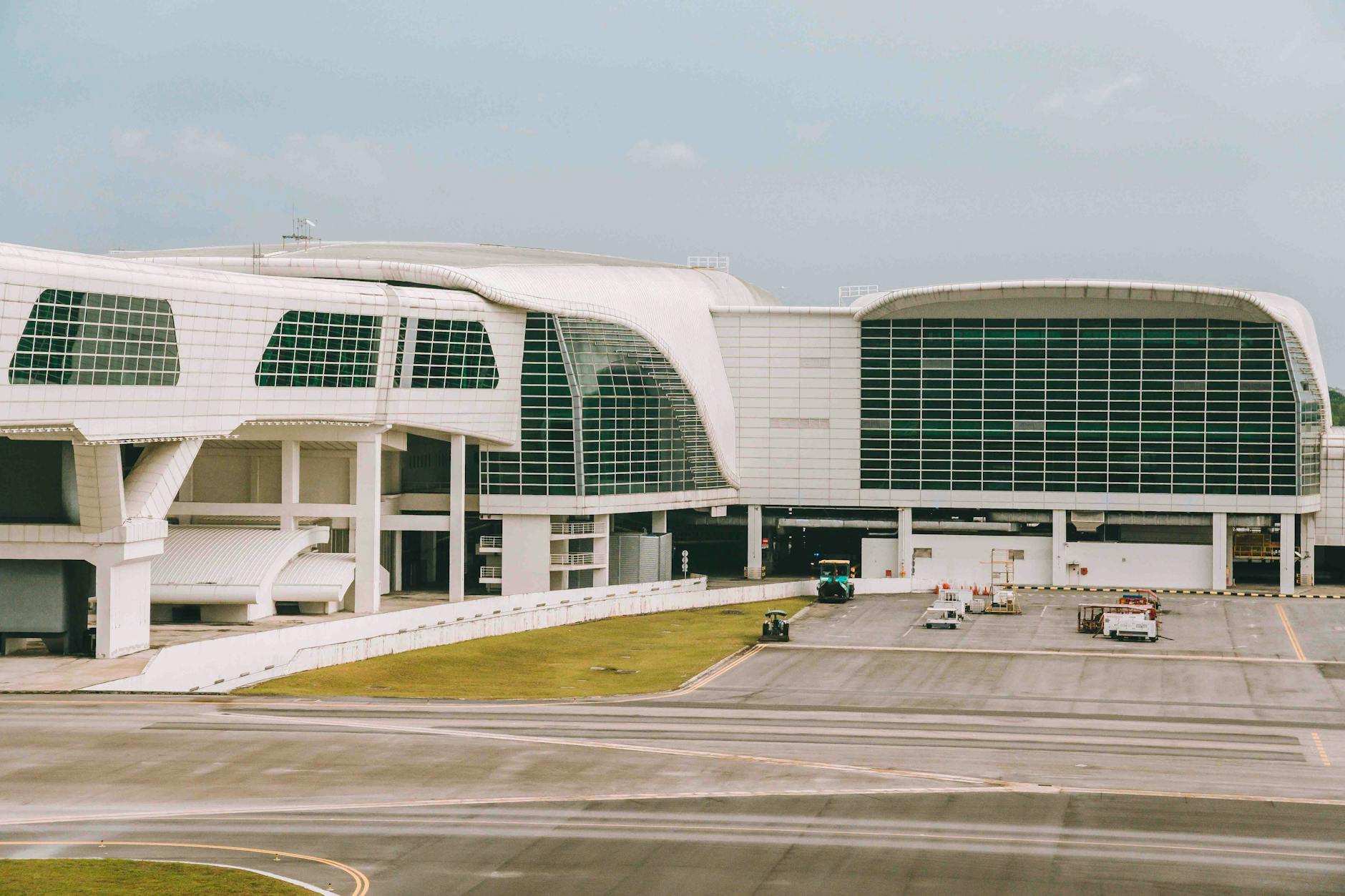
A George Town transit or stopover plan should begin with a hard question: is there enough usable time to leave the airport, ferry, bus, hotel, or cruise transfer path without creating stress? Penang can reward a short stop, but the island's practical timing matters more than a scenic wish list. The traveler needs to account for luggage, immigration or check-in timing, road transfer, rain, heat, food stops, shower or rest needs, and the cost of being late. A good stopover may be one focused meal and a short walk, not a compressed version of a full trip.
Calculate the real stopover window
The traveler should subtract immigration, luggage, transfer time, traffic risk, security, check-in, boarding, and a conservative buffer before deciding what is possible. A seven-hour layover may not mean seven hours in George Town.
If the stopover follows a long flight, the traveler should also count fatigue and shower needs. A plan that looks efficient on paper can feel poor once heat, rain, and low sleep enter the day.
- Subtract immigration, luggage, transfer, traffic, security, check-in, boarding, and buffer time.
- Account for fatigue, shower needs, heat, and rain before leaving the terminal path.
- Treat usable city time as smaller than the published layover.
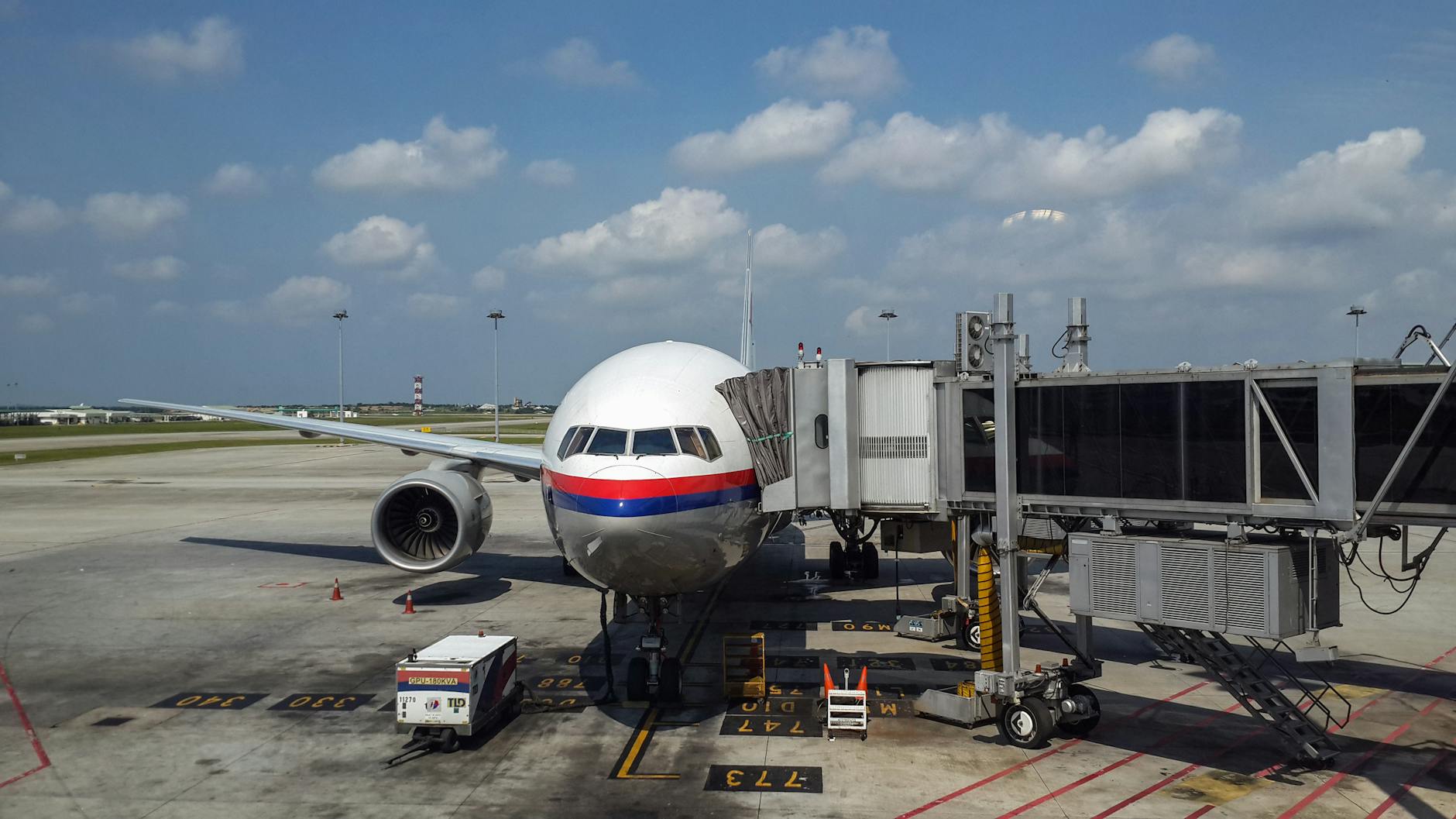
Solve luggage before choosing the route
A stopover traveler should know whether luggage is checked through, stored, held at a hotel, carried in a car, or dragged through the city. George Town's heat, uneven sidewalks, stairs, rain, and crowded food areas make luggage a serious constraint.
The route should be designed around what the traveler is physically carrying. If the luggage plan is weak, the best stopover may be a hotel day room, airport-adjacent rest, or a single controlled transfer.
- Confirm whether bags are checked through, stored, held at a hotel, or carried all day.
- Avoid dragging luggage through heat, rain, uneven sidewalks, stairs, and crowded food streets.
- Use a day room or controlled transfer when the bag plan is poor.
Choose one compact purpose
A useful George Town stopover usually needs one main purpose: a specific meal, a short heritage walk, a temple or mosque visit, a hotel rest, a waterfront look, or a quick meeting. Trying to combine food, street art, shopping, religious sites, and waterfront movement can turn the layover into anxiety.
The traveler should pick a compact area and keep optional stops nearby. A focused stopover can be satisfying; a scattered one often becomes transport management.
- Pick one main purpose: food, short walk, rest, sacred site, waterfront, or quick meeting.
- Keep optional stops close to the main stopover area.
- Avoid turning a short transit window into a full-city checklist.
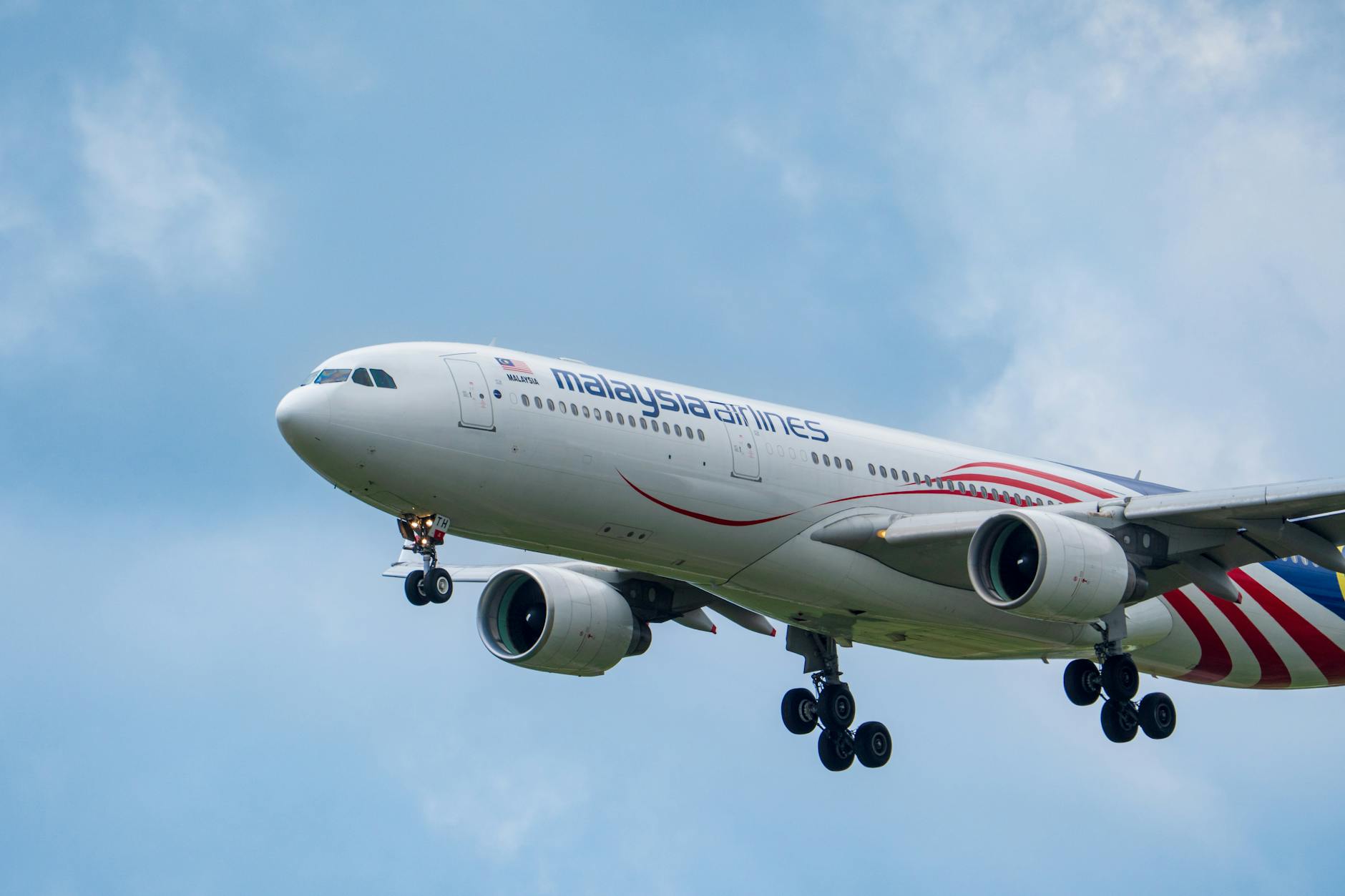
Control airport, ferry, and onward transfers
Transit travelers may be connecting through Penang International Airport, a ferry or cruise transfer, a bus route, a private car, or a hotel pickup. Each has different failure points. The traveler should know pickup locations, estimated travel time, payment method, backup rides, and what happens if rain or traffic slows the return.
The return transfer deserves more control than the outbound transfer because the cost of delay is higher. The traveler should not rely on finding a ride at the last possible minute.
- Plan airport, ferry, bus, car, cruise, or hotel transfer details before leaving the route.
- Confirm pickup points, payment, backup rides, and rain or traffic buffers.
- Give the return transfer more margin than the outbound leg.
Eat strategically, not ambitiously
Food may be the best reason to leave the transit path, but it should be chosen for timing and tolerance. A traveler should consider queues, cash, spice, shellfish, peanuts, hydration, restroom access, and whether a heavy meal will make the next flight or transfer uncomfortable.
One strong food stop near the route can be better than chasing several famous dishes. The goal is to improve the transit day, not risk the connection for a plate.
- Choose food stops by timing, queue length, cash, spice, allergies, hydration, and restroom access.
- Avoid heavy or risky meals before a flight, bus, ferry, or long car transfer.
- Prefer one strong nearby stop over several famous but scattered stops.
Know when staying put is the smarter decision
Some stopovers should not become city visits. If the traveler has limited time, poor sleep, checked-bag uncertainty, medical needs, heavy rain, early onward travel, or a high-cost missed connection, staying near the terminal or hotel may be the better choice.
A good stopover decision is not always adventurous. Sometimes the right move is a shower, meal, quiet work session, or sleep before the next leg.
- Skip the city when time, sleep, baggage, weather, health, or missed-connection risk is unfavorable.
- Use a terminal, airport hotel, day room, or quiet meal when recovery matters more.
- Treat rest as a legitimate stopover plan.
When to order a short-term travel report
A traveler with a very long, flexible stopover and no luggage problem may not need a custom George Town report. A report becomes useful when the connection is tight, the traveler has bags, medical needs, dietary rules, an airport-to-city question, a cruise or ferry transfer, a business meeting, or a strong desire to use a short window well.
The report should test usable time, transfer timing, luggage, food, rest, heat, rain, medical access, return buffers, onward connection risk, budget, and what to cut. The value is knowing whether to leave the transit path and, if so, exactly how far to go.
- Order when timing, luggage, health, food, transfers, meetings, or missed-connection risk require testing.
- Provide arrival and departure times, terminal or pier details, luggage status, priorities, constraints, and budget.
- Use the report to decide whether leaving the transit path is worth it.