A George Town trade-show trip is not the same as a leisure stay with a badge attached. The attendee may be carrying samples, booth materials, product information, gifts, devices, or meeting notes while also trying to manage hotel logistics, venue timing, networking meals, and the heat and rain of Penang. The city can work well for a commercial visit when the plan is built around the venue and the sales or sourcing objective. The weak points are usually practical: arrival buffers, baggage, storage, transport, food timing, evening obligations, and the temptation to add too much sightseeing around a work schedule.
Start with the exact venue and operating hours
The attendee should verify the actual venue, registration process, show-floor hours, setup windows, teardown timing, and distance from the chosen hotel. A venue in or near George Town, a hotel event floor, a university-linked site, or a wider Penang venue will produce different transport and lodging decisions.
A trade-show day can fail before it begins if arrival, badge pickup, booth access, or first meetings are treated casually. The schedule should include setup and recovery time, not only public show hours.
- Verify venue, registration, setup, show-floor hours, and teardown timing.
- Choose lodging after mapping the venue and first meetings.
- Build the day around access windows, not only official program times.
Choose lodging for materials and repeat movement
A trade-show attendee should evaluate hotels by storage, lobby access, vehicle pickup, luggage handling, workspace, laundry, breakfast timing, cooling, and the ability to return between show blocks. A charming room far from the operating route may become frustrating if the traveler is moving with samples or product literature.
The traveler should also check whether deliveries, courier pickups, or temporary storage are possible. These small hotel details can determine whether the commercial trip feels controlled or improvised.
- Check storage, vehicle pickup, luggage handling, workspace, laundry, and breakfast timing.
- Confirm whether deliveries, courier pickups, or temporary storage are possible.
- Avoid lodging that makes repeated material movement harder.
Plan samples, devices, and documentation before flying
Trade-show travel often involves more than a suitcase. Samples, display materials, catalogues, demo devices, chargers, adapters, business cards, labels, customs paperwork, and digital backups should be organized before departure. Anything essential to the first show day should stay in hand luggage if practical.
The attendee should also consider humidity, rain, and heat. Packaging, printed materials, electronics, and clothing can suffer if transfers are exposed or rushed. A small materials plan can protect the whole commercial purpose of the trip.
- Organize samples, catalogues, devices, chargers, adapters, cards, and backups before departure.
- Keep first-day essentials in hand luggage where practical.
- Protect materials from humidity, rain, heat, and rushed transfers.
Use transport to protect the commercial schedule
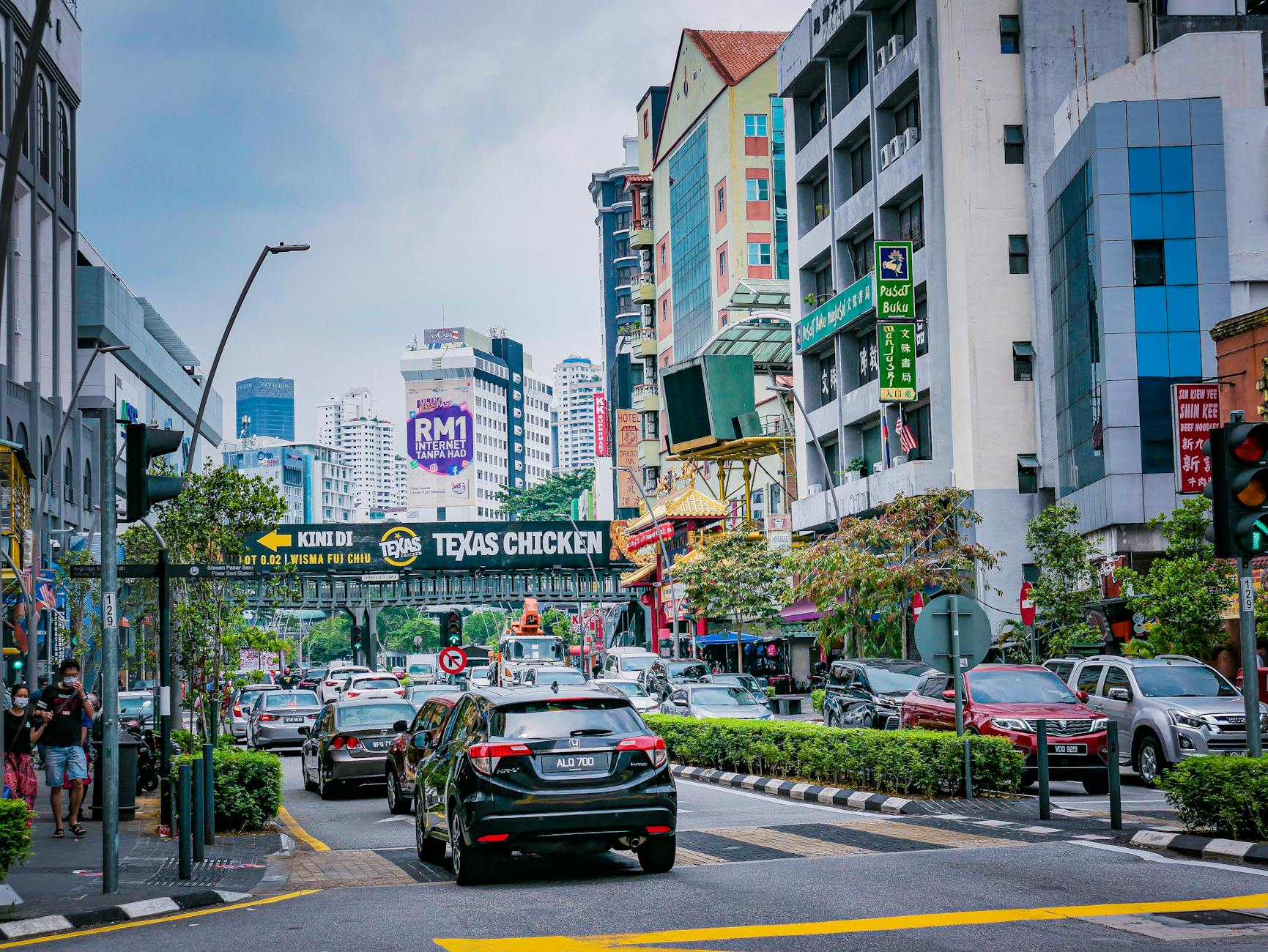
Transport should be chosen by punctuality and material handling, not only price. Ride-hailing may be adequate for light movement, while hotel cars or a driver may be smarter for early setup, heavy samples, rain, multiple meetings, or a return to the venue after dinner.
Pickup points, traffic, weather, and waiting time should be planned in advance. A trade-show attendee should not be learning the route while holding materials and trying to make the first appointment.
- Choose ride-hailing, hotel cars, or a driver by materials, timing, rain, and meeting load.
- Confirm pickup points and realistic buffers before show days.
- Do not leave route decisions to the moment materials are already in hand.
Treat food and networking as work logistics
George Town's food scene can support good networking, but trade-show attendees should be deliberate about where and when they eat. Hawker stops, client dinners, hotel meals, cafes, and bars can all fit, but spice tolerance, shellfish, alcohol, payment, return transport, and the next morning's schedule matter.
A networking meal should not create a late-night transport problem or a weak next day. The traveler should choose food settings that match the relationship: casual discovery for some contacts, quieter tables for others, and hotel-adjacent options when the schedule is tight.
- Match meals to relationship type, schedule pressure, and the next morning's obligations.
- Plan around spice, shellfish, alcohol, payment, and return transport.
- Use George Town's food scene without letting it overrun the work trip.
Add side meetings and sightseeing selectively
A trade-show attendee may want supplier visits, distributor meetings, factory conversations, university links, or a short Penang side trip. These can improve the commercial value of the journey, but only if they are clustered sensibly and do not weaken show-floor performance.
Sightseeing should be treated as optional, not as a guilt obligation. George Town is worth seeing, but the traveler should protect the meetings that justify the trip first.
- Cluster supplier, distributor, and side meetings by geography.
- Add sightseeing only when it does not weaken show-floor performance.
- Keep buffers for late meetings, weather, and transport delays.
When to order a short-term travel report
A trade-show attendee with a simple hotel-in-venue setup and no materials may not need a custom George Town report. A report becomes useful when samples, setup windows, side meetings, senior contacts, tight arrival timing, dietary or medical constraints, or multiple venues make the trip fragile.
The report should test venue geography, hotel logistics, airport transfer, material handling, courier options, transport buffers, meals and networking, side meetings, weather, medical access, budget, and what to cut. The value is keeping the trade-show objective from being undermined by preventable Penang logistics.
- Order when materials, side meetings, venue logistics, timing, or senior contacts require testing.
- Provide dates, venue, hotel options, materials, meeting list, dietary needs, transport needs, budget, and priorities.
- Use the report to protect the commercial purpose of the trip.