George Town is easy to underestimate because many of its famous tourist experiences sit close together: shophouse streets, murals, clan jetties, temples, cafes, hawker food, museums, and waterfront views. That compactness is useful, but it can also lead tourists to overload the day and miss the living city behind the postcard route. A good short tourist stay in George Town should balance the famous stops with climate, food timing, cultural respect, and enough margin to notice the city. The traveler needs a plan that works in humidity, rain, traffic, and crowded photo spots, not only on a clean map.
Use the heritage core without rushing it
A tourist should start by deciding how much of the trip belongs to George Town's heritage core. Armenian Street, Little India, clan houses, jetties, temples, museums, cafes, and murals can sit close together, but they do not all deserve the same kind of visit. A rushed loop can turn the city into a scavenger hunt.
The better plan is to group a few nearby priorities, leave space for shaded pauses, and accept that some of George Town's value is in the transitions: shopfronts, courtyards, smells from kitchens, temple sounds, and ordinary street life.
- Group nearby heritage stops instead of chasing every marker on the map.
- Leave time for shaded pauses, cafes, and slow street observation.
- Treat the spaces between attractions as part of the trip.
Plan street art and photos with patience
Street art is part of George Town's visitor appeal, but popular murals can attract crowds, traffic conflicts, and hurried behavior. Tourists should decide whether the goal is a few careful photos, a broader walk through the historic streets, or simply using the murals as anchors for exploring the area.
Photography should not override situational awareness. The traveler should avoid blocking doors, stepping into traffic, photographing people at close range without sensitivity, or treating residential and religious spaces as open sets.
- Choose a few photo priorities rather than chasing every mural.
- Watch traffic, doorways, queues, and residential boundaries while taking photos.
- Use street art as a route anchor, not the whole reason to walk.
Make food a paced itinerary
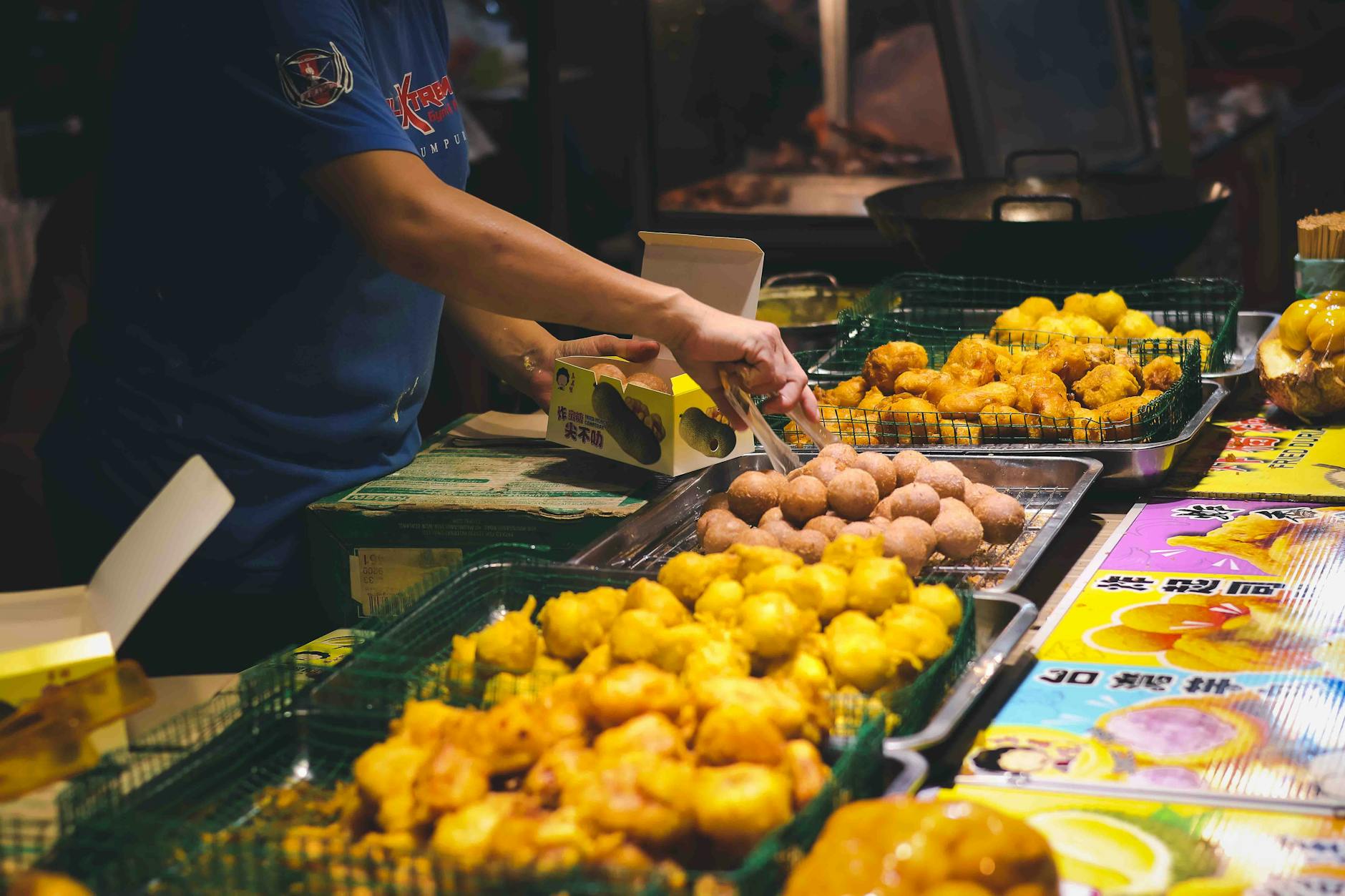
George Town food can dominate a tourist trip for good reason. Hawker stalls, kopitiams, cafes, nasi kandar, laksa, char kway teow, sweets, and night food routes can all be worthwhile. The mistake is to stack too many famous dishes into one hot day and turn the trip into a digestion problem.
The traveler should plan food by area, timing, spice tolerance, shellfish, cash, hydration, and return route. A strong food day usually has fewer stops than the list suggests, with enough time between meals to actually enjoy them.
- Plan food by area instead of crossing town for every famous dish.
- Consider spice, shellfish, cash, hydration, wait times, and evening return routes.
- Leave space between food stops so the day remains enjoyable.
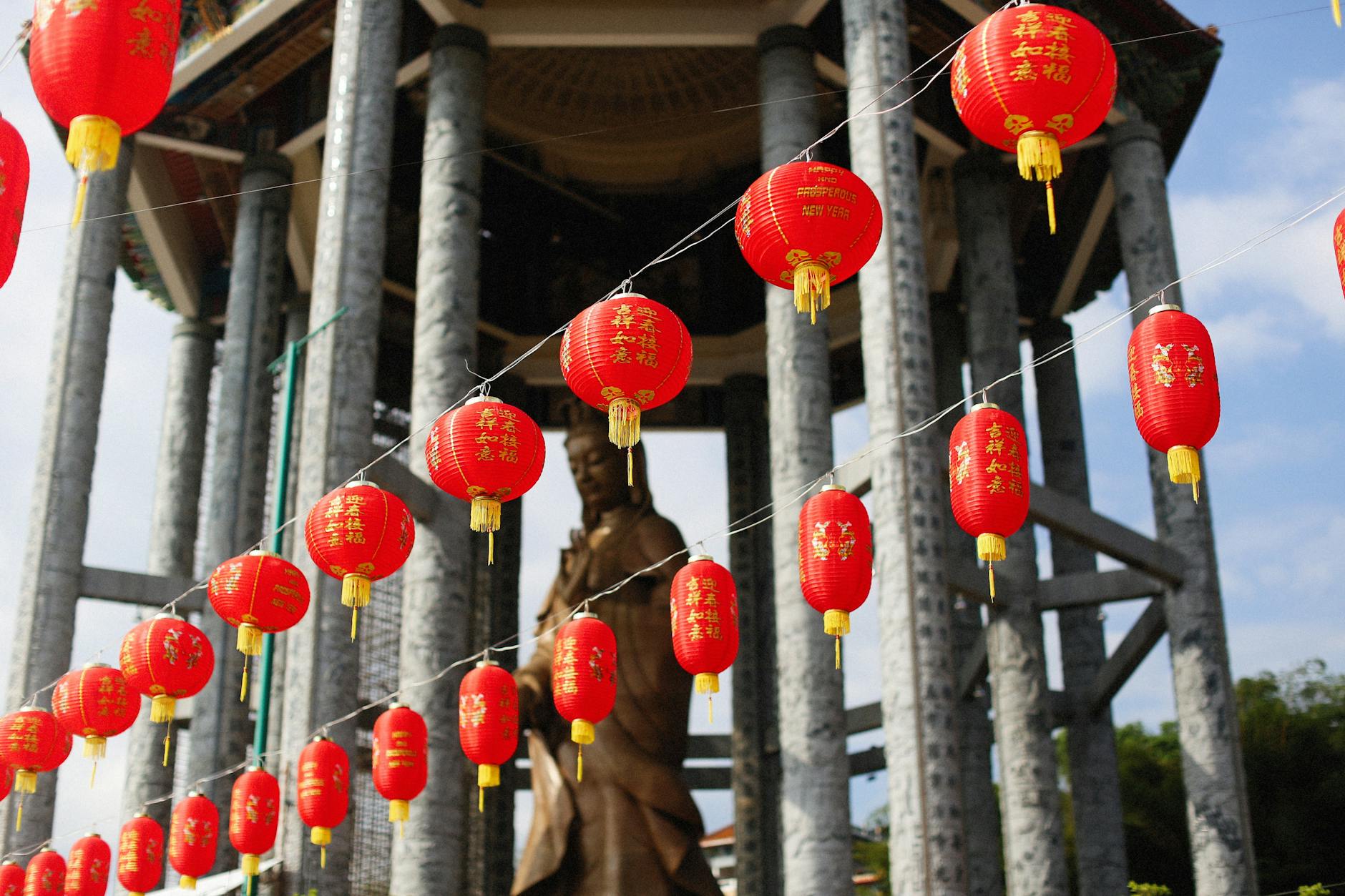
Treat temples, jetties, and clan spaces carefully
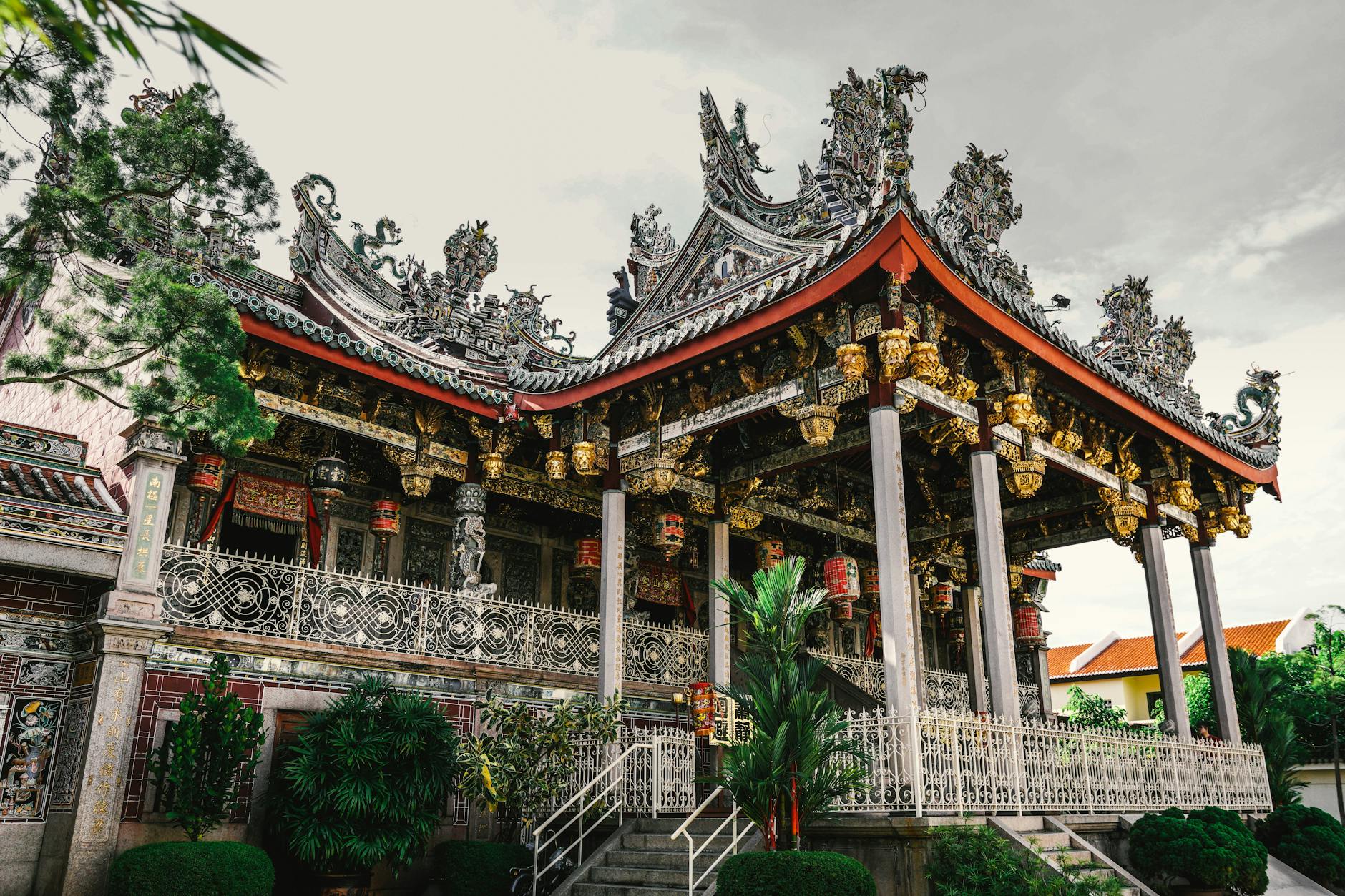
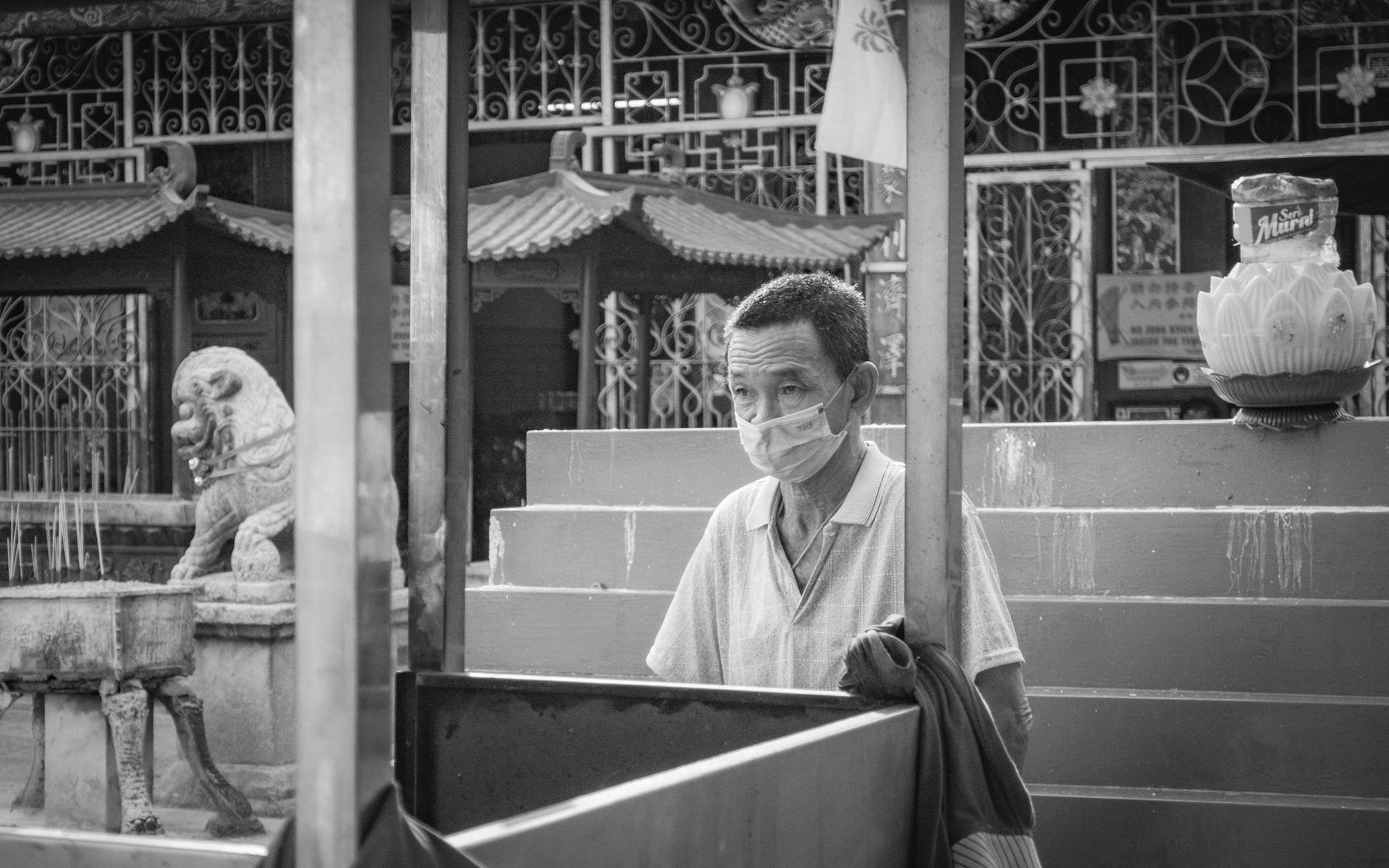
Tourists should remember that many of George Town's most interesting places are still active religious, residential, or community spaces. Temples, mosques, churches, clan houses, cemeteries, and jetties may welcome visitors, but they are not neutral sightseeing rooms.
Shoes, shoulders, quiet voices, photos, donations, prayer areas, and private-looking corners should be handled with restraint. If a place feels active or personal, the traveler should slow down and observe before moving deeper.
- Check shoes, dress, photography, donation, and prayer-space expectations.
- Treat clan jetties and residential lanes as lived places.
- Observe first when a site is active, crowded, or visibly sacred.
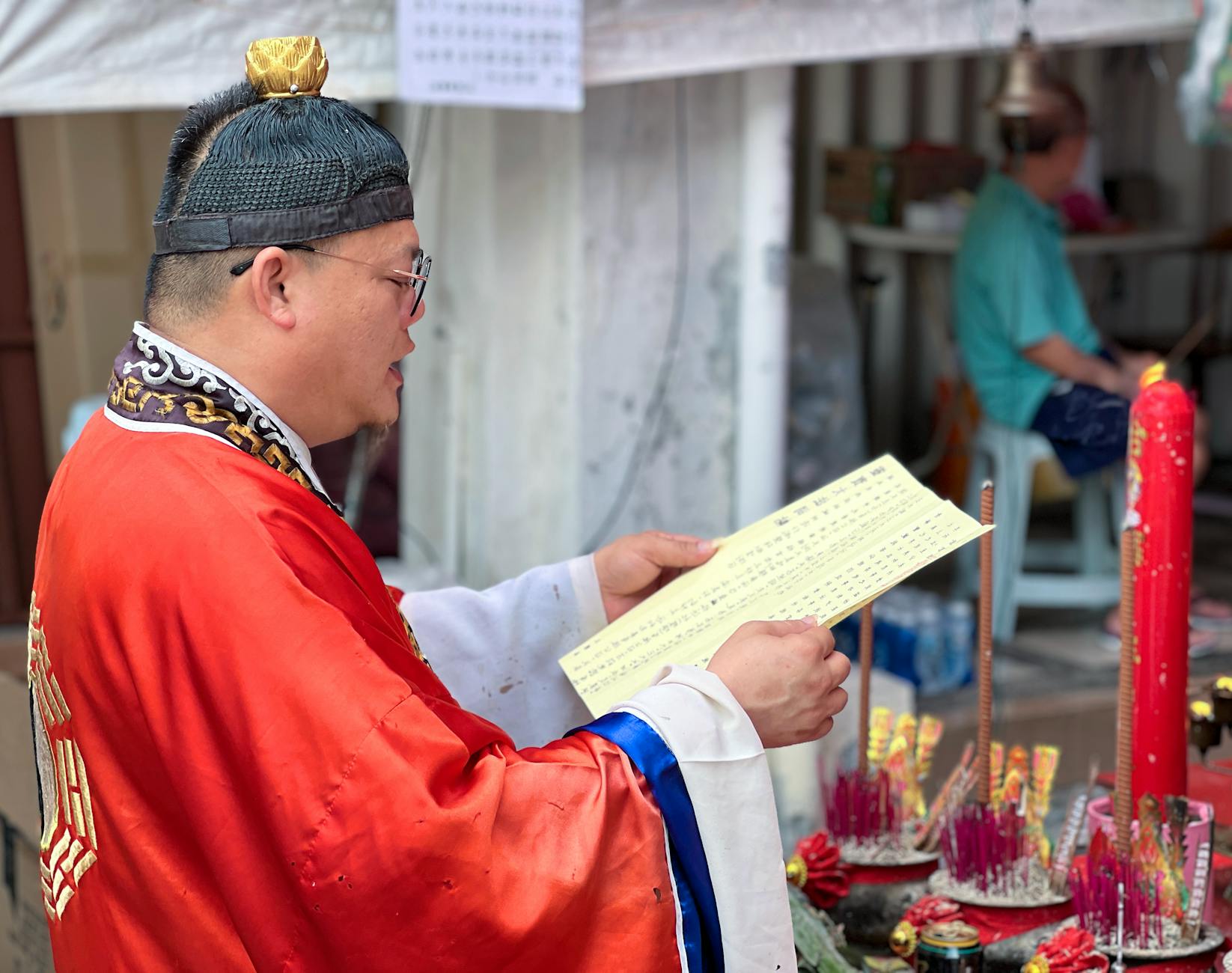
Plan around heat, rain, and short transfers
George Town's compactness can be misleading in humid weather. A route that looks easy can feel slow under sun, sudden rain, uneven sidewalks, or heavy traffic crossings. Tourists should use early starts, indoor pauses, water, hats, rain protection, and rides before fatigue builds.
Short ride-hailing trips can be useful, especially between the hotel, food areas, waterfront, malls, temples, and evening stops. Walking is part of the experience, but it should not be treated as a test of endurance.
- Use early starts, shade, water, rain protection, and indoor pauses.
- Take short rides when heat, rain, traffic, or fatigue changes the route.
- Keep walking for the streets where walking adds value.
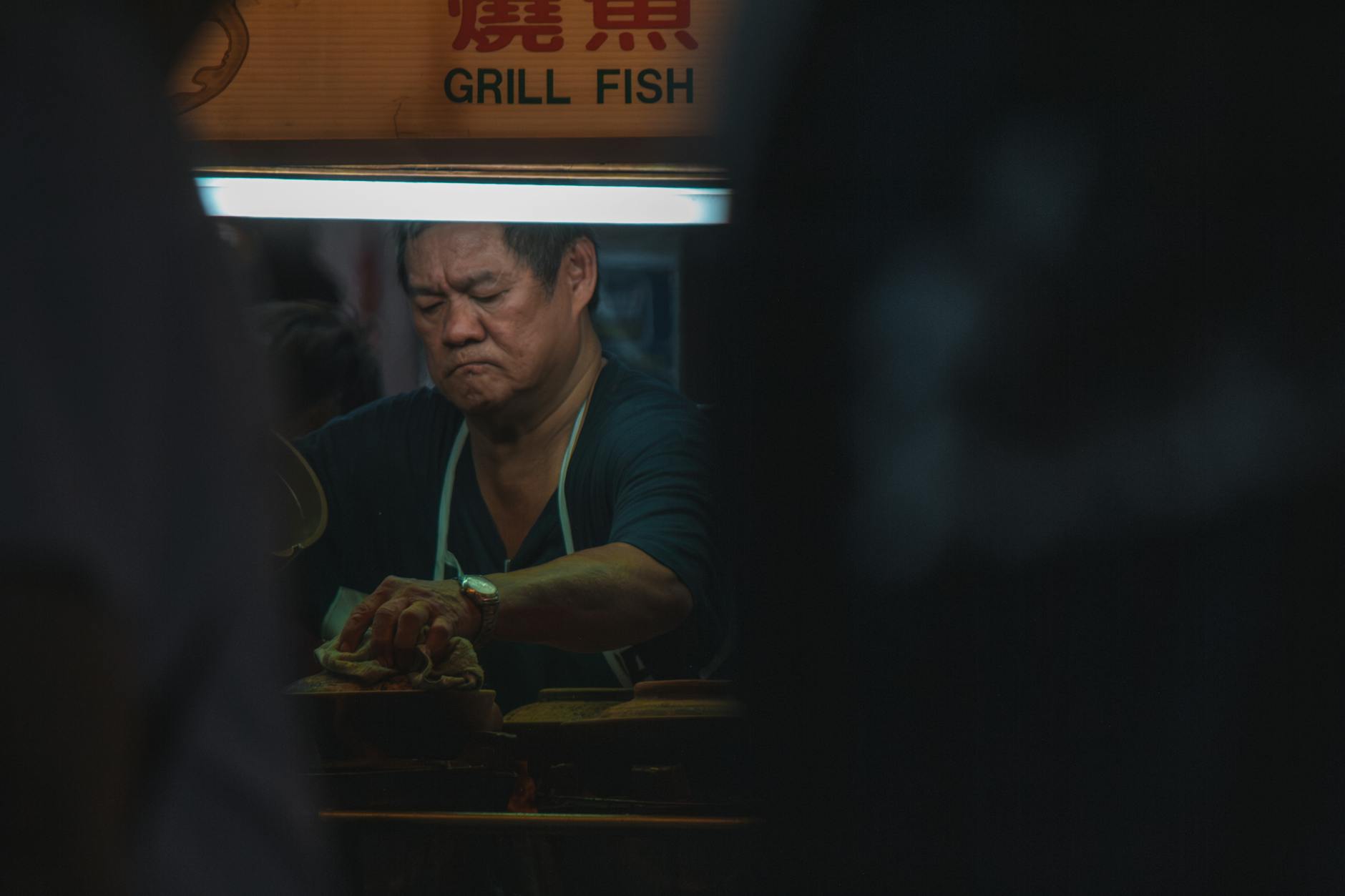
Choose side trips by time and energy
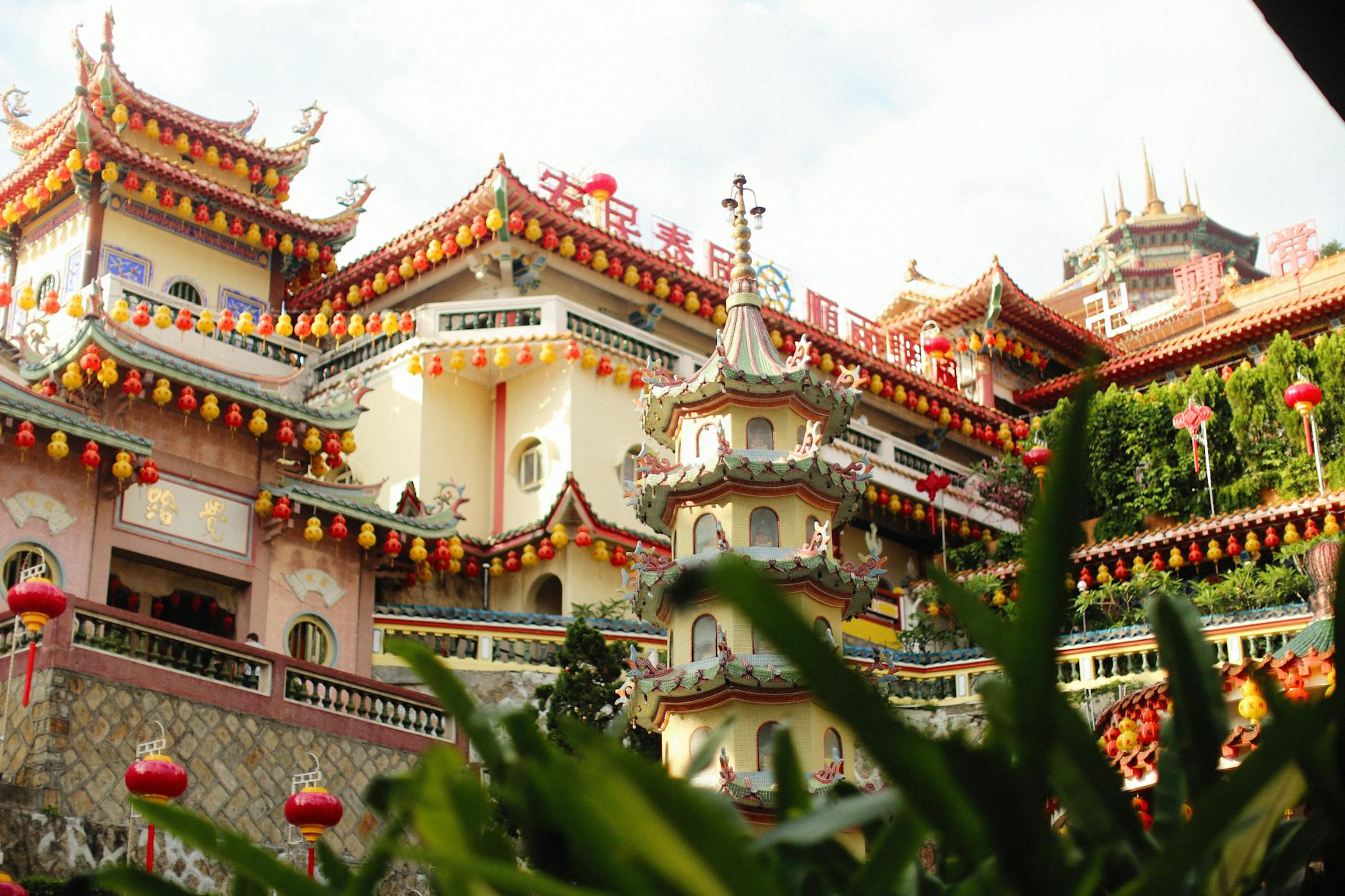
Penang Hill, Kek Lok Si, beaches, gardens, shopping, and wider island routes can strengthen a tourist stay, but they compete with the time needed to enjoy George Town itself. The traveler should check travel time, queues, weather, uphill walking, bathroom access, meal timing, and return options before adding a side trip.
One substantial side trip in a day is usually enough. Trying to combine every famous Penang stop with the old town can make the trip technically full and emotionally thin.
- Check travel time, queues, weather, walking load, bathrooms, and return options.
- Limit substantial side trips so George Town still has room to breathe.
- Cut a marginal stop before the whole day becomes a checklist.
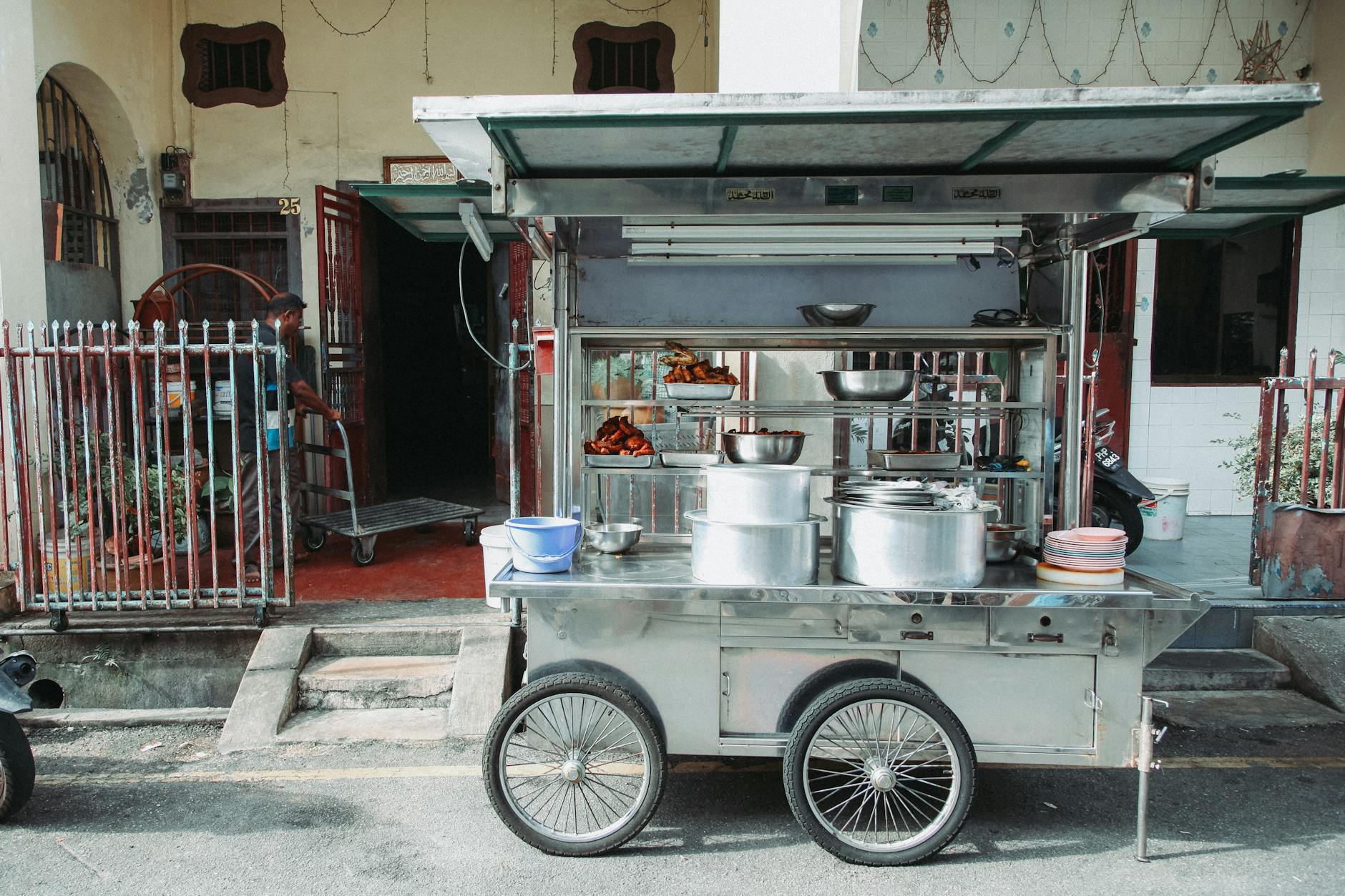
When to order a short-term travel report
A tourist with flexible dates, a central hotel, and a relaxed food-and-walking plan may not need a custom George Town report. A report becomes useful when the traveler has a very short stay, late arrival, dietary needs, mobility limits, family constraints, side trips, evening plans, or confusion about where to stay.
The report should test lodging, airport transfer, walking routes, food plans, cultural etiquette, heat and rain, transport, side trips, after-dark movement, medical access, budget, and what to cut. The value is a tourist trip that feels full because it is paced, not because every hour is packed.
- Order when timing, lodging, food, mobility, side trips, or evenings need testing.
- Provide dates, hotel options, arrival time, interests, dietary needs, mobility limits, budget, and priorities.
- Use the report to make the trip specific, paced, and practical.