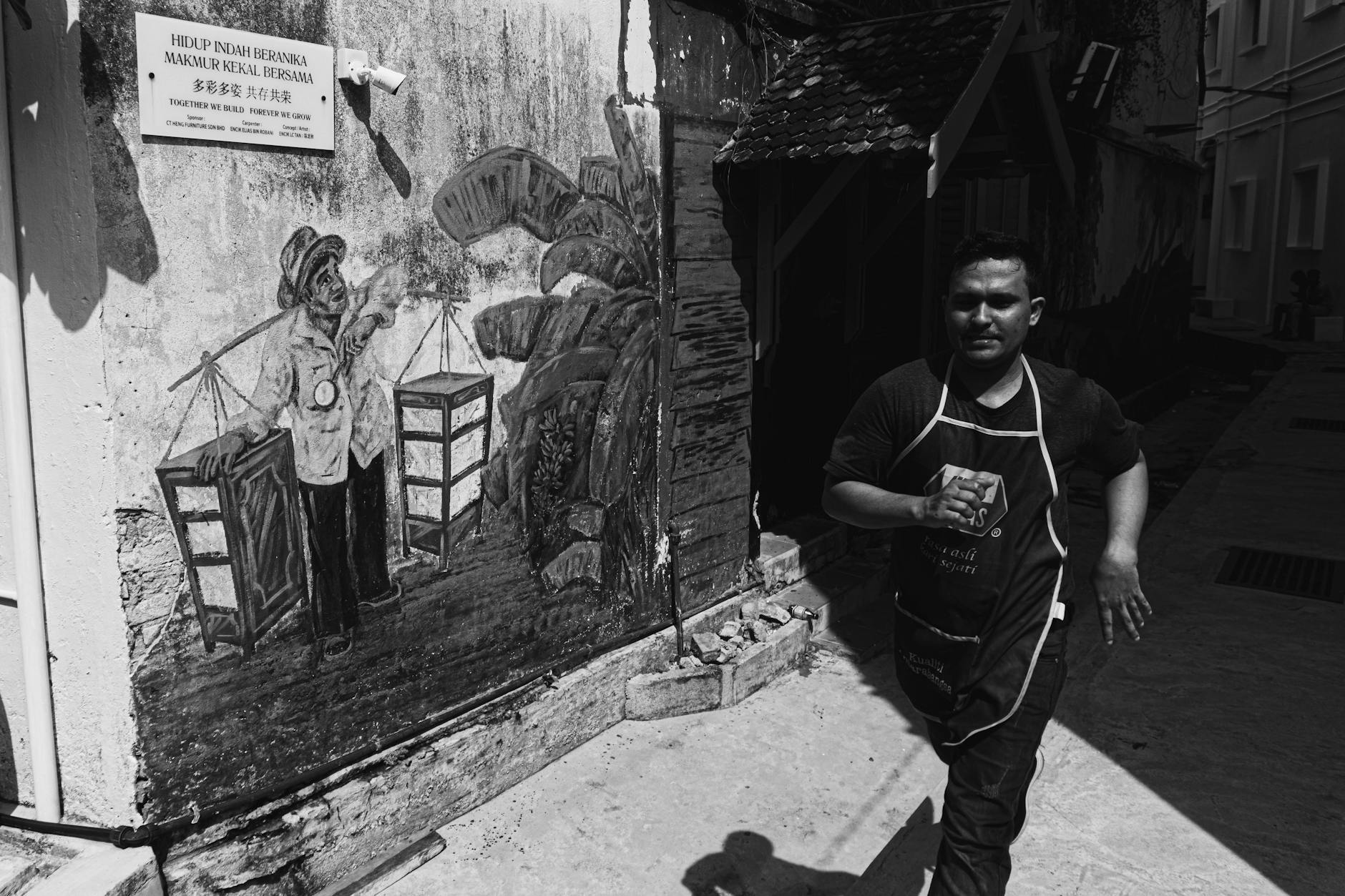
George Town can be an excellent setting for a short academic, cultural, language, fieldwork, service-learning, or university-linked program. The city gives students food, history, religion, architecture, street life, and access to wider Penang in a compact environment that can feel easier than a larger capital. That ease should not turn into casual planning. Students still need to understand housing, program geography, heat, rain, transport, food safety, cohort rules, budget, medical access, cultural etiquette, and how much independent exploration is appropriate inside a short schedule.
Let the program location define the daily plan
A student should know where the program actually meets before judging George Town as easy. Classes, fieldwork, service sites, studios, museums, university partners, and homestay or residence locations can create very different daily movement patterns.
Housing should be evaluated by the program commute, safety of returns, cooling, Wi-Fi, laundry, bathrooms, quiet study time, and access to simple food. A lively area may be fun and still weak for a student who needs to be punctual every morning.
- Map classes, fieldwork, service sites, residence, and required meeting points.
- Choose housing by commute, return comfort, cooling, Wi-Fi, laundry, and quiet study time.
- Do not judge convenience by old-town map distance alone.
Budget for the costs that students underestimate
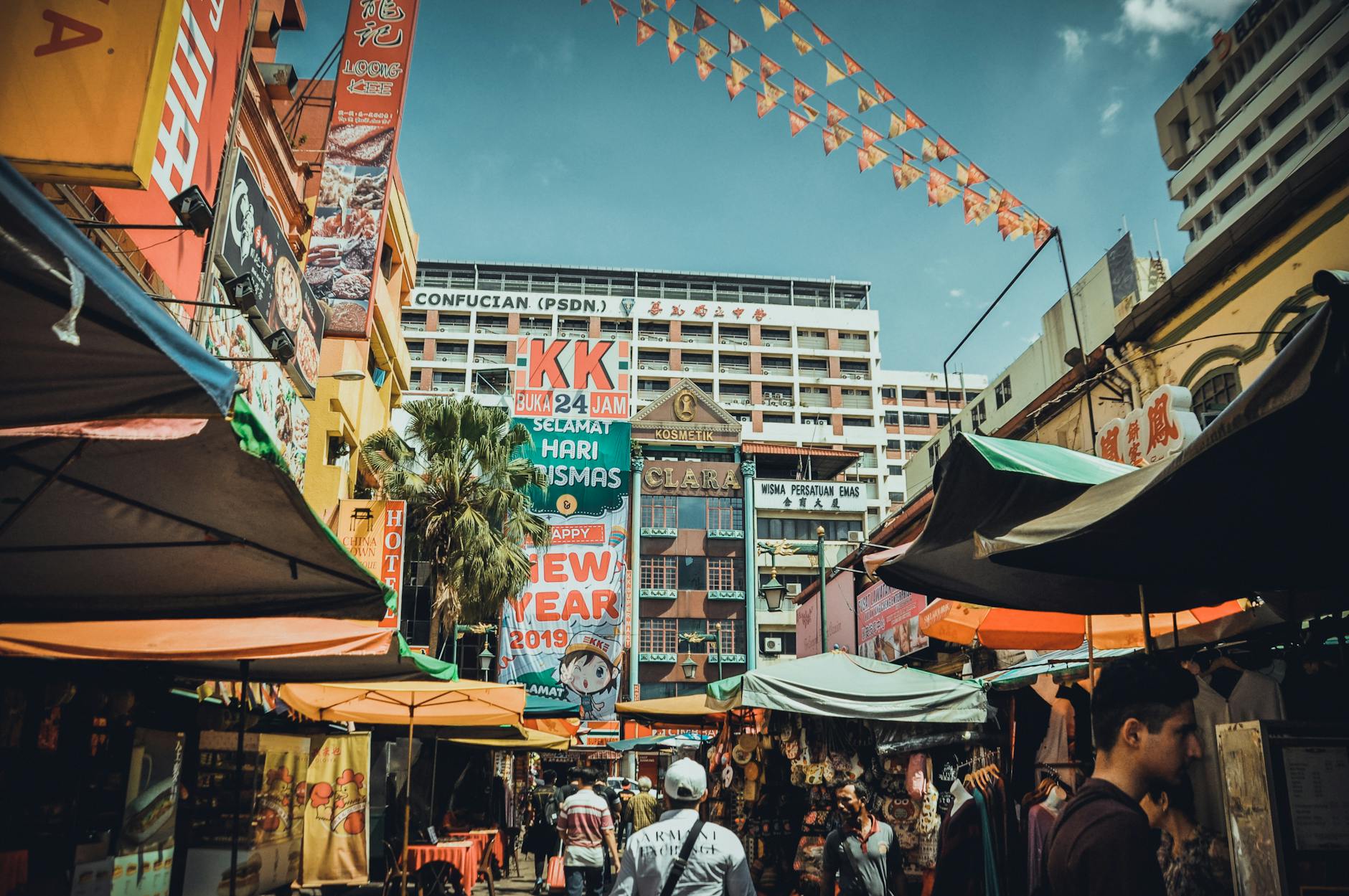
George Town can be affordable, but students still need a budget for airport transfer, local transport, meals beyond the program plan, laundry, water, data, medication, rain gear, museum or site fees, group meals, and a few safer ride-hailing returns. The problem is rarely one large cost. It is the steady accumulation of small ones.
Students should separate must-pay costs from optional food and nightlife spending. A short program can become stressful quickly if the budget assumes every day will be cheaper than it actually is.
- Budget for airport transfer, local rides, laundry, water, data, medicine, rain gear, and site fees.
- Separate required program costs from optional food and nightlife spending.
- Keep a small reserve for safer late returns or medical needs.
Take heat, rain, and schedule fatigue seriously
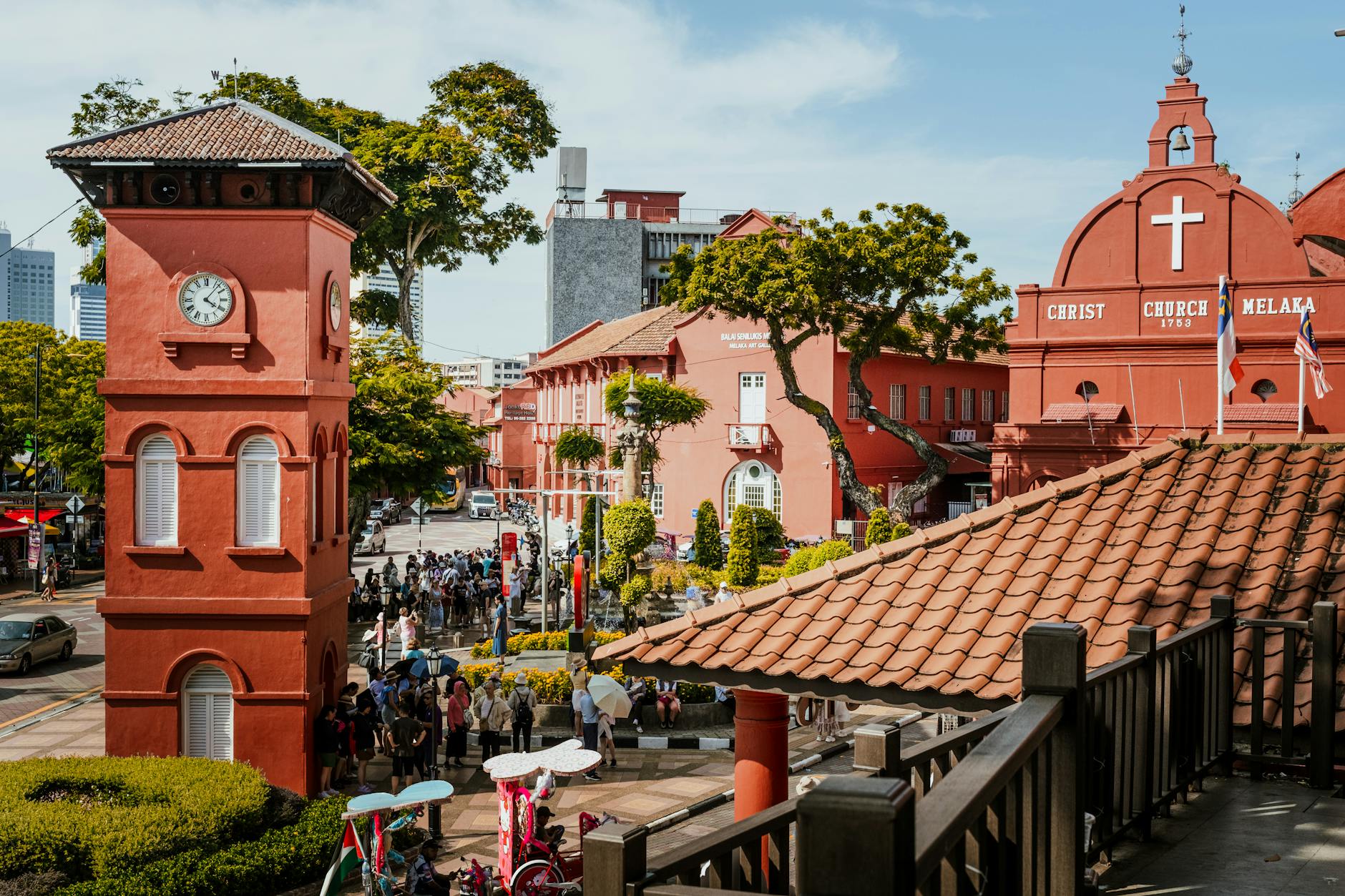
Students may assume they can push through heat and humidity, especially when the program is short. That is a mistake. Rain, sun, walking, cold classrooms, late group meals, and early starts can make a short stay tiring fast.
The student should plan water, sun protection, quick-dry clothing, practical shoes, indoor breaks, and realistic sleep. Missing the first part of a program day because the previous evening ran too long is avoidable.
- Plan for heat, humidity, rain, cold classrooms, walking, and early starts.
- Pack practical shoes, rain protection, quick-dry clothing, and water capacity.
- Protect sleep so the academic purpose of the trip survives the schedule.

Use food curiosity with health and cohort rules
Food is one of George Town's best learning experiences, but students should approach hawker centers, cafes, group meals, and night food routes with some structure. Spice, shellfish, peanuts, stomach tolerance, hydration, alcohol, and program rules matter.
Students should know whether they are allowed to eat independently, how late they can return, and what to do if they feel unwell. The goal is not to avoid local food. It is to keep food exploration from disrupting the program.
- Plan around spice, shellfish, peanuts, hydration, alcohol, and stomach tolerance.
- Follow program rules for independent meals and return times.
- Know what to do if food or heat makes a student unwell.
Respect religious, residential, and fieldwork spaces
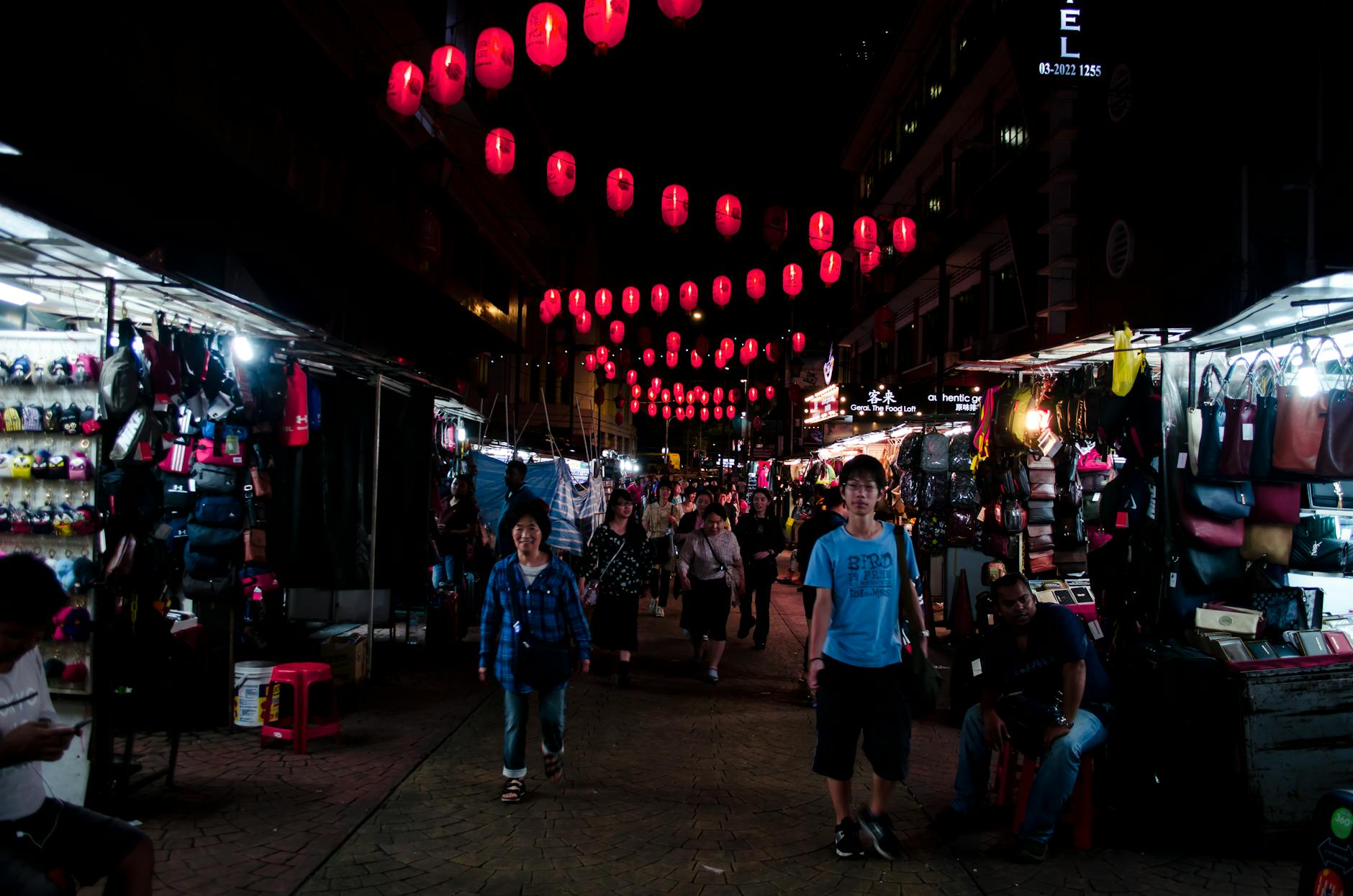
Students may visit temples, mosques, churches, clan houses, jetties, markets, museums, homes, or community organizations as part of a program. These are not only learning sites. Many are active religious, residential, or working spaces.
Dress, shoes, photography, recordings, consent, donations, interview behavior, and social media posting should be clarified before arrival. Program learning depends on trust, and careless student behavior can damage that trust quickly.
- Clarify dress, shoes, photos, recordings, consent, donations, and posting rules.
- Treat temples, jetties, homes, markets, and community sites as active spaces.
- Do not let coursework or content capture override local respect.

Set cohort movement and evening rules early
Short programs can become messy when students assume everyone has the same risk tolerance. The group should know meeting points, buddy rules, check-in expectations, ride-hailing rules, phone battery standards, alcohol limits, and what happens if someone wants to leave an evening activity early.
George Town has enjoyable evenings, but students should not improvise late returns after phones are low, rain starts, or the group splits. Clear rules can make independent exploration more possible, not less.
- Set meeting points, buddy rules, check-ins, ride rules, phone-battery expectations, and alcohol limits.
- Plan what happens when a student leaves early or the group splits.
- Use clear rules to make independent time safer and easier.
When to order a short-term travel report
A student joining a well-run program with housing, transport, meals, and supervision already arranged may not need a custom George Town report. A report becomes useful when the student is arriving independently, choosing housing, adding travel before or after the program, managing medical or dietary needs, doing fieldwork, or balancing program rules with free time.
The report should test program geography, housing, airport transfer, daily transport, food, budget, medical access, cultural etiquette, cohort movement, side trips, weather, connectivity, and what to cut. The value is making a short study stay workable for both learning and everyday life.
- Order when housing, independent arrival, free time, fieldwork, health needs, or side trips require testing.
- Provide dates, program location, housing options, age or supervision context, budget, medical or dietary needs, and priorities.
- Use the report to make the program stay practical, respectful, and easier to manage.