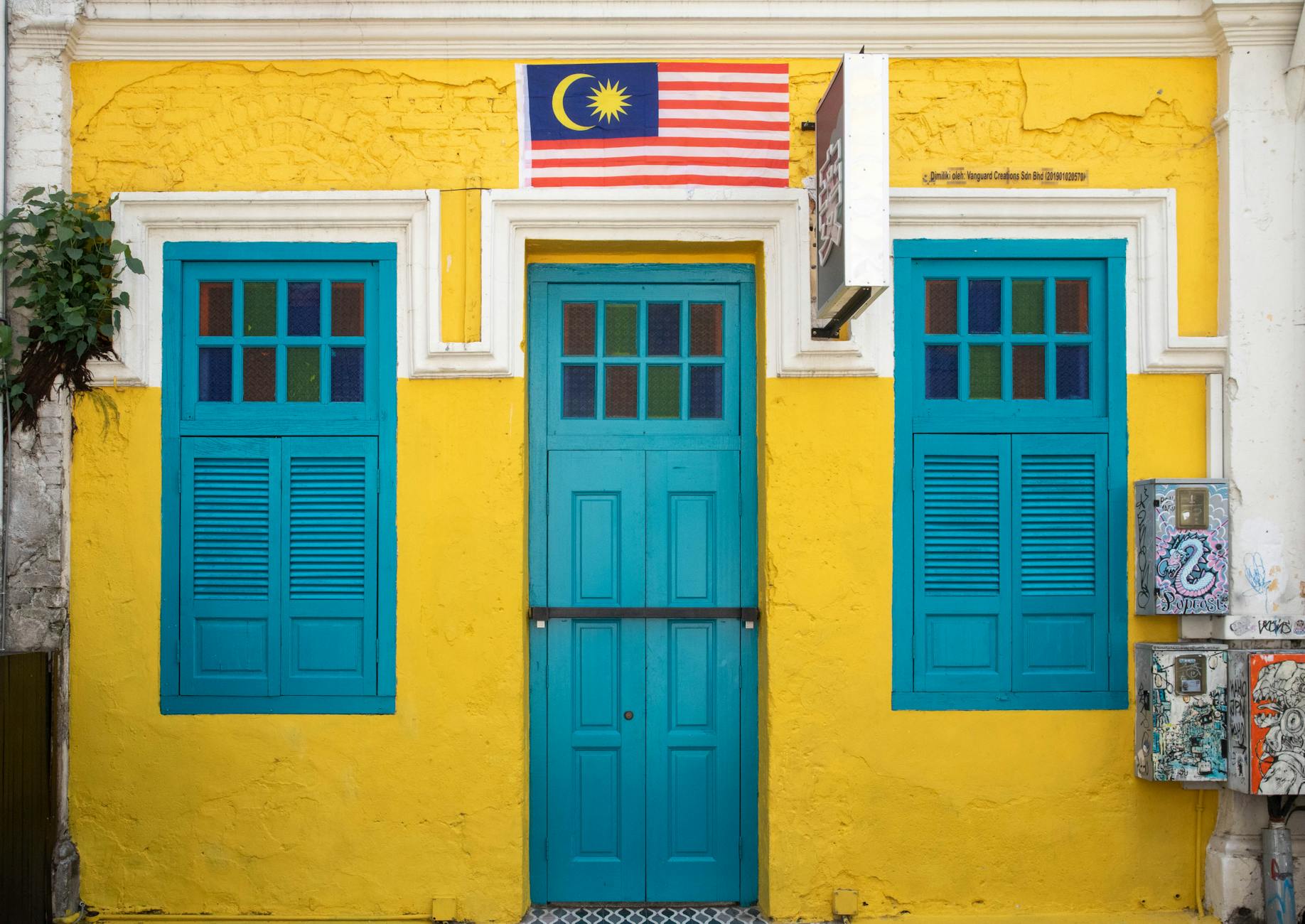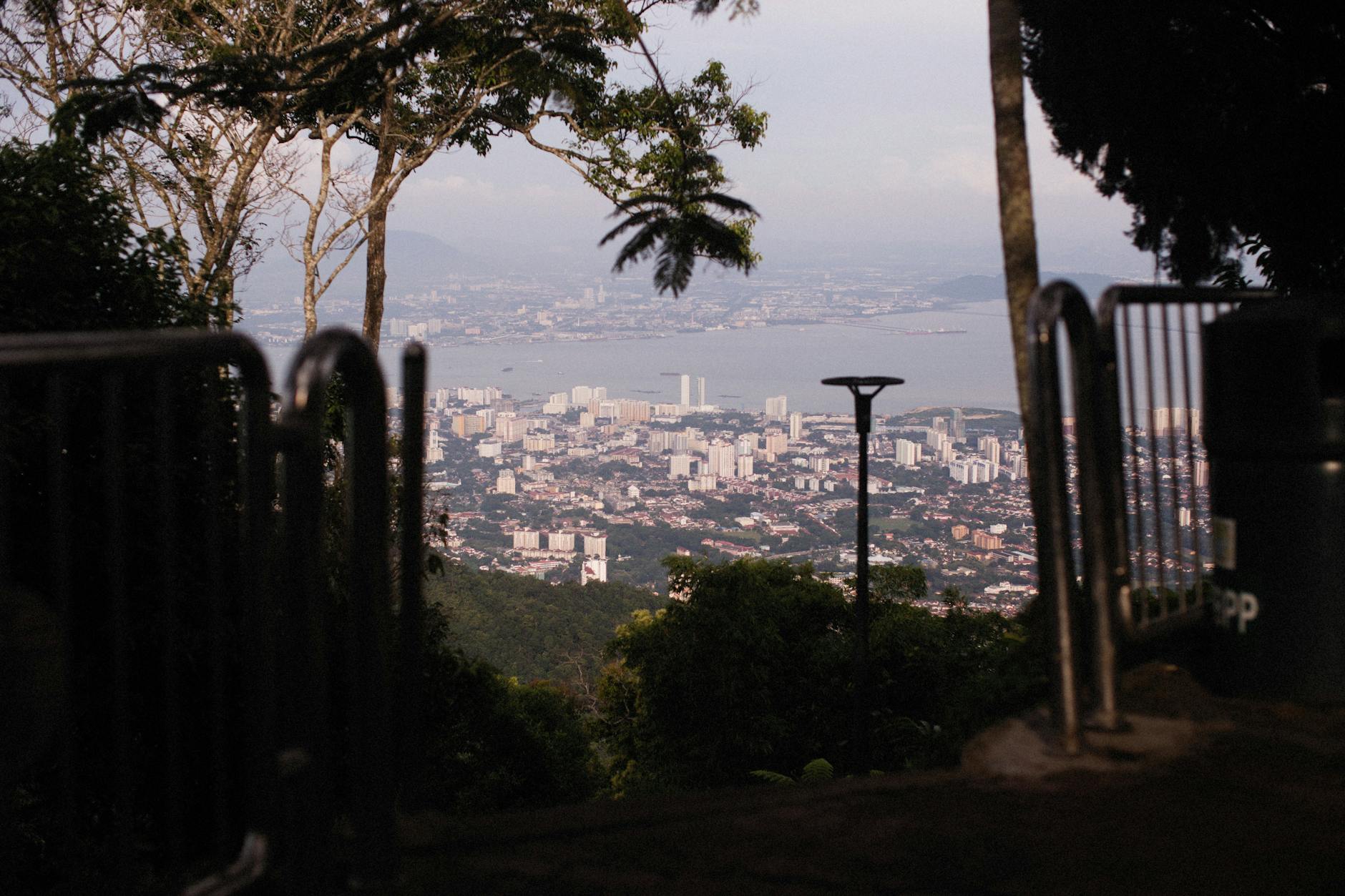
George Town can be an excellent short trip for a solo traveler because the heritage core is compact, food is easy to explore alone, and many of the best experiences are unstructured: walking, photographing architecture, visiting temples, browsing shops, and choosing a second dinner because the first one was worth extending. That same ease can make a solo traveler under-plan the practical parts. Humidity, sudden rain, uneven sidewalks, distracted phone use, late returns from food streets or bars, and side trips across Penang can all matter more when there is no companion to share decisions or notice fatigue.
Choose a base that keeps independence simple
A solo traveler should choose lodging by daily movement, not only by atmosphere. A heritage guesthouse, boutique hotel, or serviced hotel in or near the walkable core can make mornings and short rests much easier. A cheaper or prettier property that requires repeated rides may reduce the freedom that makes a solo George Town stay appealing.
The traveler should check room security, lift access, front desk hours, street lighting, late return comfort, air conditioning, and whether the immediate area still feels practical after dinner. Solo travel works best when the base reduces decision load.
- Choose lodging by walking access, return comfort, cooling, and front desk support.
- Check the immediate street at night, not only the room and lobby photos.
- Avoid saving money in a location that makes every solo movement harder.
Plan walking around heat, rain, and attention
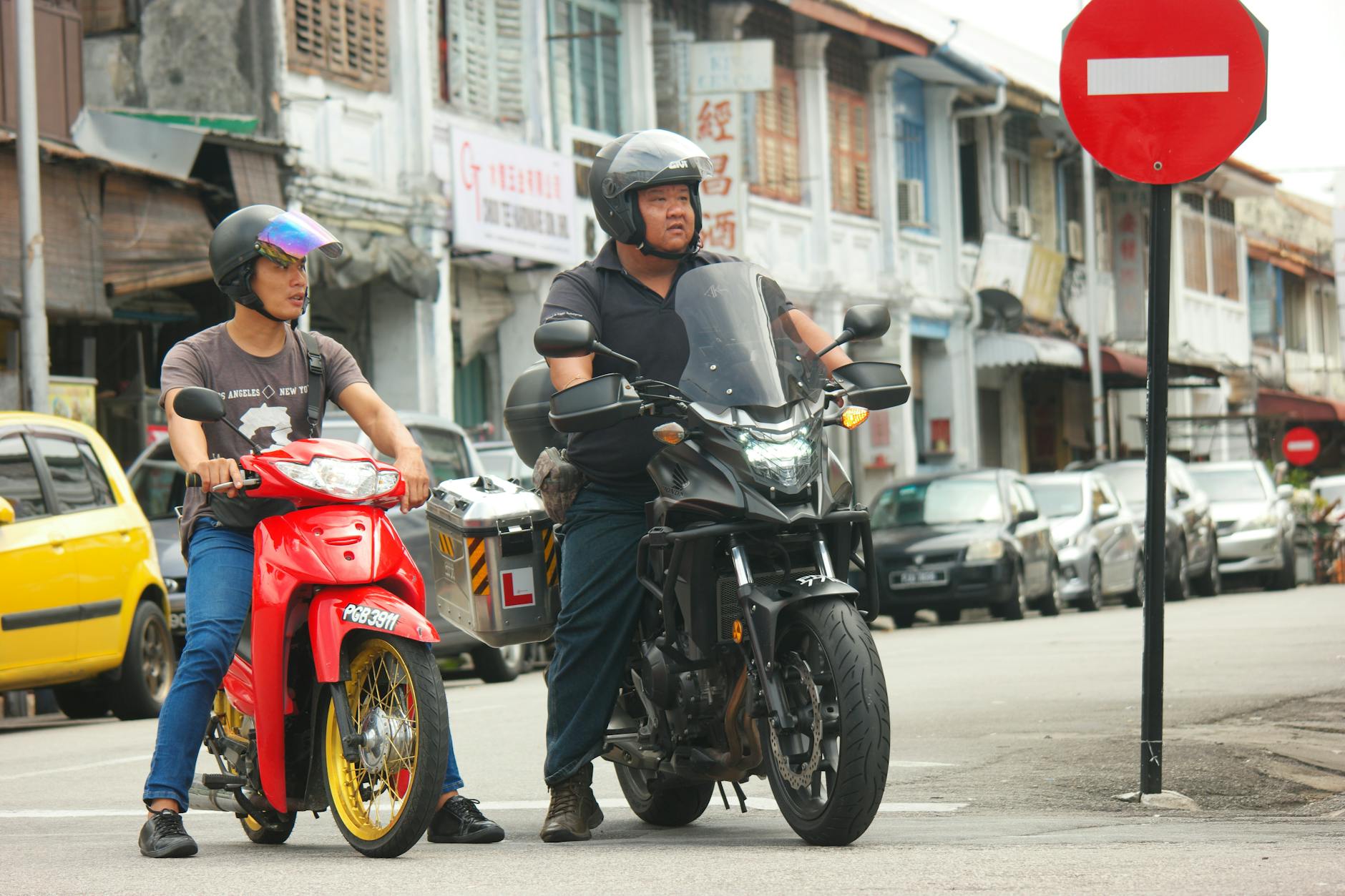
George Town invites walking, but solo walking still needs structure. The traveler should plan early starts, shade breaks, indoor pauses, water, rain protection, and shorter loops instead of assuming the map distance tells the whole story. Heat and humidity can make a small itinerary feel much larger.
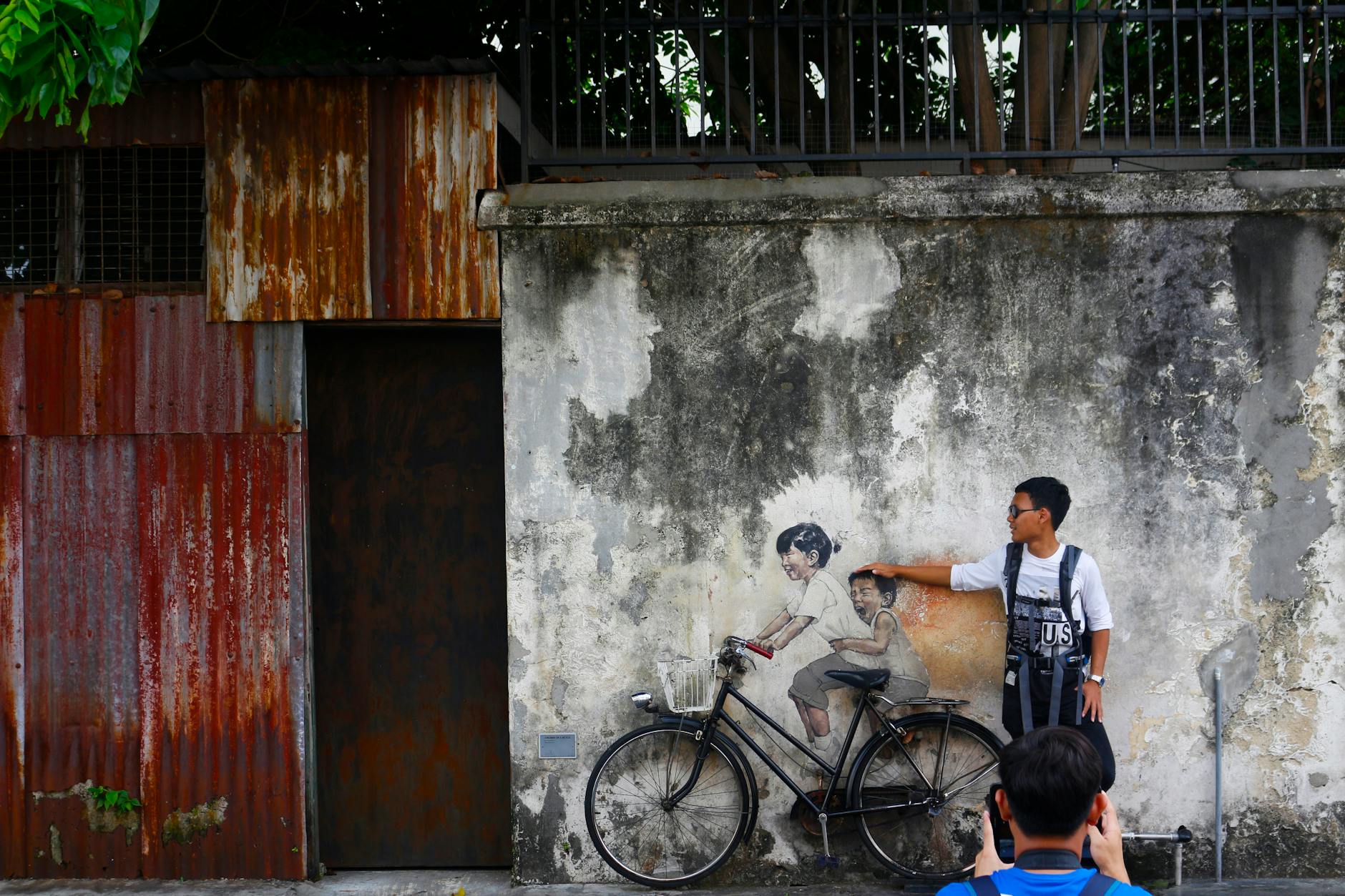
Attention matters too. It is easy to drift between murals, clan houses, cafes, and temples while looking at a phone or camera. The traveler should keep belongings controlled, avoid standing in traffic for photos, and know when to switch from walking to a ride.
- Use early starts, shade, water, indoor breaks, and shorter walking loops.
- Control phone, camera, wallet, and bag use while moving through busy streets.
- Switch to a ride when heat, rain, fatigue, or distance changes the risk.
Eat widely without losing evening control
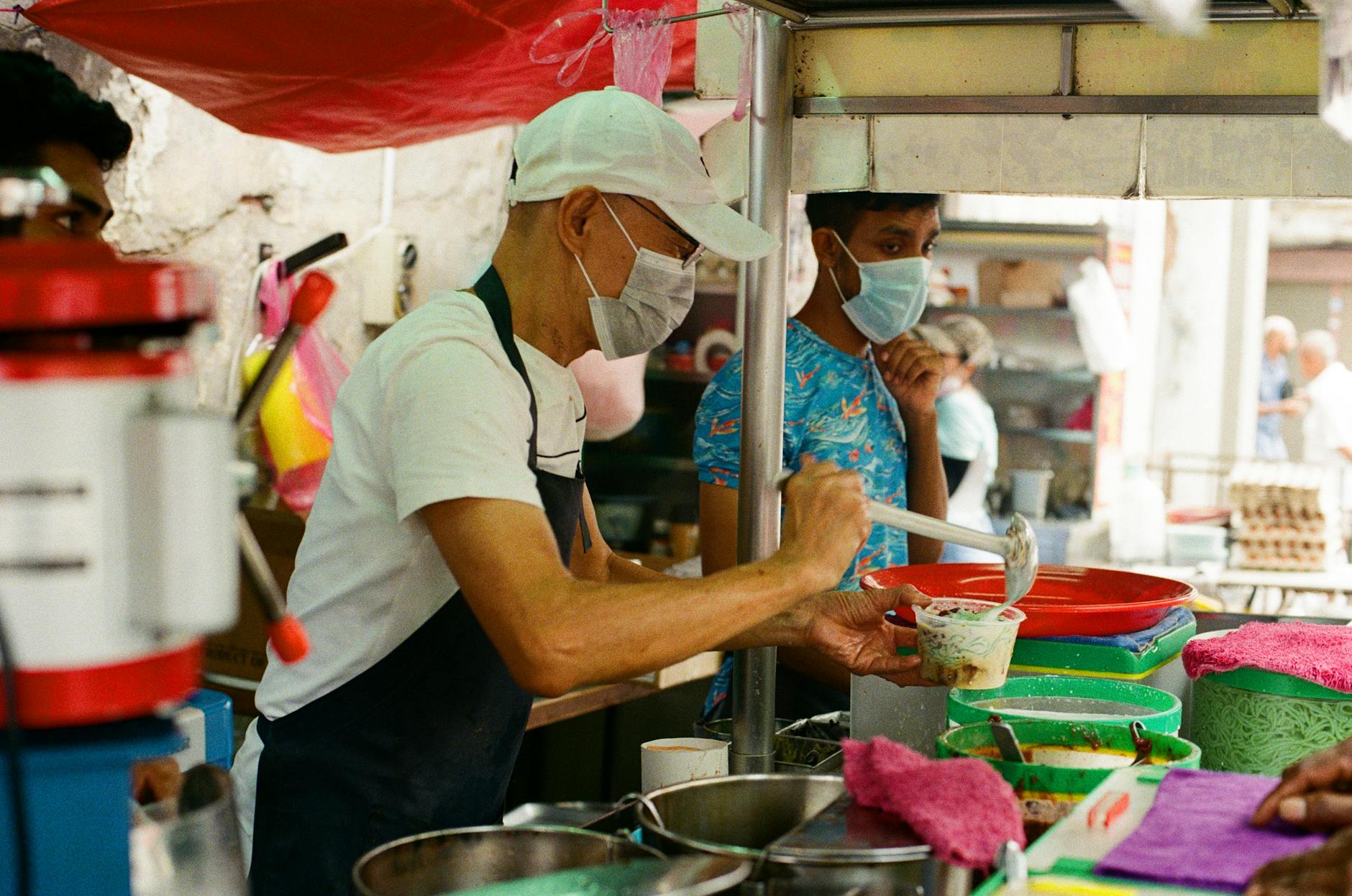
George Town is one of the easier places to eat alone, but a solo food plan should still consider timing, spice, shellfish, hygiene comfort, cash, and the return route. Hawker centers, kopitiams, cafes, hotel restaurants, and selected bars can all fit a short trip if the traveler avoids turning every meal into a late, tired search.
A solo traveler should keep the evening simple after alcohol, heavy rain, or a long food crawl. Choosing one strong food area and a clear route back is better than chasing another recommendation across town at the point when judgment is weakest.
- Plan food stops around timing, spice, shellfish, cash, and return route.
- Choose one strong evening food area rather than chasing too many stops.
- Keep late-night movement simple after alcohol, rain, or fatigue.
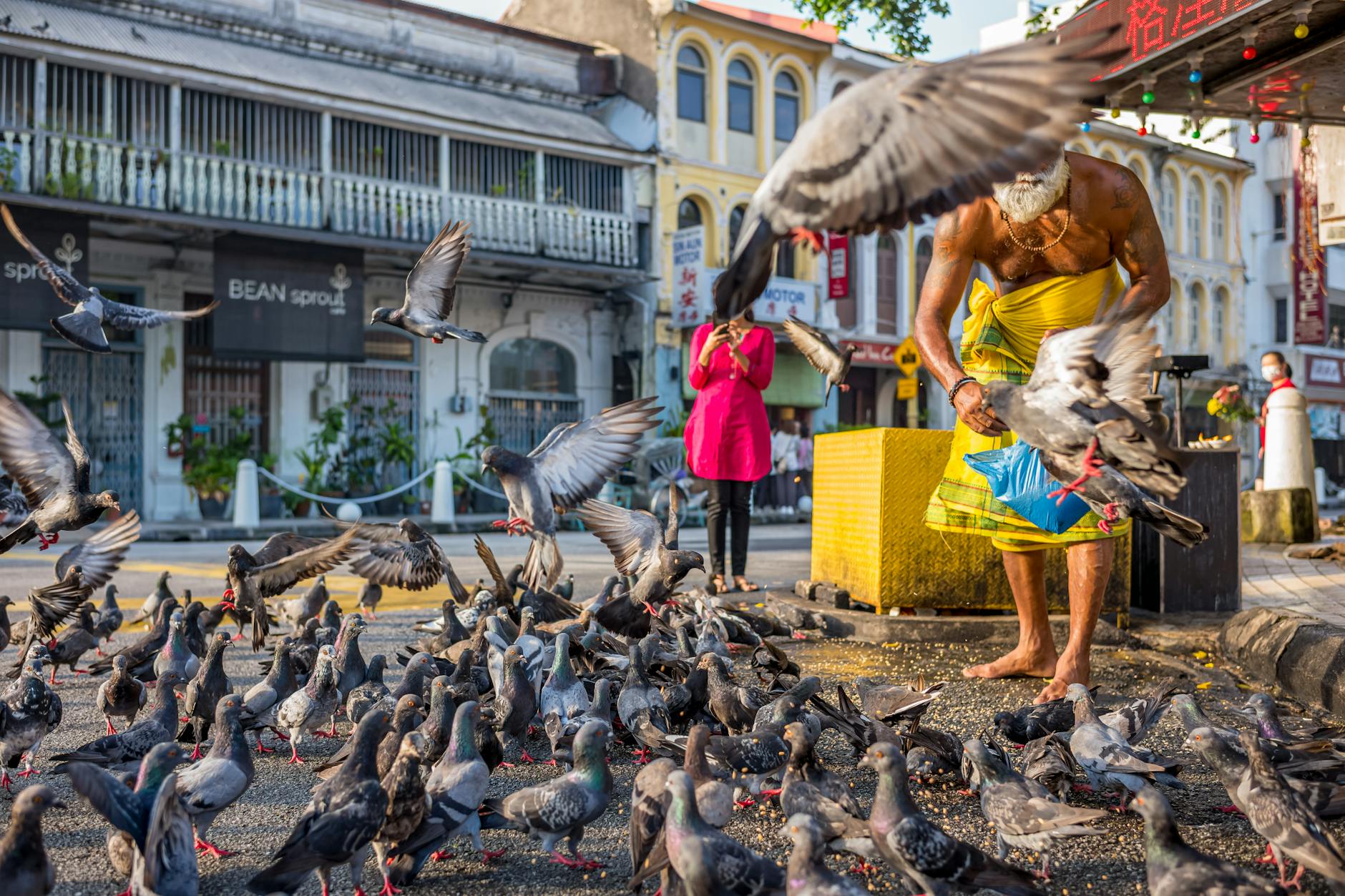
Handle cultural sites with quiet confidence
Solo travelers often have more time to linger in temples, clan houses, jetties, galleries, and historic streets. That is a strength if the traveler treats these places as living spaces. Shoes, shoulders, photos, donations, incense, prayer areas, and residential boundaries should be handled with care.
The traveler should not rely on social media behavior as permission. If a space feels private, active, or crowded with worshippers, it is better to observe first and photograph less. A solo trip can be more meaningful because it is slower, not because every moment becomes content.
- Check shoes, dress, photography, donation, and prayer-space expectations.
- Observe first in active temples, clan spaces, jetties, and residential lanes.
- Use solo time for deeper attention, not constant documentation.
Be deliberate about after-dark movement
George Town has active evening food, cafes, bars, and waterfront areas, but solo travelers should plan the return before the night starts. The relevant issue is not whether the city is broadly welcoming. It is whether the specific route, weather, footwear, phone battery, alcohol level, and transport option still support a comfortable return.
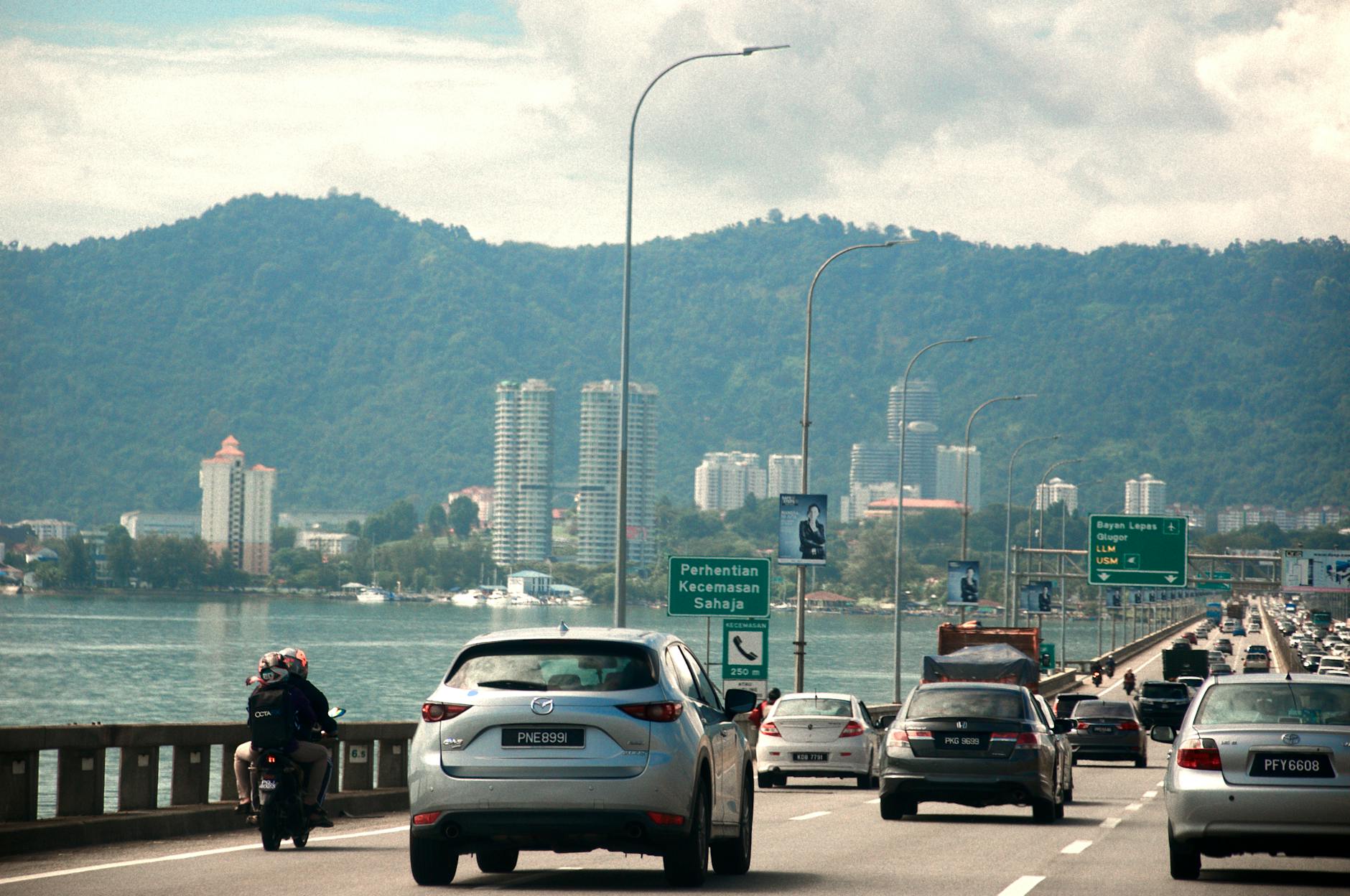
Ride-hailing can be useful, but pickup points and rain can complicate the end of the night. The traveler should keep a charged phone, hotel address, backup payment, and a conservative threshold for leaving before the evening stops being easy.
- Plan the return route before dinner, drinks, or an evening food crawl.
- Keep phone battery, hotel address, backup payment, and pickup points controlled.
- Leave before fatigue or weather turns the route into a negotiation.
Choose side trips by independence and return control
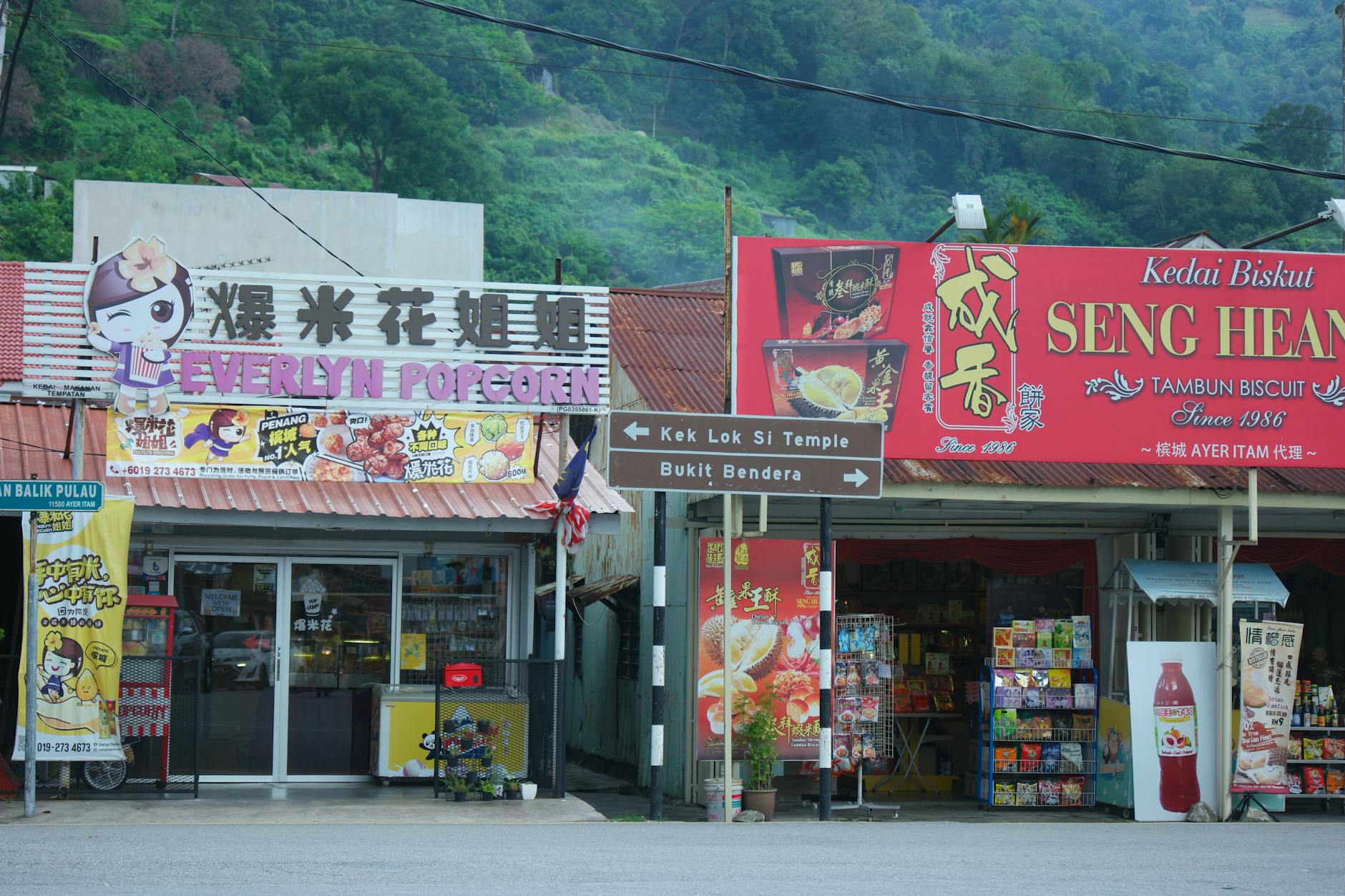
Solo travelers may want Penang Hill, Kek Lok Si, beaches, gardens, food routes, or a wider island circuit. These can work well, but each one changes the solo operating picture. Heat, queues, rain, uphill walking, bathroom access, phone signal, and return timing matter more when nobody else is sharing the logistics.
The traveler should decide whether a ride-hail, private driver, small-group tour, or simple local route fits the day. The best side trip is not the most ambitious one. It is the one that can be completed without draining the rest of the stay.
- Assess side trips by heat, queues, bathrooms, phone signal, and return timing.
- Choose ride-hailing, a driver, a small tour, or a simple route deliberately.
- Avoid using one exhausting excursion to weaken the whole short trip.
When to order a short-term travel report
A confident solo traveler with a simple hotel, flexible dates, and a relaxed food-and-walking plan may not need a custom George Town report. A report becomes useful when the traveler is arriving late, staying briefly, planning side trips, managing medical or dietary needs, working while traveling, concerned about after-dark movement, or trying to choose among several lodging areas.
The report should test lodging placement, airport arrival, walking loops, food plans, cultural etiquette, evening movement, side trips, weather, medical access, connectivity, budget, and what to cut. The value is not removing independence. The value is making the solo trip easier to run alone.
- Order when lodging, late arrival, side trips, food, health, or evening movement need testing.
- Provide dates, flight times, hotel options, interests, dietary needs, solo comfort limits, budget, and priorities.
- Use the report to protect independence while reducing avoidable friction.