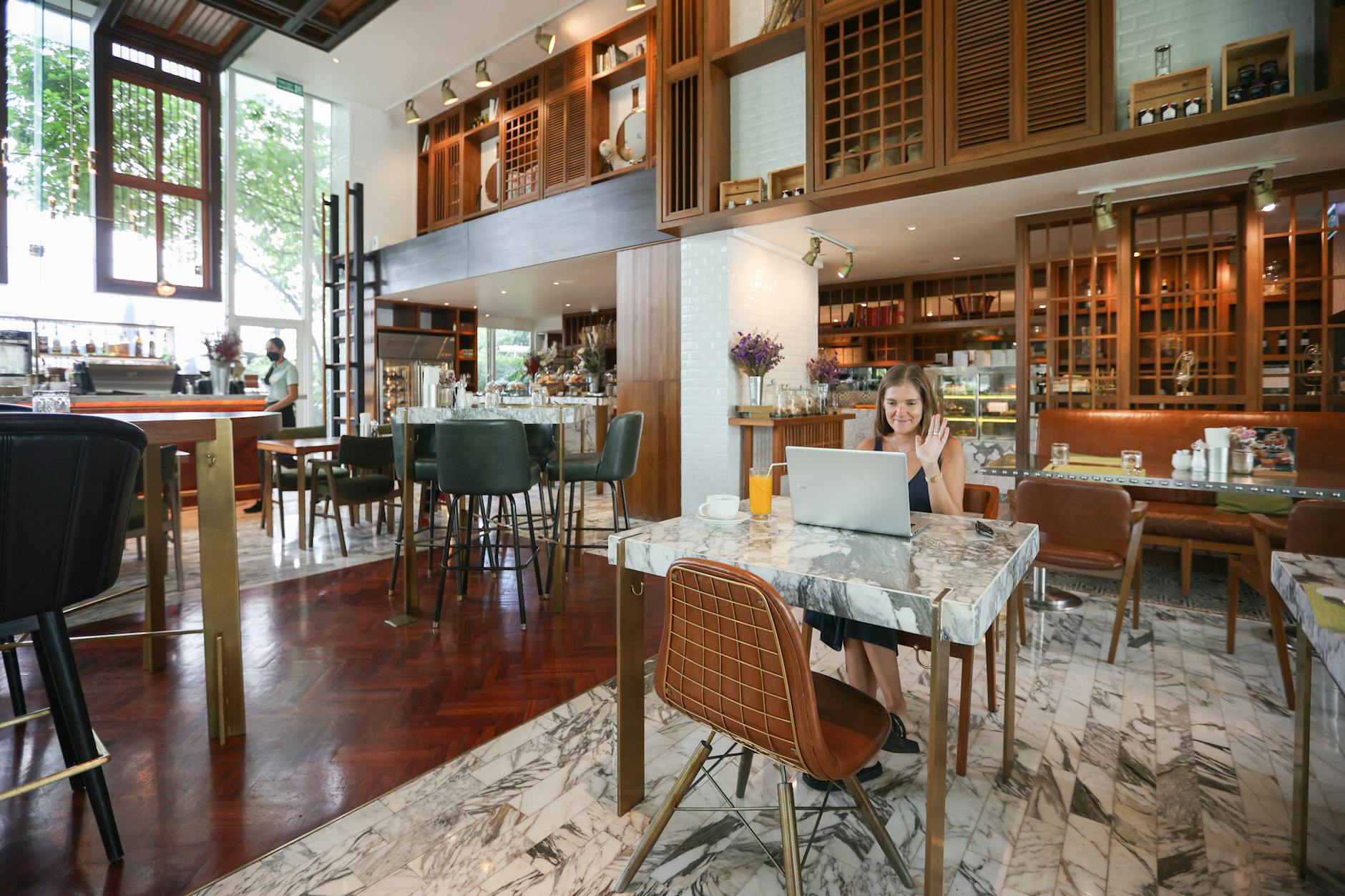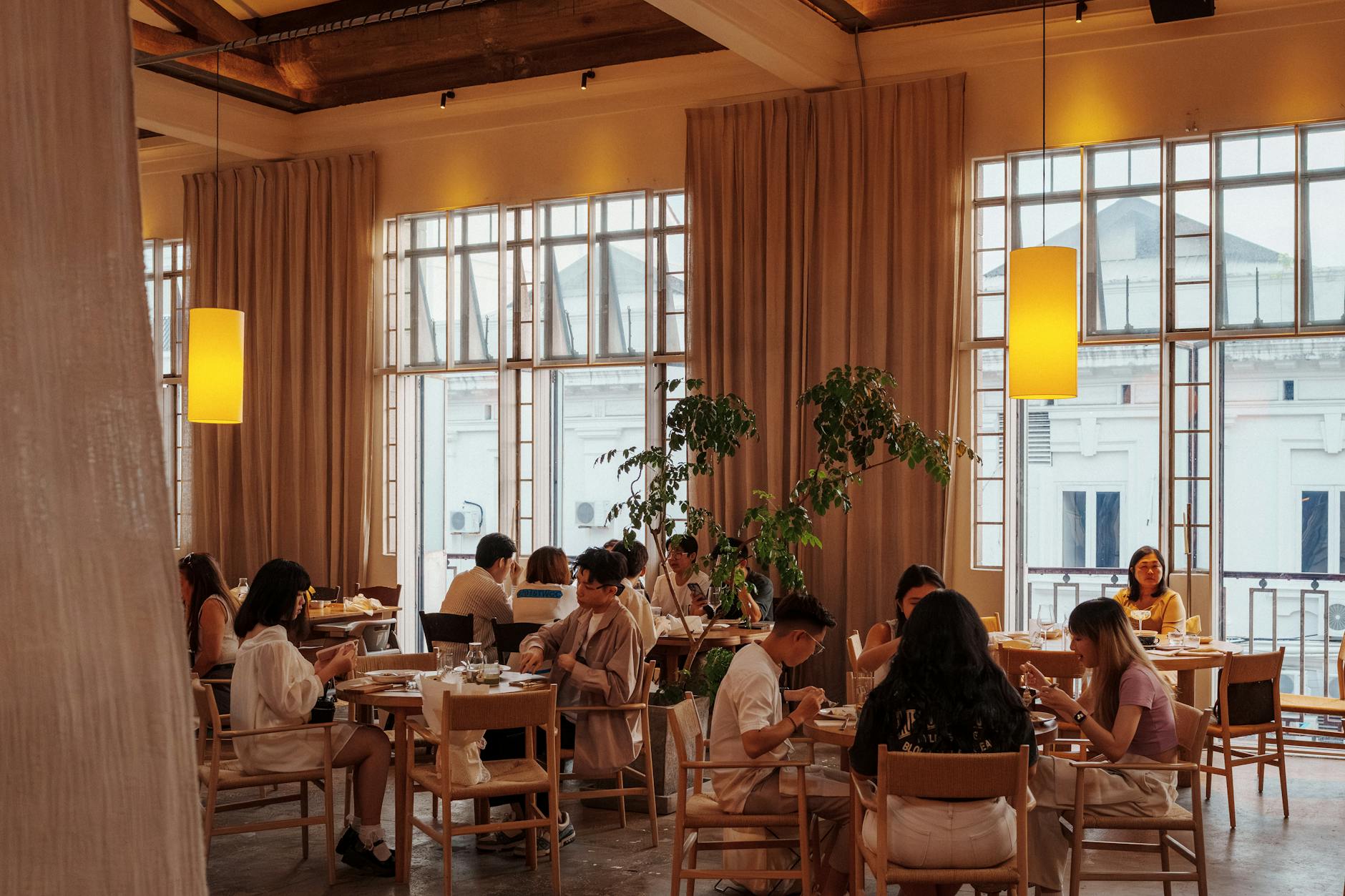
A sales trip to George Town should be planned around the client path, not around the leisure version of Penang. The city can support a focused commercial visit, but a salesperson may be carrying samples, pitch decks, demo devices, contracts, gifts, or follow-up material while also trying to manage airport timing, heat, rain, traffic, and client meals. The goal is to make the traveler easy to buy from: rested, on time, locally aware, and able to move between meetings without improvising every transfer. George Town's food and heritage can strengthen the relationship, but only when the work sequence remains protected.
Map the buyer path before choosing a hotel
A sales traveler should begin with the actual buyer geography: office addresses, hotel meeting rooms, restaurant locations, showroom visits, distributor sites, and any wider Penang appointments. A hotel that looks excellent for leisure may be inefficient if it forces repeated cross-island movement before senior client meetings.
The right base should protect punctuality, cooling, wardrobe changes, work calls, and short returns between appointments. If the traveler is selling into several sites, the hotel should reduce repeated decision-making rather than simply provide a pleasant room.
- Map office, hotel, restaurant, distributor, and wider Penang meeting locations first.
- Choose lodging that protects punctuality, cooling, calls, and wardrobe changes.
- Avoid a leisure-perfect base that weakens the sales route.
Protect arrival timing from sales pressure
Same-day selling can work, but only with realistic buffers for flight delay, luggage, transfer, check-in, food, shower, and mental reset. A rushed arrival makes the traveler look less prepared and can weaken the first impression before the pitch begins.
The traveler should pre-plan the airport transfer, keep essential materials in hand luggage, and avoid putting the most important meeting directly after arrival unless the client has explicitly built in flexibility.
- Build buffers for luggage, transfer, check-in, food, and reset time.
- Keep pitch-critical materials and one appropriate outfit in hand luggage.
- Avoid making the highest-value meeting depend on a perfect arrival.
Handle samples, demos, and follow-up material deliberately
Sales travel often involves materials that are easy to underestimate: product samples, chargers, adapters, brochures, QR codes, business cards, presentation backups, demo credentials, contracts, or gifts. These should be packed and duplicated according to the first meeting, not the whole trip in theory.
Humidity, rain, and transport friction matter. Packaging, printed material, electronics, and clothing should be protected during transfers, especially if the traveler will move between meals, hotels, and client spaces on the same day.
- Prepare samples, chargers, adapters, brochures, cards, backups, and demo access before departure.
- Protect materials from humidity, rain, heat, and repeated transfers.
- Carry first-meeting essentials separately from checked luggage.
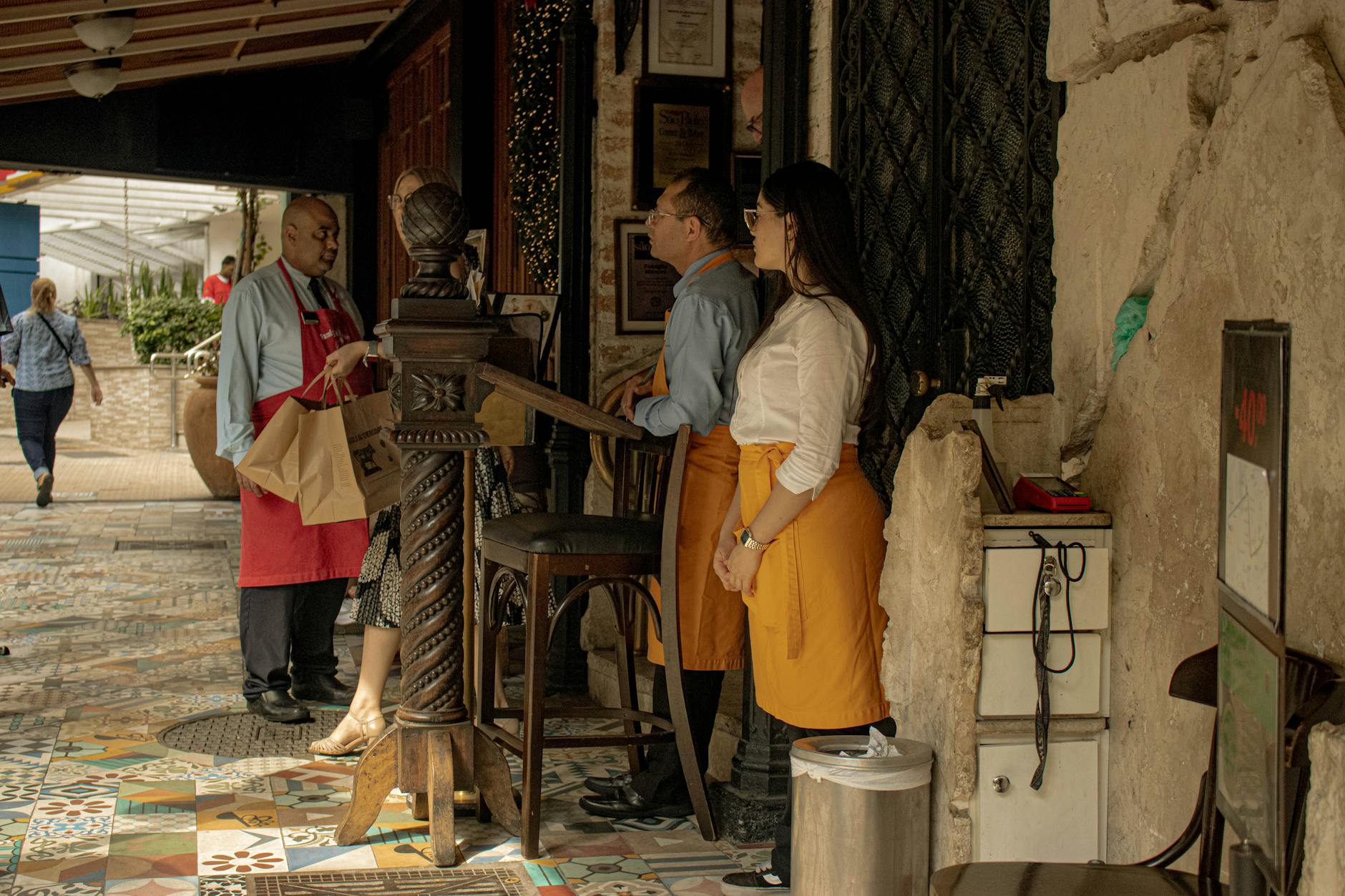
Use transport to keep momentum with buyers
A sales traveler should choose transport by buyer value, timing, weather, material load, and the need to arrive composed. Ride-hailing may be fine for light movement, while a hotel car or retained driver can be smarter for multi-site days, rain, samples, or senior client meetings.
Pickup points and buffers should be set before the meeting starts. The traveler should not be negotiating transport while a buyer is waiting, while samples are in hand, or while a dinner reservation is already under pressure.
- Choose transport by buyer value, timing, weather, and material load.
- Use stronger transport control for senior meetings or multi-site days.
- Confirm pickup points before the sales conversation begins.
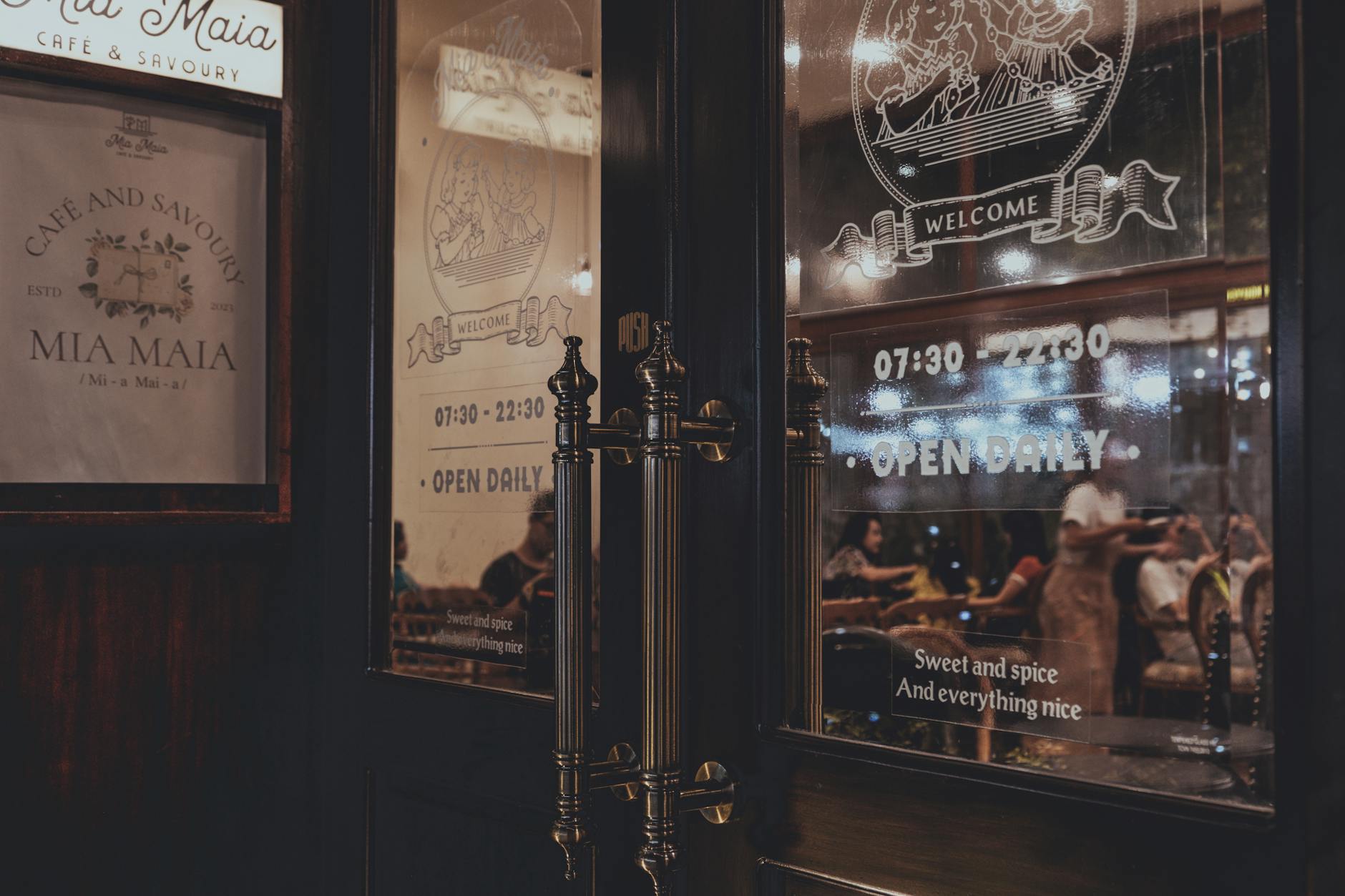
Choose meal settings by relationship stage
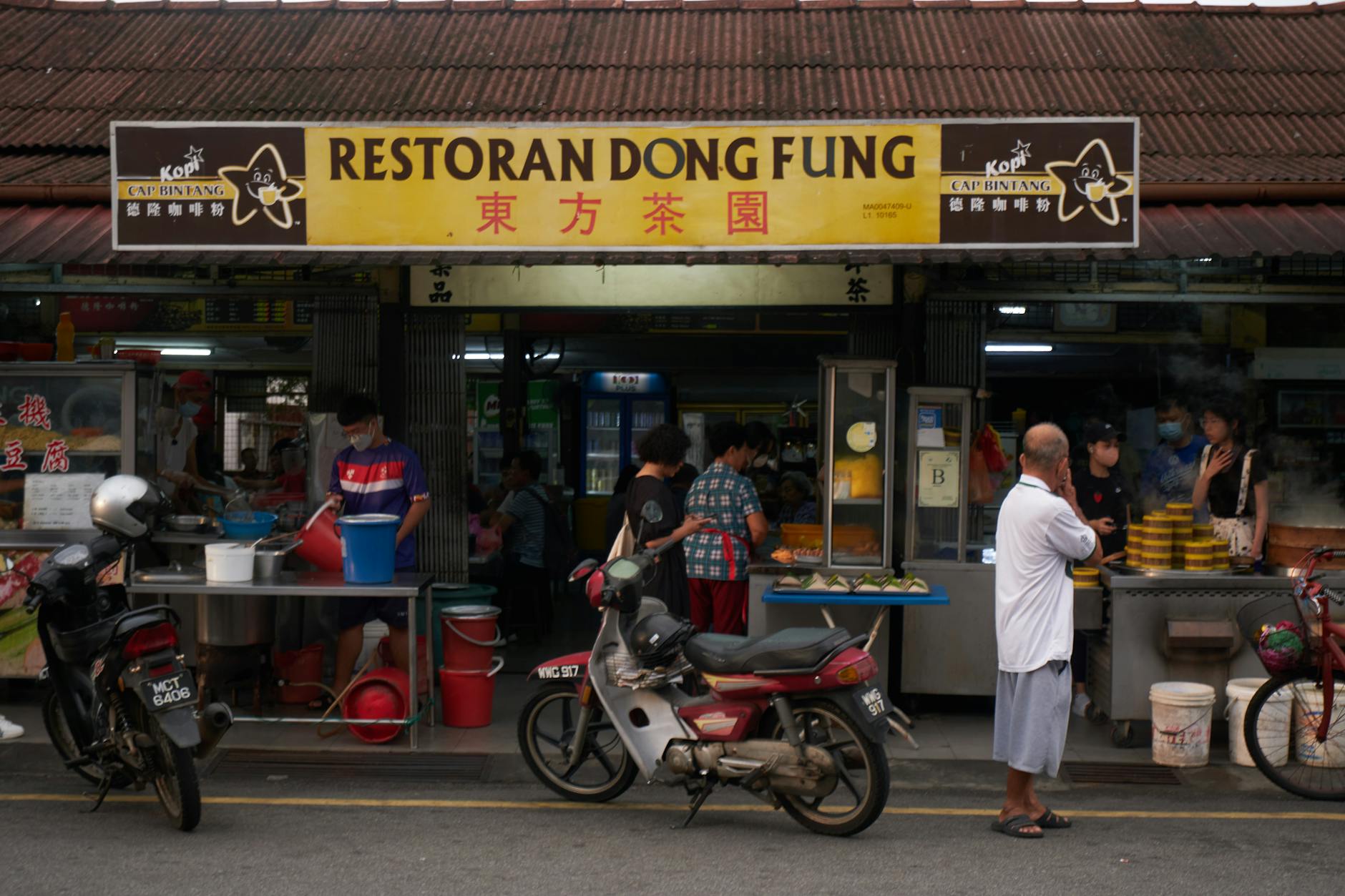
George Town's food culture can help a sales relationship, but not every buyer belongs in the same setting. A hawker meal may be excellent for a warm relationship and too noisy for a first negotiation. A hotel restaurant may feel controlled and bland for one client and appropriately private for another.
The traveler should plan meals around privacy, conversation quality, food tolerance, alcohol expectations, payment norms, and the return route. The meal should support the sale rather than become the logistical event of the day.
- Match hawker food, cafes, hotel restaurants, and private tables to the buyer relationship.
- Plan privacy, noise, spice, alcohol, payment, and return transport.
- Let food strengthen the relationship without taking over the sales agenda.
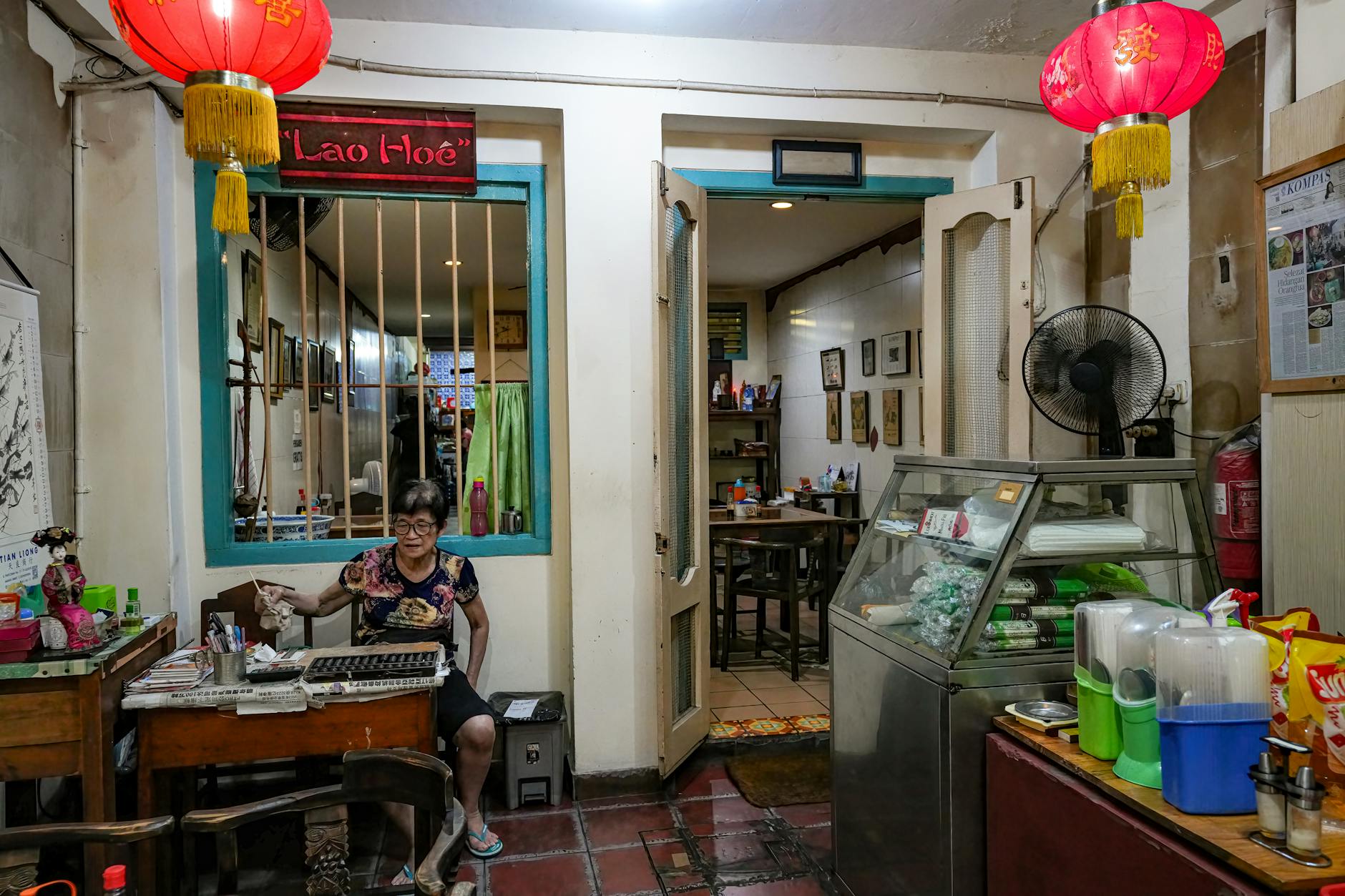
Protect follow-up time after meetings
Sales trips can lose value when the traveler fills every evening with food, drinks, and sightseeing without leaving time for notes, CRM updates, pricing questions, revised proposals, or next-step messages. George Town is appealing after work, but the commercial value usually sits in the follow-up.
The traveler should reserve a quiet hour after key meetings, ideally before memory decays or the next client changes the context. A good hotel workspace and reliable connection can be as important as the meeting itself.
- Reserve time for notes, CRM updates, proposals, pricing, and next-step messages.
- Use quiet hotel workspace after key meetings while details are fresh.
- Do not let leisure time consume the follow-up that makes the sale real.
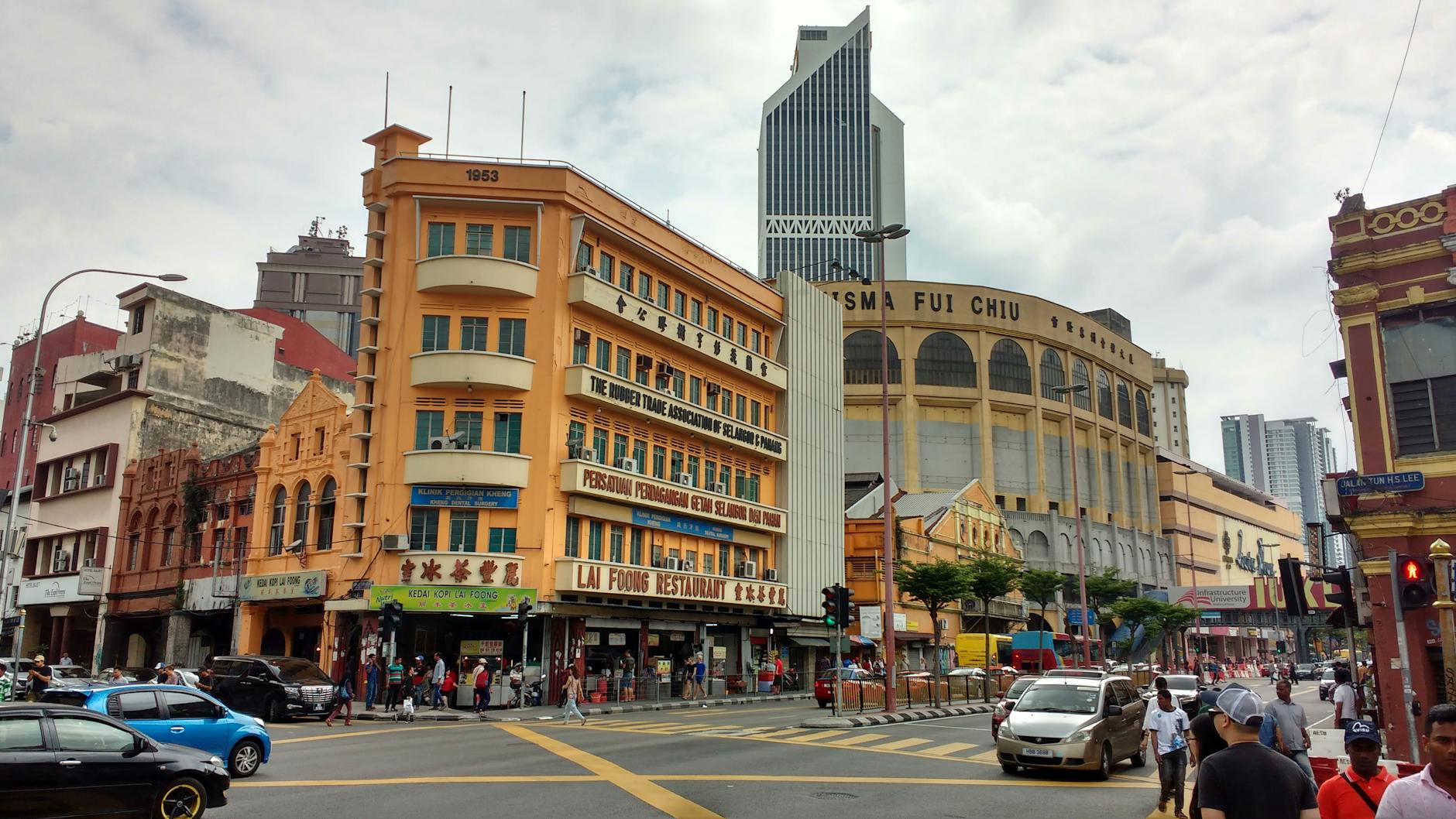
When to order a short-term travel report
A sales traveler with one casual meeting and a familiar client may not need a custom George Town report. A report becomes useful when the trip includes senior buyers, several sites, samples, same-day arrival, client meals, price-sensitive negotiations, dietary or medical constraints, or a tight departure after the final appointment.
The report should test buyer geography, lodging, airport transfer, transport buffers, meal settings, material handling, follow-up time, weather, medical access, budget, and what to cut. The value is a George Town sales trip that protects revenue opportunities instead of leaving them to travel luck.
- Order when senior buyers, samples, multi-site movement, client meals, or tight timing require testing.
- Provide dates, client addresses, hotel options, sample needs, meeting schedule, meal plans, budget, and priorities.
- Use the report to keep commercial momentum intact.