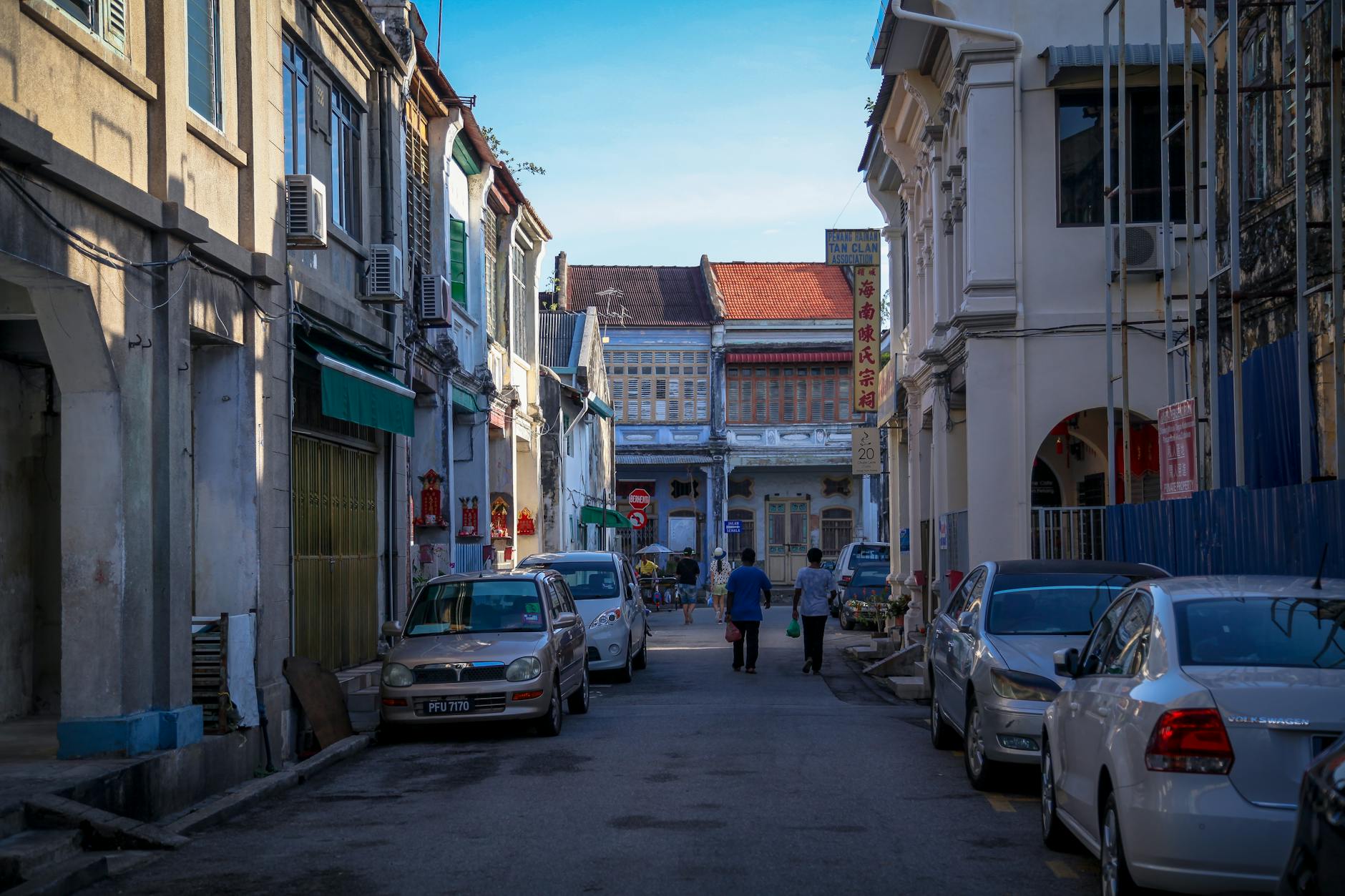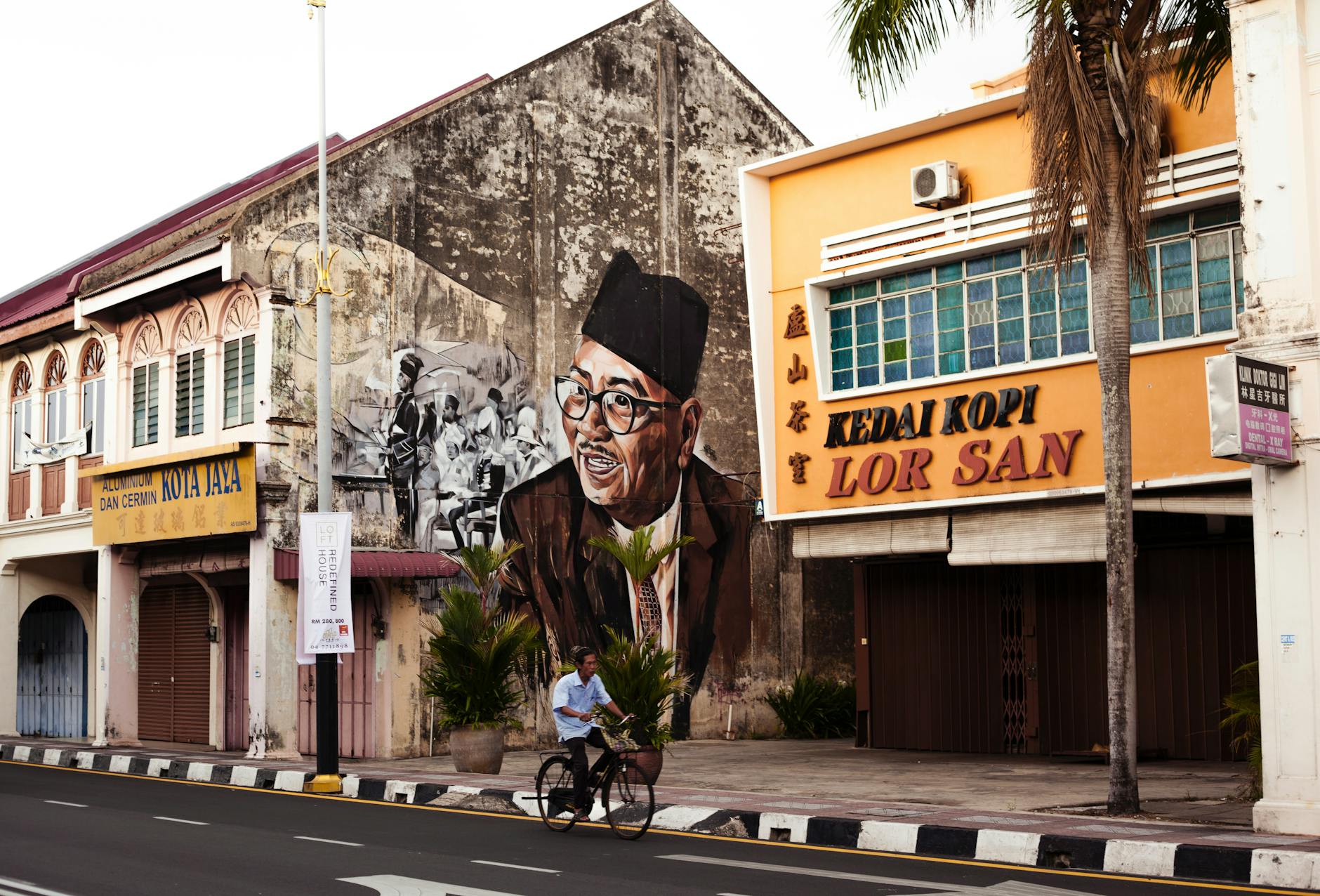
A repeat leisure visitor to George Town has a different problem from a first-time tourist. The famous murals, core food stops, clan jetties, temples, and heritage lanes may already be familiar. The second or third visit should not simply repeat the same route with less excitement. A stronger return trip uses familiarity as leverage. The traveler can choose a different base, go deeper on food, spend more time in quieter streets, add wider Penang days, revisit cultural sites with more context, and leave space for the city to feel lived in rather than consumed.
Choose whether to change the base
A repeat visitor should decide whether to stay in the same familiar area or use the return trip to see George Town differently. A heritage-core hotel keeps food and walking simple. A quieter boutique stay, waterfront base, resort-style Penang stay, or split arrangement can change the rhythm substantially.
The traveler should not move just for novelty. The base should support the new purpose of the trip: deeper food, rest, side trips, shopping, family visits, work breaks, or a slower version of the old town.
- Decide whether familiarity or a different trip rhythm matters more.
- Compare heritage-core, quieter, waterfront, resort-style, and split-stay options.
- Let the return visit's purpose control the hotel decision.
Go deeper on food instead of wider
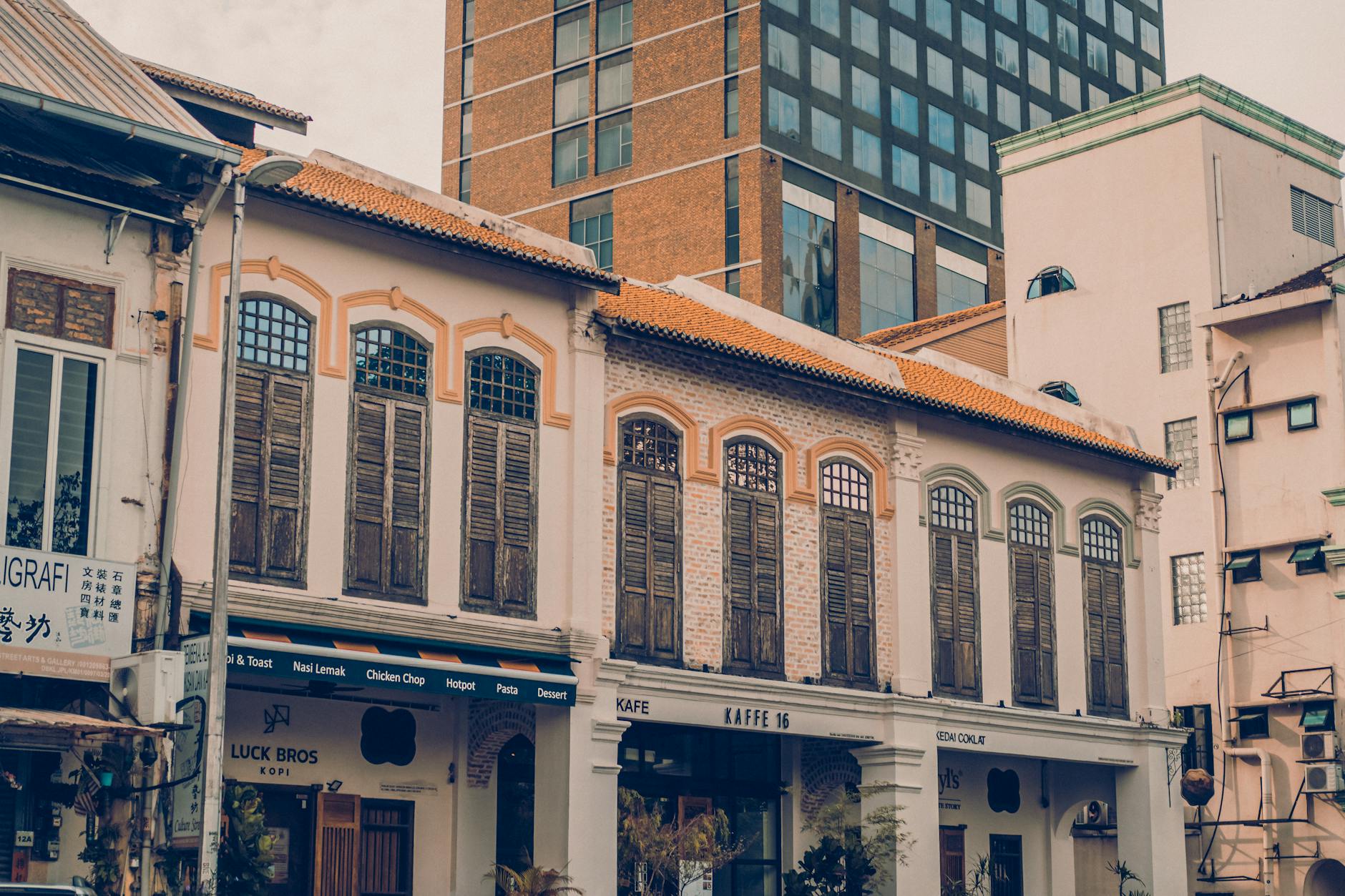
A first visit often chases the famous dishes. A repeat visit can be more precise: returning to a favorite stall, comparing versions of one dish, trying a quieter kopitiam, booking a serious restaurant, or building the day around a specific neighborhood food rhythm.
The traveler should still respect stomach tolerance, heat, alcohol, shellfish, and queues. Repeat confidence can become overconfidence if every meal is treated as a test. The better return food plan has fewer random stops and more intent.
- Revisit favorites, compare specific dishes, and choose quieter food areas.
- Plan by neighborhood rhythm instead of generic best-of lists.
- Keep spice, shellfish, heat, alcohol, and stomach tolerance in the plan.
Use familiar streets more slowly
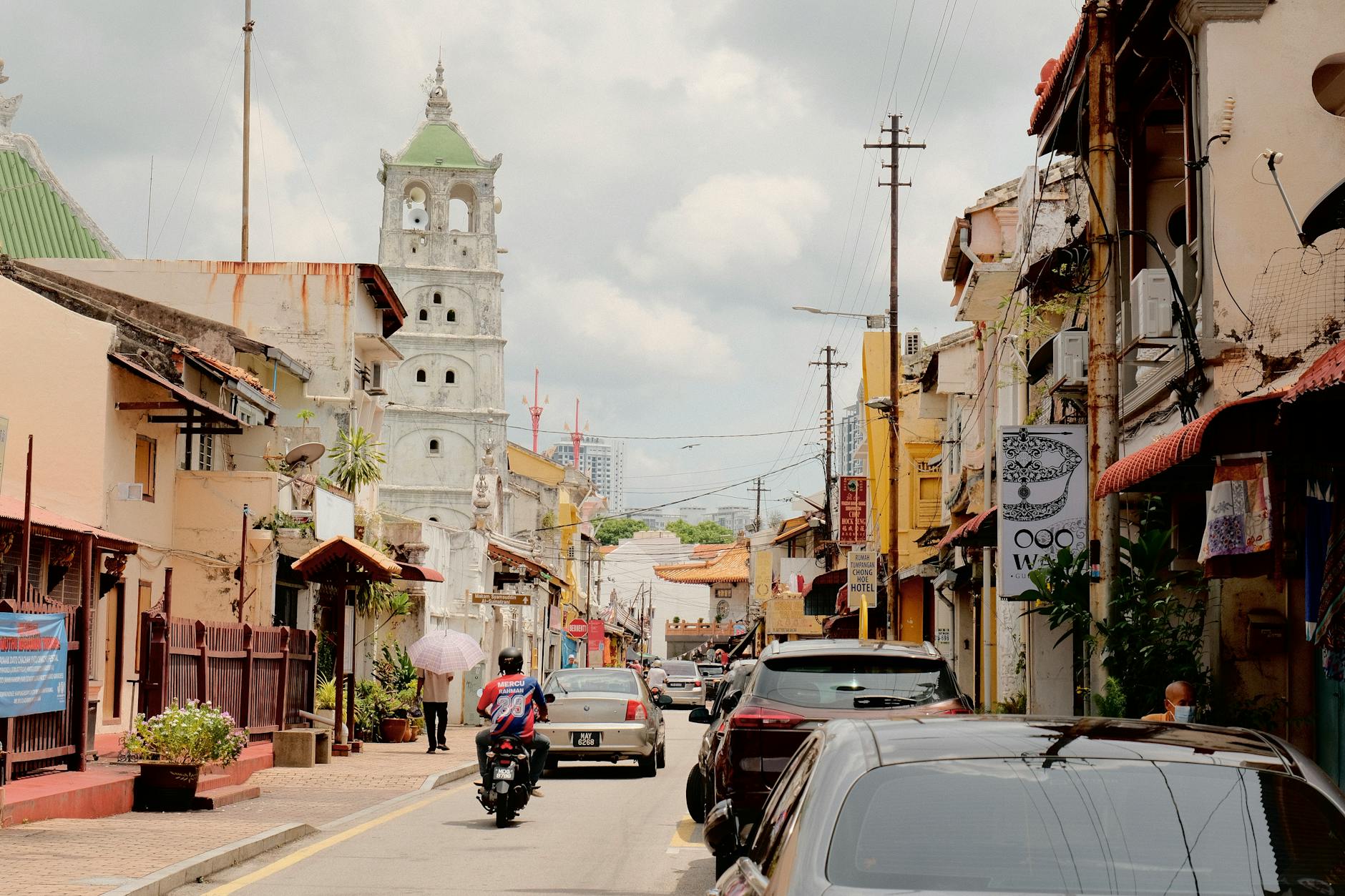
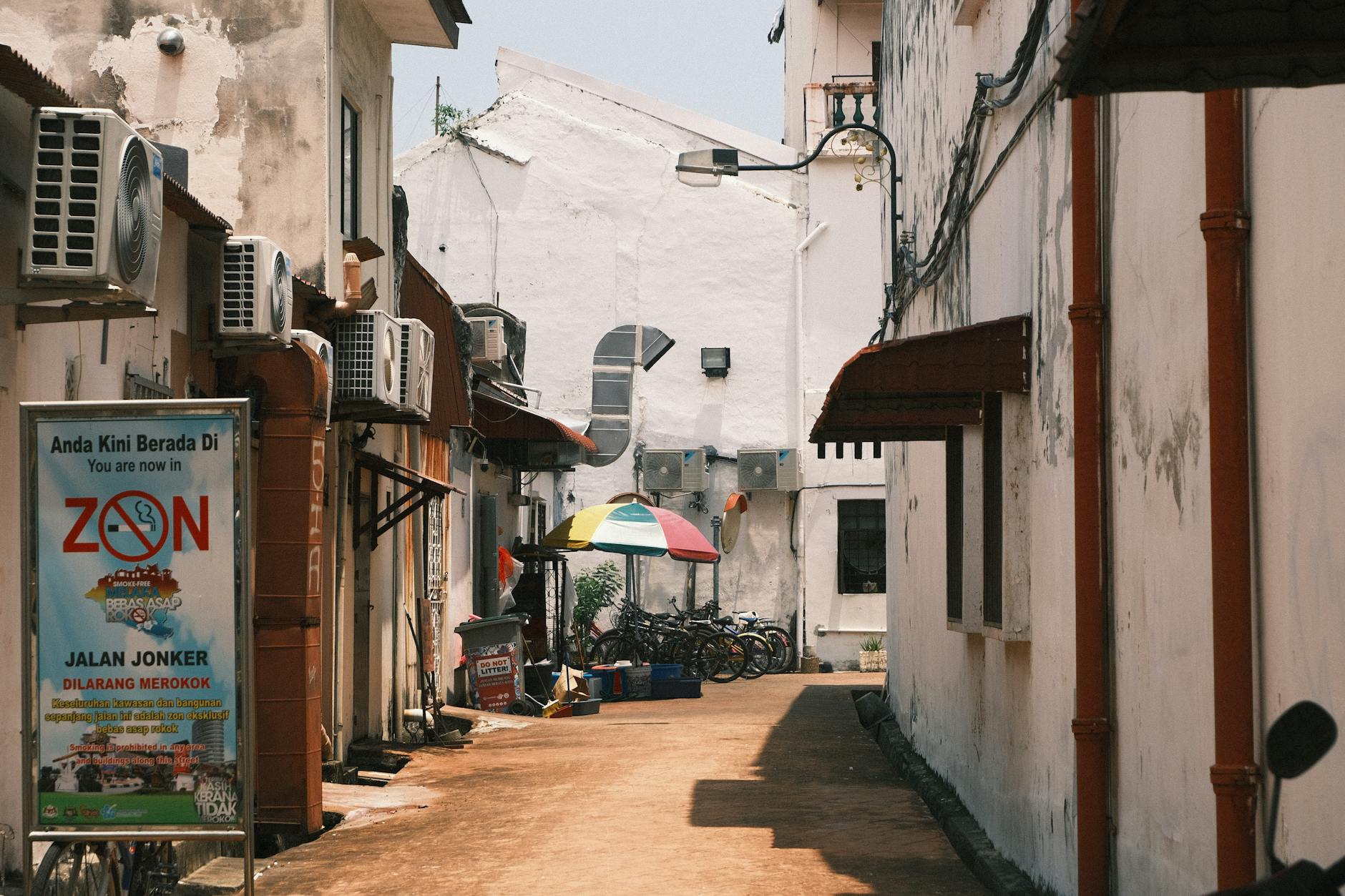
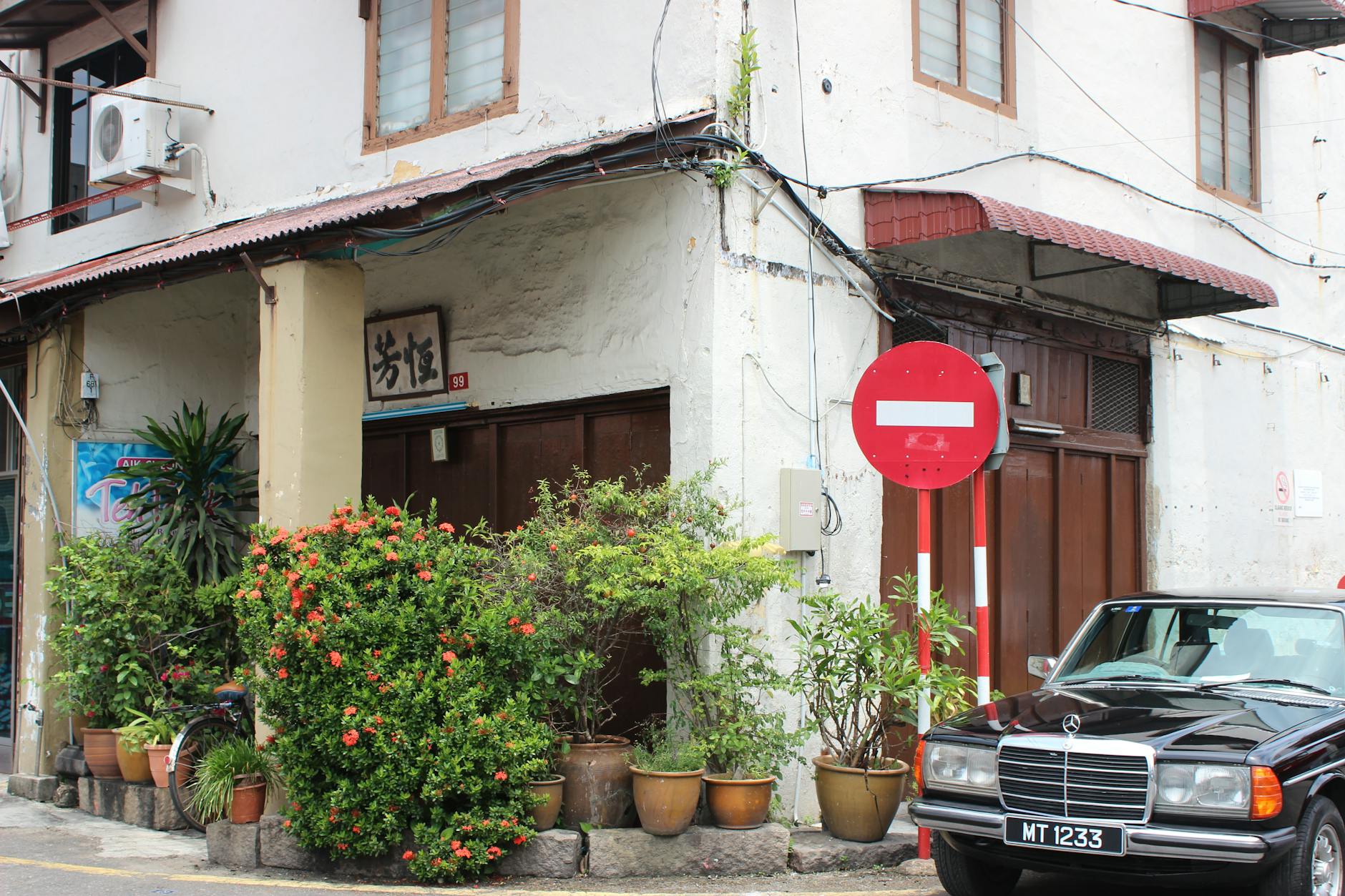
The repeat visitor has permission to stop treating the heritage core as an assignment. Instead of redoing the mural route, the traveler can spend time on architecture, small museums, bookshops, courtyards, crafts, galleries, cemeteries, clan histories, and quieter lanes that were skipped the first time.
This slower approach still needs weather logic. Heat and rain can make aimless wandering less pleasant than it sounds. The traveler should build loose loops with indoor anchors rather than drifting until tired.
- Use return familiarity to notice architecture, craft, galleries, and quieter lanes.
- Build loose walking loops with indoor anchors and rest breaks.
- Do not confuse slower travel with no planning at all.
Revisit cultural sites with better context
Temples, clan houses, jetties, cemeteries, and religious sites often mean more on a return visit because the traveler has enough context to slow down. A guide, reading, museum stop, or focused route can turn familiar sites into something more substantial than a photo memory.
The same etiquette still applies. Dress, shoes, photos, donations, worship areas, and residential privacy should be handled carefully. Repeat status does not make a visitor local or exempt from restraint.
- Use guides, reading, museums, or focused routes to add context.
- Return to temples, clan houses, jetties, and cemeteries with more attention.
- Keep dress, shoes, photos, donations, and privacy expectations in view.
Add wider Penang only when it improves the trip
A return visit is a good time to consider Penang Hill, Kek Lok Si, beaches, gardens, markets, Balik Pulau, food routes, or a slower island circuit. These additions can refresh the trip, but they should not be added only because the old town feels familiar.
The traveler should test each excursion against transport, weather, queues, meal timing, bathrooms, and how much George Town time it consumes. A repeat trip can be more satisfying with one well-chosen wider Penang day than with several half-rushed ones.
- Use wider Penang trips to refresh the return visit, not to fill time automatically.
- Check transport, weather, queues, meals, bathrooms, and return timing.
- Choose one strong excursion over several weak additions.
Let evenings mature with the trip
Repeat visitors often know where the busiest food and bar areas are, but the return trip can use evenings differently. A quieter dinner, hotel bar, arts event, waterfront walk, night market, or early night may serve the trip better than recreating the first visit's energy.
The traveler should still plan transport, weather, phone battery, and return timing. Familiarity can make people too casual about late movement, especially after alcohol or a long day in humid weather.
- Use evenings for quieter dinners, arts events, hotel bars, or selective food routes.
- Plan return transport, weather, phone battery, and late timing before going out.
- Do not let familiarity make after-dark movement careless.
When to order a short-term travel report
A repeat visitor who already knows the city and wants a loose return may not need a custom George Town report. A report becomes useful when the traveler is changing lodging style, adding wider Penang, traveling with different companions, managing dietary or mobility needs, planning special meals, or trying to make a short return feel meaningfully different.
The report should test hotel base, new neighborhoods, food depth, cultural access, side trips, evenings, weather, transport, medical access, budget, and what to cut. The value is not explaining George Town from scratch. The value is making the return visit more deliberate.
- Order when the return trip needs a new base, deeper food, side trips, or different pacing.
- Provide prior-visit experience, dates, hotel options, interests, companions, constraints, budget, and priorities.
- Use the report to turn familiarity into a sharper trip.