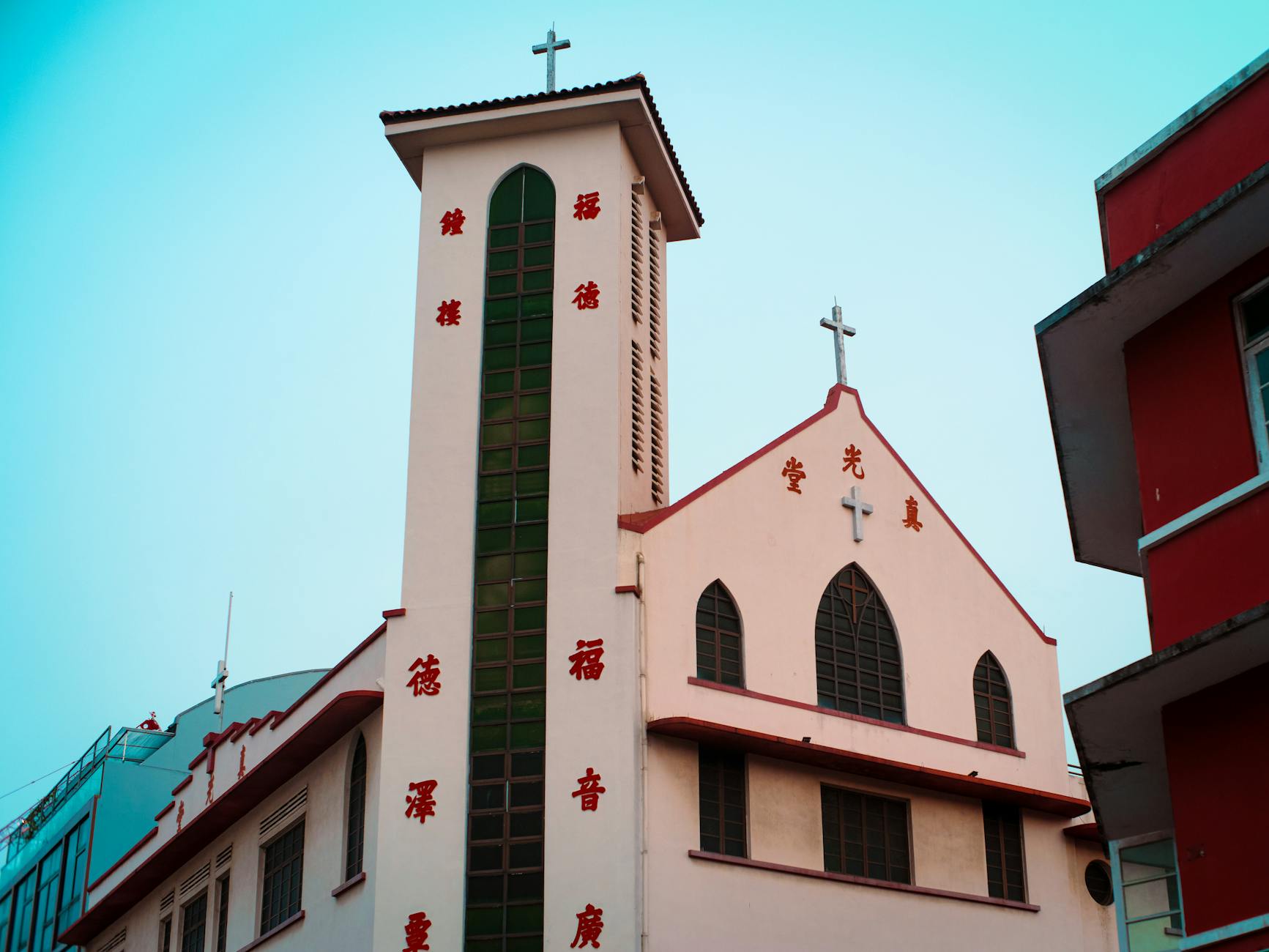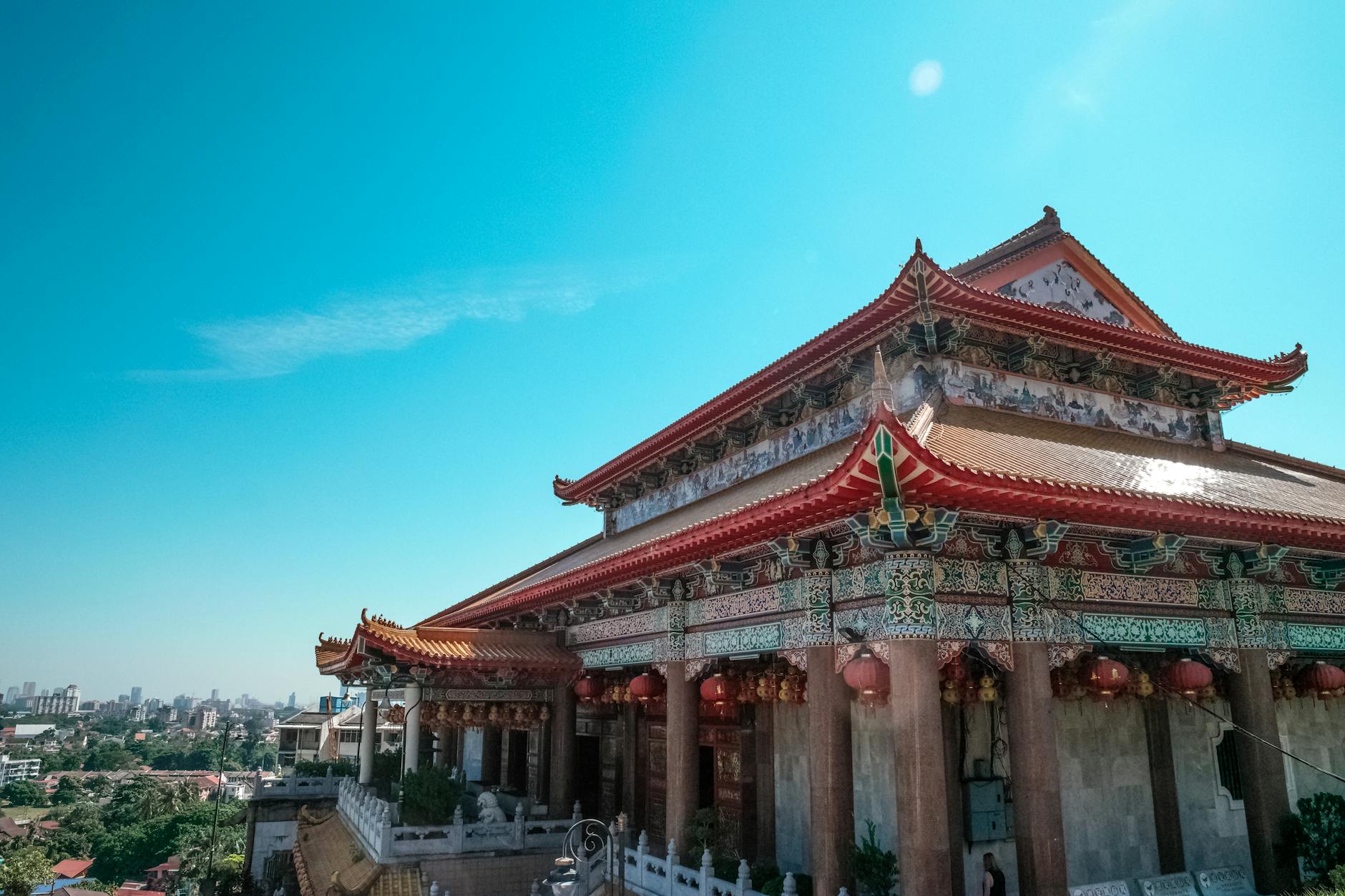
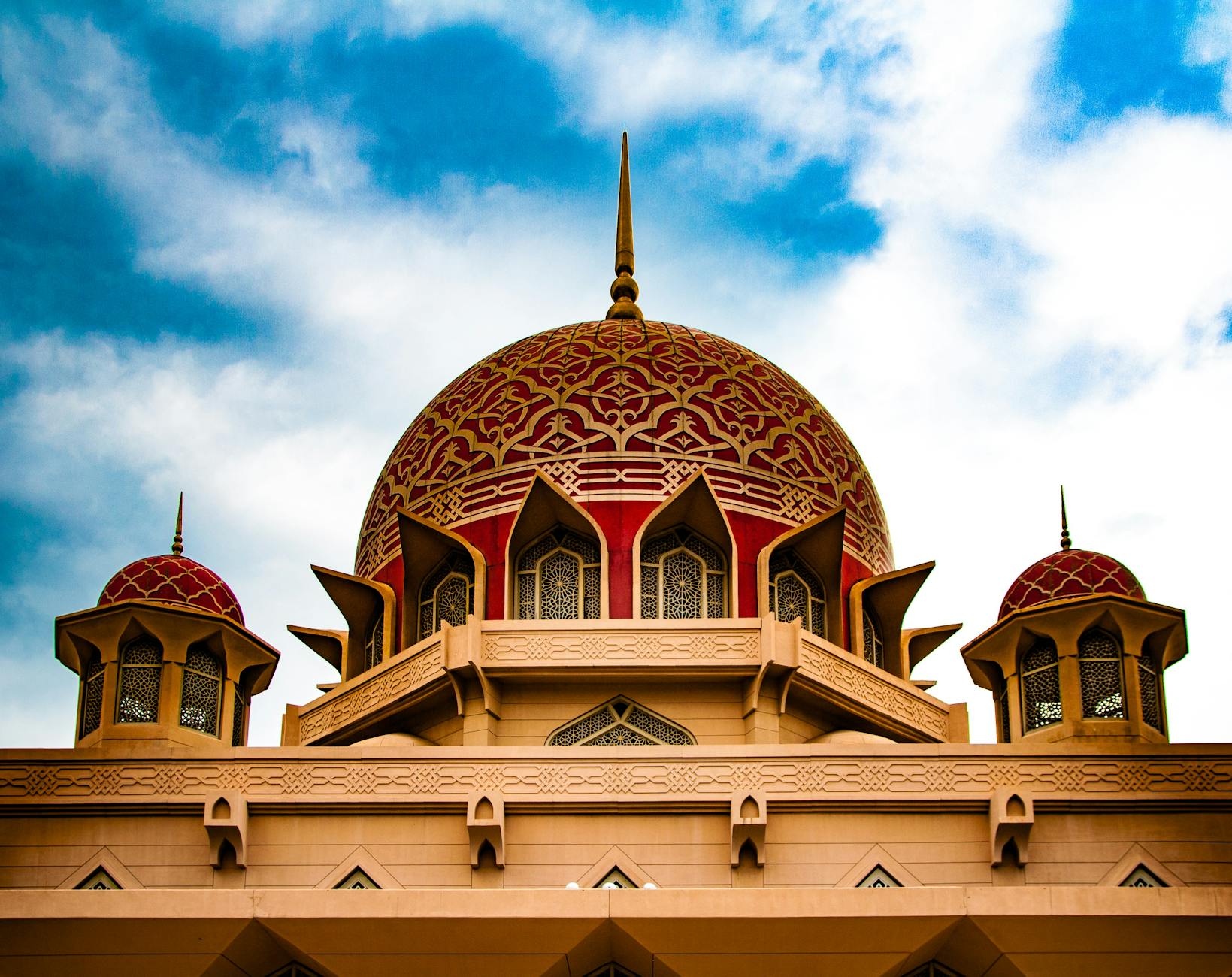
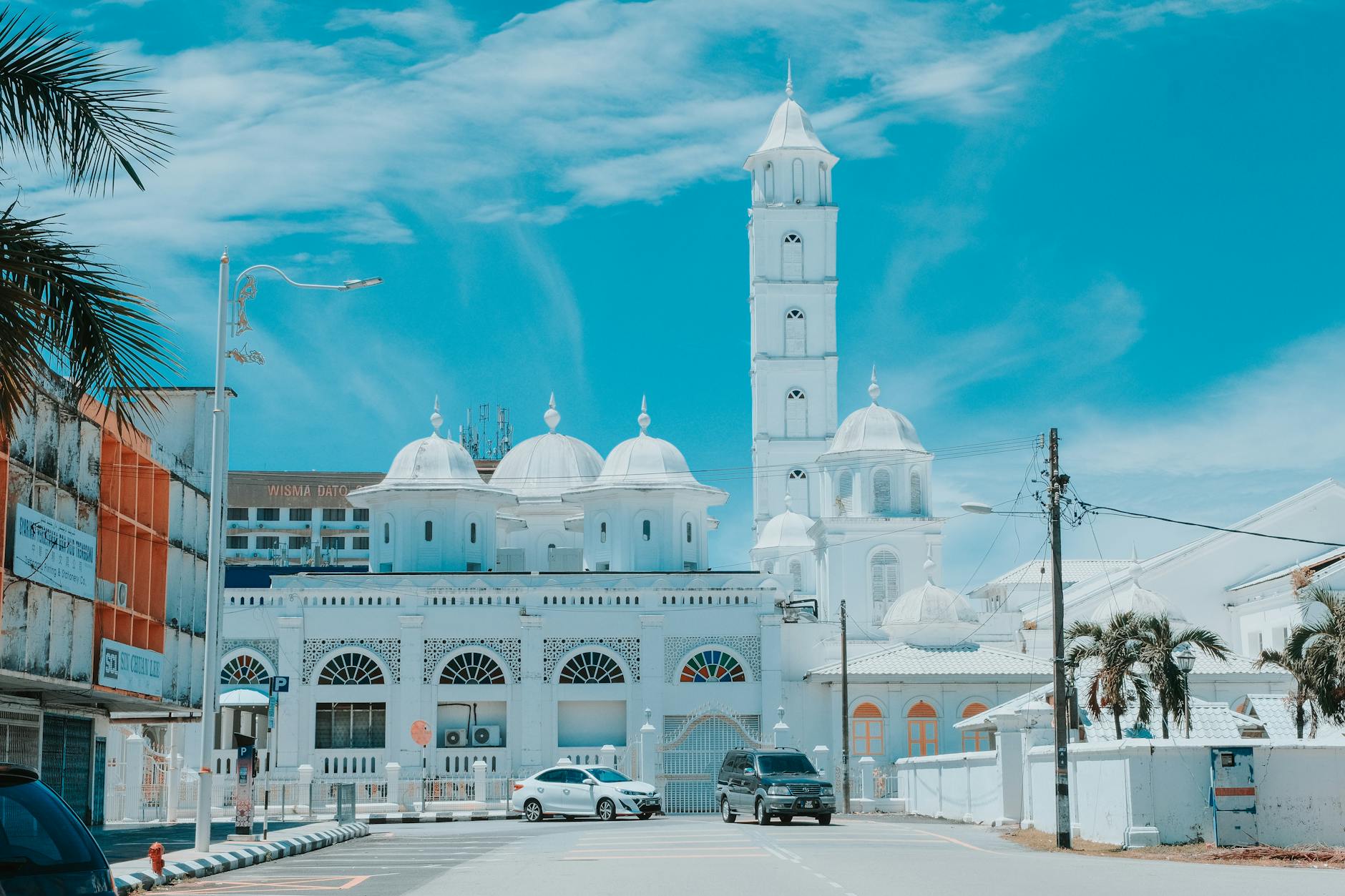
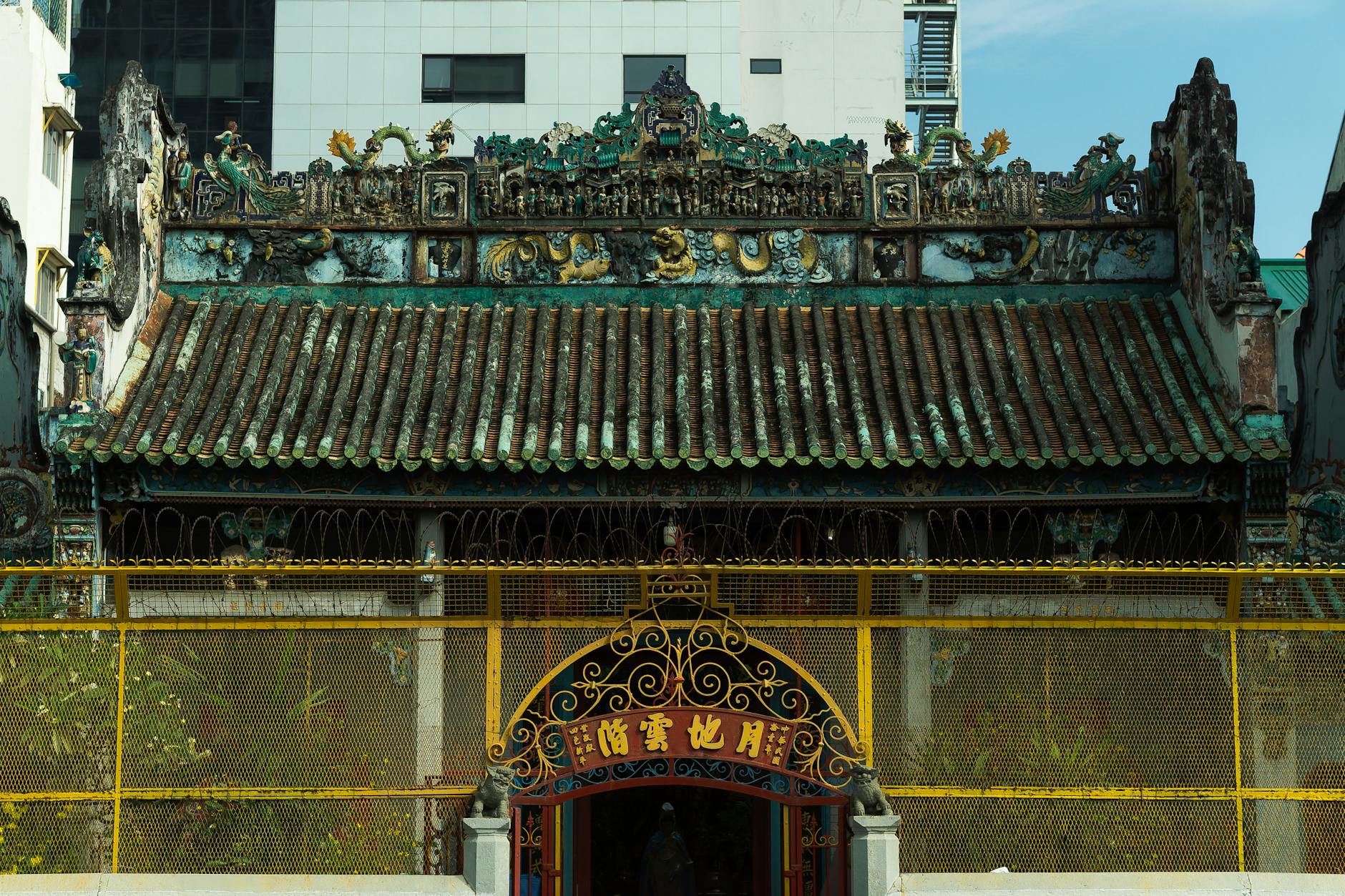
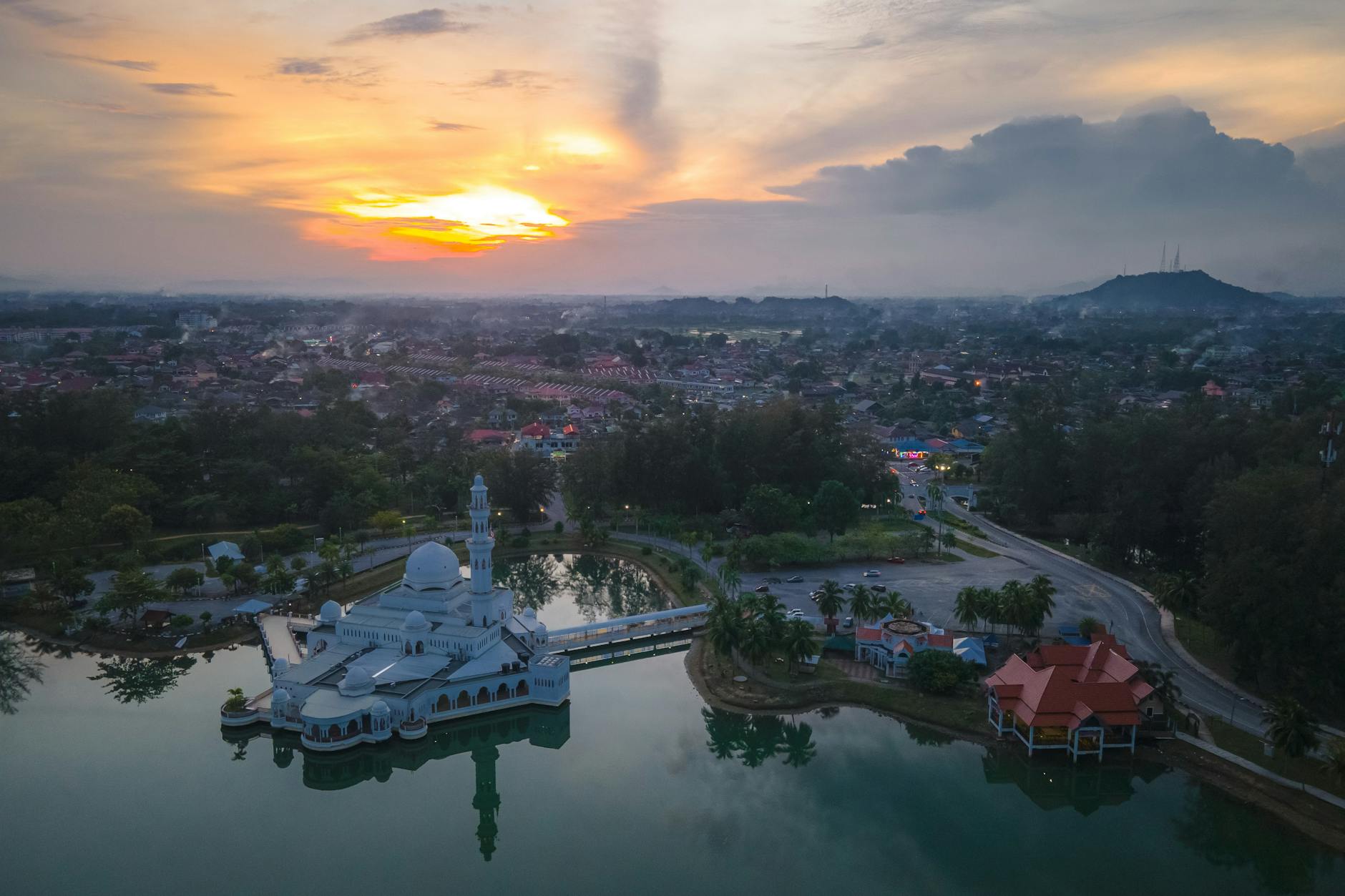
George Town can be meaningful for travelers whose trip includes religious, spiritual, heritage, or pilgrimage interests. The city and wider Penang include temples, mosques, churches, clan houses, shrines, cemeteries, processional routes, and religious festivals that sit inside active neighborhoods rather than isolated visitor zones. That makes planning important. A traveler should not treat sacred spaces as a checklist of photo stops. Dress, shoes, prayer timing, donations, food rules, accessibility, heat, crowds, and transport all affect whether the trip feels respectful and manageable.
Map sacred sites as active places
A religious traveler should map the specific sites that matter: temples, mosques, churches, clan houses, cemeteries, shrines, processional streets, and any wider Penang locations such as Kek Lok Si. The route should respect worship schedules, opening hours, dress expectations, and the time needed to enter calmly.
George Town's sacred geography is interwoven with homes, shops, schools, food streets, and tourist routes. A practical plan should avoid rushing from one active community space to another as if they are museum rooms.
- Map temples, mosques, churches, clan houses, shrines, cemeteries, and wider Penang sites.
- Check worship schedules, opening hours, dress expectations, and entry norms.
- Treat sacred sites as active community spaces, not only attractions.
Plan dress, shoes, and modesty before leaving the hotel
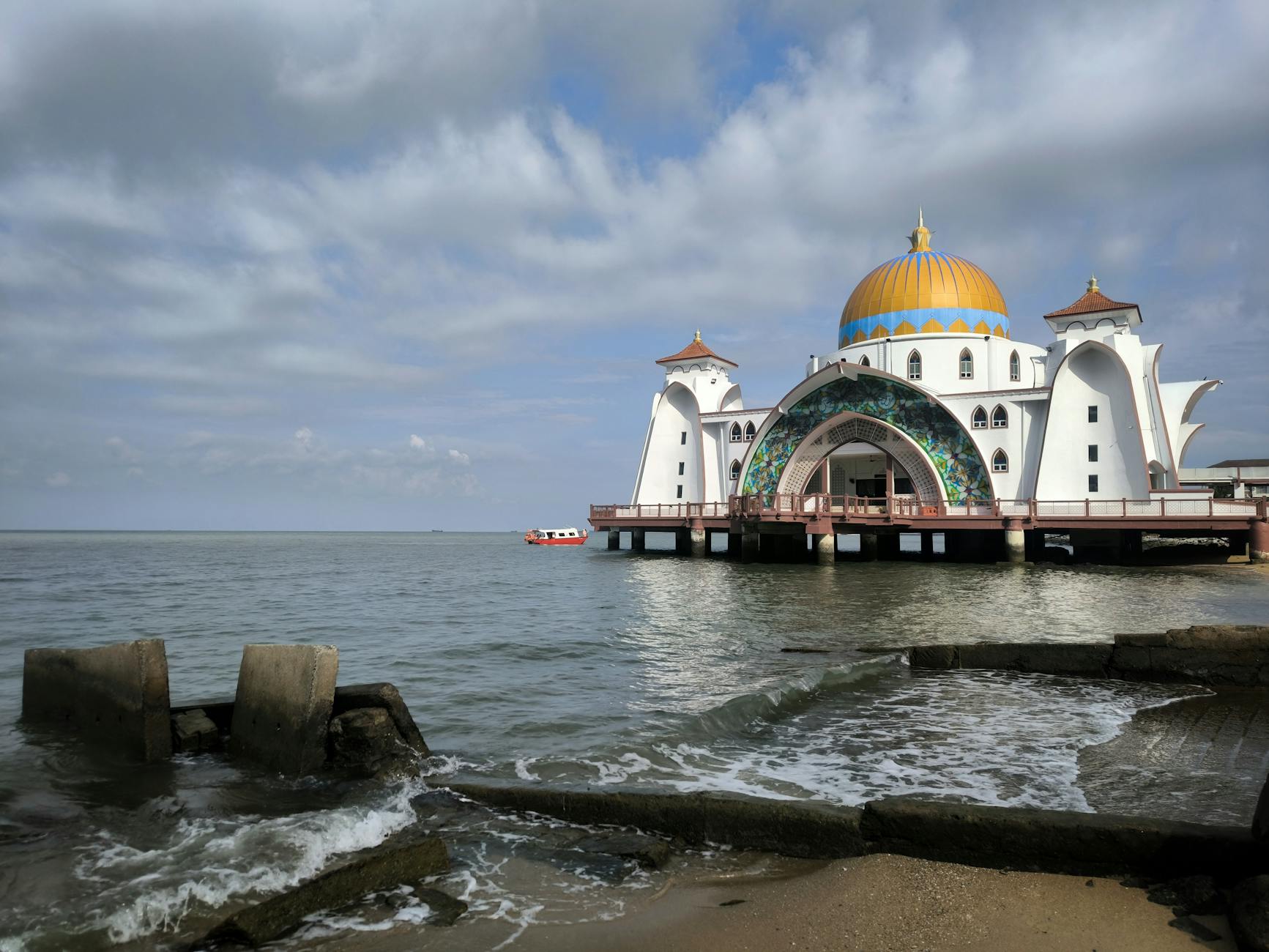
Dress expectations can change quickly between a cafe, a mosque, a temple, a church, and a clan house. The traveler should carry a light layer, choose practical footwear, and understand when shoes may need to be removed. Heat makes this harder, not less important.
A respectful packing plan helps avoid awkward entrances, rushed purchases, or skipping sites because the traveler dressed only for walking comfort. Modesty, comfort, and rain readiness can all be planned together.
- Carry a light layer and dress for temples, mosques, churches, and clan-house visits.
- Choose footwear that works for walking and easy shoe removal.
- Balance modesty, heat, humidity, and sudden rain before the day begins.
Handle photos, donations, and observation carefully
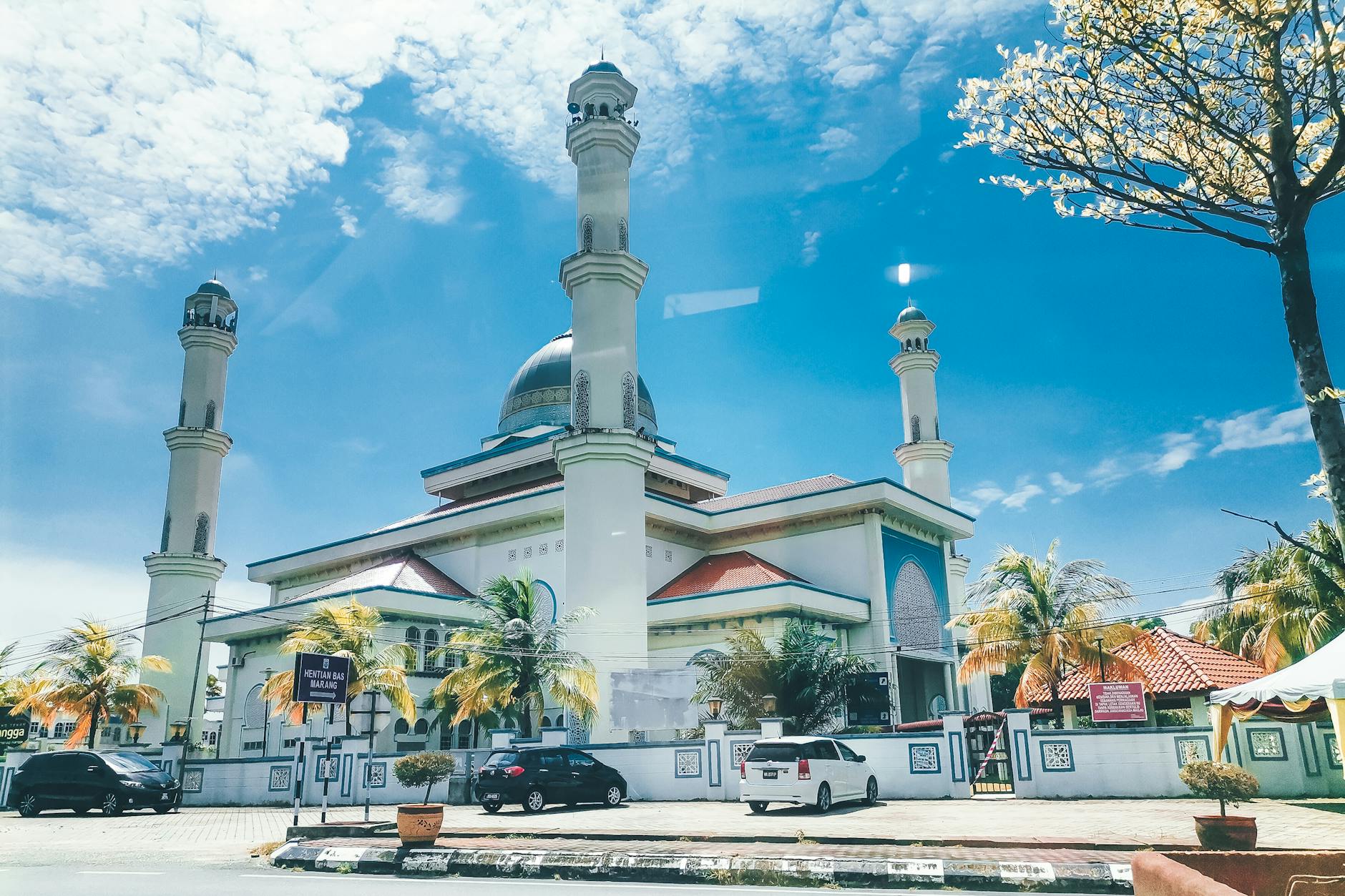
Sacred spaces may allow visitors while still limiting photography, filming, portraits, donation handling, or access to certain areas. The traveler should ask before taking close photos of worshippers, altars, ceremonies, donation boxes, religious objects, or private gatherings.
If the purpose is devotion, learning, or family heritage, the traveler should protect attention rather than documenting every moment. The most respectful visit may involve fewer images and more patience.
- Ask before photographing worshippers, ceremonies, altars, religious objects, or private spaces.
- Understand donation customs without turning them into a transaction or performance.
- Let attention and patience matter more than capturing every site.
Build the day around heat, stairs, and waiting
Religious and heritage sites can involve standing, stairs, uneven thresholds, exposed courtyards, incense, crowds, and waiting during ceremonies. A traveler who plans the day as easy sightseeing may find the route physically harder than expected.
The schedule should include water, shade, rest, accessible transport, modest snacks, and enough time to pause without holding up companions. If older travelers or mobility limitations are involved, site sequencing matters.
- Plan for stairs, standing, uneven surfaces, incense, crowds, heat, and rain.
- Build in water, shade, rest, accessible transport, and flexible timing.
- Sequence harder sites before fatigue makes respect and attention harder.
Respect food, fasting, alcohol, and prayer needs
Food is central to George Town, but religious travelers may need to plan halal food, vegetarian food, fasting hours, alcohol avoidance, festival meals, or family dietary rules. A route that assumes spontaneous eating can become difficult if the traveler has strict requirements.
Prayer timing, ablution needs, quiet time, and return routes should be planned alongside meals. The city can support many needs, but the traveler should not leave them to chance during a short stay.
- Plan for halal, vegetarian, fasting, alcohol, festival, and family dietary expectations.
- Match meal stops with prayer timing, quiet time, and return transport.
- Do not assume every food stop will work for every religious requirement.
Be careful during festivals and processions
Festivals, processions, temple days, and holiday periods can make George Town especially meaningful, but they also change transport, crowds, road access, accommodation pressure, and what is appropriate for visitors. A traveler should know whether they are participating, observing, accompanying family, or simply nearby.
The plan should identify crowd exit routes, meeting points, water, respectful viewing positions, and whether photography is welcome. The best place to stand is not always the closest place.
- Check whether festivals or processions affect roads, crowds, lodging, and site access.
- Set meeting points, water plans, exit routes, and respectful viewing positions.
- Clarify whether the traveler is participating, observing, or accompanying others.
When to order a short-term travel report
A traveler visiting one familiar site with local family support may not need a custom George Town report. A report becomes useful when the trip includes multiple sacred sites, a festival period, older relatives, mobility limits, dietary rules, prayer needs, family heritage goals, interfaith visits, or travel beyond the city core.
The report should test sacred-site geography, lodging, transport, dress, food, prayer timing, crowd exposure, festival logistics, accessibility, medical access, weather, budget, and what to cut. The value is a religious visit that remains respectful, realistic, and calm.
- Order when festivals, multiple sites, dietary rules, prayer needs, mobility, or family heritage require testing.
- Provide dates, sites, hotel options, companions, religious requirements, mobility needs, food rules, budget, and priorities.
- Use the report to protect meaning and reduce avoidable friction.