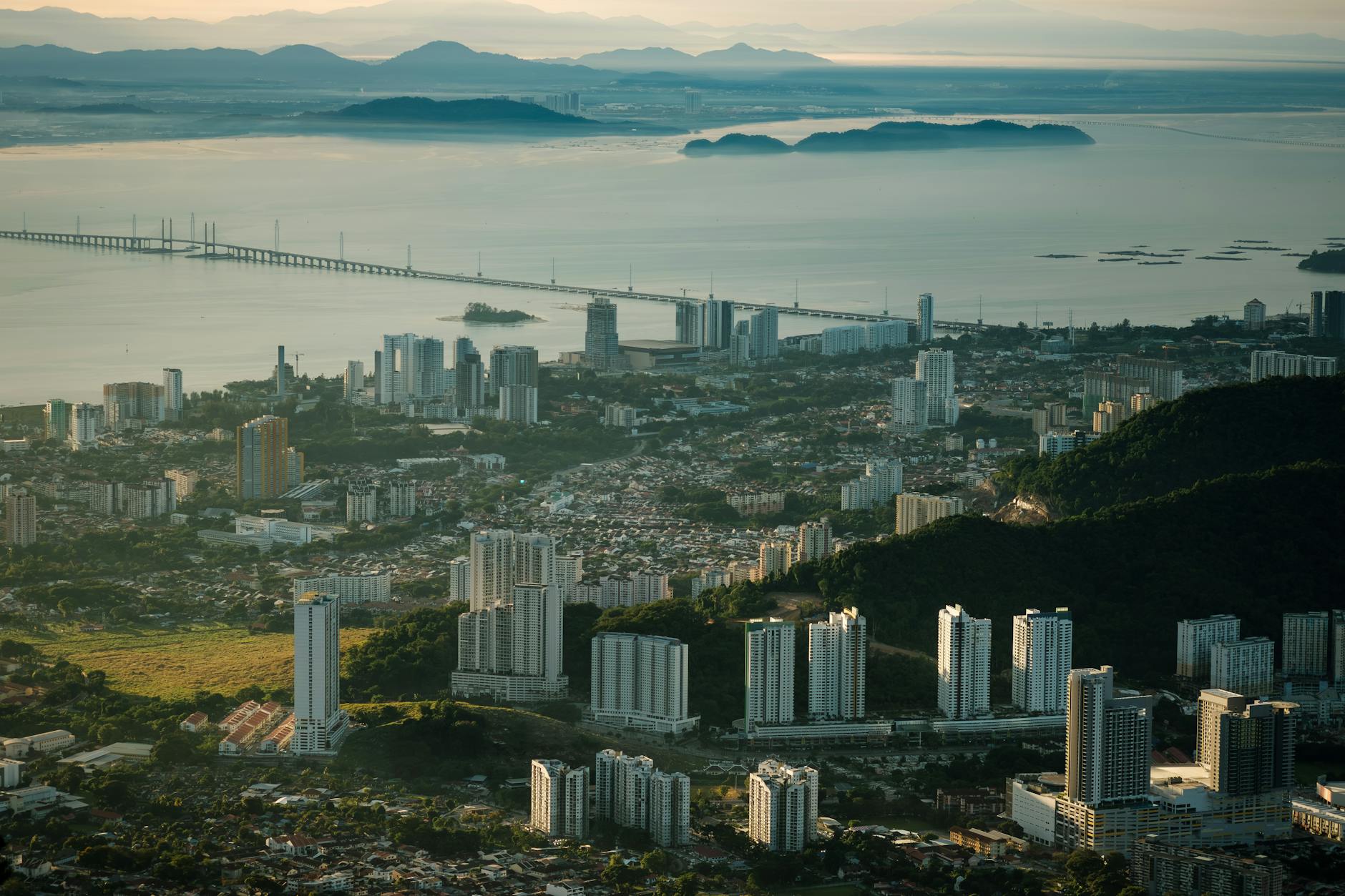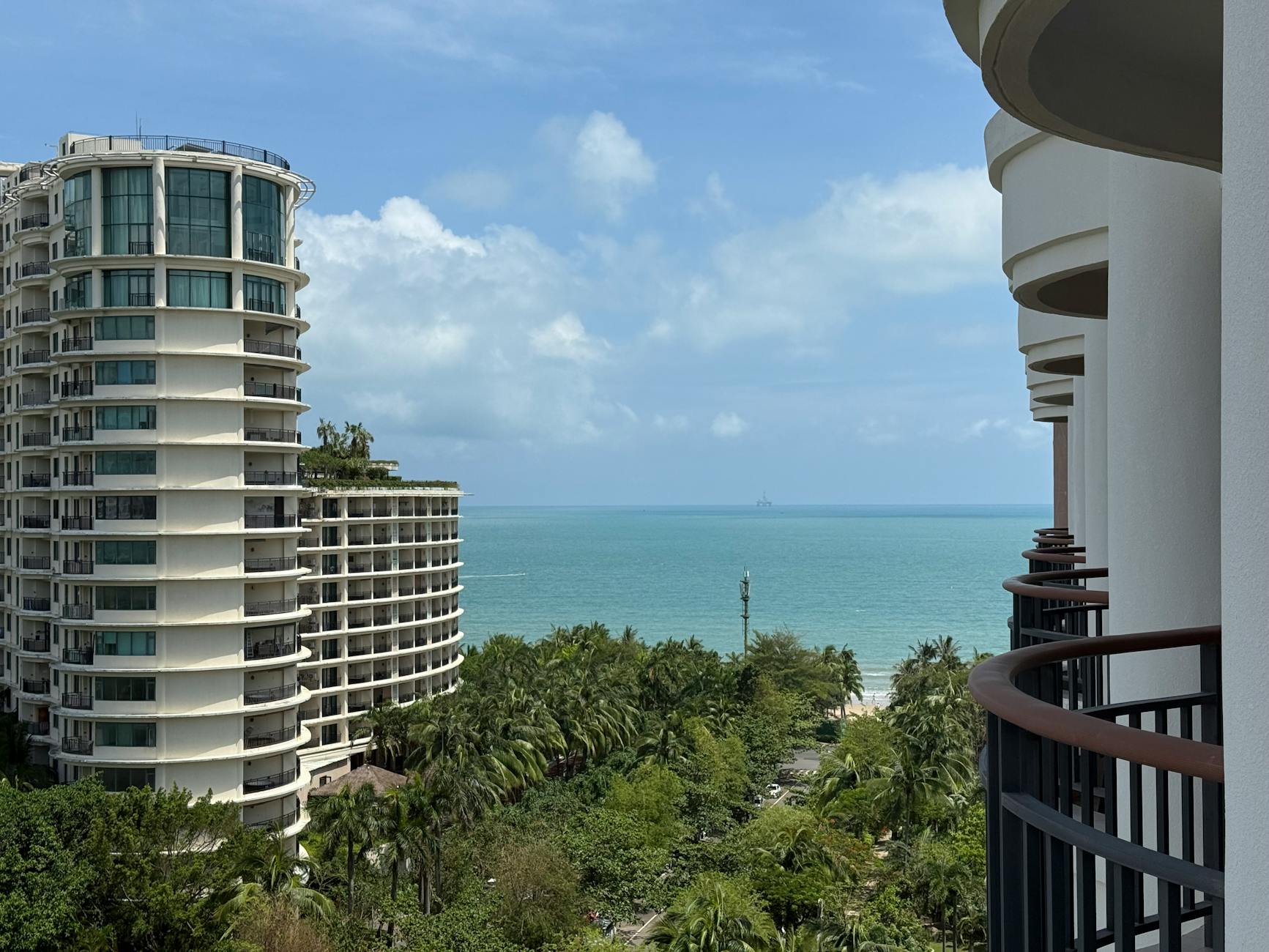
George Town can be excellent for older travelers who enjoy heritage streets, food, temples, waterfront views, museums, boutique hotels, and a slower urban rhythm. It can also be physically demanding in ways that are easy to underestimate: heat, humidity, sudden rain, uneven pavements, stairs, traffic crossings, and long gaps between comfortable rests. A strong short stay protects comfort first. That means choosing lodging carefully, planning cooler parts of the day for walking, using transport without apology, managing medication and food choices, and leaving enough margin for rest. George Town rewards slower attention; it does not need to be rushed.
Choose lodging for comfort and access
Older travelers should check more than location and style. Many George Town properties are atmospheric, but stairs, small rooms, limited lifts, street noise, bathroom layout, cooling, and breakfast access can make or break a short stay. A beautiful heritage building is not automatically the right hotel.
The traveler should confirm lift access, room floor, walk-in shower or step height, reliable air conditioning, seating, taxi pickup, and how far the hotel is from food and rest stops. Comfort at the base makes the city easier to enjoy.
- Check lift access, stairs, room floor, bathroom layout, cooling, seating, and noise.
- Confirm taxi pickup and distance to meals, pharmacies, and rest stops.
- Do not let heritage charm outrank practical comfort.
Plan days around heat and recovery
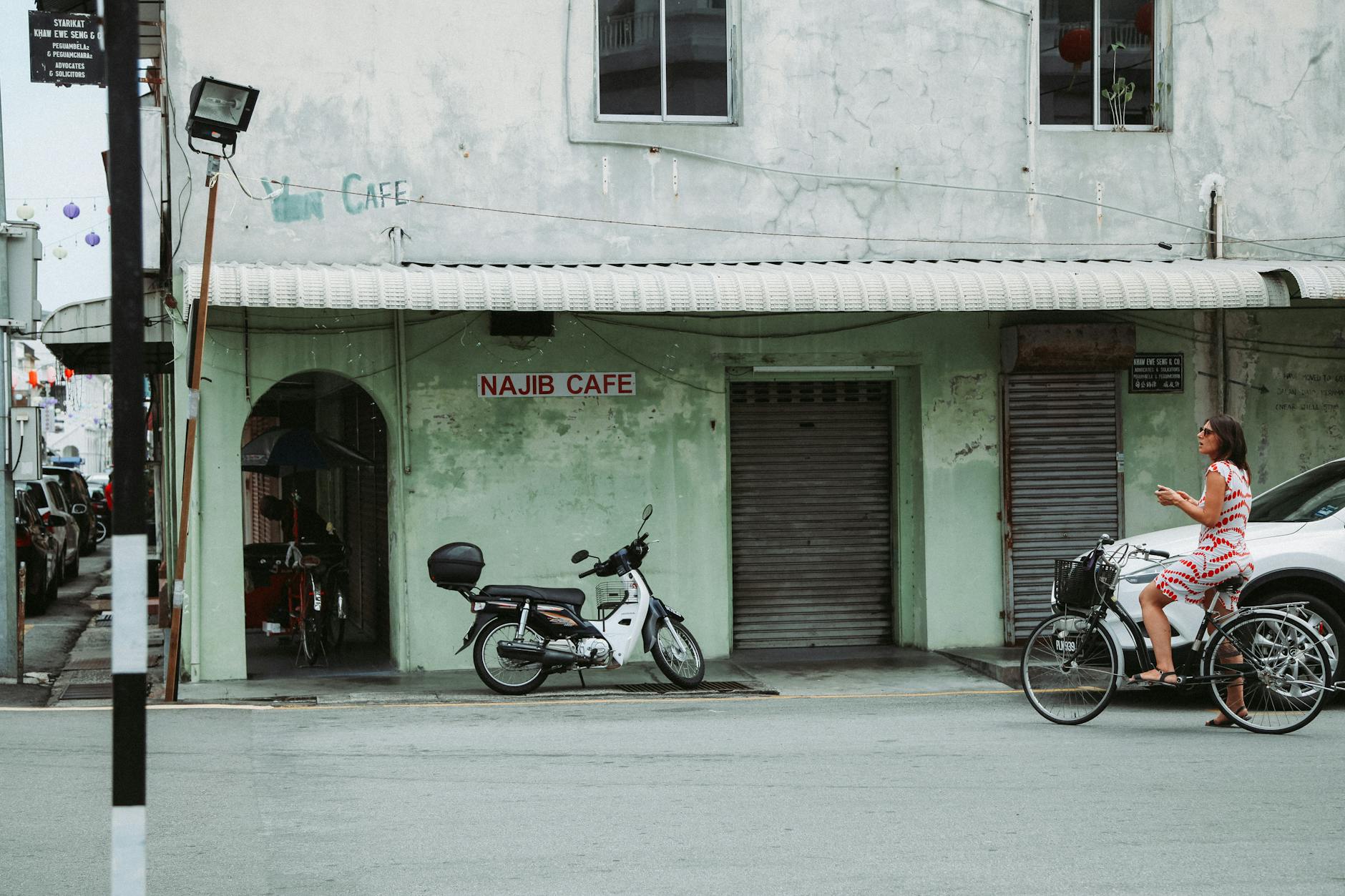
Humidity, sun, and sudden rain can make George Town more tiring than the map suggests. Older travelers should use early mornings, late afternoons, shaded streets, air-conditioned breaks, and shorter loops rather than long midday walks.
The itinerary should include recovery time at the hotel. A short rest is not a failed travel day; it is what allows a better evening meal, museum visit, or temple stop later.
- Use early mornings, late afternoons, shade, and air-conditioned breaks.
- Avoid long midday walks in heat and humidity.
- Treat hotel rest as part of the plan, not wasted time.
Use transport to protect energy
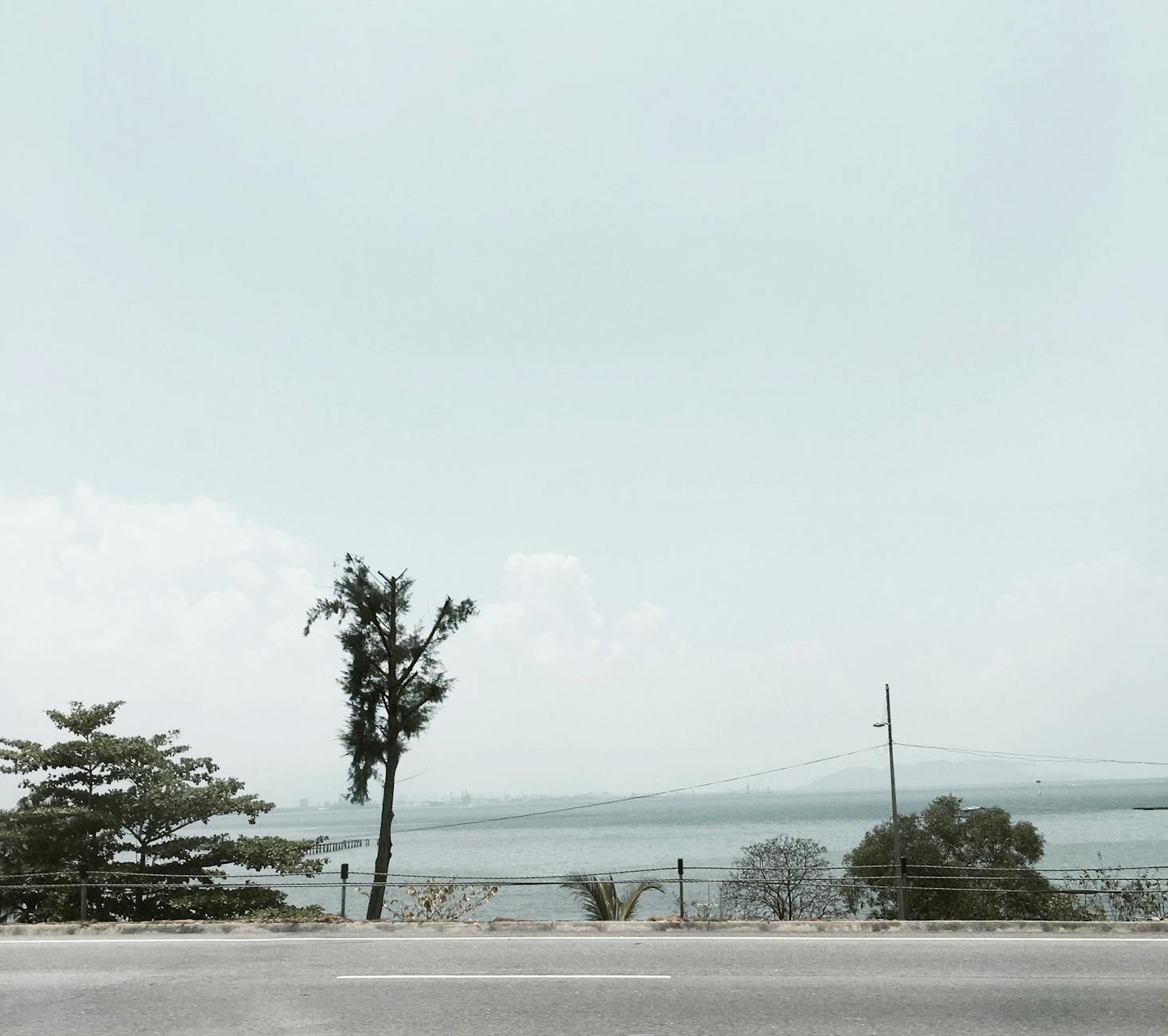
George Town's heritage core invites walking, but older travelers should not treat walking as the only legitimate way to see the city. Ride-hailing, taxis, hotel cars, short hops, and guided routes can preserve energy for the actual visit.
The traveler should plan pickup points, avoid unnecessary backtracking, and think about rain, traffic crossings, and uneven pavements. Transport can turn an exhausting day into a manageable one.
- Use taxis, ride-hailing, hotel cars, or guided routes to preserve energy.
- Plan pickup points and avoid avoidable backtracking.
- Account for rain, traffic crossings, curbs, and uneven pavements.
Manage medication, clinics, and food tolerance
Older travelers should carry medication in hand luggage, bring extra supply, keep prescriptions or medication names accessible, and know where the nearest pharmacy or clinic is relative to the hotel. Heat and schedule changes can affect hydration, blood sugar, sleep, and stamina.
Food planning should be realistic. George Town's food is a highlight, but spice, shellfish, rich meals, dehydration, and late eating can create problems. The traveler should identify safer meals as well as special meals.
- Carry medication, extra supply, prescriptions, and clinic or pharmacy information.
- Plan hydration, sleep, blood sugar, and heat exposure deliberately.
- Balance food exploration with spice, shellfish, richness, and timing tolerance.
Check access at temples, museums, and heritage sites
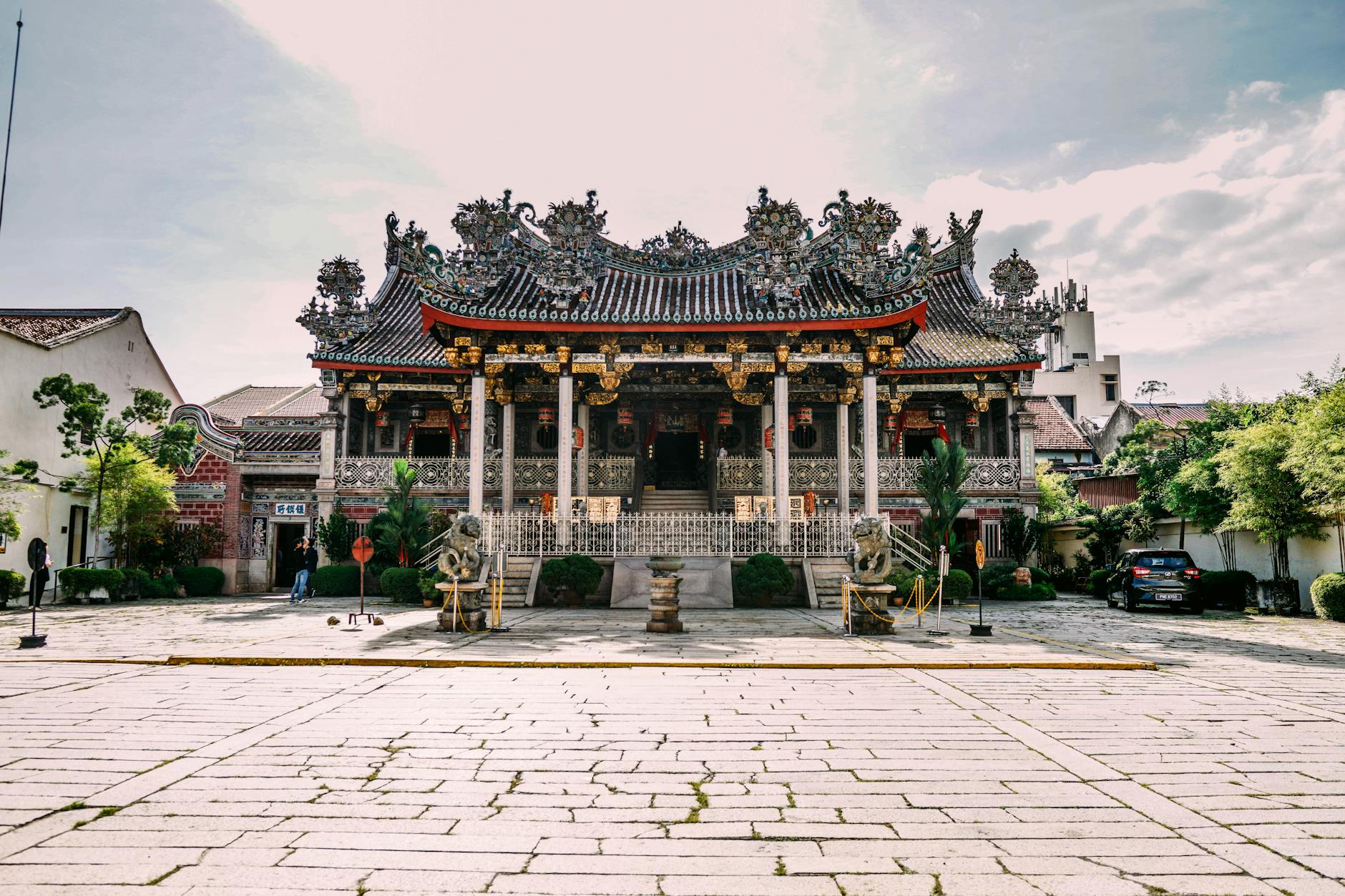
Temples, clan houses, museums, jetties, cemeteries, churches, and heritage buildings may involve stairs, shoe removal, uneven flooring, thresholds, narrow passages, heat, or limited seating. Older travelers should check access before making a site the center of the day.
A respectful visit also means knowing dress expectations, photography rules, and whether the site is active rather than purely touristic. The traveler should choose fewer sites and experience them well.
- Check stairs, shoe removal, uneven floors, thresholds, seating, and heat exposure.
- Know dress, photography, and active-worship expectations.
- Choose fewer sites when access or stamina would otherwise suffer.
Keep side trips gentle and realistic
Penang Hill, Kek Lok Si, beaches, gardens, mainland visits, or food-focused excursions can enrich a George Town stay, but older travelers should judge side trips by transport time, heat, queues, stairs, bathrooms, seating, and return energy. The goal is not to prove stamina.
A private driver or carefully chosen tour may be worth more than a cheaper, more fragmented plan. The traveler should protect the next day rather than spending all energy on one outing.
- Judge side trips by transport, heat, queues, stairs, bathrooms, seating, and return energy.
- Consider private drivers or carefully paced tours when they reduce strain.
- Protect the next day's comfort, not only the current excursion.
When to order a short-term travel report
An older traveler staying at a familiar full-service hotel with a slow itinerary may not need a custom George Town report. A report becomes useful when hotel access is uncertain, mobility or medical needs matter, food tolerance is limited, family members disagree on pace, side trips are planned, or the traveler wants heritage and food without physical overload.
The report should test lodging access, airport transfer, walking loops, heat and rain timing, transport, meals, medical support, site access, side trips, bathrooms, budget, and what to cut. The value is a George Town stay that remains rich because comfort and pacing were planned first.
- Order when lodging access, mobility, medical needs, food, side trips, or pacing need testing.
- Provide dates, hotel options, mobility limits, medical needs, food constraints, interests, budget, and priorities.
- Use the report to protect comfort while keeping the trip meaningful.