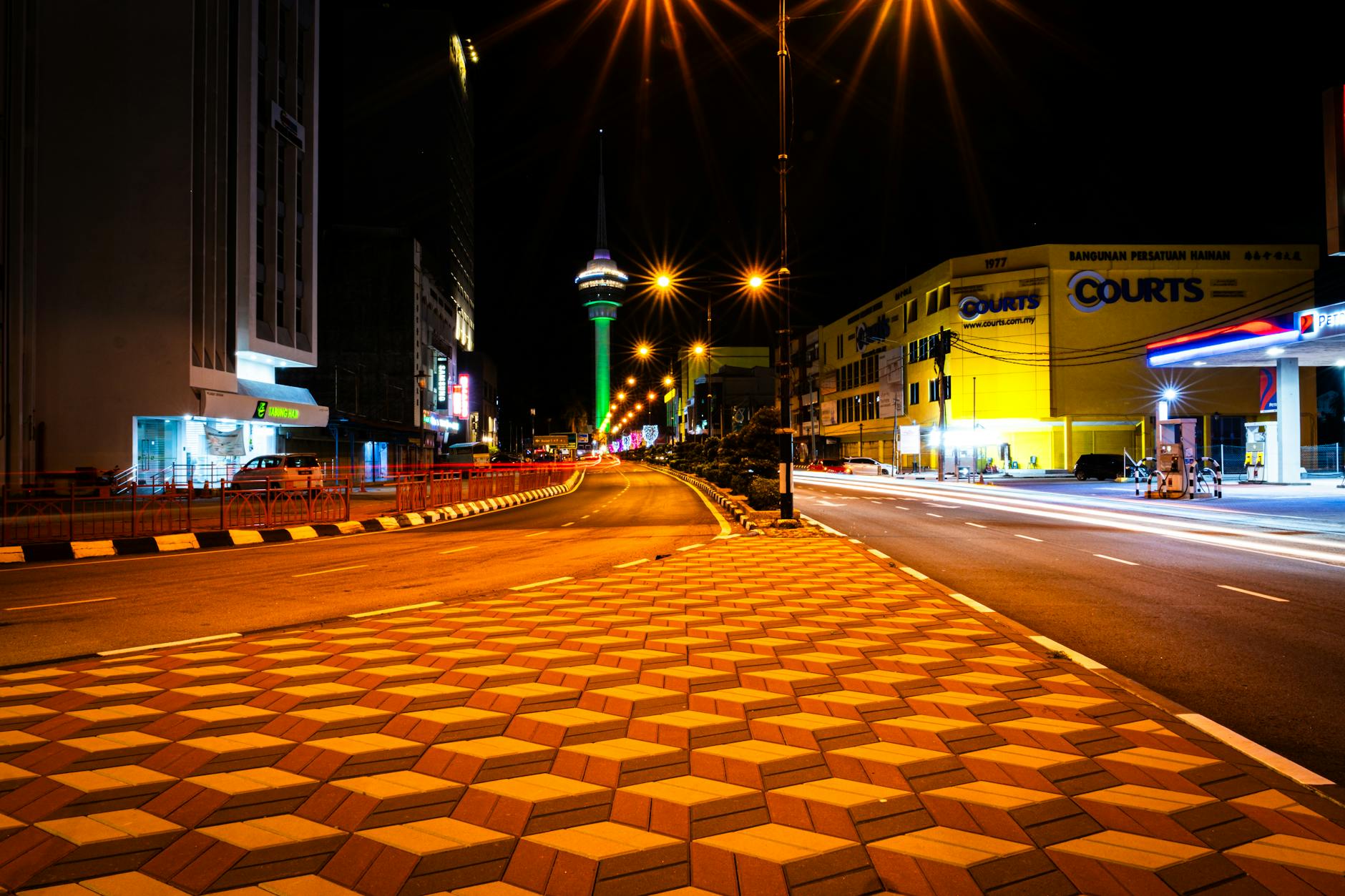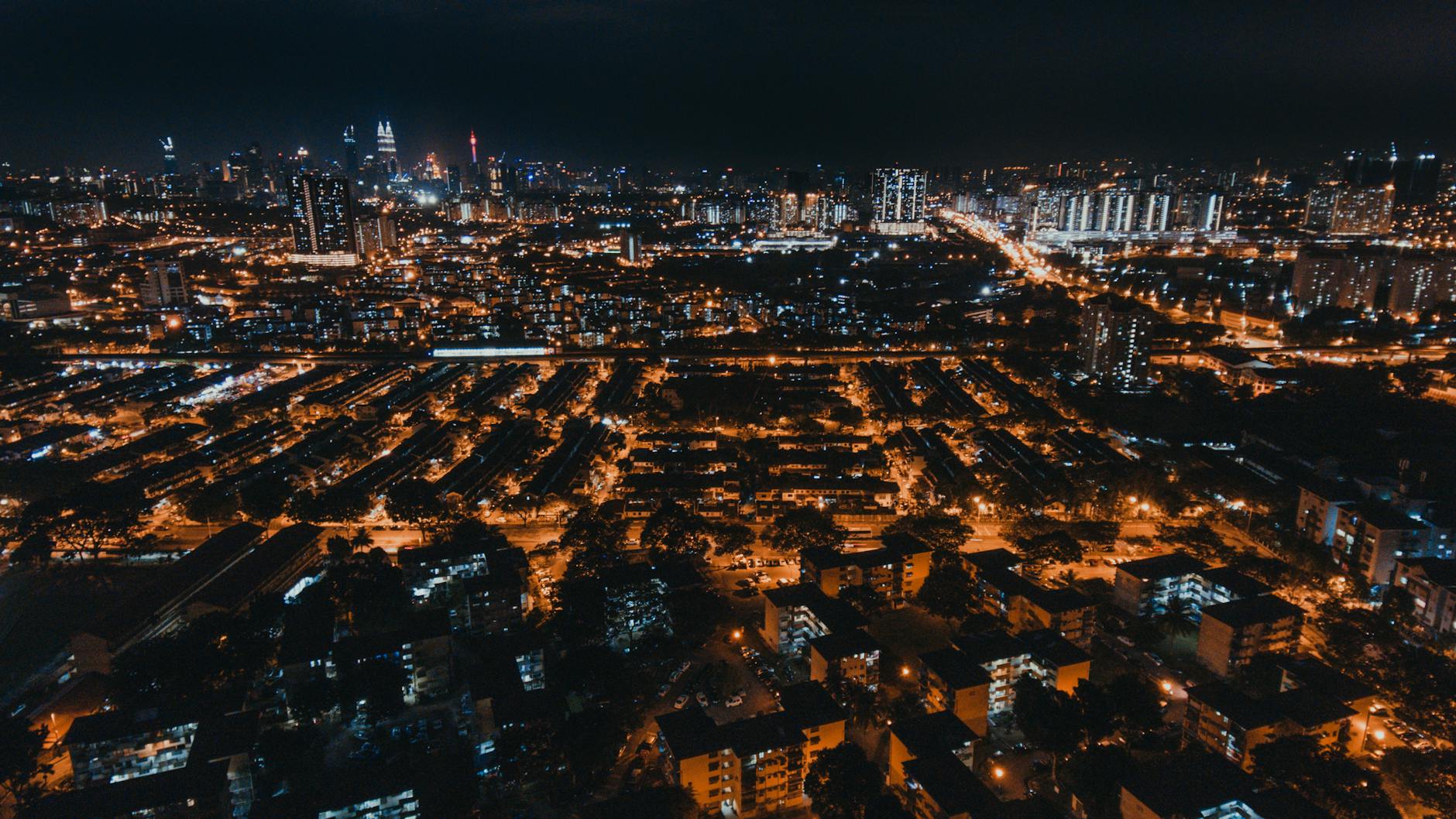
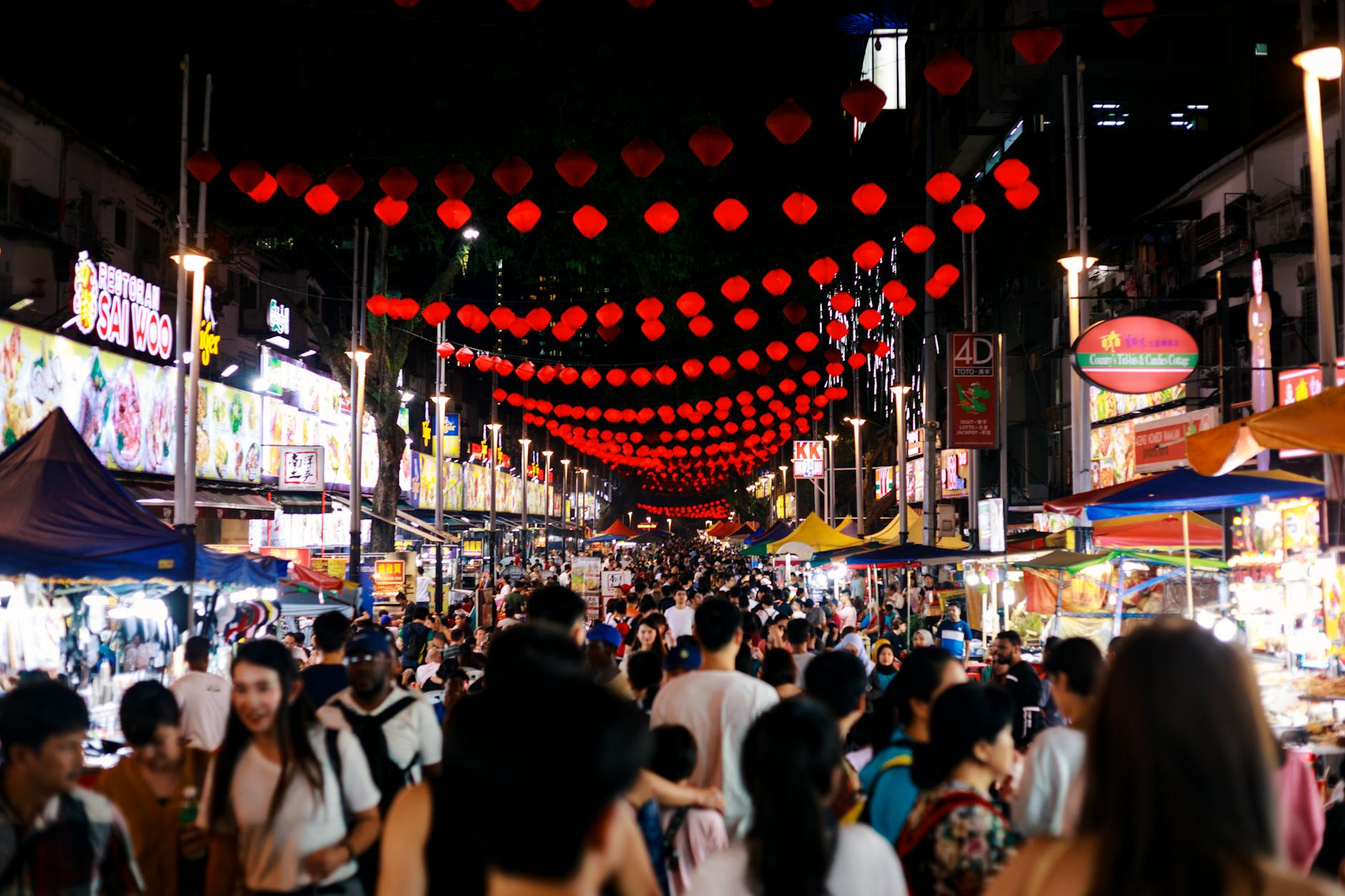
A nightlife-focused trip to George Town should be planned around evenings without pretending the day does not matter. The city offers night food, cafes, bars, music, street life, hotel lounges, and late walks, but the best plan depends on lodging, return transport, companions, alcohol expectations, weather, and how much recovery time the traveler needs. George Town nightlife is not only about drinking. It may be about food, atmosphere, photography, conversation, music, or a softer evening after heritage sightseeing. The traveler should decide which version they want before choosing a base.
Choose the kind of night before choosing the hotel
The traveler should decide whether the trip is built around night food, relaxed cafes, bars, music, hotel lounges, photography, or simply being in walkable evening streets. Different versions of nightlife point to different lodging and transport choices.
A hotel near evening activity can reduce return friction, but it may also bring noise or weaker sleep. A quieter hotel may be better for recovery if the traveler is willing to use ride-hailing for late returns.
- Define whether the night focus is food, cafes, bars, music, lounges, photos, or street life.
- Choose lodging by return comfort, noise tolerance, sleep, and evening geography.
- Do not assume the best daytime hotel is the best nightlife base.
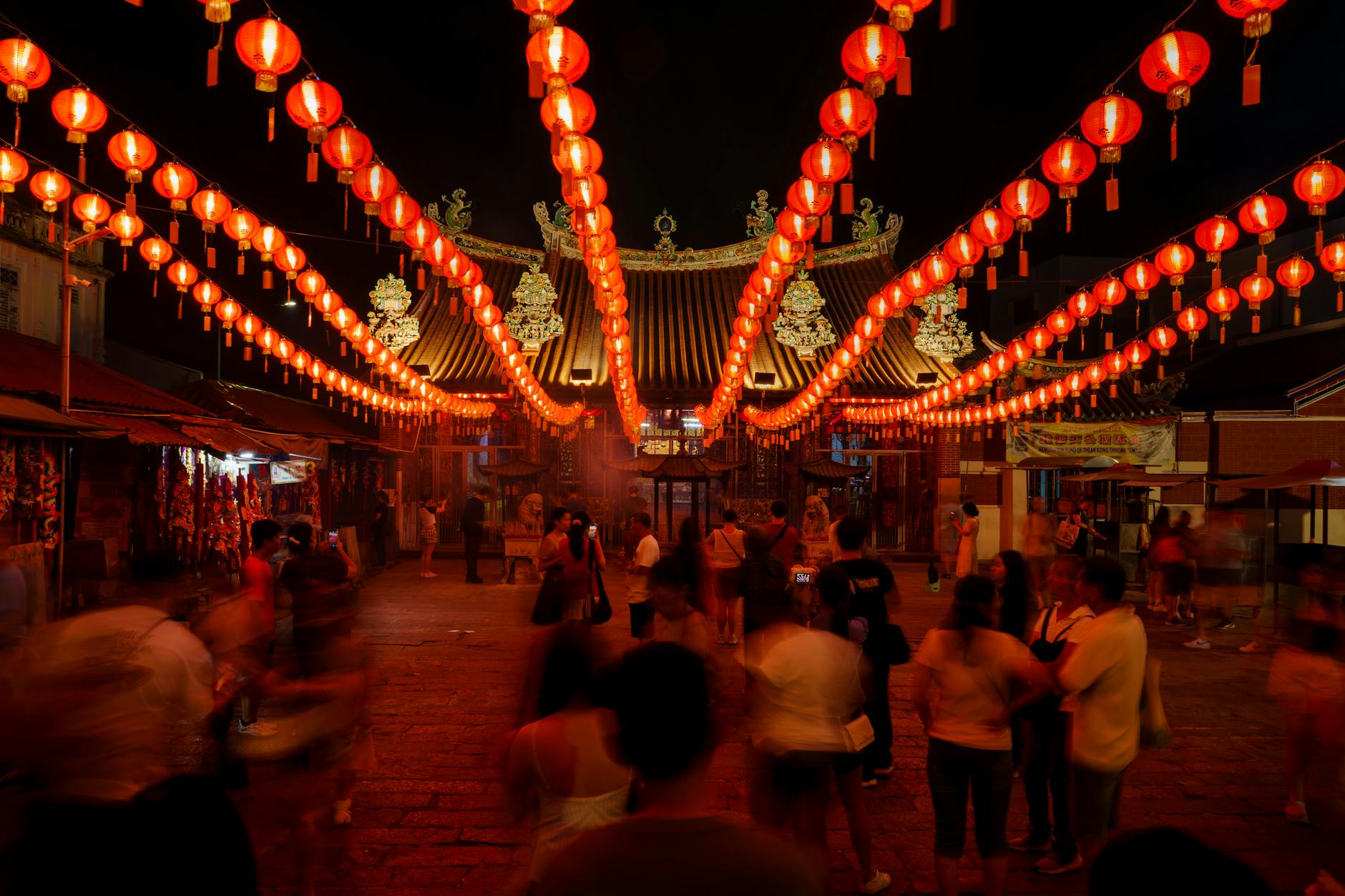
Plan night food as a route, not a binge
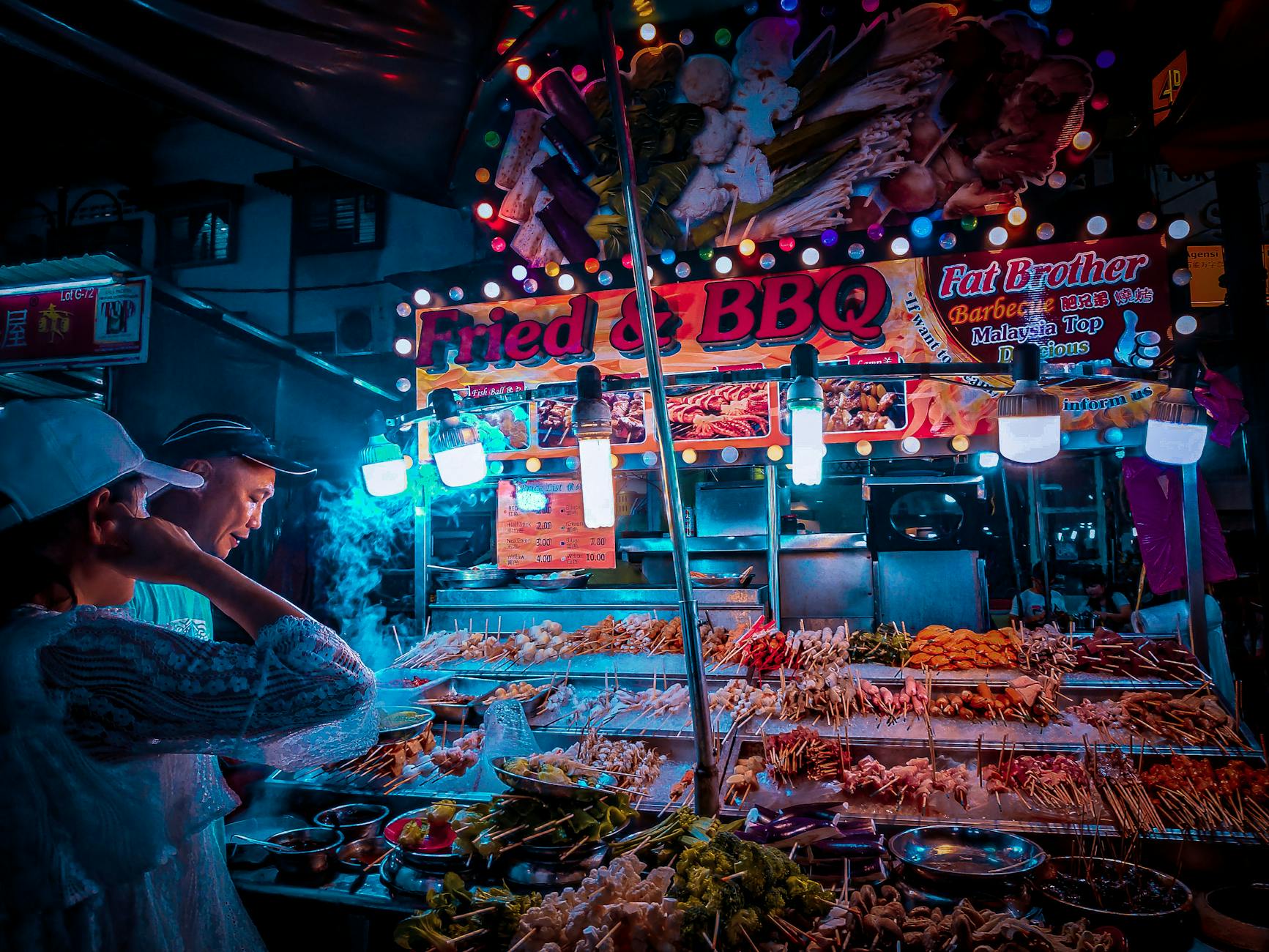
Night food can be the strongest evening reason to visit George Town, but a traveler should plan around queues, spice, shellfish, peanuts, hydration, cash, group preferences, and how far the final stop is from the hotel. A night built only from appetite can become inefficient fast.
The best route should leave time to sit, digest, and return comfortably. If the traveler has early plans the next day, heavy late meals should be treated as a schedule decision.
- Plan night food around queues, spice, shellfish, peanuts, hydration, cash, and group preferences.
- Sequence stops so the return route remains simple.
- Account for next-day plans before making the final meal too late or too heavy.
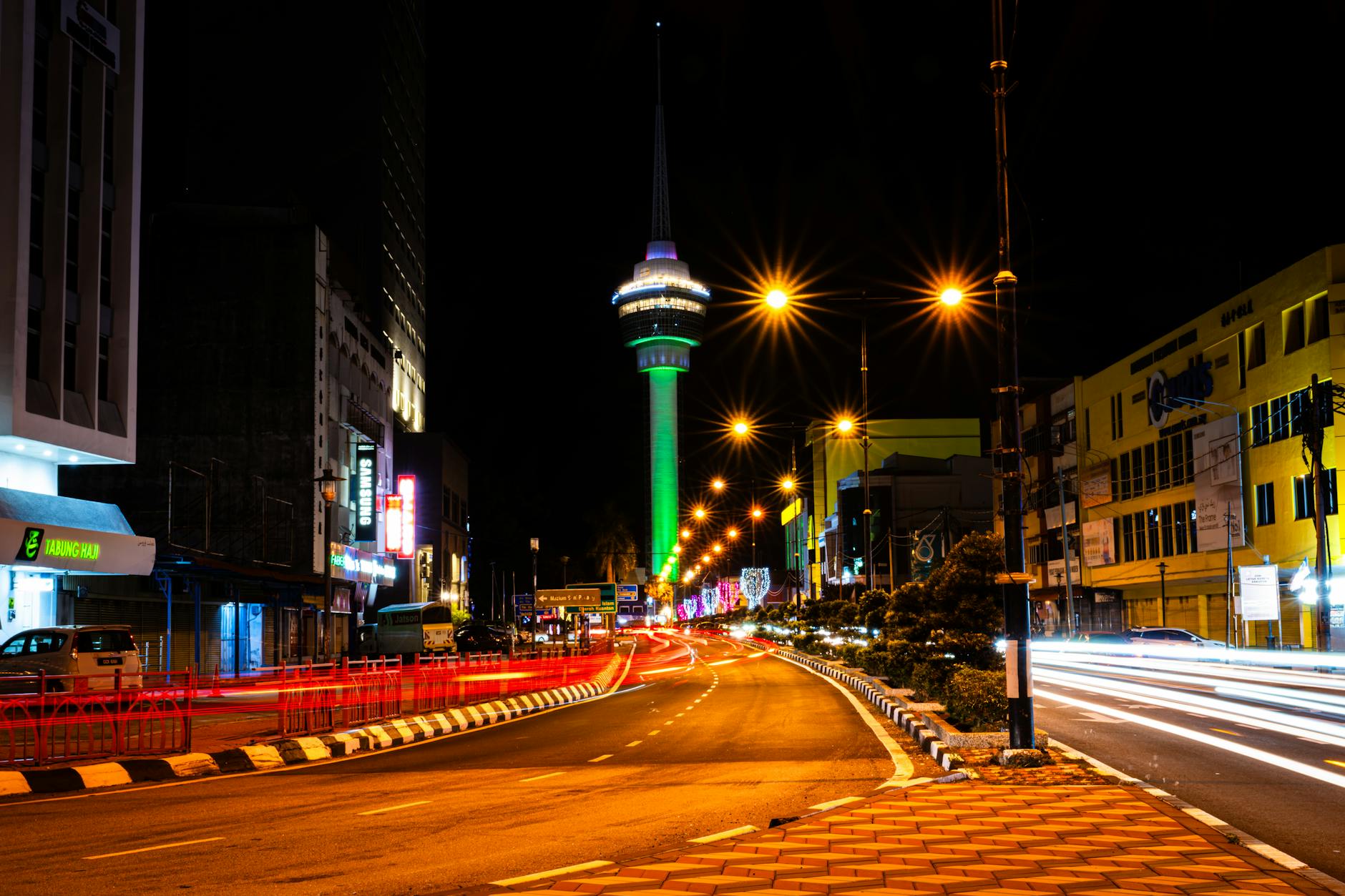
Set transport rules before the first drink
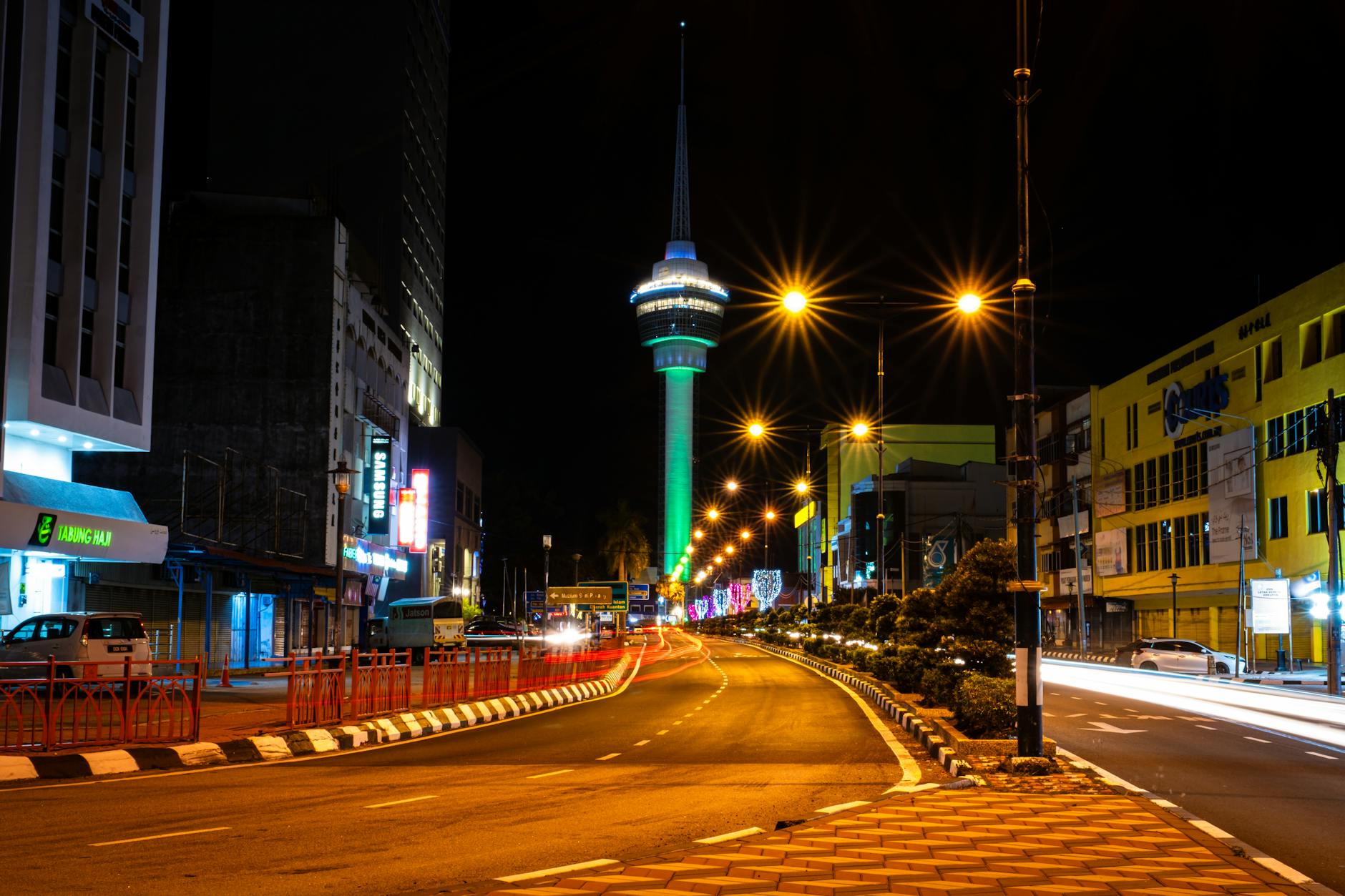
Night transport should be settled before alcohol, rain, fatigue, or group disagreement enters the picture. The traveler should know ride-hailing availability, pickup points, hotel address, phone battery level, and what to do if the group splits.
Walking can be pleasant in some areas and poor value in others, especially with rain, low energy, unfamiliar streets, or intoxicated companions. A modest ride can be the difference between a good night and a messy one.
- Confirm ride-hailing, pickup points, hotel address, and phone battery before going out.
- Set group split and return rules before alcohol or fatigue changes judgment.
- Use rides when walking becomes poor value after rain, distance, or late hours.
Understand alcohol, local norms, and mixed groups
Nightlife travelers should not assume every setting has the same relationship to alcohol. George Town includes mixed religious and cultural norms, family spaces, food-focused evenings, tourist bars, and quieter neighborhoods. The right night may involve drinking; it may also involve restraint.
Groups should discuss budget, alcohol limits, dress, public behavior, photography, and whether anyone needs to leave early. The traveler should avoid turning someone else's city, workplace, or place of worship into a party backdrop.
- Recognize different norms around alcohol, dress, noise, food spaces, and religious surroundings.
- Agree on budget, limits, public behavior, photos, and early exits within the group.
- Keep nightlife from spilling disrespectfully into residential or sacred spaces.
Protect phones, wallets, and documents
A night-oriented traveler should make a simple security plan: minimal cards, secure bag, charged phone, offline hotel details, emergency contact, and a copy of key documents stored separately. The issue is less fear than friction; losing a phone can derail a short trip.
The traveler should also avoid displaying expensive gear after several stops, especially if the night involves photography, content capture, or moving between crowded food streets and bars.
- Carry minimal cards, secure bags, charged phone, hotel details, and emergency contact access.
- Store document copies separately from the items used at night.
- Be cautious with camera gear and phones in crowded or late-night settings.
Keep mornings realistic
A nightlife-focused traveler often damages the trip by pretending every morning will still start early. If the trip includes heritage sites, outdoor plans, meetings, family obligations, or flights, the evening schedule should reflect that reality.
The traveler should deliberately choose which mornings are slow, which nights are larger, and where recovery food, hydration, laundry, and quiet time fit. A short trip improves when the night plan and morning plan are honest with each other.
- Match late nights with realistic morning plans, especially before flights or outdoor days.
- Build in recovery food, hydration, laundry, and quiet time.
- Choose a few strong nights rather than making every evening maximal.
When to order a short-term travel report
A traveler who wants one casual dinner and a short walk may not need a custom George Town report. A report becomes useful when the trip is explicitly built around nights, includes a group, alcohol, content capture, dietary constraints, safety concerns, hotel-location tradeoffs, late arrivals, or early departures.
The report should test evening geography, lodging, night food, bars, transport, pickup points, weather, group rules, alcohol expectations, medical access, next-day recovery, budget, and what to cut. The value is a nightlife plan that stays enjoyable without becoming chaotic.
- Order when nightlife, groups, alcohol, food routes, content capture, or hotel tradeoffs require testing.
- Provide dates, hotel options, night priorities, group size, food or alcohol constraints, budget, and morning obligations.
- Use the report to keep evenings controlled, respectful, and worth the late hours.