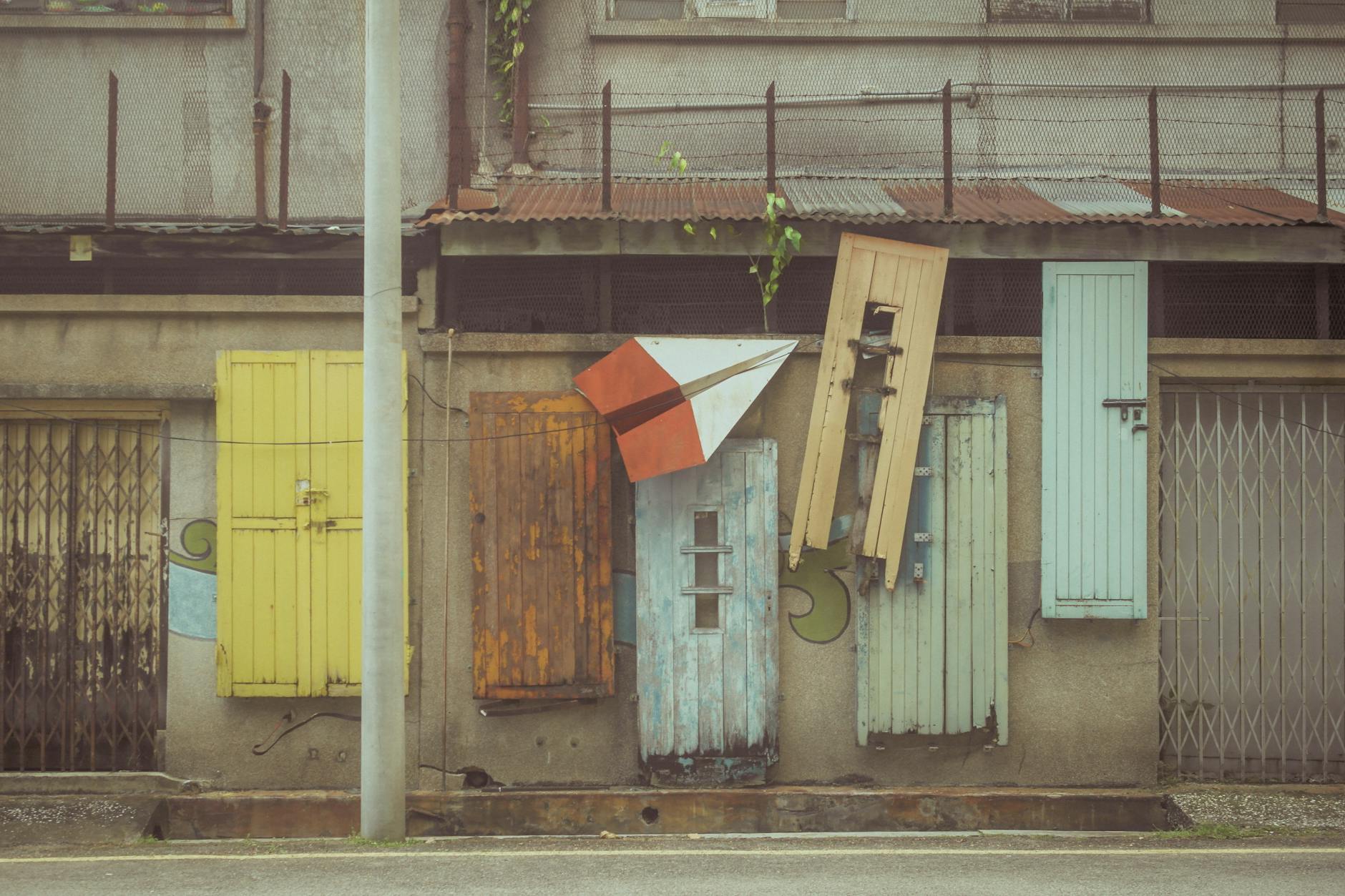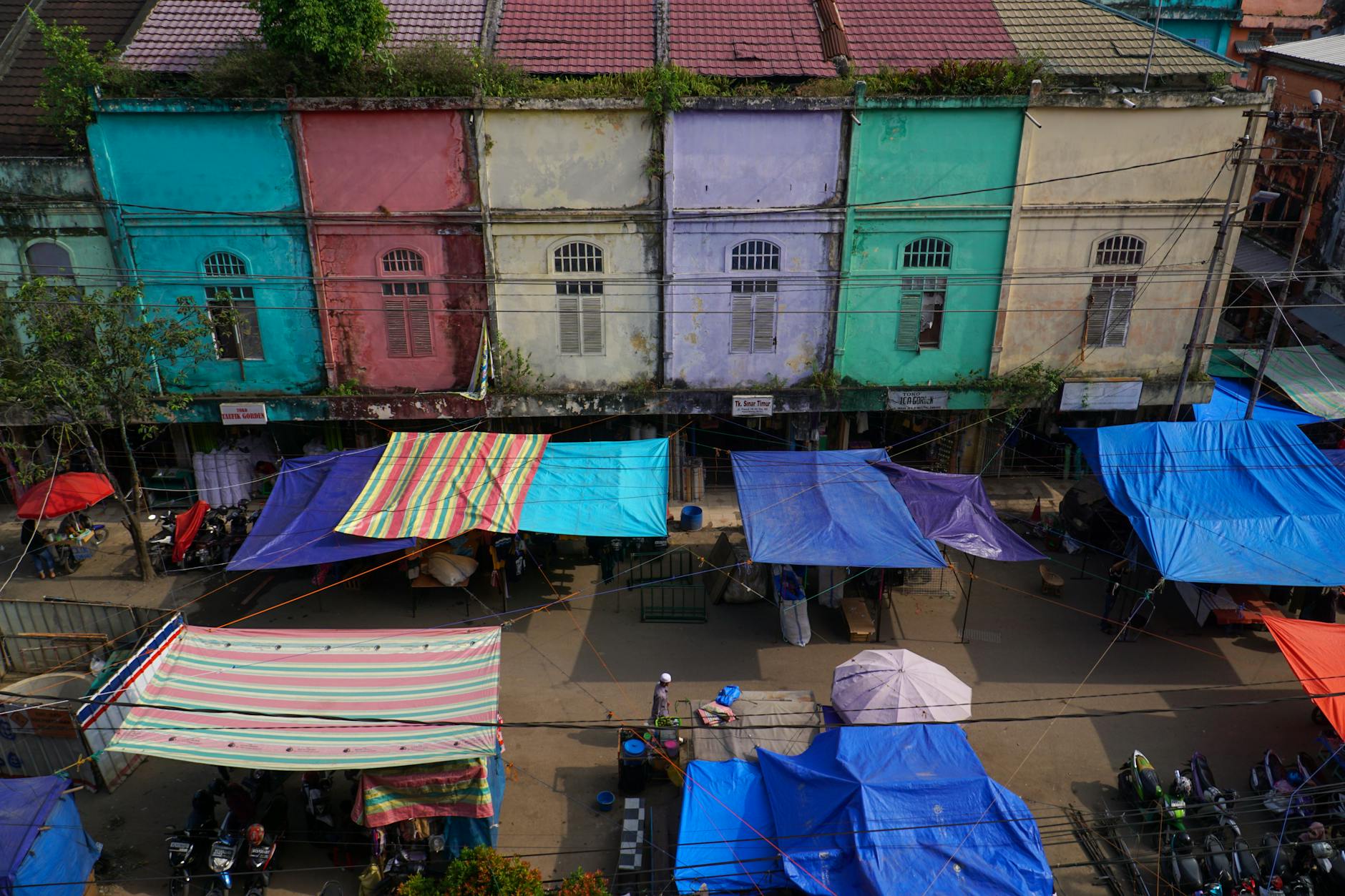
A reporting trip to George Town can look deceptively simple because the city is compact, visually rich, and easy to move through in parts. For a journalist, however, the relevant map is built from sources, permissions, access, timing, weather, equipment, fixers or local contacts, deadline windows, and the sensitivity of the story. The city can support stories on heritage, food, religion, migration, conservation, tourism, public space, business, and neighborhood change. The journalist's job is to arrive with enough structure to observe carefully without letting logistics consume the reporting day.
Define the story before chasing the city
George Town offers too many possible angles for a short reporting trip to remain vague. The journalist should decide whether the assignment is about heritage, food culture, tourism pressure, religious life, preservation, business, climate, mobility, or neighborhood change before filling the schedule.
That story choice should shape lodging, source outreach, photo needs, translation support, meal timing, and the balance between planned interviews and open observation. Without a defined frame, the city can become a beautiful distraction.
- Define the assignment angle before booking interviews and lodging.
- Let the story shape sources, neighborhoods, visuals, translation, and observation time.
- Avoid filling the trip with visually appealing but irrelevant stops.
Map sources and access points carefully
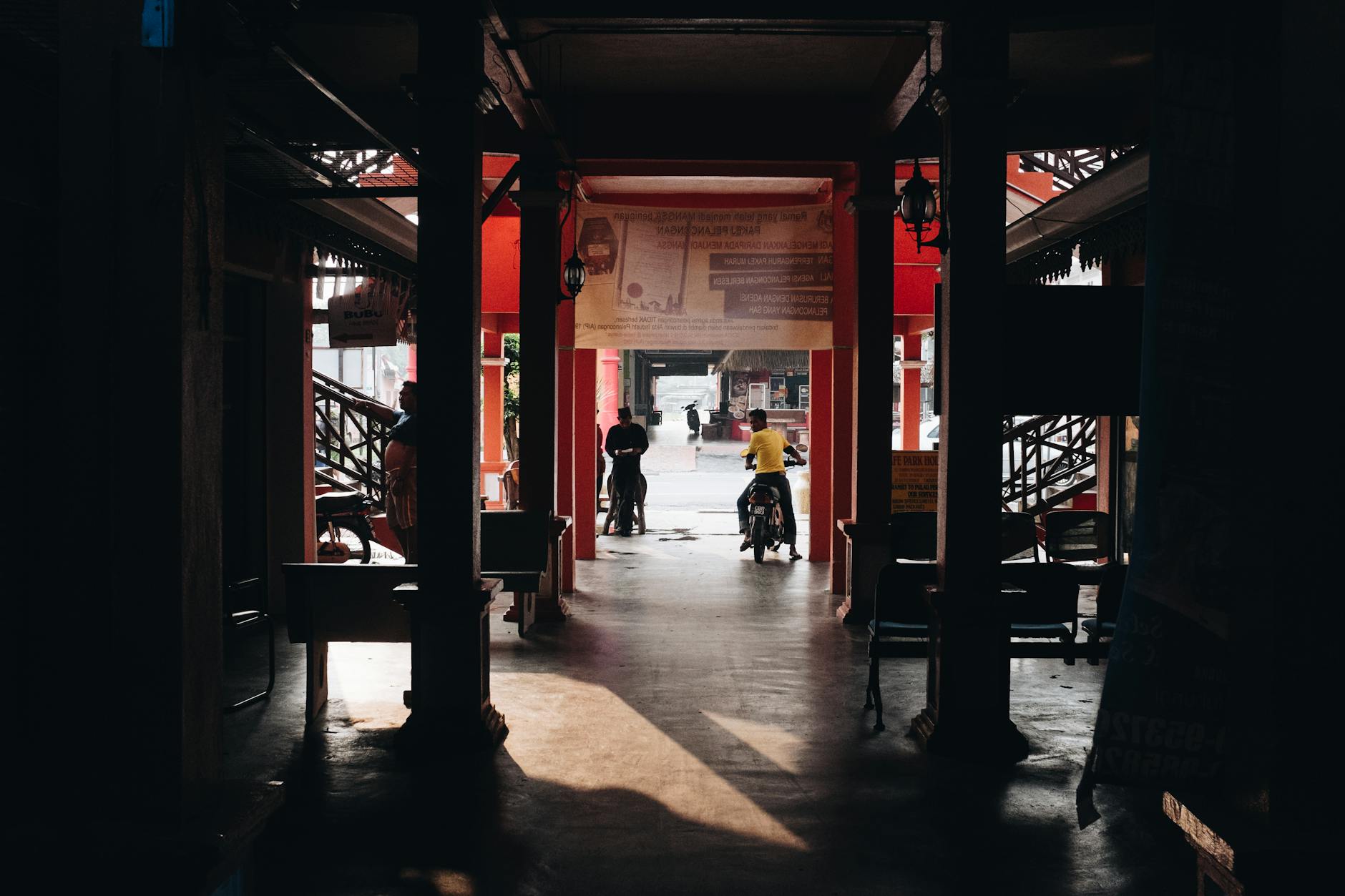
A journalist should map interviews, public agencies, businesses, religious sites, clan jetties, markets, heritage buildings, hotels, restaurants, ports, and any wider Penang locations before assuming everything is walkable. The reporting route may cross different kinds of spaces with different expectations.
The schedule should include buffers for source delay, translation, introductions, weather, and moments when a location is too crowded or too quiet to observe properly. Short trips need margin more than they need constant motion.
- Map interviews, agencies, markets, religious sites, jetties, businesses, and wider Penang locations.
- Build buffers for source delay, translation, weather, and access limitations.
- Do not assume the heritage core covers the whole reporting map.
Clarify permissions before recording
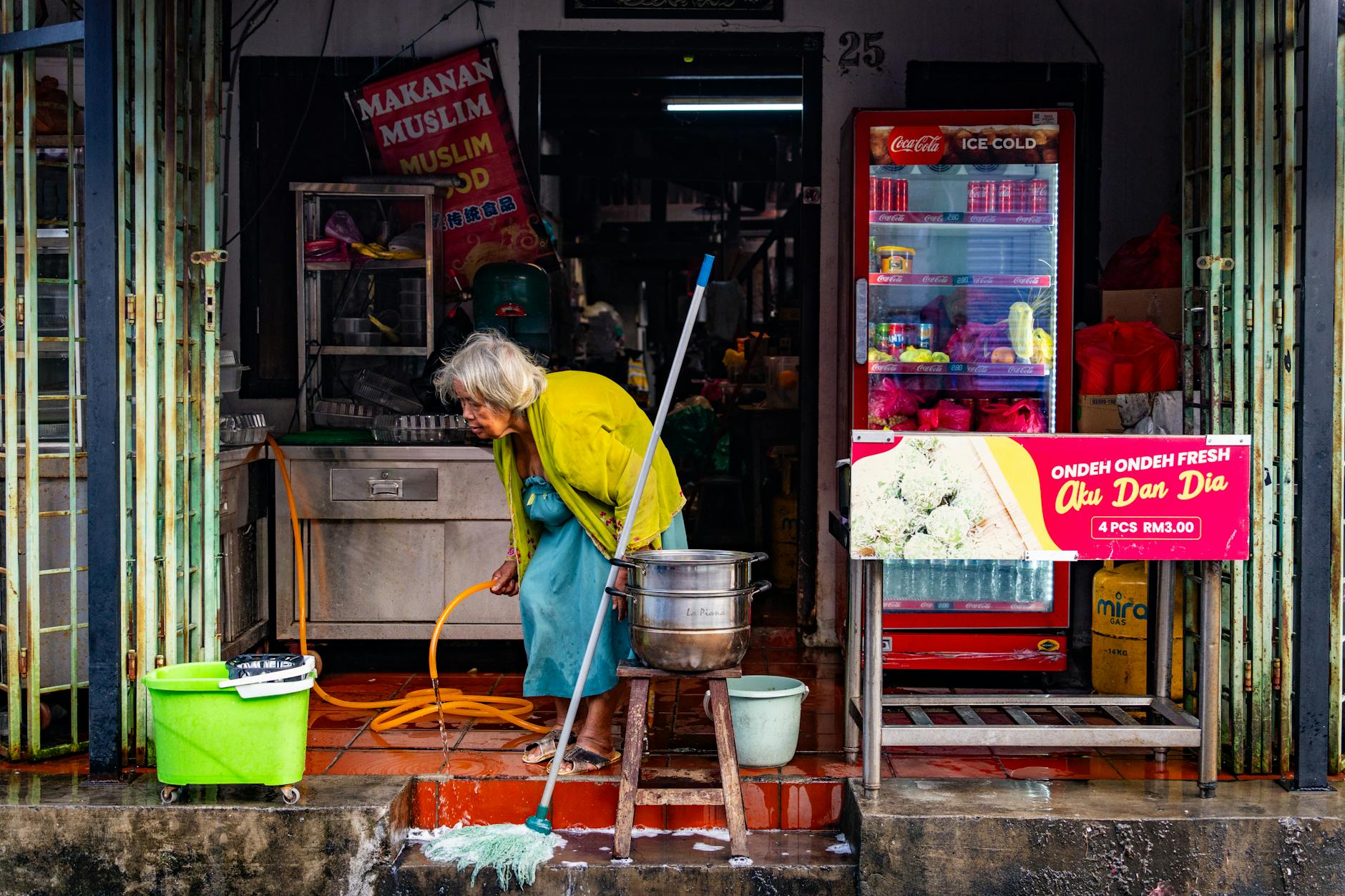
A journalist should distinguish between public streets, private businesses, religious sites, homes, schools, clinics, and community spaces. Camera, audio, drone, portrait, and interior access expectations can change quickly from one setting to another.
Permissions should be clarified before the journalist is standing in front of a source with equipment visible. Consent, attribution, translation accuracy, and whether a person understands the intended use of material are part of the reporting logistics.
- Separate public streets from private, religious, residential, school, and workplace settings.
- Clarify camera, audio, portrait, drone, and interior access before recording.
- Treat consent, attribution, and translation accuracy as logistical requirements.
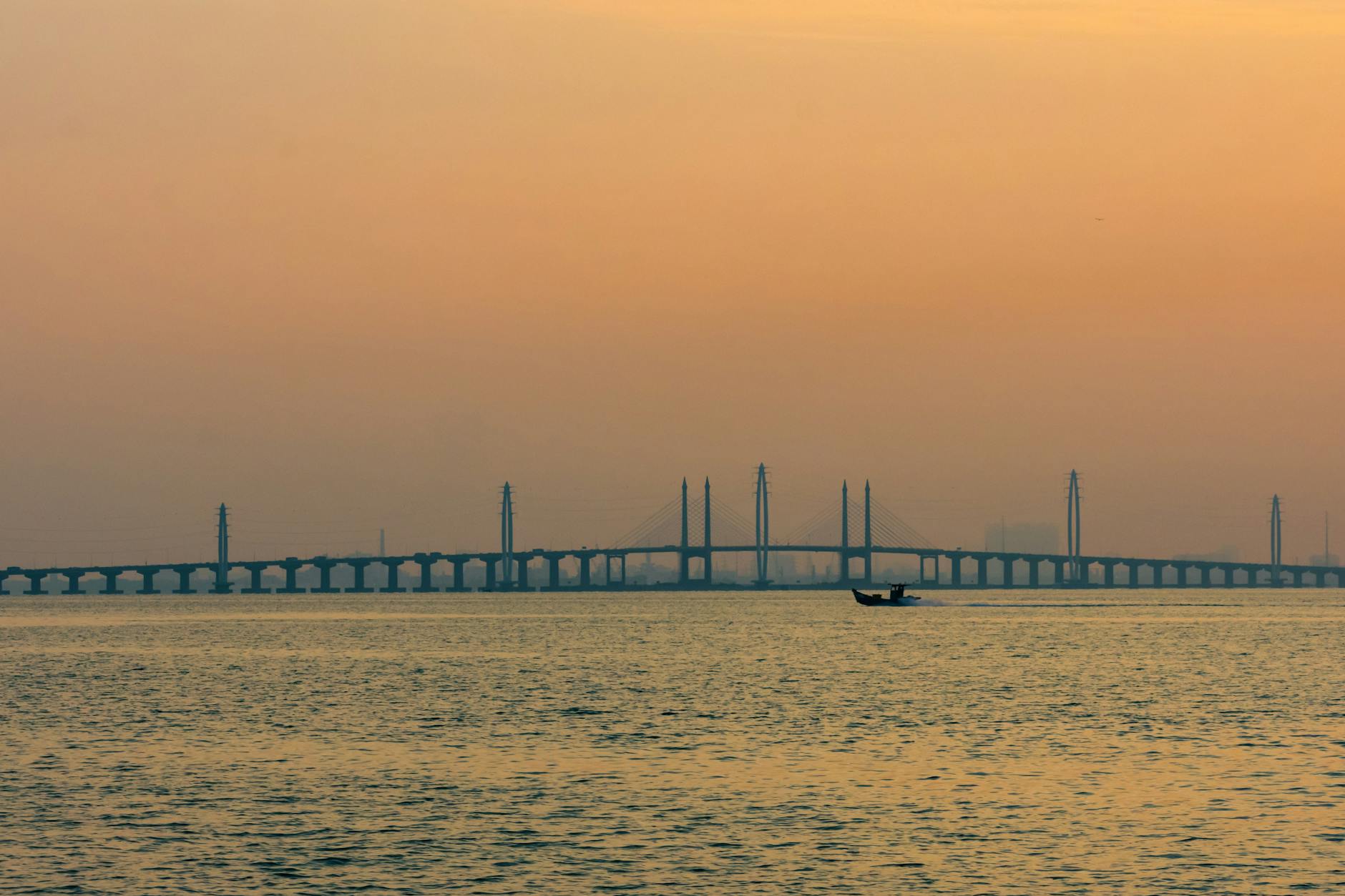
Build a transport plan around equipment and deadlines
A reporter carrying cameras, laptop, batteries, audio gear, notebooks, and rain protection should not plan movement like a light tourist. Heat, sudden rain, traffic, gear weight, and the need to arrive ready for an interview can make casual walking or last-minute ride-hailing inefficient.
The traveler should pre-plan key transfers, safe pickup points, backup routes, and where gear can be secured during meals or source meetings. If the story requires several locations in one day, transport control protects both safety and reporting quality.
- Plan movement around gear weight, heat, rain, interview timing, and deadline pressure.
- Set pickup points, backup routes, and secure gear handling before the day starts.
- Use stronger transport control for multi-location reporting days.
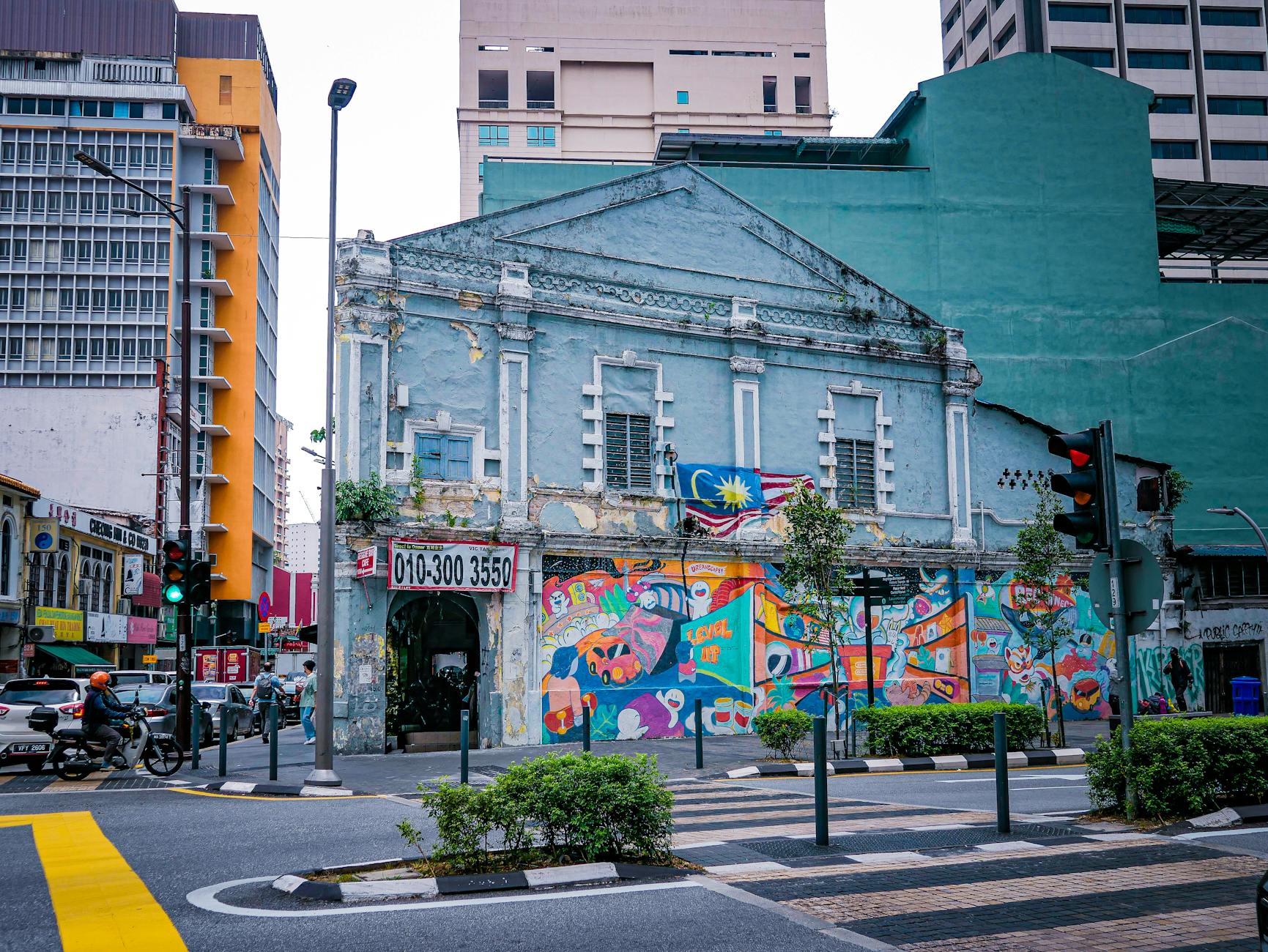
Protect equipment, files, and communications
George Town's heat, humidity, rain, busy food settings, and crowded public spaces can be hard on reporting gear. The journalist should bring waterproof protection, cable discipline, backup batteries, redundant storage, secure bags, and a plan for charging between assignments.
Files should be backed up before the end of each day. The traveler should know where to work privately, how to upload large material, and how to protect source notes and contact details when moving through public spaces.
- Pack rain protection, batteries, storage, secure bags, adapters, and cable discipline.
- Back up photos, audio, notes, and contact details before the day is over.
- Identify private workspace and upload options before deadline pressure arrives.
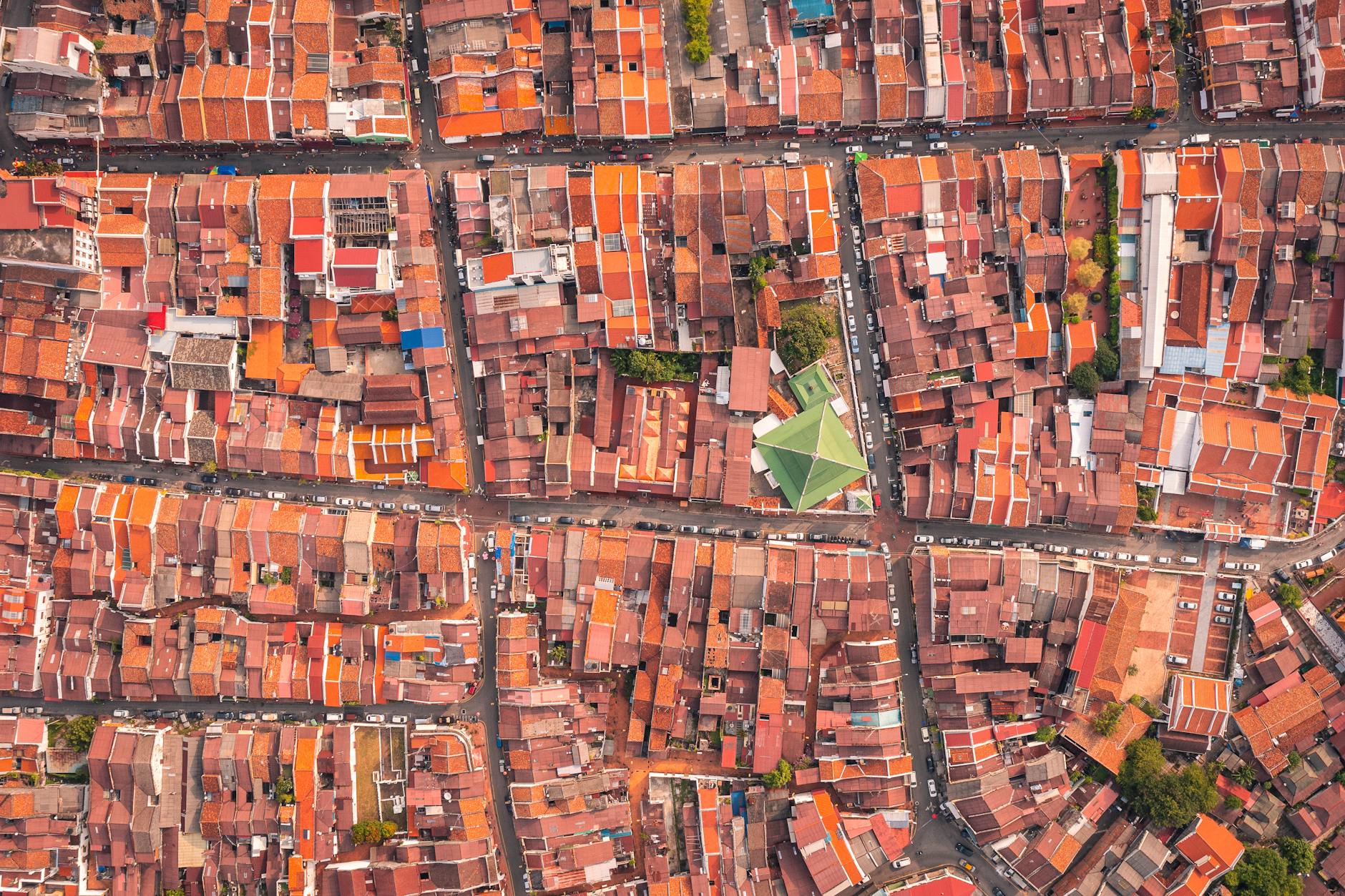
Use food and street life without losing reporting distance
George Town's food culture and street life may be central to the assignment, but a journalist should avoid letting meals become the entire reporting plan. Hawker centers, cafes, markets, and evening streets can provide observation, but they also bring noise, crowds, sensory overload, and source-management challenges.
The reporter should plan when to eat, when to observe, when to interview, and when to step away to write notes. Food can support reporting, but it should not replace verification.
- Use hawker centers, cafes, markets, and evening streets with a reporting purpose.
- Plan when to eat, observe, interview, and step away for notes.
- Do not let vivid food scenes replace source work and verification.
When to order a short-term travel report
A journalist with one simple feature and a flexible schedule may not need a custom George Town report. A report becomes useful when the assignment involves multiple source types, sensitive locations, equipment, photo or audio needs, deadline uploads, medical or dietary constraints, local contacts, or movement beyond the heritage core.
The report should test source geography, lodging, transport, permissions, equipment workflow, weather, food timing, privacy, medical access, connectivity, budget, and what to cut. The value is a reporting trip that keeps attention on the story instead of preventable logistics.
- Order when sources, permissions, gear, deadlines, sensitive settings, or wider Penang movement require testing.
- Provide dates, assignment scope, source locations, hotel options, gear needs, deadline windows, budget, and constraints.
- Use the report to protect reporting time and judgment.