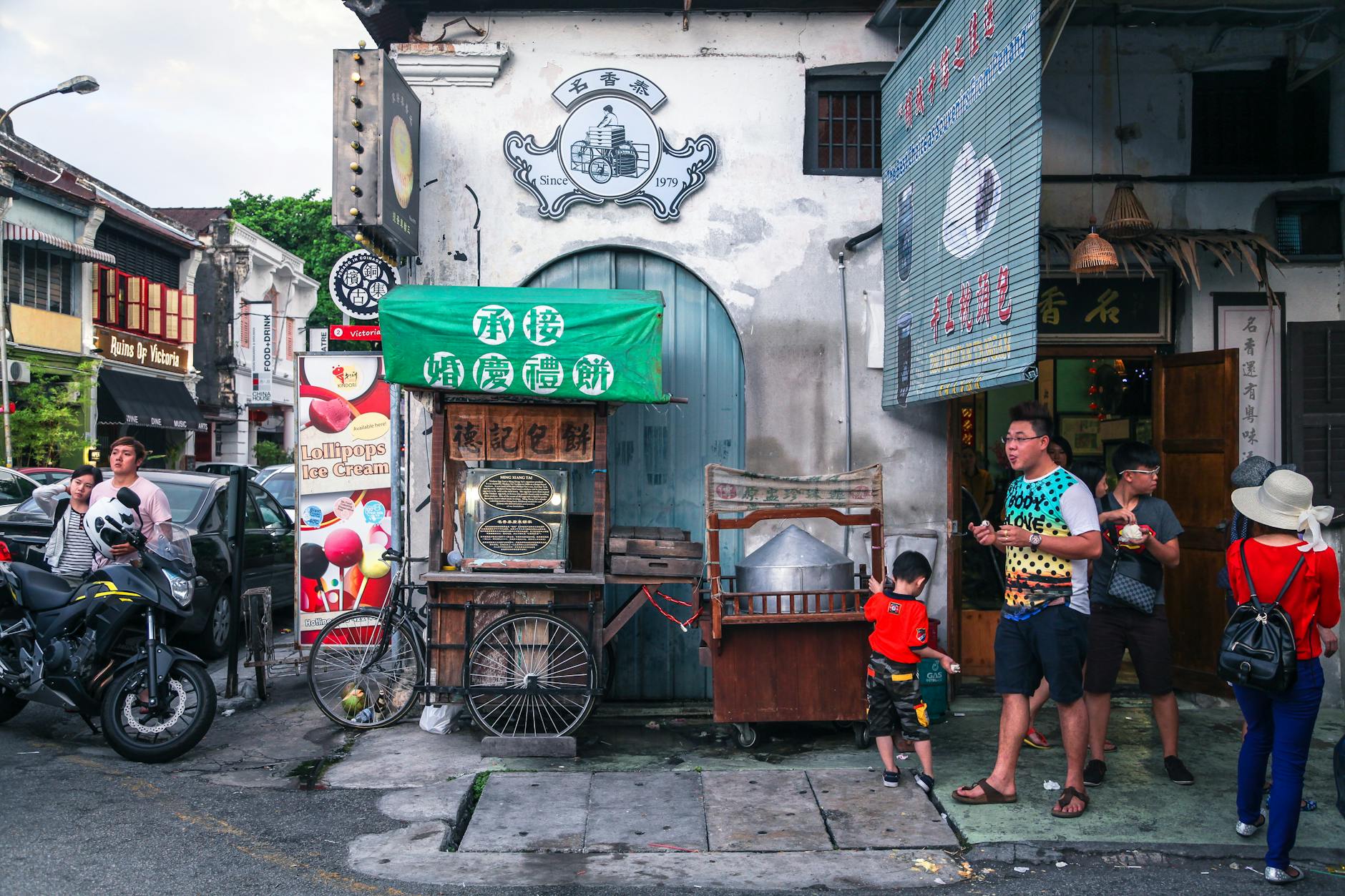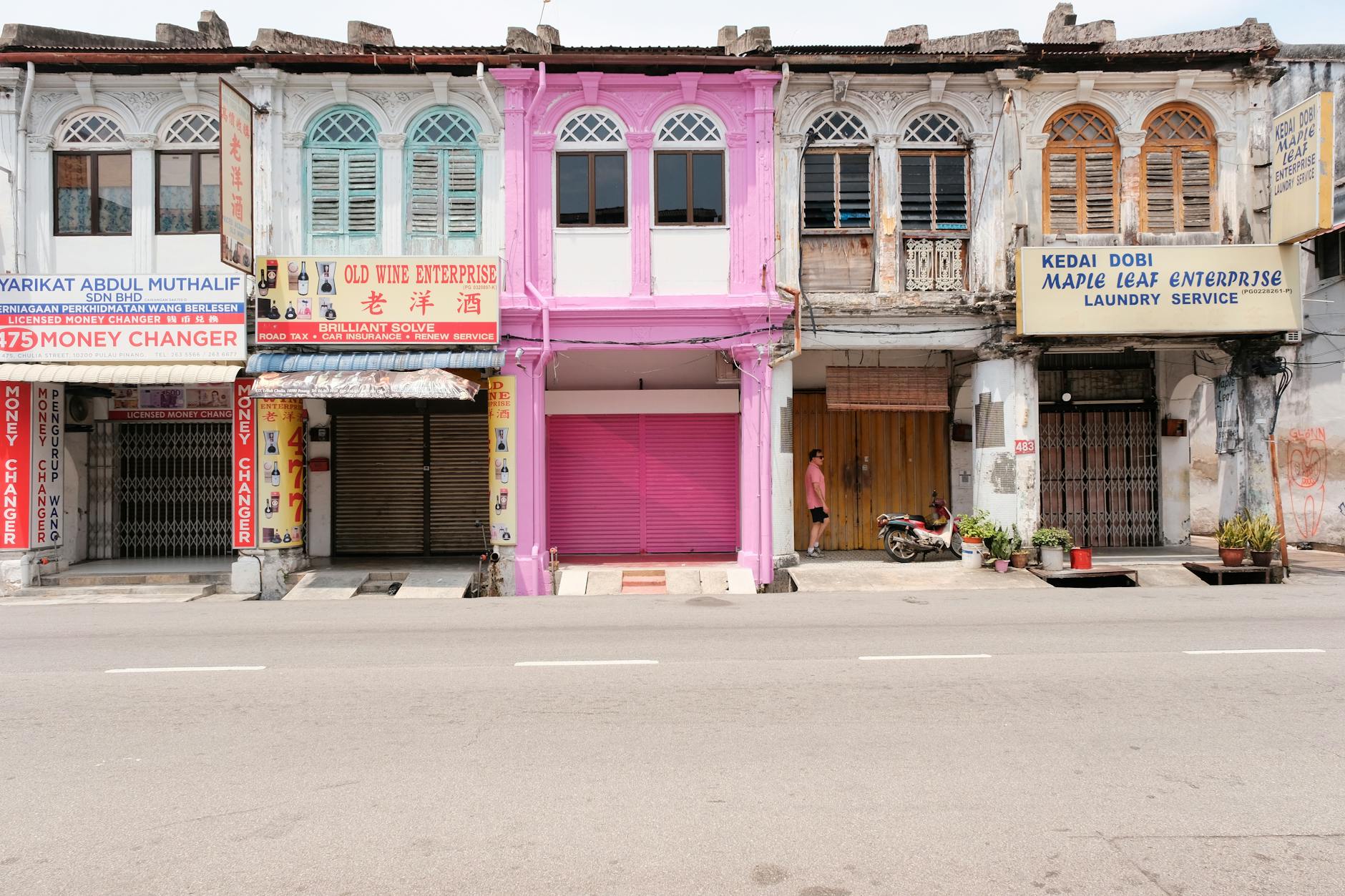
George Town is a rewarding first-time destination because it offers layered architecture, street art, clan jetties, temples, mosques, churches, hawker food, boutique hotels, and wider Penang access in a compact-feeling setting. It is also hotter, more humid, and more logistically spread out than many first-time visitors expect. A short stay can feel rich or scattered depending on how the first day is built. The best first visit starts with a clear base, realistic walking plans, and a small number of priorities. George Town is not only a photo route. It is a living Malaysian city with religious spaces, residential streets, food traditions, traffic, rain, and local rhythms that deserve more attention than a quick checklist allows.
Choose a base inside the trip you actually want
First-time visitors should decide whether they want a heritage-core stay, food-focused evenings, easy hotel comfort, waterfront access, beach add-ons, or a base that makes airport and Penang movement simpler. A beautiful boutique hotel may be perfect for walking the old town and less convenient for a beach or airport-heavy plan.
The traveler should check stairs, room size, noise, breakfast, cooling, ride-hailing access, and distance to the places they will actually visit. In George Town, lodging character matters, but so does recovery from heat.
- Decide whether the stay is heritage-core, food-focused, hotel-comfort, waterfront, or wider-Penang oriented.
- Check stairs, cooling, breakfast, noise, room size, and ride-hailing access.
- Choose a base that supports the real itinerary, not only the best photos.
Plan walking around heat, rain, and shade
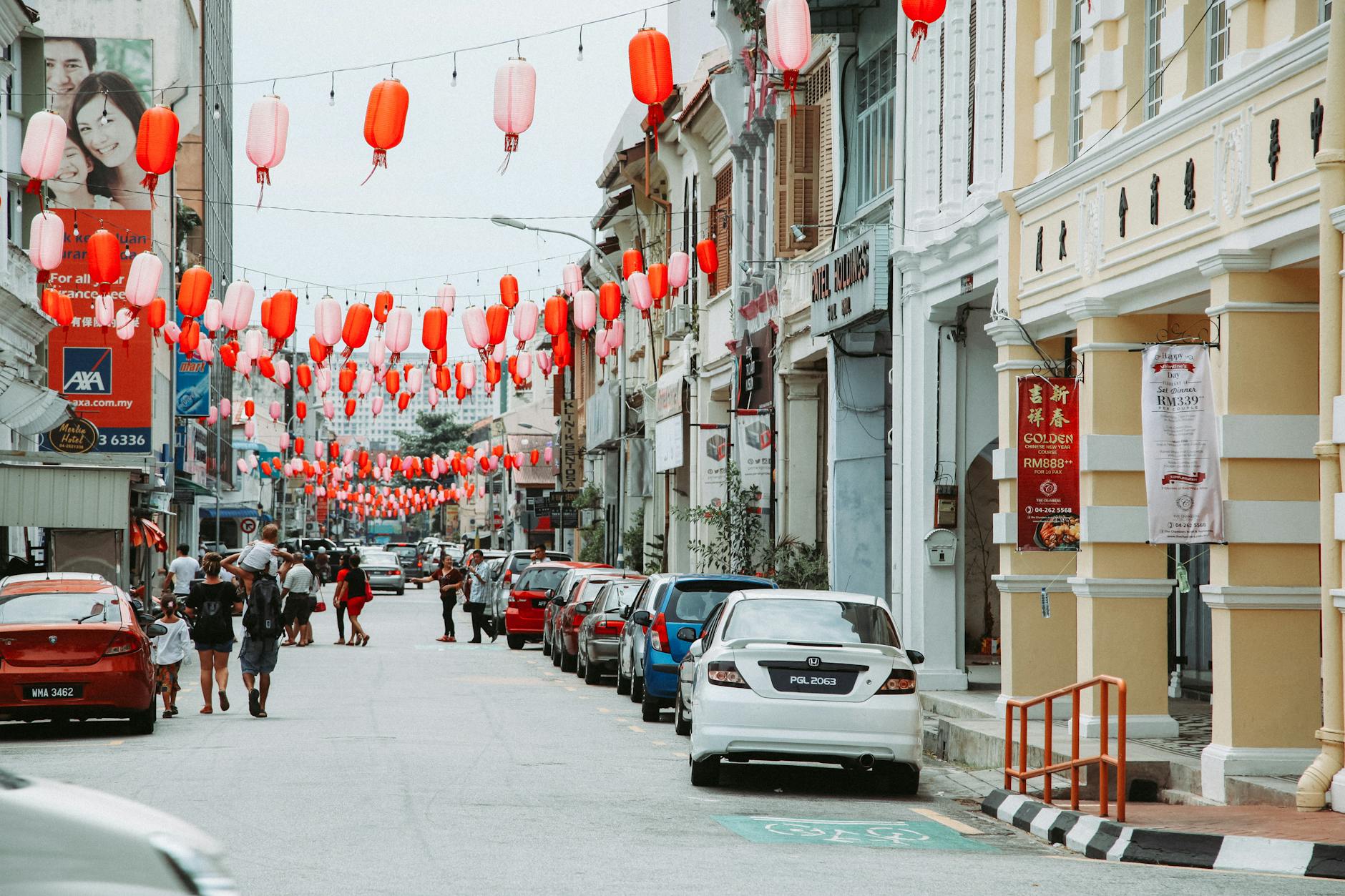
George Town looks walkable on a map, and many central sights are close together. The climate changes the experience. Humidity, sun, sudden rain, uneven pavements, traffic crossings, and limited shade can make a casual route feel much longer than expected.
A first-time visitor should plan shorter loops, indoor breaks, water stops, and flexible timing. Early morning and late afternoon can be more comfortable than forcing the full route at midday.
- Use shorter walking loops with water, shade, indoor stops, and rain backup.
- Treat humidity and midday heat as itinerary constraints.
- Plan around uneven pavements, traffic crossings, and sudden showers.
Handle food as a plan, not a dare
George Town's food culture is central to a first visit, but the traveler should plan by appetite, spice tolerance, dietary rules, hydration, opening hours, queues, and stomach risk. Chasing every famous dish in one day can make the trip less enjoyable rather than more authentic.
The best food plan mixes hawker centers, cafes, simple meals, and rest. Travelers with allergies, halal or vegetarian needs, or medical constraints should identify reliable options before hunger makes decisions sloppy.
- Plan food around appetite, spice tolerance, dietary rules, hydration, and opening hours.
- Mix hawker meals, cafes, simple food, and rest instead of chasing every dish.
- Identify allergy, halal, vegetarian, or medical-safe options early.
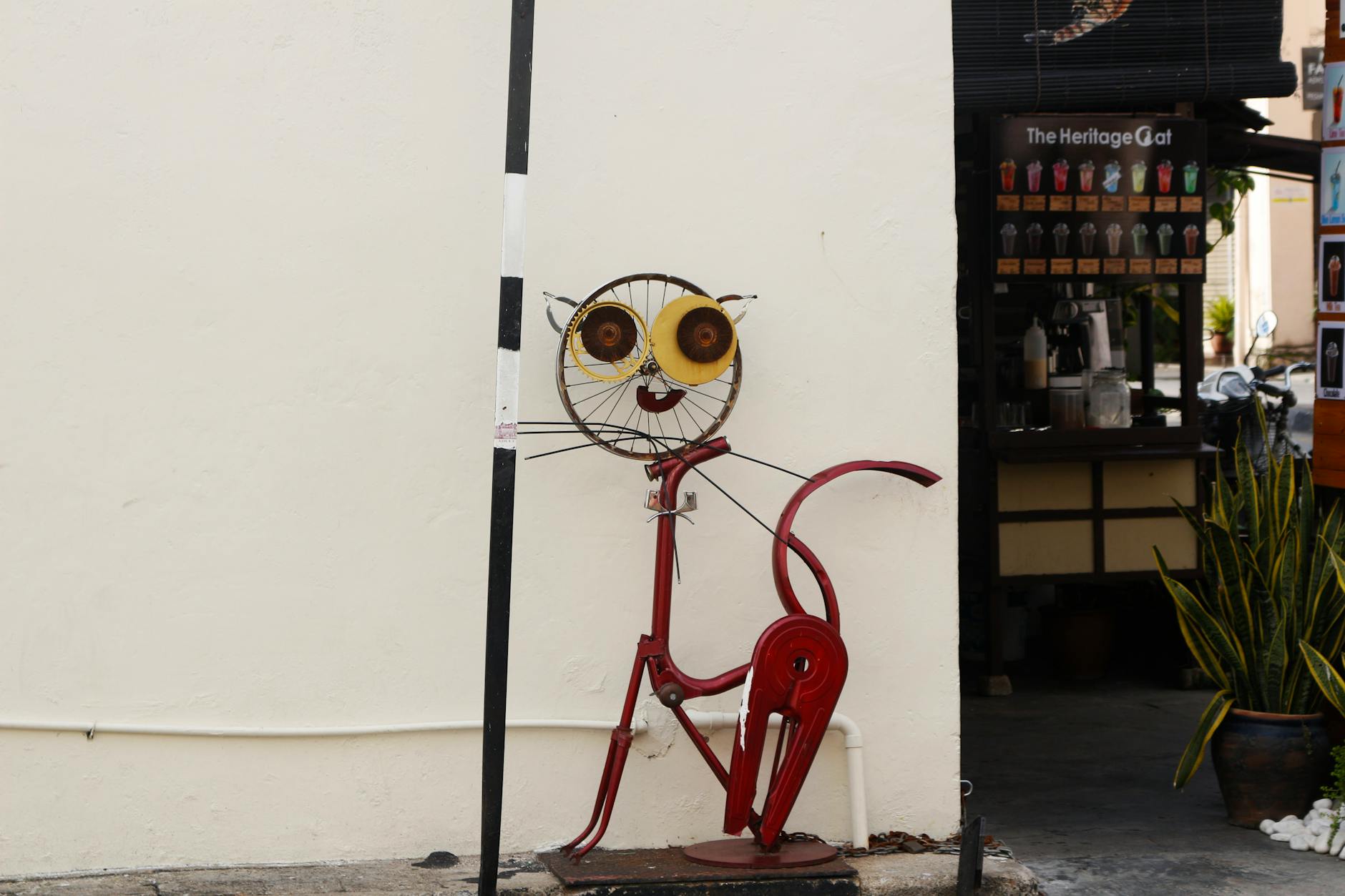
Treat cultural sites with attention
George Town's temples, mosques, churches, clan houses, cemeteries, and jetties are not only attractions. Many are active religious, residential, or community spaces. First-time visitors should check dress, shoes, photography, donation, opening hours, and whether a space is appropriate for casual entry.
The traveler should slow down with captions and photos. A respectful visit often means taking fewer images and spending more time understanding what the place is.
- Check dress, shoes, photography, donation, and opening rules before entering sites.
- Remember that religious and clan spaces may still be active community places.
- Use fewer photos and better context rather than treating every site as a backdrop.
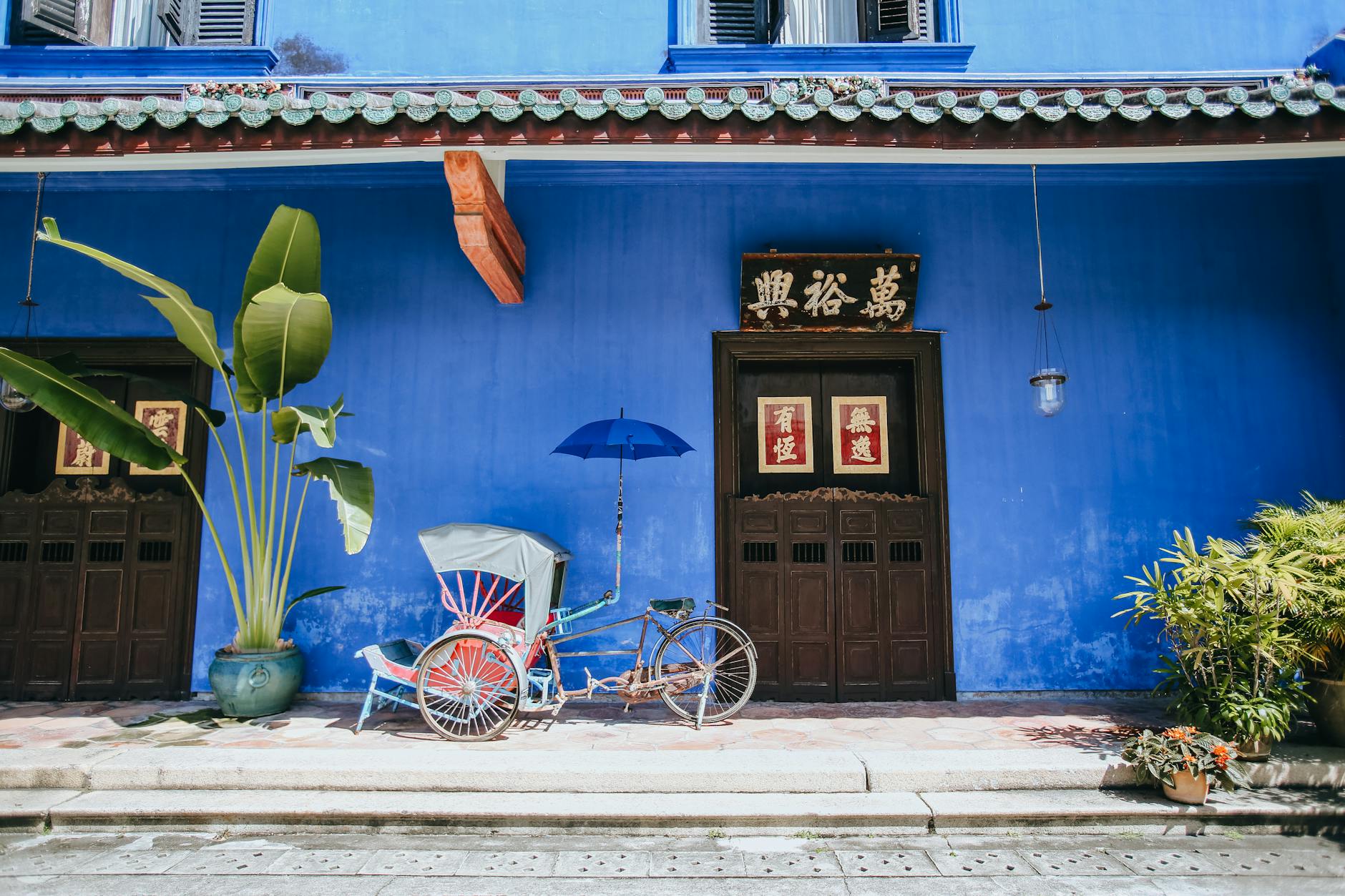
Use street art and heritage routes selectively
Street art, shophouses, clan jetties, and heritage streets can structure a first visit, but a route built only around famous images can become repetitive and crowded. The traveler should choose a few areas, leave time to wander, and avoid blocking residents, shops, or traffic for photos.
A good heritage route includes breaks, context, and local businesses that fit the traveler's pace. The city is more interesting when it is not reduced to a scavenger hunt.
- Choose a few heritage and street-art areas rather than chasing every image.
- Avoid blocking residents, shops, traffic, or working streets for photos.
- Leave room to wander, learn context, and stop in local businesses.
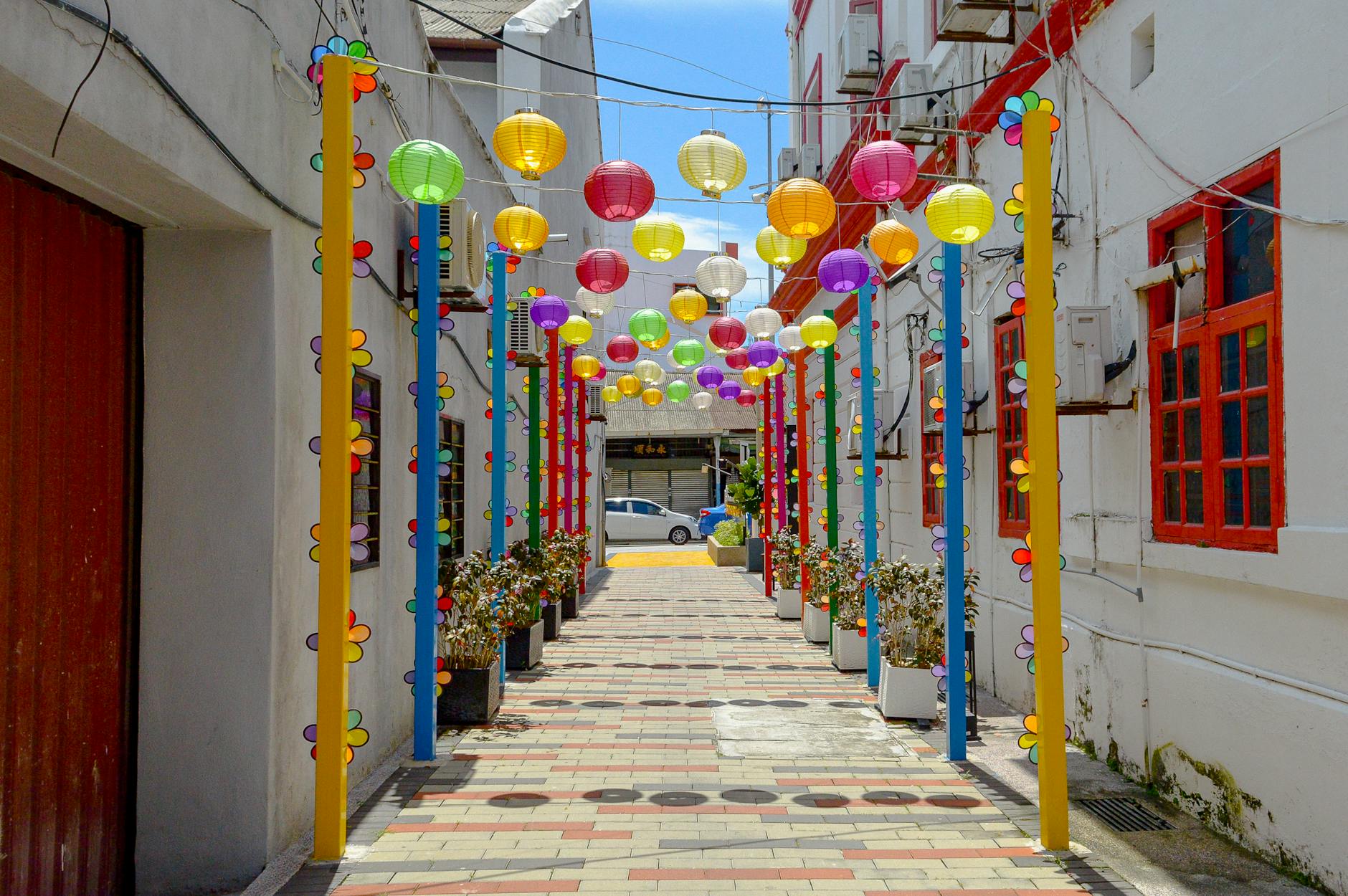
Prepare for airport, cash, and ride-hailing basics
A first-time visitor should know how they will get from Penang International Airport to the hotel, how ride-hailing works, how much cash to carry for small vendors, and whether cards are accepted at planned stops. Phone data and payment setup should be handled before leaving the airport or hotel.
The traveler should also plan for rain during transfers, traffic at peak times, and luggage on narrow or uneven streets. The first arrival should be calm enough to start the trip well.
- Set up airport transfer, ride-hailing, phone data, small cash, and card expectations.
- Plan for traffic, rain, luggage, and uneven streets.
- Make the first arrival simple rather than improvised.
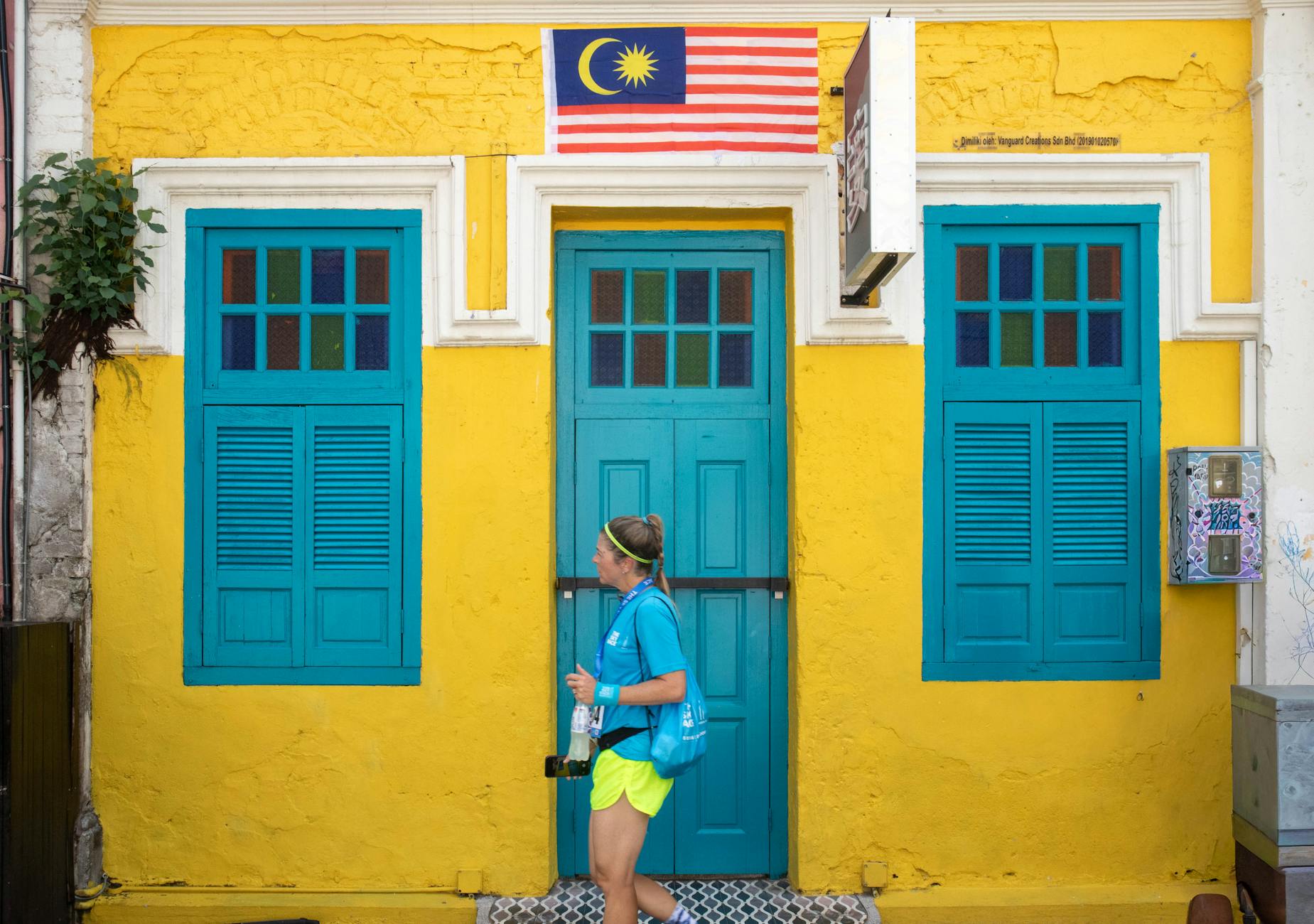
When to order a short-term travel report
A first-time visitor with flexible dates, a simple hotel, and a relaxed pace may not need a custom George Town report. A report becomes useful when the traveler has limited time, food or medical constraints, mobility concerns, mixed interests, family obligations, side trips, or uncertainty about where to stay.
The report should test lodging, airport transfer, walking loops, heat and rain timing, food choices, cultural-site etiquette, street-art routes, cash and payment needs, side trips, budget, and what to cut. The value is a first trip that feels rich without becoming chaotic.
- Order when lodging, limited time, food needs, mobility, side trips, or mixed interests need testing.
- Provide dates, hotel options, arrival time, interests, food constraints, mobility needs, budget, and priorities.
- Use the report to make the first visit focused, respectful, and realistic.