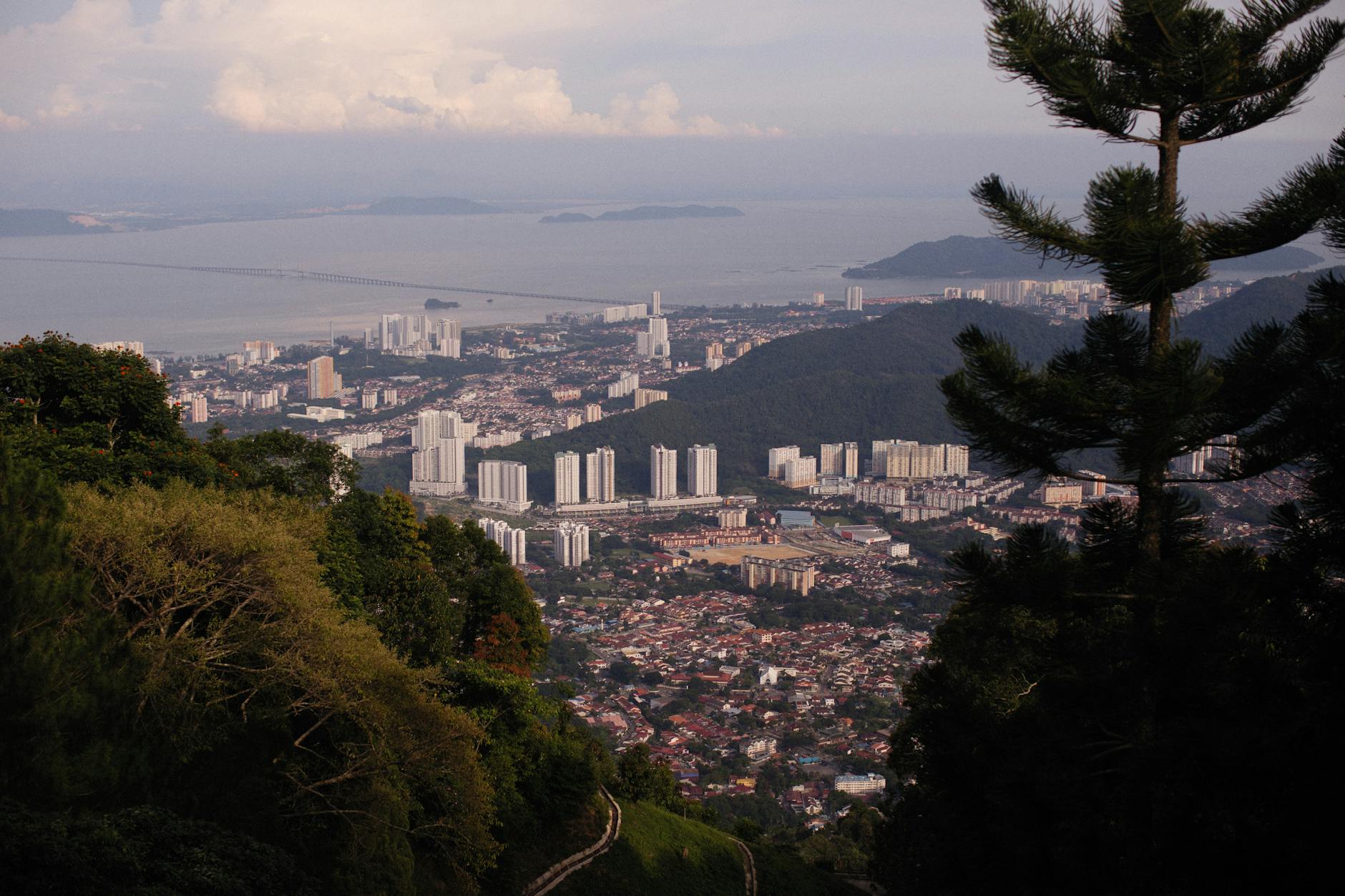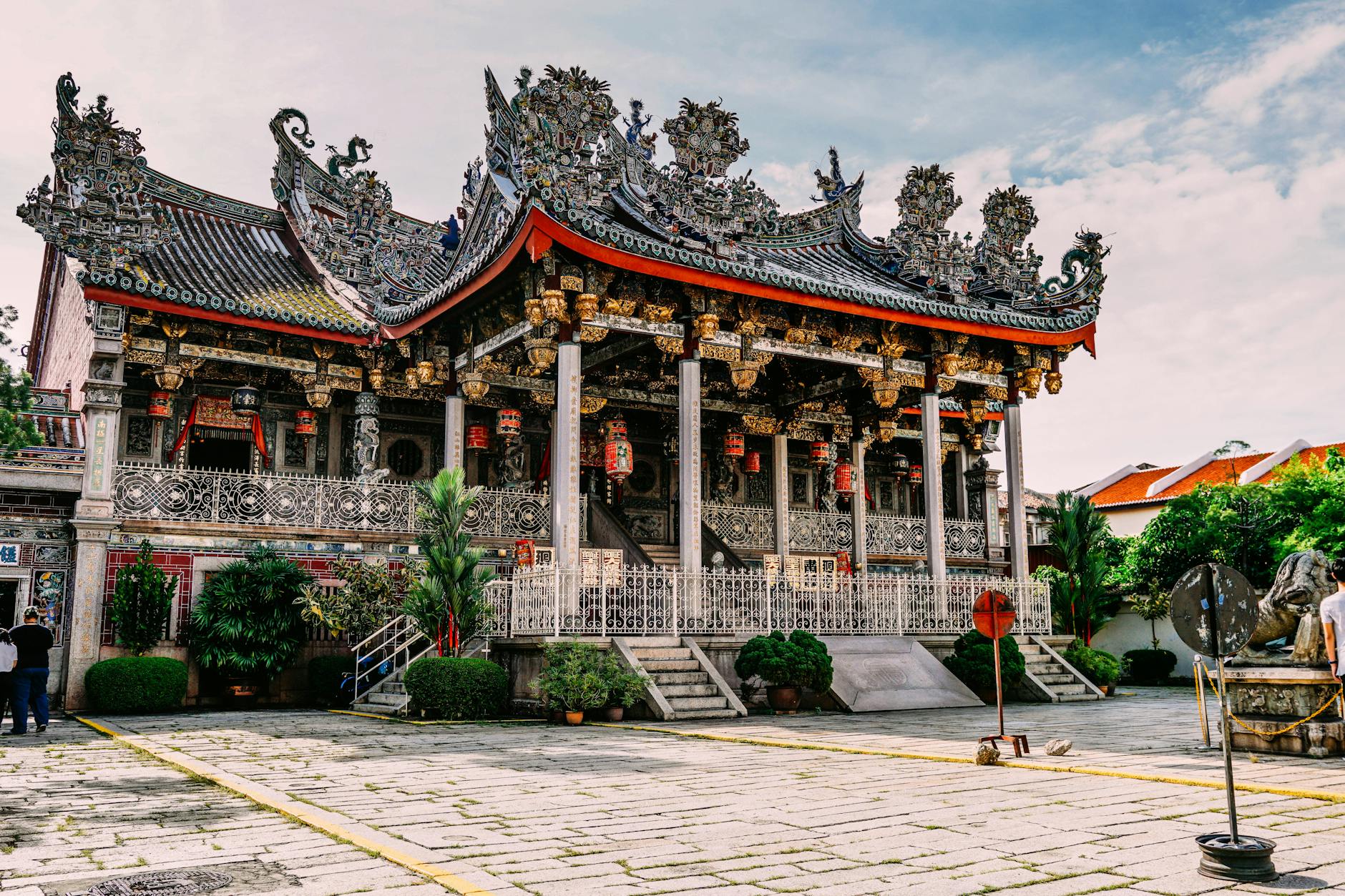
George Town can work beautifully for families because the city gives children and adults plenty to notice: colors, food stalls, clan jetties, temples, street art, shophouses, cafes, and short excursions across Penang. A family can have a rewarding stay without turning every day into a formal tour. The challenge is that a compact map does not remove family logistics. Heat, rain, traffic crossings, uneven pavements, food tolerance, bathroom timing, nap needs, older relatives, and sibling patience can shape the day as much as any attraction list.
Choose lodging by family logistics
Families should choose the George Town base by room layout, lift access, breakfast, air conditioning, pool or rest space, laundry, stroller storage, nearby food, and the ease of returning during the hottest part of the day. A charming heritage property can be excellent, but stairs, small rooms, noise, and bathroom layout may matter more with children or older relatives.
The family should also check pickup points, car-seat expectations, and whether the immediate area feels workable with tired children after dinner. The best lodging is the one that lets the family reset quickly.
- Assess room layout, lift access, breakfast, cooling, laundry, and rest space.
- Check stairs, noise, bathroom setup, stroller storage, and pickup points.
- Choose a base that supports returns, not only sightseeing access.
Build the day around heat and short attention spans
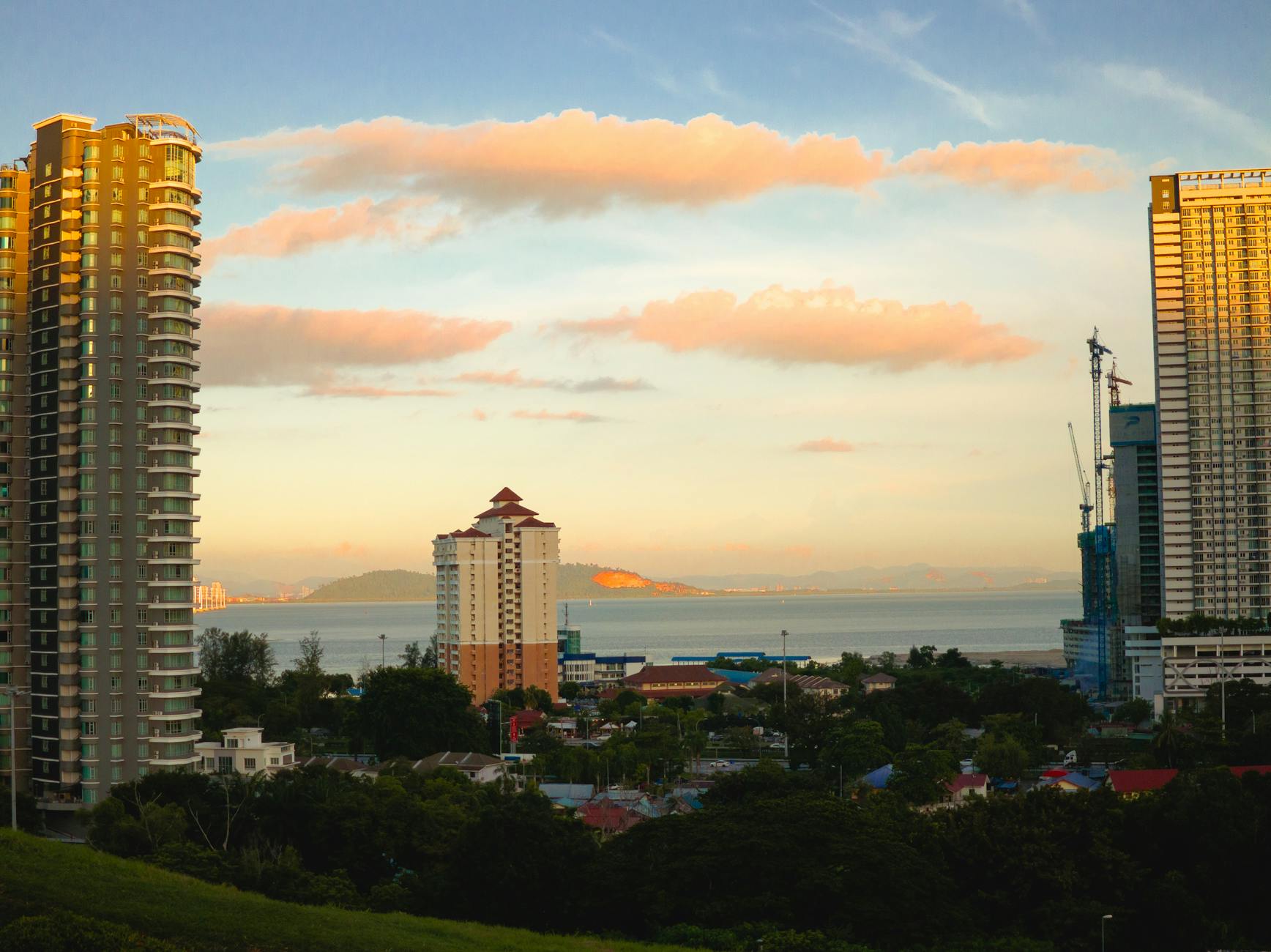
George Town rewards walking, but family walking needs limits. Heat, humidity, rain, uneven pavements, road crossings, and the need for snacks or bathrooms can turn a short distance into a slow negotiation. Families should use early starts, indoor breaks, rides, and one or two main goals per half day.
A child-friendly itinerary does not need to be childish. A temple visit, a mural walk, a cafe stop, a clan house, and a swim or rest break can be enough. The mistake is stacking every famous stop into one hot loop.
- Use early starts, indoor breaks, rides, snacks, water, and bathroom planning.
- Keep each half day to one or two main goals.
- Avoid long hot loops that make the next day harder.
Plan food for curiosity and tolerance
Family food planning in George Town should balance famous dishes with practical tolerance. Hawker centers, kopitiams, cafes, hotel restaurants, and casual local spots can all work, but children may need simpler backup meals, less spice, predictable drinks, and shorter waits. Adults should decide in advance how adventurous the family can be on the first night.
Shellfish, peanuts, unfamiliar oils, heat, and hydration should be considered honestly. The family does not need to avoid local food. It needs a food plan that keeps discovery from turning into stomach trouble or evening frustration.
- Balance hawker food, cafes, hotel meals, and backup child-friendly options.
- Plan around spice, shellfish, peanuts, hydration, waits, and first-night fatigue.
- Let food discovery happen inside realistic family limits.
Use transport to reduce street stress
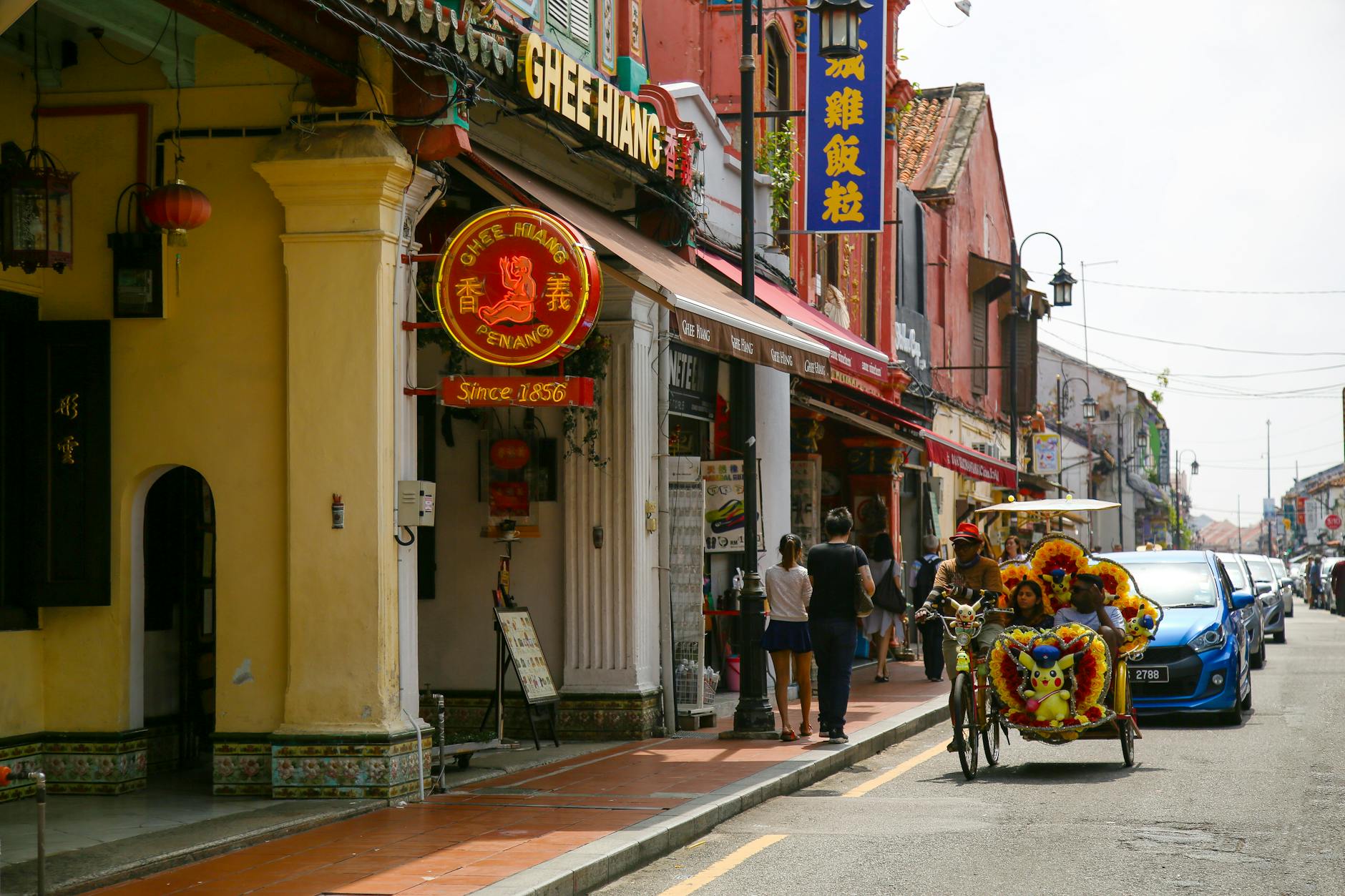
Families should not treat every short route as a walk. Ride-hailing, taxis, hotel cars, or a private driver can protect energy when rain, heat, luggage, strollers, grandparents, or tired children make movement harder. This is especially relevant between the airport, hotel, temples, Penang Hill, beaches, and evening meals.
The family should still plan pickup points and waiting time. A car can reduce stress, but only if the group knows where to meet, what bags or strollers are coming, and whether child-seat expectations are realistic.
- Use rides or drivers when heat, rain, luggage, strollers, or fatigue matter.
- Confirm pickup points, waiting time, bags, stroller fit, and car-seat expectations.
- Save walking energy for the places where walking is the experience.
Make heritage and religious sites age-appropriate
Temples, clan houses, jetties, cemeteries, galleries, and heritage streets can be memorable for children when adults explain them simply and set behavior expectations first. Shoes, quiet voices, photo rules, offerings, worship areas, and residential privacy should be addressed before the family arrives at the doorway.
Families should choose fewer sites and make each one easier to understand. A short, respectful visit is better than a long visit where children are overheated, bored, or unsure how to behave.
- Explain shoes, voices, photos, offerings, worship areas, and privacy before entry.
- Choose fewer cultural stops and make each one understandable.
- Leave before heat or boredom weakens respectful behavior.
Choose side trips with the whole group in mind
Penang Hill, Kek Lok Si, beaches, gardens, workshops, and food-focused excursions can make a family trip stronger, but they should be chosen by age mix, heat tolerance, walking limits, bathroom access, queues, and return timing. A side trip that delights one adult may be too much for a tired child or an older relative.
The family should choose one substantial outing per day at most, then protect a reset period. The goal is not to prove that everyone saw all of Penang. It is to make the shared parts good enough that nobody remembers only the logistics.
- Assess side trips by age mix, heat, walking, bathrooms, queues, and return timing.
- Limit substantial outings and protect a reset period afterward.
- Choose shared quality over a checklist of Penang stops.
When to order a short-term travel report
A family with older children, a central hotel, and a flexible food-and-walking plan may not need a custom George Town report. A report becomes useful when the family is choosing between lodging types, traveling with small children or grandparents, managing dietary or medical needs, planning side trips, arriving late, or trying to fit too much into a short stay.
The report should test lodging layout, airport transfer, walking loops, heat and rain timing, food plans, family transport, temple etiquette, child-friendly pacing, side trips, medical access, bathrooms, budget, and what to cut. The value is a George Town trip that feels rich because the family had enough margin to enjoy it.
- Order when lodging, children, grandparents, food, medical needs, or side trips require testing.
- Provide dates, ages, hotel options, mobility limits, dietary needs, interests, budget, and priorities.
- Use the report to protect family energy while keeping the trip specific to George Town.