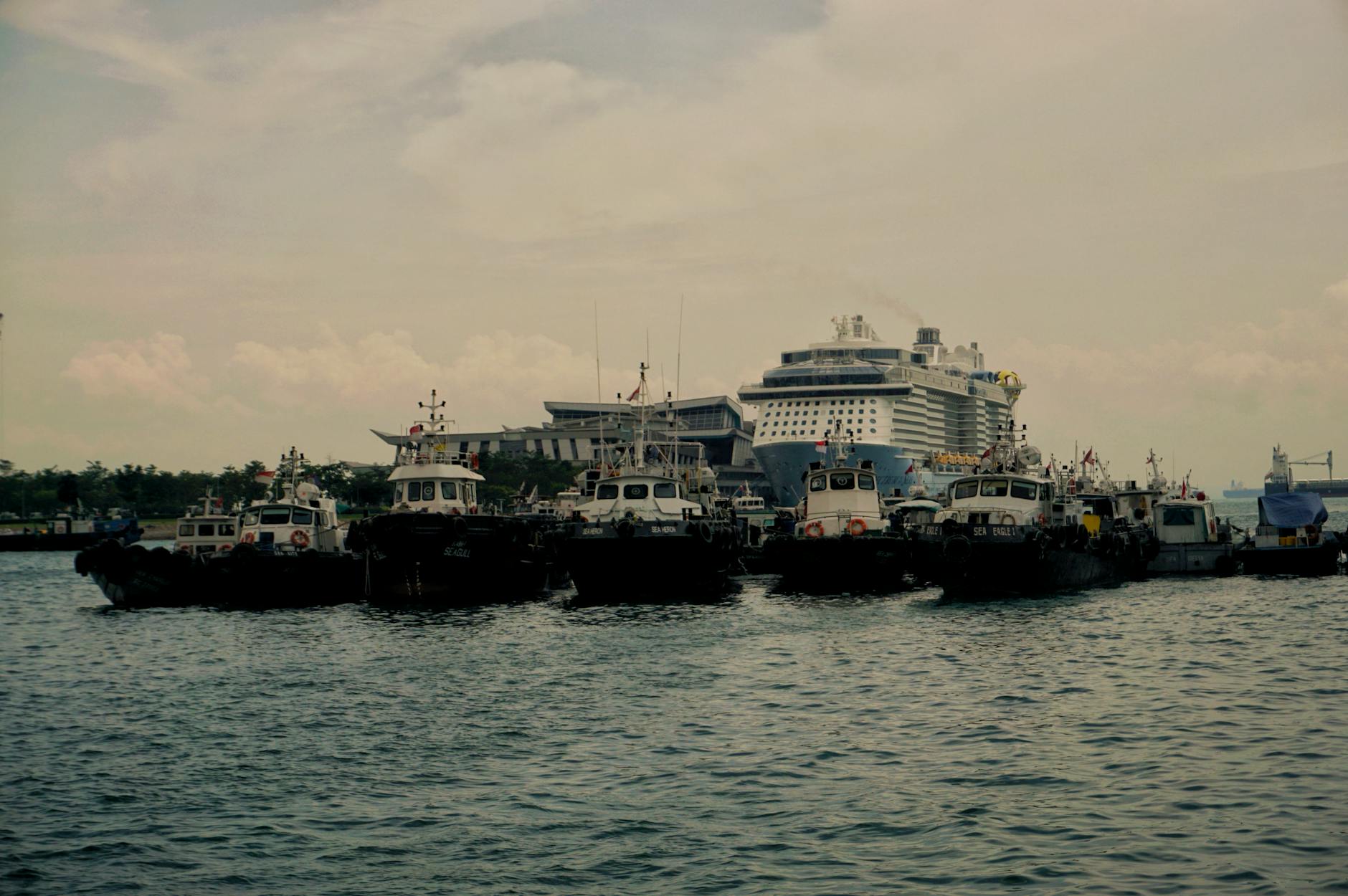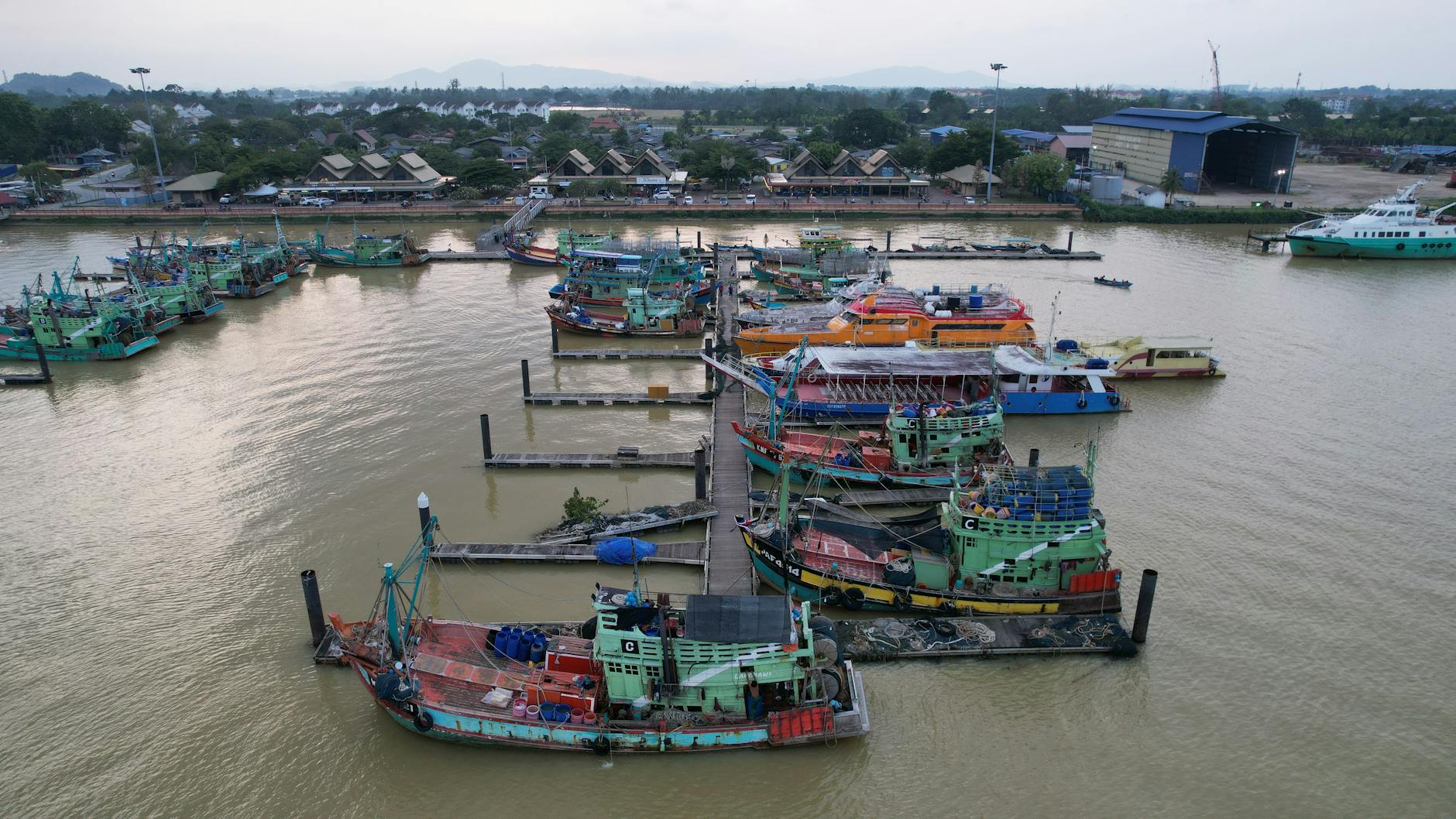
A cruise or port-call visit to George Town is not the same as a normal short break. The traveler may have only a few hours ashore, a fixed all-aboard time, pier queues, ship excursion rules, heat, rain, mobility limits, and a wish list that quickly exceeds the available window. George Town can reward a short call because the port is close to heritage streets, food, religious sites, museums, and waterfront movement. The plan should still be built backward from the ship's clock, not forward from everything that looks tempting on a map.
Start with the ship clock
A port-call traveler should build the day around the actual usable shore window, not the published time in port. Gangway delays, immigration procedures, tendering or pier flow, excursion meeting times, and the required all-aboard buffer can shrink the day quickly.
The traveler should decide how much time is truly available after disembarkation and before a conservative return. A short call is successful when the traveler returns calmly, not when the itinerary reaches one more stop.
- Calculate usable shore time after gangway, procedures, excursion meetings, and return buffer.
- Protect a conservative all-aboard margin before adding optional stops.
- Judge success by a calm return, not by the longest possible route.
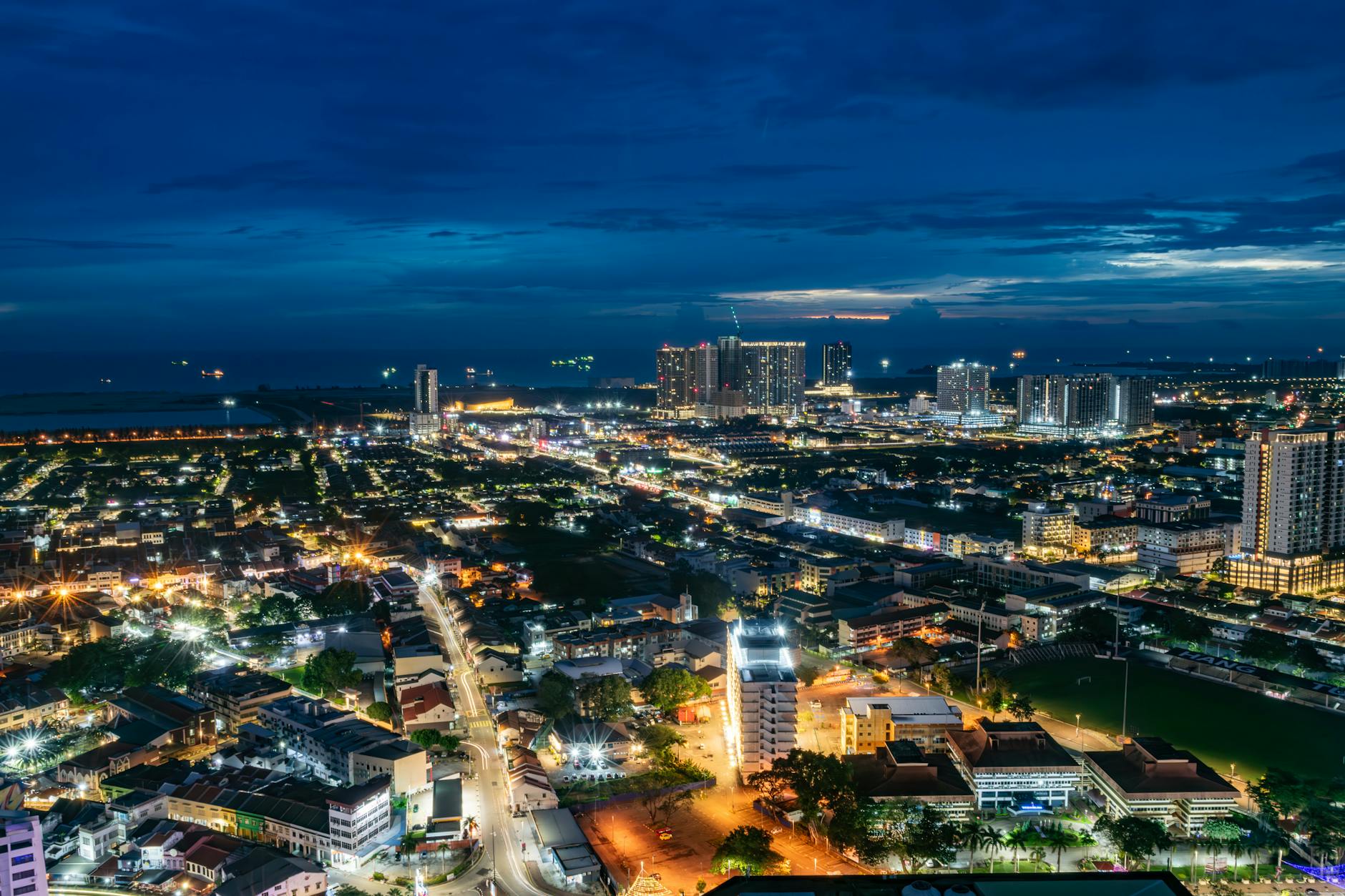
Choose between compact George Town and wider Penang
The most important decision is whether to stay near George Town or spend time reaching wider Penang attractions. The heritage core, food streets, museums, religious sites, and waterfront areas may fit a short call well. Penang Hill, beaches, temples farther out, or island-wide drives require more transport discipline.
A traveler should not combine a distant headline stop with a casual city wander unless the port window and transport plan support both. Cruise days punish optimistic routing.
- Decide whether the day is compact George Town or wider Penang before booking anything.
- Keep distant sites separate from casual wandering unless the time window is strong.
- Use the port location to your advantage when time ashore is limited.
Plan heat and rain from the gangway
Cruise travelers can underestimate how quickly heat, humidity, and sudden rain affect a short port day. A traveler may leave an air-conditioned ship and immediately face sun, wet pavement, crowded streets, and long standing periods.
Water, sun protection, breathable clothing, compact rain gear, and practical footwear should be ready before disembarking. Returning to the ship for forgotten items can consume the day.
- Prepare for heat, humidity, wet pavement, sun exposure, and standing time before disembarking.
- Carry water, sun protection, rain gear, and practical footwear.
- Avoid return-to-ship errands that waste a short shore window.
Use food culture without losing the return buffer
George Town's food can be the highlight of a port call, but a cruise traveler should plan food around queues, cash, spice, shellfish, peanuts, hydration, restroom access, and the time needed to return. A famous stop may not be worth it if the queue consumes the usable day.
The traveler should choose a compact food route or a guided option that fits the clock. Eating ashore should add to the day, not create a race back to the pier.
- Plan food around queues, cash, spice, shellfish, peanuts, hydration, and restroom access.
- Choose compact food routes when the port window is short.
- Do not let one popular stop put the ship-return buffer under pressure.
Control transport before leaving the pier area
Transport should be decided before the traveler is already in the street negotiating time, price, and route. Walking may work for nearby heritage sites, while ride-hailing, taxis, ship tours, or a private driver may be better for wider Penang movement or mobility limitations.
The traveler should confirm pickup points, return timing, backup ride options, and how traffic or rain could change the plan. A port call is not the best time to test every transport option casually.
- Choose walking, ride-hailing, taxi, ship tour, or private driver by distance and mobility.
- Confirm pickup points, return timing, and backup transport before going far.
- Account for rain, traffic, and pier-area congestion near return time.
Match the route to mobility, medicine, and shopping
Cruise groups often include different walking speeds, heat tolerance, medication schedules, and shopping priorities. A traveler with mobility limitations, diabetes, cardiac concerns, or strict medication timing should not assume a standard shore excursion fits them.
Shopping also needs discipline. Heavy bags, fragile purchases, customs rules, and the walk back to the ship can make casual buying less convenient than it seems at noon.
- Match the route to walking speed, heat tolerance, medication timing, and medical needs.
- Plan accessible rest stops and shorter loops for mixed-ability groups.
- Treat shopping bags, fragile items, customs rules, and return walking as part of the plan.
When to order a short-term travel report
A cruise traveler who wants a simple walk near the pier may not need a custom George Town report. A report becomes useful when the port call includes older travelers, mobility limitations, medical needs, dietary concerns, private tours, wider Penang movement, tight shore time, or a high-value personal priority.
The report should test pier timing, shore geography, transport, food stops, heat, rain, accessibility, medical access, shopping, backup plans, ship-return buffers, budget, and what to cut. The value is a port day that feels chosen rather than rushed.
- Order when mobility, medical needs, tight shore time, private tours, or wider Penang movement require testing.
- Provide ship times, pier details, priorities, mobility needs, food constraints, budget, and preferred pace.
- Use the report to protect the ship-return buffer while still making the call worthwhile.