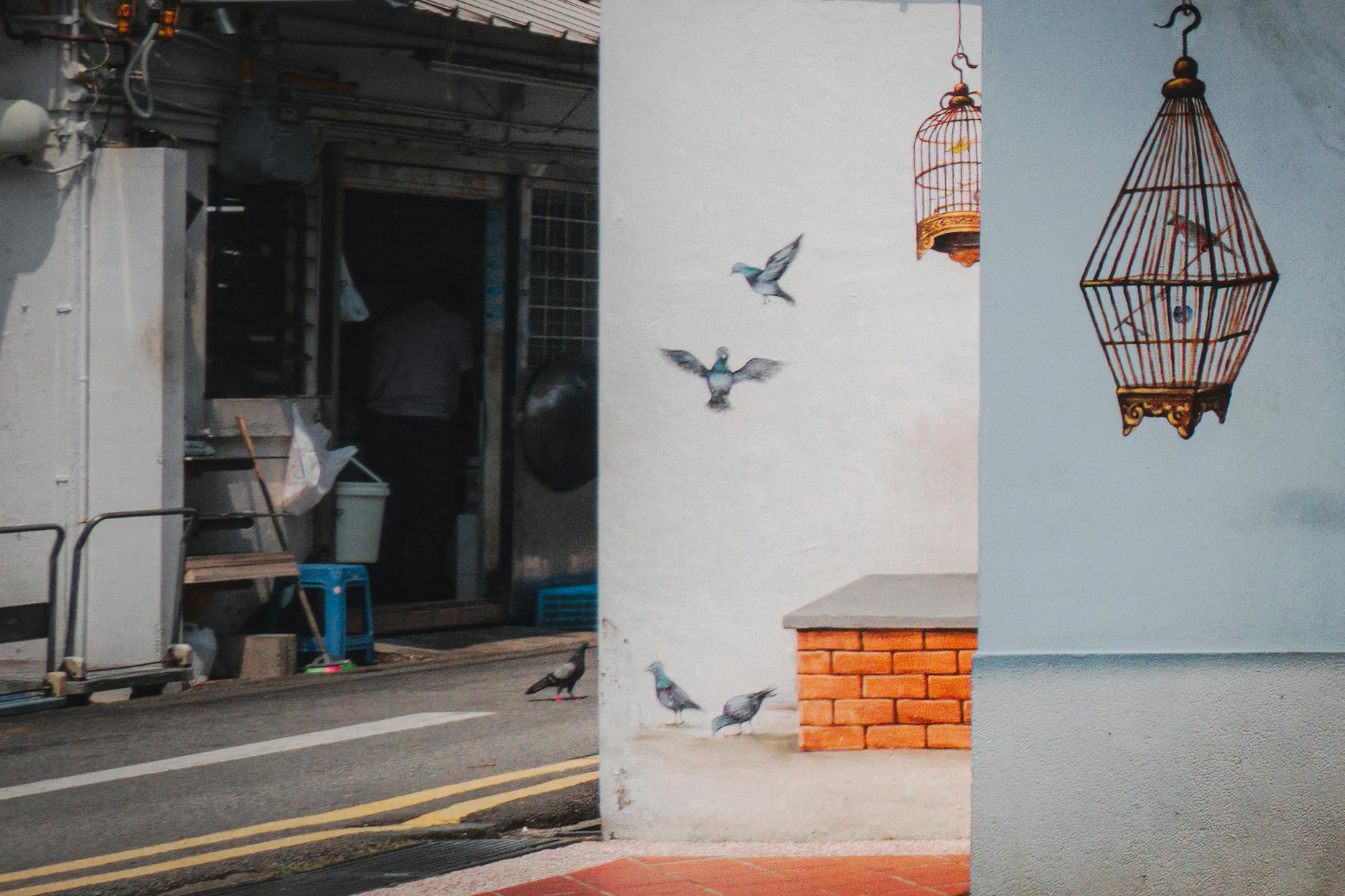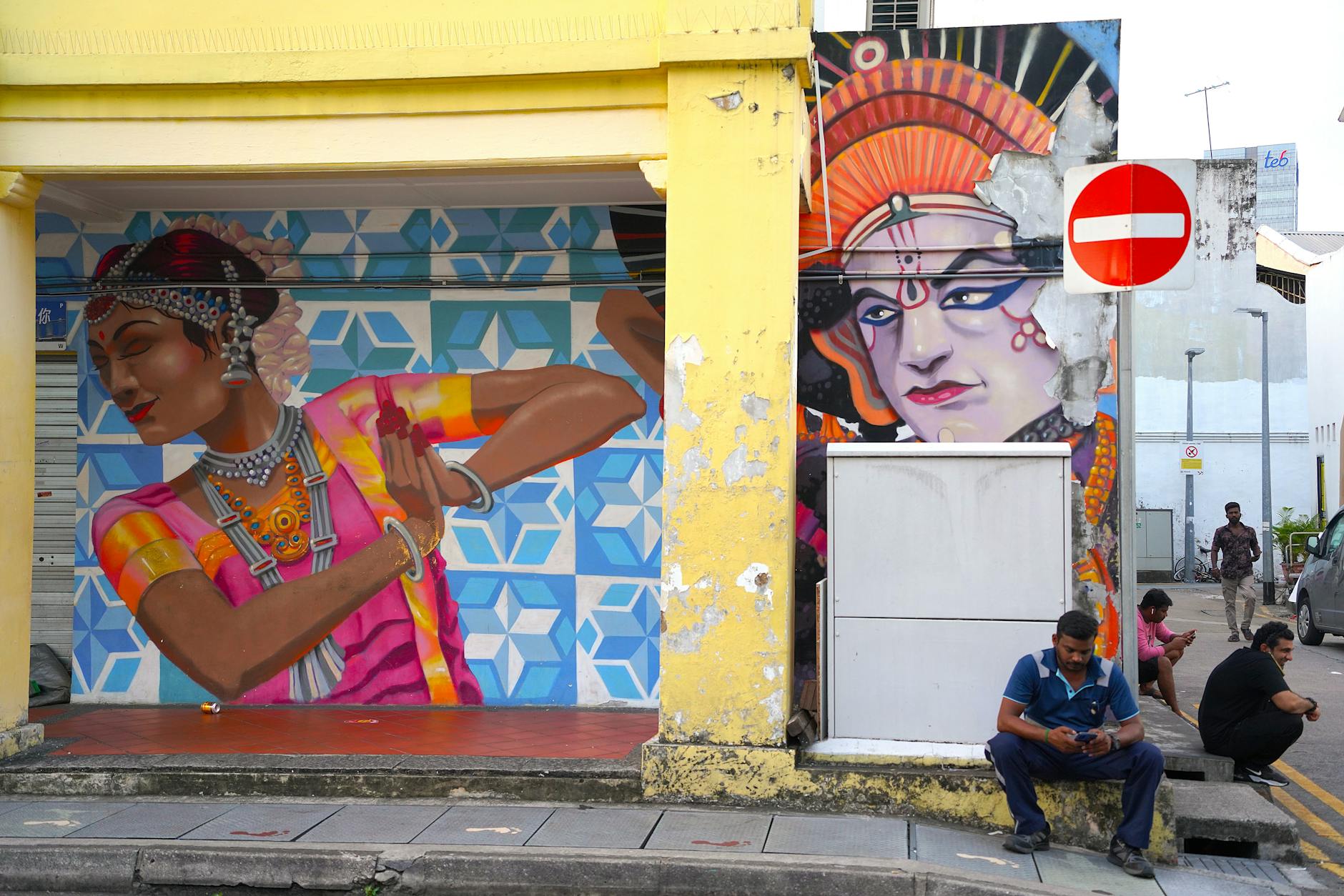
George Town is visually generous: street art, food, shophouses, temples, clan jetties, cafes, markets, and waterfront movement can all tempt a creator to shoot constantly. The problem is not lack of content. The problem is deciding what story the trip is supposed to tell and protecting the conditions needed to capture it well. A short creator trip should be planned like a production schedule. The traveler needs the right base, light windows, permissions, wardrobe and gear choices, food pacing, backup locations, upload time, and enough restraint to avoid turning a strong destination into an unfocused feed.
Choose the story before the shot list
A creator should decide whether the George Town trip is about food, heritage hotels, street art, architecture, religious life, family travel, budget travel, cafes, luxury, or a wider Penang itinerary. Trying to capture everything usually produces a shallow trip and weak edits.
The story should determine the neighborhoods, outfits, collaborators, dining reservations, transport, and time of day. A strong plan leaves space for discovery, but it does not depend on wandering until something works.
- Choose a primary story: food, heritage, street art, cafes, hotels, religion, family, budget, or wider Penang.
- Let that story shape neighborhoods, timing, outfits, reservations, and collaborators.
- Avoid a shot list that tries to make every part of George Town equally important.
Build routes around light, heat, and crowds
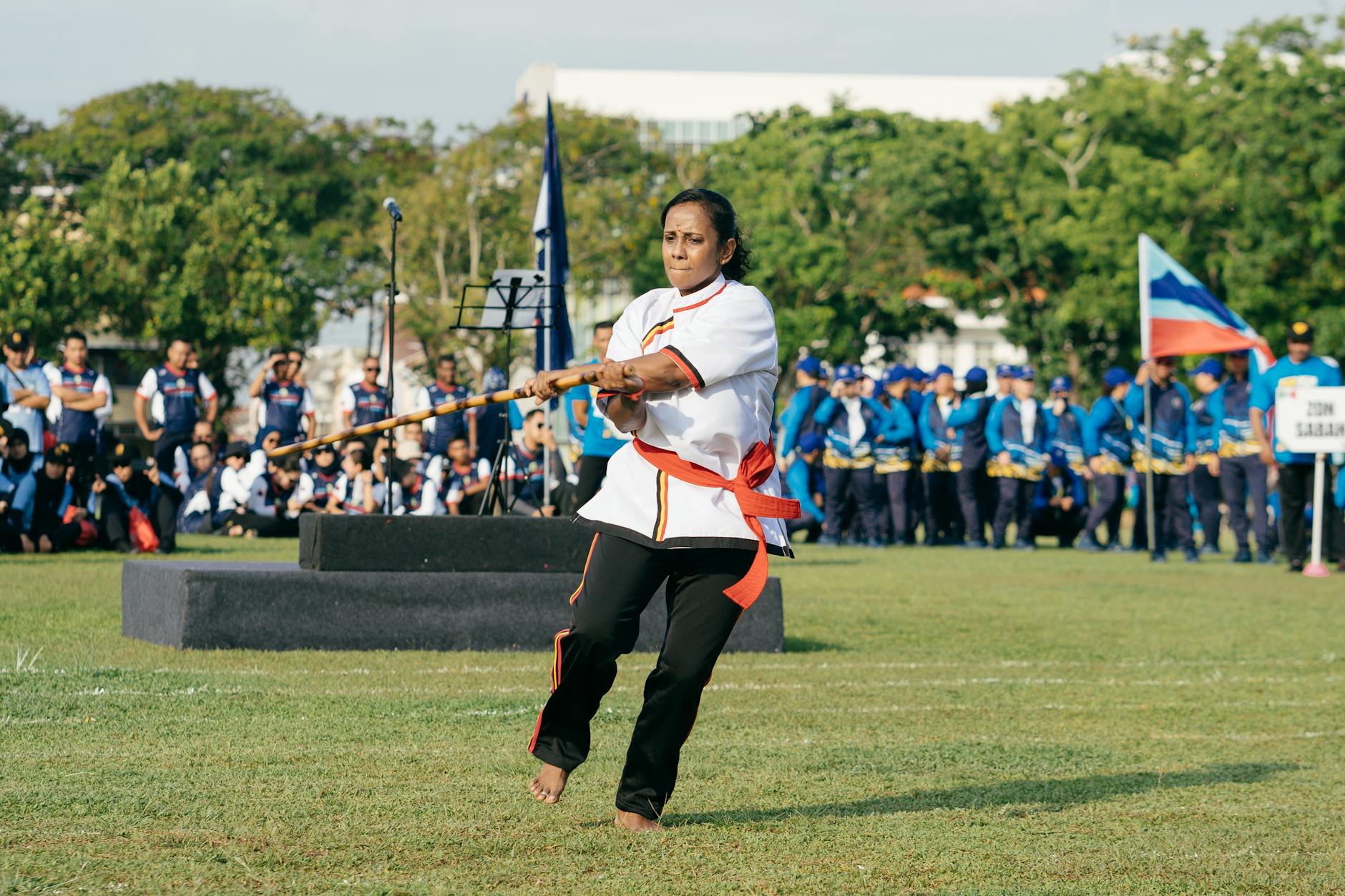
George Town's best visual windows can conflict with comfort. Morning light, evening streets, busy food periods, prayer times, rain, heat, and crowds should all shape the daily route. A creator who shoots all afternoon in humidity may lose both energy and image quality.
The route should include indoor resets, shade, water, backup locations, and realistic transit time between visually dense areas. Good pacing is production value.
- Plan shoot windows around morning light, evening movement, rain, heat, and crowd patterns.
- Use indoor resets, shade, water, and backup locations to protect the day.
- Do not schedule the strongest visuals for the traveler's lowest-energy hour.
Treat permissions as part of production
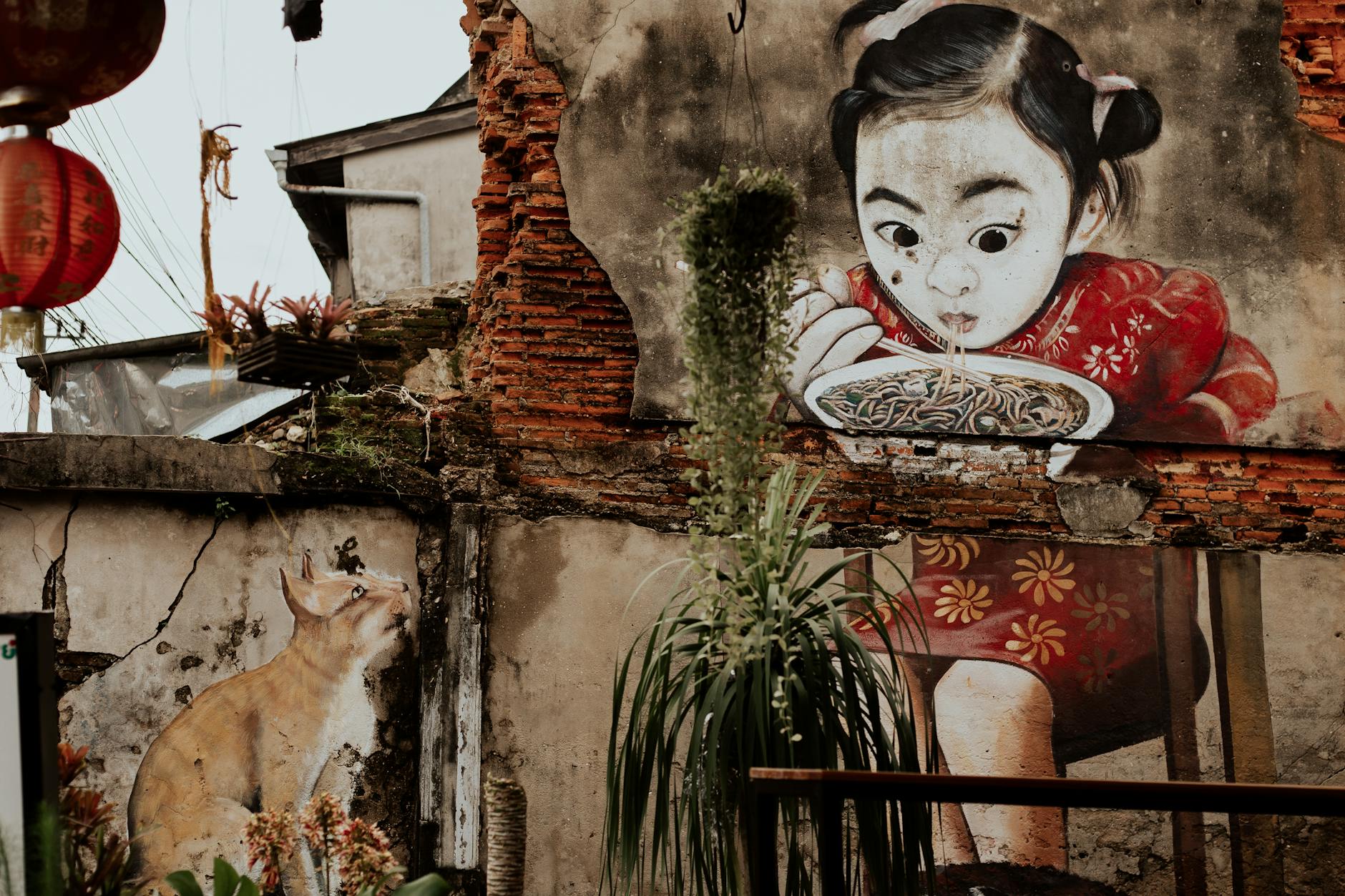
Street art and public streets do not remove the need for judgment. Shops, restaurants, temples, mosques, churches, clan houses, jetties, hotels, homes, and markets each have their own limits. Filming staff, worshippers, children, private interiors, or food preparation without permission can create problems quickly.
The creator should ask before using tripods, lights, drones, portraits, interiors, or branded shoots. A respectful permission process often improves access and protects the creator's reputation.
- Ask before filming interiors, staff, worshippers, children, kitchens, homes, or private spaces.
- Clarify tripod, light, drone, portrait, and branded-shoot expectations.
- Treat permission as reputation protection, not a formality.
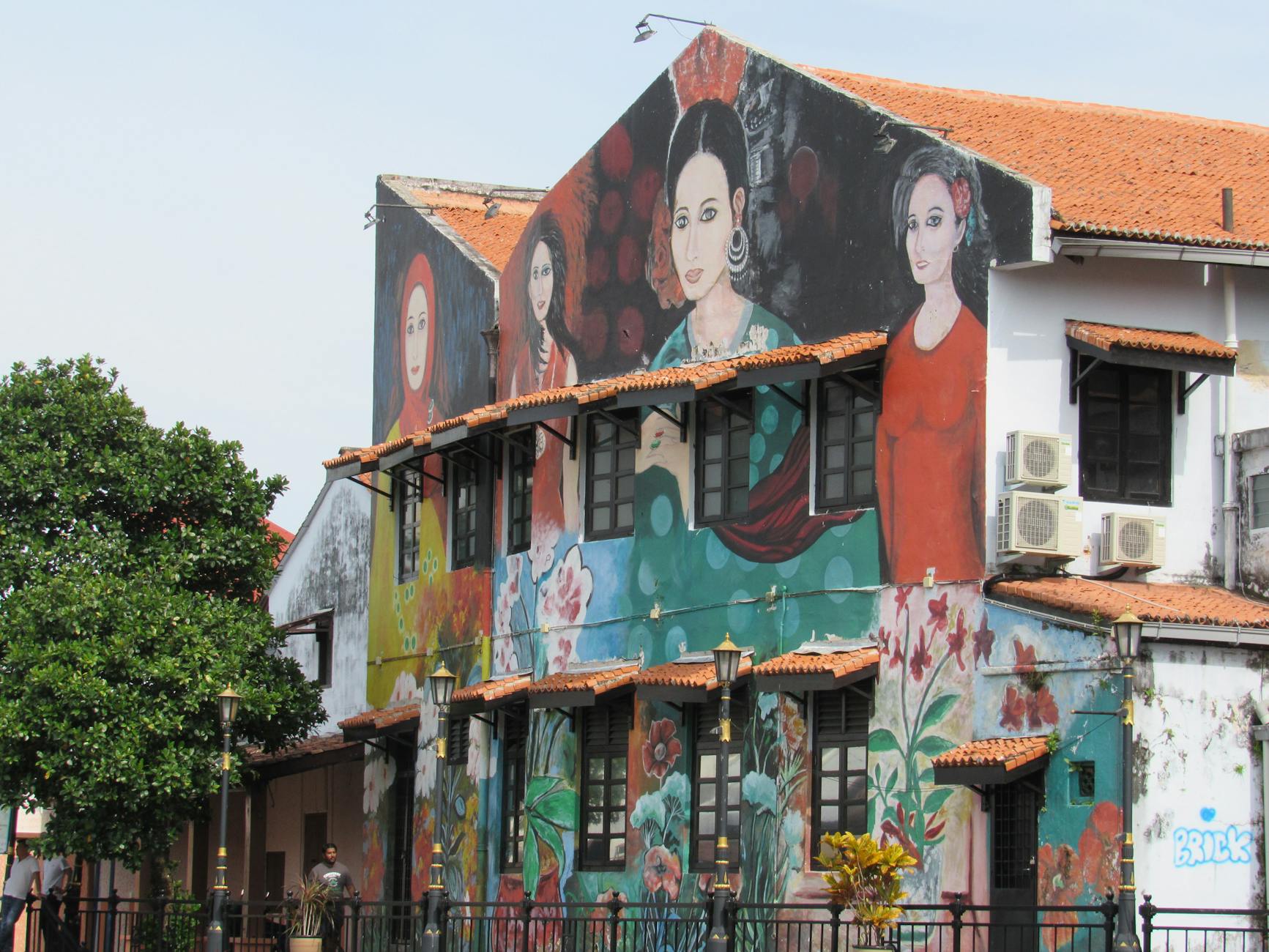
Plan food content before appetite fails
Food content in George Town can be excellent, but it needs pacing. A creator may need to shoot hawker centers, cafes, night food, heritage restaurants, drinks, markets, and hotel breakfasts while still managing stomach tolerance, heat, hydration, and lighting.
The plan should separate tasting from filming, identify backup dishes, account for queues, and avoid scheduling too many heavy food stops before on-camera work. Food should support the story without making the creator sluggish or unwell.
- Separate tasting, filming, queue time, market visits, cafes, night food, and hotel meals.
- Plan for spice, shellfish, peanuts, hydration, heat, and stomach tolerance.
- Avoid overloading food shoots before important on-camera work.
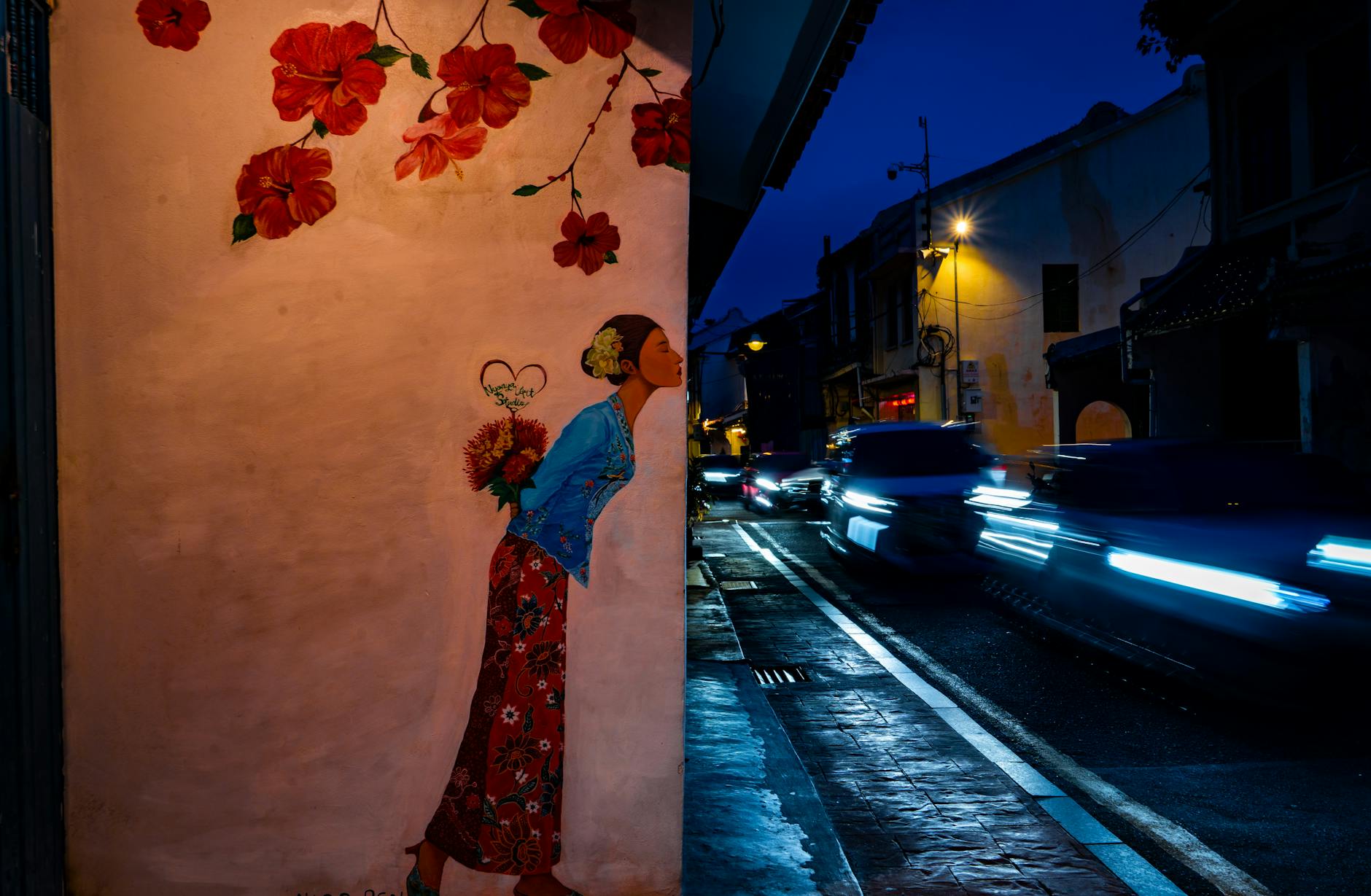
Keep gear practical for old streets and sudden rain
A creator should pack for uneven walking, humidity, sudden rain, cafes with limited space, crowded lanes, and fast transitions between food, heritage, and hotel content. Too much gear can slow the day; too little can weaken paid deliverables.
The kit should include battery redundancy, rain protection, storage, chargers, adapters, microphone options, compact stabilizing gear, and a secure bag. The traveler should also decide where gear can be left safely when the shoot becomes a meal or a crowded market visit.
- Pack for humidity, rain, uneven streets, crowded lanes, and compact cafe spaces.
- Bring batteries, storage, rain covers, chargers, adapters, audio, and compact stabilization.
- Plan secure gear handling during meals, markets, and transport.
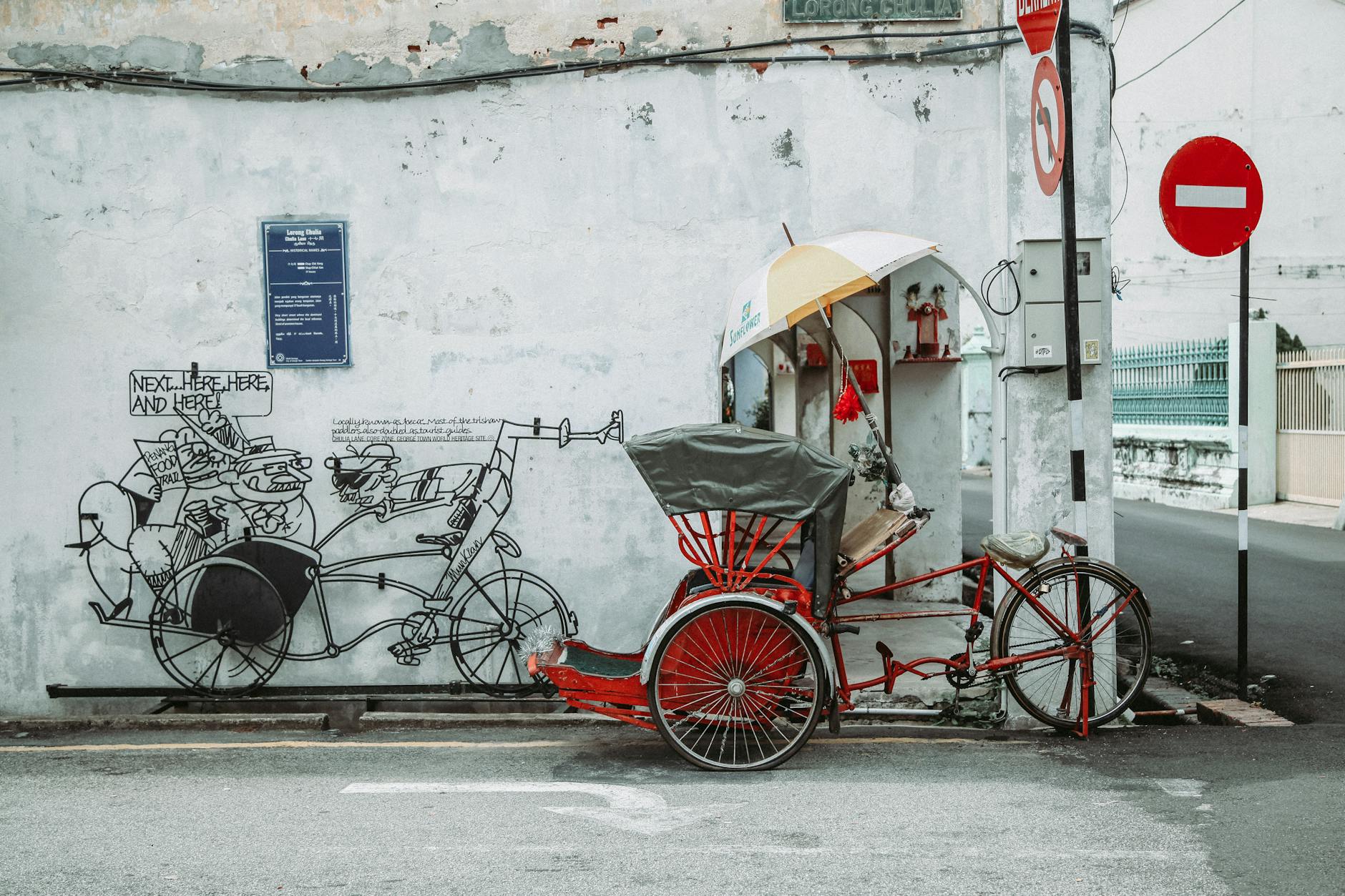
Protect editing, upload, and brand obligations
A short content trip can fail after the footage is captured if the creator has no quiet editing window, reliable connection, file backup, caption notes, disclosure workflow, or approval time for brand partners. George Town is engaging enough that evenings can disappear without deliverables moving forward.
The creator should reserve workspace, check upload options, label files daily, save location notes, and protect time for revisions. A hotel room with reliable Wi-Fi may matter as much as a photogenic lobby.
- Reserve time for editing, backups, captions, disclosure, approvals, and file organization.
- Check Wi-Fi, mobile data, quiet workspace, and upload needs before deadline pressure.
- Keep location notes and brand deliverables organized each day.
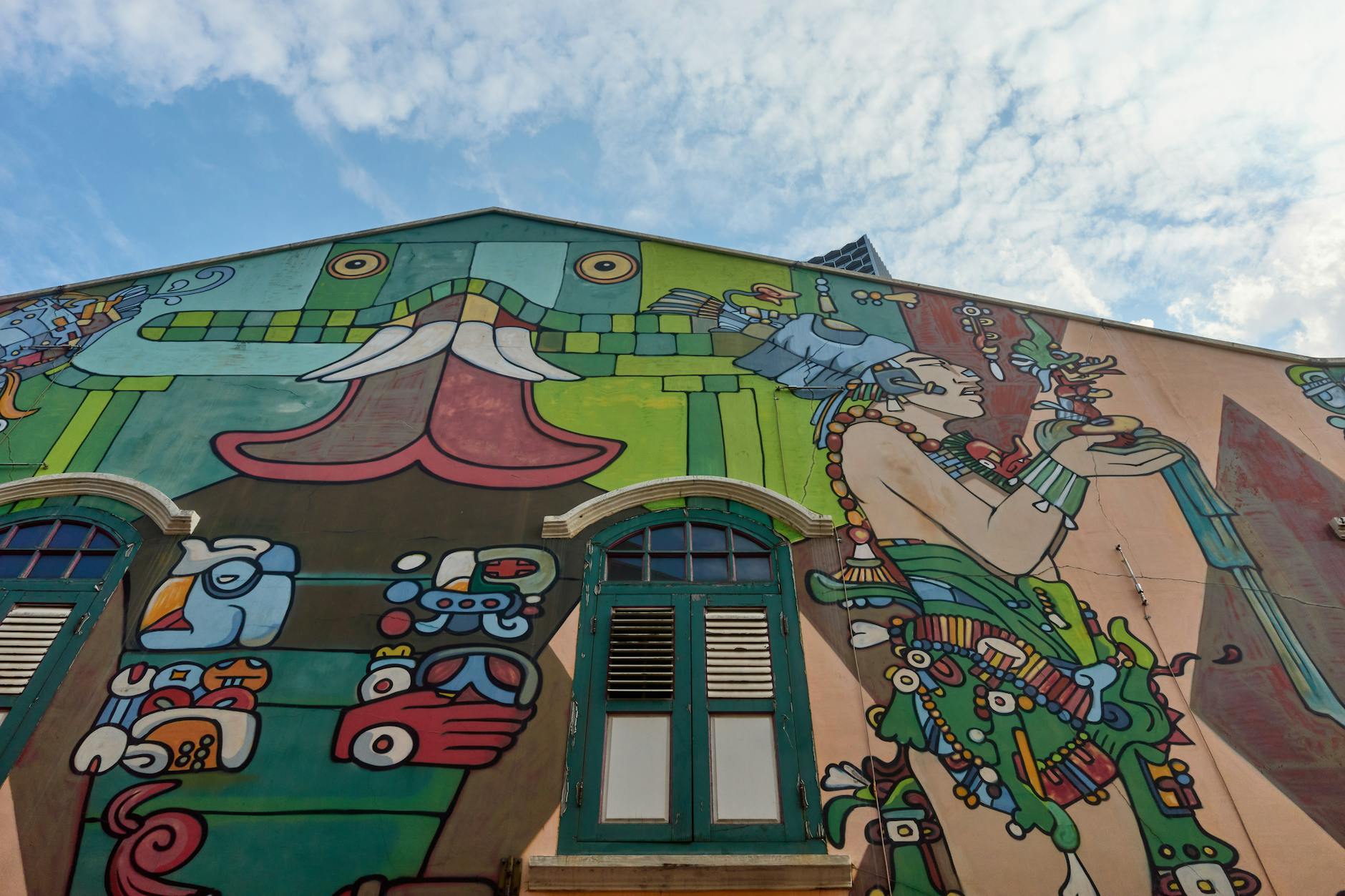
When to order a short-term travel report
A casual creator with flexible time and no deliverables may not need a custom George Town report. A report becomes useful when the trip includes paid content, brand approvals, several shoot locations, equipment, family or partner constraints, medical or dietary needs, drone or interior access questions, or tight publishing deadlines.
The report should test shoot geography, lodging, transport, light windows, weather, permissions, food pacing, gear handling, editing workflow, upload options, safety, budget, and what to cut. The value is a creator trip that turns George Town's visual abundance into a coherent production plan.
- Order when paid deliverables, gear, permissions, deadlines, food content, or multi-location shoots require testing.
- Provide dates, story focus, hotel options, shot list, brand obligations, gear, dietary or medical needs, budget, and priorities.
- Use the report to protect production value and reduce wasted shoot time.