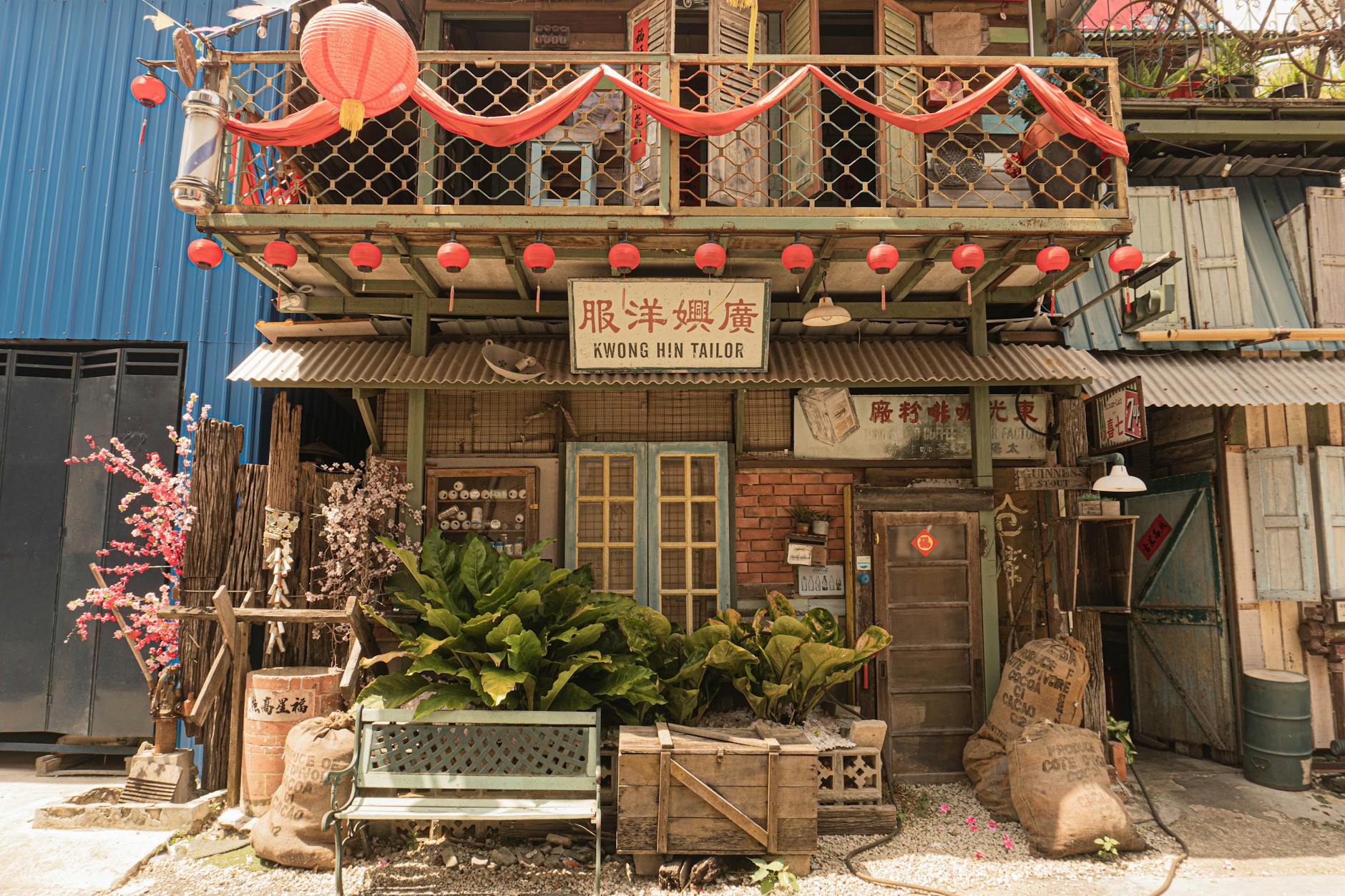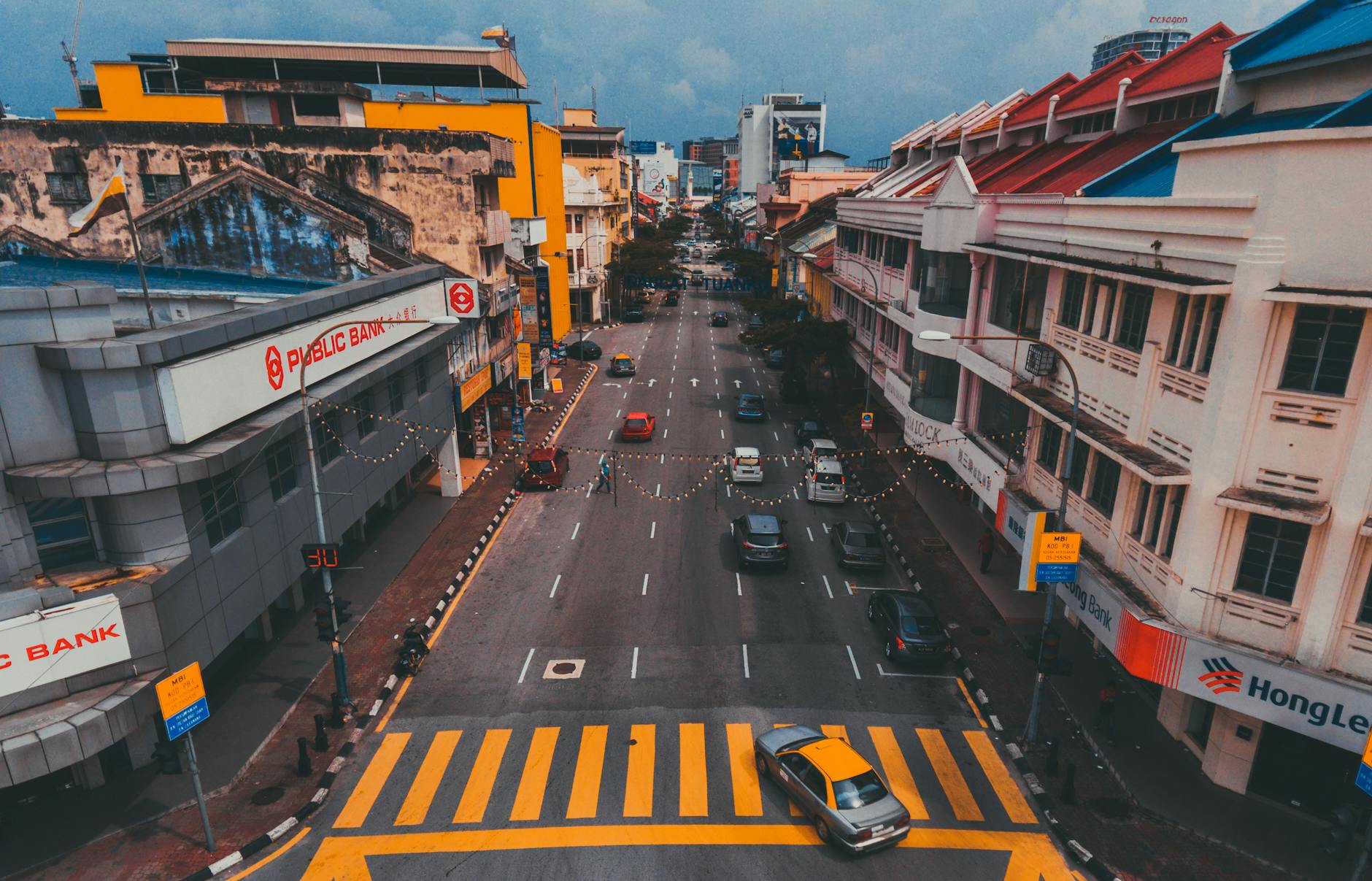
A consultant's George Town trip is usually judged by whether the work happens cleanly: the client meeting starts on time, the traveler is rested enough to be useful, documents and devices stay controlled, and the schedule leaves room for local movement without turning every transition into stress. George Town can support that kind of short work trip, but the consultant needs to plan around client geography, hotel workspace, airport transfer, heat and rain, meal settings, confidentiality, and the difference between a pleasant city and a frictionless operating environment.
Map the client geography first
A consultant should start with the exact client addresses, not with a generic George Town hotel search. Meetings may sit in the heritage core, a hotel, a university-linked setting, an industrial or office area elsewhere on Penang, or multiple sites that behave very differently in traffic and rain.
The hotel should be chosen to protect the working day: arrival route, morning movement, return for calls, evening obligations, and the ability to reset. A charming old-town base may be ideal for some assignments and inefficient for others.
- Map client addresses, meeting times, and any wider Penang sites before choosing lodging.
- Choose a base that protects the working day, not only the leisure evening.
- Check traffic and rain buffers for each client movement.
Make the hotel function as a temporary office
The consultant's hotel should support real work: reliable Wi-Fi, desk or table space, quiet room, stable air conditioning, good lighting, printing or concierge help, breakfast timing, and a lobby or cafe that can handle short waits without exposing confidential work.
Room aesthetics matter less than operating quality. If the traveler needs to edit slides, join calls, prepare a workshop, or debrief with colleagues, the hotel must do more than photograph well.
- Check Wi-Fi, desk space, quiet, cooling, lighting, printing support, and breakfast timing.
- Use hotel public areas carefully when client material is sensitive.
- Choose operating quality over room character when the work is demanding.
Protect the first work block from arrival fatigue
Penang arrival timing should be matched to the first client obligation. A same-day meeting may be workable, but only if the consultant has realistic buffers for flight delay, luggage, transfer, check-in, shower, clothing, food, and mental reset. A red-eye arrival followed by a strategy session is a risk, not a badge of efficiency.
The traveler should pre-plan the airport transfer and keep meeting essentials in hand luggage. The first work block should be protected because it often sets the client's confidence in the entire visit.
- Match flight arrival to the first client meeting, workshop, or dinner.
- Build buffers for luggage, transfer, check-in, shower, food, and reset time.
- Keep meeting essentials and a professional outfit in hand luggage.
Use transport to remove uncertainty
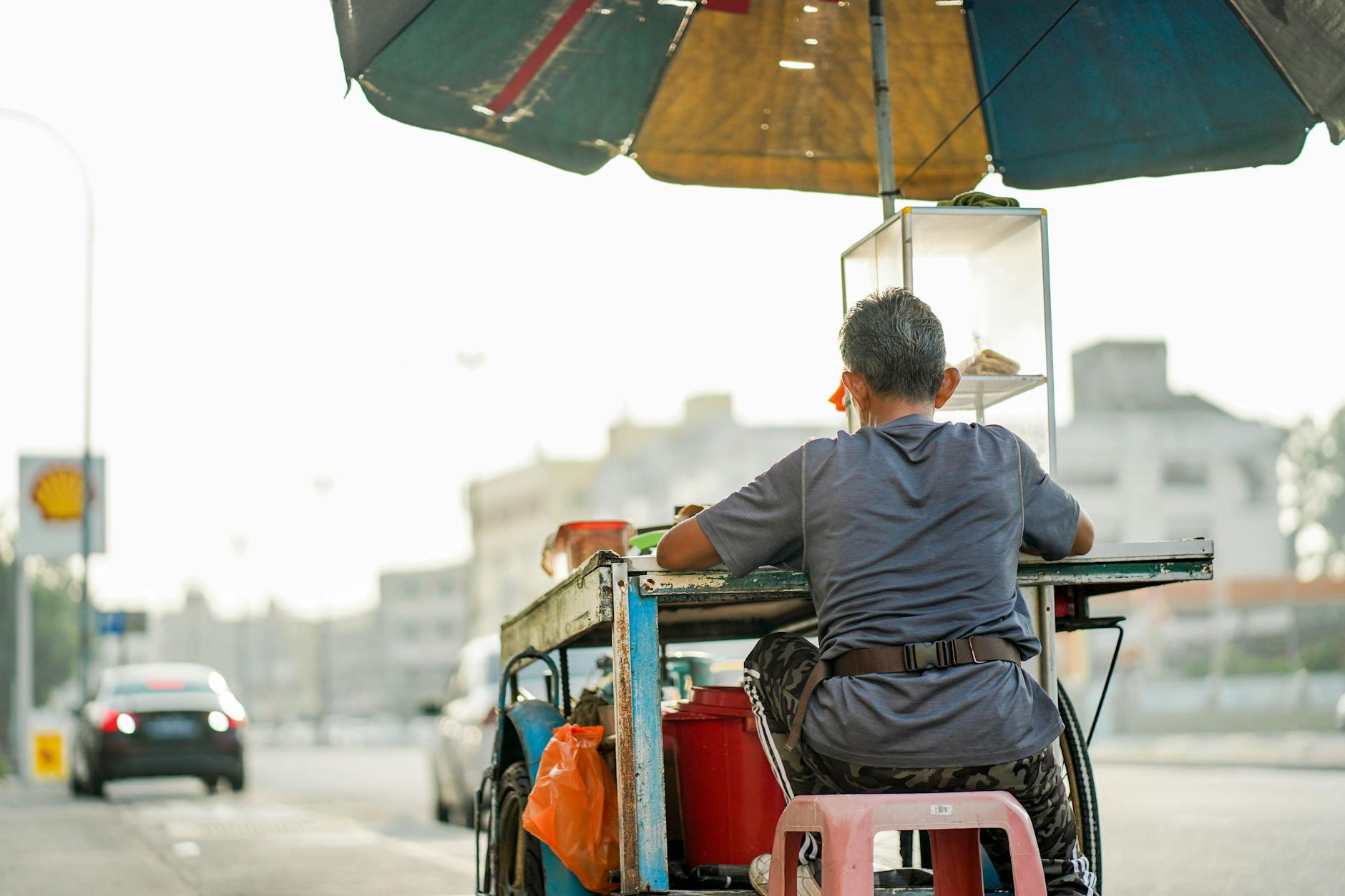
A consultant may not need a driver for every movement, but critical transfers deserve more control than casual sightseeing does. Ride-hailing, hotel cars, taxis, or a retained driver should be chosen by punctuality, weather, laptop security, client seniority, and whether several sites need to be visited in one day.
The traveler should know pickup points and fallback routes before leaving the hotel. In humid weather or heavy rain, a movement that looked small on the map can consume the margin that the consultant needed for preparation.
- Choose transport by punctuality, weather, device security, and client importance.
- Use stronger transport control for multi-site days or senior meetings.
- Know pickup points and backups before the workday starts.
Keep confidentiality out of public spaces
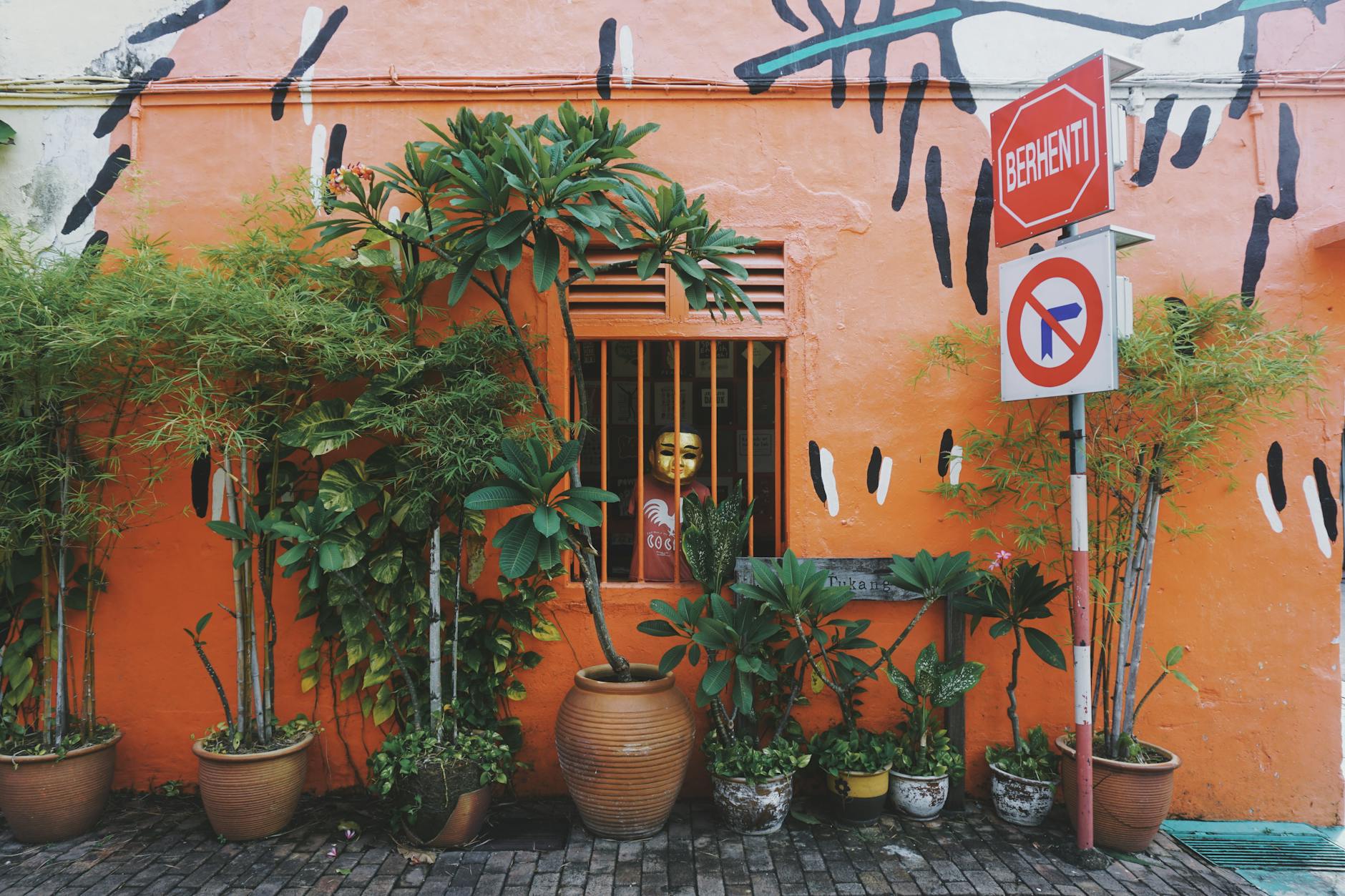
George Town has cafes, hotel lobbies, restaurants, and quiet corners that may look suitable for work, but a consultant should treat public spaces as public. Client names, financials, employee issues, strategy slides, and sensitive calls should not be handled casually in shared areas.
The traveler should use privacy screens, headphones, cautious seating, secure bags, device locks, and hotel-room work time when necessary. The city is not the problem. The problem is assuming that a pleasant cafe is a private office.
- Avoid sensitive calls, client names, and visible documents in public spaces.
- Use privacy screens, headphones, secure bags, and device locks.
- Schedule hotel-room work time for confidential material.
Plan meals and evenings around tomorrow's work
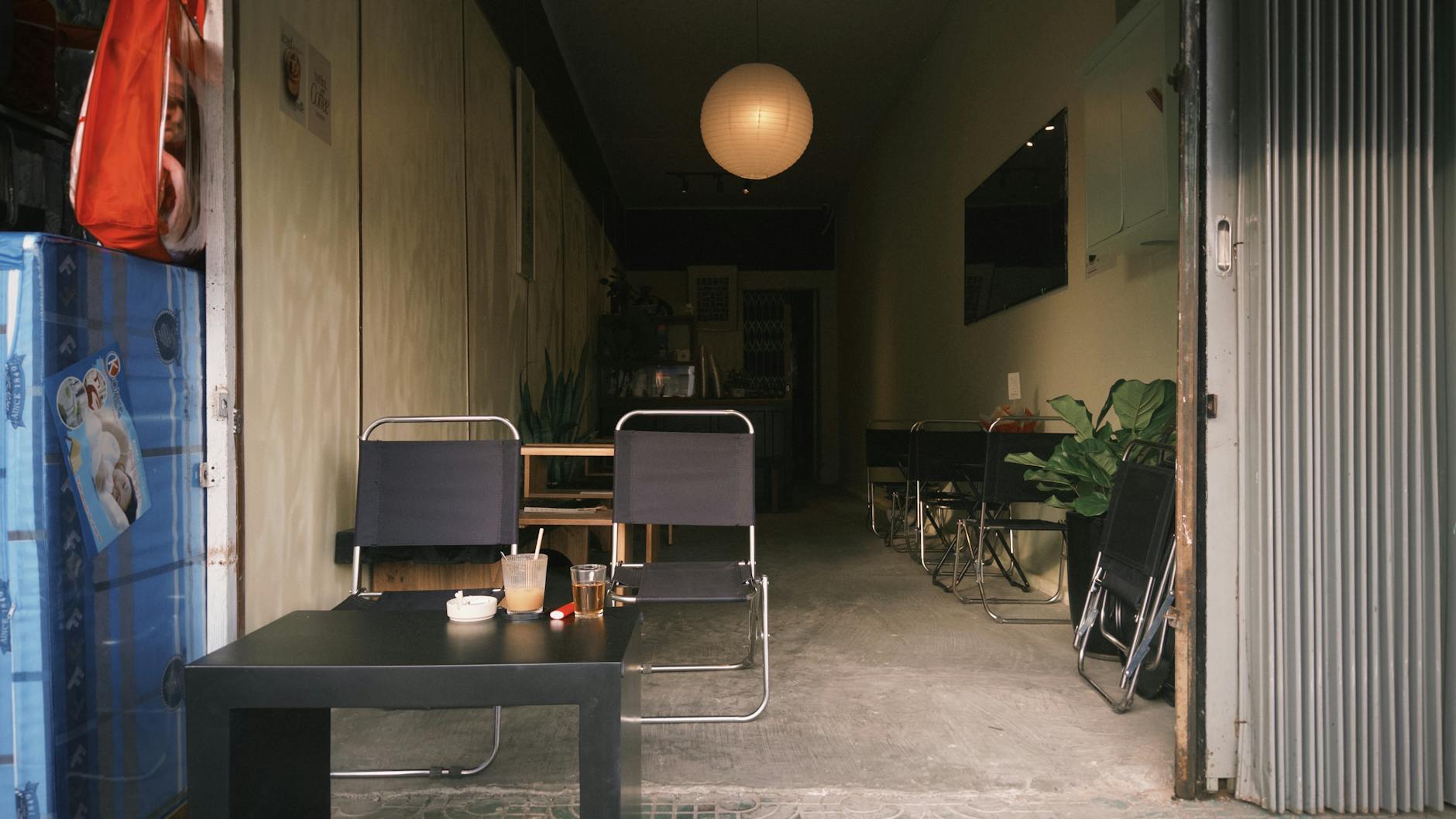
Client dinners and informal food outings can be productive in George Town, but the consultant should manage spice, shellfish, alcohol, late returns, payment expectations, and the next morning's first obligation. Hawker food may be a good relationship setting for some clients and the wrong setting for others.
The evening plan should also include transport back to the hotel and a clear endpoint. The consultant's value declines quickly if a strong dinner becomes a weak workshop the next day.
- Choose meal settings by client relationship, privacy, food tolerance, and next-day pressure.
- Plan spice, shellfish, alcohol, payment, and return transport in advance.
- Set a clear endpoint for evenings before fatigue sets the terms.
When to order a short-term travel report
A consultant with one flexible meeting and a familiar hotel may not need a custom George Town report. A report becomes useful when the trip includes senior stakeholders, several client sites, confidential work, same-day arrival, workshops, side meetings, medical or dietary constraints, or a tight departure after the final meeting.
The report should test client geography, lodging, workspace, airport transfer, transport buffers, device and document control, meals, evening movement, weather, medical access, budget, and what to cut. The value is a George Town work trip that protects the assignment instead of merely fitting it into a travel itinerary.
- Order when senior meetings, multiple sites, confidentiality, same-day arrival, or tight timing require testing.
- Provide dates, client addresses, hotel options, meeting schedule, work needs, dietary needs, budget, and priorities.
- Use the report to protect the client outcome and reduce preventable friction.