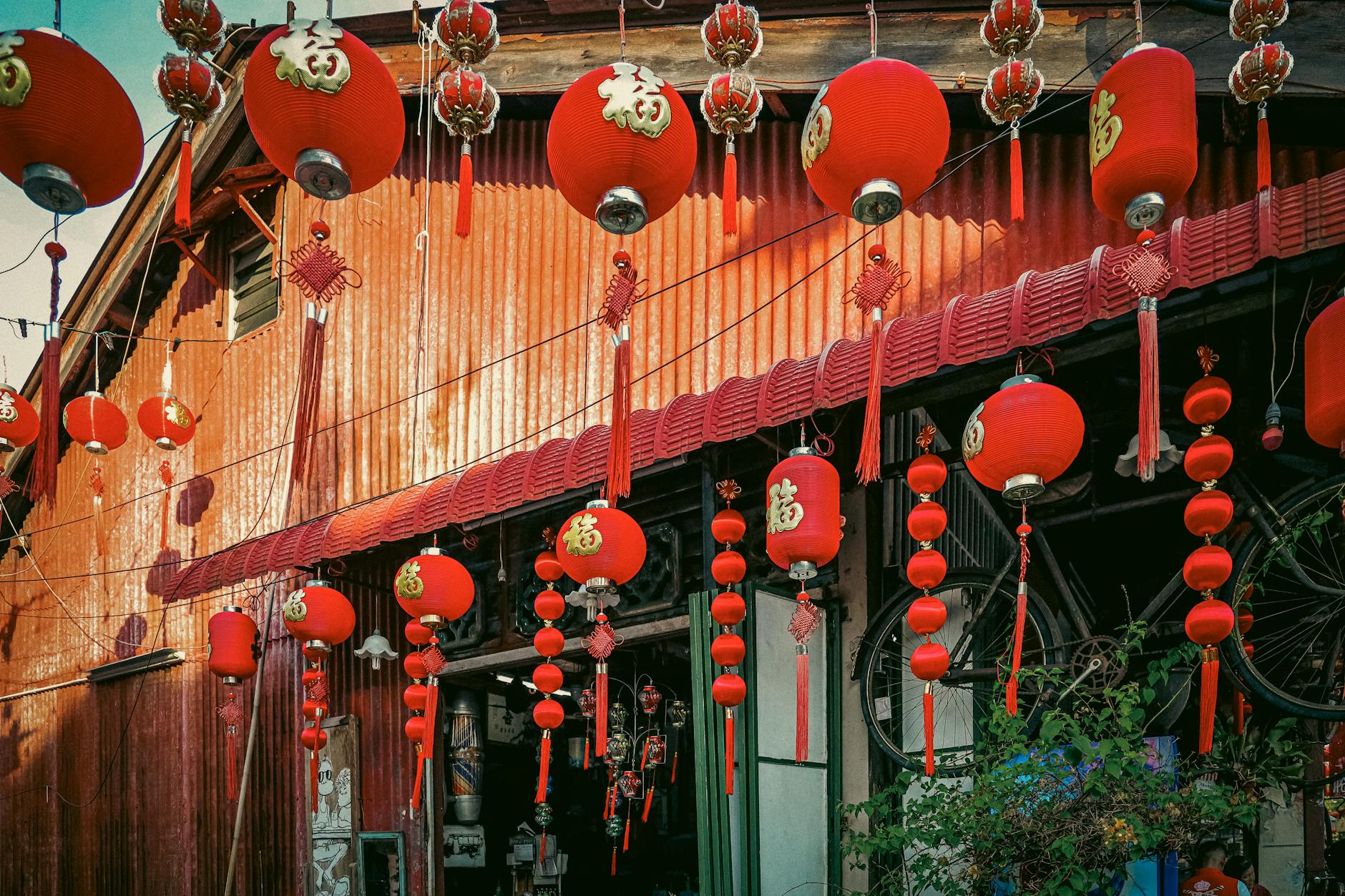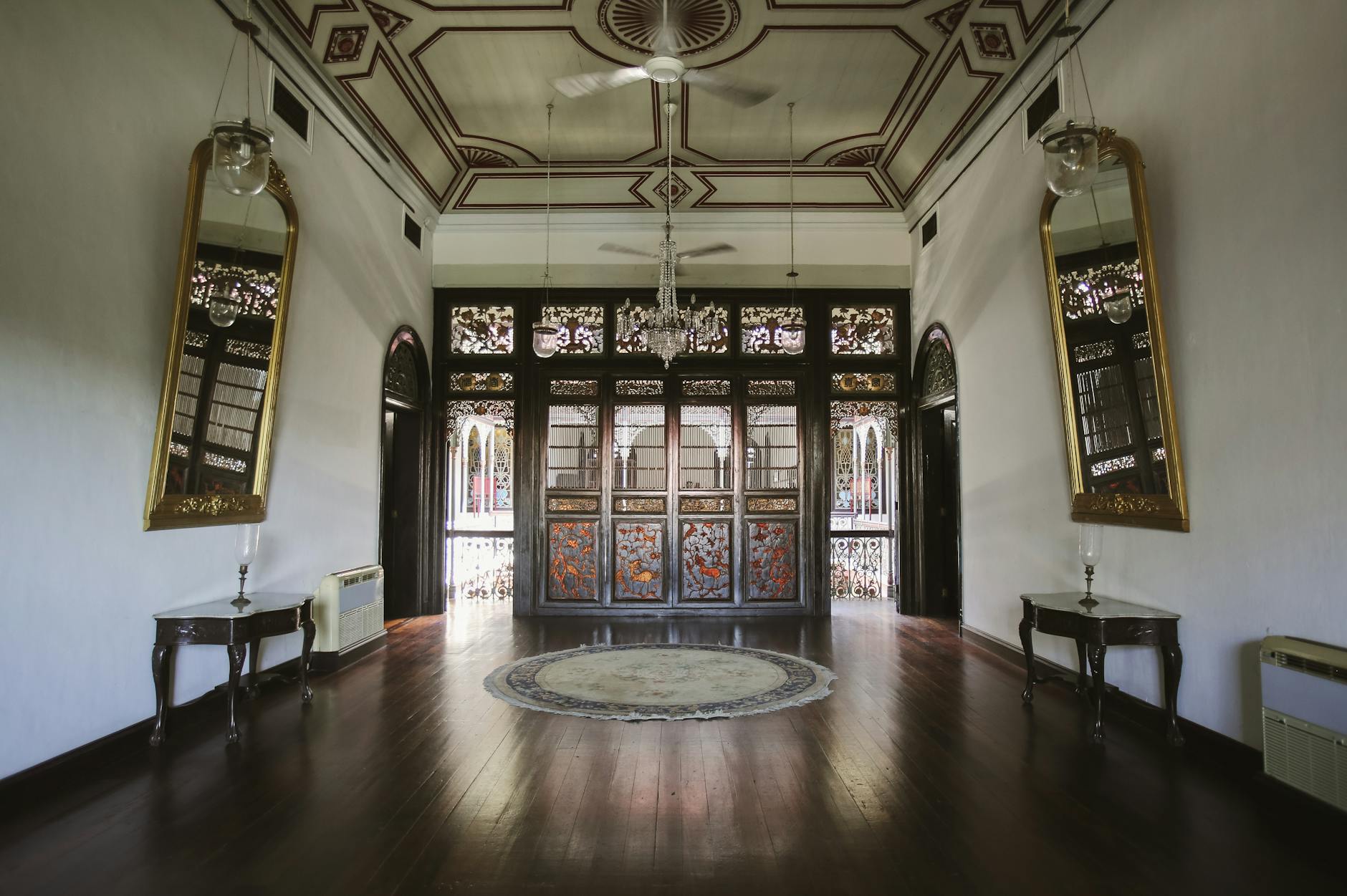
George Town can be a productive conference destination when the attendee understands the geography of the actual venue, not only the appeal of Penang as a place to visit. A short conference trip may involve a hotel ballroom, university venue, convention space, client meeting, side dinner, or a split schedule between George Town and wider Penang. The attendee should plan like a working traveler. Heat, rain, traffic, airport timing, presentation equipment, networking meals, formal dress, and side trips can all compete with the reason the trip exists.
Let the venue control the hotel decision
The attendee should identify the exact venue before choosing lodging. A conference in a George Town hotel, a university setting, a waterfront venue, or a wider Penang meeting site can create very different morning routes. The wrong hotel can turn every session into a weather and transport negotiation.
The best hotel is often the one that protects punctuality, rest, and clean clothing, not the one that looks most atmospheric. Lift access, breakfast timing, workspace, laundry, reliable cooling, and ride pickup matter when the traveler is working.
- Map the exact venue before choosing a hotel.
- Prioritize punctuality, cooling, breakfast timing, workspace, and ride pickup.
- Avoid charm that creates repeated morning transport stress.
Treat arrival timing as part of the program
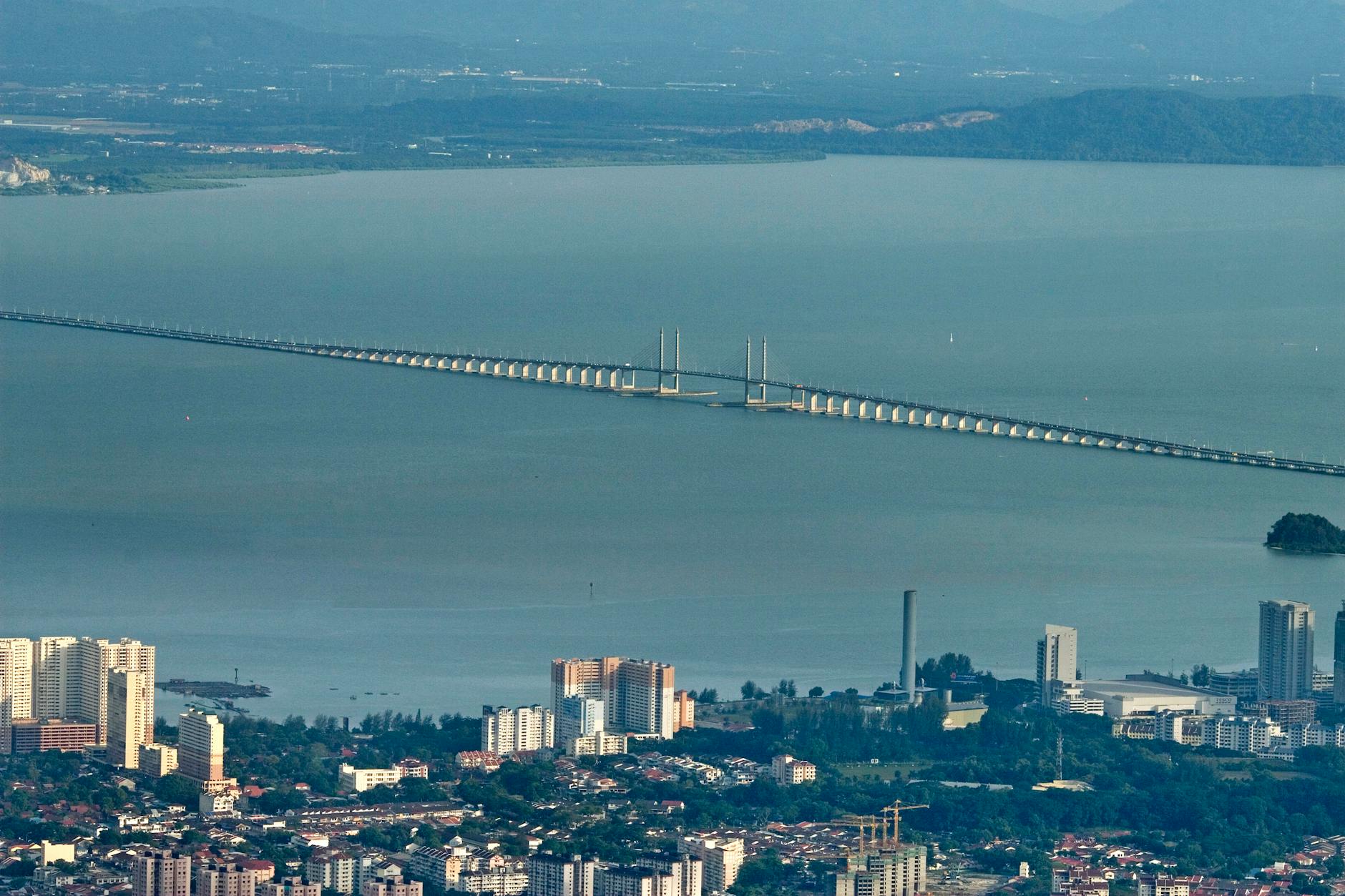
Penang arrival should be planned against the first registration, rehearsal, dinner, or panel obligation. A same-day arrival may work for a low-stakes attendee, but it is risky for someone presenting, carrying materials, or representing an organization. Luggage, immigration, road timing, rain, and fatigue should be considered together.
The attendee should know the airport transfer plan before landing and should avoid scheduling the first important commitment too close to arrival. A conference trip often fails in the margins before the opening session begins.
- Match flight arrival to registration, rehearsal, panels, and networking obligations.
- Plan airport transfer before landing, including luggage and rain assumptions.
- Avoid putting the first important commitment too close to arrival.
Prepare presentation logistics before the trip
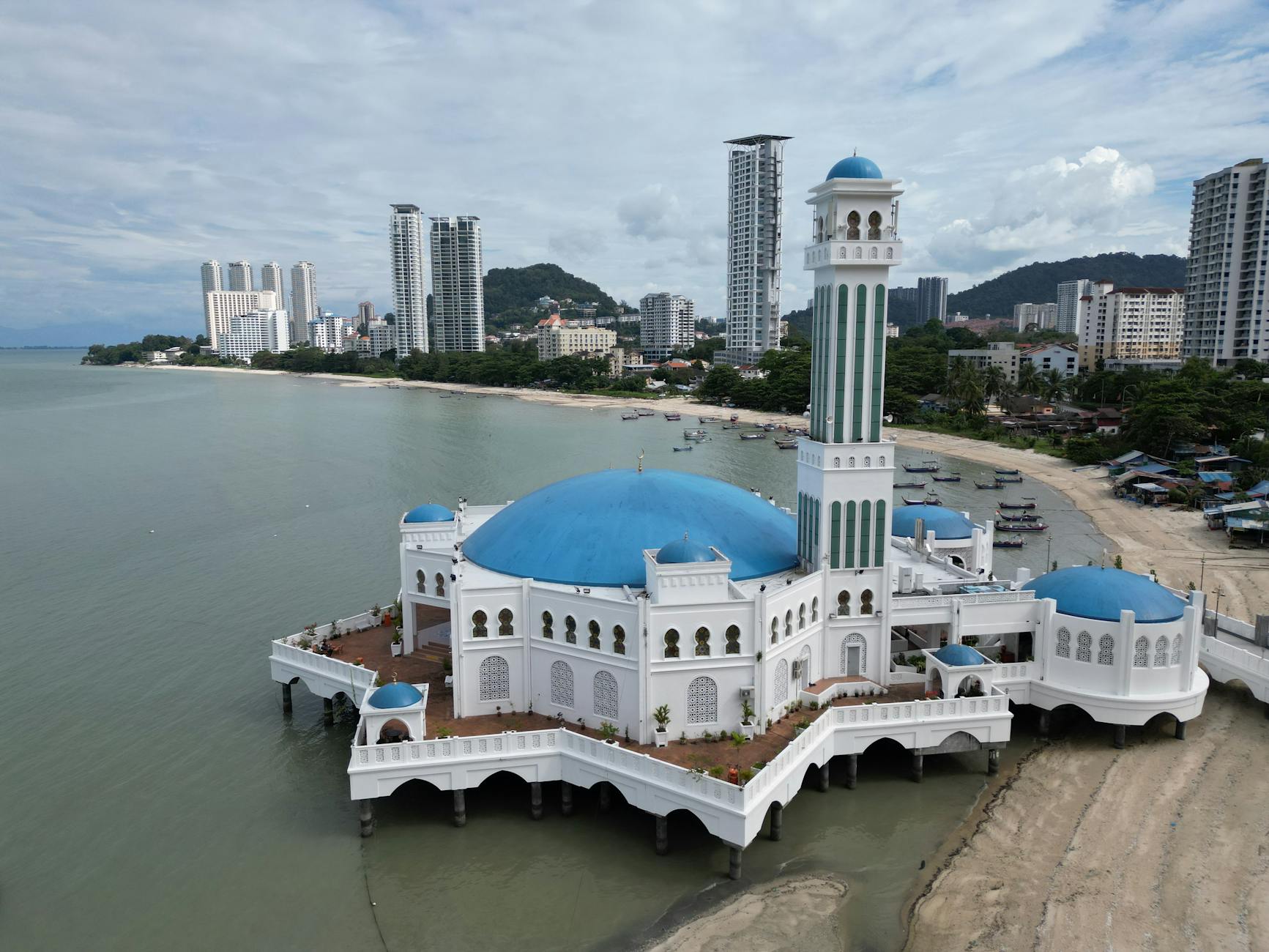
A speaker or panelist should not wait until arrival to think about adapters, slide format, backups, laptop charging, recording permissions, printed notes, name badges, and internet reliability. George Town can support a professional trip, but the venue's equipment standard should still be confirmed.
The attendee should also plan what happens if bags are delayed or clothing is affected by rain and humidity. A small presentation kit, backup files, and one reliable professional outfit can prevent a minor logistics problem from becoming the defining feature of the trip.
- Confirm adapters, slide format, laptop needs, backups, internet, and recording rules.
- Carry presentation essentials and one professional outfit in hand luggage.
- Plan for humidity, rain, delayed bags, and last-minute room changes.
Use food and networking deliberately
Conference networking in George Town may happen at hotel breakfasts, coffee breaks, dinners, hawker food outings, bars, or side meetings. The attendee should decide where informal networking helps the trip and where it threatens the next morning's performance. Food exploration is valuable, but it should not be allowed to weaken the professional purpose.
Dietary rules, spice tolerance, alcohol, shellfish, payment methods, and transport back to the hotel should be planned before the group starts moving. The best networking meal is the one the attendee can enjoy without sacrificing control.
- Use meals and coffee breaks as intentional networking moments.
- Plan around spice, shellfish, alcohol, dietary rules, payment, and return transport.
- Protect the next morning's session from an overextended evening.
Build recovery into the conference schedule
Heat, humidity, cold meeting rooms, dense sessions, and social obligations can make a short conference feel longer than expected. The attendee should protect recovery windows: a quiet hour, a change of clothes, hydration, a short rest, or a low-pressure meal before the next event.
This is especially important for attendees who are presenting, recruiting, fundraising, interviewing, or handling client conversations. George Town is enjoyable, but a conference trip should not exhaust the traveler before the most important meeting.
- Plan recovery around heat, cold rooms, dense sessions, and evening obligations.
- Use hydration, clothing changes, quiet breaks, and simple meals strategically.
- Protect performance for presentations, interviews, client meetings, and sponsor conversations.
Choose side meetings and sightseeing carefully
A conference attendee may want to add Penang Hill, Kek Lok Si, food routes, heritage walks, client meetings, university visits, or supplier conversations. These additions can make the trip stronger, but only when they fit the program and return timing. A packed add-on schedule can undermine the core professional reason for travel.
The attendee should cluster side meetings by geography and use realistic transport buffers. Sightseeing should be chosen by value and timing, not by guilt about having flown to Penang without seeing everything.
- Cluster side meetings by geography and protect realistic transport buffers.
- Choose sightseeing that fits the program rather than competing with it.
- Leave room for schedule changes, rain, and late-running sessions.
When to order a short-term travel report
A conference attendee with a simple hotel-in-venue setup and no formal responsibilities may not need a custom George Town report. A report becomes useful when the attendee is presenting, managing sponsors, arriving close to the program, adding side meetings, working with dietary or medical constraints, planning evening networking, or choosing between hotel areas.
The report should test venue location, hotel options, airport timing, transport, presentation logistics, food and networking, recovery windows, side meetings, sightseeing tradeoffs, weather, medical access, budget, and what to cut. The value is keeping the professional trip from being weakened by preventable Penang logistics.
- Order when presentation duties, arrival timing, side meetings, health needs, or networking plans require testing.
- Provide dates, venue, hotel options, session schedule, presentation needs, dietary limits, side meetings, budget, and priorities.
- Use the report to protect the professional purpose of the George Town trip.