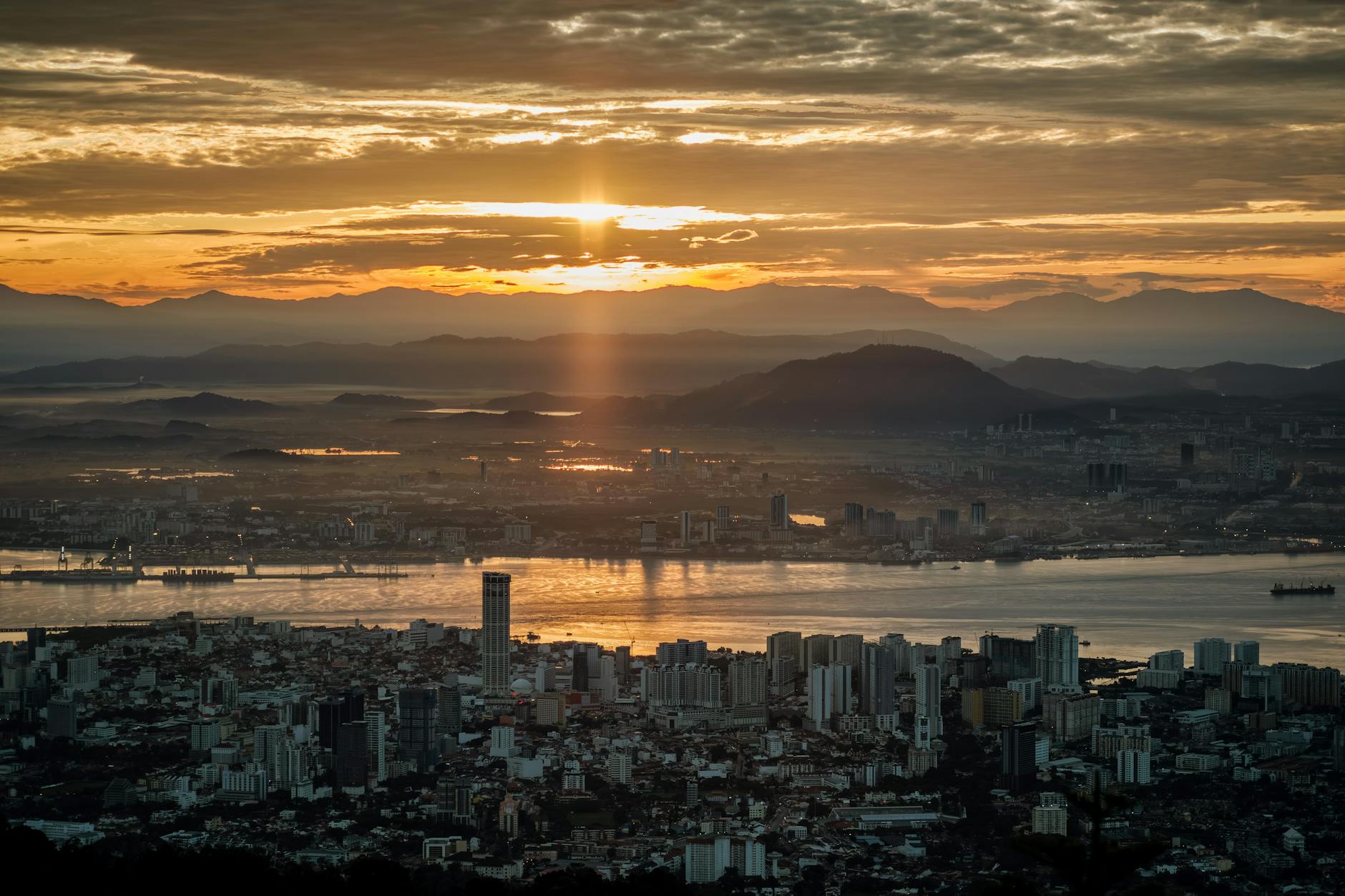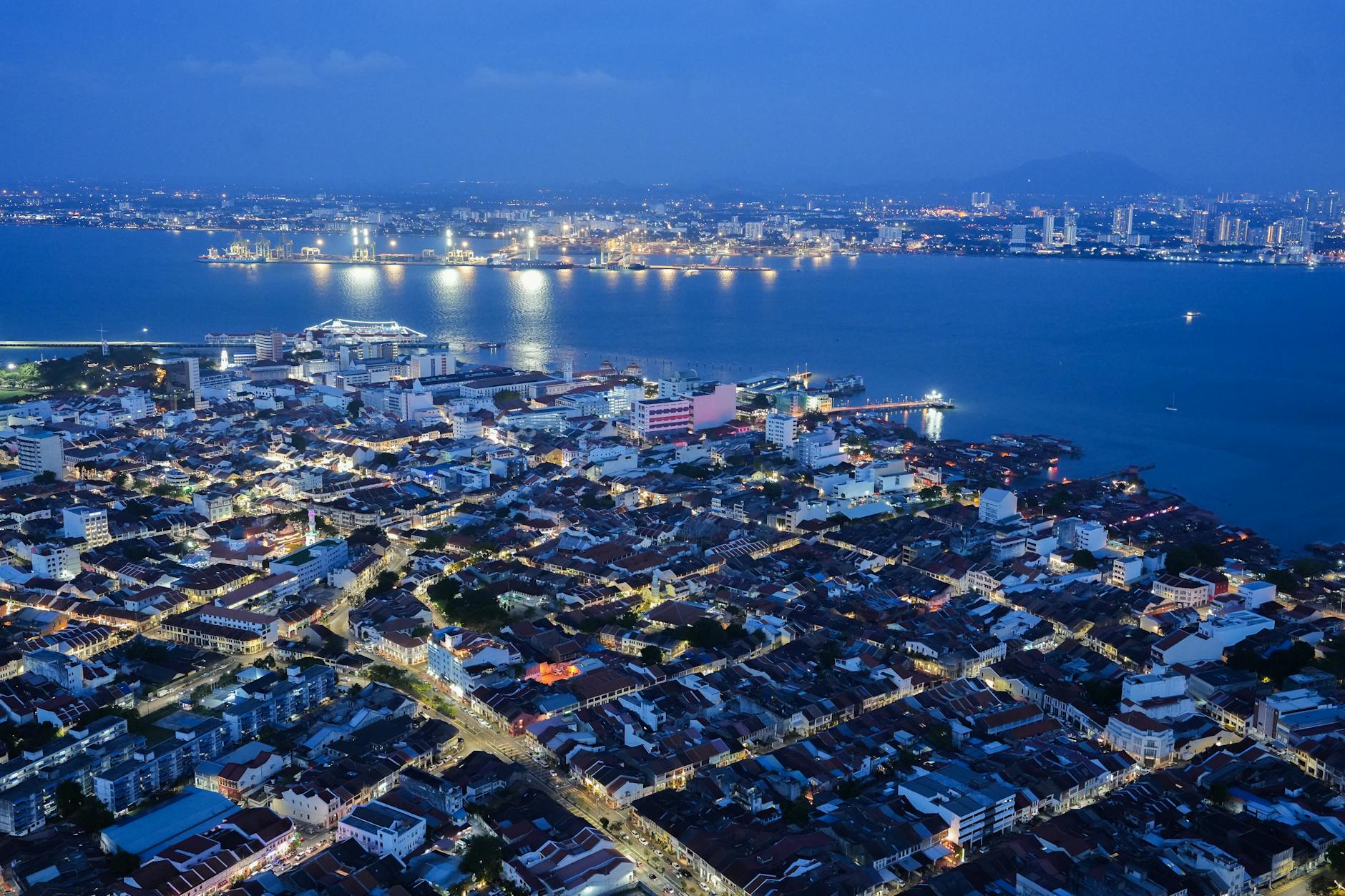
George Town can be a practical and appealing business base, but the business trip should not be planned like a heritage weekend. A visitor may have meetings in the UNESCO-listed core, hotel conference rooms, government offices, medical or education settings, port-related facilities, or the wider Penang business and manufacturing corridor around Bayan Lepas. Those locations do not all behave like one compact city. A strong short business trip starts with meeting geography and works outward. The traveler should know where the work actually happens, how airport and cross-island movement affect timing, what climate and dress require, how meals and hospitality fit the day, and whether the schedule leaves margin for delays, calls, and follow-up.
Map the work before choosing the hotel
A George Town business visitor should first map every meeting, dinner, site visit, conference room, supplier office, and airport movement. A charming heritage-core hotel may be excellent for some meetings and inefficient for others. Work in Bayan Lepas, industrial parks, hospitals, universities, or mainland-facing logistics can require a different base.
The traveler should ask whether the schedule is city-core, island-wide, airport-adjacent, or split across Penang. Once that is clear, lodging can be chosen by commute control rather than by atmosphere alone.
- Map meetings, dinners, site visits, supplier offices, and airport movement first.
- Separate George Town core work from Bayan Lepas, airport, industrial, or mainland-linked work.
- Choose the hotel by commute control and work rhythm, not only character.
Build airport and traffic margin into every workday
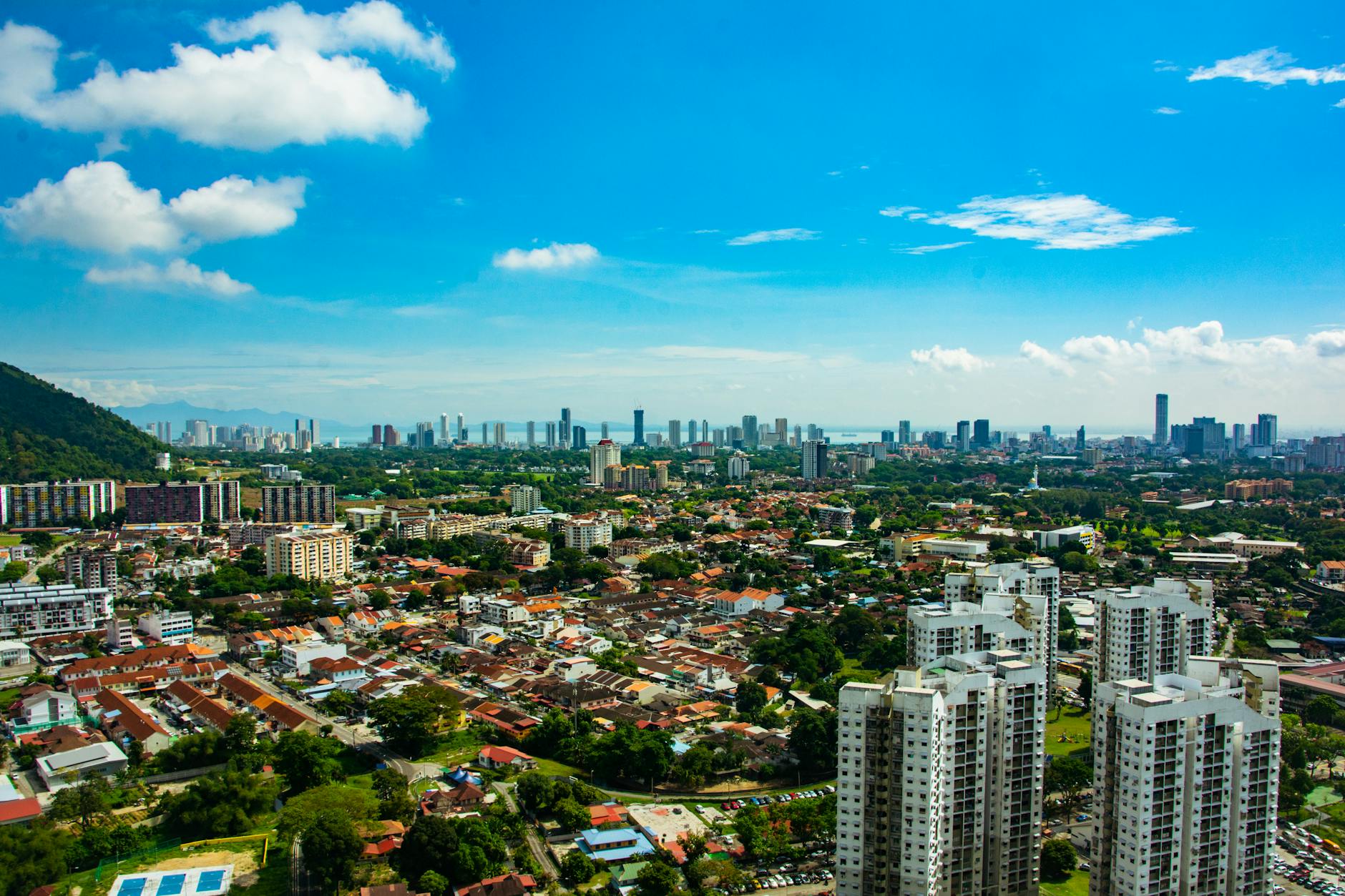
Penang International Airport can be convenient, but the trip from the airport to George Town or other meeting areas should not be treated as a fixed number. Traffic, rain, arrival queues, luggage, and ride-hailing availability can change the first and last hour of the business day.
The traveler should protect arrival buffer before any same-day meeting and avoid scheduling a critical commitment immediately before departure. The cost of one missed meeting is higher than the value of squeezing the calendar.
- Allow margin for airport arrival, luggage, traffic, rain, and ride-hailing wait times.
- Avoid same-day meetings that depend on a perfect airport transfer.
- Protect departure-day timing around the most important commitments.
Match lodging to work infrastructure
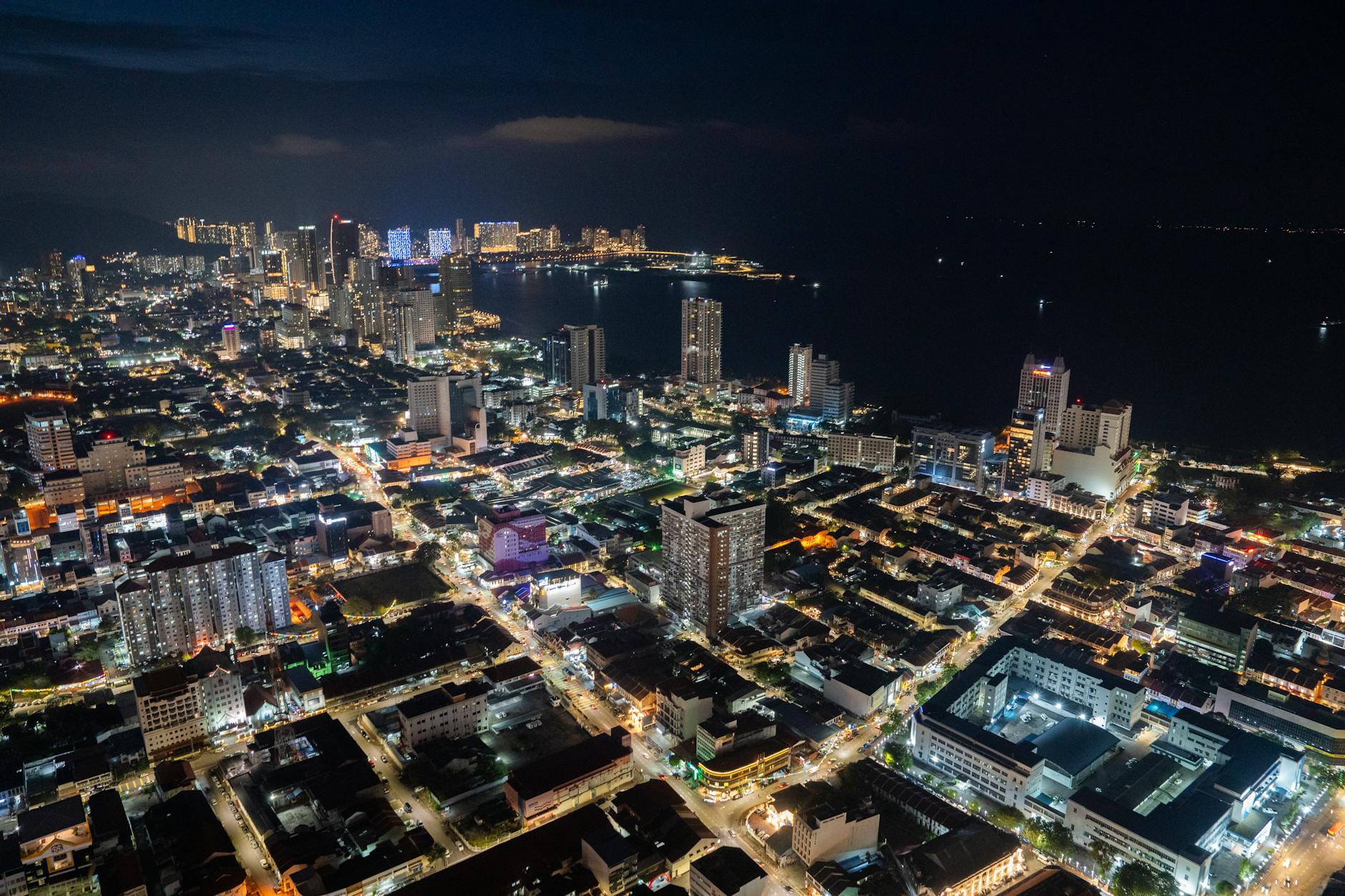
Business lodging should provide reliable Wi-Fi, quiet calls, desk space, breakfast timing, laundry, taxi or ride-hailing access, meeting rooms if needed, and enough cooling to recover from the climate. Boutique character is valuable only if the traveler can still work cleanly.
A visitor expecting late calls with Europe or North America should check room quiet and workspace carefully. A visitor hosting local partners should think about lobby, restaurant, parking, and meeting-room quality.
- Check Wi-Fi, desk space, breakfast, laundry, cooling, calls, and transport access.
- Match hotel facilities to late calls, hosted meetings, or partner dinners.
- Do not let atmosphere outrank work infrastructure.
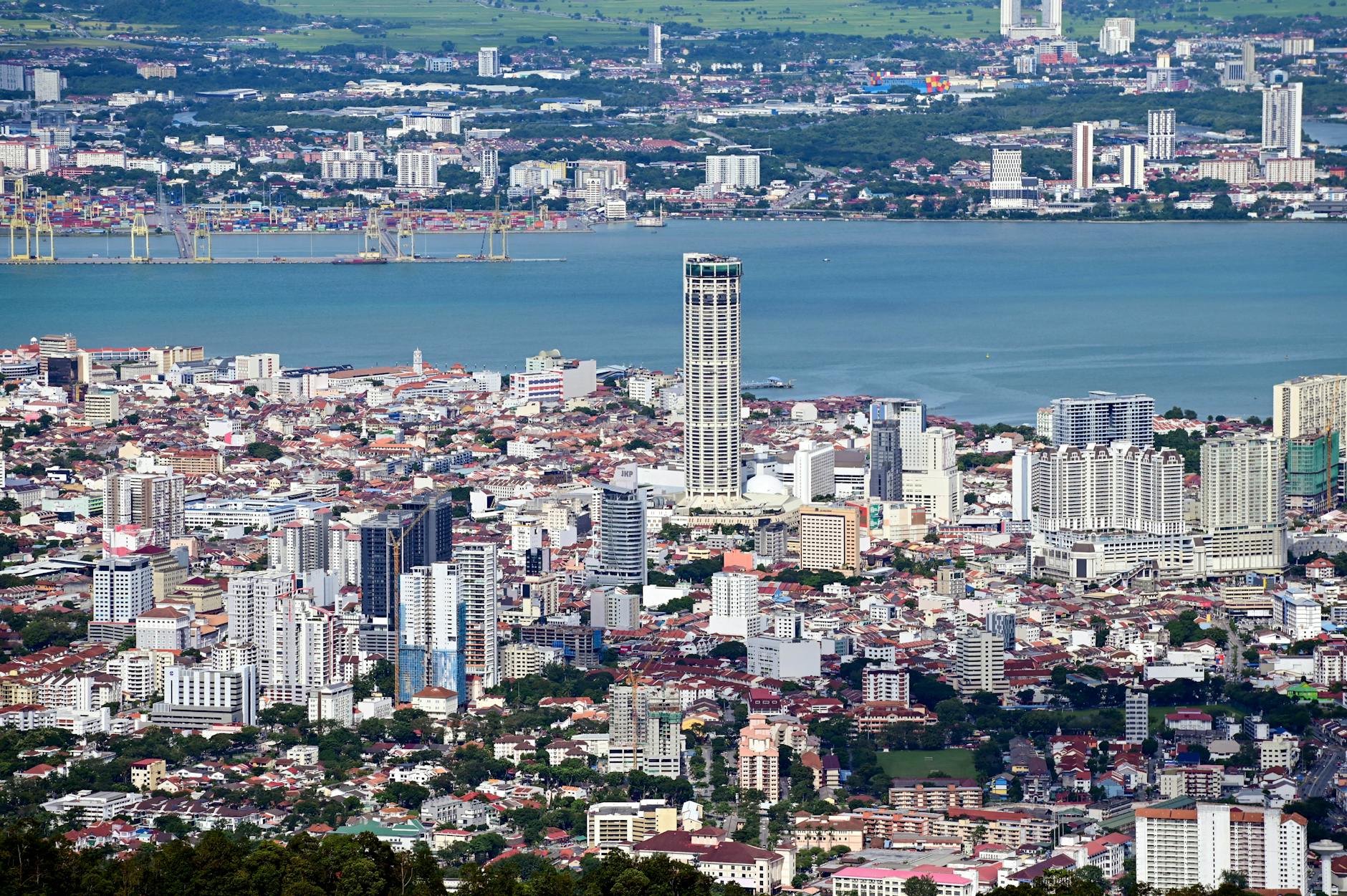
Dress for heat, rain, and meeting formality
George Town business travel means tropical heat, humidity, sudden rain, air-conditioned interiors, and different levels of meeting formality. The traveler should pack clothing that can move from humid streets to cold meeting rooms without looking careless or becoming uncomfortable.
Shoes, layers, rain protection, and spare shirts may matter more than the traveler expects. A short business trip can lose polish quickly when the schedule ignores climate.
- Pack for heat, humidity, rain, and cold interiors.
- Use spare shirts, practical shoes, and light layers to protect meeting polish.
- Confirm formality expectations for government, corporate, academic, or site meetings.
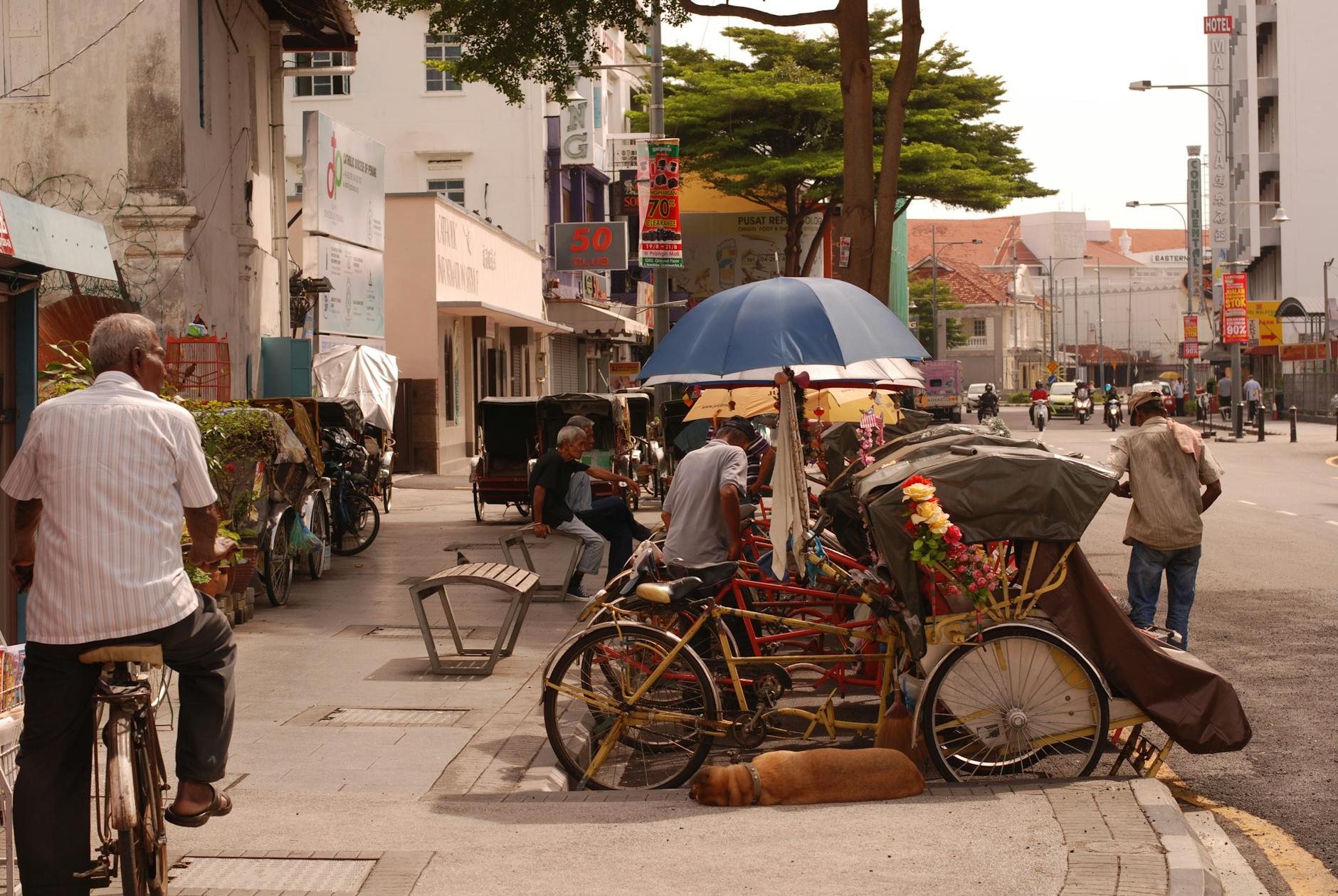
Handle meals and hospitality deliberately
Food can be one of George Town's strongest advantages for a business visitor, but meals still need planning. A traveler should account for dietary restrictions, halal or vegetarian needs, spice tolerance, alcohol expectations, client hosting, and whether street-food enthusiasm fits the business context and the next workday.
Shared meals can build trust, but they can also run long. The traveler should protect time for preparation, follow-up, and sleep, especially when early site visits or airport transfers follow.
- Plan around dietary restrictions, halal or vegetarian needs, spice tolerance, and hosting expectations.
- Choose meal settings that fit the business relationship.
- Leave time after meals for follow-up, preparation, and rest.
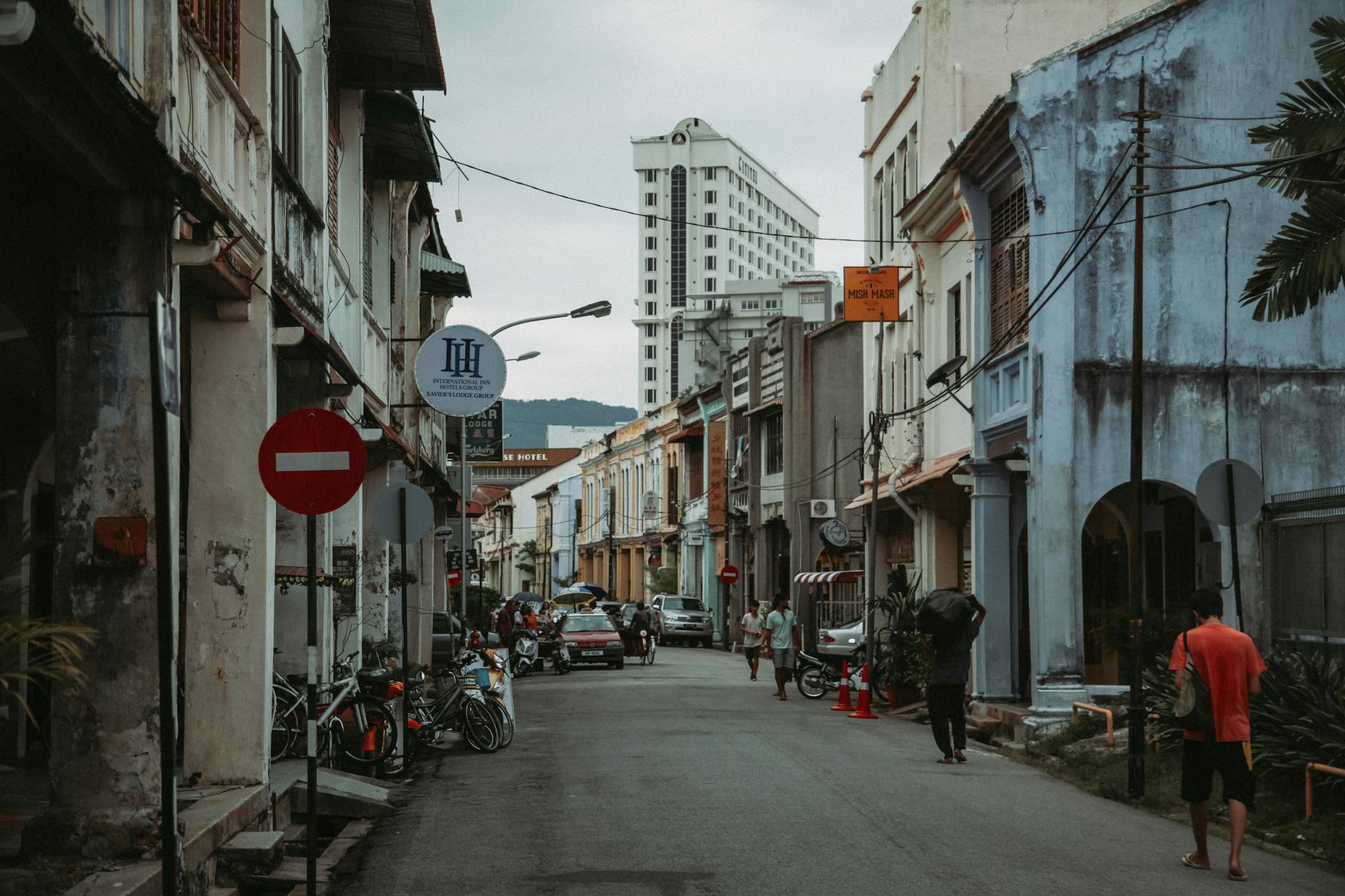
Prepare for site visits and documentation
Factory visits, labs, hospitals, schools, government offices, port-related facilities, and supplier sites can require visitor lists, ID, safety shoes, modest clothing, nondisclosure rules, phone restrictions, or advance security clearance. The traveler should not assume that a normal office routine applies everywhere.
Documents should be organized before arrival: passport, invitation letters, business cards, presentation files, offline backups, insurance details, and any required safety or compliance material. A short trip leaves little room to repair administrative gaps.
- Confirm ID, visitor lists, safety gear, phone rules, NDAs, and security clearance.
- Organize passport, letters, cards, files, backups, insurance, and compliance material.
- Treat site visits as operational commitments, not casual add-ons.
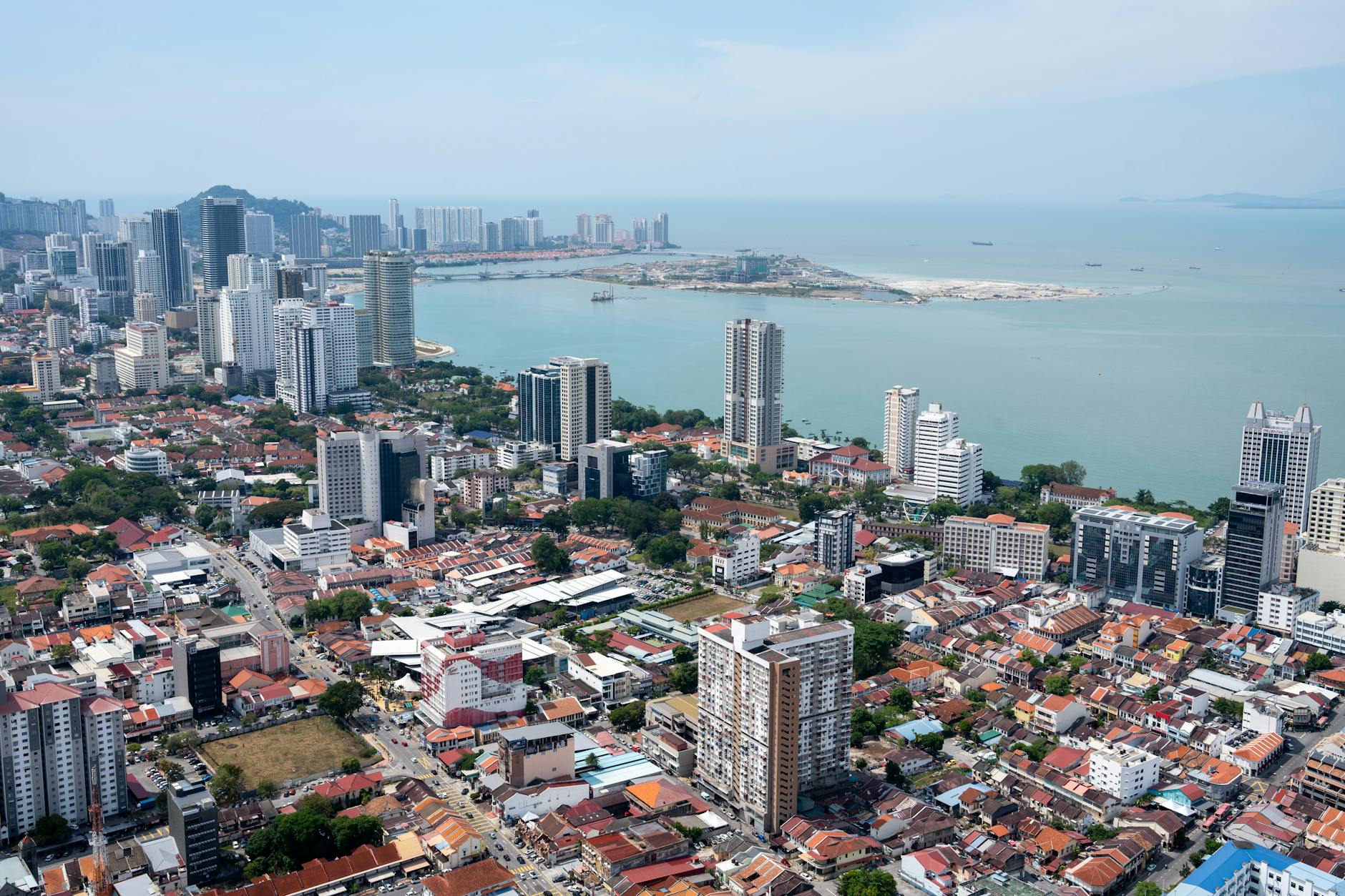
When to order a short-term travel report
A business visitor with one hosted meeting and a company-arranged driver may not need a custom George Town report. A report becomes useful when meetings are split across Penang, lodging is undecided, airport timing is tight, site visits have compliance requirements, senior travelers are involved, meals carry relationship weight, or the traveler needs to balance work with limited local time.
The report should test meeting geography, hotel choice, transfers, traffic, climate, dress, site-visit requirements, meals, quiet work time, backup plans, budget, and what to cut. The value is a business trip that respects George Town's appeal without letting logistics weaken the work.
- Order when meeting geography, hotels, transfers, site visits, or senior-traveler needs require testing.
- Provide dates, meeting locations, airport times, hotel options, site requirements, meal plans, budget, and constraints.
- Use the report to protect the work while keeping the trip efficient.