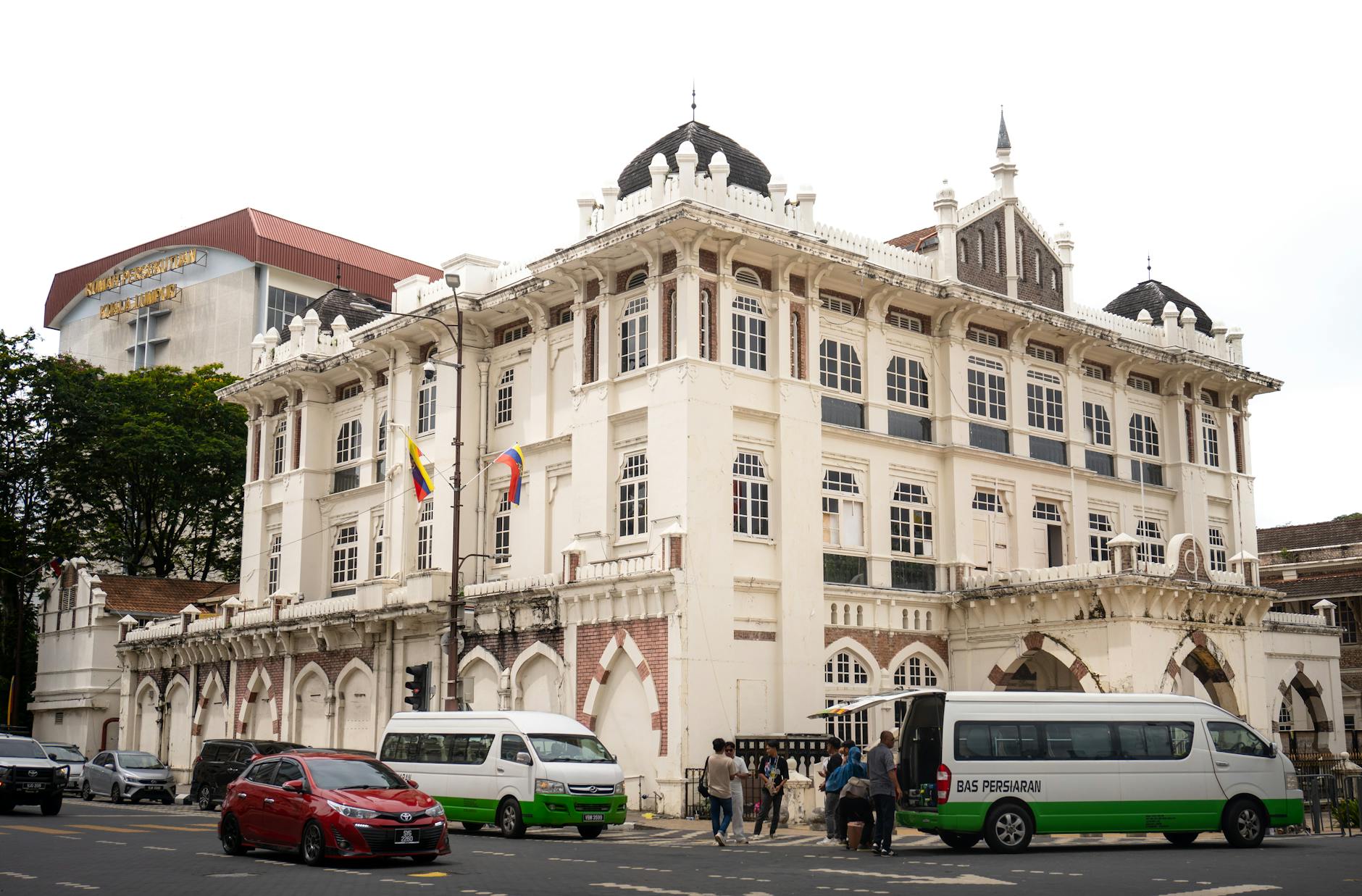
George Town can be a strong short-term destination for budget travelers because much of the city's appeal is public, walkable, food-driven, and concentrated in the historic core. A traveler can eat well, see a lot, and use modest lodging without needing an expensive itinerary. Budget travel here still requires discipline. Heat, rain, luggage, late arrivals, uneven walking routes, food tolerance, entrance fees, side-trip transport, and the quality of the sleeping base can decide whether the savings feel smart or punishing.
Do not save money on the wrong bed
Budget lodging can work well in George Town, but the traveler should evaluate more than the nightly price. Location, fan or air conditioning, noise, shared bathroom quality, stairs, lockers, front desk hours, late check-in, laundry, and the ability to rest during the hottest part of the day all matter.
A cheap bed that forces long rides, poor sleep, or insecure luggage can erase the savings quickly. The best budget base is not the absolute cheapest one. It is the one that makes the rest of the trip cheaper and easier.
- Check cooling, noise, bathrooms, stairs, lockers, front desk hours, and laundry.
- Choose a location that reduces repeated transport and protects rest.
- Avoid lodging savings that create poor sleep or luggage anxiety.
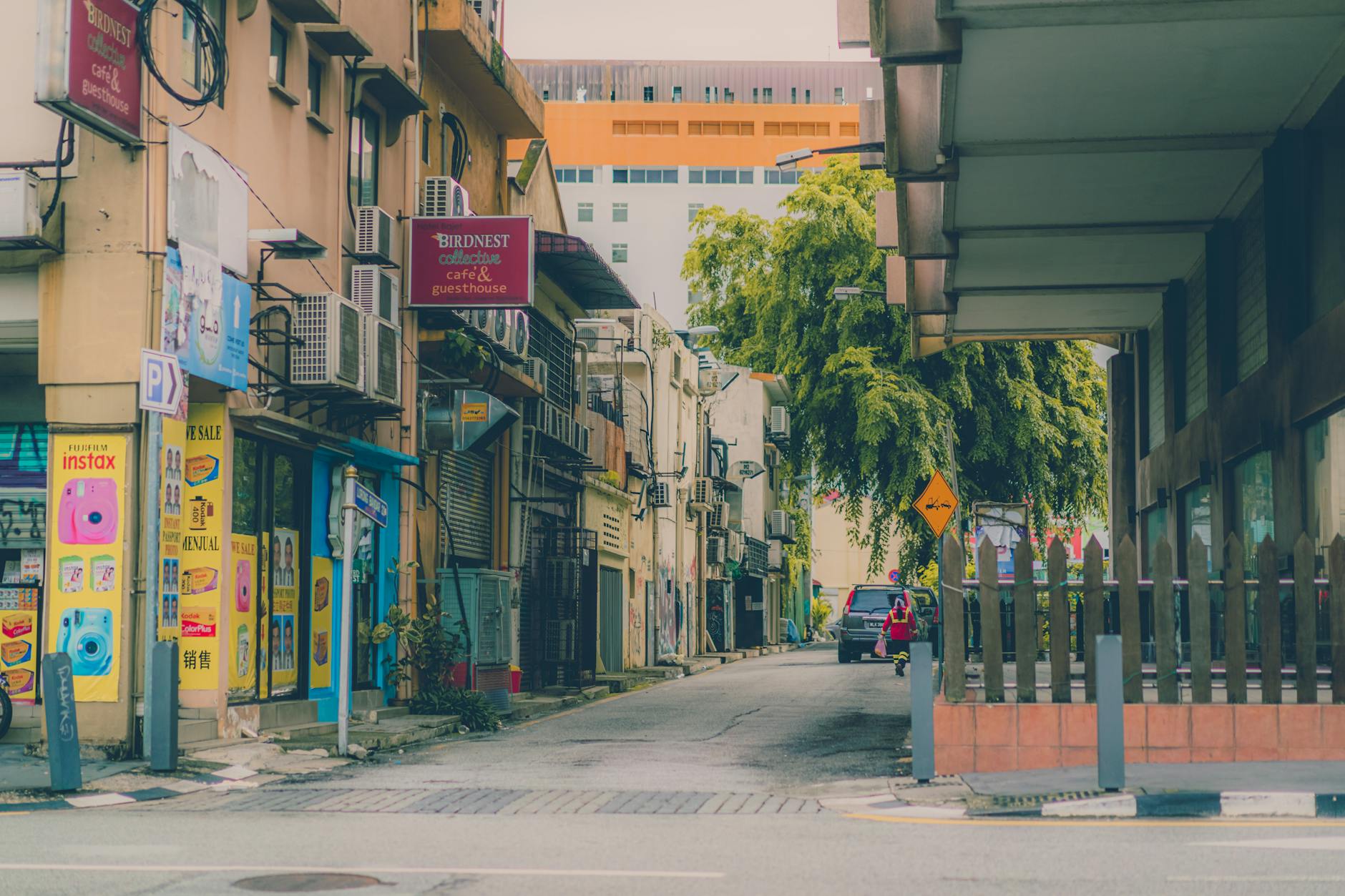
Use walking, buses, and ride-hailing selectively
George Town rewards walking, but budget travelers should not turn every movement into a false economy. Heat, rain, luggage, foot pain, and late returns can make a short ride the cheaper decision once missed meals, exhaustion, or a wasted afternoon are considered.
Local buses, ride-hailing, ferries, and shared movement can all fit a budget plan. The traveler should know which routes are worth learning and which moments deserve a direct ride.
- Walk where the street experience is the value, not just to avoid every fare.
- Use buses or ride-hailing when heat, rain, luggage, or timing makes sense.
- Budget for a few tactical rides instead of pretending transport is always optional.
Let hawker food help the budget, carefully
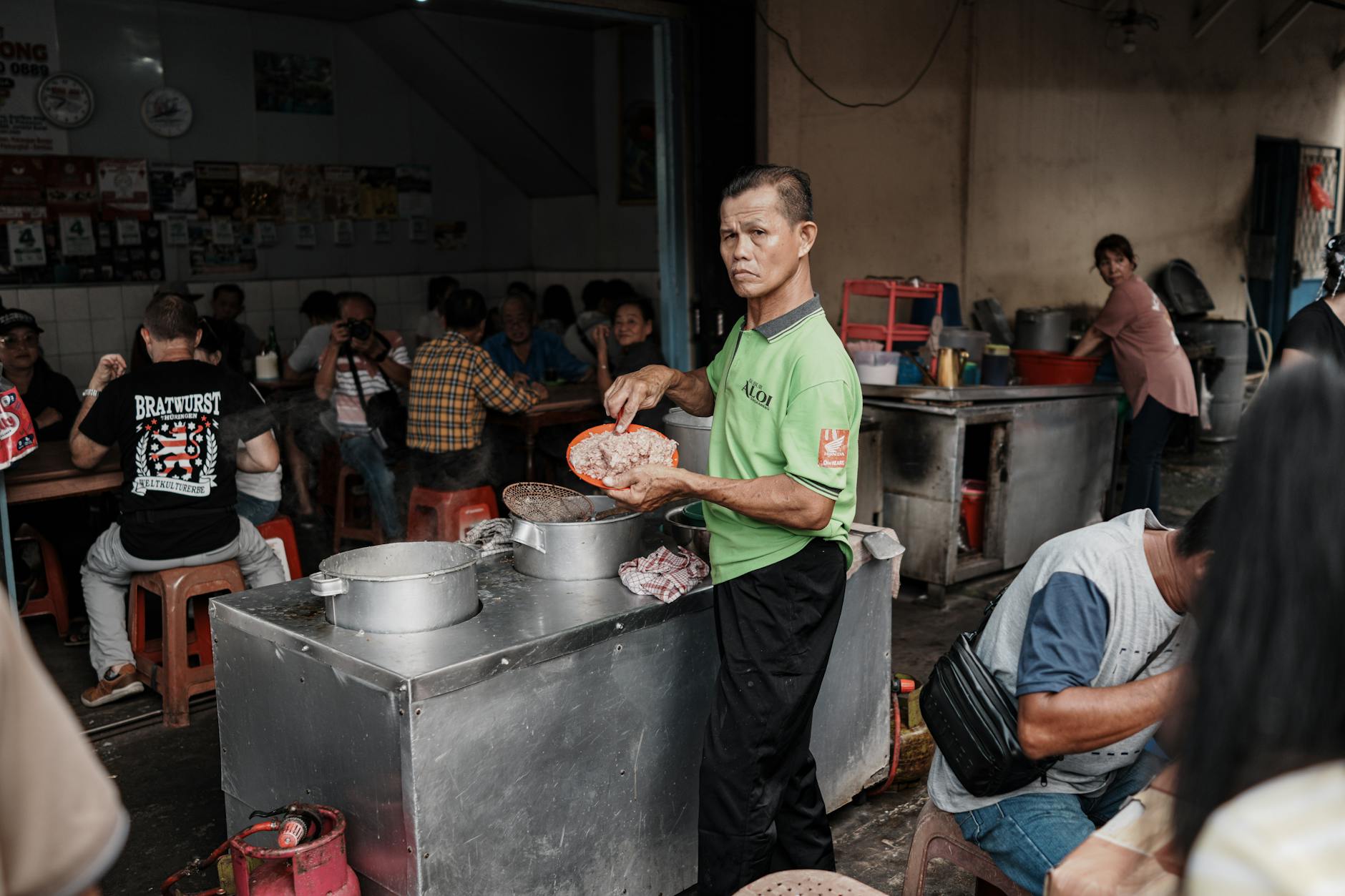
Food is one of George Town's best budget advantages. Hawker centers, kopitiams, bakeries, casual stalls, and simple local meals can make the trip feel rich without heavy spending. The traveler should still plan cash, queues, opening hours, spice, shellfish, hydration, and stomach tolerance.
Eating cheaply should not mean eating randomly. A budget traveler can build a strong food route by area and time of day, with one or two reliable fallback meals near the lodging.
- Use hawker centers, kopitiams, bakeries, and casual stalls deliberately.
- Plan around cash, queues, opening hours, spice, shellfish, and hydration.
- Keep simple fallback meals near the lodging.
Separate free value from paid value
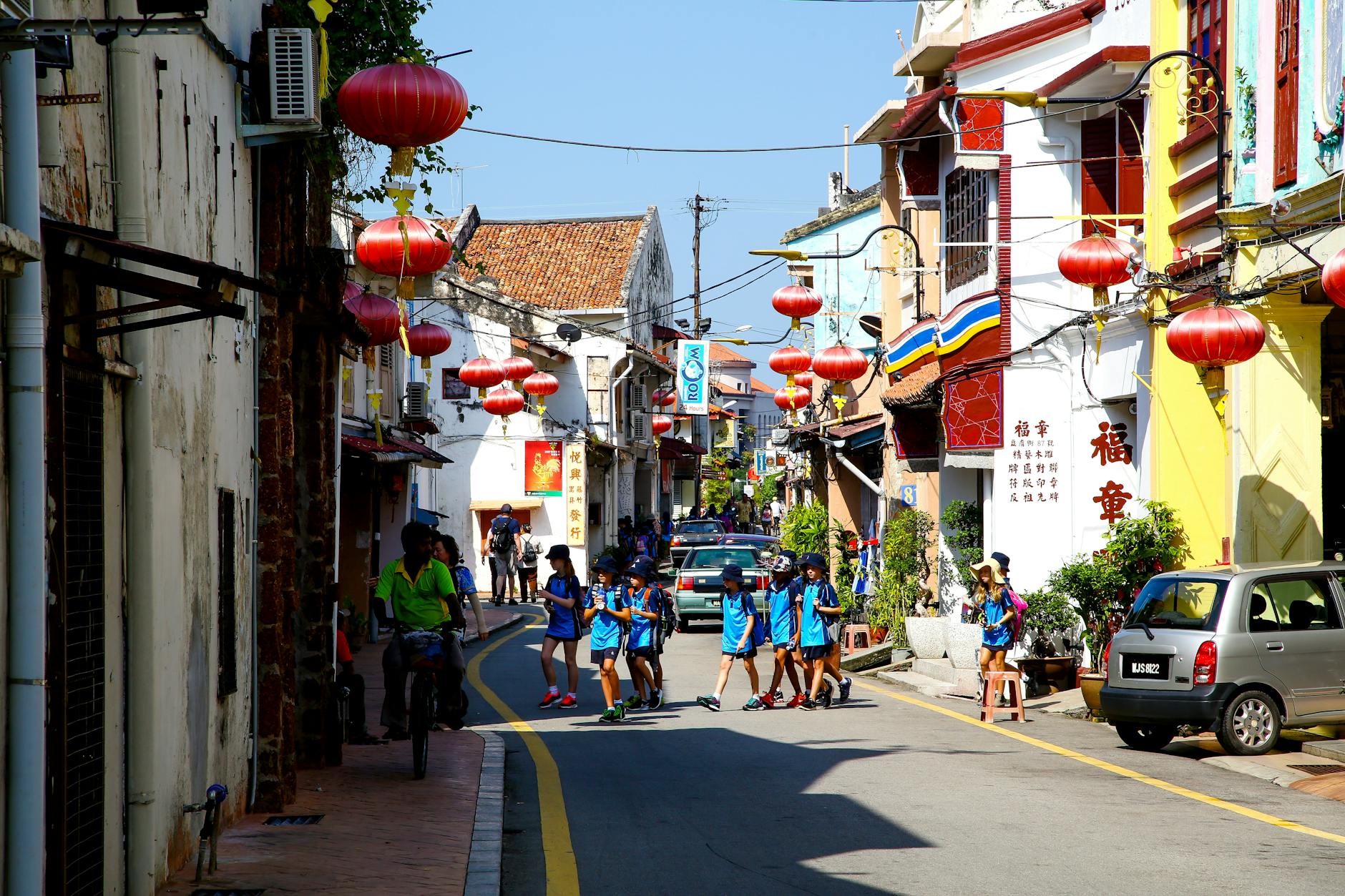
Much of George Town's appeal is low-cost or free: walking streets, architecture, murals, temples from the outside, markets, jetties, and ordinary neighborhood life. Paid museums, tours, workshops, guided walks, and transport can still be worth it when they add context or reduce friction.
The budget traveler should decide where money actually improves the trip. Paying for one strong guide or one well-timed ride may be smarter than paying several small entrance fees without a plan.
- Use free streets, architecture, markets, murals, and public atmosphere well.
- Pay when a guide, workshop, museum, or ride clearly adds value.
- Avoid small paid stops that consume budget without improving the day.
Protect health margins on a low budget
Budget travel can push people to walk farther, eat cheaper, skip rests, and choose rooms with weaker cooling. In George Town's climate, that can create real costs. Dehydration, heat fatigue, stomach trouble, foot problems, and poor sleep can all shrink a short stay quickly.
The traveler should budget for water, sunscreen or rain gear, laundry, occasional air-conditioned breaks, basic medication, and transport when needed. A small health margin is part of the budget, not a luxury.
- Budget for water, rain gear, laundry, basic medication, and cooling breaks.
- Do not let savings push walking, food, or sleep beyond useful limits.
- Use small preventive costs to protect the whole short trip.
Watch side-trip costs before committing
Penang Hill, Kek Lok Si, beaches, gardens, mainland links, ferries, and wider island trips can fit a budget itinerary, but side trips can also create hidden costs: transport, food, entrance fees, paid viewpoints, longer ride-hailing returns, and lost time in George Town.
The traveler should cost the whole excursion before committing and choose side trips that match the trip length. A budget stay can be better with one carefully chosen side trip than with several underfunded excursions.
- Cost transport, food, entrance fees, paid viewpoints, and return options together.
- Choose side trips that fit the trip length and energy level.
- Avoid underfunded excursions that consume the best George Town time.
When to order a short-term travel report
A budget traveler with flexible time, simple lodging, and a loose food plan may not need a custom George Town report. A report becomes useful when the stay is very short, the budget is tight enough that mistakes matter, lodging choices are uncertain, side trips are planned, dietary or medical needs exist, or arrival and departure timing leaves little room for error.
The report should test lodging, airport transfer, walkability, transport, food costs, free and paid sights, side trips, health margins, evening movement, medical access, total budget, and what to cut. The value is making the budget feel intentional rather than fragile.
- Order when lodging, timing, side trips, health needs, or a tight budget require testing.
- Provide dates, budget ceiling, lodging options, arrival time, food needs, side-trip ideas, mobility limits, and priorities.
- Use the report to spend less without making the trip brittle.