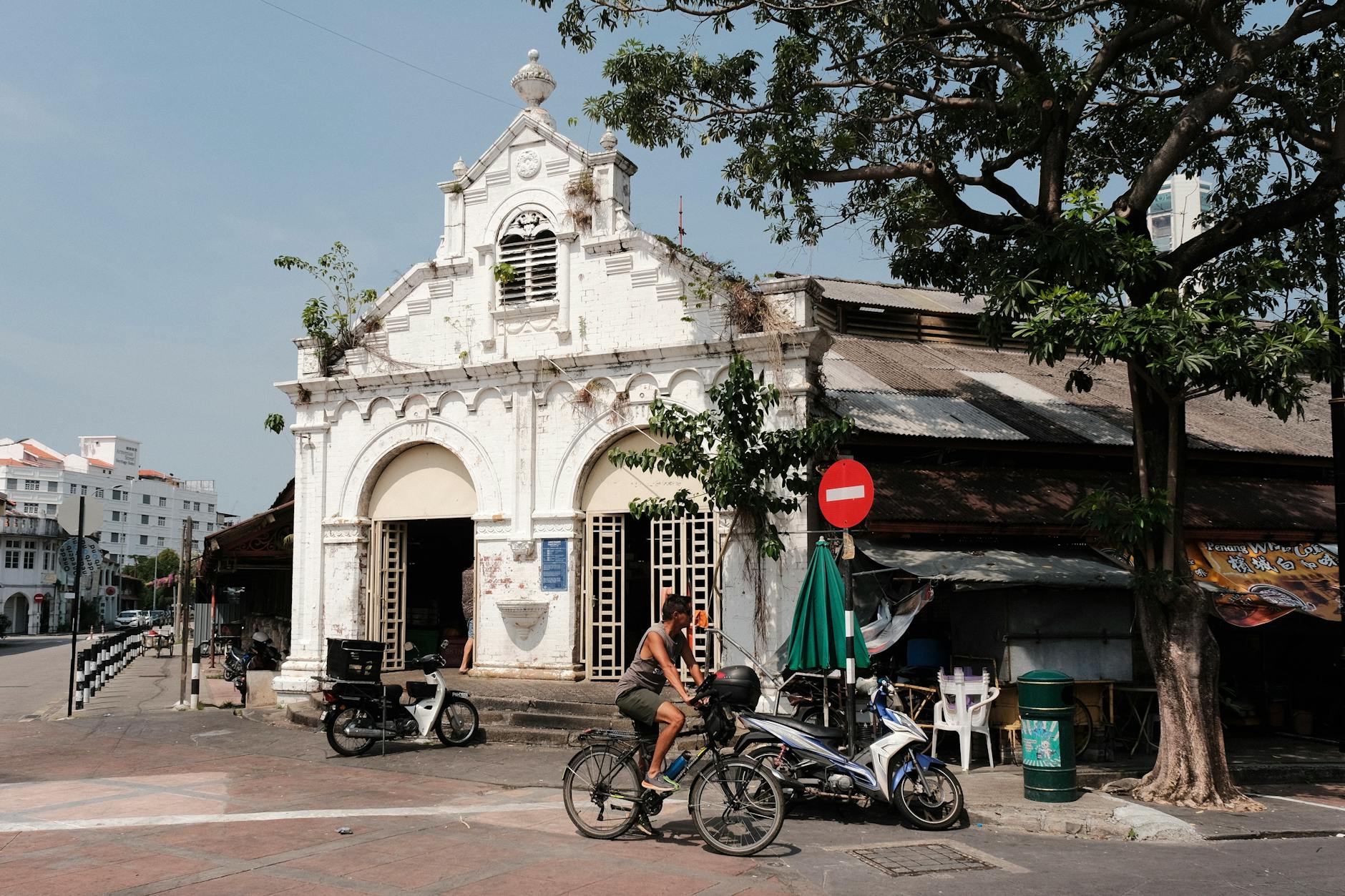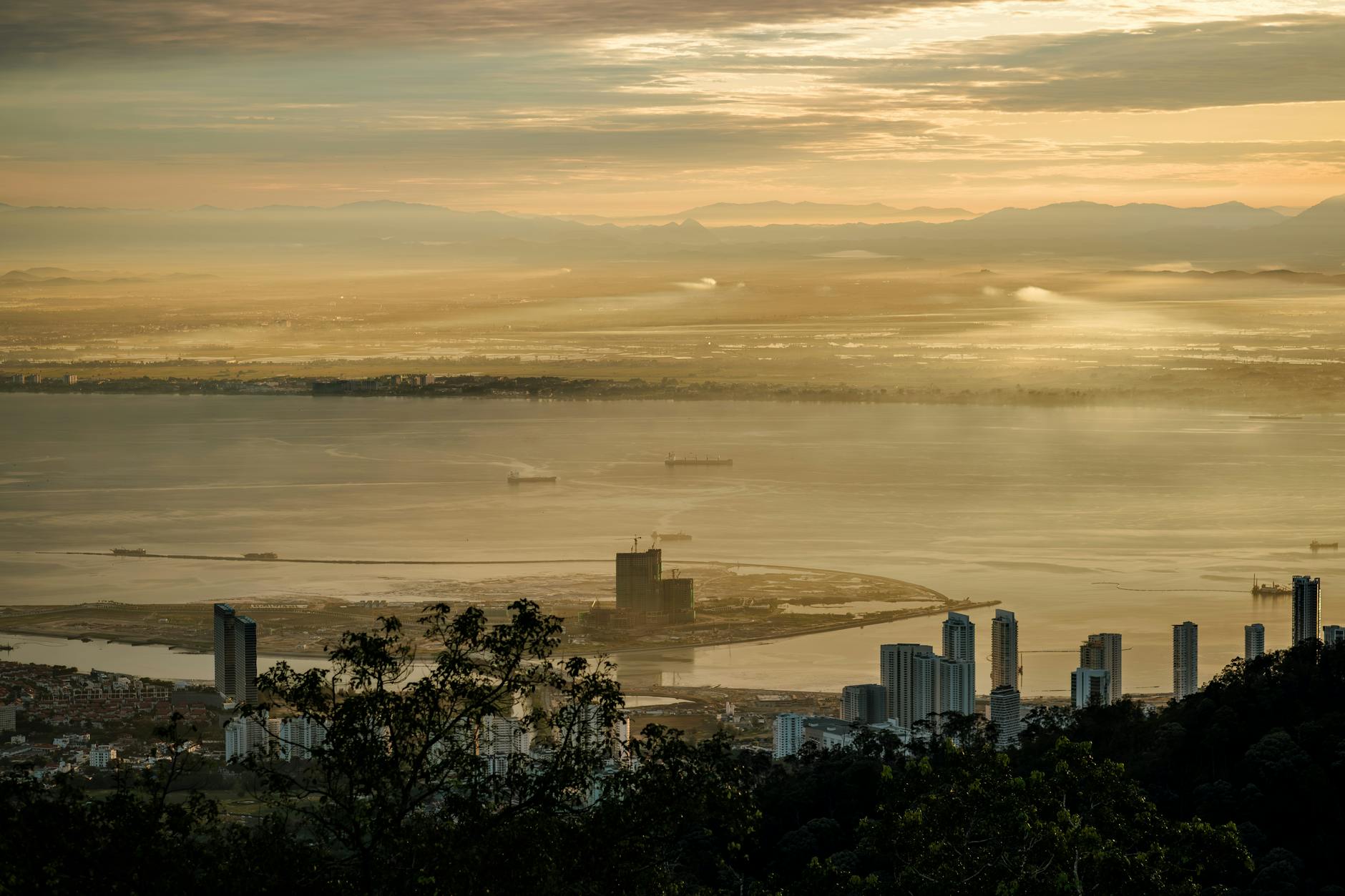
A George Town academic conference trip can combine serious work with one of Malaysia's most distinctive urban settings, but the trip should start with the conference venue rather than the heritage itinerary. Some events are in George Town hotels or cultural institutions, while others may sit closer to universities, hospitals, Bayan Lepas, or wider Penang meeting infrastructure. The difference matters for lodging, transport, and daily energy. The best short conference plan protects attendance and presentation quality first. That means knowing where sessions are, how long airport and cross-island transfers take, how the climate affects dress and pacing, where quiet work can happen, and how much of George Town can be responsibly added around the program.
Locate the conference before choosing lodging
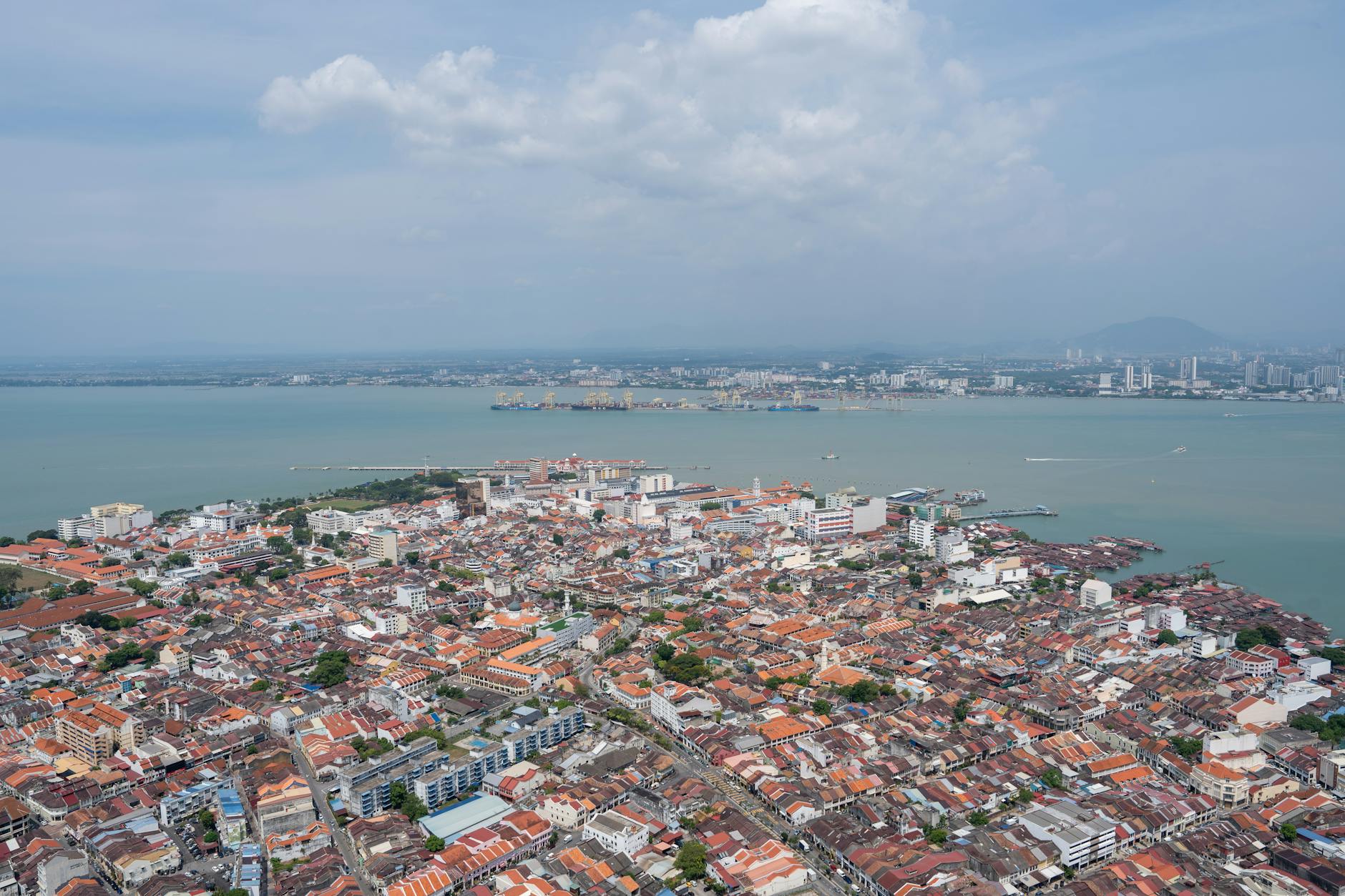
A conference labeled George Town or Penang may not behave like a single-neighborhood event. Sessions may be in a heritage hotel, university facility, medical campus, convention venue, or hotel outside the walkable core. The attendee should map the exact venue, reception site, poster area, dinner location, and any off-site workshops before booking.
The hotel should make attendance easy. A charming street in the UNESCO core can be the right choice for some programs and the wrong choice for a conference that starts early across the island.
- Map the venue, receptions, workshops, dinners, and poster sessions before booking.
- Separate heritage-core convenience from university, hospital, airport, or convention geography.
- Choose lodging that protects attendance, not only atmosphere.
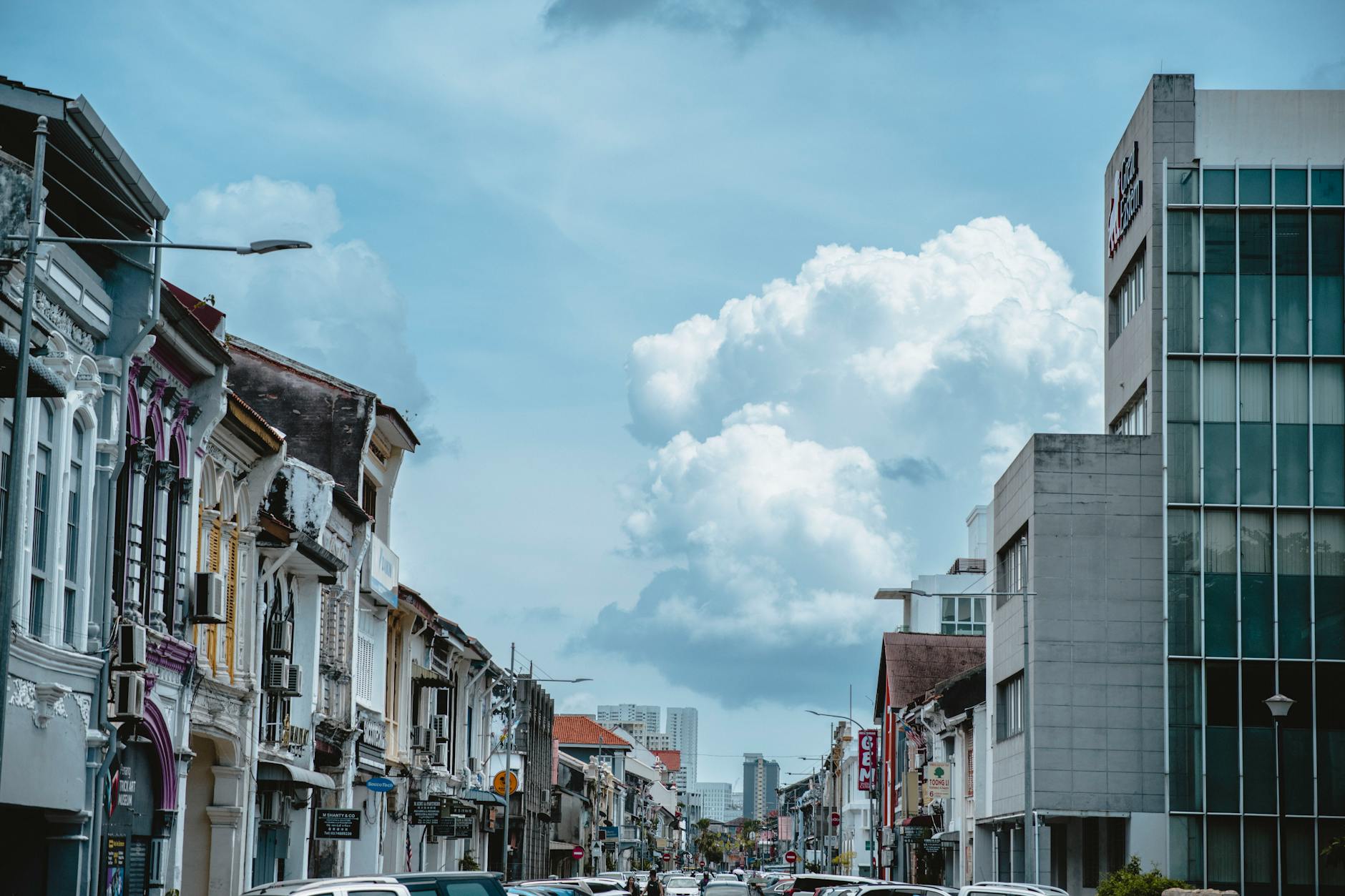
Build margin around airport and traffic
Penang International Airport is workable, but transfers to George Town, universities, or conference hotels can be affected by traffic, rain, luggage, and ride-hailing availability. A presenter should avoid arriving with no margin before a session, rehearsal, or opening reception.
Departure timing matters too. A final panel, networking lunch, or advisor meeting may run late. The attendee should protect the flight window rather than assuming the last day will stay on schedule.
- Allow margin for airport arrival, traffic, rain, luggage, and ride-hailing waits.
- Avoid landing immediately before a talk, rehearsal, or reception.
- Protect departure-day timing around panels, lunches, and final meetings.
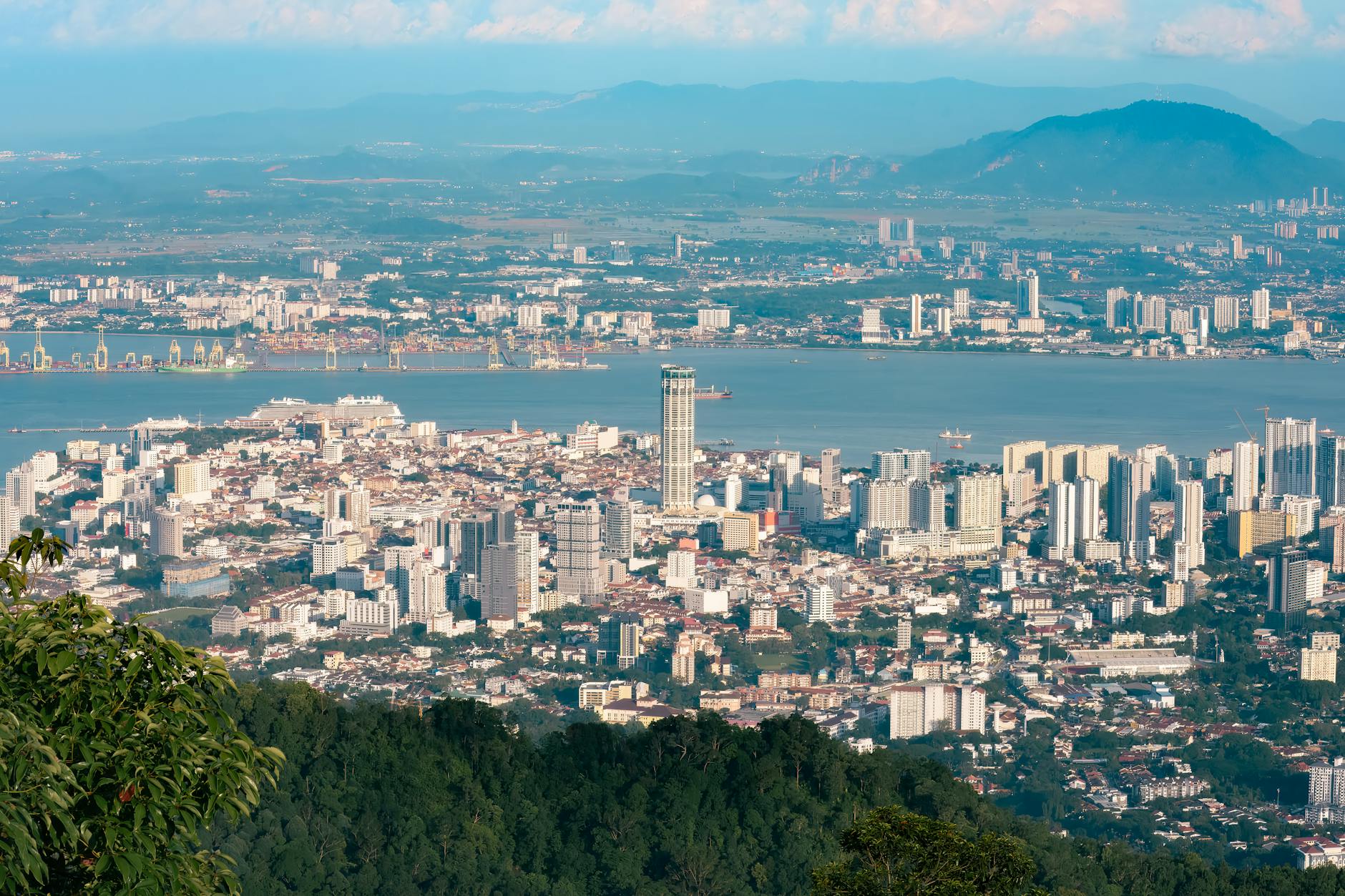
Prepare for heat, rain, and cold rooms
George Town's humidity and sudden rain can collide with formal conference clothing and cold meeting rooms. The attendee should pack breathable professional layers, practical shoes, rain protection, spare shirts, and a bag that protects laptop, poster tube, adapter, and presentation notes.
The goal is to arrive at sessions looking prepared without being uncomfortable all day. Climate planning is part of academic performance, especially when the schedule runs from breakfast sessions to evening networking.
- Pack breathable professional clothing, light layers, rain gear, and practical shoes.
- Protect laptop, poster tube, adapter, notes, and name badge from rain.
- Plan for humid streets and cold meeting rooms in the same day.
Protect presentation and poster logistics
Academic travelers should check presentation format, room equipment, adapters, poster size, printing options, Wi-Fi, backup files, time limits, chair expectations, and whether materials need to be carried across humid streets. A small technical failure can absorb the mental energy needed for the conference itself.
Files should be backed up offline and online where appropriate. The attendee should also know where quiet rehearsal or meeting preparation can happen if the hotel room is too small or noisy.
- Confirm format, room equipment, adapters, poster size, printing, Wi-Fi, and time limits.
- Keep offline and online backups of slides, papers, posters, and notes.
- Identify quiet rehearsal or preparation space before the presentation day.
Plan networking around food and local norms
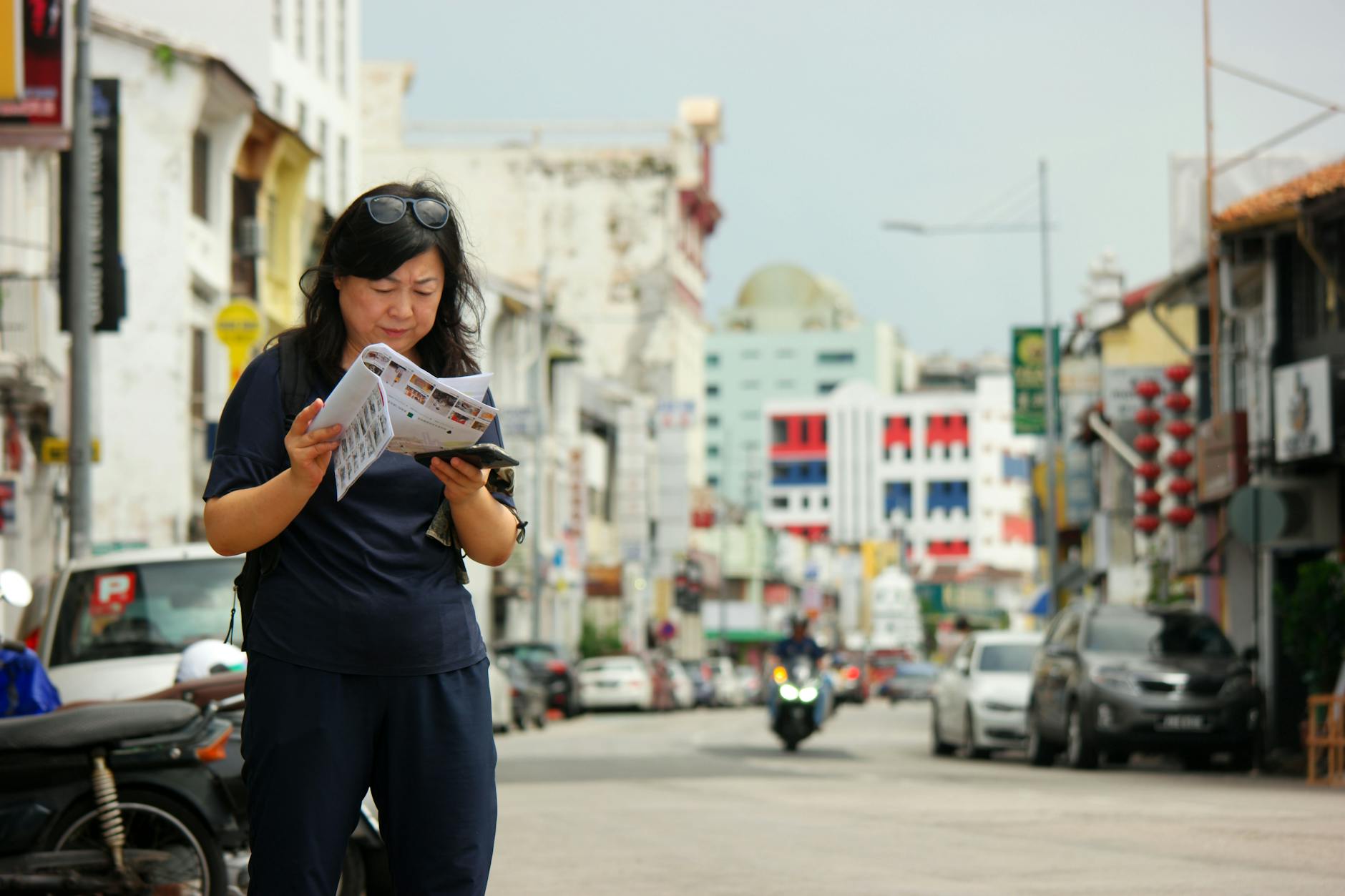
George Town's food culture can make conference networking better, but meals should be handled with care. Attendees may need halal, vegetarian, allergy, spice, alcohol, or budget considerations. Senior academics, sponsors, and local hosts may also have different expectations for hosted meals or informal dinners.
The traveler should choose networking meals that support conversation and the next day's obligations. A famous food stop is less useful if it is noisy, hard to reach, or leaves the attendee exhausted before an early session.
- Account for halal, vegetarian, allergy, spice, alcohol, and budget needs.
- Choose meal settings that support conversation and professional expectations.
- Do not let food plans crowd out preparation, rest, or early sessions.
Use heritage time selectively
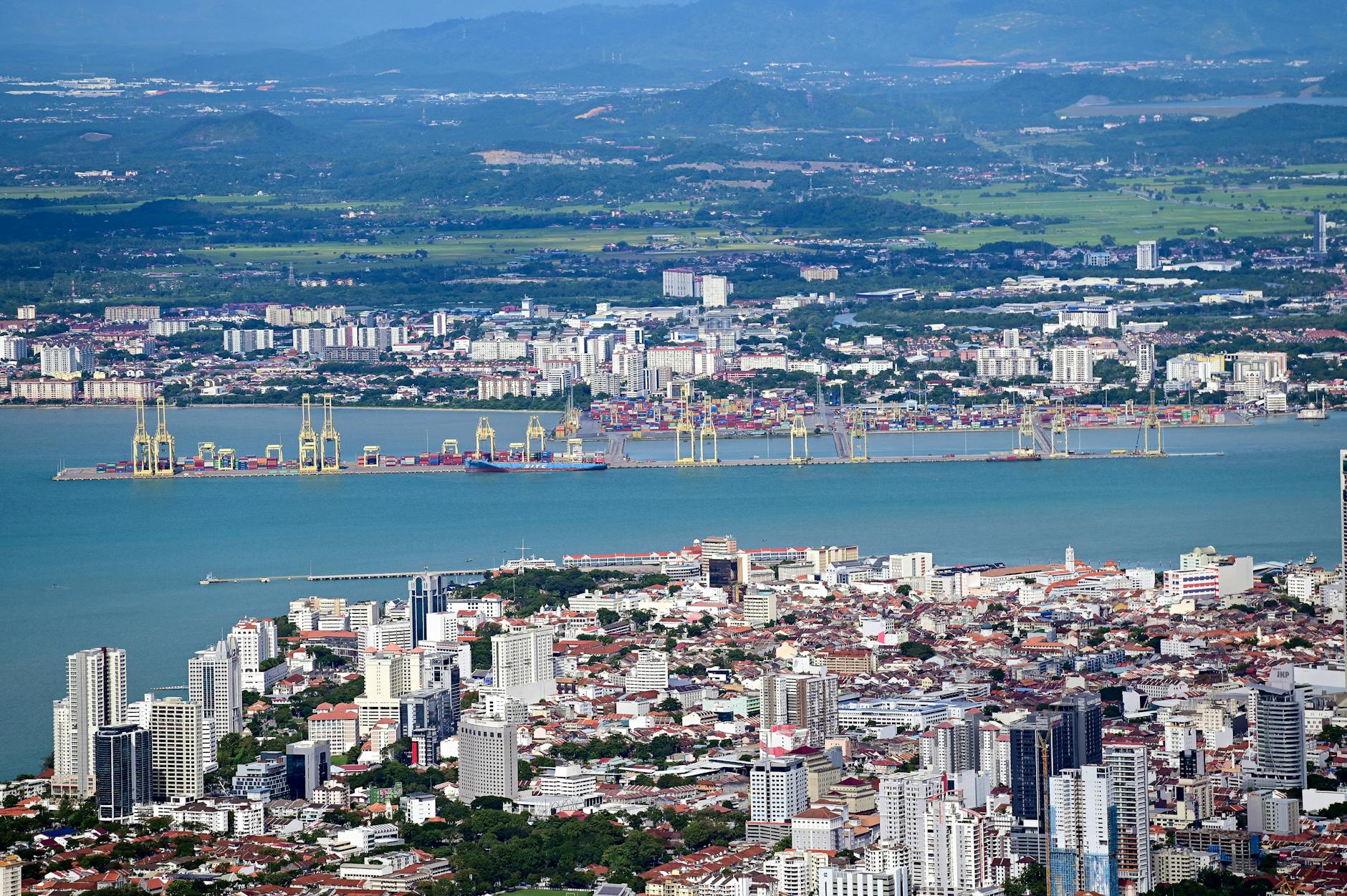
A conference attendee should not ignore George Town's heritage core, clan jetties, temples, street art, food, and waterfront, but side time should be honest. A two-hour gap is not the same as a full free afternoon, especially in heat or rain.
The strongest side plan chooses one or two nearby experiences and leaves room to return for the next session. The traveler should avoid treating local religious or heritage sites as quick backdrops between academic obligations.
- Choose one or two side experiences that fit the actual free window.
- Account for heat, rain, walking time, and return to the venue.
- Treat heritage and religious sites with context, not as filler between sessions.
When to order a short-term travel report
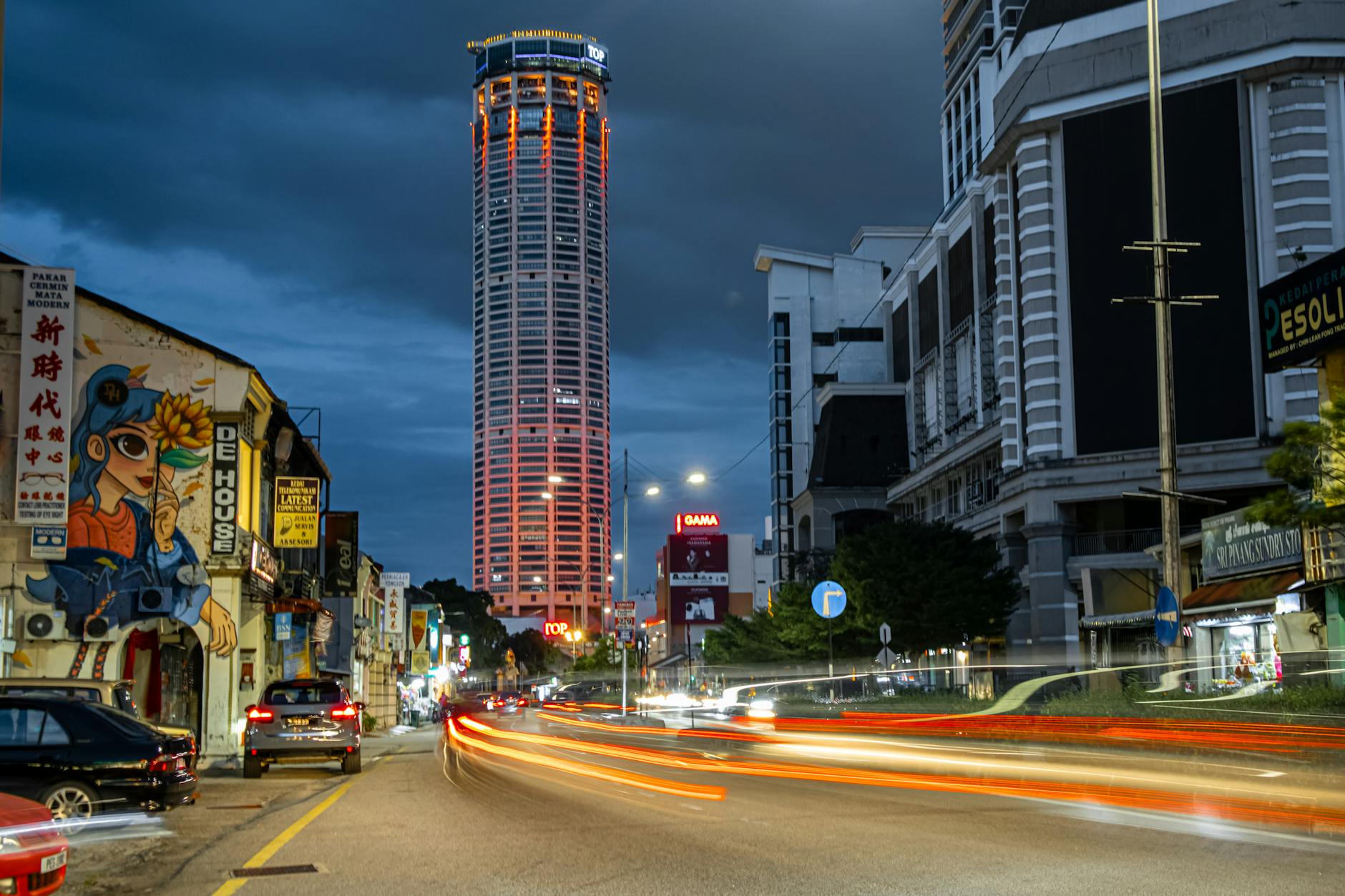
A conference attendee with a venue hotel, no presentation, and a simple schedule may not need a custom George Town report. A report becomes useful when the attendee is presenting, choosing lodging, moving between venues, arriving close to session time, managing dietary or medical constraints, coordinating with colleagues, or trying to add heritage time without weakening the academic purpose.
The report should test venue geography, lodging, airport transfer, traffic, climate, presentation logistics, meals, networking, side time, budget, and what to cut. The value is a conference trip that protects the work while using George Town intelligently.
- Order when venue geography, presentation logistics, lodging, meals, or side time need testing.
- Provide dates, venue, program schedule, presentation needs, hotel options, dietary needs, budget, and constraints.
- Use the report to protect conference performance and practical control.