Cork can be a good short-term destination for women because it is social, compact in parts, food-focused, and connected to attractive County Cork day trips. It still deserves practical planning. Arrival hour, hotel location, rainy streets, hills, pub culture, taxi access, and the return from dinner can shape how comfortable the trip feels. A strong Cork plan does not treat being a woman traveler as a problem. It treats comfort, confidence, and situational awareness as part of the itinerary, so the traveler can enjoy the city, meals, music, markets, and nearby harbor towns without leaving important decisions to the moment.
Choose a base that makes evenings easy
Hotel location matters for a woman traveler in Cork because much of the city's value comes after the formal sightseeing day: dinner, a pub, a music session, a river walk, or a late return from a County Cork outing. A central or well-connected base can make those choices feel natural. An awkward base can turn every evening into a transport question.
The traveler should check lighting, hills, reception hours, taxi access, room access, noise, and the walking route back from dinner. The best base is not simply the prettiest listing. It is the one that lets the traveler use Cork without needing to negotiate every return.
- Check evening walking routes, lighting, hills, taxis, reception hours, room access, and noise.
- Choose lodging that supports dinner, pubs, markets, and rain-safe returns.
- Avoid a remote or awkward base unless it clearly improves the trip.
Plan arrival and the first night deliberately
Cork Airport can make arrival straightforward when flights line up, but many travelers will compare Cork with Dublin or Shannon. For a woman traveler, the decision should include arrival hour, luggage, fatigue, transfer complexity, phone battery, taxi certainty, and whether the first night will require finding food after a long travel day.
A late arrival can still work if the hotel, meal, and transport plan are clear. The weaker version is arriving tired, wet, hungry, and dependent on improvised navigation. The first night should be designed to lower stress rather than prove independence.
- Compare airports by arrival hour, transfer complexity, fatigue, luggage, and taxi confidence.
- Know the first meal, hotel route, payment method, and backup transport before landing.
- Keep phone battery, offline maps, hotel details, and emergency contacts accessible.
Read Cork by weather, streets, and timing
Cork is walkable in useful sections, but rain, wet pavements, slopes, bridges, crowds, and low light affect how a route feels. A woman traveler should use the city confidently while still noticing when a route, hour, or weather pattern changes the comfort calculation.
The safest-feeling day is often a well-edited one: a market visit, a cultural stop, a coffee break, a dinner reservation, and an easy way back. Overextending the route is usually less useful than understanding Cork's compact rhythm and choosing where to linger.
- Build walking loops around daylight, rain, hills, bridges, food, and taxi options.
- Use indoor pauses when weather or fatigue changes the day.
- Let comfort guide route changes without turning the trip into avoidance.
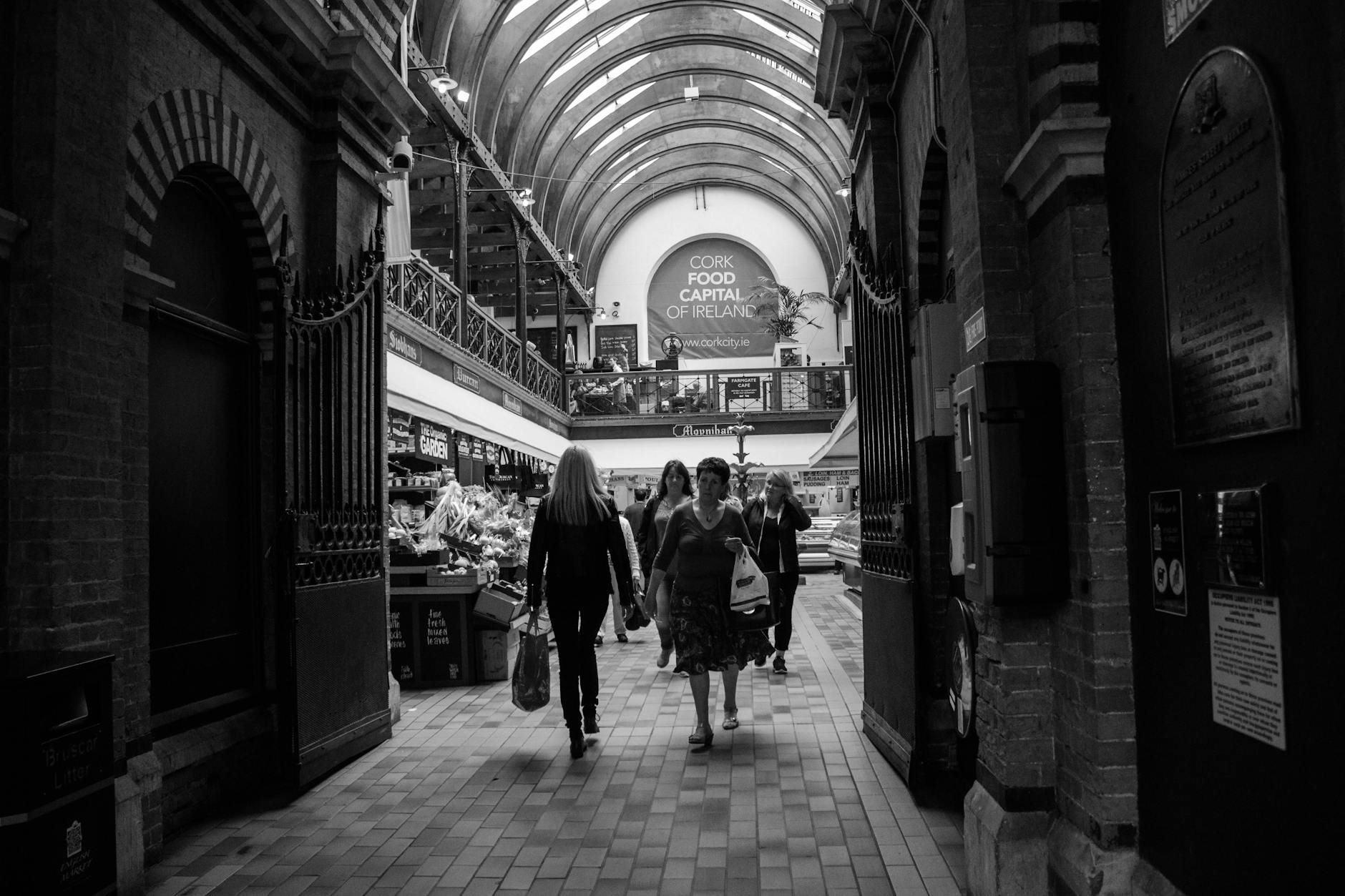
Use meals, markets, and pubs on your terms
Cork's food and pub culture can be one of the best parts of the trip, especially for women traveling solo, with friends, or on a mixed-purpose visit. The key is choosing settings that match the evening: market browsing, a bar seat, early dinner, a restaurant with easy taxi access, a music pub, or a quieter place for conversation.
Alcohol and sociability should be managed deliberately. Friendly conversation is part of Cork's appeal, but the traveler does not need to accept every invitation, explain every decision, or keep a night going because the room is lively.
- Reserve important meals and check distance, noise, lighting, closing days, and return options.
- Use bar seats, early dinners, markets, and selected pubs when they fit the traveler's comfort.
- Keep alcohol, conversation, and late-night movement inside clear personal limits.
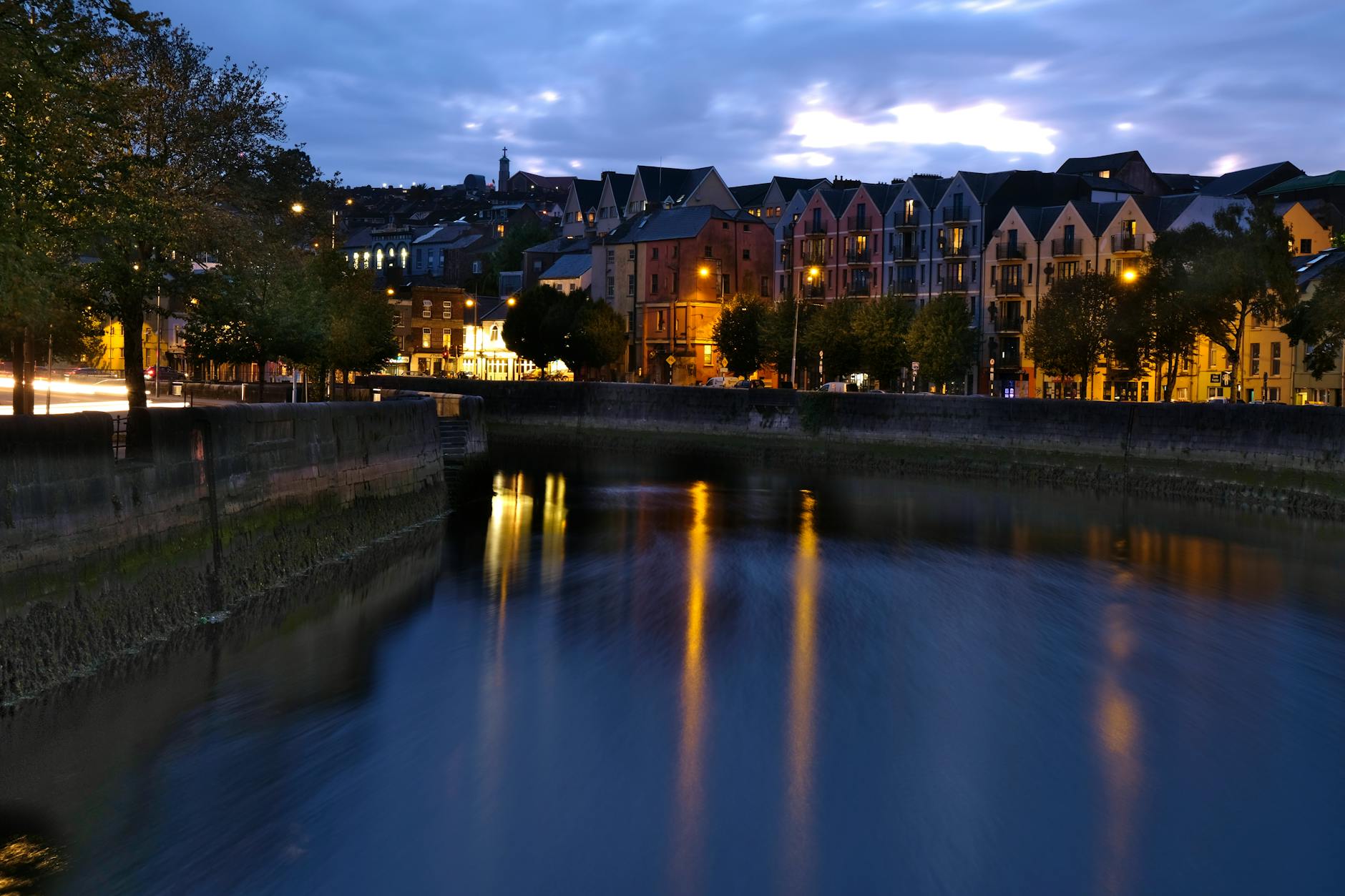
Handle attention, privacy, and communication
A woman traveler should have simple habits for attention and privacy. Avoid broadcasting room numbers, detailed plans, or where you are staying to people who do not need the information. Use the hotel desk, restaurant staff, or a taxi rather than pushing through a situation that feels off.
Communication should be light but reliable. Share lodging and broad plans with a trusted contact, keep documents backed up, and maintain enough phone battery for maps, transport, payment, and calls. These habits support independence rather than reducing it.
- Keep hotel details, room numbers, and exact plans private unless disclosure is useful.
- Share basic itinerary and lodging details with a trusted contact when appropriate.
- Maintain phone battery, payment backup, document copies, and a simple exit option.
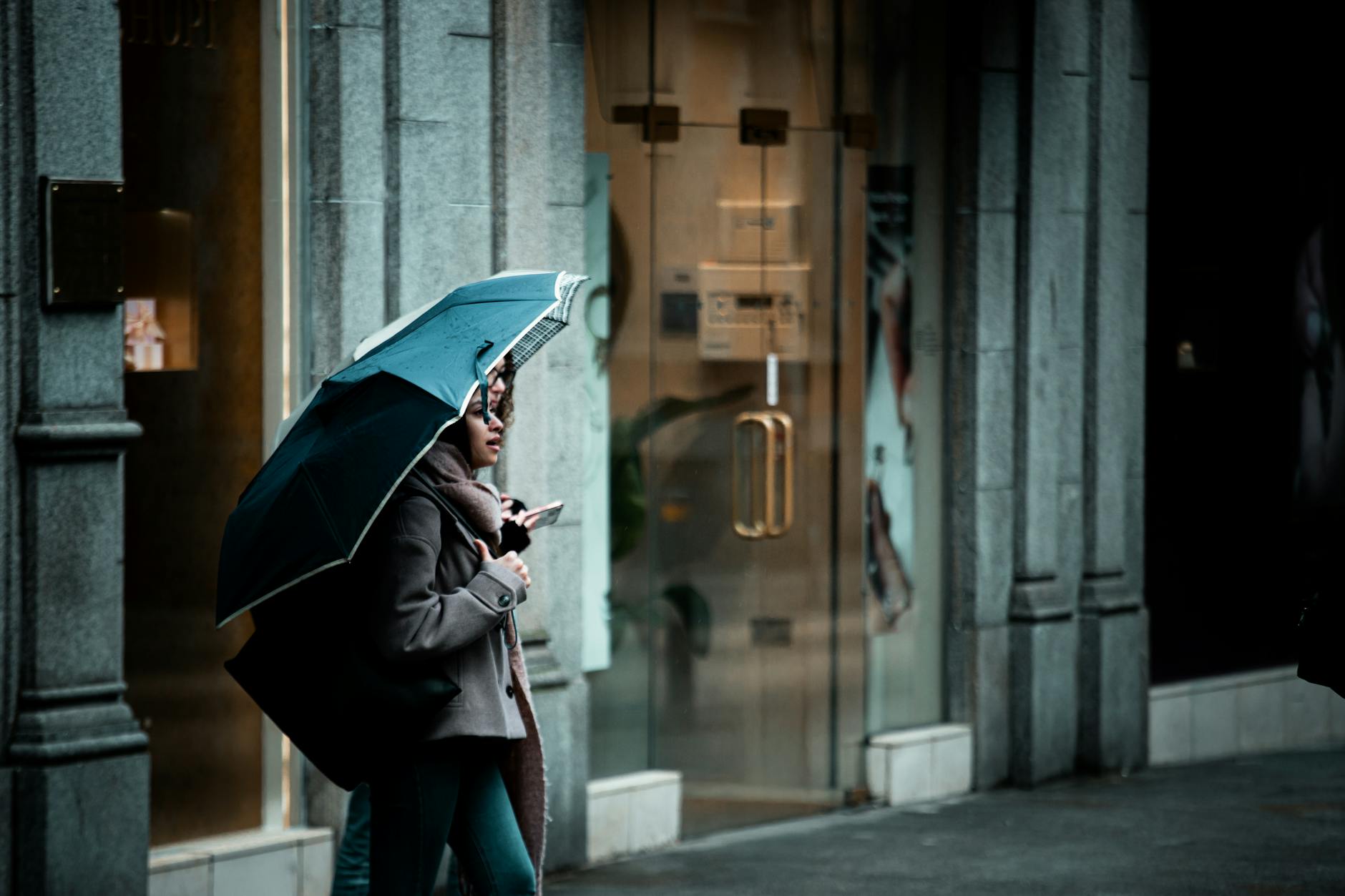
Add Cobh or Kinsale with a return plan
Cobh, Kinsale, Ballycotton, gardens, or harbor meals can be excellent additions, but women travelers should plan day trips around transport certainty, weather, meal timing, phone battery, and the return. A beautiful harbor town is less enjoyable if the evening return is uncertain or the route back to the hotel is awkward.
One well-chosen County Cork excursion is usually better than several rushed ones. The traveler should decide whether public transport, taxi, tour, rental car, or a driver best fits the comfort level and budget.
- Choose one County Cork outing that fits time, weather, energy, and return transport.
- Confirm trains, buses, taxis, tours, meals, and phone battery before leaving Cork.
- Do not let a day trip weaken the evening return or next morning.
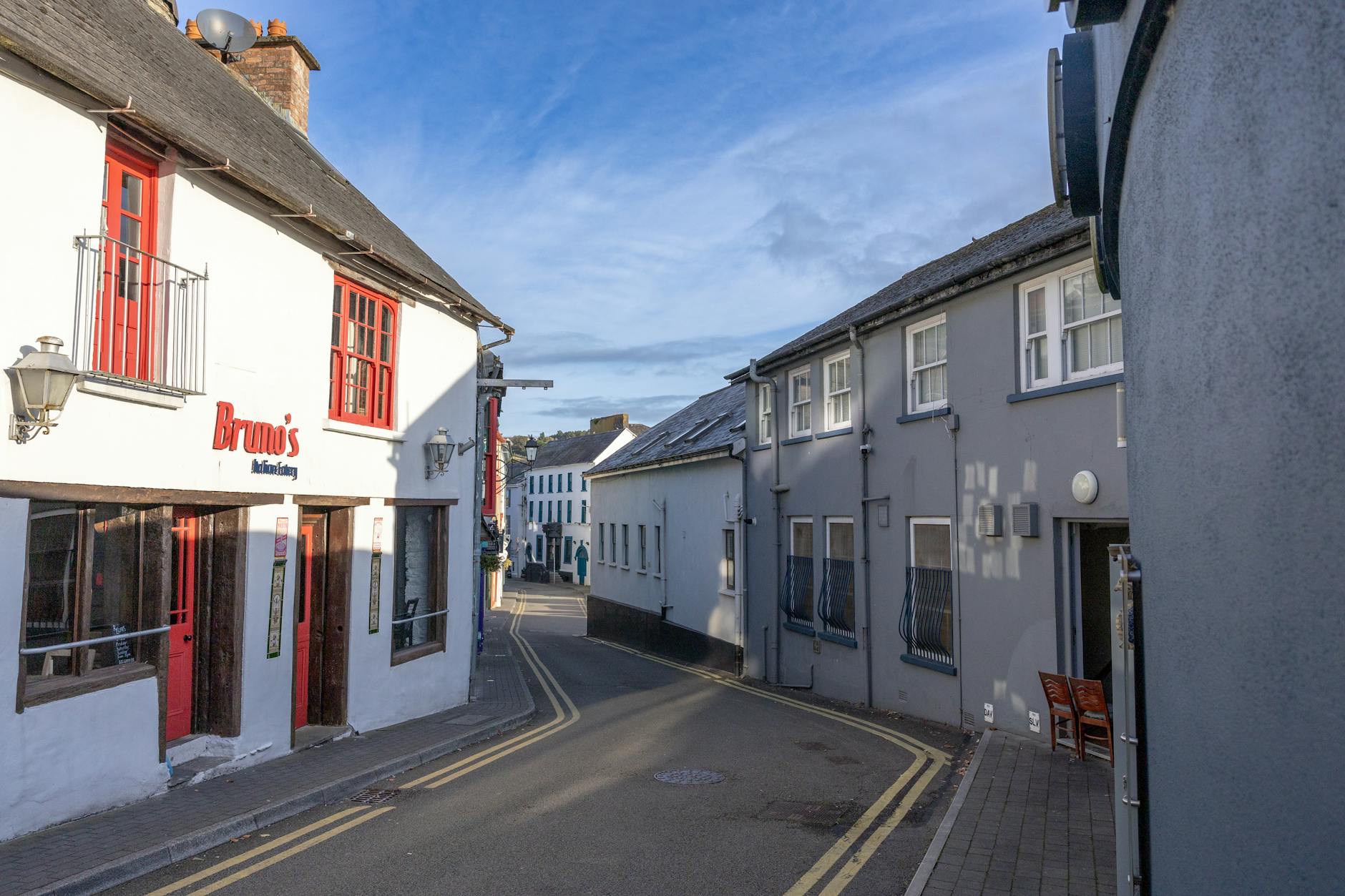
When to order a short-term travel report
A woman traveler with a central hotel, simple Cork Airport arrival, and flexible plans may not need a custom report. A report becomes useful when arrival is late, the traveler is comparing airports, planning pubs or music, traveling solo, adding County Cork day trips, managing medical or mobility needs, or trying to keep evenings social without losing control of the return.
The report should test arrival, lodging, walking routes, meals, pubs, taxis, weather, communication, day trips, budget, and what to skip. The value is a Cork trip that feels confident, practical, and personal without being overcautious.
- Order when arrival, lodging, evenings, day trips, safety, weather, or pacing needs closer judgment.
- Provide dates, airport options, hotel ideas, interests, solo or group context, comfort limits, and budget.
- Use the report to make confidence operational instead of vague.