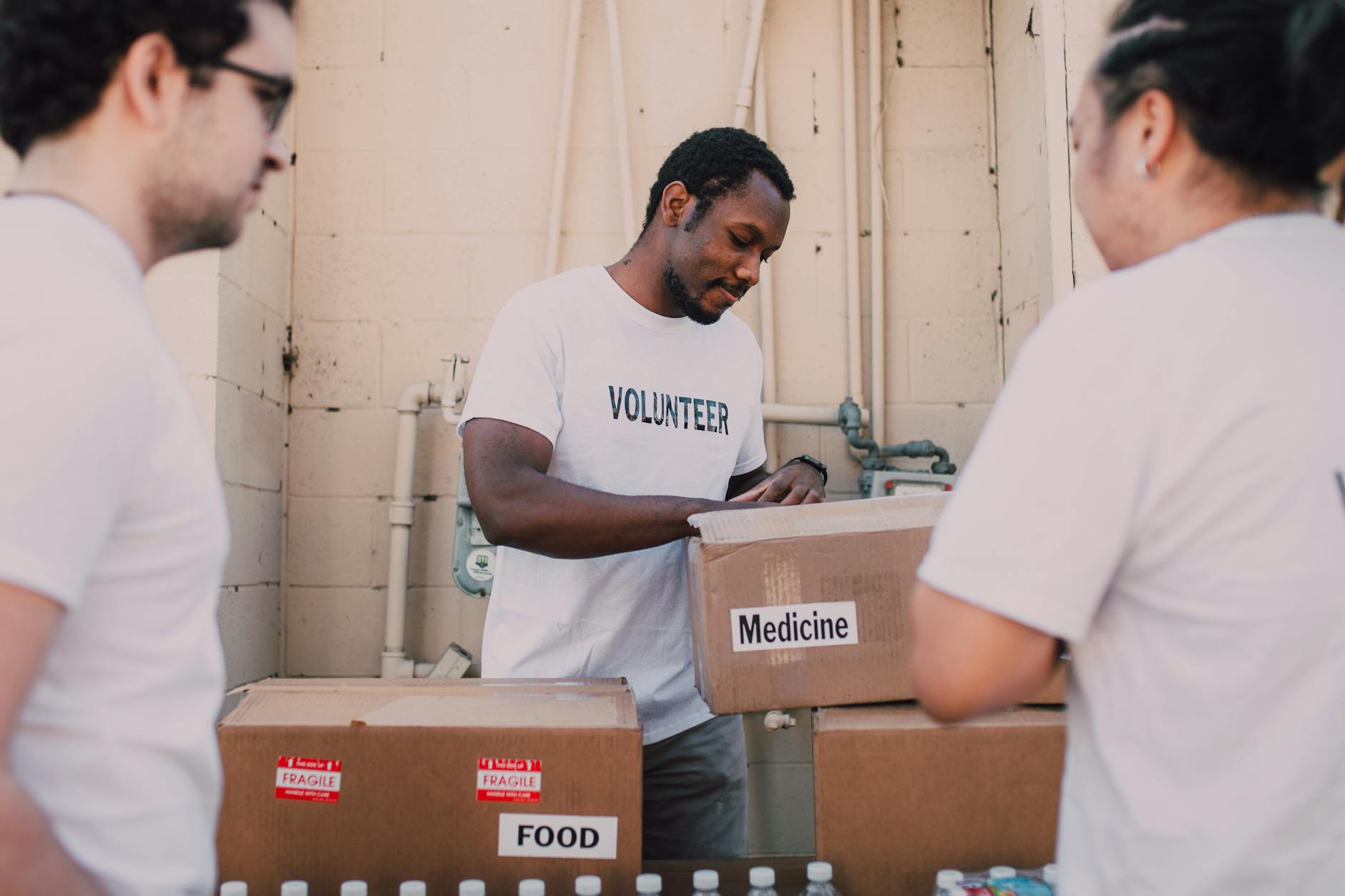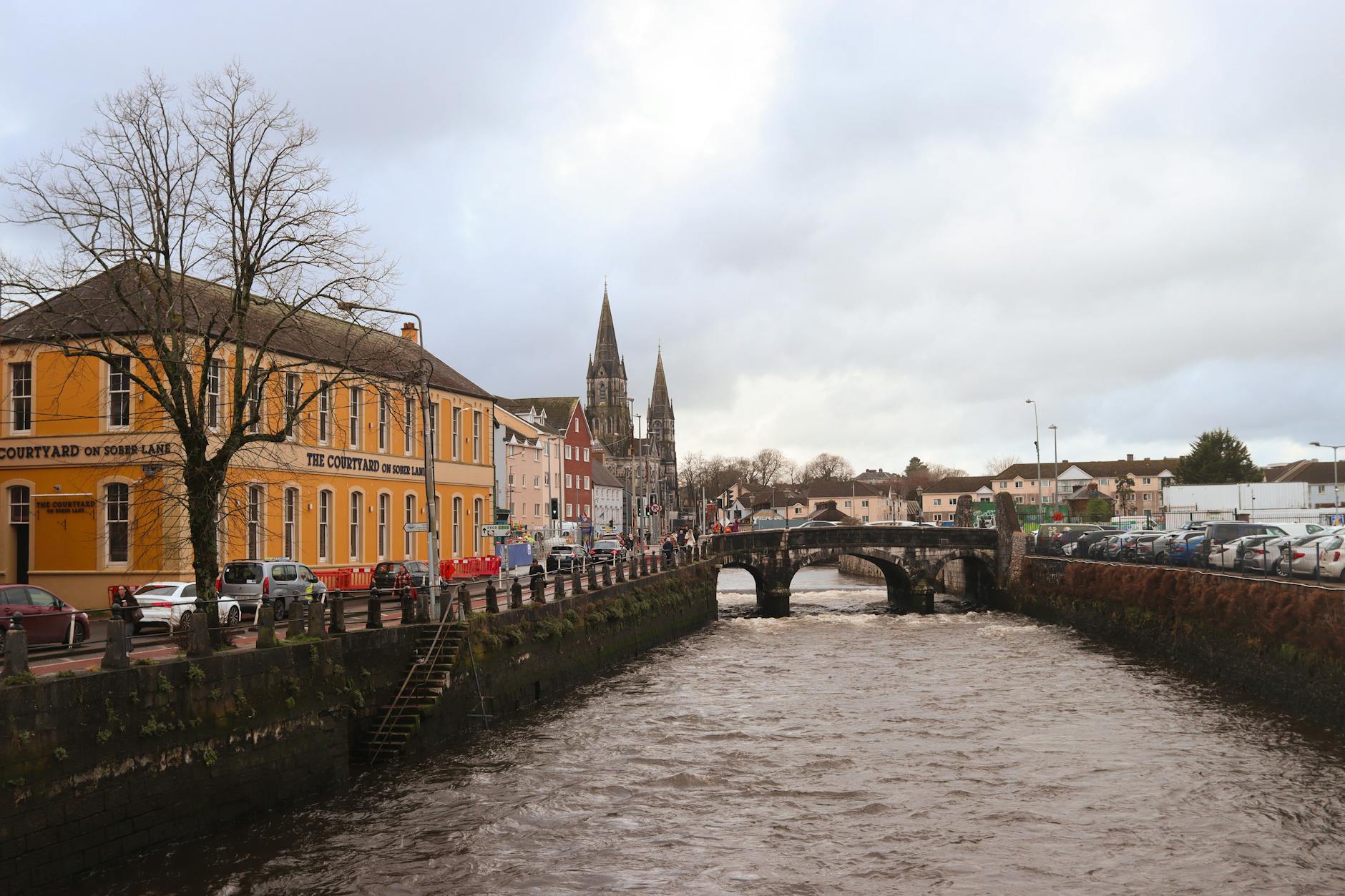
A Cork volunteer or NGO trip should begin with the work, not the romance of helping in Ireland. The useful questions are practical: who is hosting the traveler, where the work happens, what supervision exists, what the traveler is allowed to do, how they will move, and whether housing supports the assignment without creating avoidable stress. Cork can be a humane and manageable base for short service travel, but the city and county still require discipline. Rain, evening movement, host capacity, community expectations, safeguarding rules, and transport beyond the center can decide whether the visit is useful or merely well-intentioned.
Verify the host and the work before travel
The traveler should know exactly which organization is responsible for them, what work is expected, who supervises it, what training is required, and what boundaries apply. A credible volunteer or NGO trip has defined duties, contact people, safeguarding rules, insurance expectations, and a plan for what happens if the work changes.
Cork's friendliness should not become a substitute for operational clarity. Good intentions do not fix a vague placement, unclear authority, or a role that asks the traveler to improvise in sensitive community settings.
- Confirm host identity, supervision, duties, training, safeguarding rules, insurance, and emergency contacts.
- Ask what the traveler is not allowed to do, especially around vulnerable people or private data.
- Avoid placements that rely on goodwill instead of clear operating structure.
Put housing close to the assignment
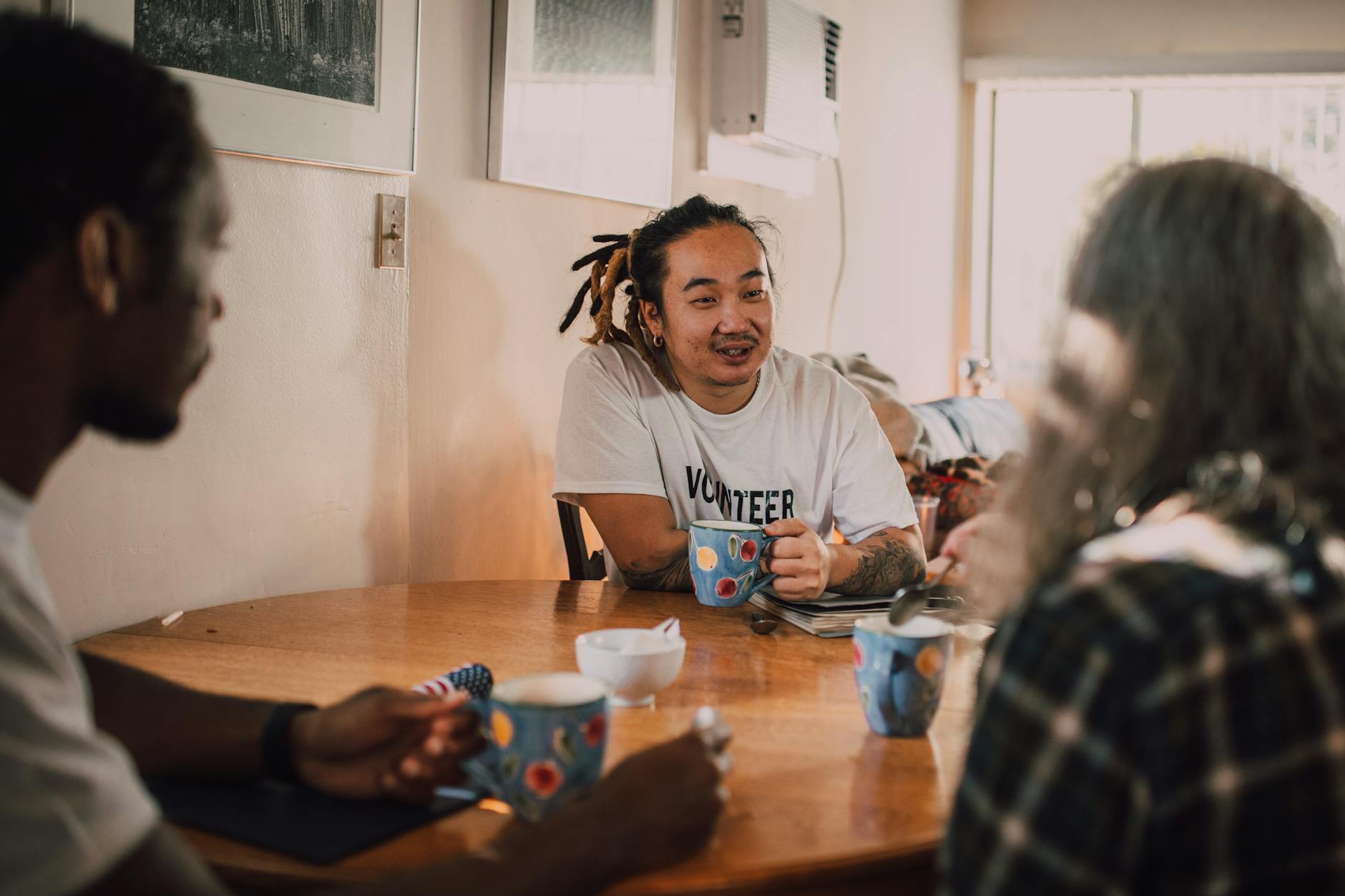
Volunteer housing should be judged by daily reliability: distance to the work site, safe evening return, heating, laundry, kitchen access, quiet sleep, shared-room expectations, and whether the host or traveler handles transport. A cheap or informal arrangement can create daily friction that weakens the work.
If the assignment is outside Cork city center, the housing question becomes more serious. The traveler should not assume buses, taxis, or host pickups will function on demand without confirmation.
- Check distance to the work site, evening return, kitchen access, laundry, heating, and shared-room rules.
- Confirm whether the host provides transport or expects independent movement.
- Do not choose housing only by price if it undermines punctuality or rest.
Understand Cork's everyday support systems
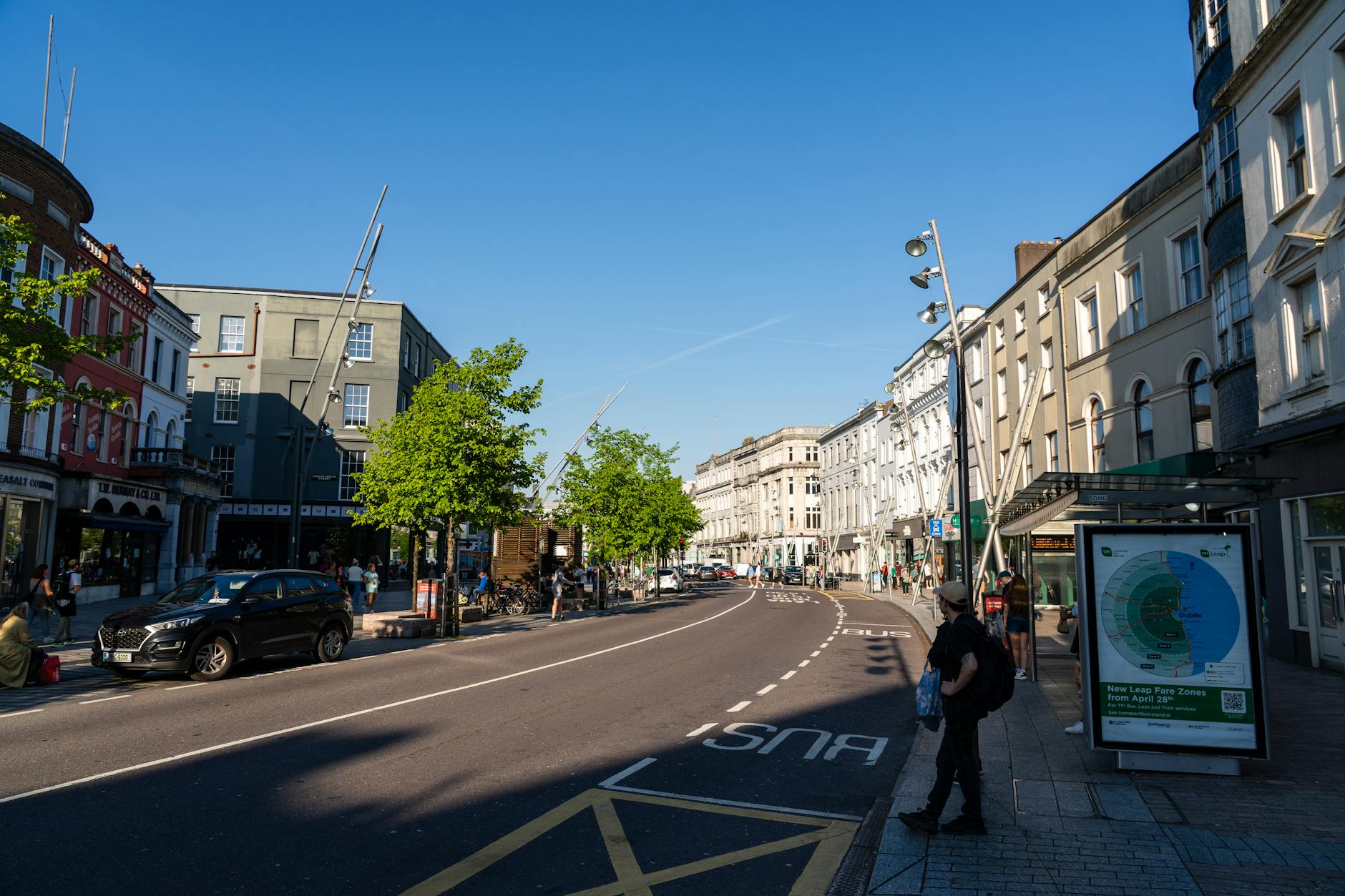
A short volunteer stay depends on ordinary logistics: groceries, pharmacies, laundries, phone service, affordable meals, weather gear, bus routes, and places to decompress without spending too much. Cork city can handle these needs well when the traveler is based sensibly and knows the daily pattern.
The traveler should build a simple neighborhood map before arrival. That prevents the first wet or tired evening from becoming a search for basics.
- Identify groceries, pharmacy, laundry, affordable meals, bus stops, and quiet recovery places near housing.
- Budget for rain gear, local transport, and occasional taxis.
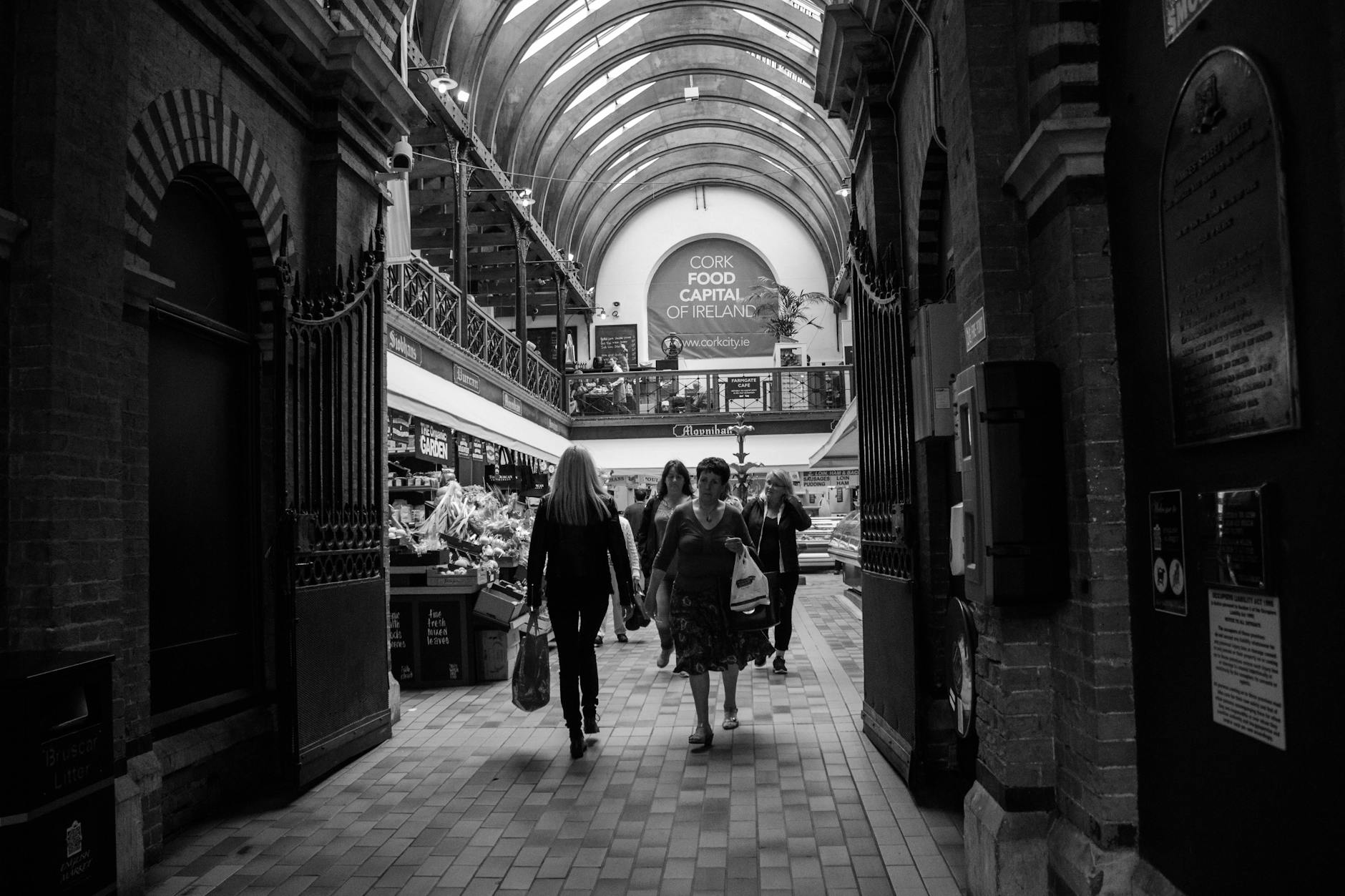
- Use Cork's market and city center for practical support, not just sightseeing.
Plan field movement and weather honestly
NGO and volunteer work may involve outreach, community visits, donation movement, school or church settings, environmental tasks, or meetings outside the center. Those plans are affected by rain, luggage, supplies, parking, site access, bus timing, and whether the traveler is expected to arrive alone.
The traveler should ask what a normal day looks like when weather is poor. If the answer is vague, the placement may not be ready for a short-term visitor.
- Check daily transport, supply movement, site access, parking, rain exposure, and backup plans.
- Ask how the work changes in bad weather or staff absence.
- Do not rely on informal lifts unless the host has made them explicit.
Set evening and boundary rules early
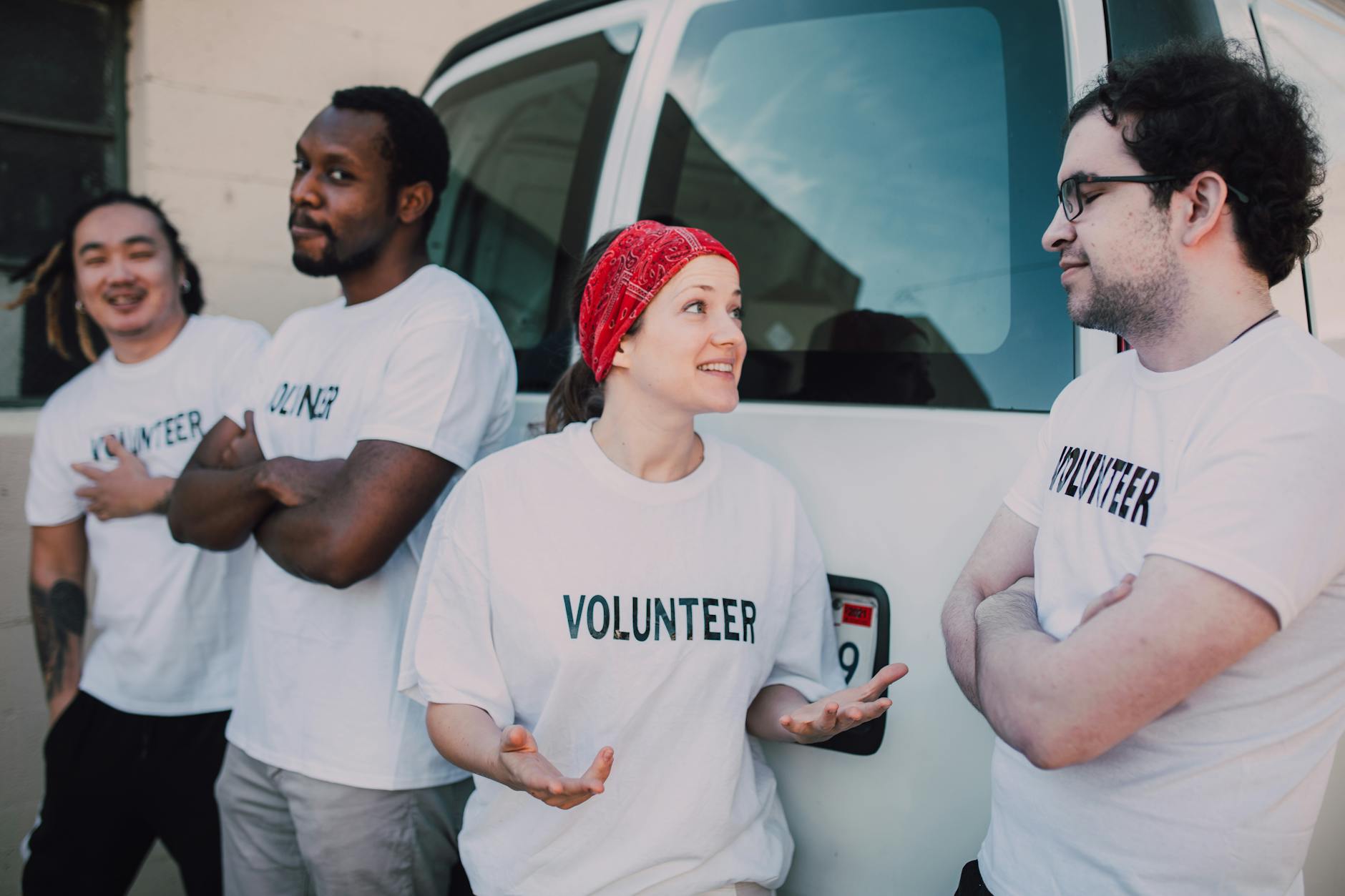
Volunteer travel can blur work, friendship, hospitality, and local social life. The traveler should know how to handle invitations, alcohol, photographs, social media, client confidentiality, curfews, and situations where they feel uncomfortable. These rules should be clear before the first evening out.
Cork's social ease is a benefit, but it should not erase professional boundaries. The traveler is a temporary guest in other people's community context.
- Clarify photo, social media, confidentiality, alcohol, curfew, and invitation policies.
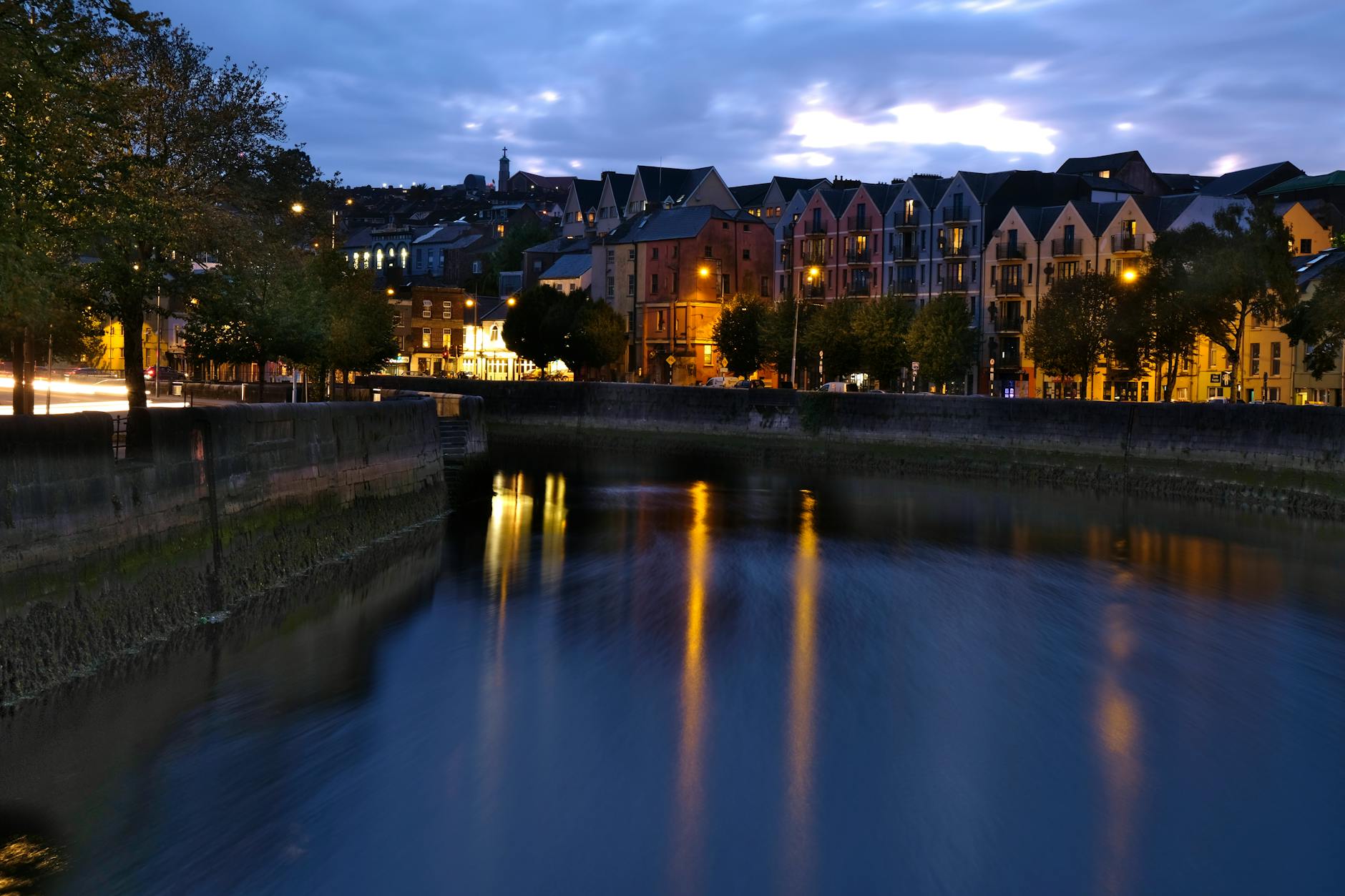
- Keep phone battery, taxi options, and host contacts ready for evening returns.
- Respect community privacy even when a story or image seems compelling.
Keep leisure secondary to the assignment
Cobh, Kinsale, Blarney, West Cork, and Cork city itself may all be attractive during a short volunteer stay. Leisure can be healthy if it restores the traveler and respects the work schedule. It becomes a problem when side trips create fatigue, lateness, or a tourist posture around communities the traveler is supposed to serve.
The better plan is modest: one or two well-timed local experiences after work obligations are stable. The traveler should not make the host absorb the cost of an overfilled personal itinerary.
- Add Cobh, Kinsale, Blarney, or West Cork only after work duties and rest needs are protected.
- Avoid side trips that create lateness, fatigue, or extra burden for the host.
- Use leisure as recovery, not as the hidden purpose of the placement.
When to order a short-term travel report
A volunteer or NGO traveler with a vetted host, clear housing, airport pickup, and structured daily schedule may not need a custom report. A report becomes useful when the host is new, the traveler is young or solo, housing is uncertain, the work site is outside Cork city, medical or mobility needs are present, or the traveler is adding independent travel around the placement.
The report should test host structure, housing, arrival route, daily movement, safeguarding, local support, budget, weather, evening rules, leisure add-ons, and emergency contacts. The value is a Cork volunteer trip that is useful, bounded, and practical.
- Order when host structure, housing, transport, boundaries, health needs, or independent travel are uncertain.
- Provide host details, work site, dates, housing address, traveler experience, constraints, arrival route, and budget.
- Use the report to test whether the placement can actually support the traveler.