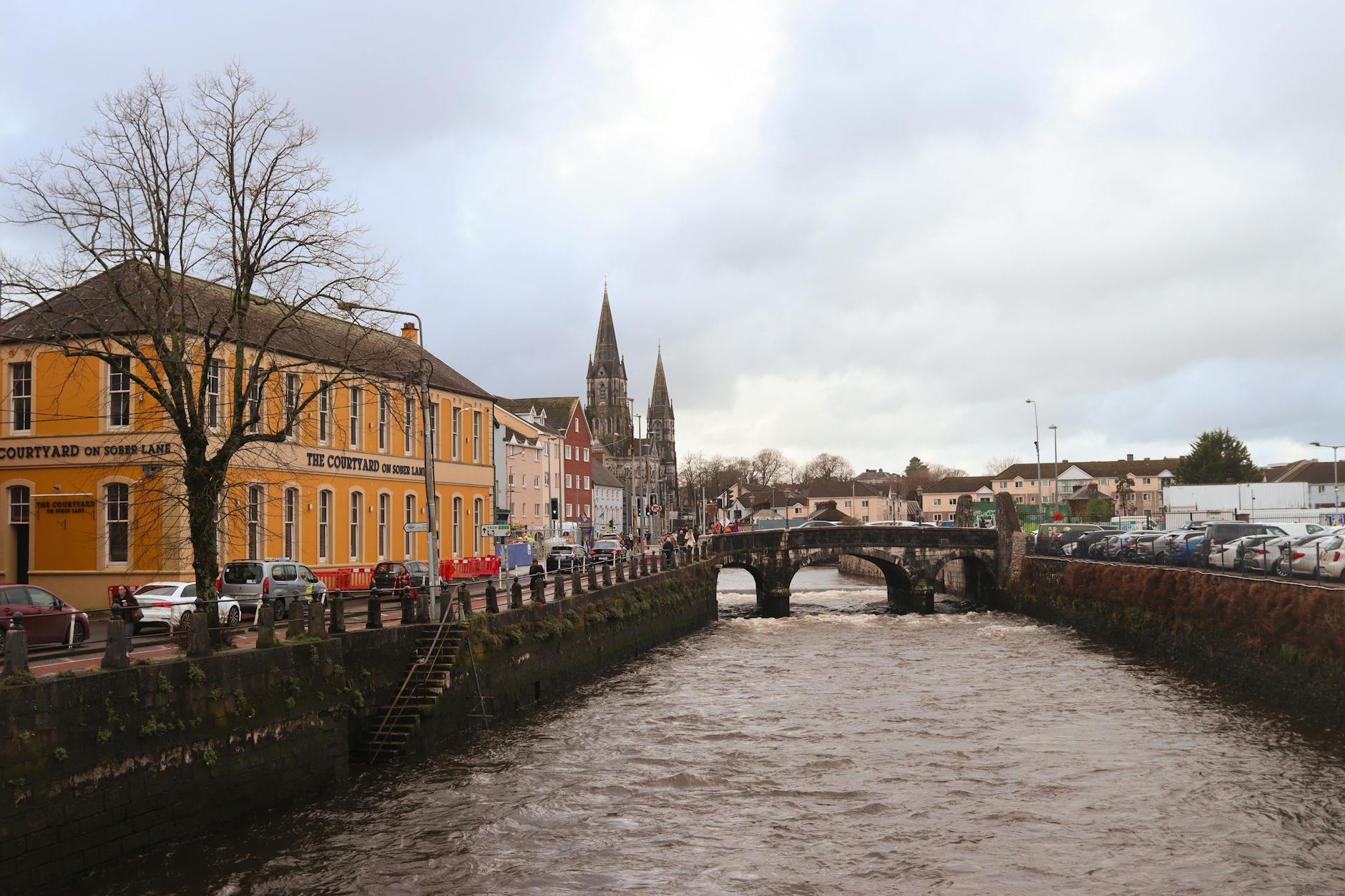
Cork can be a rewarding short trip for travelers with mobility limitations, but it should not be planned as if every interesting street, hotel, pub, market, and day trip will be equally easy. The city has river-level areas that work well, older streets that require patience, hills that matter, wet weather that changes surfaces, and county outings that need more planning than their distance suggests. A strong Cork plan protects the base first. If the hotel, arrival, evening return, and primary routes work, the rest of the trip becomes much easier to adjust. If those basics are weak, Cork's charm can quickly become a sequence of kerbs, slopes, steps, fatigue, and improvised taxis.
Start with the base, not the wish list
For a traveler with mobility limitations, the most important Cork decision is usually the base. A central hotel with confirmed lift access, suitable bathroom layout, manageable entrance, reliable taxi access, and nearby meals may matter more than being near any single attraction. The traveler should verify details directly rather than relying only on booking filters.
Cork's compactness helps only when the chosen base avoids unnecessary slopes and awkward returns. A cheaper or prettier room can become expensive if every evening ends with a difficult walk or uncertain taxi.
- Confirm lift access, room layout, shower setup, entrance steps, and taxi pickup directly with the hotel.
- Favor a base that makes meals, pharmacy access, and evening returns simple.
- Do not treat central Cork as automatically easy; exact street position matters.
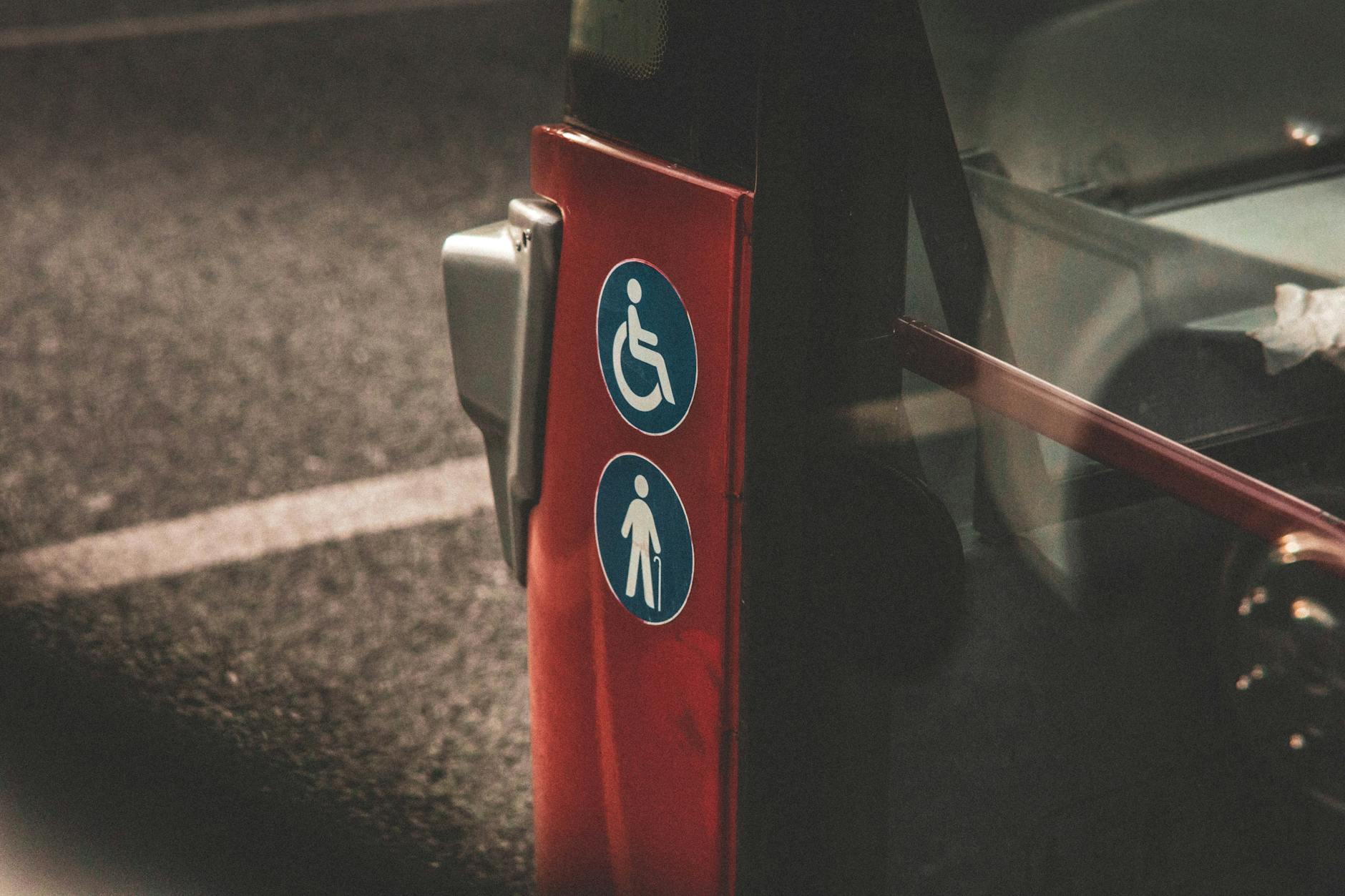
Read Cork by gradients and surfaces
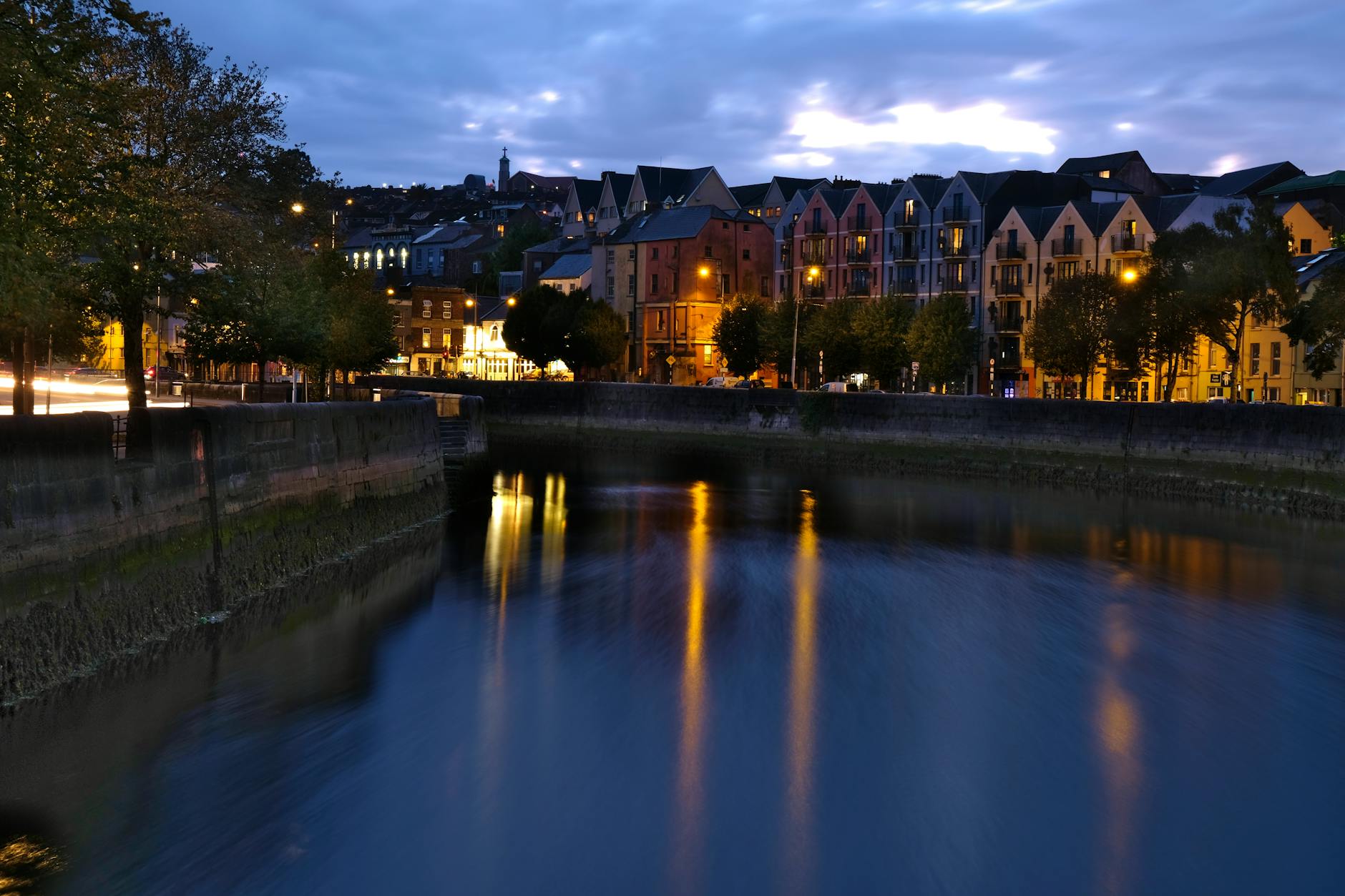
Cork city has useful flat sections around the river and center, but it also has hills, older pavements, kerbs, narrow footpaths, construction changes, and wet surfaces. A traveler who can manage short distances may still need to avoid routes that look minor on a map but feel different underfoot.
The plan should separate accessible core time from optional hillier or older-street exploration. That keeps the trip from depending on stamina that may not be available every day.
- Check street gradients, surface quality, kerbs, crossings, and rest points before fixing routes.
- Use river-level movement where possible and treat hillier areas as deliberate choices.
- Build shorter loops with obvious exit options instead of long one-way wandering.
Use Cork's city pleasures selectively
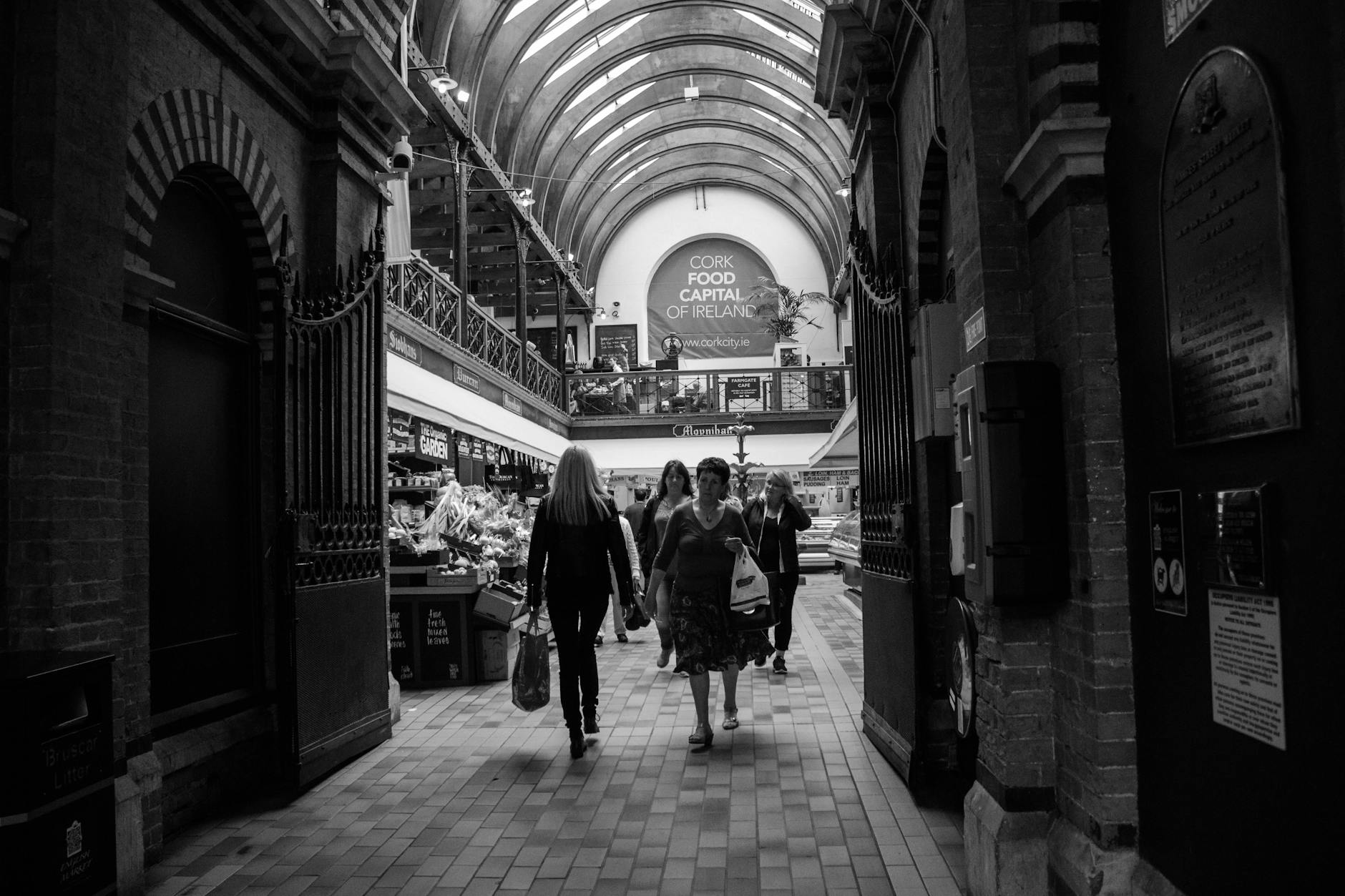
Cork can still be satisfying without trying to force every sight. The English Market, river streets, St Fin Barre's Cathedral area, cafes, pubs, shops, and waterfront movement can be assembled into a strong day if the traveler checks entrances, seating, toilets, crowd timing, and return routes.
The mistake is assuming that a short list of nearby places creates an easy day. Crowds, rain, cobbles, steps, and fatigue can make proximity less important than sequence.
- Check entrances, toilets, seating, crowd timing, and return routes for each core stop.
- Use fewer stops with better spacing rather than many nearby stops.
- Keep a reliable indoor pause in each day.
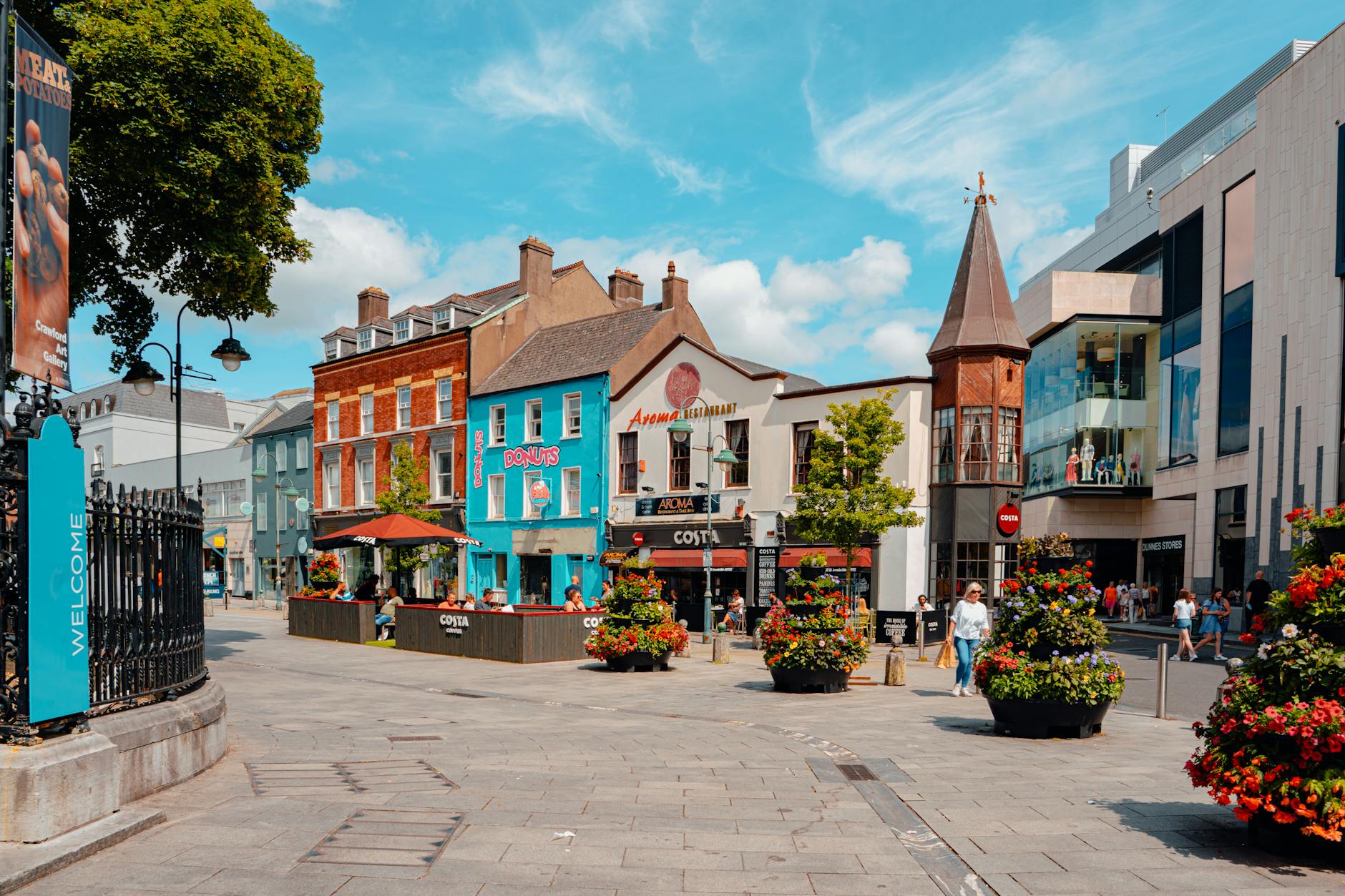
Plan rain and evening returns as access issues
In Cork, rain is not just a comfort issue. It changes surfaces, taxi demand, clothing needs, visibility, rest tolerance, and whether a traveler wants to keep walking after dinner. Evening plans should be built around a reliable return, not just a restaurant or pub choice.
A good itinerary has dry alternatives, short taxi legs where needed, and enough slack to stop early without feeling that the trip has failed. Weather planning is accessibility planning here.
- Treat rain, wind, darkness, and wet pavements as practical access variables.
- Keep evening meals close to the hotel or confirm taxi availability in advance.
- Have indoor replacements for exposed or hillier plans.
Check attractions one site at a time
Cork and County Cork include older religious sites, castles, markets, harbor towns, gardens, and waterfront paths. Accessibility can vary sharply between the entrance, toilets, viewing areas, paths, and the most famous part of the attraction. A traveler should not assume that a site is either fully workable or fully impossible.
Blarney, Cobh, Kinsale, Blackrock, and cathedral visits all need their own access check. The best answer may be a partial visit that preserves energy and avoids the weakest section.
- Check entrances, lifts, paths, toilets, seating, gradients, and accessible viewing points separately.
- Accept partial visits when the strongest part of a site is accessible enough.
- Avoid building the day around a single attraction whose access details remain uncertain.

Be careful with Cobh, Kinsale, and wider County Cork
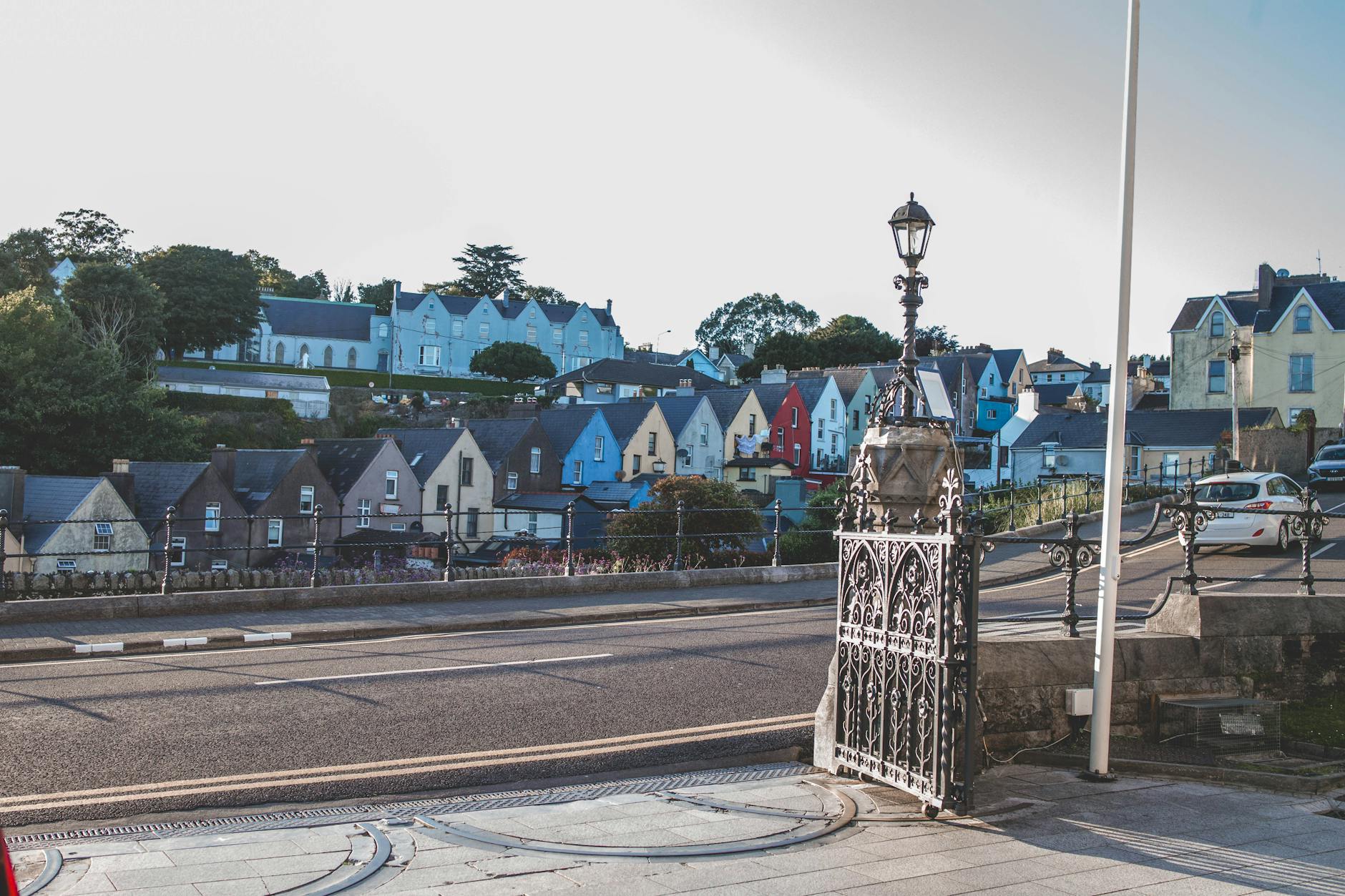
Day trips from Cork can be worthwhile, but mobility limitations change the calculation. Cobh, Kinsale, Blarney, and West Cork all require attention to station access, taxi supply, distance from stops to sights, gradients, toilets, lunch reservations, and weather. The travel time may look manageable while the local movement does not.
One carefully checked outing is usually better than several hopeful ones. The traveler should know exactly how they will arrive, move locally, rest, eat, and return.
- Check train, bus, taxi, walking distance, gradients, toilets, lunch, and return timing before adding a day trip.
- Choose one outside move that has enough access certainty.
- Avoid West Cork driving or multi-town plans unless the support and timing are realistic.
When to order a short-term travel report
A traveler with mobility limitations may not need a custom report for a simple central Cork stay with a confirmed accessible hotel and modest plans. A report becomes useful when the traveler is choosing between hotels, comparing arrival airports, deciding whether Cobh or Kinsale is realistic, coordinating taxis, traveling with a companion, or trying to avoid routes that turn small distances into major obstacles.
The report should test the exact hotel, room access, airport transfer, walking gradients, weather exposure, meal locations, attraction access, day-trip logistics, backup plans, and what to skip. The value is not reassurance. It is a Cork plan that works under the traveler's real movement limits.
- Order when hotel access, transfers, taxis, gradients, day trips, or weather could decide the trip.
- Provide dates, mobility equipment or limits, lodging candidates, arrival route, must-see sites, companion context, and maximum comfortable walking distance.
- Use the report to replace optimistic assumptions with route-specific decisions.