
Cork can be manageable for travelers with medical constraints because the city has a compact core, strong food culture, and nearby day trips that can be adjusted by ambition. It still requires careful planning. Wet streets, hills, transfer fatigue, medication timing, food schedules, hotel access, and County Cork travel can all interact with health needs. The goal is not to avoid Cork. It is to design a short trip with enough medical continuity and flexibility that the traveler can use the city without relying on luck. The plan should make clear what can proceed, what should be shortened, and when the day should change.
Start with the condition and trip limits
A traveler with medical constraints should define the Cork trip around the specific condition, not around a generic idea of being careful. Cardiac, respiratory, immune, pain, mobility, neurological, dietary, medication, fatigue, anxiety, or recovery-related needs will all change the right hotel, arrival route, meals, and day-trip choices.
Medical clearance should be tied to the real plan: flight duration, airport transfer, walking, weather, hills, food timing, and any Cobh, Kinsale, Blarney, or Fota outing. The traveler should know which symptoms or changes would require slowing down, returning to the hotel, or seeking care.
- Define trip limits around the actual condition, not a vague promise to take it easy.
- Discuss flights, transfers, walking, weather, food timing, and day trips when seeking medical advice.
- Identify symptoms or thresholds that should change the day.

Protect medication, prescriptions, and insurance
Medication continuity is central on a Cork trip, especially if the traveler enters Ireland through Dublin or Shannon before continuing south. Medication, prescriptions, physician notes when useful, medical-device supplies, insurance details, emergency contacts, and enough buffer supply should stay with the traveler rather than in checked luggage.
Time-zone changes, refrigeration, controlled medications, injectables, oxygen, sleep devices, dietary restrictions, and refill limits should be handled before departure. Cork has services, but a short trip should not depend on solving medical administration after arrival.
- Carry medication, prescriptions, insurance details, emergency contacts, and essential documents personally.
- Plan refrigeration, injectables, controlled medication, devices, and buffer supply before travel.
- Keep backup copies of medication lists and relevant medical information accessible.
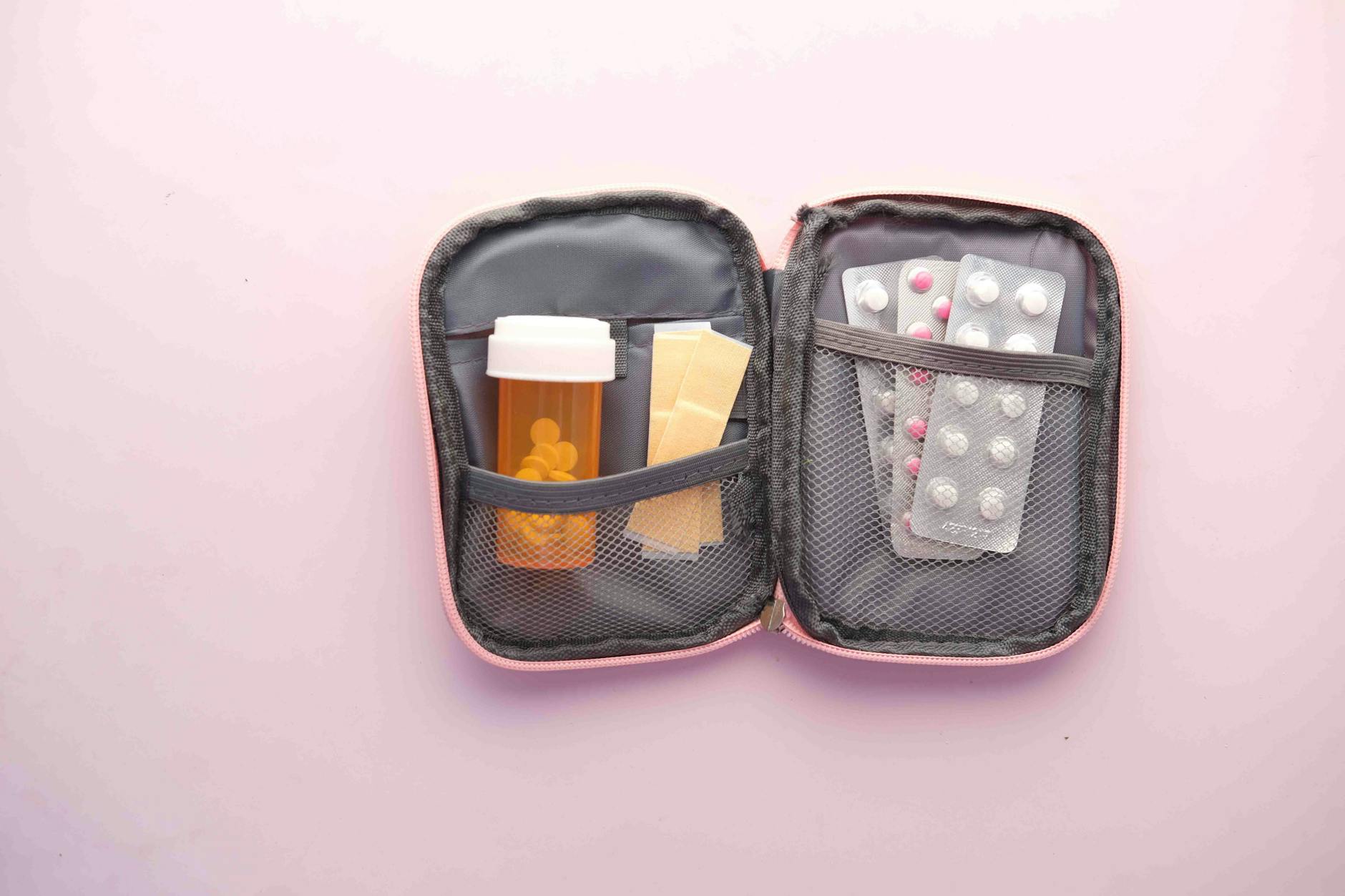
Choose arrival and hotel recovery carefully
Cork Airport can reduce transfer burden when the flight schedule is sensible. Dublin or Shannon may still work, but the traveler should compare total fatigue, rail or coach complexity, luggage handling, bathroom access, food timing, and whether the first night allows recovery. A cheaper route may be medically expensive.
The hotel should support rest and care: lift access, room location, bathroom setup, heating, quiet, food nearby, pharmacy access, taxi pickup, and enough space for devices or medication routines. The first morning should not assume the arrival day cost nothing.
- Compare Cork, Dublin, and Shannon by medical fatigue, luggage, food, bathrooms, and transfer reliability.
- Check lift access, bathroom setup, quiet, heating, food, pharmacy proximity, and taxi access.
- Keep the first day and first morning light enough for recovery.

Map pharmacy, clinic, and emergency options
A traveler with medical constraints should know where help is before help is needed. Cork city offers more options than many smaller Irish stops, but service hours, appointment rules, insurance processes, and transport still matter. The traveler should identify nearby pharmacies, urgent medical pathways, hospital locations, hotel support, and how to reach care from a day trip.
Travel companions should know the basics when appropriate: medication location, emergency contacts, symptoms to watch for, and when to stop the day. A clear backup plan makes the trip more relaxed, not less.
- Identify nearby pharmacies, clinics, urgent-care routes, hospital options, and transport to care.
- Know what changes when the traveler is in Cobh, Kinsale, Blarney, Fota, or another day-trip location.
- Share essential medical and emergency details with trusted companions when appropriate.

Treat weather, hills, and meals as medical variables
Rain, wet pavements, slopes, bridges, temperature shifts, and wind can affect pain, breathing, balance, fatigue, mobility, and medication timing. The traveler should pack practical shoes, layers, rain protection, and a plan for shortening routes without turning the day into a failure.
Meals are also medical infrastructure. Cork's food scene is useful, but dietary needs, blood sugar, medication timing, nausea, hydration, and bathroom access should shape reservations and walking loops. A beautiful itinerary can fail if food and rest are treated as afterthoughts.
- Plan footwear, layers, rain gear, seating, taxis, and shorter routes around the condition.
- Place meals and hydration around medication, energy, dietary needs, and symptom patterns.
- Keep indoor alternatives ready for wet weather or sudden fatigue.

Keep Cork and County Cork plans adjustable
Cork city can be shaped into short loops with taxis and rests. County Cork day trips require more judgment. Cobh, Kinsale, Blarney, Fota, coastal meals, and gardens can all work, but only if transport, bathrooms, food, walking surfaces, seating, weather exposure, and return options fit the medical situation.
The traveler should choose one major add-on rather than building a medically brittle itinerary. A successful short trip may be a city stay with one carefully chosen excursion, not a maximal tour of southern Ireland.
- Choose day trips by transport, toilets, food, seating, walking surfaces, and return options.
- Use taxis, drivers, or tours where they reduce medical risk.
- Cut County Cork add-ons when they threaten the primary trip purpose.

When to order a short-term travel report
A traveler with a stable condition, central hotel, simple Cork Airport arrival, and light plans may not need a custom report. A report becomes useful when the trip involves complex medication, mobility limits, immune concerns, fatigue risk, dietary needs, late arrival, another airport, several day trips, or uncertainty about pharmacies and medical backup.
The report should test arrival, hotel recovery, medication continuity, pharmacy and clinic access, walking loops, weather, meals, day trips, transport, budget, and what to cut. The value is a Cork trip that remains worthwhile without gambling on medical resilience.
- Order when medical constraints affect arrival, lodging, meals, walking, day trips, or emergency planning.
- Provide dates, condition limits, medication needs, airport options, hotel ideas, day-trip goals, and budget.
- Use the report to make the itinerary adaptive instead of fragile.