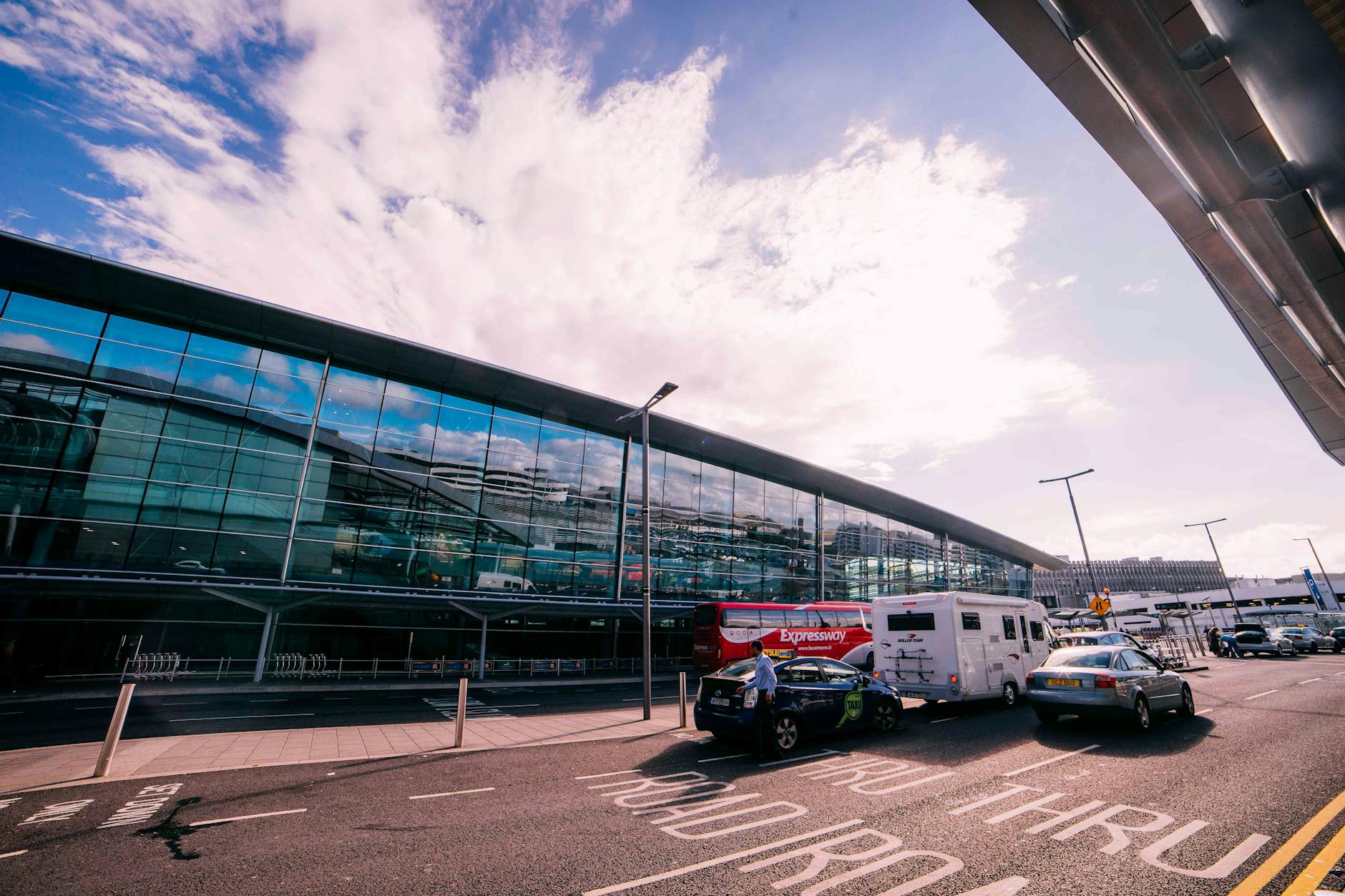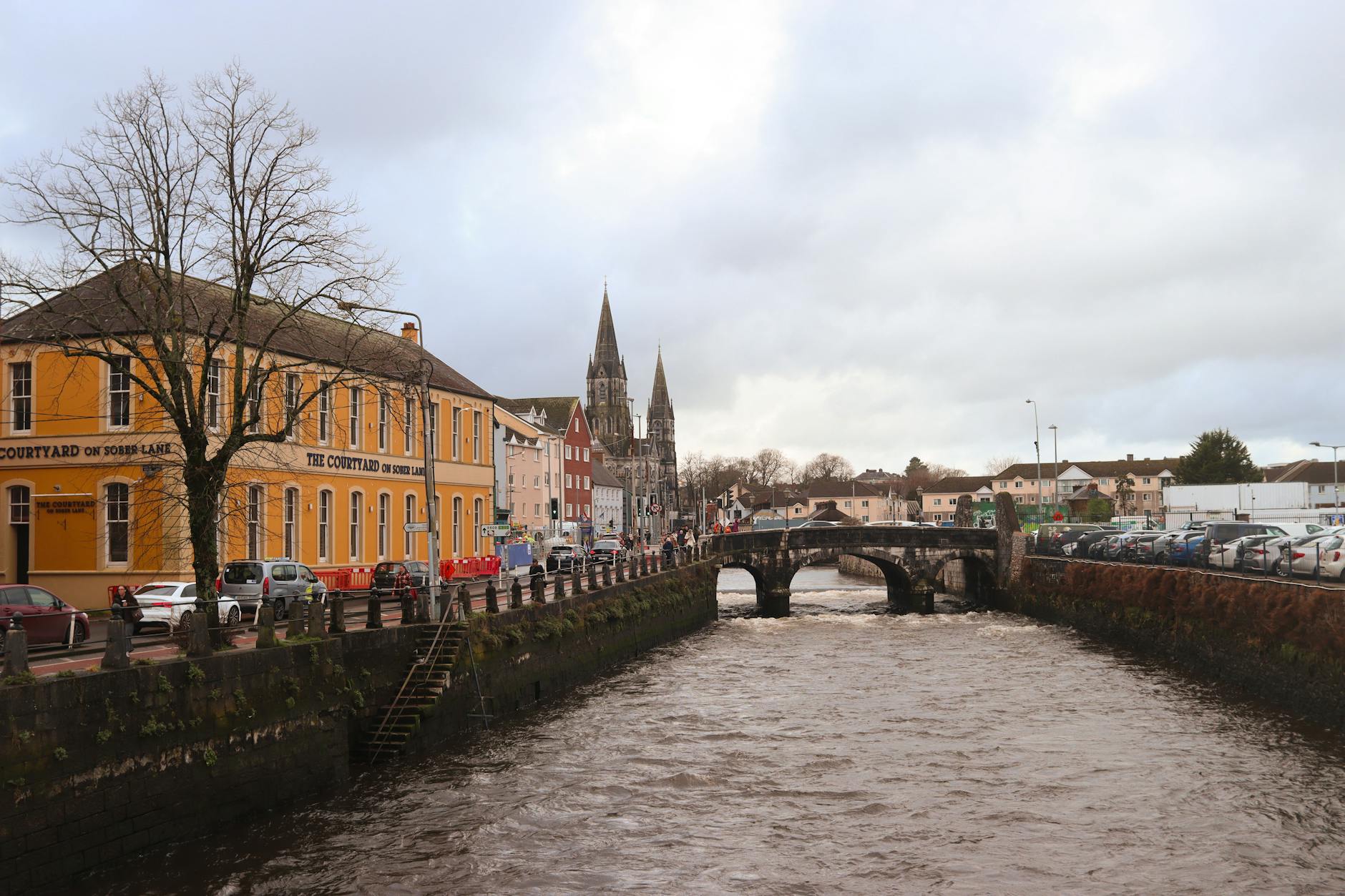
Cork can be a useful stopover, but it should not be treated as a frictionless pause. Travelers may be connecting through Cork Airport, Kent Station, a coach route, a rental car, a ferry-linked itinerary, or a longer Ireland road trip. The city can reward a short stop, but only when the traveler is honest about transfer time, luggage, weather, and the next commitment. A good Cork stopover usually has one purpose: a meal and walk, a short city-center visit, a practical overnight, a controlled Cobh outing, or a rest break before County Cork or Kerry. Trying to turn a narrow gap into a full Cork visit often creates more stress than value.
Decide whether the stopover is real
A real Cork stopover has enough time for arrival, bags, transport, food, weather, rest, one useful activity, and the onward connection. A squeeze is different. It tries to turn a fragile gap between flights, trains, coaches, or road legs into a city break with no margin.
The traveler should count the usable hours, not just the scheduled gap. If the next flight, train, ferry, meeting, or hotel arrival matters, the plan should be smaller than the imagination.
- Count usable hours after baggage, transport, food, weather, check-in, and return timing.
- Do not confuse a transfer gap with an automatic Cork sightseeing window.
- Choose a smaller city plan when the onward connection has little margin.

Choose the transfer pattern first
Cork Airport, Kent Station, coach routes, taxis, rental cars, and regional road links each shape the stopover differently. An airport overnight is not the same as a rail pause near the city center. A rental car stop may help with luggage but create parking and fatigue questions.
Before choosing what to see, the traveler should choose how they will move. The best stopover plan is often the one that reduces transfers rather than adding another clever detour.
- Map Cork Airport, Kent Station, bus stops, taxi pickup, rental cars, and road links separately.
- Check parking, taxi availability, late arrivals, train timing, and Sunday or holiday schedules.
- Choose movement that protects the onward leg instead of maximizing sightseeing.

Pick one Cork objective
A short Cork stopover should usually be built around one objective: the English Market and nearby streets, a river walk, a hotel work block, dinner, a cathedral visit, Blackrock Castle, a simple overnight, or a quick look at Cobh if the timing genuinely supports it. More objectives create more transfer risk.
The objective should sit close to the transport pattern. A traveler with luggage at the station should not build the same plan as a traveler with a hotel room already available.
- Choose one primary objective and one weather-safe fallback.
- Keep the objective close to the actual transfer route or lodging.
- Avoid adding Cobh, Kinsale, or Blarney to a narrow stopover without strong timing.

Solve luggage before leaving the route
Luggage can decide whether a Cork stopover feels easy or foolish. Checked bags, backpacks, business cases, medication, coats, and souvenirs all affect walking, stairs, taxis, cafes, and public transport. If bags cannot be stored or moved cleanly, the plan should shrink.
A practical traveler confirms hotel storage, station or airport options, taxi space, rental-car security, and what must remain accessible. Important documents, medication, chargers, and rain layers should not be trapped in a suitcase.
- Confirm luggage storage, hotel check-in, taxi capacity, rental-car security, and bag rules.
- Keep documents, medication, chargers, rain layers, and onward tickets accessible.
- Do not drag luggage through an ambitious city walk if storage is unresolved.
Respect rain, darkness, and fatigue
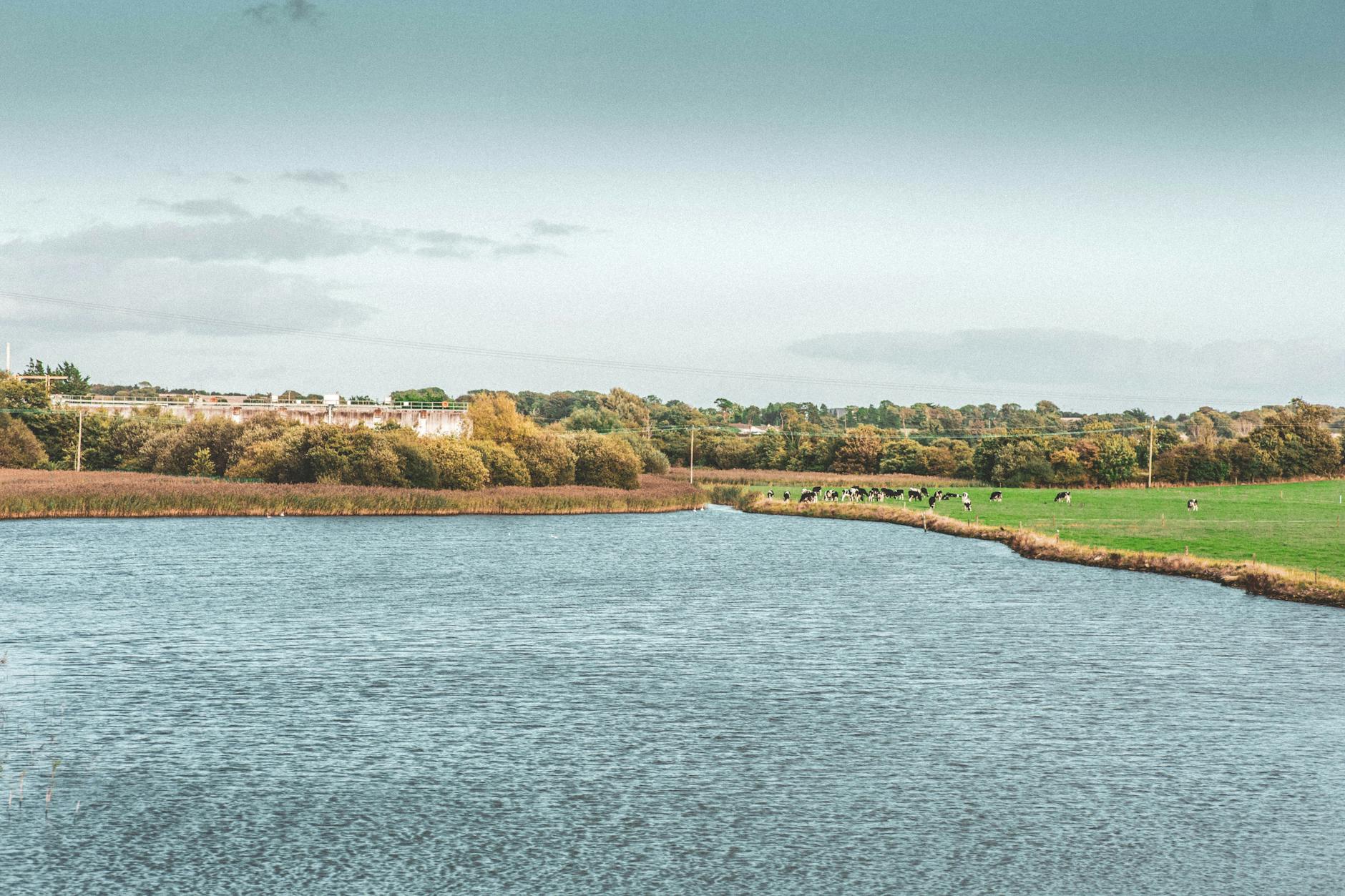
Cork can be rewarding in rain, but a stopover has less room for discomfort. Wet pavements, dark streets, tired driving, delayed meals, and cold clothing can turn a small detour into a hard reset before the next leg. A late-arriving traveler should not plan like someone starting fresh at noon.
The stopover should include a realistic meal, dry route, and recovery point. If the weather changes, the traveler should know what gets cut first.
- Plan for rain, low light, tired arrivals, food timing, and a dry place to pause.
- Avoid unnecessary rural driving or long walks after a late flight or train.
- Keep an indoor fallback that still feels worthwhile.

Protect the onward connection
The onward leg is the stopover's fixed obligation. A traveler may be heading to Kerry, Dublin, a ferry, a meeting, a wedding, or a hotel check-in elsewhere. That next step should determine the latest safe departure from Cork, not the other way around.
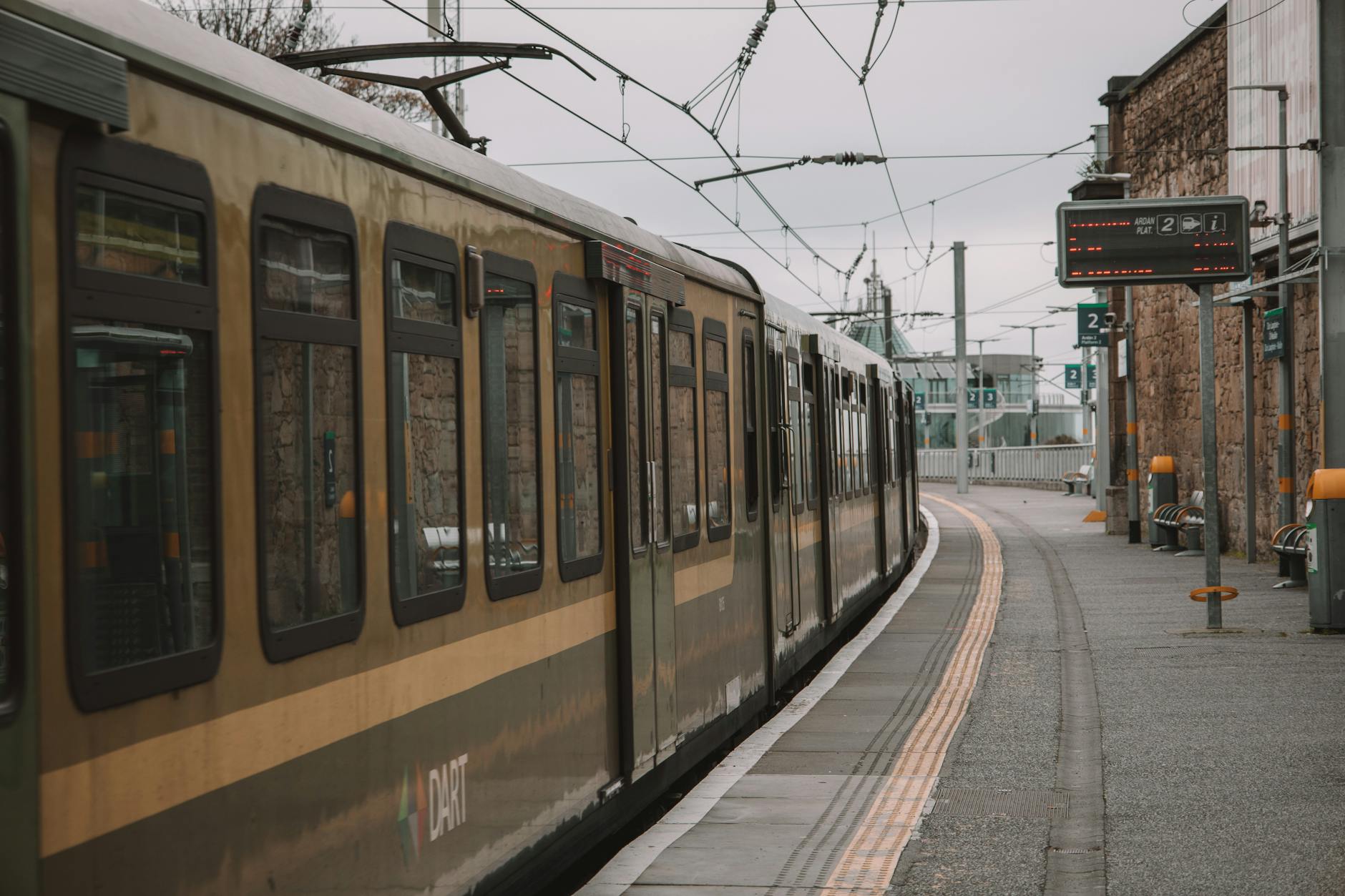
If the onward route depends on a last train, a rural drive, a timed bus, or a rental-car return, the traveler should build a buffer. Missing the next leg usually costs more than skipping one Cork stop.
- Identify the latest safe departure, backup transport, and consequences of delay.
- Leave enough time for tickets, platforms, traffic, fuel, parking, or airport procedures.
- Cut sightseeing early when the onward leg has no recovery margin.
When to order a short-term travel report
A transit traveler with a relaxed overnight and simple city plan may not need a custom Cork report. A report becomes useful when the stopover is tight, involves airport-to-city movement, rail or coach timing, heavy luggage, late arrival, onward travel to Kerry or another region, work obligations, older travelers, or uncertainty about whether Cork should be visited at all.
The report should test usable hours, transport, luggage, lodging, weather, food, one focused objective, onward timing, backup plans, budget, and what to skip. The value is knowing whether Cork fits the transfer before the traveler commits to a fragile plan.
- Order when timing, luggage, transport, late arrival, onward connections, or weather needs testing.
- Provide arrival and departure details, baggage, lodging ideas, mobility limits, must-do items, and budget.
- Use the report to decide whether Cork should be a stopover, an overnight, or a pass-through.