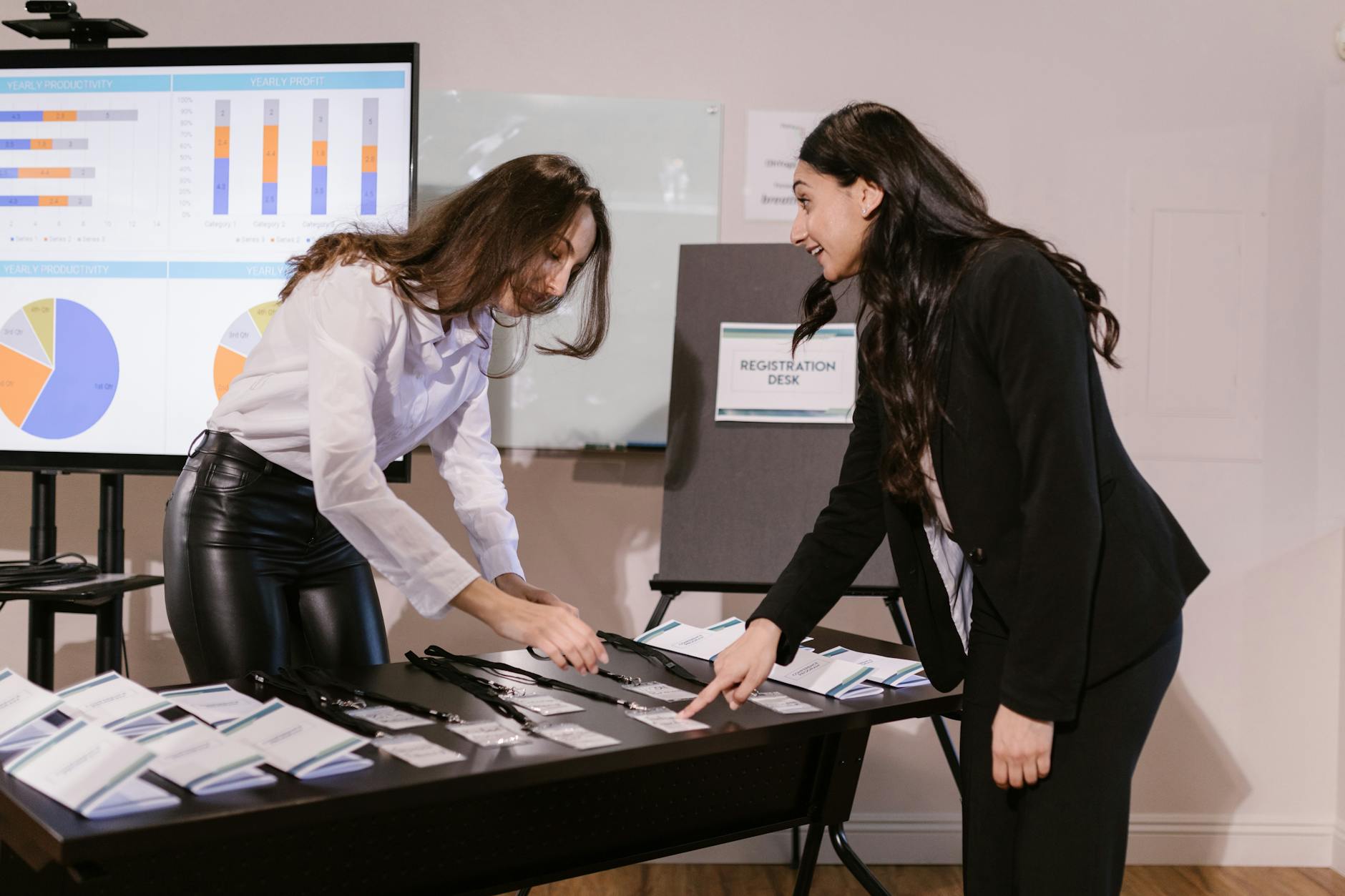
A Cork trade-show trip is not the same as a leisure visit with a badge attached. The useful plan begins with the event venue, setup schedule, client meetings, booth or materials movement, hotel location, and the gap between Cork city charm and the practical demands of a compressed business itinerary. Cork's manageable scale can help a trade-show attendee, especially compared with larger conference cities. It can also create false confidence. If the traveler guesses wrong about venue access, taxis, evening movement, shipping, or arrival timing, the trip can become inefficient quickly.
Start with the exact venue and schedule
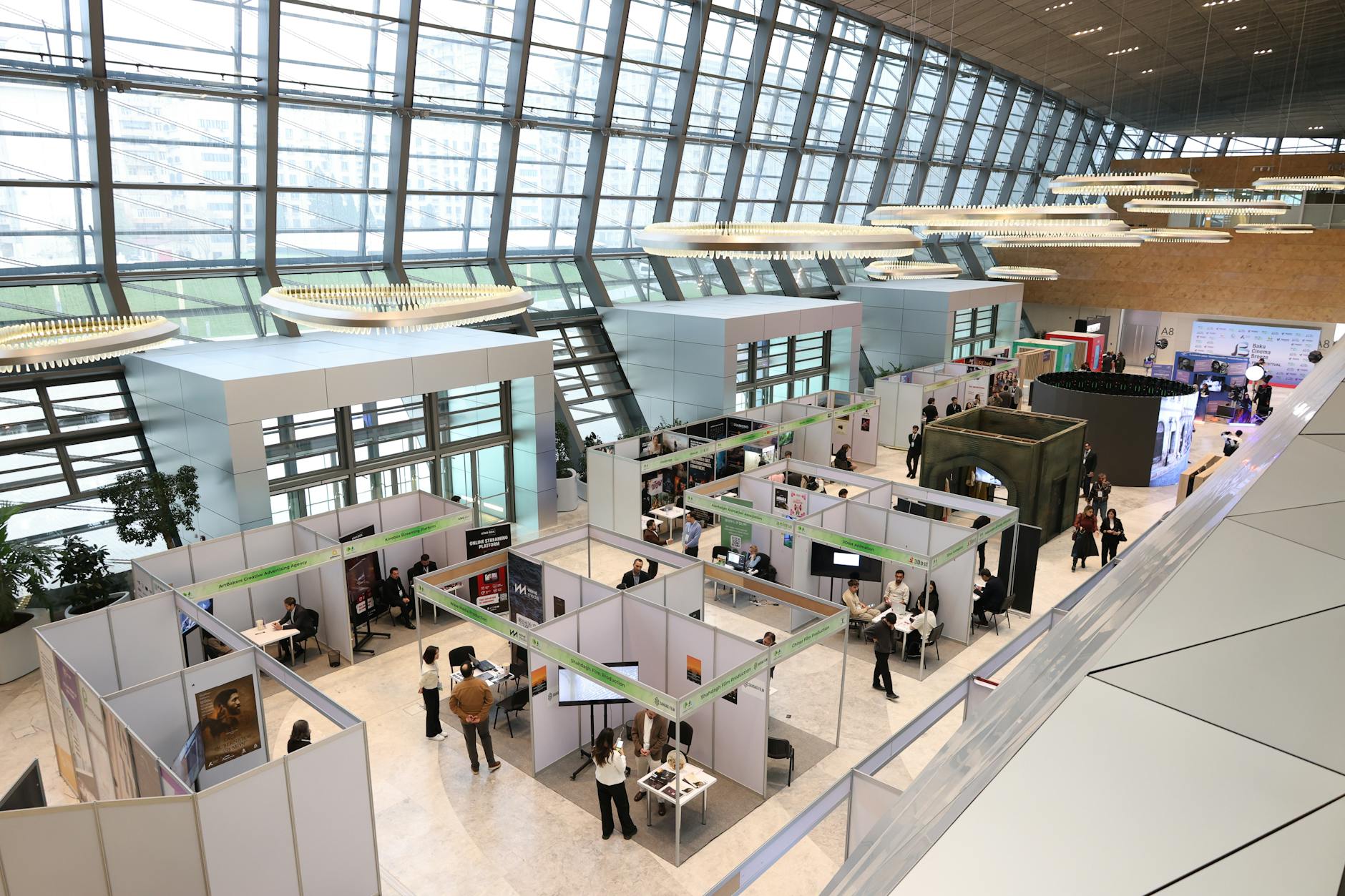
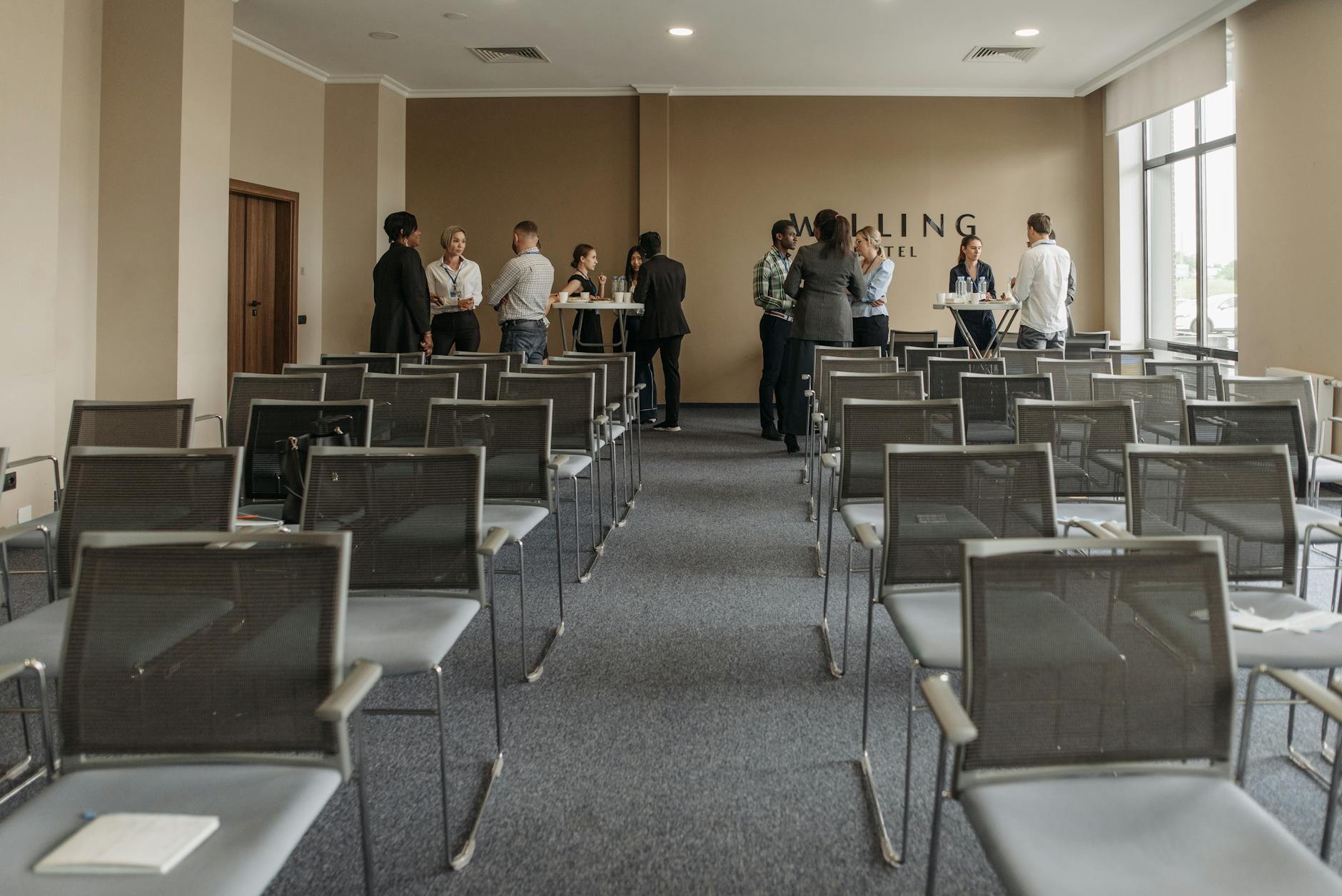
Cork trade-show planning should begin with the exact venue, not the city in general. An event at a hotel conference center, Cork City Hall, a university venue, a business park, or a regional site produces different answers for lodging, taxis, setup time, meals, and after-hours networking.
The attendee should map the working day before choosing where to stay. A hotel that looks pleasant for Cork tourism may be wrong for early booth access, late breakdown, or repeated meetings.
- Confirm venue, setup window, badge pickup, exhibitor entrance, parking, loading, and closing time.
- Choose lodging around the working schedule, not only around nightlife or sightseeing.
- Check whether the event is in central Cork, a hotel, a campus, or a business-park setting.
Make arrival timing serve the event
Cork Airport can be convenient, but flight choice should be judged by event risk rather than fare alone. Arriving through Dublin or Shannon may work, yet onward travel, luggage, display materials, late transfers, and fatigue can become expensive when the show begins early.
The attendee should avoid same-morning arrival unless the event is genuinely low-stakes. Badge pickup, room access, meal timing, and materials handling all deserve buffer.
- Compare Cork, Dublin, and Shannon by total door-to-venue timing and event risk.
- Add buffer for luggage, samples, printed materials, delayed flights, and check-in.
- Avoid same-day arrival for setup-heavy or client-facing events.
Choose the hotel by repeat movement
A trade-show attendee needs a hotel that supports repeated movement: venue access, breakfast timing, desk space, Wi-Fi, luggage storage, iron or laundry needs, taxi pickup, and a realistic route back after dinners. Cork's center can be convenient, but the best base depends on the event venue and meeting map.
If the trip includes clients, colleagues, or exhibitor materials, the hotel also becomes a coordination point. The right choice reduces small daily failures.
- Prioritize venue access, taxi pickup, breakfast timing, workspace, luggage storage, and reliable Wi-Fi.
- Check whether staying central helps or adds repeated transfers.
- Use the hotel as a logistics base, not just a sleeping place.
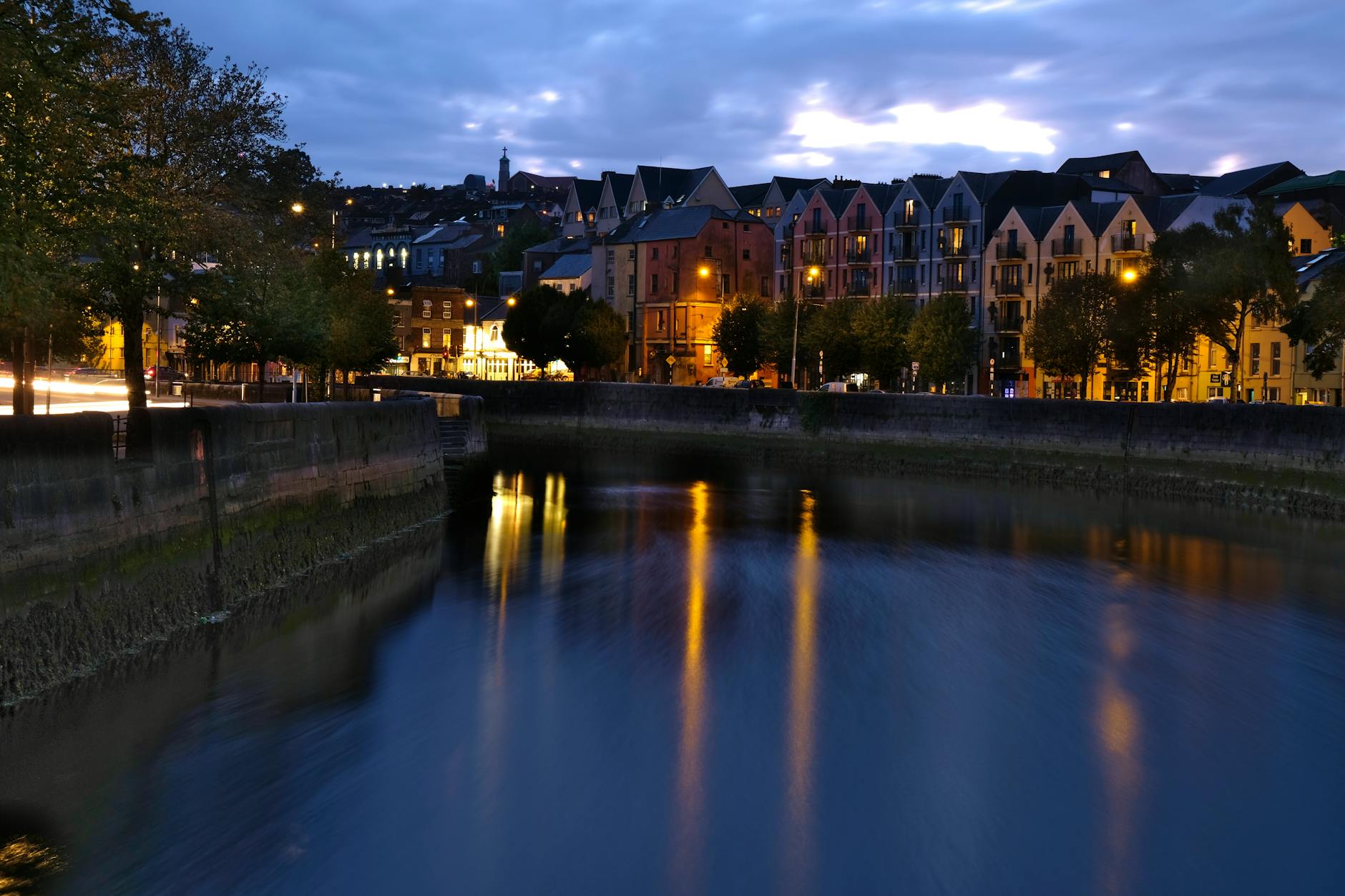
Protect booth, badge, and material logistics
Trade-show friction often comes from unglamorous details: badges, delivery windows, extension leads, printed collateral, sample storage, customs paperwork, courier timing, booth staffing, and what happens when something is missing. Cork's smaller scale does not remove these problems; it can make replacement options more limited at short notice.
The attendee should prepare a local fallback list for printing, taxis, courier pickup, office supplies, meals near the venue, and emergency purchases. That list matters more than an extra sightseeing idea.
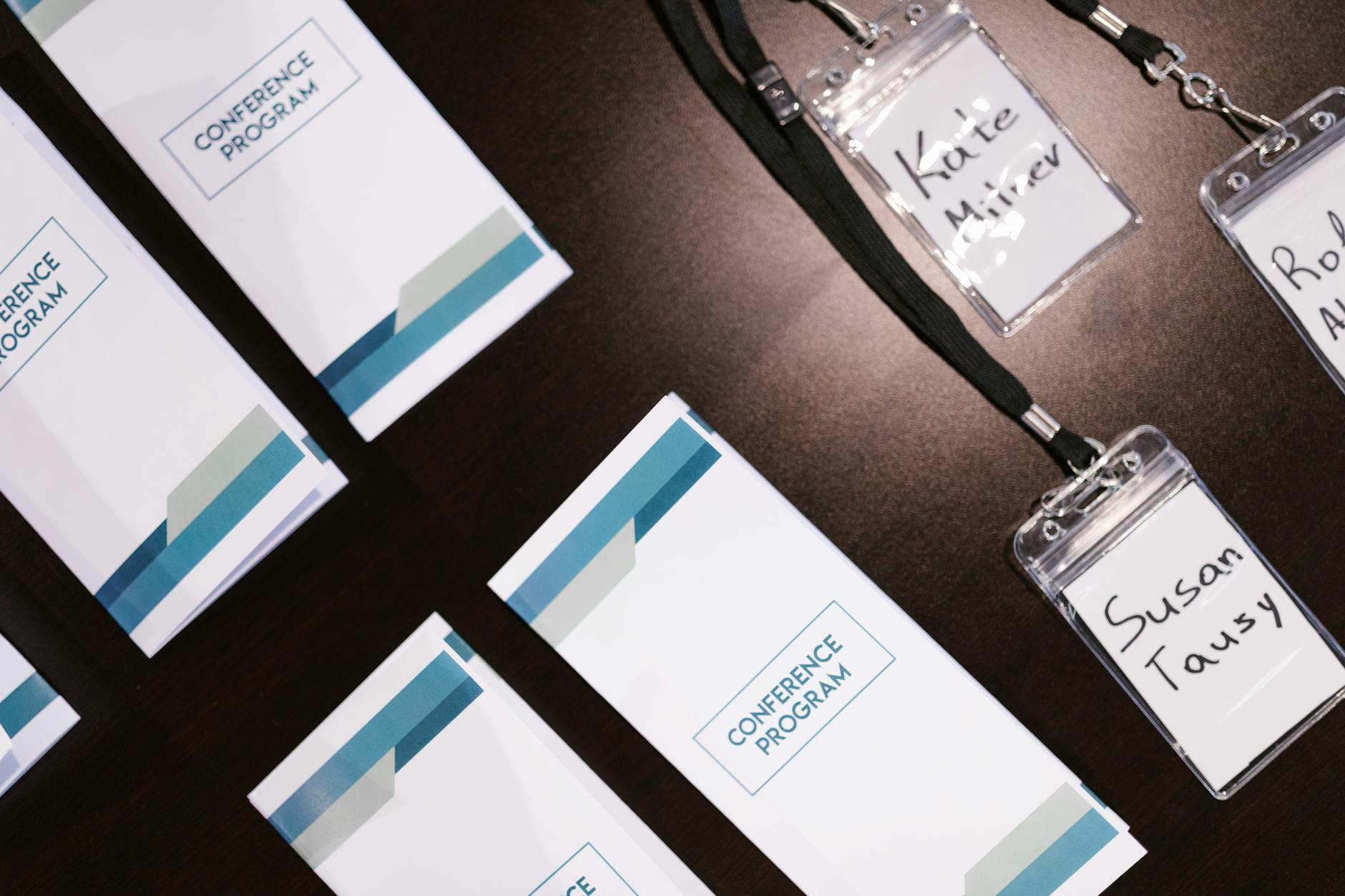
- Confirm badge rules, delivery address, loading access, storage, exhibitor services, and setup deadlines.
- Identify local printing, courier, taxi, supply, and meal options before arrival.
- Keep critical materials in hand luggage where possible.
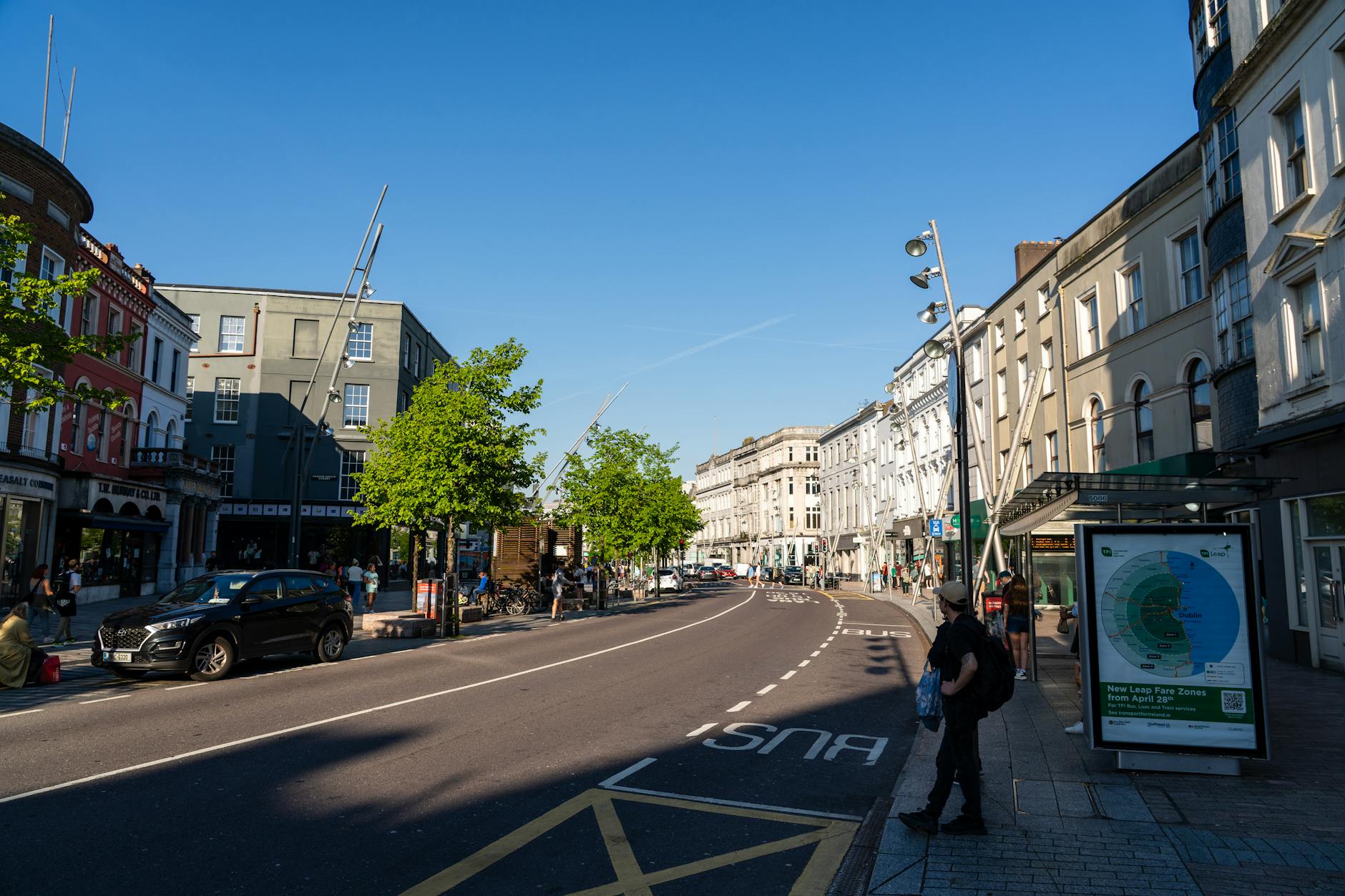
Plan networking around Cork's real evening pattern
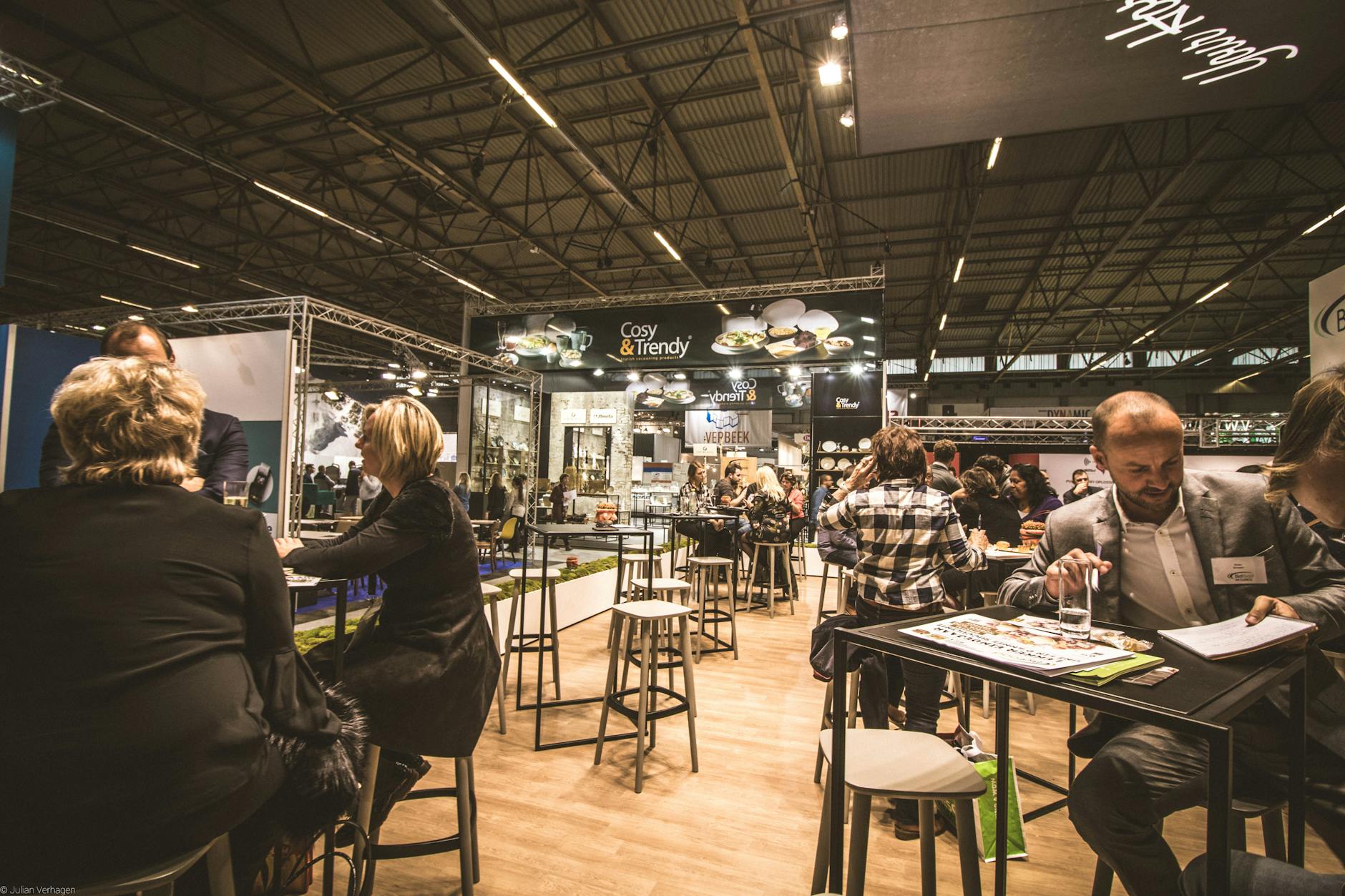
Cork can be excellent for informal business meals and post-show conversation, but networking should be planned with restaurant size, closing patterns, taxi demand, weather, group size, and noise level in mind. A spontaneous pub plan may work for two people and fail for eight.
The best evening plan usually gives people a clear first stop, a realistic dinner option, and a controlled return. That leaves room for Cork's warmth without depending on chance.
- Reserve client dinners or group meals when timing matters.
- Check taxi access, walking distance, noise level, and weather exposure for evening venues.
- Do not confuse Cork's friendliness with unlimited last-minute capacity.
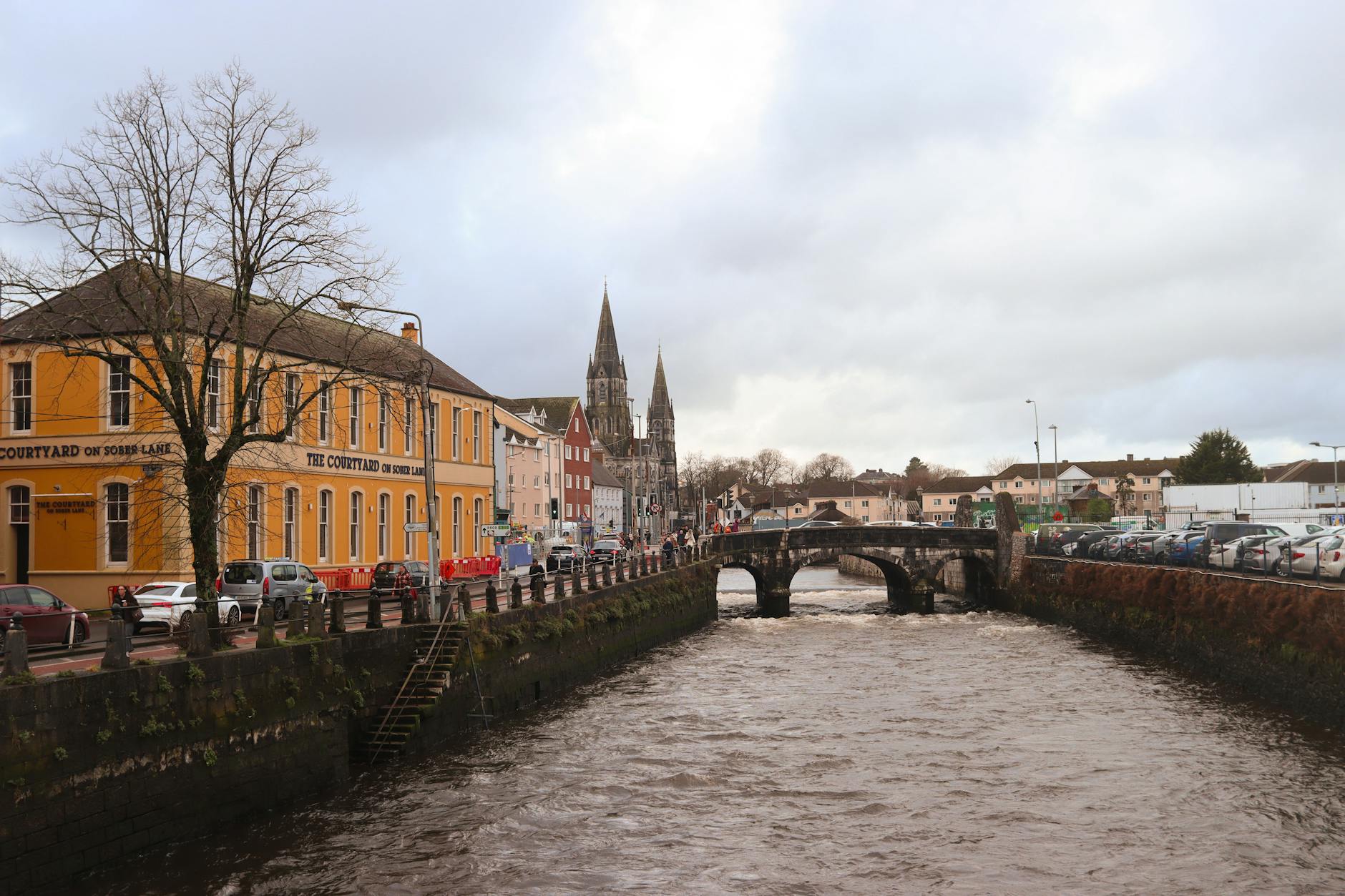
Keep side trips subordinate to the work
Blarney, Cobh, Kinsale, and West Cork can tempt a trade-show attendee because they are close enough to look easy. They are not harmless if they collide with setup, follow-up meetings, fatigue, weather, or airport departure. A work trip should earn its leisure add-on through schedule proof.
If there is real spare time, one simple outing can be worthwhile. If there is not, Cork city itself can provide a good meal, walk, or short decompression without endangering the business purpose.
- Add Blarney, Cobh, Kinsale, or West Cork only after event and departure timing are secure.
- Do not let a leisure outing compromise follow-up meetings or booth breakdown.
- Use Cork city for low-friction decompression when the schedule is tight.
When to order a short-term travel report
A trade-show attendee with a central venue, light materials, and a simple Cork Airport itinerary may not need a custom report. A report becomes useful when the traveler is exhibiting, moving samples, coordinating several people, arriving through another airport, comparing hotel locations, scheduling client dinners, or adding a side trip without weakening the event.
The report should test venue access, airport routing, hotel base, material logistics, taxi and meal options, evening networking, backup suppliers, weather, side-trip feasibility, and departure timing. The value is a Cork trade-show trip that protects the commercial purpose first.
- Order when venue access, materials, hotel choice, airport routing, meals, or side trips could affect business outcomes.
- Provide event venue, dates, setup schedule, attendee count, material needs, meetings, hotel ideas, arrival route, and budget.
- Use the report to keep the work trip from being run by assumptions.