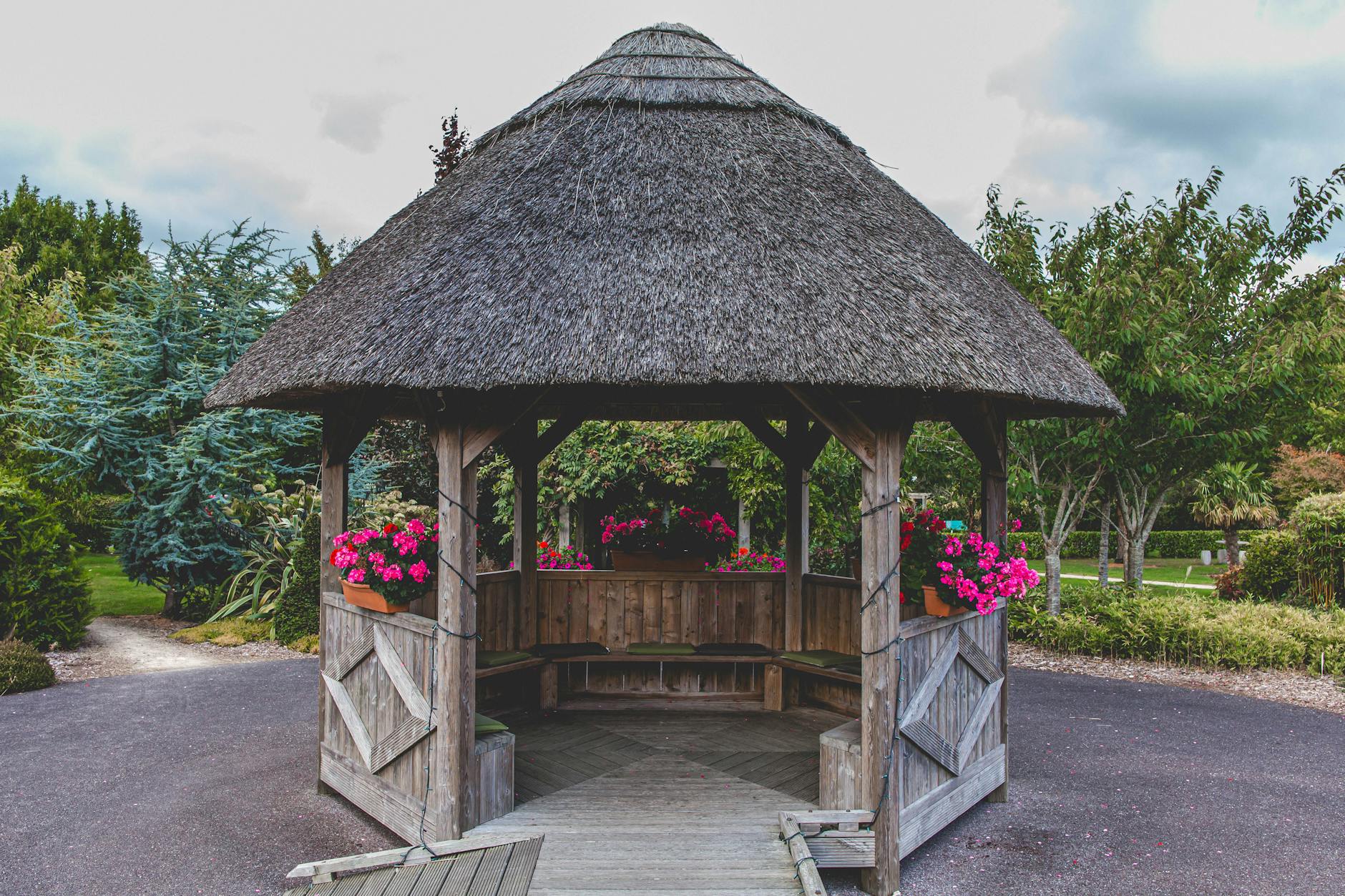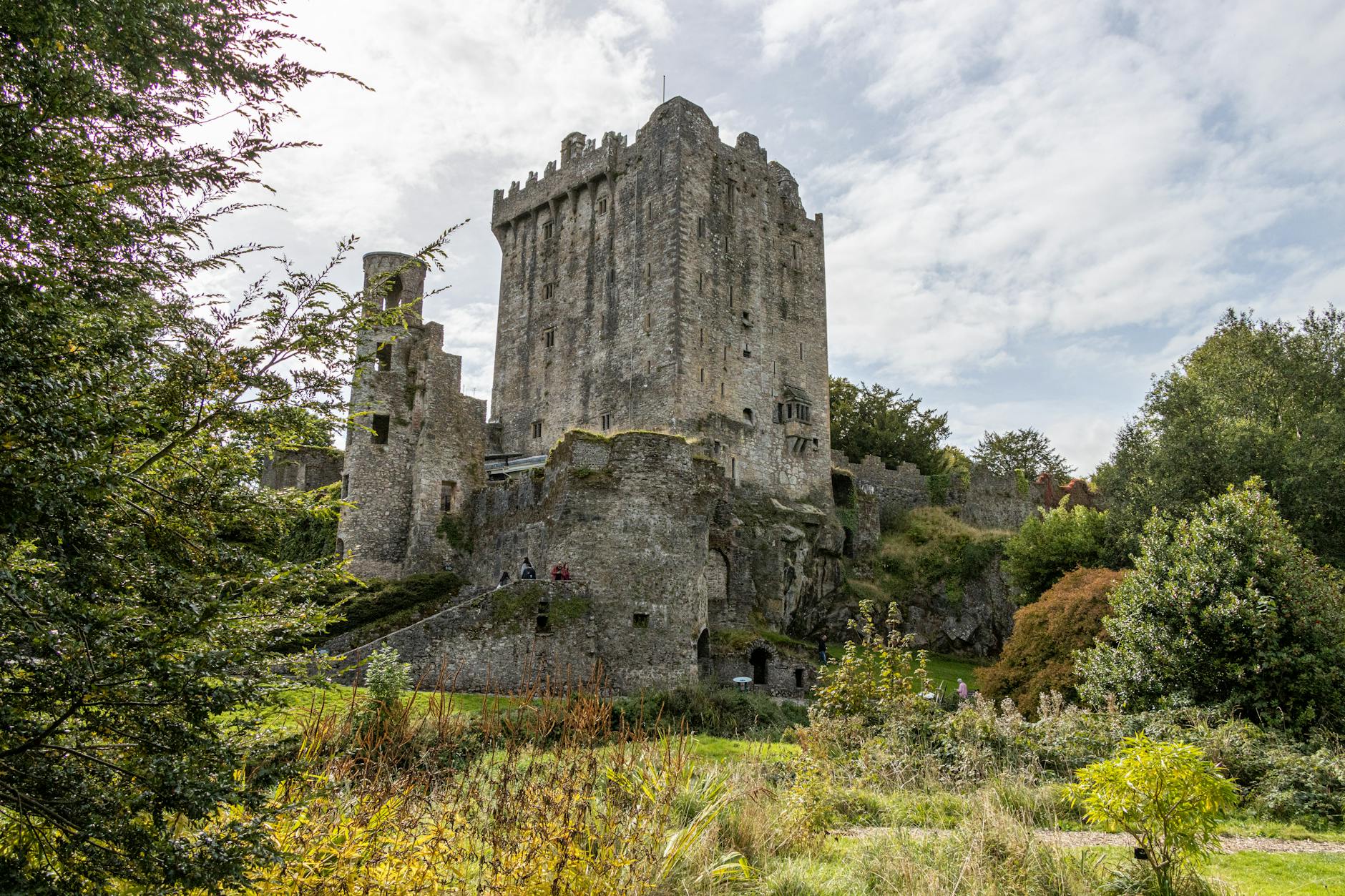
Cork is a satisfying tourist destination when travelers understand that the city and the county are related but not identical. Cork city offers food, markets, pubs, river streets, churches, and a lived-in southern Irish rhythm. County Cork adds castles, harbor towns, gardens, coast, and day-trip possibilities that can easily overtake a short visit. A tourist should decide what Cork is meant to be before building the itinerary. The strongest short trip usually combines a confident city base with one or two carefully chosen wider moves, rather than trying to collect every famous name in southern Ireland.
Choose the shape of the trip first
A Cork tourist trip can be city-centered, castle-focused, food-led, coastal, family-history oriented, or built around a wider Ireland route. Those versions require different hotels, transport, day-trip choices, and expectations. A visitor who wants pub evenings and market time should not build the same plan as someone chasing harbor towns and castles.
The mistake is trying to make Cork do everything at once. A short stay gets better when the traveler chooses one main idea and lets the rest support it.
- Decide whether Cork city, Blarney, Cobh, Kinsale, West Cork, food, or family history is the main purpose.
- Choose lodging and transport around that purpose rather than around a generic attraction list.
- Leave space for weather, meals, and slower city time.
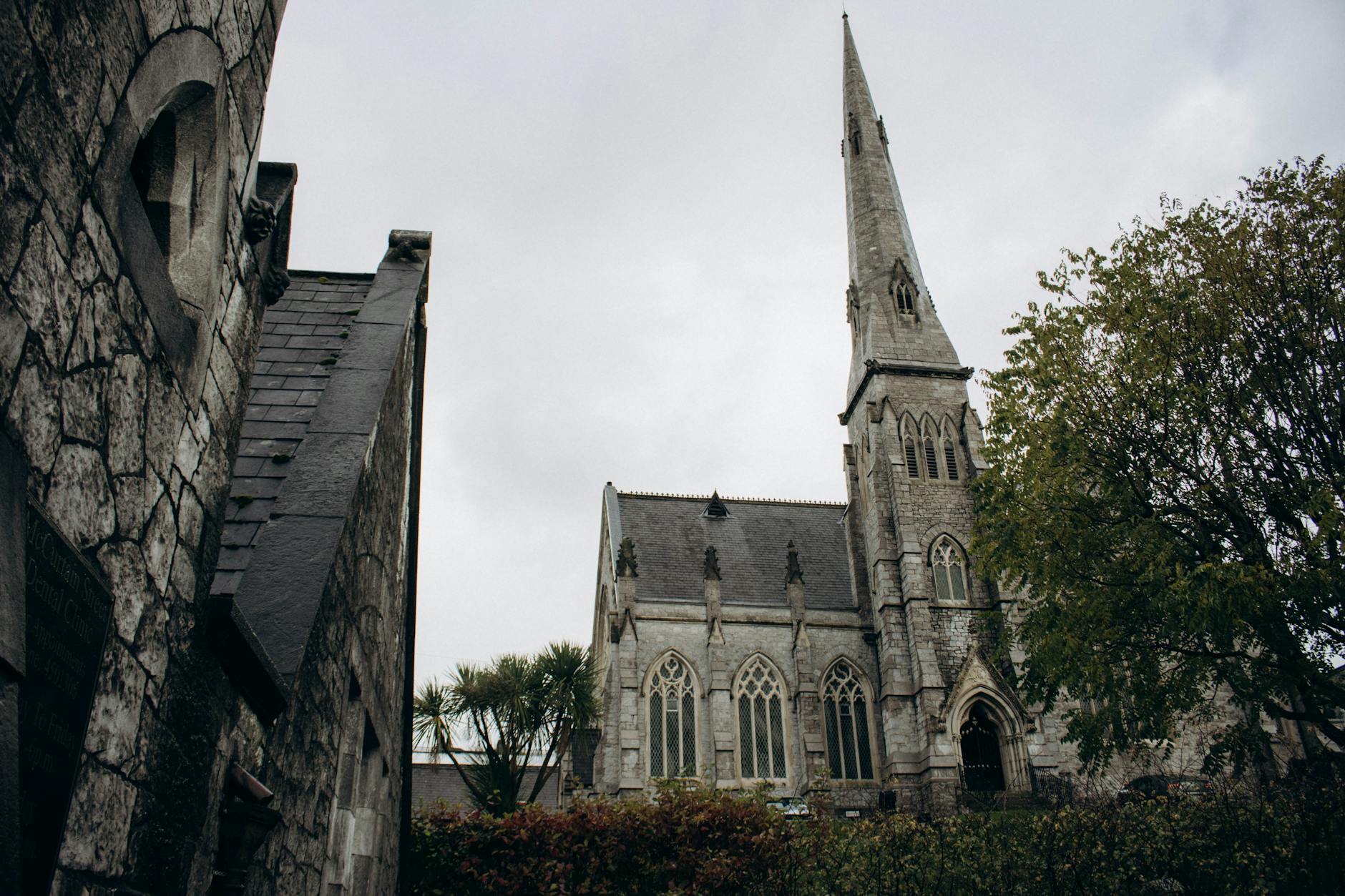
Solve arrival and hotel geography early
Cork Airport can make the tourist trip simpler, but Dublin and Shannon may still be part of the route. The right answer depends on total time, rail or coach comfort, rental-car plans, luggage, arrival hour, and whether the first night is meant to include dinner, a pub, or only recovery.
Hotel geography matters because many Cork tourist pleasures happen on foot. A central or well-connected base can make food, markets, pubs, churches, and river walks easy. A cheaper or prettier base outside the useful area may consume savings in taxis and lost energy.
- Compare Cork, Dublin, and Shannon by total time, transfer friction, cost, and first-night energy.
- Check hotel access to meals, pubs, markets, taxis, hills, rain-safe routes, and day-trip pickups.
- Avoid a base that turns a compact city into repeated transport decisions.
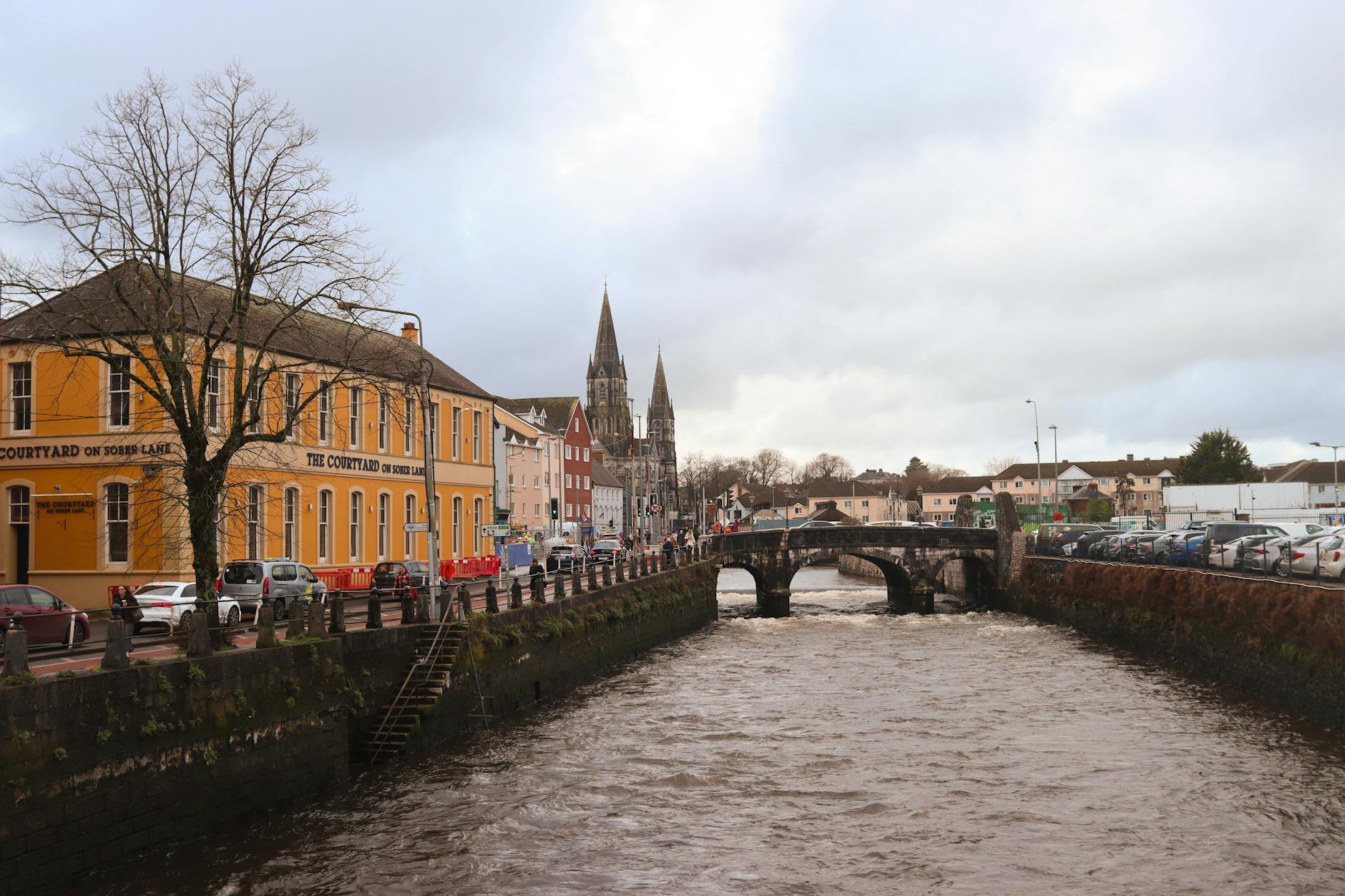
Use Cork city before escaping it
Tourists can underrate Cork city because nearby names are louder on the itinerary. The city itself deserves time: the English Market, churches, streets, river crossings, local food, pubs, and everyday neighborhoods are what make Cork feel distinct. If the traveler rushes straight to day trips, the city becomes only a hotel location.
A good short visit gives Cork city at least one coherent day or two strong half-days. That does not mean ignoring the county. It means earning the wider trip from a real city base.
- Protect time for market browsing, city walks, food, churches, pubs, and river routes.
- Use rainy hours for indoor food, museums, churches, or slower breaks.
- Do not make Cork city only a place to sleep between excursions.
Treat Blarney and major sights as choices
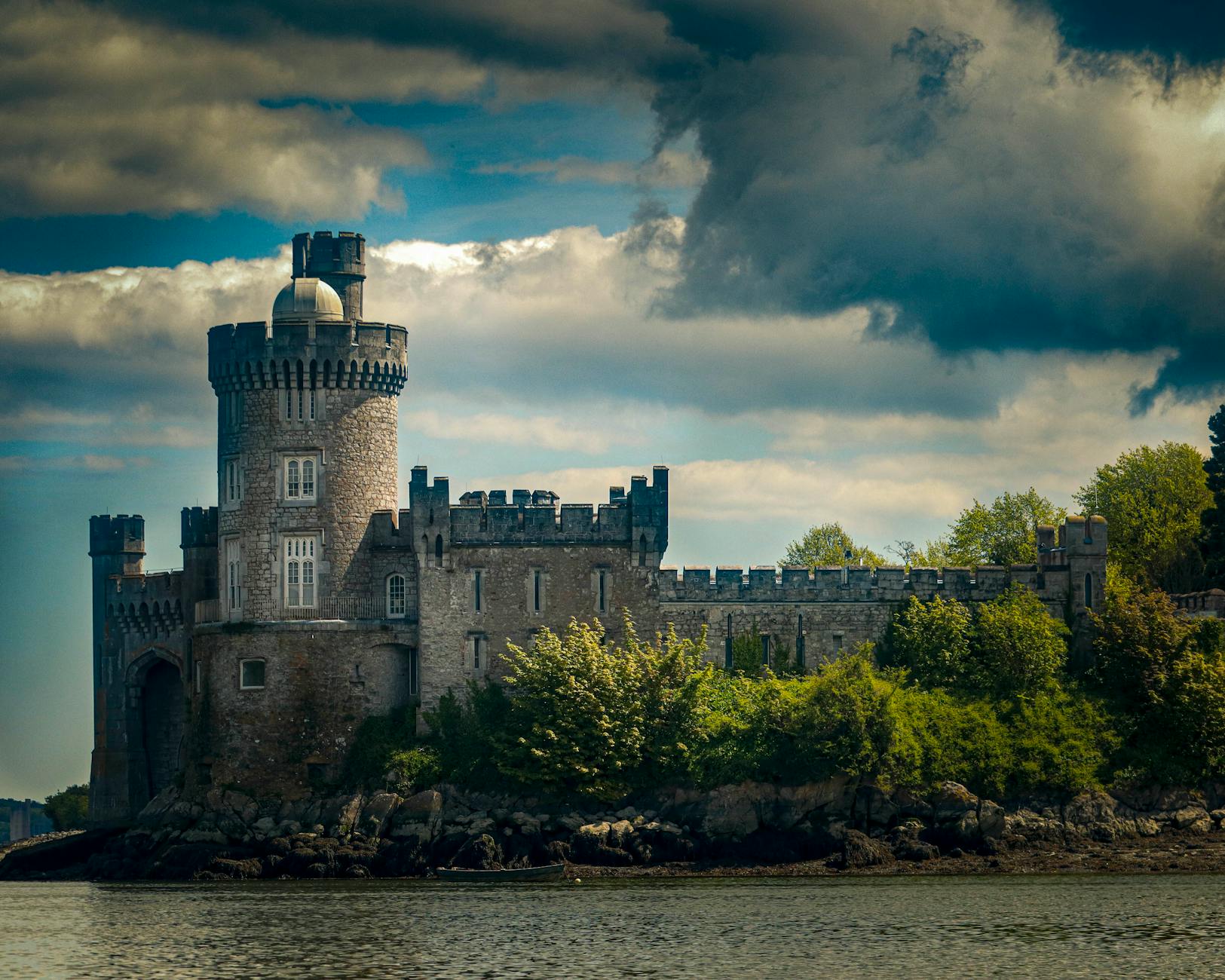
Blarney Castle, Blackrock Castle, St. Fin Barre's Cathedral, and other familiar stops can be worthwhile, but they should be chosen for fit rather than obligation. A tourist with limited time should ask whether each major sight supports the trip's purpose, the weather, the transport plan, and the traveler's actual interest.
The strongest sightseeing days are usually edited. One castle, one market, one meal, and a city walk can be more satisfying than a crowded list that leaves no time to absorb Cork.
- Choose major sights by interest, weather, transport, walking tolerance, and time available.
- Avoid treating Blarney as mandatory if another Cork experience matters more.
- Build sightseeing around meals and recovery rather than stacking attractions mechanically.
Add Cobh and Kinsale with restraint
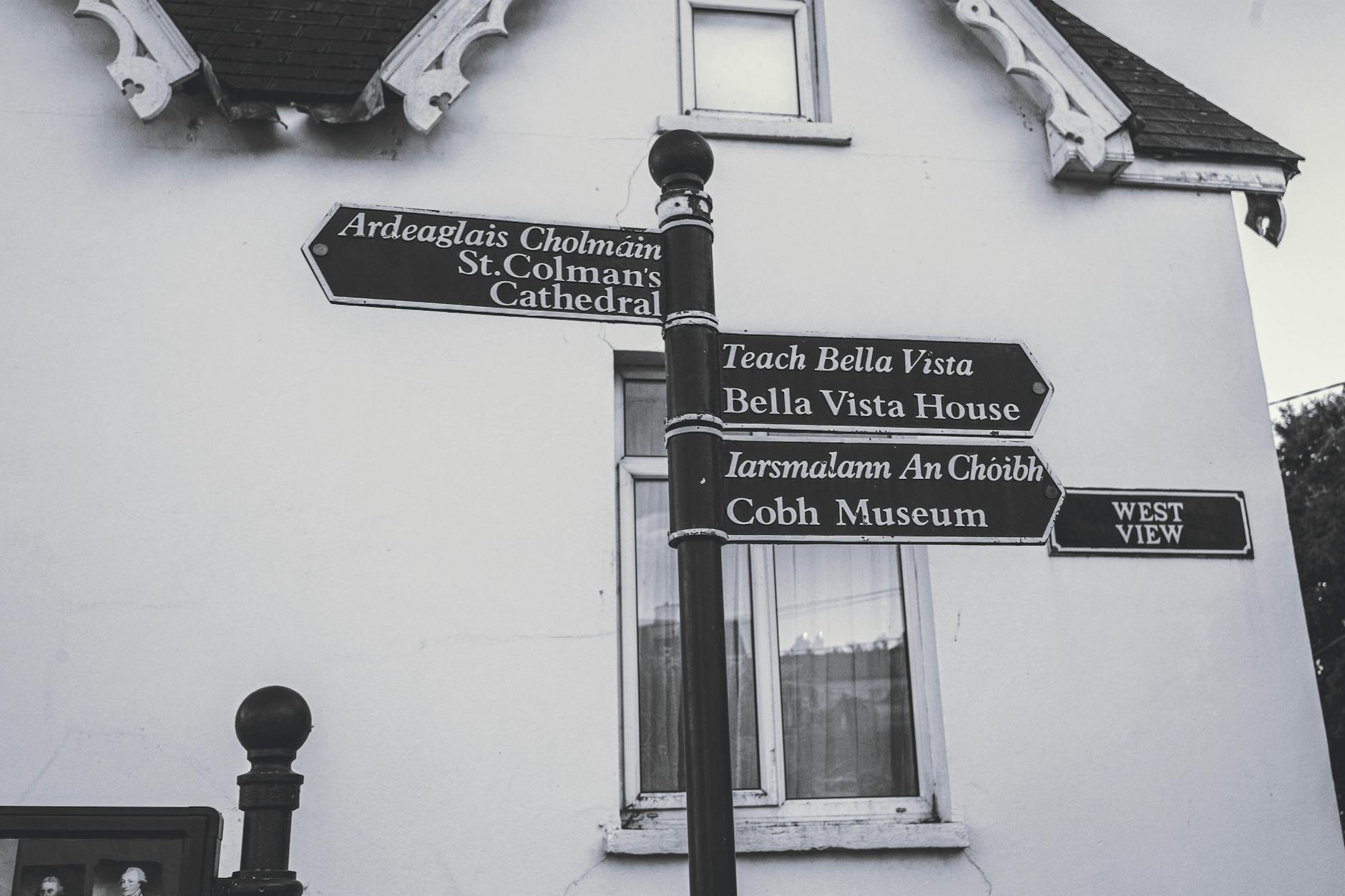
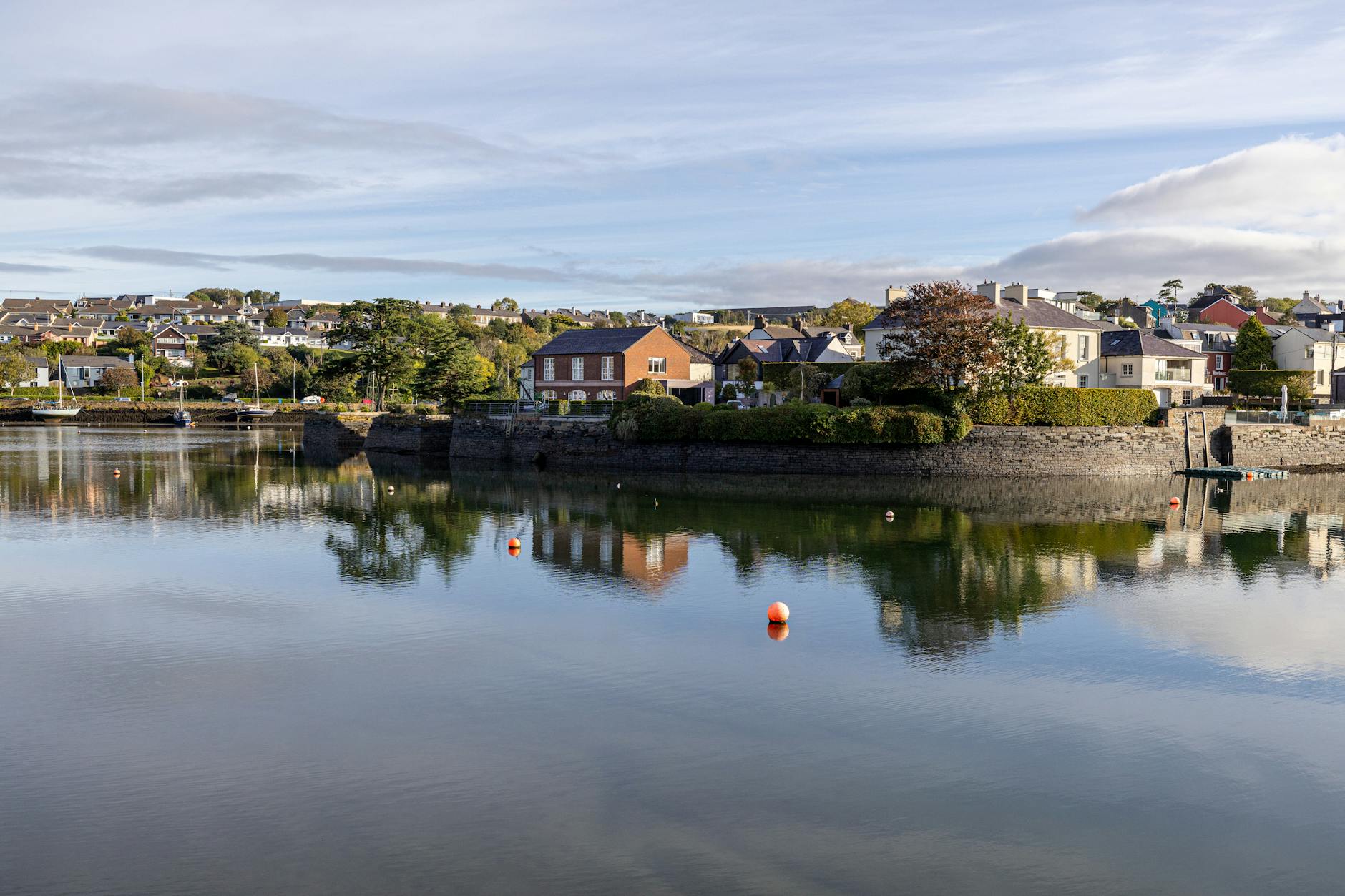
Cobh and Kinsale are natural tourist additions, but each needs time, transport, food, weather, and return planning. Cobh can work for harbor atmosphere, maritime history, colorful streets, and cathedral views. Kinsale can work for food, waterfront streets, and a softer coastal day. Neither is improved by being rushed.
A short tourist stay should usually choose one strong County Cork day rather than several thin ones. The traveler should confirm whether train, bus, taxi, tour, rental car, or driver best fits the day.
- Choose Cobh, Kinsale, or another County Cork outing by purpose and travel margin.
- Confirm transport, meal timing, weather, toilets, walking routes, and return before leaving.
- Skip a day trip if it leaves too little time for Cork city itself.
Respect weather, coast, and distance
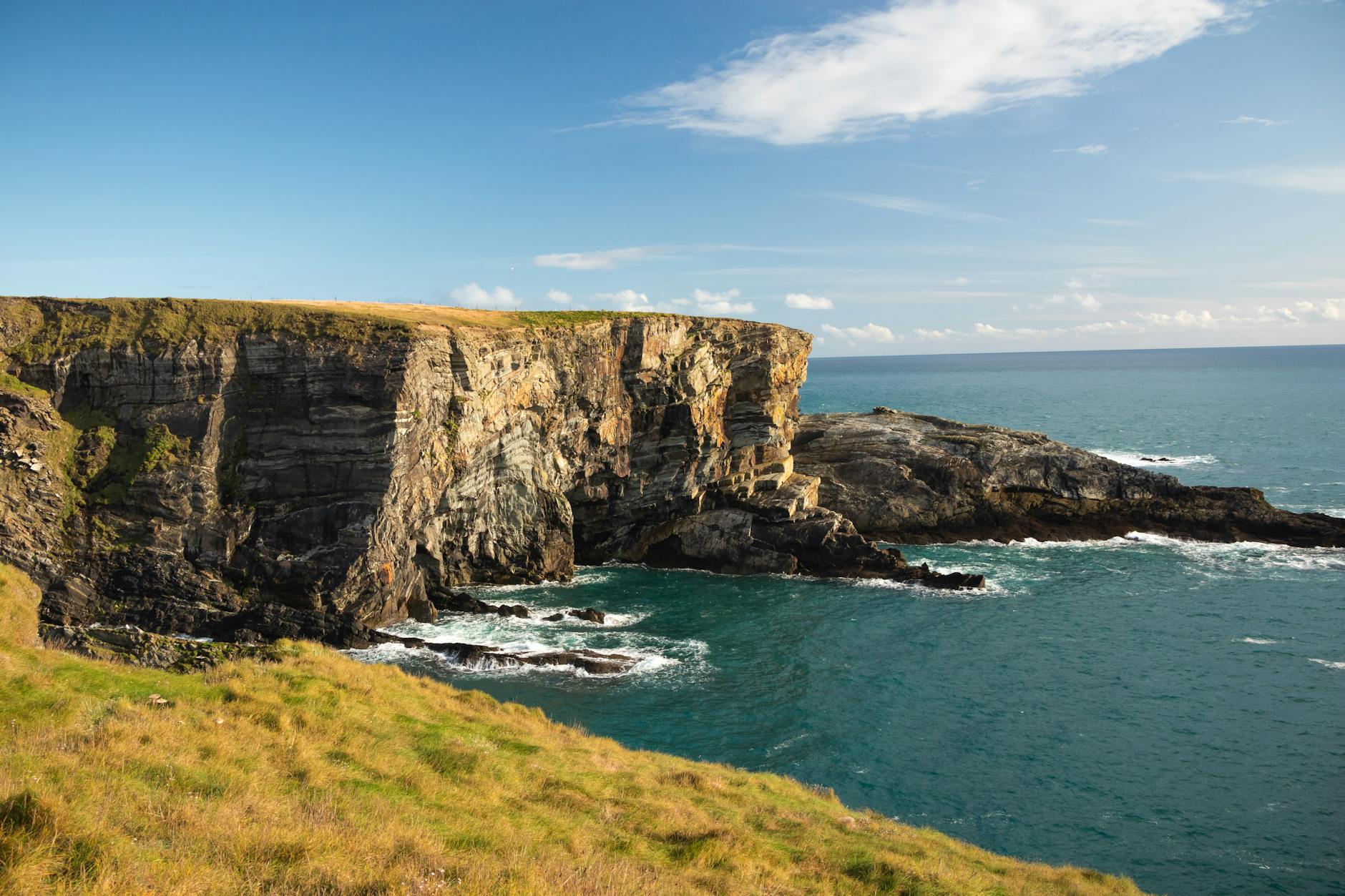
County Cork can tempt tourists into broader coastal ambitions, especially around West Cork. The scenery may be worth it, but distance, narrow roads, weather, daylight, driver fatigue, and meal timing matter. A trip that looks compact online can become a long day in practice.
Weather is not a side issue. Rain layers, practical shoes, warm clothing, and flexible sequencing can keep Cork enjoyable when the original plan needs to bend.
- Treat West Cork and coastal drives as real time commitments, not casual add-ons.
- Plan around daylight, road comfort, weather, meals, and return fatigue.
- Pack for rain, wind, wet streets, and transitions from city to coast.
When to order a short-term travel report
A tourist with flexible dates, a simple Cork Airport arrival, and a central hotel may not need a custom report. A report becomes useful when the traveler is choosing between Cork, Dublin, and Shannon access, deciding whether to add Blarney, Cobh, Kinsale, or West Cork, traveling with family or mobility limits, or trying to make a short stay feel complete without becoming crowded.
The report should test airports, hotel geography, city time, sights, day trips, weather, transport, meals, budget, and what to skip. The value is a Cork tourist trip that feels edited and satisfying rather than overloaded.
- Order when airports, hotels, day trips, weather, transport, or pacing could decide the trip.
- Provide dates, arrival options, hotel ideas, interests, mobility details, day-trip goals, and budget.
- Use the report to decide what Cork should be in the time available.