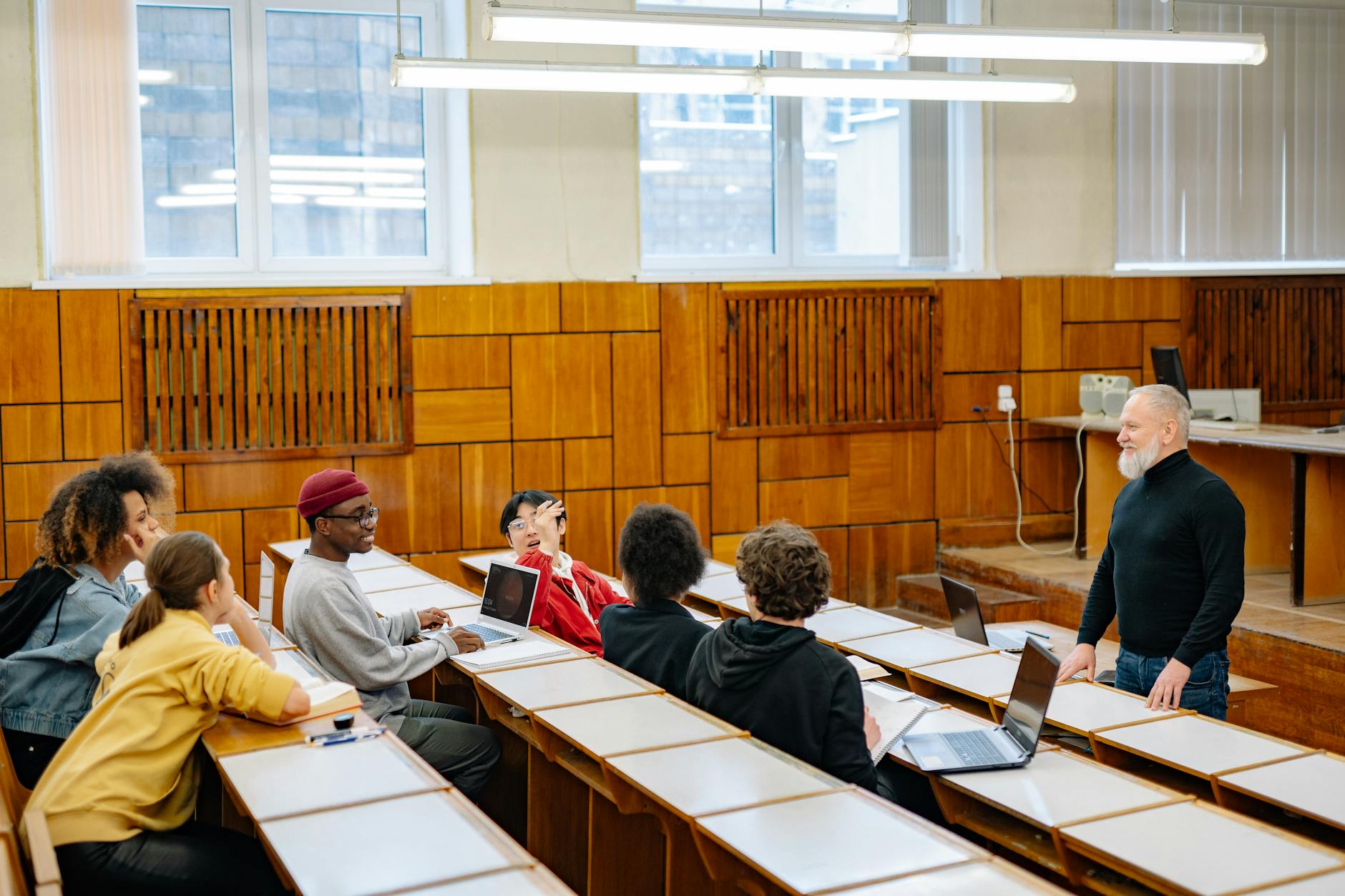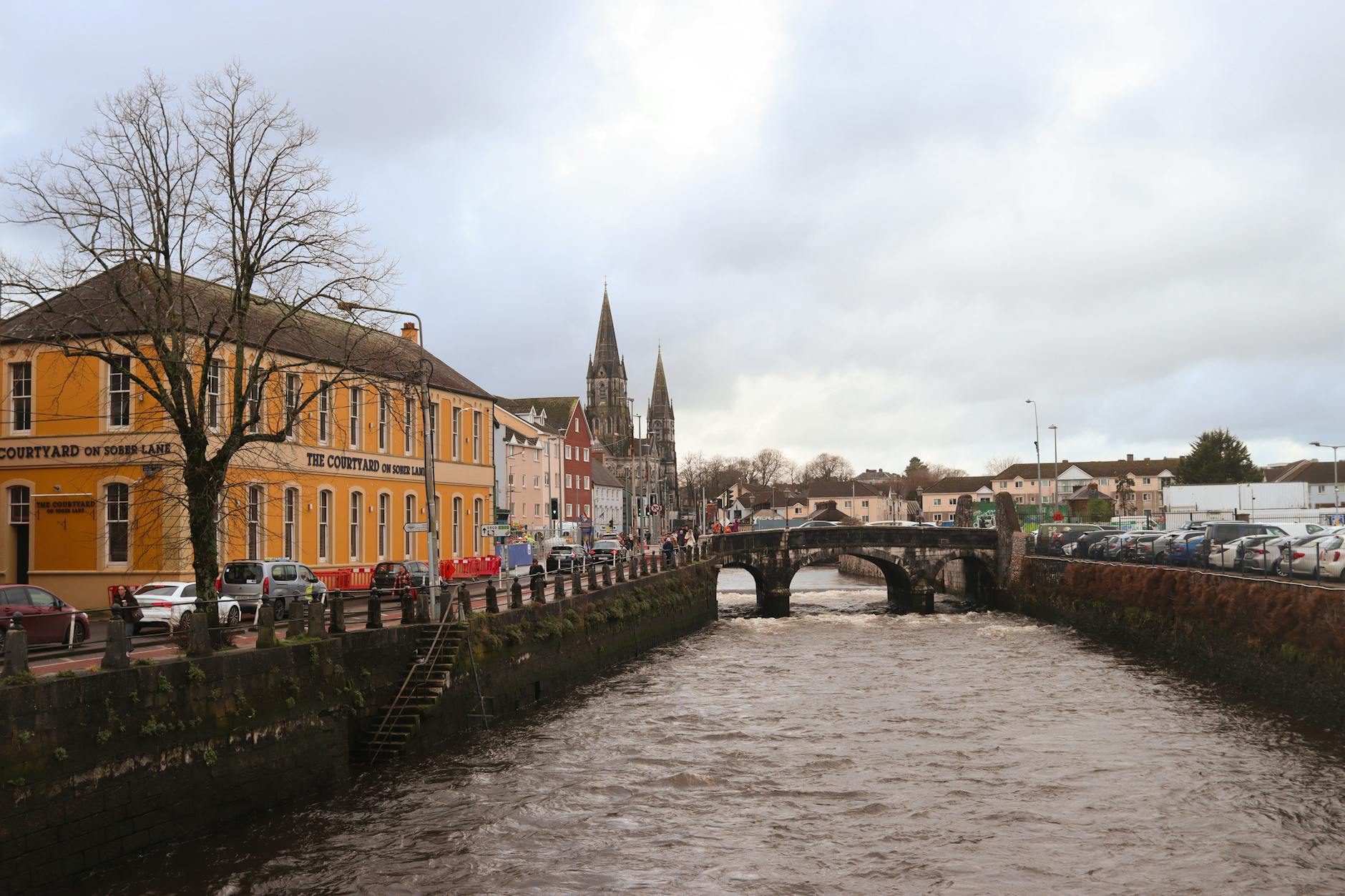
A short student program in Cork can work well because the city is approachable, social, and large enough to feel real without overwhelming every day. The practical quality of the trip depends on where the program is based, where the student sleeps, how arrival is handled, and whether the schedule leaves enough energy for study, food, and safe local movement. Students and families should avoid treating Cork as automatically simple. Rain, hills, housing location, evening returns, airport routing, group rules, food costs, and day trips all shape the experience. A good plan gives the student independence without making them solve every operational problem alone.
Start with the program base
The first question is where the program actually happens: University College Cork, another campus setting, a language school, a cultural program, a hotel classroom, or a mixed city-and-excursion format. That base determines housing, daily walking, bus needs, meal planning, and how much free time is realistic.
A short program has less room for correction than a semester abroad. The student should understand the daily geography before arrival, not after the first late or wet walk.
- Confirm classroom location, housing location, orientation point, and daily transport expectations.
- Check whether the program is campus-based, city-based, or excursion-heavy.
- Map the first three days before assuming Cork will explain itself on arrival.

Make arrival support explicit
Students may arrive through Cork Airport, Dublin, or Shannon. The route should be chosen by age, travel experience, luggage, arrival time, group pickup, and confidence with onward buses or trains. A cheap flight is not a bargain if it leaves a tired student navigating a long transfer alone late in the day.
The arrival plan should include a named route, backup contact, meal option, housing check-in details, and what to do if the flight is delayed. Families and coordinators should not leave this as a vague instruction to take public transport.
- Compare airports by total transfer complexity, arrival hour, luggage, and student confidence.
- Confirm pickup, check-in, emergency contacts, and backup route before departure.
- Avoid late solo transfers for students who have not handled similar travel before.
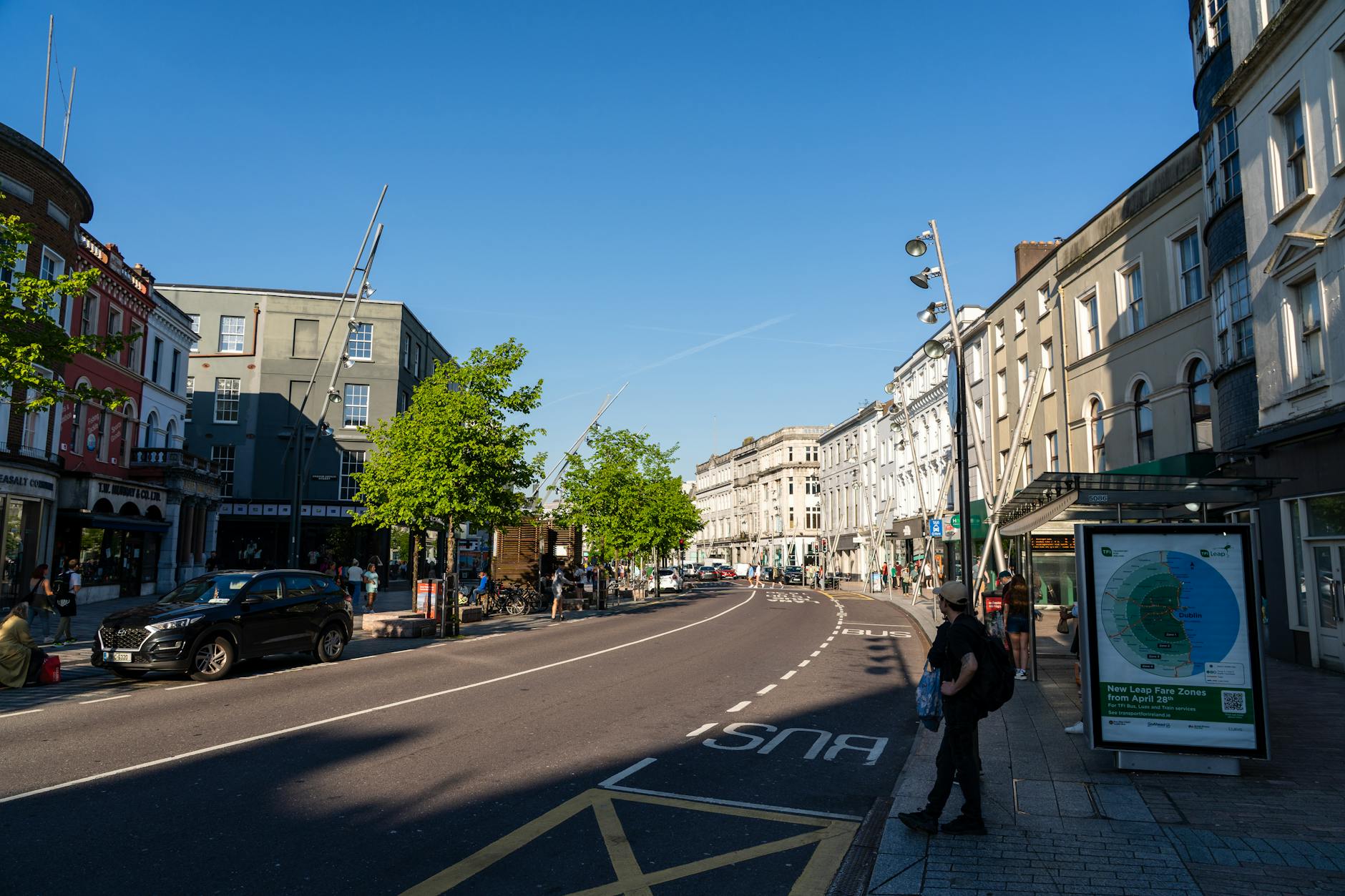
Plan food and budget as daily structure
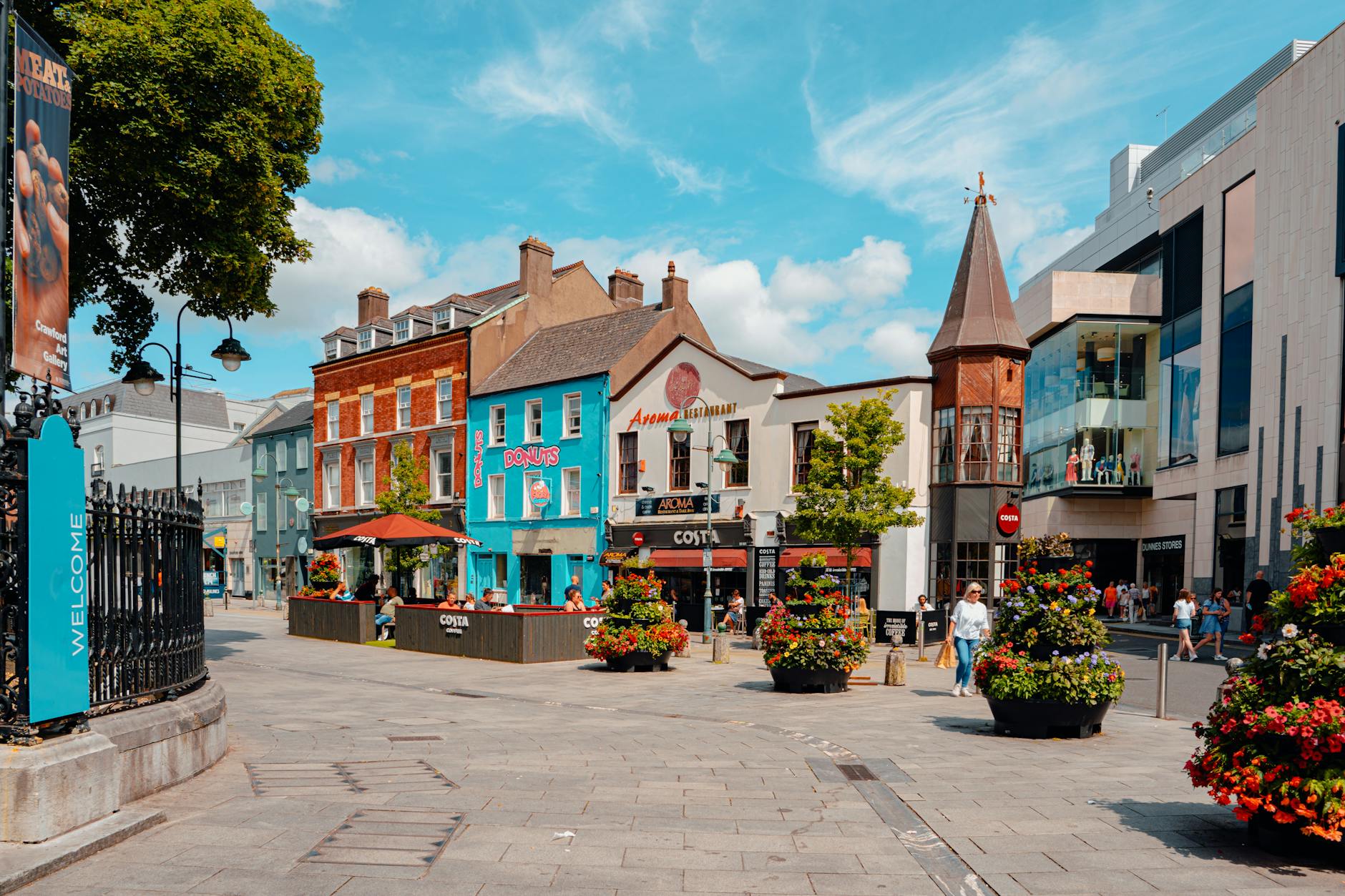
Cork gives students good everyday options, including markets, cafes, grocery stops, casual meals, and pubs where appropriate. The student still needs a real food budget, especially if housing lacks a kitchen or the program schedule puts meals near more expensive areas.
Food planning is not just cost control. It affects energy, study quality, group participation, and whether the student ends up making poor late-evening decisions because the day was underfed.
- Check whether housing includes kitchen access, breakfast, storage, or nearby affordable meals.
- Build a daily food budget that includes coffee, snacks, groceries, and social meals.
- Use the English Market and casual Cork food options without relying on improvisation every day.

Check housing, walking, and weather together
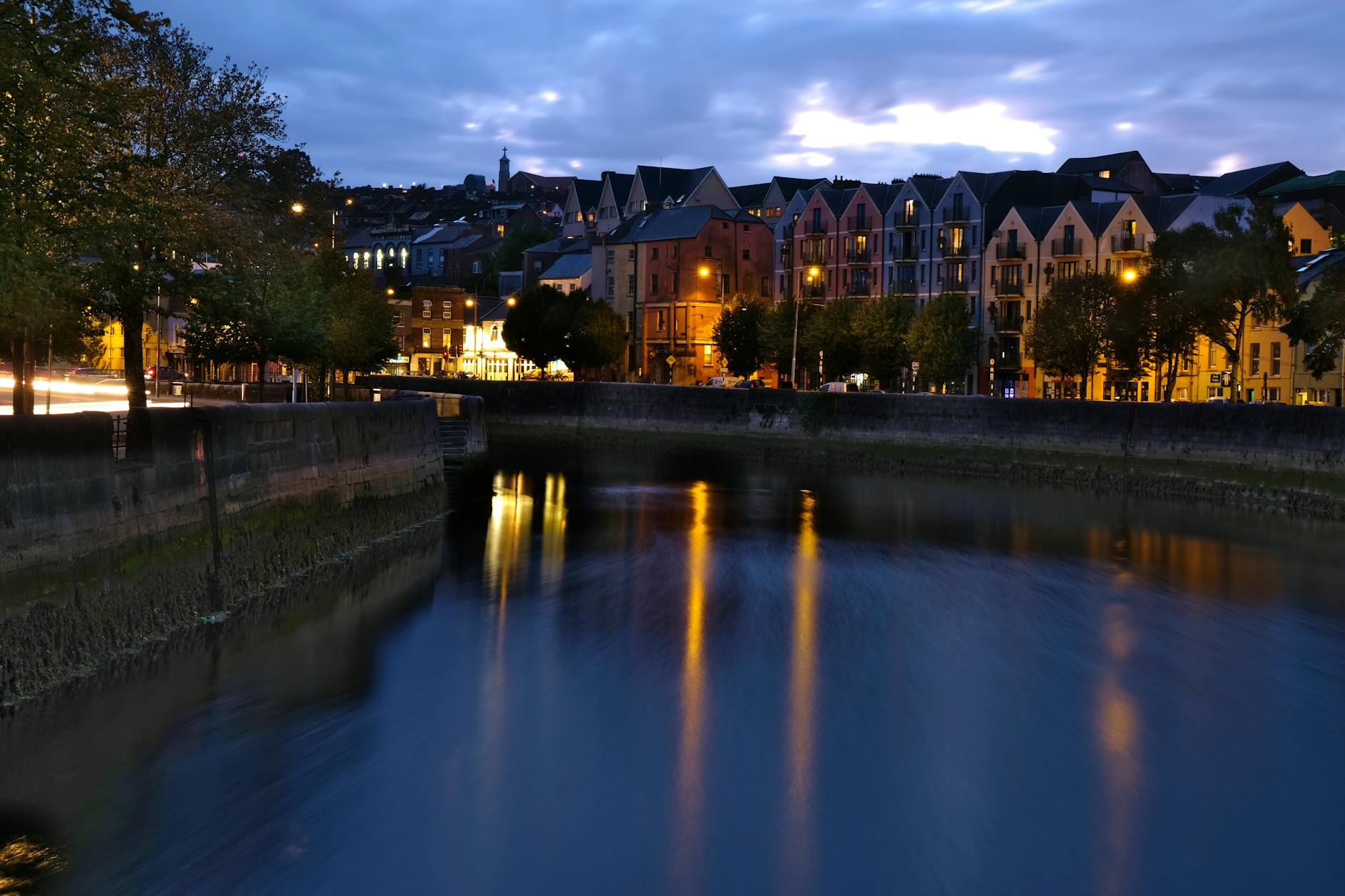
Student housing may look close to class on a map while still involving hills, wet pavements, unfamiliar crossings, or evening routes that feel different after dark. Cork's rain and slopes matter more when the student repeats the same route daily with books, laptop, and social commitments.
The student should know the normal walking route, the rainy-day route, the late return route, and the taxi or bus fallback. That is especially important for short programs, where fatigue can build quickly.
- Map class, housing, groceries, laundry, pharmacy, and evening return routes together.
- Plan for rain gear, comfortable shoes, and a daily route that works when tired.
- Check whether bus or taxi fallback is realistic for late or wet returns.
Set rules for evenings before they matter
Cork's evening life can be a positive part of a short program, but students need expectations around alcohol, group movement, check-ins, taxis, phone battery, unfamiliar invitations, and how to leave a situation early. The issue is not fear. It is making good habits automatic before social pressure appears.
Program staff, families, and students should agree on practical boundaries. A student who knows the return route and backup contact can enjoy the city with less anxiety and less risk.
- Set expectations for alcohol, group movement, check-ins, taxis, and phone battery.
- Know the housing return route before the first night out.
- Create a simple exit plan for uncomfortable or confusing social situations.
Choose excursions that support the program
Short programs often include or encourage trips to Cobh, Blarney, Kinsale, West Cork, or Dublin connections. These can be excellent, but they should support the program rather than exhaust the student. Transport timing, weather, cost, supervision, and next-day class obligations all matter.
One strong excursion with enough rest can teach more than several rushed ones. The student should also leave room for ordinary Cork city time, because that is where confidence often develops.
- Check excursion cost, transport, supervision, weather, and next-day class impact.
- Do not fill every free day with a long trip.
- Use Cork city time to build independence, not just to wait between organized outings.
When to order a short-term travel report
A student on a well-organized Cork program with airport pickup, central housing, and clear staff support may not need a custom report. A report becomes useful when the student is arriving independently, comparing airports, managing medical or mobility needs, staying off campus, traveling young or inexperienced, or adding family travel before or after the program.
The report should test arrival route, housing location, daily movement, food budget, evening safety, communication, health needs, excursions, backup contacts, and what not to attempt. The value is a Cork student plan that gives independence a practical structure.
- Order when arrival, housing, daily routes, budget, health needs, or supervision are uncertain.
- Provide dates, program base, housing address, airport options, student age and experience, constraints, excursions, and family concerns.
- Use the report to make the short program easier to live, not just easier to book.