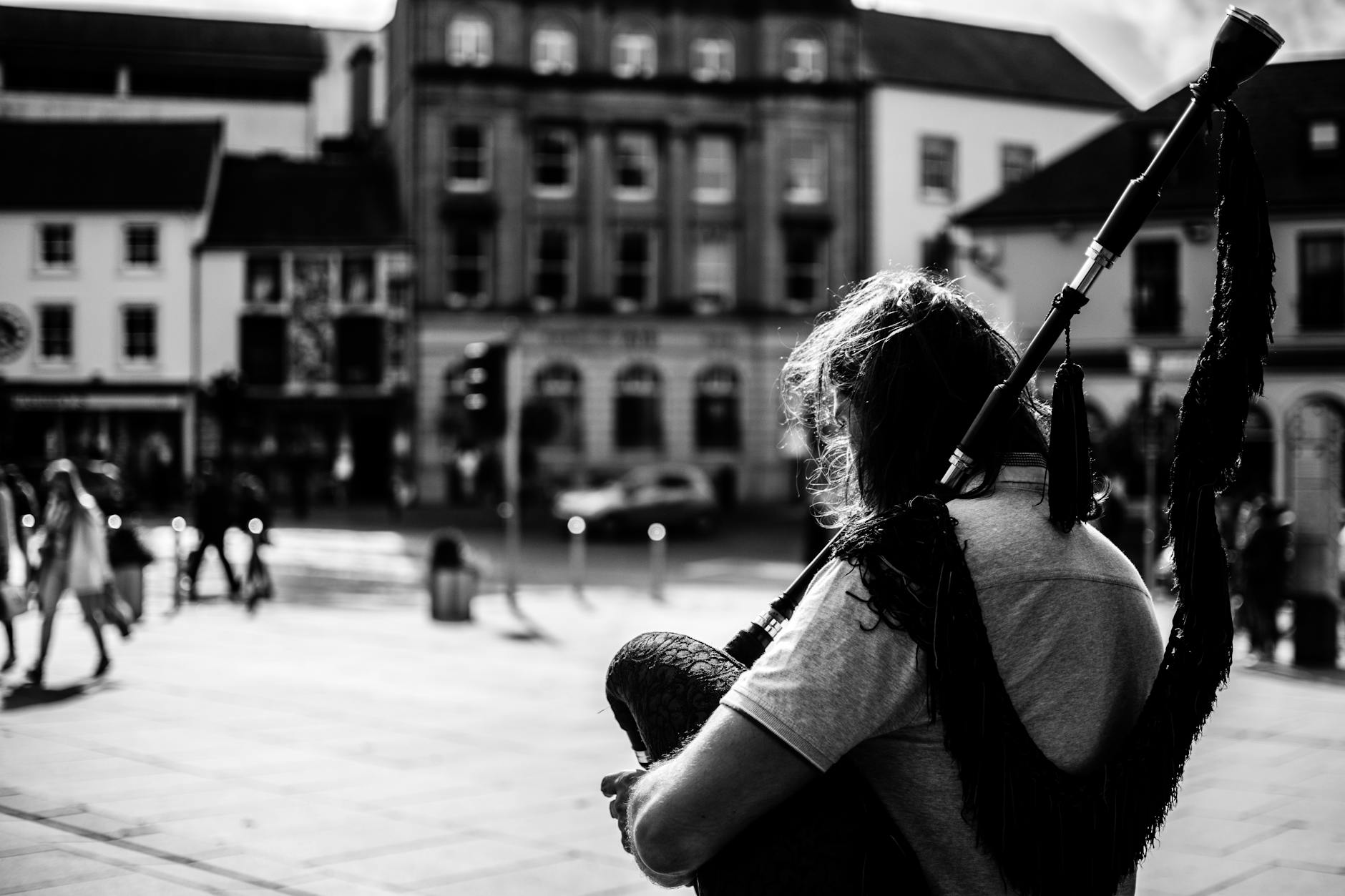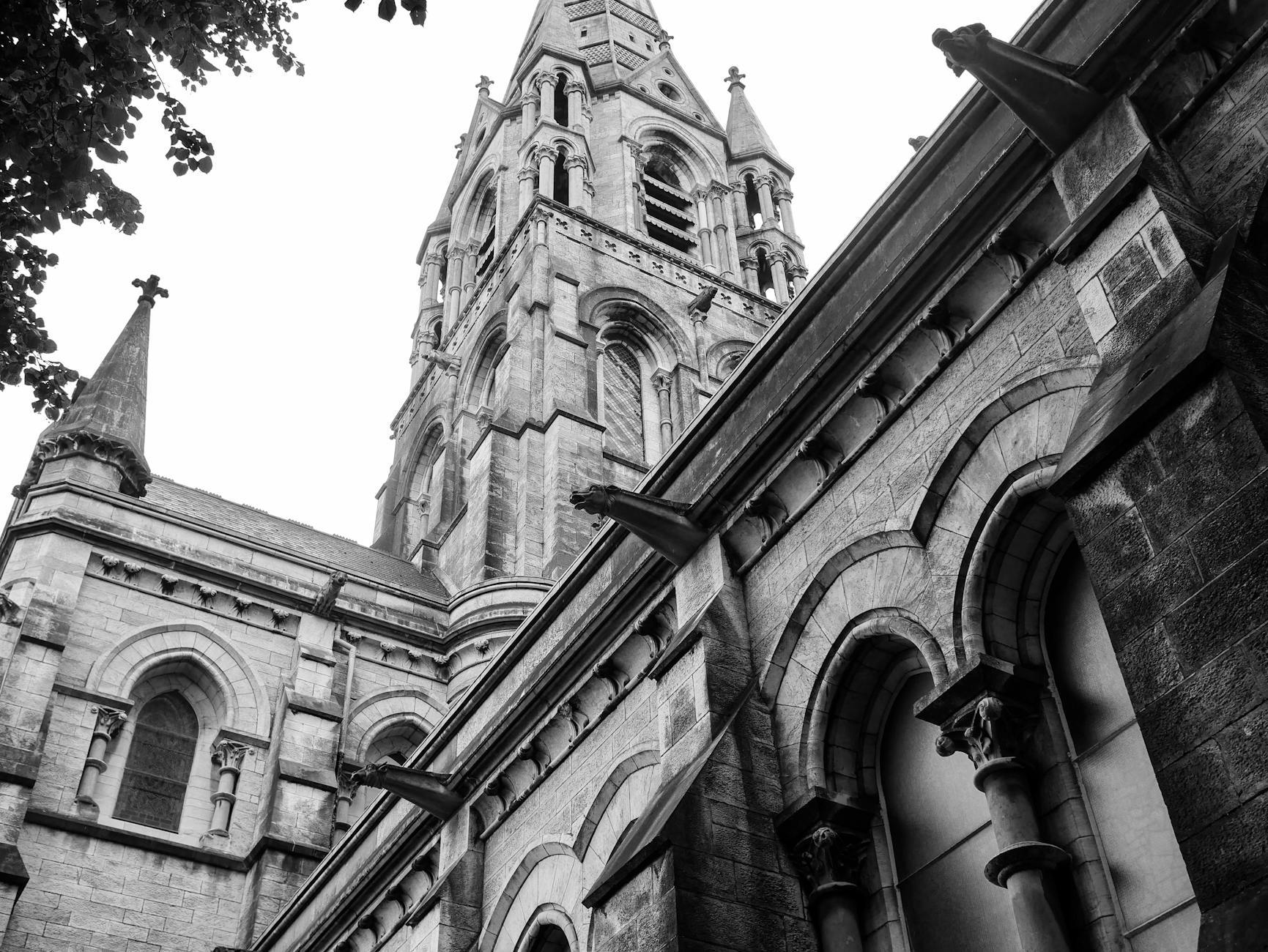
Cork can suit solo travelers well because it is sociable without requiring a group itinerary. A solo visitor can use markets, pubs, river walks, coffee, churches, harbor towns, and food-led days without the scale of a larger capital. The risk is assuming that compact means frictionless. A good solo Cork trip should make arrival easy, keep lodging central enough for evenings, plan rain-aware walking, choose meals and pubs with intention, and decide whether Cobh, Kinsale, or another County Cork move belongs in a short stay.
Decide what kind of solo trip Cork should be
Solo Cork can be a food trip, a quiet reset, a pub-and-music weekend, a family-history visit, a writing break, a light cultural trip, or a base for a County Cork day. Those versions need different hotels, meals, transport, and evening plans. The traveler should choose the main purpose before building the route.
A solo trip becomes weaker when it tries to prove too much. Cork is good at giving a traveler atmosphere and independence, but only if the itinerary leaves enough room to notice the city rather than rushing through it.
- Choose whether the trip is food-focused, reflective, social, cultural, or day-trip based.
- Let the hotel, meals, and evening plans match that purpose.
- Avoid filling a solo trip with errands that leave no room for the city itself.
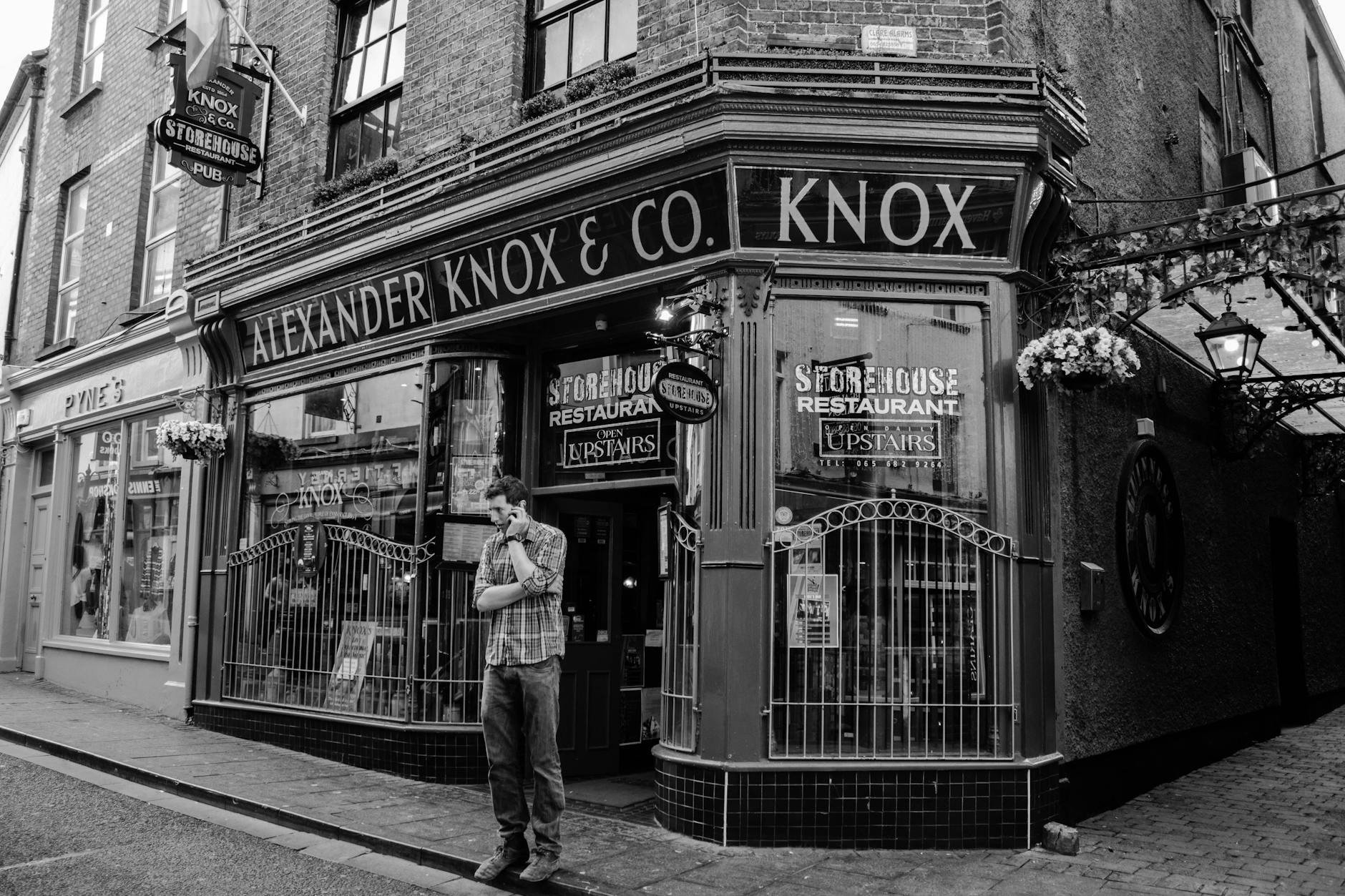
Make arrival and lodging low-friction
Solo travelers should choose arrival timing and lodging with evening confidence in mind. Cork Airport can be straightforward, but Dublin or Shannon arrivals add transfer decisions that matter more when there is no companion to share luggage, waiting, or late-night navigation.
A central hotel, guesthouse, or apartment should be judged by walkability, lighting, taxi access, reception hours, check-in rules, stairs, noise, and food nearby. A charming listing becomes less charming if it complicates the first night.
- Compare airport and transfer options by fatigue, arrival hour, luggage, and solo comfort.
- Check lodging for check-in, stairs, lighting, taxis, noise, and evening food access.
- Prioritize a base that makes the first and last nights simple.
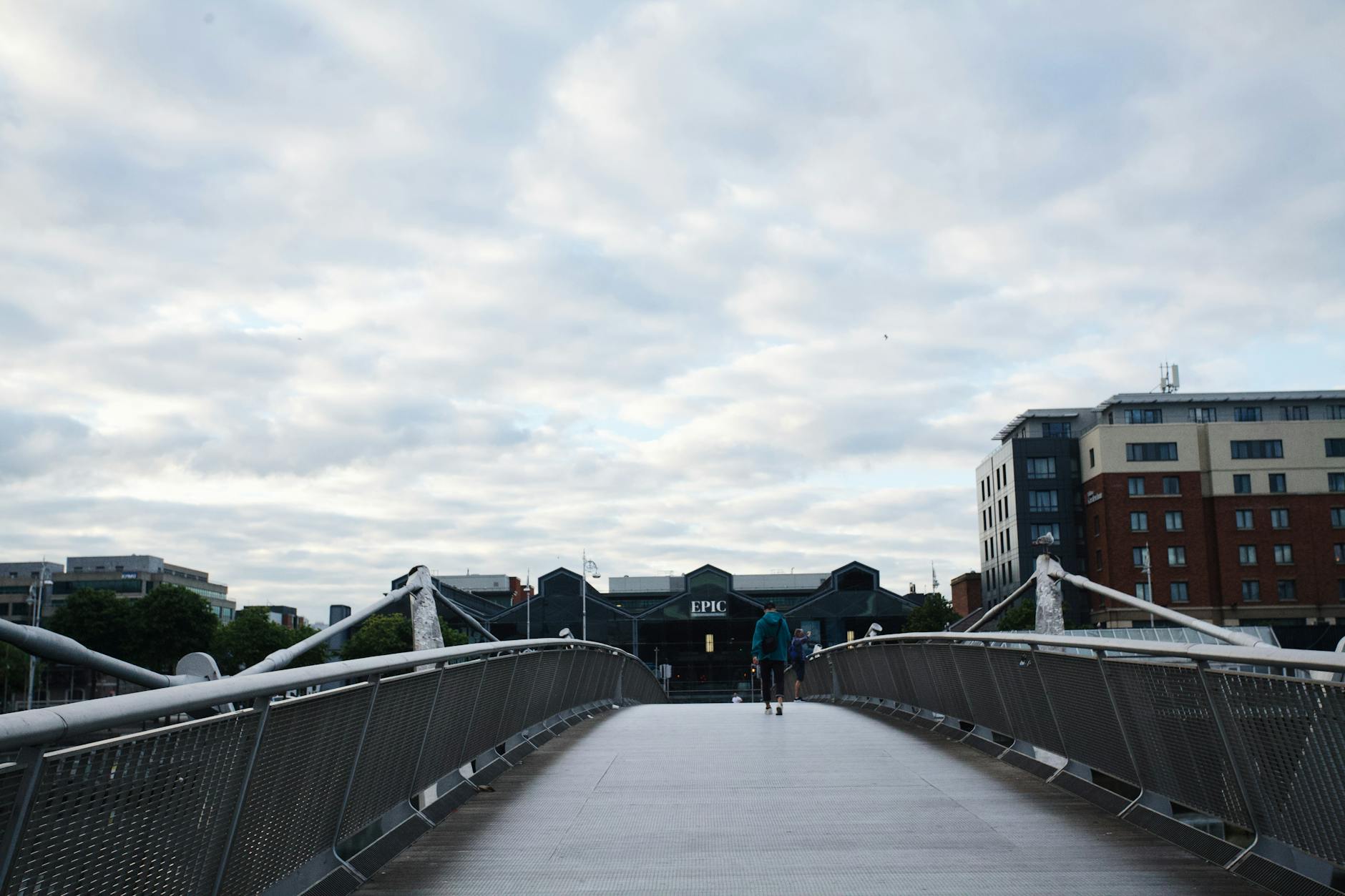
Walk the city in useful loops
Cork is manageable for a solo traveler, but rain, slopes, wet pavements, bridges, crowds, and evening light can affect how comfortable a route feels. The best solo days usually use loops: market time, a church or museum, coffee, a river walk, and a planned dinner or pub within a clear return path.
The traveler should keep offline maps, know taxi options, and avoid letting curiosity carry the day too far from the evening plan. Wandering works better when the return is already easy.
- Group market, river, church, museum, coffee, and meal stops into manageable loops.
- Plan around rain, hills, wet streets, daylight, and the walk back after dinner.
- Keep offline maps, phone battery, taxi options, and hotel details ready.
Use meals and pubs without forcing sociability
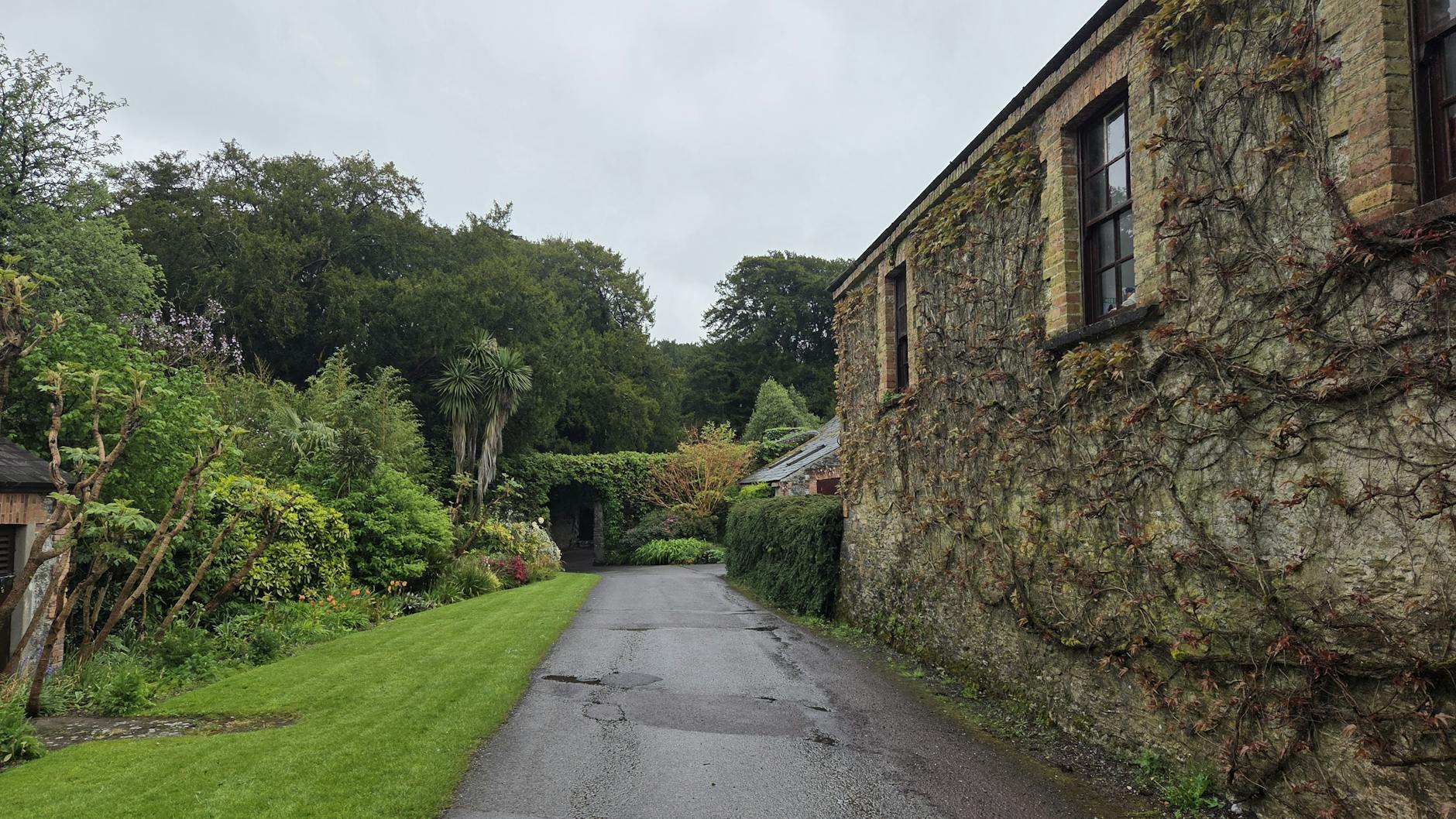
Cork can be generous to solo diners and pub visitors, but the traveler should choose settings carefully. A market lunch, bar seat, early dinner, small restaurant, music session, or comfortable pub can make a solo evening feel natural. A noisy or crowded venue may feel less rewarding alone, especially after a wet walking day.
The solo traveler should reserve important meals, check opening days, and decide how social the evening should be. The point is not to be constantly entertained. It is to choose places where being alone feels normal and useful.
- Use market lunches, bar seats, early dinners, and selected pubs to make solo meals easy.
- Check opening days, reservation needs, noise, distance, and return transport.
- Choose evening settings that match the desired level of conversation.
Add County Cork only with a clear return plan
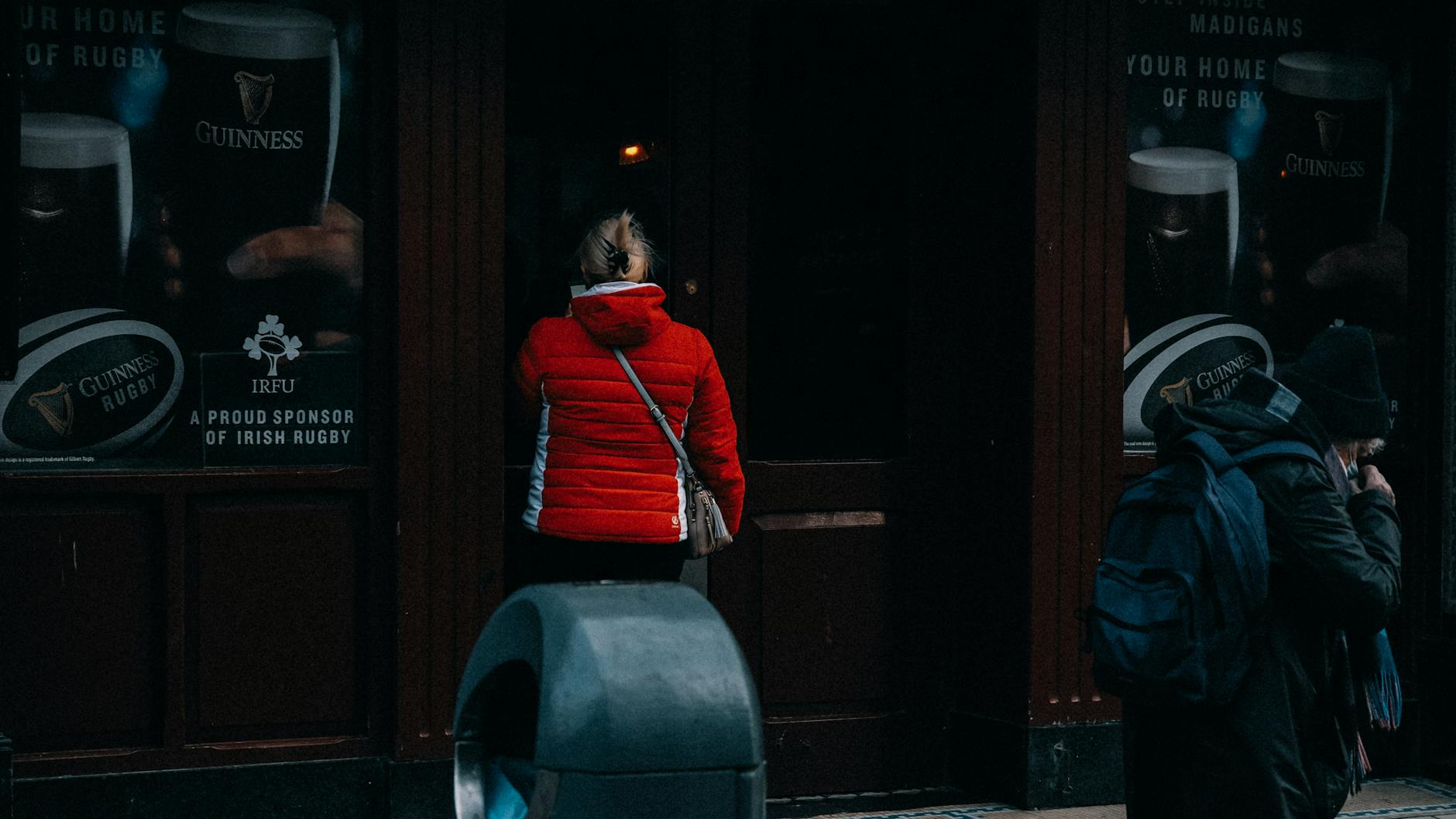
Cobh, Kinsale, Ballycotton, gardens, and coastal views can be excellent for solo travelers, especially when the visitor wants a day outside the city. But a solo day trip should be built around transport confidence, weather, meal timing, phone battery, and a return plan that does not depend on wishful thinking.
One well-chosen excursion is usually enough for a short solo stay. The traveler should decide whether the trip is worth the time away from Cork city and whether public transport, taxi, tour, or rental car fits the comfort level.
- Choose one County Cork excursion if the short stay has room for it.
- Confirm trains, buses, taxis, tours, weather, meals, and return timing before leaving.
- Do not let a day trip make the final evening rushed or uncertain.
Keep safety practical, not theatrical
Solo safety in Cork is mostly about ordinary discipline: arrival timing, hotel location, alcohol limits, phone battery, weather, return routes, taxi choices, and not broadcasting sensitive details. The traveler should be friendly without making every conversation a commitment.
A short solo trip should also include simple communication habits. Share hotel details with a trusted person, keep documents backed up, know how to reach medical care or the hotel, and avoid carrying the whole day on a dying phone.
- Plan late returns, alcohol limits, taxi use, phone battery, and weather-aware routes.
- Share hotel and itinerary basics with a trusted contact when appropriate.
- Keep documents, cards, medication, and emergency contacts accessible.
When to order a short-term travel report
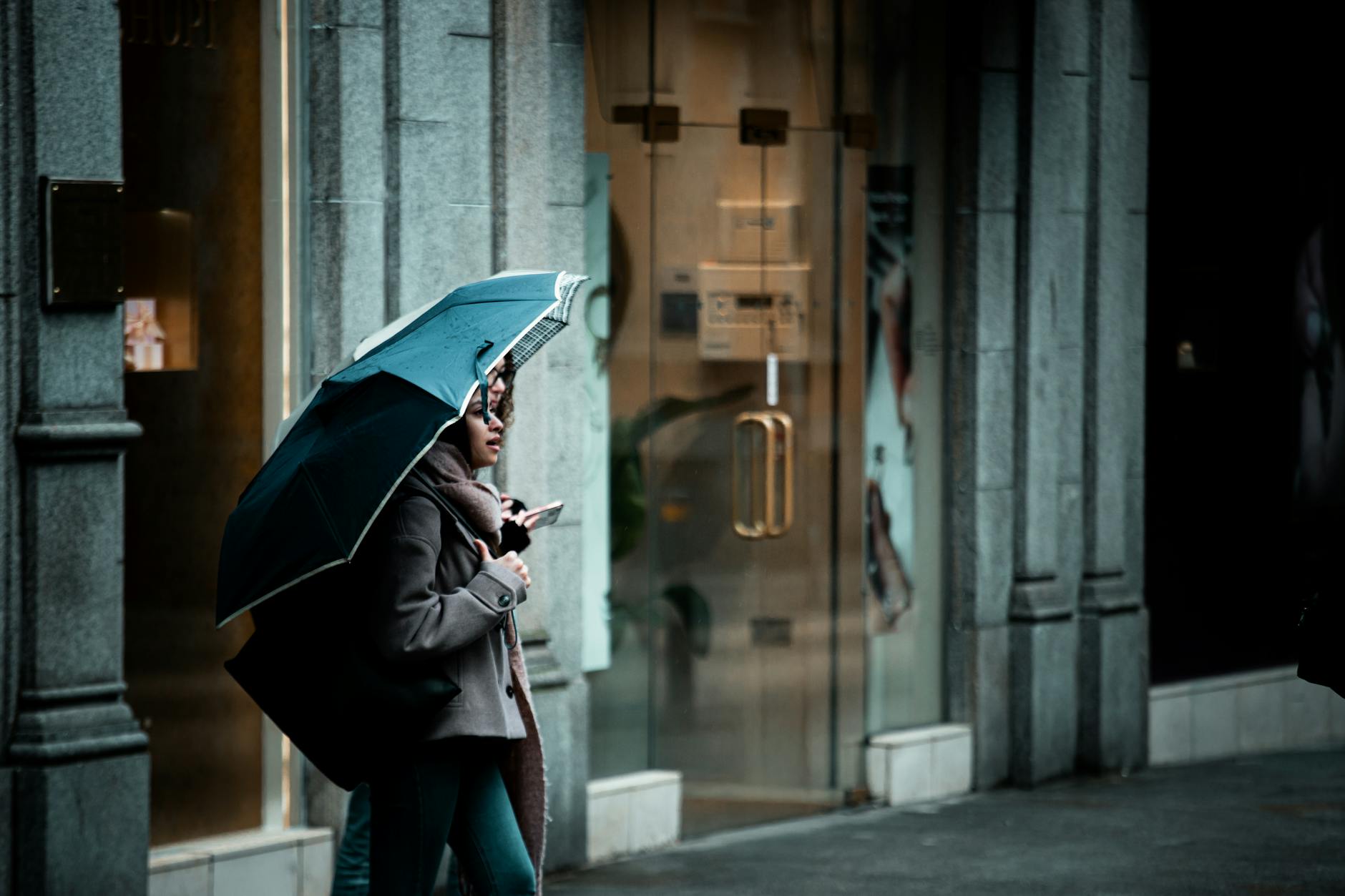
A solo traveler with flexible dates, a central Cork hotel, and a simple arrival may not need a custom report. A report becomes useful when the traveler is comparing airports, arriving late, choosing between city and County Cork focus, planning pubs or music, managing medical or mobility limits, working remotely, or trying to keep the trip social without becoming exposed or overextended.
The report should test arrival, lodging, walking loops, meals, pubs, day trips, weather, safety, budget, communication, and what to cut. The value is a solo Cork trip that feels independent and grounded rather than improvised.
- Order when arrival, lodging, evenings, day trips, safety, weather, or solo pacing needs testing.
- Provide dates, airport options, hotel ideas, interests, comfort limits, evening goals, and budget.
- Use the report to make independence feel planned instead of fragile.