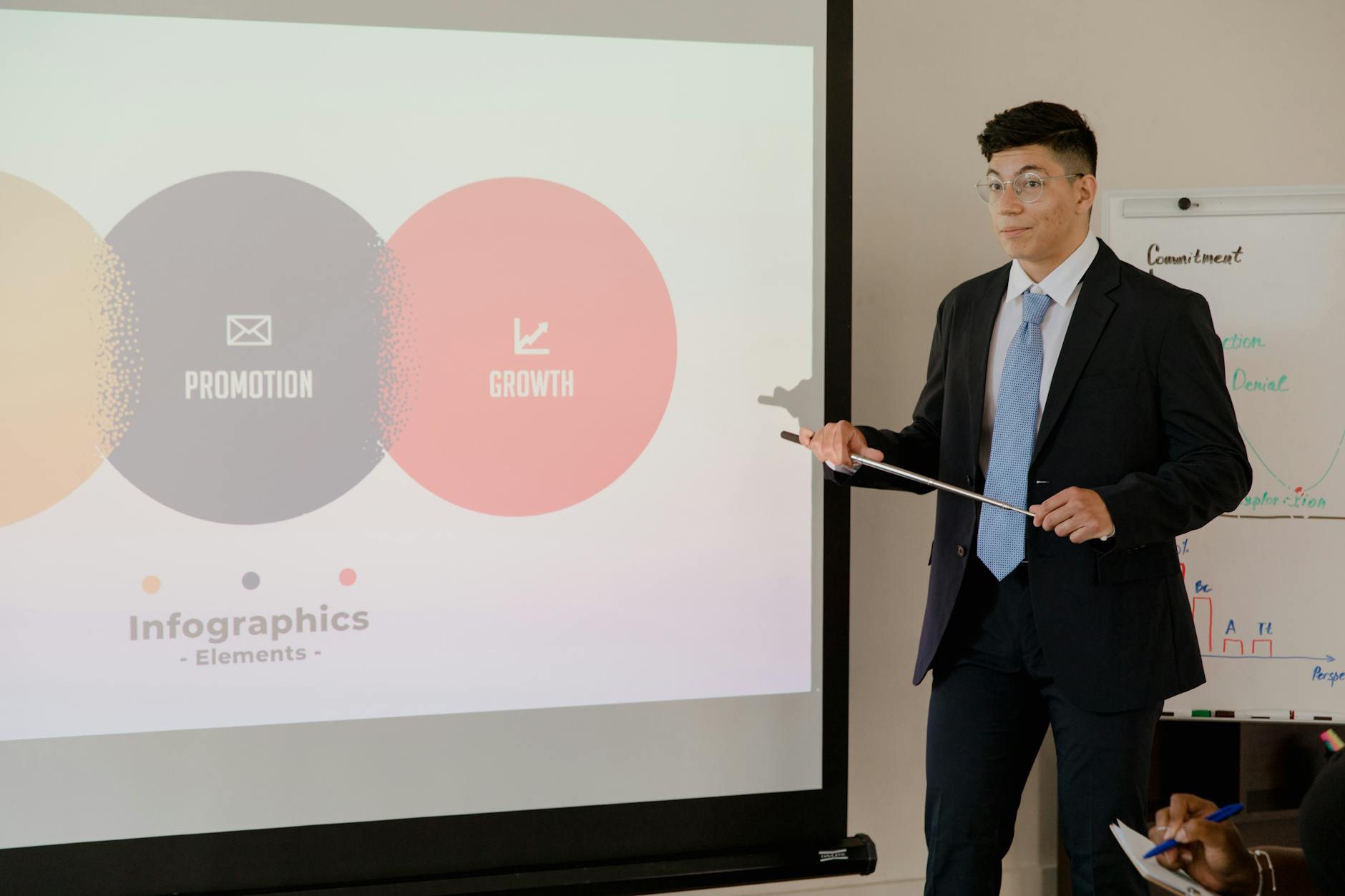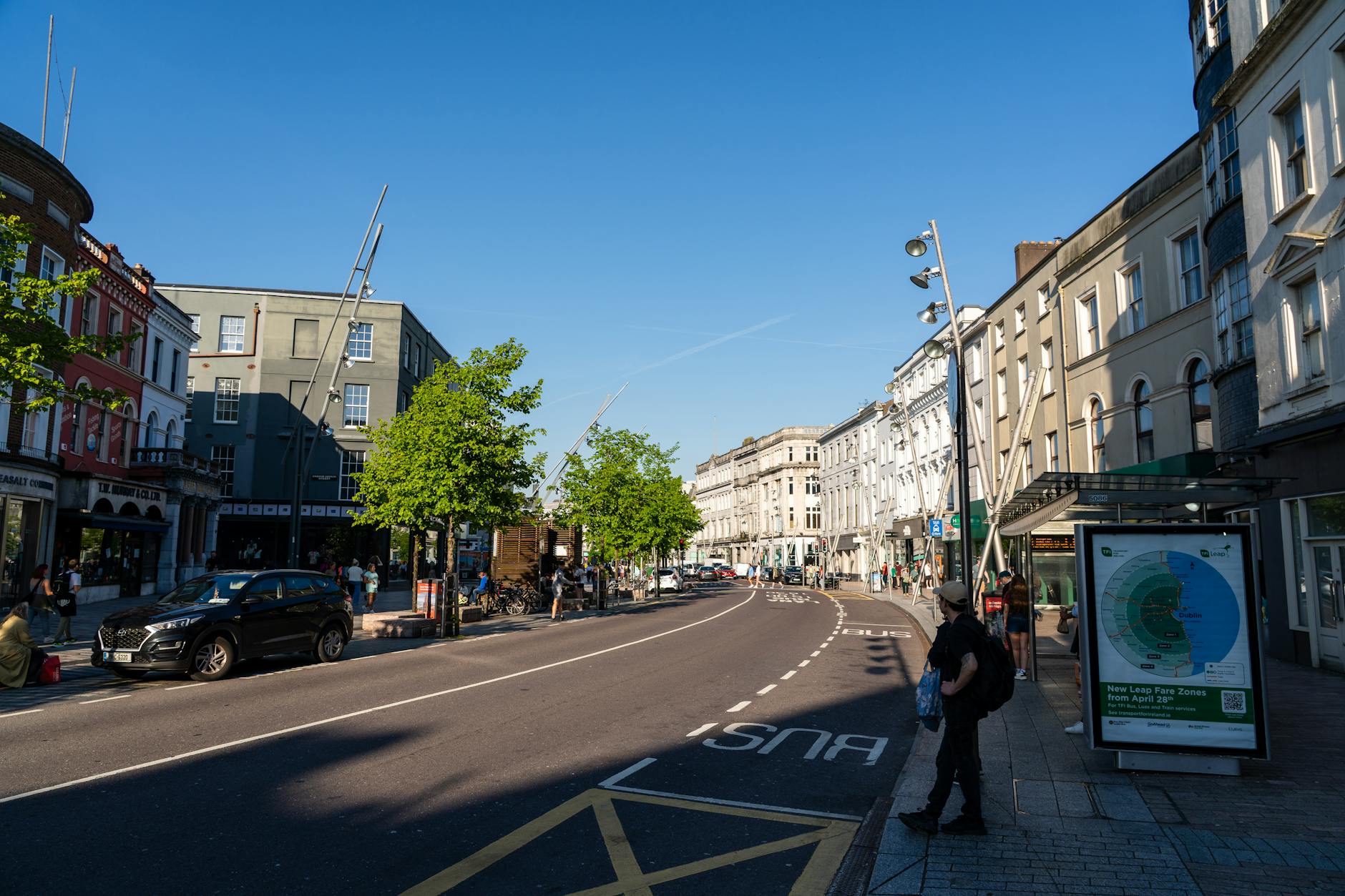
A Cork sales trip is usually won or lost in small logistical choices: whether the traveler can reach the client site without stress, whether the hotel supports prep, whether the evening follow-up is realistic, and whether the schedule leaves enough energy for the meeting that matters most. Cork is manageable, but manageable is not the same as automatic. The strongest sales plan starts with the client map. Central Cork, Little Island, Mahon, Ballincollig, Ringaskiddy, airport-area meetings, and wider County Cork calls all create different answers for lodging, taxis, rental cars, meal timing, and how much city time belongs in the itinerary.
Map the revenue sequence before booking
A sales traveler should begin with the meeting sequence, not the flight. The first serious decision is whether the trip is built around one anchor client, several calls across Cork, a regional route, a demo, a distributor visit, or a dinner that matters commercially. That sequence determines the base.
Cork can support a clean sales trip when the traveler keeps movement simple. It becomes weaker when a pleasant hotel or cheap arrival route creates repeated stress before client-facing moments.
- List every client meeting, demo, meal, and follow-up block before choosing flights or hotels.
- Separate central Cork calls from suburban, airport-area, and wider County Cork visits.
- Keep the strongest meeting away from the riskiest transfer.

Choose the hotel as a sales base
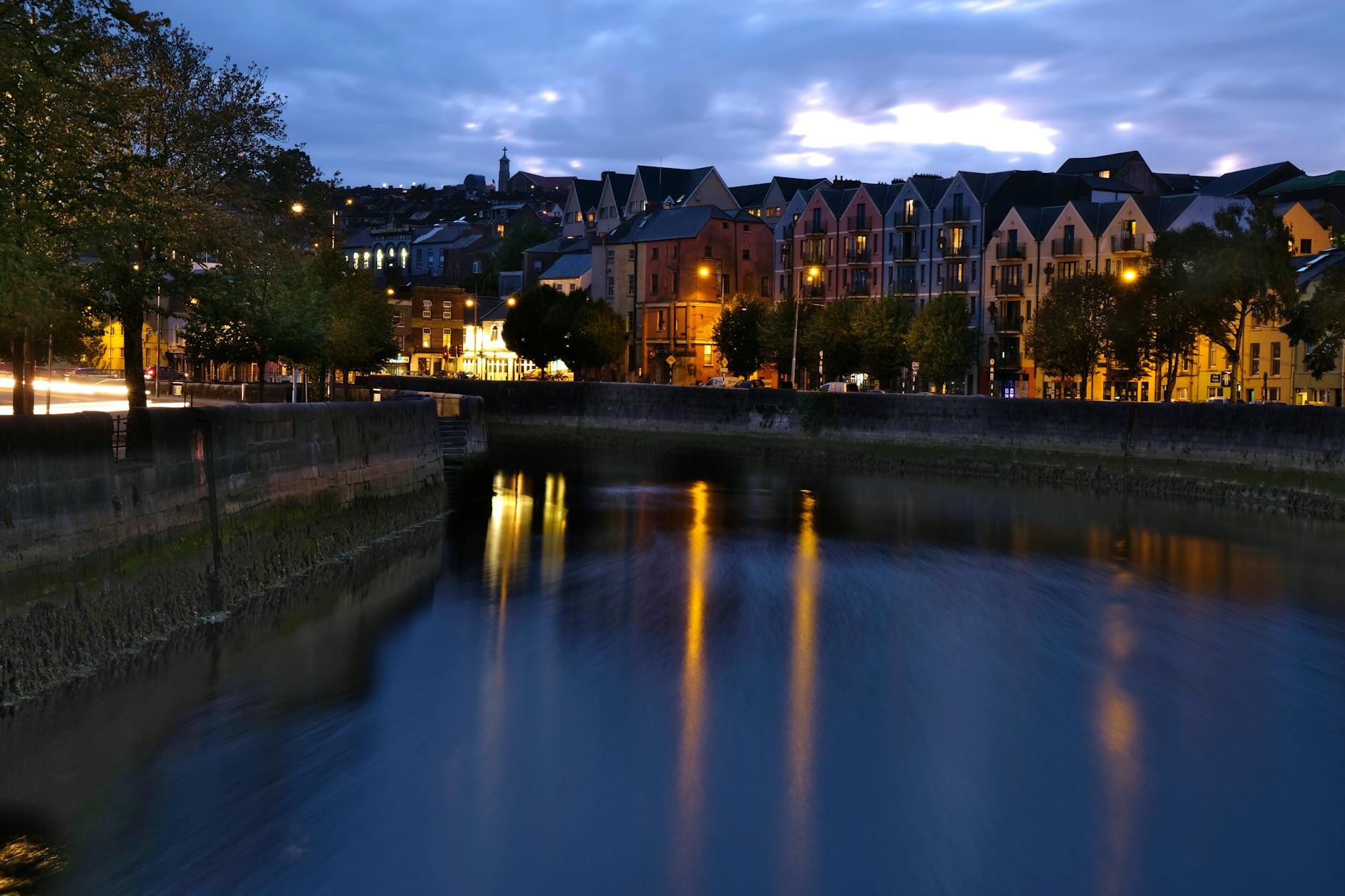
The right Cork hotel for a sales traveler is not always the most atmospheric one. It needs reliable Wi-Fi, quiet prep space, breakfast timing, taxi access, luggage storage, room for sample materials, and a practical route to dinner or the next morning's call. A central base may be best for meetings and evening follow-up, but not if the client sites are elsewhere.
The hotel should reduce uncertainty between commitments. If it adds daily transfer questions, it is probably the wrong sales base.
- Prioritize Wi-Fi, quiet prep space, breakfast, taxi pickup, luggage storage, and client-site access.
- Stay central only when central Cork supports the actual meeting map.
- Check whether the hotel can handle early departure, late return, and sample storage.
Protect presentation and demo readiness
Sales trips carry practical risk: laptops, adapters, samples, printed collateral, product demos, room setup, client Wi-Fi, and the time needed to rehearse or adjust the pitch. Cork's smaller scale can make replacement options less obvious if something fails close to the meeting.
The traveler should build a local support list for printing, taxis, courier needs, office supplies, backup meal spots, and quiet work time. A strong pitch needs operational support as much as sales confidence.
- Carry critical materials, adapters, demo files, and presentation backups in hand luggage.
- Identify local printing, supplies, courier, and quiet work options before arrival.
- Reserve a prep block after arrival and before the highest-value meeting.

Choose transport by client reliability
Cork sales movement may be as simple as taxis between hotel and client offices, or as complicated as a county route with business parks, manufacturing sites, and airport timing. Taxis can work well for central and nearby calls. A rental car may be necessary for scattered regional meetings, but it adds parking, navigation, weather, and fatigue.
The transport decision should be made by meeting reliability. If the route is uncertain, the traveler should not discover that in a suit, with materials, on the morning of the meeting.
- Use taxis where distances, timing, and availability are predictable.
- Use a rental car only when the client map genuinely requires it.
- Confirm parking, reception entry, loading needs, and travel time for every noncentral meeting.
Plan client meals with commercial intent
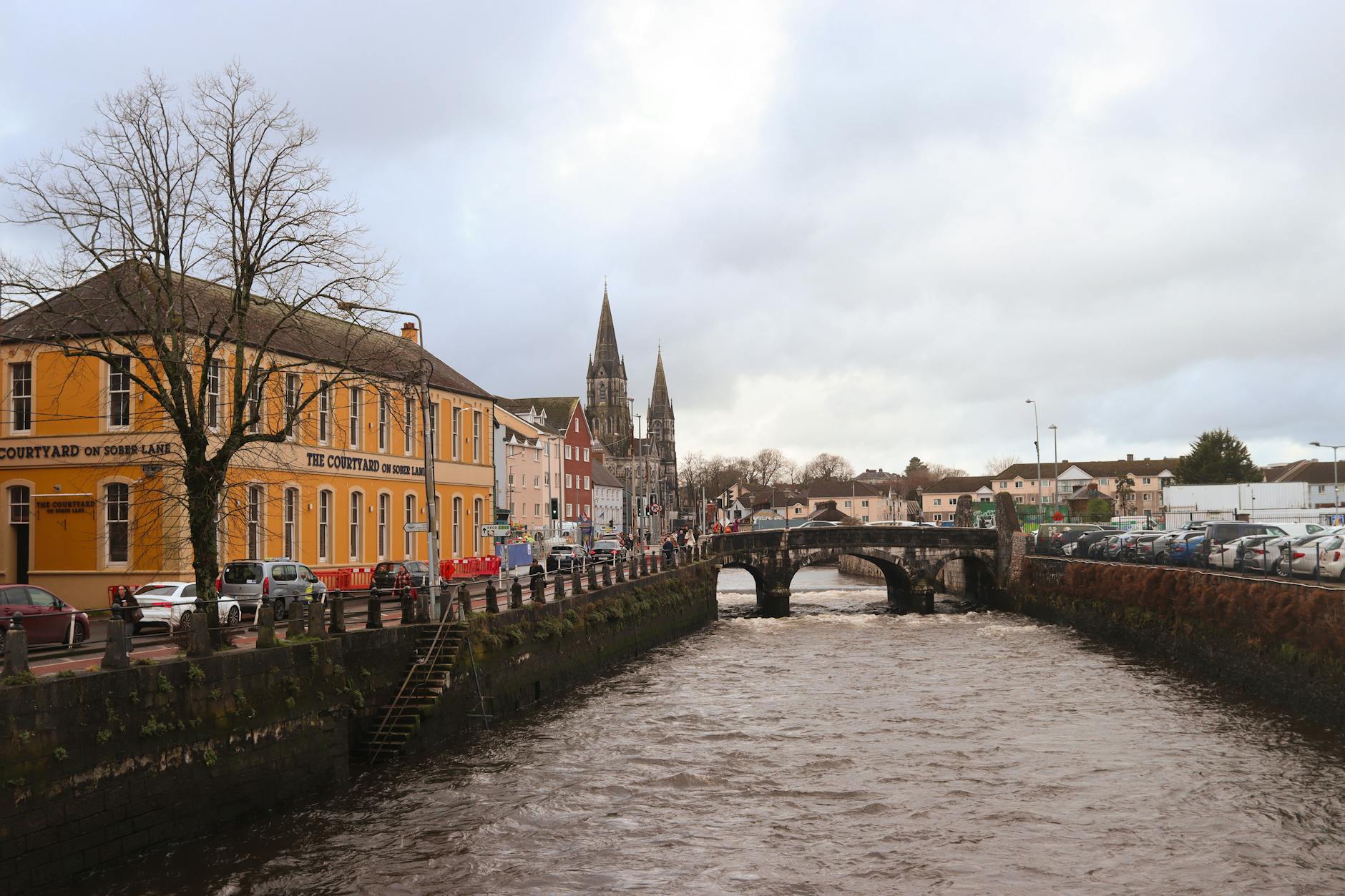
Cork can be useful for sales meals because the city supports comfortable, human-scale conversation. That does not mean the traveler should leave dinner to chance. Restaurant size, noise, reservation needs, dietary constraints, taxi availability, and walking distance all affect whether a meal supports the relationship or becomes work for the client.
The sales traveler should know the purpose of the meal: closing, discovery, relationship repair, distributor management, or informal follow-up. The venue should fit that purpose.
- Choose meals by business purpose, privacy, noise level, group size, and return route.
- Reserve important dinners and check closing days, weather exposure, and taxi demand.
- Do not rely on a spontaneous pub plan for a high-value client conversation.

Use Cork time without weakening the pipeline
A sales traveler may want a walk through the center, the English Market, a pub, or a short side visit. That can be valuable if it helps recovery or relationship building. It becomes a problem when leisure fragments the follow-up work that should happen while the meeting is still fresh.
Cork city is good for low-friction decompression. Wider outings to Cobh, Kinsale, or Blarney should wait until the sales sequence, departure timing, and post-meeting actions are secure.
- Use city-center time for recovery, client rapport, or light exploration after work is protected.
- Keep follow-up blocks close to the meetings that require them.
- Add wider County Cork outings only when they do not compromise the sales purpose.
When to order a short-term travel report
A sales traveler with one central meeting and a direct Cork Airport itinerary may not need a custom report. A report becomes useful when the traveler is seeing multiple clients, carrying samples, comparing airports, booking client meals, visiting suburban or county sites, deciding between taxis and rental car, or trying to add leisure without weakening follow-up.
The report should test client geography, arrival route, hotel base, transport, meeting sequence, presentation logistics, meal strategy, weather, contingency time, and what to skip. The value is a Cork trip built around revenue protection rather than hopeful movement.
- Order when client geography, transport, lodging, meals, samples, or follow-up blocks affect the trip's commercial value.
- Provide meeting locations, dates, client priority, airport options, hotel candidates, materials, meal goals, and budget.
- Use the report to make the sales trip precise before the first client interaction.