A repeat leisure trip to Cork should not be a weaker copy of the first visit. The traveler may already know the city center, Blarney, Cobh, or a few pubs. That familiarity creates an opportunity to choose a better season, slower meals, a different base, a West Cork move, a Kinsale day, or simply a more confident version of the city. The return trip needs a reason. Cork rewards repetition when the traveler stops chasing first-time proof and starts using local rhythm, food, coast, and selective movement more intelligently.
Give the return trip a purpose
A repeat Cork visit should begin with a clear reason: better food, a quieter season, West Cork, family history, a coastal base, deeper city time, a festival, or a restorative weekend. Without that purpose, the trip can drift into revisiting the same streets and feeling less vivid than the first time.
The traveler should decide what will be different this time. The answer may be slower rather than larger. Cork often improves when the visitor stops trying to prove they saw enough.
- Choose the return theme before booking hotels or day trips.
- Do not rebuild the first trip unless the first trip was incomplete for a specific reason.
- Let the repeat visit be slower, deeper, or more seasonal.
Change the base or the season
Repeat visitors should consider changing one major variable. A traveler who stayed in Cork city the first time might try a stronger food base, a quieter hotel, Kinsale, a harbor-focused stay, or a West Cork extension. A traveler who came in peak season might return for a calmer period with more room in restaurants and streets.
The change should be deliberate, not random. A different base can improve the trip only if it supports meals, transport, weather, and the intended pace.
- Consider a different season, hotel area, coastal base, or slower itinerary.
- Check how the new base affects meals, transport, taxis, weather, and day trips.
- Avoid novelty that adds friction without adding value.
Use food as the organizing system
Repeat visitors can get more out of Cork by treating food as structure rather than decoration. Instead of squeezing restaurants between attractions, the traveler can build days around the English Market, a coastal lunch, a pub with the right atmosphere, a reservation that justifies the evening, or a slow return to a favorite place.
This approach works because Cork's pleasure is often in rhythm. A better lunch and a less frantic route may do more for a repeat trip than another landmark stop.
- Anchor days with market time, lunch, dinner, pubs, or coastal meals.
- Reserve important meals and check closing days, taxis, and weather exposure.
- Let food clarify geography instead of sending the traveler across Cork at random.
Go wider only when the route is worth it
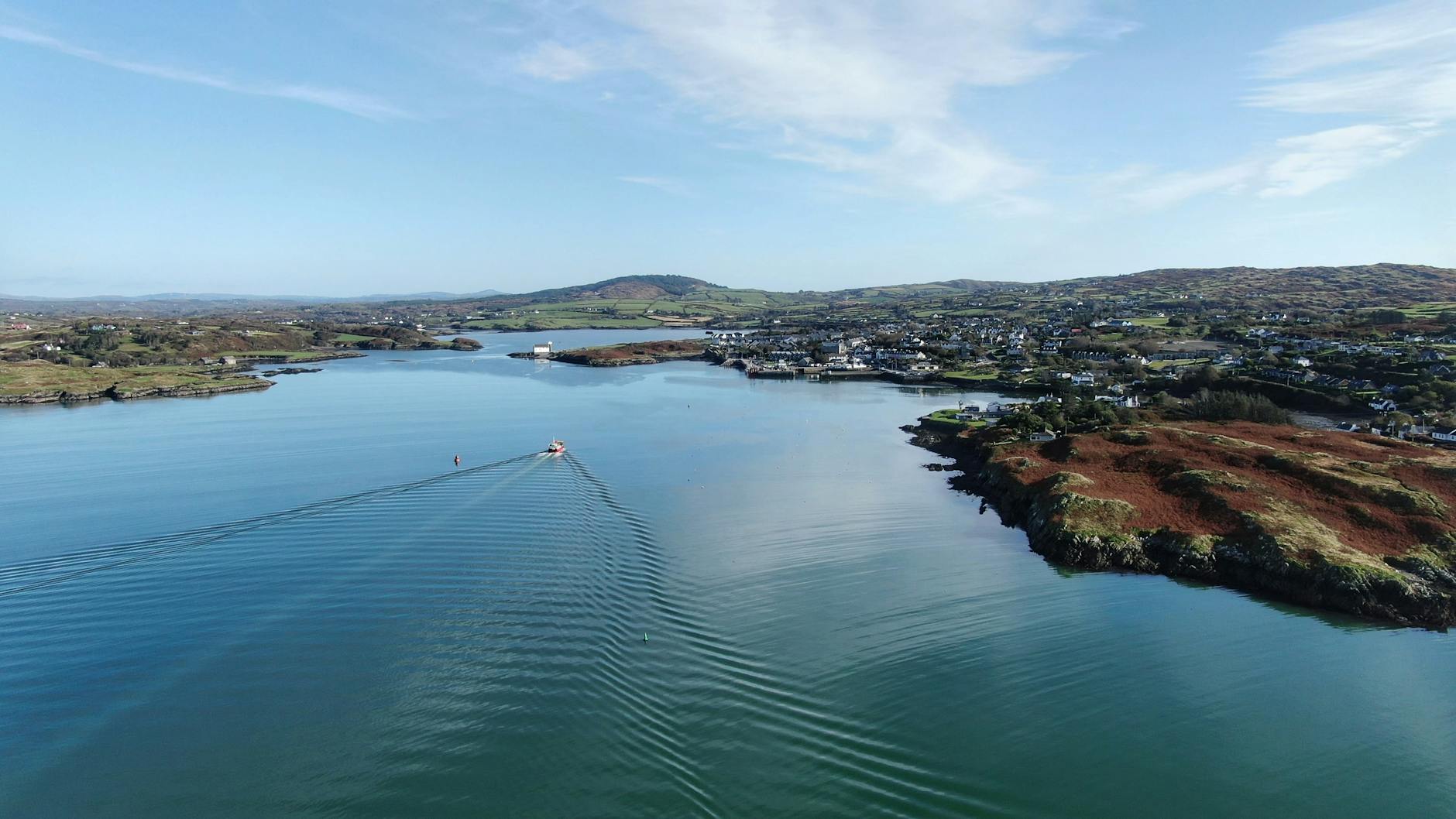
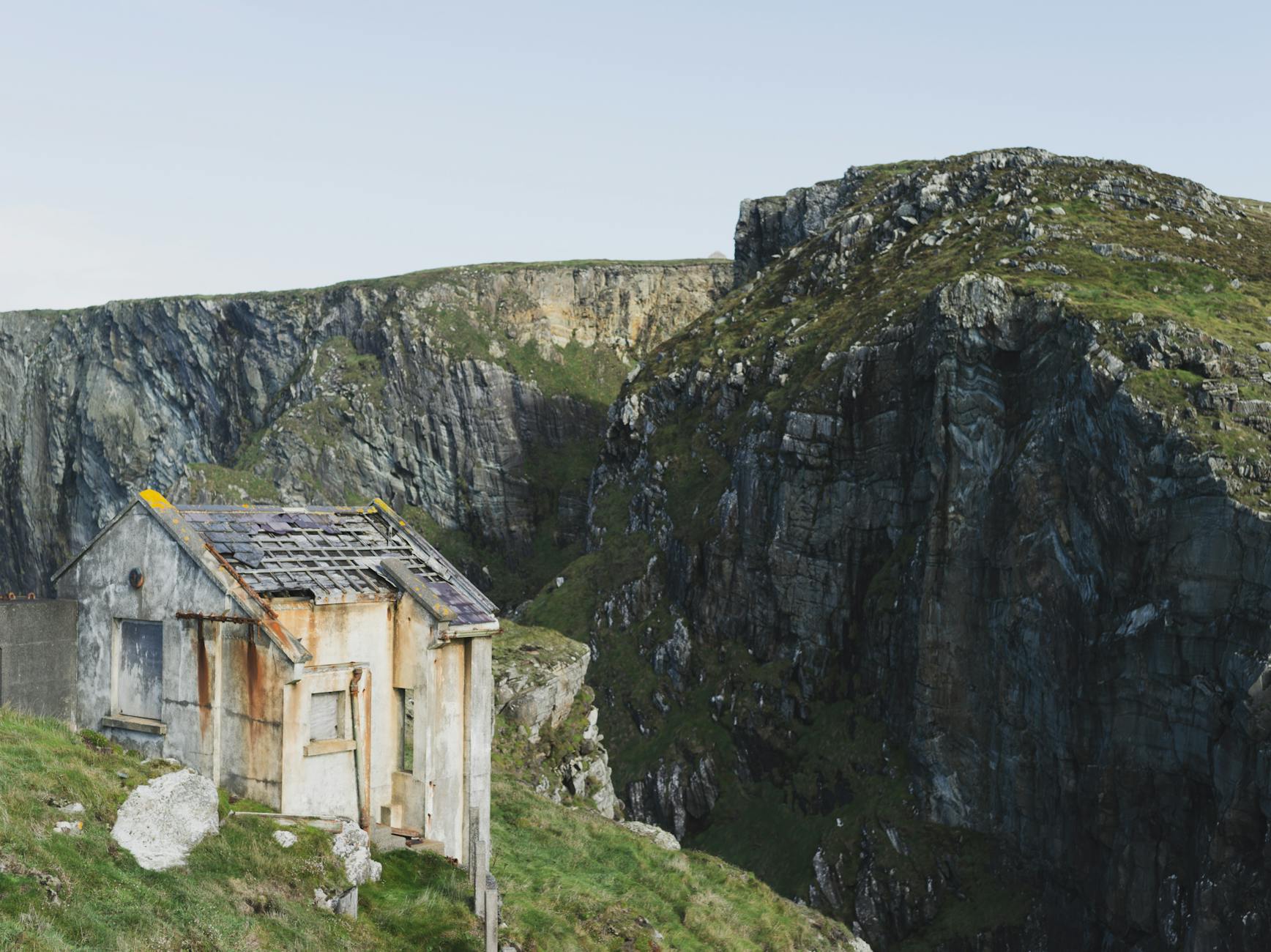
West Cork, Baltimore, Goleen, Ballycotton, Kinsale, gardens, and coastal drives can make a return trip feel meaningfully different. They can also consume most of a short stay. The traveler should measure these moves by road time, weather, daylight, food, driving comfort, and whether the destination is worth the trade.
A repeat visitor is allowed to choose depth over range. One well-paced coastal day can be stronger than a restless tour through several places that deserved more attention.
- Use West Cork or coastal drives only when the schedule has real margin.
- Compare rental car, driver, tour, taxi, and public transport by comfort and timing.
- Choose one serious wider move instead of multiple shallow ones.
Revisit familiar places with better timing
Repeat visitors may still want Blarney, Cobh, Kinsale, or Cork city favorites. The difference should be timing and intent. Go earlier, stay longer, choose a better meal, skip the weak parts, or pair the visit with a quieter route. Familiar places can improve when the visitor stops treating them as obligations.
The traveler should also be willing to cut a familiar stop that no longer serves the trip. Repeat travel should not be held hostage by nostalgia.
- Return to familiar places only when timing, food, route, or purpose improves them.
- Cut repeat stops that exist only because they worked once before.
- Use familiarity to simplify the day, not to overfill it.
Plan weather and transport more honestly
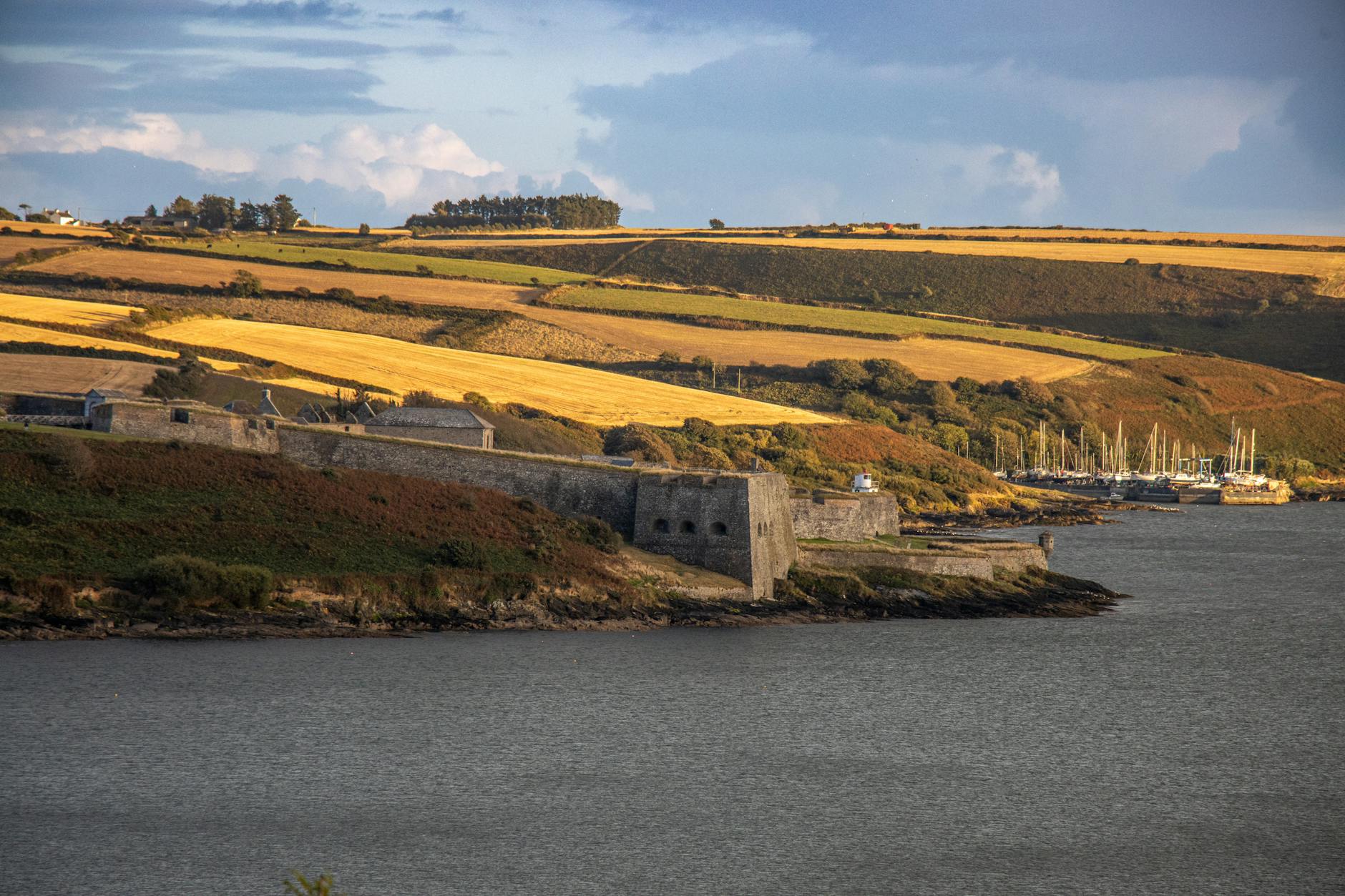
A repeat visitor may remember Cork as easy because the first trip went smoothly. That memory can hide real variables: rain, wind, wet streets, restaurant demand, taxi availability, narrow roads, rail timing, and fatigue. The second trip should use experience without becoming careless.
The traveler should pack better, reserve better, and leave more slack where the first trip felt rushed. Familiarity is useful only if it produces better decisions.
- Plan around rain, wind, road time, taxis, meals, and daylight with fewer assumptions.
- Use lessons from the first trip to improve lodging and route choices.
- Keep slack in the schedule for weather and spontaneous local finds.

When to order a short-term travel report
A repeat leisure visitor with flexible plans and a clear favorite base may not need a custom report. A report becomes useful when the traveler is considering a different season, a West Cork route, a coastal base, a food-led trip, a driver or rental car, a multi-town itinerary, or a return visit that needs to feel distinct from the first.
The report should test the purpose of the return, access, lodging, food, wider County Cork routes, weather, transport, pacing, budget, and what to skip. The value is a second Cork trip that feels more intentional than the first, not merely familiar.
- Order when the return trip needs a new purpose, base, season, route, or food strategy.
- Provide dates, past Cork experience, hotel ideas, places already visited, desired changes, transport comfort, and budget.
- Use the report to turn familiarity into better judgment.