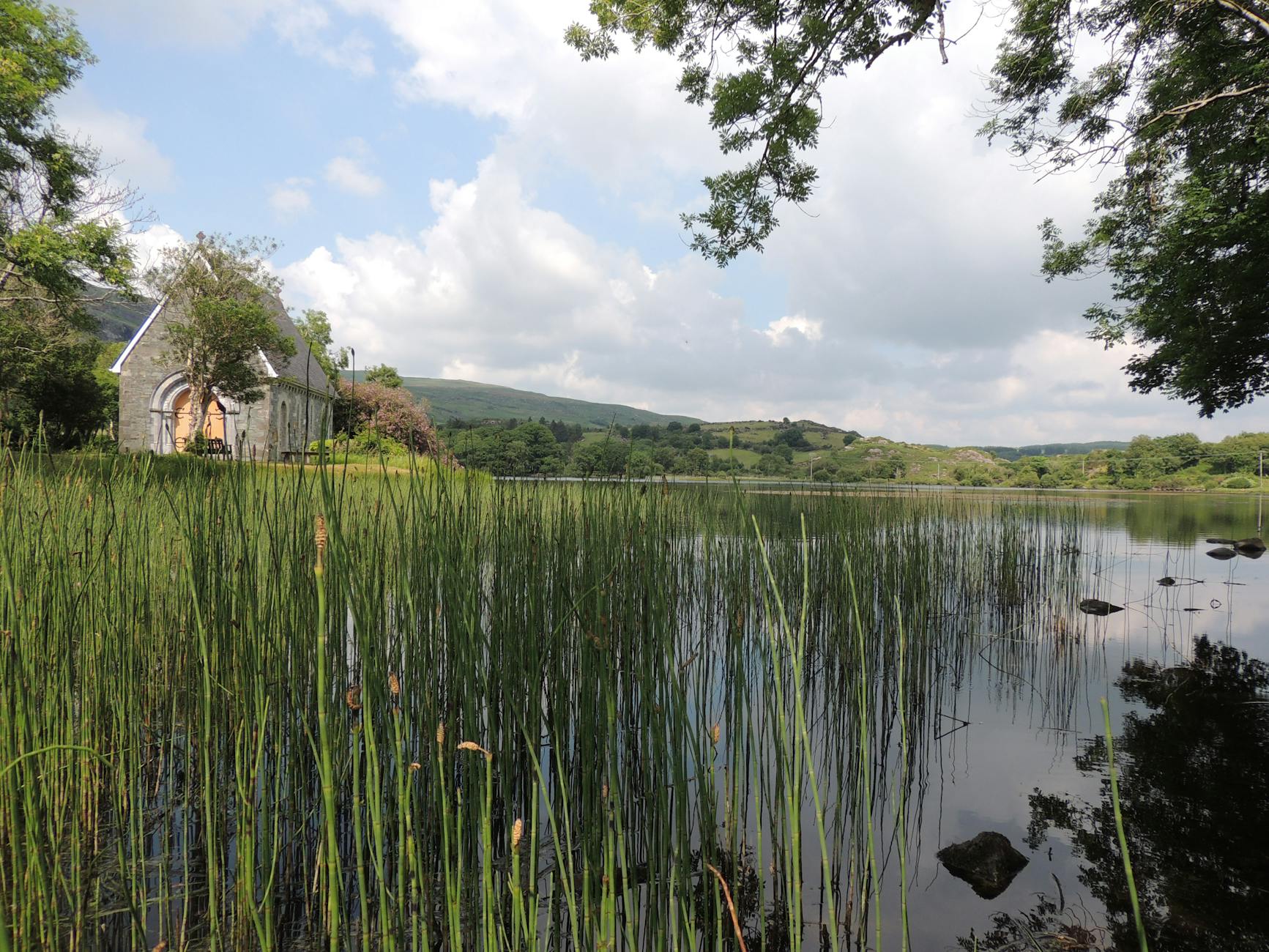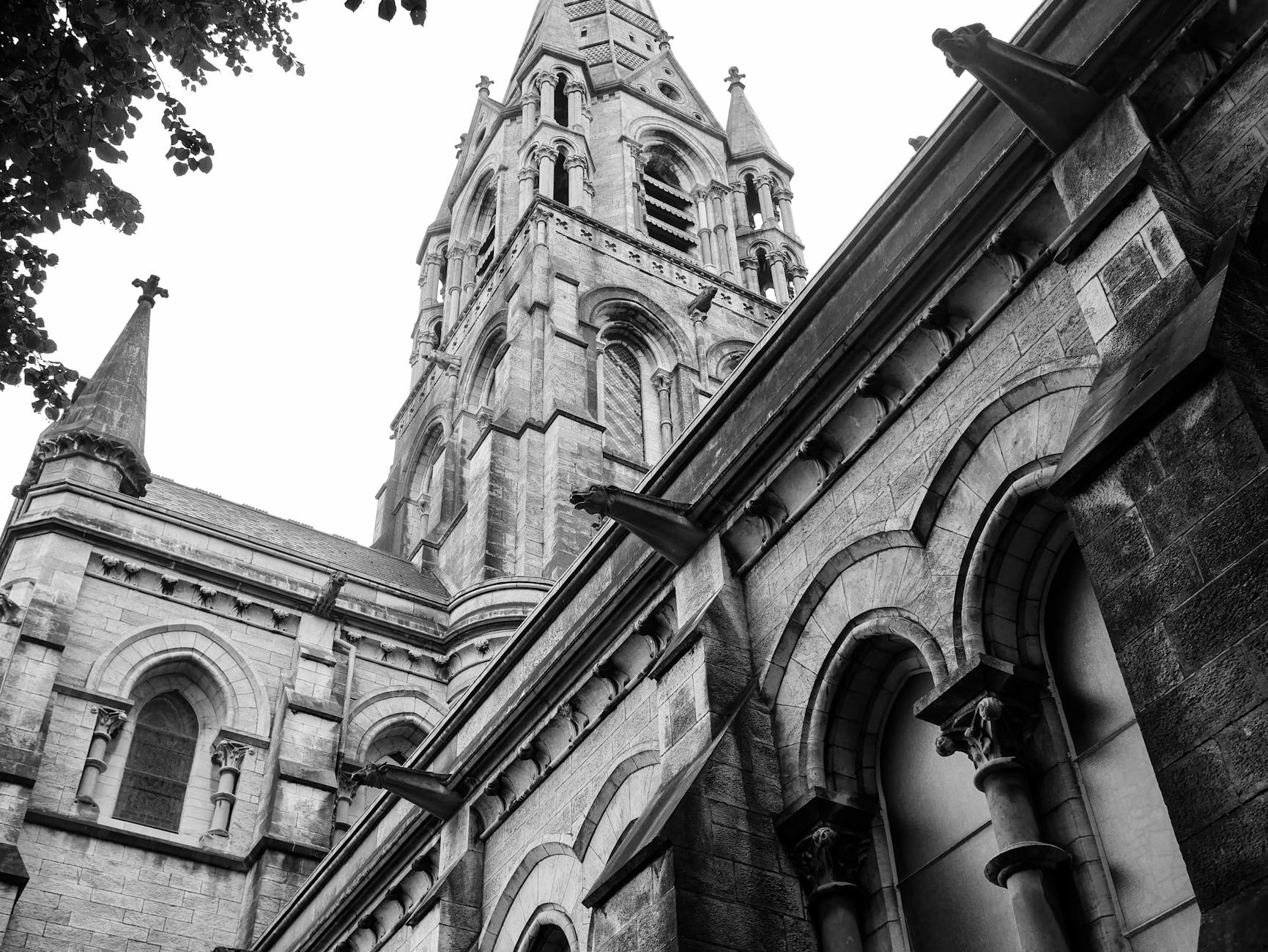
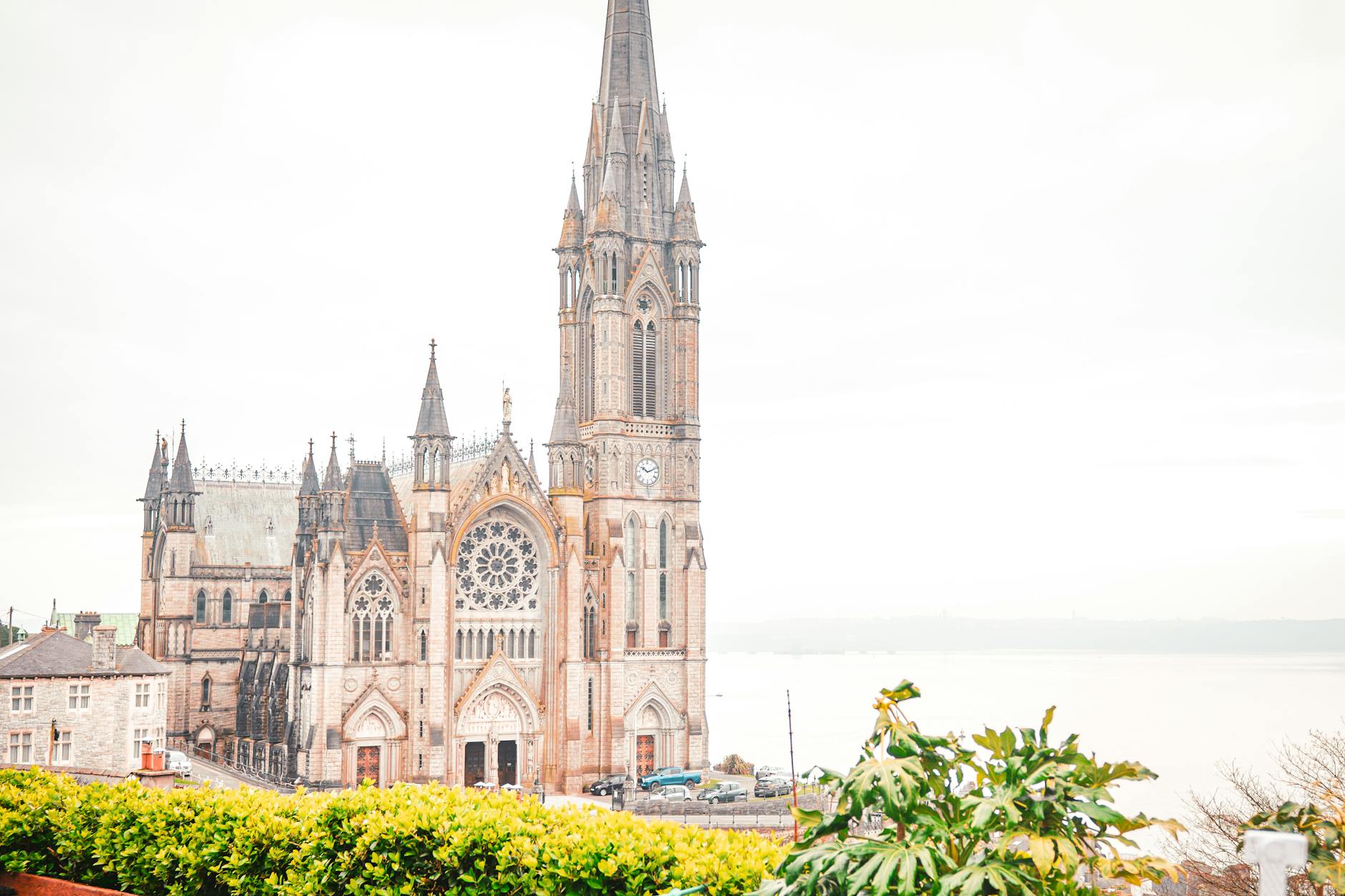
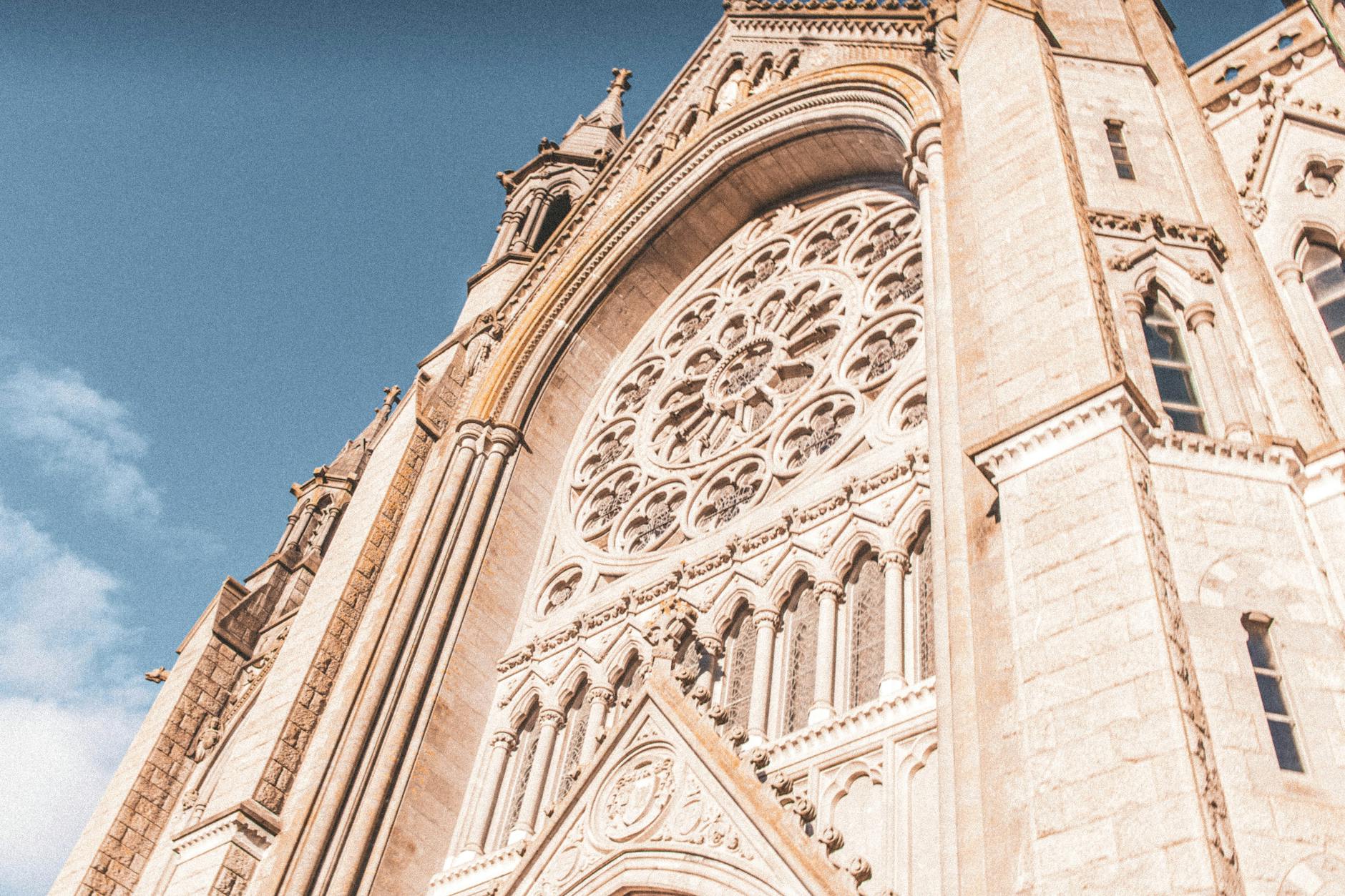
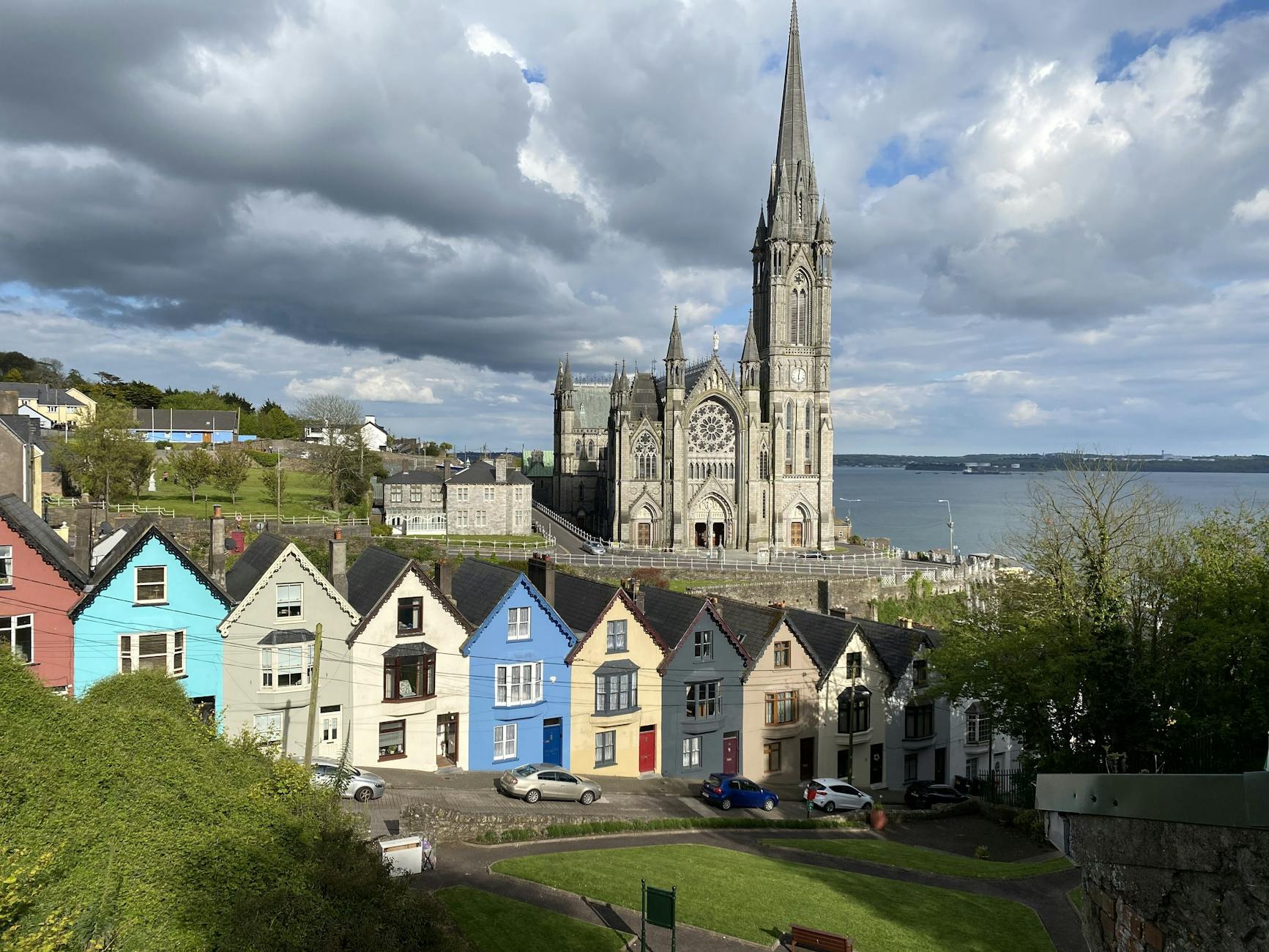
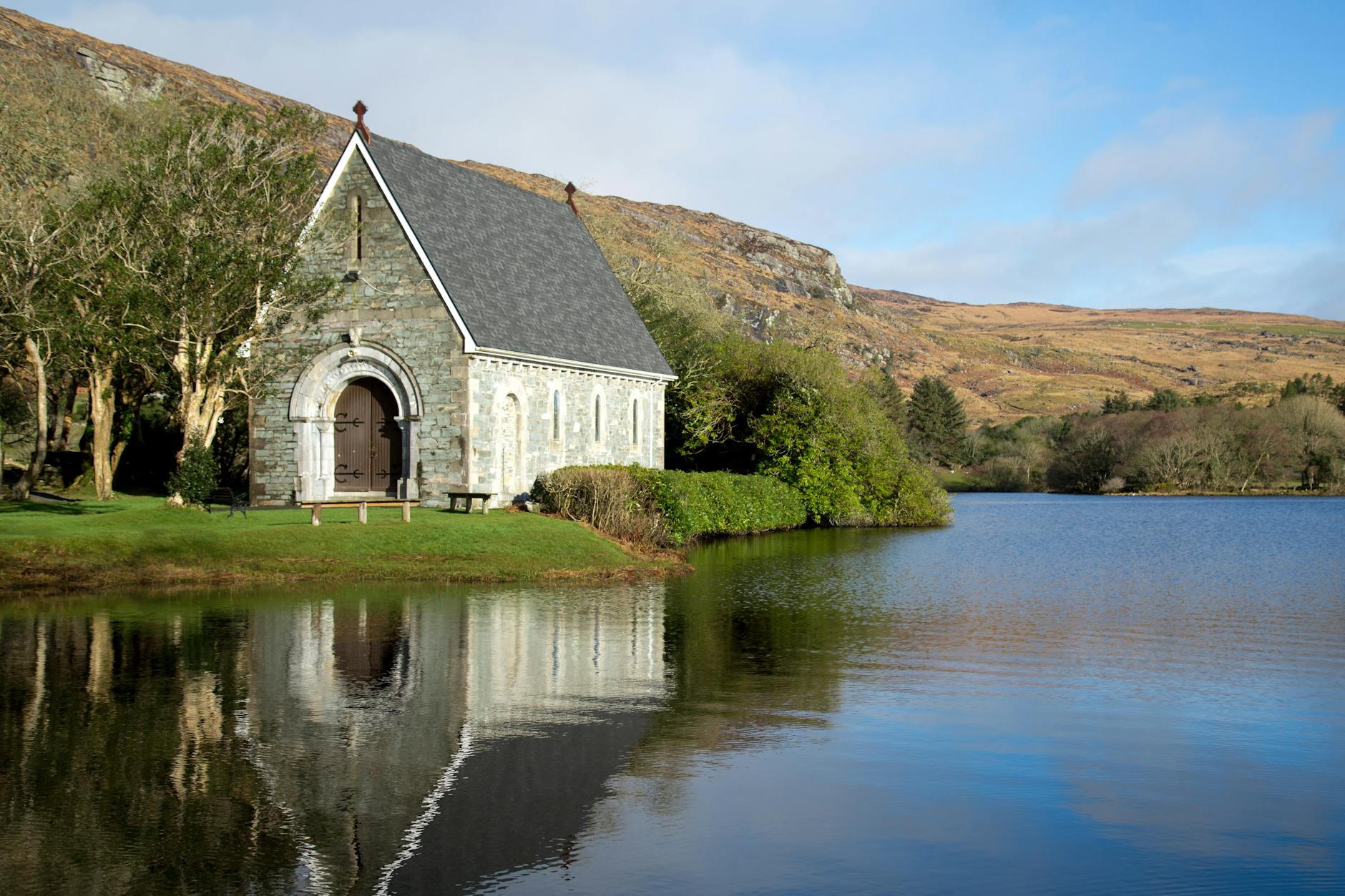
Cork is not a single-purpose pilgrimage city, but it can support a meaningful religious or reflective trip. St Fin Barre's Cathedral, local churches, Cobh's St Colman's Cathedral, Gougane Barra, river walks, cemeteries, small community services, and quiet coastal or countryside settings can all matter depending on the traveler. The practical question is whether the itinerary protects the reason for going. A short Cork trip can become too full very quickly. Worship times, opening hours, Sunday transport, rain, older travelers, dietary needs, quiet lodging, and respectful photography should be planned before the traveler starts adding scenic detours.
Define the purpose before the church list
A religious or pilgrimage-oriented Cork trip may be built around worship, retreat, remembrance, heritage, a choir or parish connection, clergy rest, study, or a quiet pause inside a wider Ireland itinerary. Those purposes need different pacing. A traveler seeking rest should not plan the same day as someone documenting family church history.
The first decision is what the trip is meant to hold. Once that is clear, the traveler can decide whether Cork city, Cobh, Gougane Barra, local services, cemetery visits, or simple quiet time deserve priority.
- Name whether the trip is for worship, retreat, remembrance, heritage, study, or group travel.
- Separate essential spiritual commitments from optional scenic or cultural stops.
- Leave enough unscheduled time for prayer, reflection, conversation, or rest.
Verify worship times and visitor access
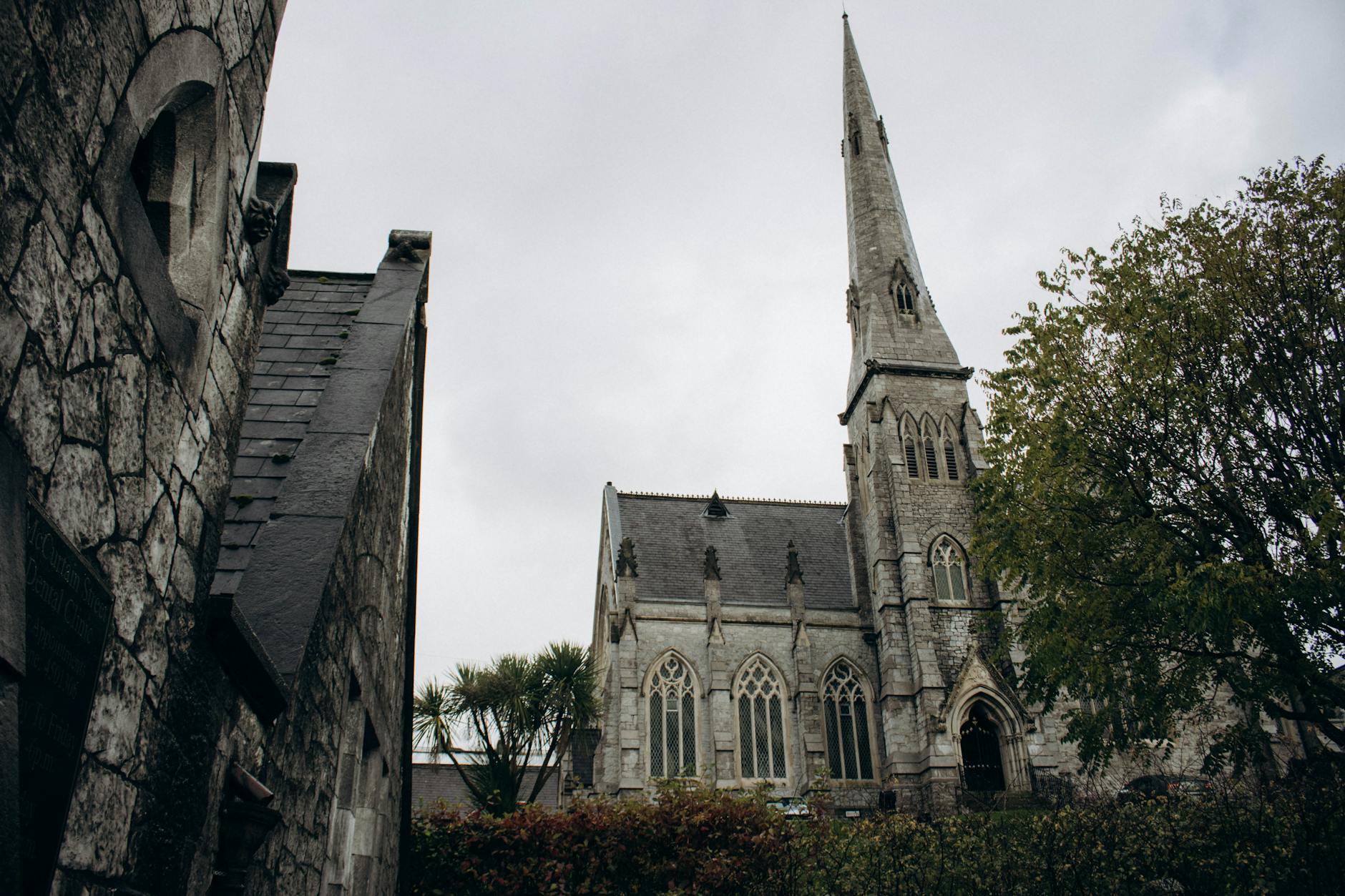
Cathedrals, churches, chapels, and community spaces should not be planned from assumptions. Service times, visitor hours, tour limits, language, accessibility, photography rules, music programs, holiday schedules, and private-event closures can all change the day. A traveler who cares about attending worship should confirm details close to travel.
Cork city may be easy to navigate, but the right service may still require a specific time, bus, taxi, or walk in wet weather. If a service is the anchor, everything else should be arranged around it rather than squeezed around it.
- Confirm service times, opening hours, holiday changes, photography rules, accessibility, and visitor expectations.
- Map the route from lodging to worship before choosing breakfast, checkout, or side trips.
- Keep written details for important services, appointments, or group gatherings.

Treat Cobh and Gougane Barra as real trips
Cobh and Gougane Barra can be meaningful additions, but neither should be treated as a weightless add-on. Cobh is relatively accessible but still needs timing, weather judgment, church access, hillside walking, and return planning. Gougane Barra is more rural and requires a stronger transport plan, especially for travelers without a car.
These places can deepen a Cork religious journey when they serve the purpose. They can also consume the day and leave the traveler tired, wet, or late for the commitment that mattered most.
- Plan Cobh around train timing, hillside walking, church access, weather, meals, and return comfort.
- Treat Gougane Barra as a rural outing with transport, daylight, food, and weather buffers.
- Do not add both places to a short trip unless the purpose and stamina justify it.
Choose lodging for rest, not just location
A reflective trip is weakened by lodging that leaves the traveler tired. Cork lodging should be evaluated for quiet, elevators, breakfast timing, walkability, taxi access, nearby food, room privacy, heating, laundry, and a comfortable place to sit. A central location helps only if it also supports recovery.
Travelers attending early services, traveling with older relatives, or carrying formal clothing should check the small details. Wet weather, uneven pavements, and late returns can make a charming but awkward property less useful than it looks online.
- Check quiet, elevators, breakfast hours, walkability, heating, taxi access, and nearby food.
- Match lodging to worship timing, mobility, rest, privacy, and weather recovery.
- Avoid distant scenic lodging if it makes services or quiet time harder to protect.
Plan food, mobility, and weather together
Religious travel often involves fixed times, older travelers, fasting or dietary rules, formal clothing, medications, and emotional fatigue. Cork's rain and cool wind can make ordinary movement harder, especially around hills, stone steps, cobbles, cemetery paths, and waterfront walks.
The itinerary should include meals, restrooms, short transfers, indoor pauses, and clothing that works for both worship and weather. It is easier to preserve attention when basic needs are not being improvised.
- Plan meals, medication timing, restrooms, footwear, rain gear, formal clothing, and indoor pauses.
- Check slopes, steps, cobbles, cemetery paths, and church accessibility before arrival.
- Use taxis or shorter routes when fixed services or older travelers reduce margin.
Use restraint with photography and local spaces
Churches, services, cemeteries, memorial visits, and quiet rural sites are not simply backdrops. A traveler should ask before photographing people, avoid filming private worship, follow signs, keep voices low, and think carefully before posting grief, prayer, or local community life online.
Respect also includes learning enough context to avoid turning a place into scenery without understanding. A better religious trip usually has fewer images and more attention.
- Ask before photographing services, worshippers, staff, private ceremonies, or personal moments.
- Follow posted rules on photography, dress, access, noise, candles, and restricted areas.
- Avoid using local worship, grief, or rural quiet as content without care.
When to order a short-term travel report
A religious traveler with flexible plans and a simple Cork city visit may not need a custom report. A report becomes useful when the journey includes fixed services, older travelers, mobility limits, Cobh or Gougane Barra, family heritage research, dietary needs, emotional purpose, group movement, or uncertainty around access and timing.
The report should test worship times, opening hours, lodging, transport, weather, accessibility, food, quiet space, side trips, respectful etiquette, budget, and what to skip. The value is a Cork trip that protects the reason for going.
- Order when worship timing, side trips, mobility, food, group movement, or quiet space needs testing.
- Provide dates, purpose, faith or community needs, lodging ideas, mobility limits, meal needs, and budget.
- Use the report to keep the journey reflective rather than overloaded.